Attractions and Places To See around Herk-De-Stad - Top 20
Best attractions and places to see around Herk-De-Stad include a variety of historical landmarks, expansive natural areas, and cultural sites within the Belgian province of Limburg. The municipality is characterized by its location amidst gentle rolling hills, agricultural fields, and the confluence of the Herk, Demer, and Gete rivers. This region offers diverse points of interest for exploration, encompassing natural beauty and historical significance.
Best attractions and places to see around Herk-De-Stad
- The most popular attractions is De Platwijers-Wijvenheide Nature…
Last updated: June 22, 2026
De Platwijers-Wijvenheide Nature Reserve
Highlight • Lake
Translated by Google •
Tip by

Herkenrode Abbey Site
Highlight • Historical Site
Translated by Google •
Tip by

Sign up now to discover places like this
Get recommendations on the best single tracks, peaks, & plenty of other exciting outdoor places.
Sign up for free
De Wijers Observation Tower, Zonhoven
Highlight • Viewpoint
From the 15 meter high tower you …
Translated by Google •
Tip by

Grasbos (Poggio of Diest) Climb
Highlight (Segment) • Climb
Tip by

Schulensmeer
Highlight • Lake
Translated by Google •
Tip by

Sign up for free to discover even more attractions around Herk-De-Stad.
Sign up for free
Already have an account?
Start today with a free account
Your next adventure awaits.
Login or Signup

Tips from the Community

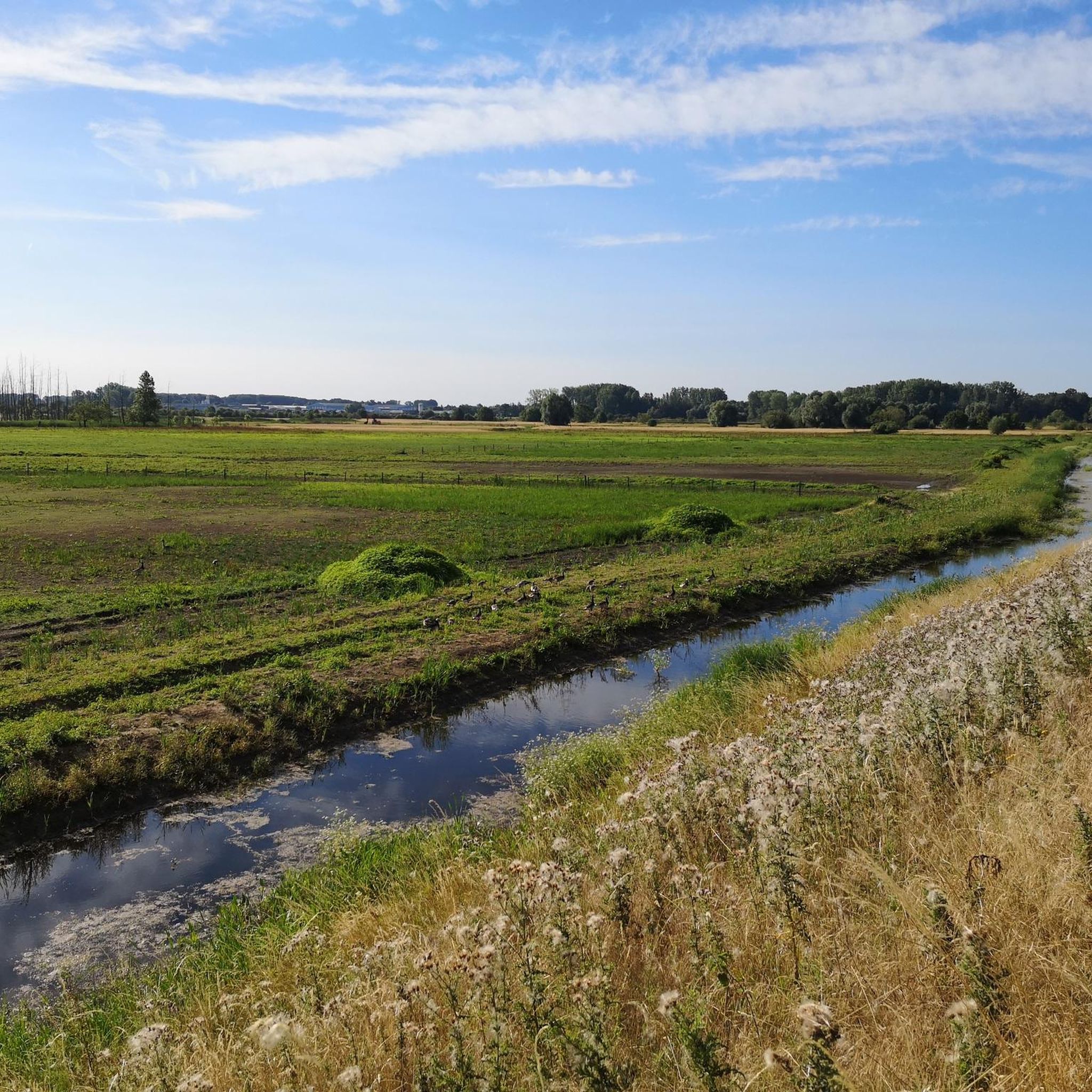
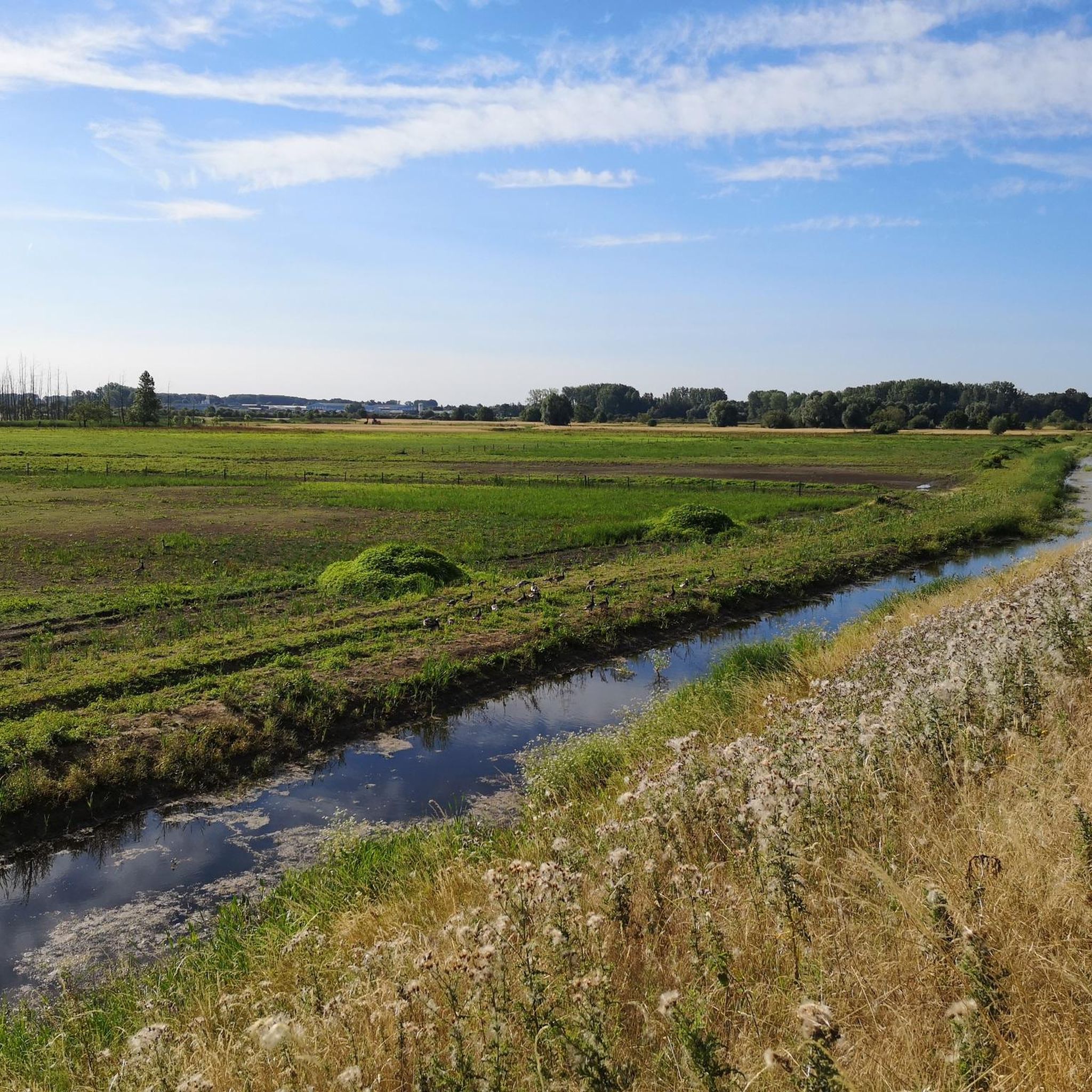
The Schulensmeer is the largest inland lake in Flanders. Numerous benches invite you to take a break.
5
0

You feel the peace here, especially when you're on the other side and can admire the horses and sheep nearby in the beautiful open countryside. I'll definitely come back here for a walk. Wonderful 😎
1
0

Beautiful view of the size of the Schulens lake...
7
0

The Herkenrode Abbey site is an interesting combination of culture, history, nature and an ideal starting point for walks.
10
0

The main entrance to the abbey is located to the south of the complex. It is a late Gothic gatehouse, built in 1531 by order of Abbess Mechtildis of Lechy. There are two storeys under two intersecting slate saddle roofs with a spire with a pear-shaped crowning at the intersection, dated 1531 (coat of arms on the rear facade) and restored in 1907 (architect G. Rypens) and 1973. Inventory of Immovable Heritage: Herkenrode Abbey, https://id.erfgoed.net/erfgoedobjecten/22246
8
0
The Herkenrode abbey site is located in the Demer valley, in a transitional area between the Lage Kempen and Haspengouw, south of the village centre of Stokrooi (Hasselt). It is an extensive historical domain that dates back to the former abbey complex of the Cistercian nuns. To the north of the Demer are the meadows, to the south the old abbey with its appurtenances, the farmyard, the eastern castle park and the other, higher agricultural lands. In addition to unirrigated hay and pasture land, there were also large flood meadows here until the 20th century. The latter were supplied with water via the Tuilterdemer. The abbey was founded in 1182, when Geeraard, Count of Loon, donated his estate Herkenrode to a certain brother Henricus to build a monastery for women. In 1271 the monastic community joined the order of Cîteaux. It became a flourishing enterprise that over the years acquired numerous possessions. The religious purpose came to an end with the departure of the sisters in 1796. At the beginning of the 19th century, the new abbess wing, built in 1768 to the south of the old abbess quarters, was converted into a castle. In the same period, an English garden was laid out on the east side and a front garden on the west side. The 14th-century church burned down in 1826 and was demolished together with the monastery building and the convent buildings in 1843. The buildings and the surrounding grounds formed a single differentiated whole for a long time. Over time, however, they fell into the hands of different owners. In 1972, 11 ha of the former abbey site became the property of the canonesses of the Holy Sepulchre. The property includes the actual remaining abbey buildings with the sisters' quarters, the old abbess quarters, the sacristy, the infirmary, the 18th-century abbess wing and the adjoining landscaped park. Inventory of Immovable Heritage: Herkenrode Abbey Site, https://id.erfgoed.net/erfgoedobjecten/135252
10
0
At the end of June 2024, it was announced that architects Arnout Van Vaerenbergh and Pieter-Jan Gijs will resurrect the church and other disappeared buildings on the Herkenrode site. Not quite as fully-fledged buildings, but with the interplay of lines that they are known for and that many have already seen in their see-through church in Borgloon. It should bring the total experience of Herkenrode more closely into line with historical reality and should work perfectly with the buildings that are still there today, making Herkenrode already a tourist attraction. This should be ready in 2026 and you can discover more about it at https://www.vrt.be/vrtnws/nl/2024/06/27/clausura-herkenrode/
11
0
The observation tower was designed by the Ghent-based architectural firm Architecten Delobelle. It is situated in the wooded edge of one of the ponds and offers a view of the hundreds of ponds in the surrounding area. To minimize the impact on the natural environment, they used natural materials, colors, and hues that integrate seamlessly with the green surroundings. In the nature reserve, the observation tower constantly appears in a changing form, with the galvanized steel, wood, and thatch blending seamlessly into the surroundings. The fish, the icon of the Wijers, served as inspiration for the tower. The observation tower leaps out of the water like a "fish gasping for air." https://www.cgconcept.be/uitkijktorens-in-de-natuur-video/ Fact: Originally, the observation tower was intended to be 30 meters tall.
9
0
Frequently Asked Questions
What natural attractions can I explore in Herk-De-Stad?
Herk-De-Stad offers several beautiful natural areas. You can visit De Platwijers-Wijvenheide Nature Reserve, known for its abundant birdlife and extensive fish farming ponds. Another highlight is Schulensmeer, Flanders' largest inland water, surrounded by the Schulensbroek nature reserve. For panoramic views, head to De Wijers Observation Tower, Zonhoven, which overlooks hundreds of ponds.
Are there opportunities for water sports in the area?
Yes, Schulensmeer is the primary hub for water sports in the region. It's an excellent spot for activities like surfing, kayaking, sailing, and fishing, making it a popular destination for aquatic enthusiasts.
Where can I find historical sites and landmarks in Herk-De-Stad?
Herk-De-Stad is rich in history. The Herkenrode Abbey Site, founded around 1182, features restored buildings like a 1531 gatehouse and a 1657 tithe barn. You can also see the historic Herkermolen, an operational grain and oil watermill, and the impressive Monastery of Herk-de-Stad. The 15th-century Oude Toren (Old Tower) is another notable historical remnant.
What cultural experiences can I have in Herk-De-Stad?
The former municipal school and town hall have been converted into De Markthallen, a cultural center hosting events, concerts, and exhibitions. The town also hosts the annual Rock Herk festival, featuring diverse music genres. Additionally, you can explore the weekly market on Wednesdays for local products.
Are there family-friendly attractions in Herk-De-Stad?
Absolutely! Many attractions are suitable for families. De Platwijers-Wijvenheide Nature Reserve and Schulensmeer offer outdoor exploration. Domain "Het Olmenhof" provides a playground, skatepark, animals, and a pond. The De Wijers Observation Tower, Zonhoven, offers an engaging experience with its panoramic views.
What kind of cycling routes are available around Herk-De-Stad?
The region is excellent for cycling, especially through its fruit fields. You can find a variety of routes, including road cycling, mountain biking, and gravel biking. For detailed routes and difficulty levels, explore the Road Cycling Routes around Herk-De-Stad, MTB Trails around Herk-De-Stad, and Gravel biking around Herk-De-Stad guides.
Where can I go for scenic views or observation points?
For breathtaking views, visit De Wijers Observation Tower, Zonhoven, which stands 15 meters high and offers panoramas over hundreds of ponds. The 15th-century Oude Toren also serves as a recognized monument and observation point. Additionally, the Wine Domain De Caybergh, located at the highest point of Herk-de-Stad, provides insights into winemaking and scenic surroundings.
Are there any specific places for birdwatching or wildlife spotting?
Yes, De Platwijers-Wijvenheide Nature Reserve is renowned for its abundant birdlife, making it a birdwatcher's paradise. The surrounding Schulensbroek, a watery nature reserve near Schulensmeer, is also one of Flanders' largest and hosts numerous water and meadow birds.
What do visitors enjoy most about the attractions around Herk-De-Stad?
Visitors frequently appreciate the diverse combination of historical sites, expansive natural areas, and scenic viewpoints. The tranquility of places like De Platwijers-Wijvenheide Nature Reserve and the historical depth of the Herkenrode Abbey Site are often highlighted. The community has shared nearly 300 photos and given over 1100 upvotes, indicating a strong positive experience with the region's offerings.
Are there any notable castles or churches to visit?
The region features several castles, including Kasteel van Landwijk (dating back to the 12th century), Kasteel Hamont, Kasteel de Pierpont, and Kasteel Gasterbos. For churches, the Sint-Gummaruskerk is a beautiful Gothic landmark. The Onze-Lieve-Vrouwkerk of Donk, a classicist hall church from 1752, is also notable for its unique interior and rural cemetery.
Can I find places for relaxation and recreation in Herk-De-Stad?
Domain "Het Olmenhof" (also known as Olmenhof-Harlaz) is a relaxing natural domain in the center of Herk-de-Stad. It features a beautiful English park with exotic trees, a restaurant, and a pond. It's an ideal spot for unwinding and enjoying nature within the town.
Most popular routes around Herk-De-Stad
Most popular attractions around Herk-De-Stad

Get inspired with the komoot mobile app


Explore more
Still not found the Highlight you’re looking for? See guides of the top attractions in other regions:
