Attractions and Places To See around Lummen - Top 20
Best attractions and places to see around Lummen, a municipality in the Belgian province of Limburg, offers a variety of attractions highlighting its natural beauty and cultural heritage. Located at the intersection of the Hageland, Haspengouw, and Kempen regions, Lummen is characterized by green areas, stream valleys, wet grasslands, and significant water bodies. The region provides diverse opportunities for outdoor activities and exploration.
Best attractions and places to see around Lummen
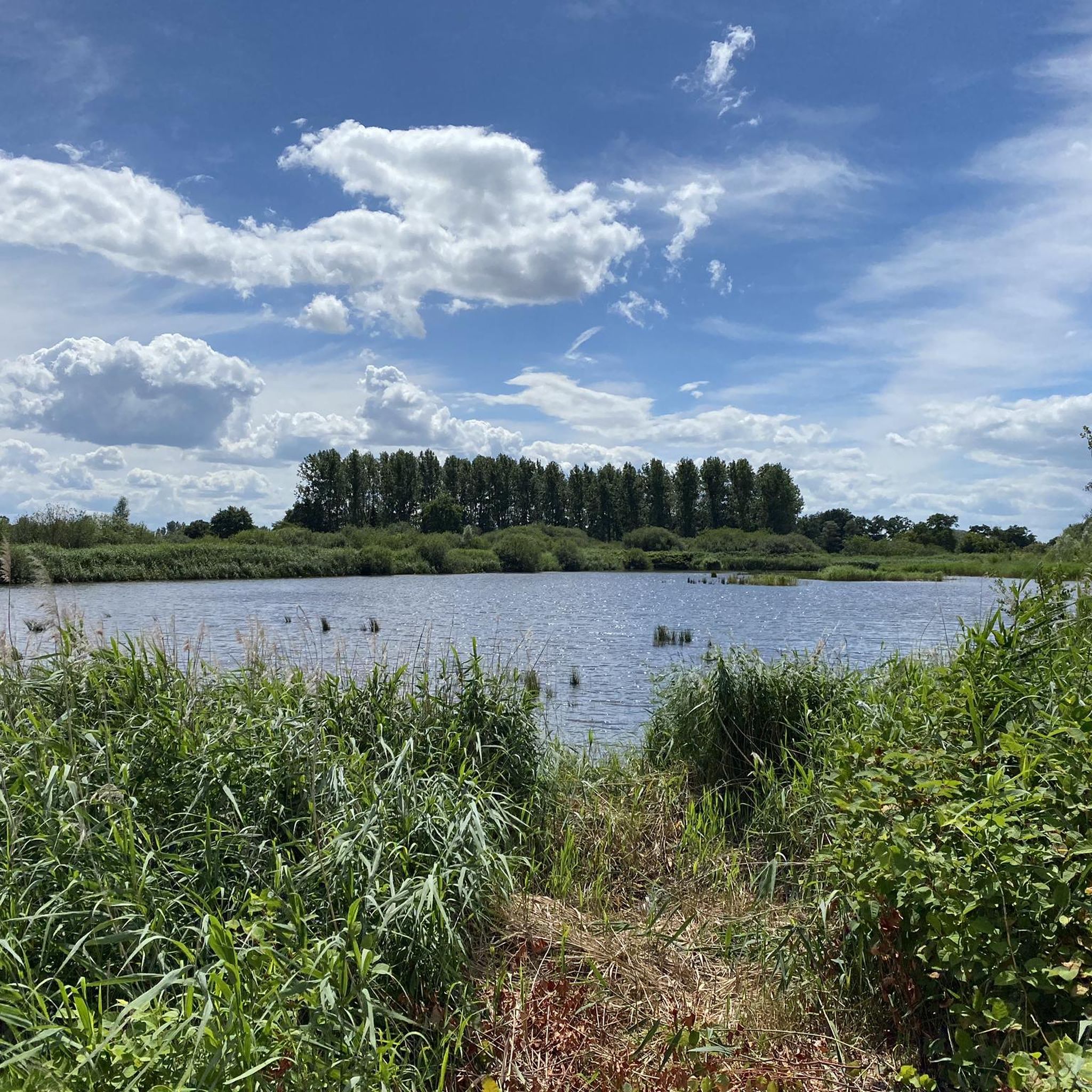
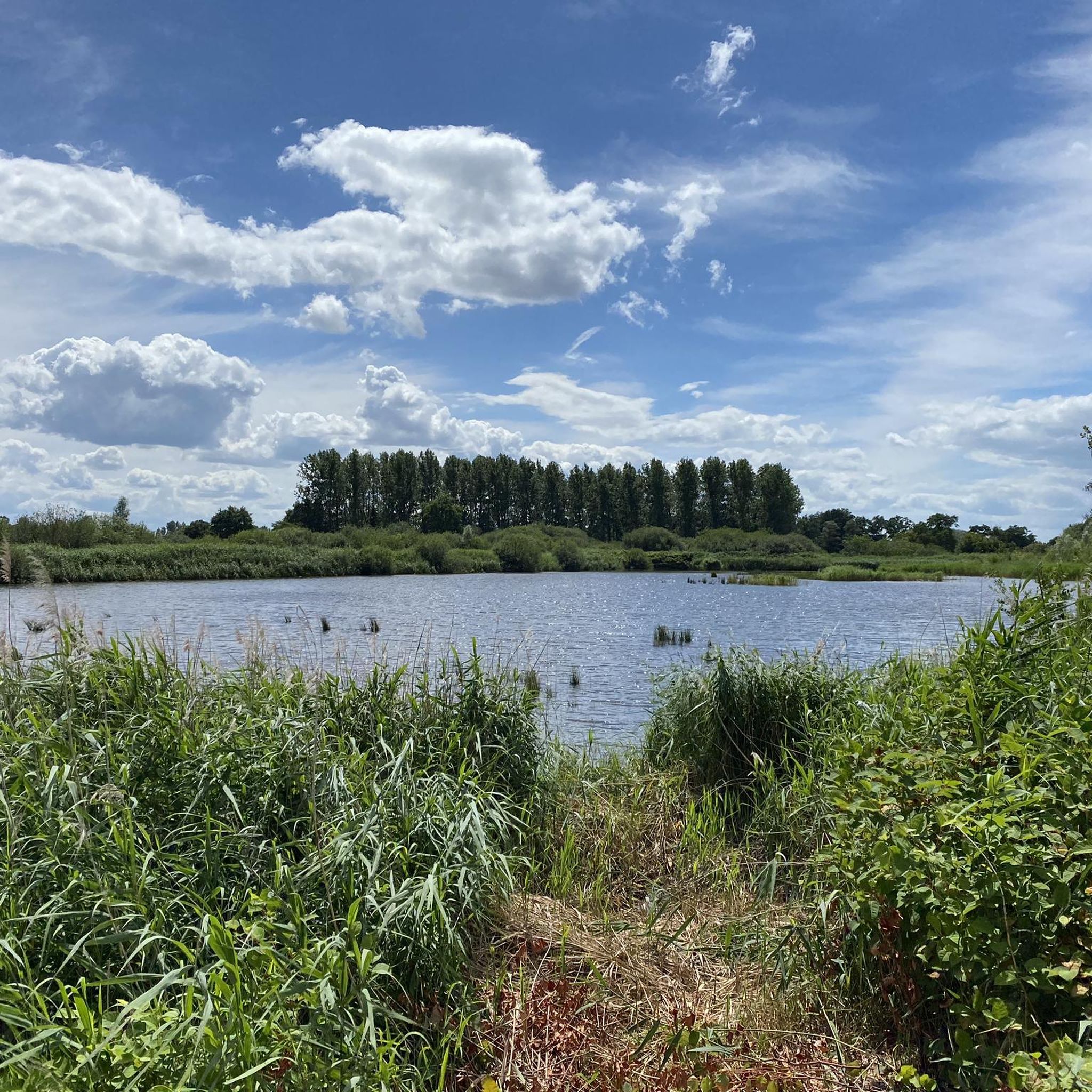
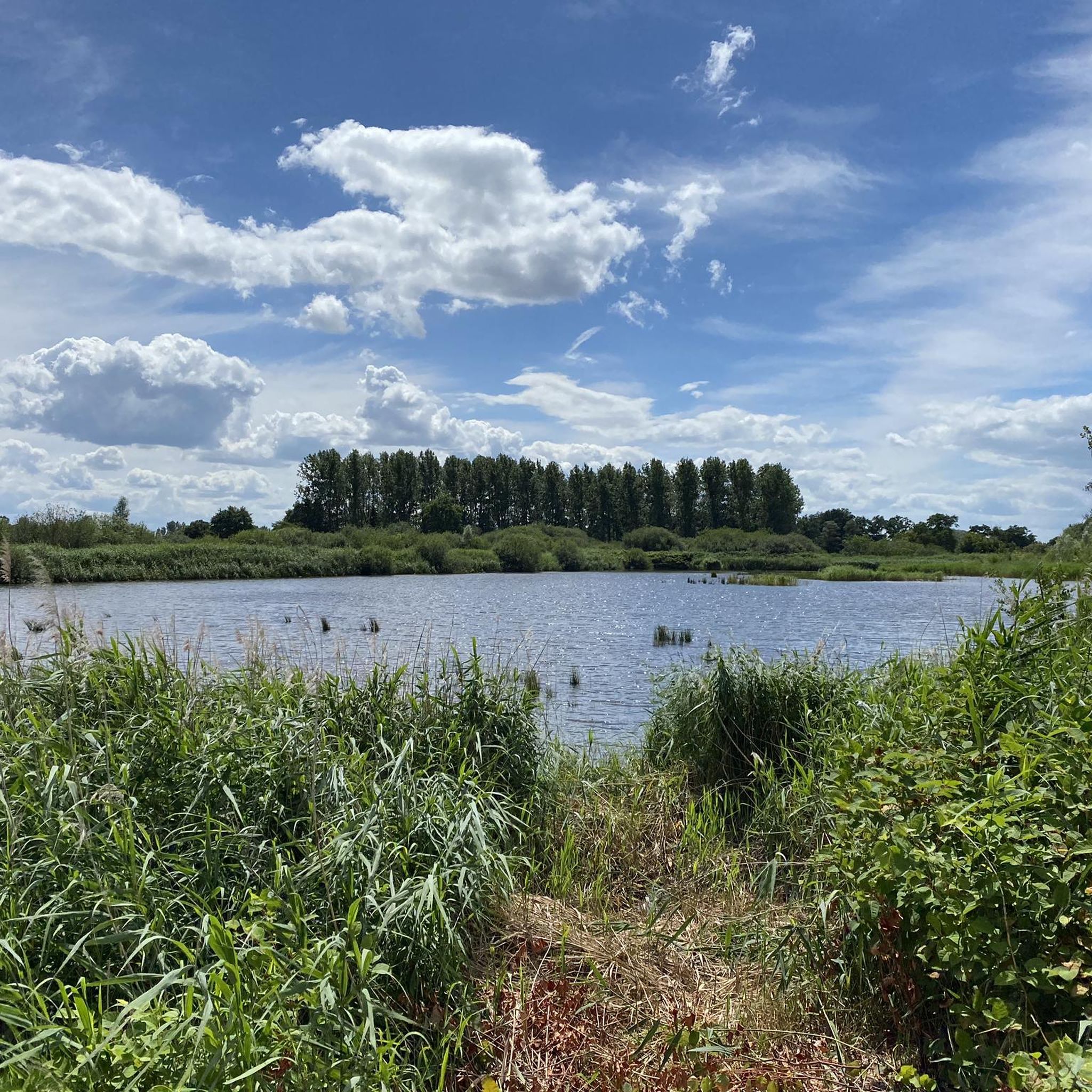
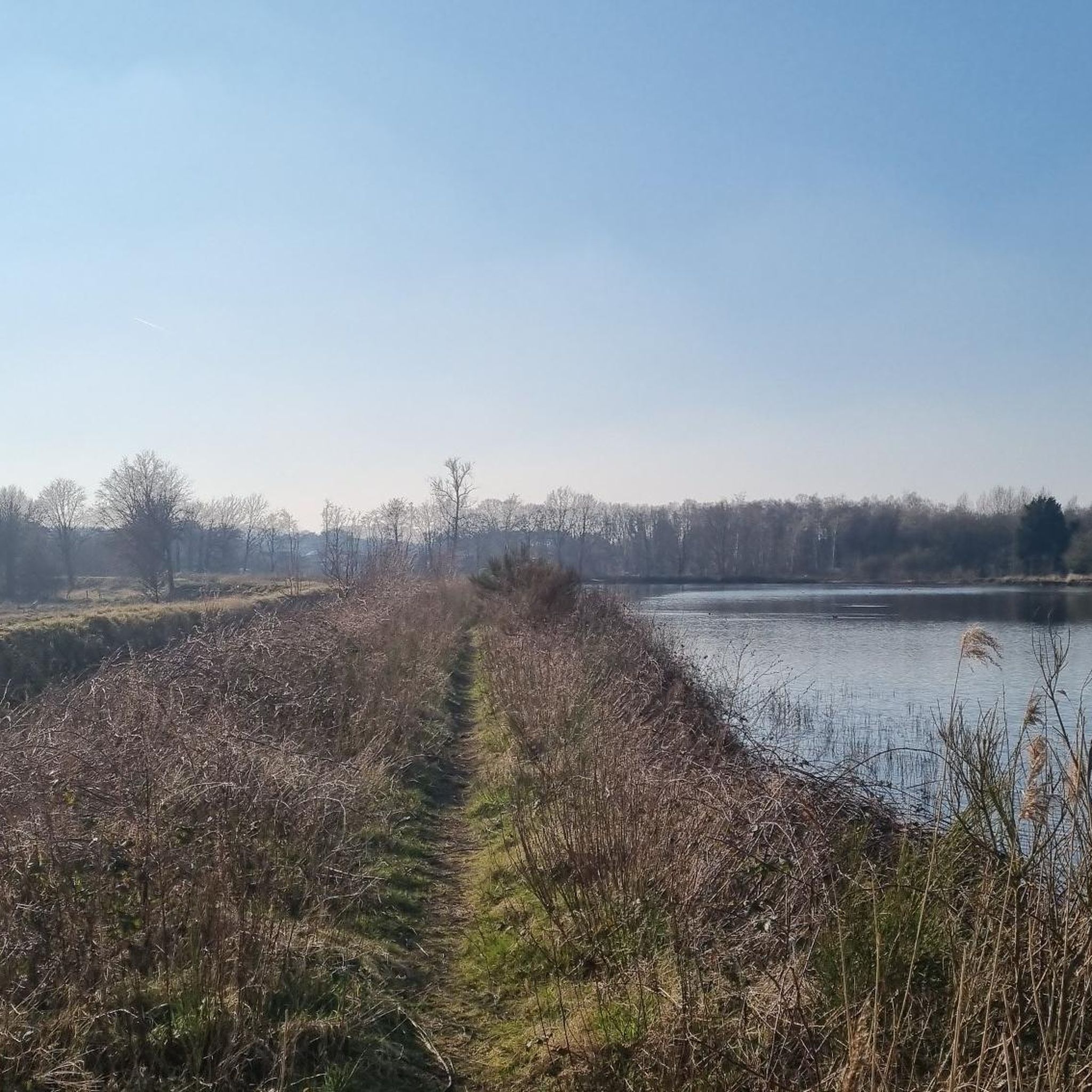
- The most popular attractions is De Platwijers-Wijvenheide Nature Reserve, a nature reserve that spans 200 hectares. It is known for its abundant birdlife and forms the core of De Wijers, the largest contiguous pond area in the Benelux.
- Another must-see spot is Herkenrode Abbey Site, a historical site. Founded around 1182, it became the first women's abbey of the Cistercian Order in the Netherlands, with a gatehouse from 1531 and a tithe barn from 1657 reflecting its agricultural past.
- Visitors also love De Wijers Observation Tower, Zonhoven, a viewpoint. This 15-meter-high lookout tower is partly in the water of the Bolderdal pond area and provides views over hundreds of ponds.
- Lummen is known for its nature reserves, historical sites, and viewpoints. The region offers a variety of attractions to see and explore, from ancient abbeys to expansive natural landscapes.
- The attractions around Lummen are appreciated by the komoot community, with more than 1500 upvotes and over 1000 photos shared by visitors.
Last updated: June 22, 2026
Averbode Abbey
Highlight • Religious Site
On the grounds, you will also find an experience center dedicated to traditional crafts. The old farm buildings now house a monastery café with its own brewery, a bakery, and a monastery shop.
By the way: You can also stay overnight in one of the guest rooms.
Information and registration: gastenkwartier@abdijaverbode.be.
Translated by Google •
Tip by

De Platwijers-Wijvenheide Nature Reserve
Highlight • Lake
Translated by Google •
Tip by
Sign up now to discover places like this
Get recommendations on the best single tracks, peaks, & plenty of other exciting outdoor places.
Sign up for free
Herkenrode Abbey Site
Highlight • Historical Site
Translated by Google •
Tip by

De Wijers Observation Tower, Zonhoven
Highlight • Viewpoint
From the 15 meter high tower you can enjoy a breathtaking view over the ponds. If you don't dare go up, you can enjoy the panorama through the periscope.
Translated by Google •
Tip by

Averbode Forest and Heath Ponds
Highlight • Natural
Translated by Google •
Tip by

Sign up for free to discover even more attractions around Lummen.
Sign up for free
Already have an account?
Start today with a free account
Your next adventure awaits.
Login or Signup

Tips from the Community

The Herkenrode Abbey site is an interesting combination of culture, history, nature and an ideal starting point for walks.
9
0

The main entrance to the abbey is located to the south of the complex. It is a late Gothic gatehouse, built in 1531 by order of Abbess Mechtildis of Lechy. There are two storeys under two intersecting slate saddle roofs with a spire with a pear-shaped crowning at the intersection, dated 1531 (coat of arms on the rear facade) and restored in 1907 (architect G. Rypens) and 1973. Inventory of Immovable Heritage: Herkenrode Abbey, https://id.erfgoed.net/erfgoedobjecten/22246
8
0
The Herkenrode abbey site is located in the Demer valley, in a transitional area between the Lage Kempen and Haspengouw, south of the village centre of Stokrooi (Hasselt). It is an extensive historical domain that dates back to the former abbey complex of the Cistercian nuns. To the north of the Demer are the meadows, to the south the old abbey with its appurtenances, the farmyard, the eastern castle park and the other, higher agricultural lands. In addition to unirrigated hay and pasture land, there were also large flood meadows here until the 20th century. The latter were supplied with water via the Tuilterdemer. The abbey was founded in 1182, when Geeraard, Count of Loon, donated his estate Herkenrode to a certain brother Henricus to build a monastery for women. In 1271 the monastic community joined the order of Cîteaux. It became a flourishing enterprise that over the years acquired numerous possessions. The religious purpose came to an end with the departure of the sisters in 1796. At the beginning of the 19th century, the new abbess wing, built in 1768 to the south of the old abbess quarters, was converted into a castle. In the same period, an English garden was laid out on the east side and a front garden on the west side. The 14th-century church burned down in 1826 and was demolished together with the monastery building and the convent buildings in 1843. The buildings and the surrounding grounds formed a single differentiated whole for a long time. Over time, however, they fell into the hands of different owners. In 1972, 11 ha of the former abbey site became the property of the canonesses of the Holy Sepulchre. The property includes the actual remaining abbey buildings with the sisters' quarters, the old abbess quarters, the sacristy, the infirmary, the 18th-century abbess wing and the adjoining landscaped park. Inventory of Immovable Heritage: Herkenrode Abbey Site, https://id.erfgoed.net/erfgoedobjecten/135252
9
0
At the end of June 2024, it was announced that architects Arnout Van Vaerenbergh and Pieter-Jan Gijs will resurrect the church and other disappeared buildings on the Herkenrode site. Not quite as fully-fledged buildings, but with the interplay of lines that they are known for and that many have already seen in their see-through church in Borgloon. It should bring the total experience of Herkenrode more closely into line with historical reality and should work perfectly with the buildings that are still there today, making Herkenrode already a tourist attraction. This should be ready in 2026 and you can discover more about it at https://www.vrt.be/vrtnws/nl/2024/06/27/clausura-herkenrode/
10
0
In the church of Averbode Abbey, the Averbode altarpiece can recently be admired again in the context of "Flemish masters in their place". The reredos was purchased 40 years ago by the Antwerp Museum of Antiquities. It is, like any altarpiece, the work of several painters, carpenters and the like. The sculptor or at least coordinator was Jacob van Cothem from Antwerp, where the protected Gothic reredos was purchased. It is a special work of great value and has been displayed in a climate cabinet since the end of November, opposite that other work of art, the painting by Jan Erasmus Quellinus: "Saint Augustine gives his rule to Norbertus". The altarpiece was removed from Averbode for about 150 years and originally stood at the altar of the abbey's previous Gothic church. You see some photos above (details, the cabinet with the complete work and a description plate).
13
1
The observation tower was designed by the Ghent-based architectural firm Architecten Delobelle. It is situated in the wooded edge of one of the ponds and offers a view of the hundreds of ponds in the surrounding area. To minimize the impact on the natural environment, they used natural materials, colors, and hues that integrate seamlessly with the green surroundings. In the nature reserve, the observation tower constantly appears in a changing form, with the galvanized steel, wood, and thatch blending seamlessly into the surroundings. The fish, the icon of the Wijers, served as inspiration for the tower. The observation tower leaps out of the water like a "fish gasping for air." https://www.cgconcept.be/uitkijktorens-in-de-natuur-video/ Fact: Originally, the observation tower was intended to be 30 meters tall.
9
0
The Gothic gatehouse of Averbode Abbey from the 14th century is built from iron sandstone, two stories high, with a steep gable roof between stepped gables with the original roof truss. The ground floor on the field side consists of a basket arch entrance gate and pedestrian gate between the heavy buttresses, the upper floor has elaborate niches with neo-Gothic statues, placed after a major restoration of 1909-1910, by J. Geerts between monastery frames in the center and a cross frame on the far left and right. On the inside, the first floor contains a small niche between four asymmetrically placed windows. On the second floor, the facade is openwork with two ball frames and a central round-arched window. Centrally located in the roof on the roof frame is a loading hatch with a lifting beam in a lifting box. https://inventaris.onroerenderfgoed.be/erfgoedobjecten/42758 There was also a restoration in 1988-1989.
14
0

The 15-meter-high lookout tower in the Bolderdal pond area is partly in the water and offers a view over the hundreds of ponds. From the 15 meter high tower you can enjoy a breathtaking view over the ponds. If you don't dare go up, you can enjoy the panorama through the periscope.
14
0
Frequently Asked Questions
What natural attractions can I explore around Lummen?
Lummen is rich in natural beauty. You can visit De Platwijers-Wijvenheide Nature Reserve, known for its abundant birdlife and numerous fish farming ponds. Another significant spot is Schulensmeer, one of Flanders' largest lakes, perfect for water sports and relaxation. Surrounding it is the Schulensbroek Nature Reserve, a vast wet grassland ideal for birdwatching. Don't miss the picturesque Valley of the Black Brook, where you can hike to Venusberg for panoramic views, or the Averbode Forest and Heath Ponds, offering diverse landscapes for walks.
Are there any historical sites or cultural landmarks in the Lummen area?
Yes, the region boasts several historical and cultural sites. The Herkenrode Abbey Site, founded in 1182, was the first Cistercian women's abbey in the Netherlands, featuring a 16th-century gatehouse and a 17th-century tithe barn. Another significant site is Averbode Abbey, a living Norbertine abbey where visitors can participate in prayer times and explore an experience center for traditional crafts. Kasteel Lagendal is also located within Lummen.
What kind of outdoor activities can I do near Lummen's attractions?
The area around Lummen is excellent for various outdoor activities. You can enjoy hiking through nature reserves like the Valley of the Black Brook or Schulensbroek. For water sports enthusiasts, Schulensmeer offers kayaking, stand-up paddleboarding, surfing, and sailing. Cycling is also popular, with routes passing through scenic landscapes. You can find detailed routes for hiking, cycling, and running around Lummen.
Where can I find the best viewpoints in the Lummen area?
For breathtaking views, head to the De Wijers Observation Tower in Zonhoven, which offers panoramic vistas over hundreds of ponds. Another excellent spot is Venusberg, located in the Valley of the Black Brook, providing sweeping views of the entire valley. The watchtower within the Domein Duizendjarige Eik also offers splendid views over the Zwarte Beek Valley.
Are there family-friendly attractions around Lummen?
Many attractions around Lummen are suitable for families. Nature reserves like De Platwijers-Wijvenheide Nature Reserve and Schulensbroek offer easy walking paths and opportunities for birdwatching. Schulensmeer is great for water activities or simply relaxing by the water. Historical sites like Herkenrode Abbey Site and Averbode Abbey provide educational and engaging experiences for all ages.
What is the 'land of 1001 ponds' and where can I experience it?
The 'land of 1001 ponds' refers to De Wijers, the largest contiguous pond area in the Benelux. You can best experience this unique landscape at De Platwijers-Wijvenheide Nature Reserve, which forms its core. The De Wijers Observation Tower in Zonhoven also provides an excellent vantage point to admire the hundreds of ponds.
Can I participate in water sports in Lummen?
Yes, Schulensmeer is the primary location for water sports in the area. You can enjoy activities such as kayaking, stand-up paddleboarding (SUP), surfing, and sailing on this large lake. It's a popular spot for both active recreation and simply relaxing by the water.
What is special about the Domein Duizendjarige Eik?
The Domein Duizendjarige Eik (Domain of the Thousand-Year-Old Oak) is home to an impressive oak tree believed to be over 1,000 years old. Information panels detail its history and ecological significance. The domain also features a watchtower that offers splendid views over the Valley of the Zwarte Beek.
Are there opportunities for birdwatching in Lummen?
Absolutely. The Schulensbroek Nature Reserve, surrounding Schulensmeer, is one of Flanders' largest nature reserves and hosts over 250 species of meadow and water birds, making it an ideal spot for birdwatching. De Platwijers-Wijvenheide Nature Reserve is also renowned for its abundant birdlife.
What kind of landscape can I expect in the Averbode Forest and Heath Ponds area?
The Averbode Forest and Heath Ponds area represents the transition from the Kempen to the Hageland regions. Here, you'll find extensive forests, fens, marshes, and heathland, creating a diverse and beautiful landscape perfect for walks and connecting with nature.
What do visitors enjoy most about the attractions around Lummen?
Visitors particularly appreciate the diverse natural landscapes, from the extensive pond areas of De Wijers to the serene Schulensmeer and the picturesque Valley of the Black Brook. The rich birdlife in reserves like De Platwijers-Wijvenheide Nature Reserve is a highlight. The historical depth of sites like Herkenrode Abbey Site and Averbode Abbey also receives high praise, offering a blend of culture, spirituality, and natural beauty.
Most popular attractions around Lummen

Get inspired with the komoot mobile app


Explore more
Still not found the Highlight you’re looking for? See guides of the top attractions in other regions:
