The best running trails around Linter
4.6
(5)
588
runners
78
runs
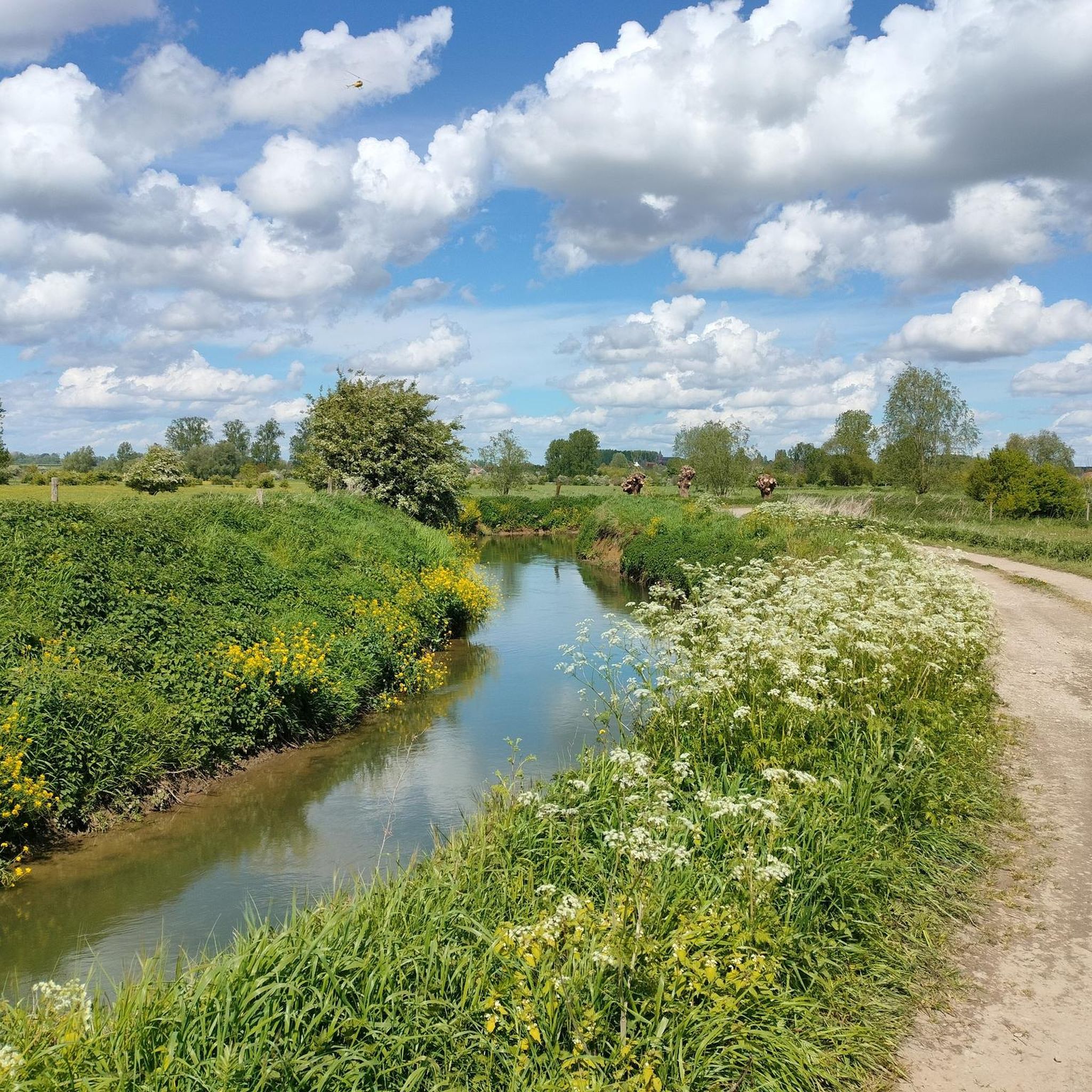
Jogging around Linter offers a network of routes characterized by generally flat terrain and gentle elevation changes, making it suitable for various fitness levels. The region features open landscapes, often following former railway lines converted into cycle paths, and passes through rural areas. Running routes frequently connect small villages and historical points of interest, providing a blend of natural and cultural scenery.
Best jogging routes around Linter
- The most popular jogging route is Geens Mill loop from Linter, a…
Last updated: May 4, 2026
4.0
(1)
29
runners
9.96km
01:02
10m
10m
Moderate run. Good fitness required. Mostly paved surfaces. Suitable for all skill levels.
19
runners
7.76km
00:48
20m
20m
Moderate run. Good fitness required. Mostly paved surfaces. Suitable for all skill levels.

Sign up for free
19
runners
8.98km
00:57
10m
10m
Moderate run. Good fitness required. Mostly paved surfaces. Suitable for all skill levels.
12
runners
10.2km
01:04
30m
30m
Moderate run. Good fitness required. Mostly paved surfaces. Suitable for all skill levels.
16
runners
15.1km
01:34
20m
20m
Hard run. Very good fitness required. Mostly paved surfaces. Suitable for all skill levels.
Get access to more routes and recommendations from other explorers.
Sign up for free
Already have an account?
Our route recommendations are based on thousands of hikes, rides, and runs completed by other people on komoot.
Start today with a free account
Your next adventure awaits.
Login or Signup

Other adventures around Linter

Tips from the Community

On the site of the current St. Leonard's Church stood a chapel—the date of construction of which is unknown—in honor of Saint Leonard of Noblac. After this chapel was elevated to a parish church in 1231, it was replaced by the current church, which had a long construction history: the monumental Gothic building was largely constructed between the 13th and 16th centuries. St. Leonard's Church is rich in art treasures and owes its international fame primarily to them. The Iconoclasm of 1566 and the French Revolution passed the church by without significant damage, thus preserving most of the impressive artistic heritage accumulated over centuries: altarpieces, paintings, statues of saints, copper and silverwork, vestments, and other devout objects. Below, a few of these showpieces are presented. Upon entering, the first thing that catches the eye is the Marianum: this double statue (1533) is situated within the 15th-century veneration of Mary, which depicted the Virgin Mary as the apocalyptic woman and mediatrix of grace. Not-to-be-missed highlight inside: The Sacrament Tower: A tabernacle crafted from white Avesnes stone is undoubtedly the church's showpiece. The artwork was created in the workshops of Cornelis II Floris de Vriendt in Antwerp and erected in Zoutleeuw in 1552. The tower is 18 meters high, has nine stories, and contains approximately 200 statues depicting scenes from the Old and New Testaments. A replica is on display at London's Victoria and Albert Museum. The Paschal Candlestick This copper candlestick is 5.68 meters high and weighs approximately 950 kg. It was cast by Renier van Thienen, based on a design by Jan Bornam, and installed in the choir by the founder himself in 1483. It is the second-largest Easter candlestick in Europe. Source: https://www.zoutleeuw.be/sint-leonarduskerk
5
0
Spacious terraces invite you to relax. Children have a play area across the street.
4
0
This gravel path was named after Jonas Vlayen, a 23-year-old man who was stabbed in the driveway of his home in Budingen in 2018. At the bridge, you can read words of comfort, so that everyone who passes by remembers Jonas. A beautiful path where you can find peace in the stunning landscape.
5
0

7 centuries old, but still beautiful...
5
0
Yes, Leonard knew what he wanted and is indeed a "wow"...
4
0

The building has been beautifully renovated into a residence but retains many aspects of its past as a station. The old nameplates are clearly visible. Across the cycle path that runs along the former route, there's a picnic table and an information board about the Getelinie (and "the Great War"), titled and themed "Skirmishes at the Station."
5
0
Frequently Asked Questions
How many running routes are available in Linter?
Linter offers a wide selection of running routes, with over 75 different trails available for exploration. These routes cater to various fitness levels, from easy jogs to more challenging runs.
Are there easy running routes for beginners in Linter?
Yes, Linter is well-suited for beginners. The region features generally flat terrain and gentle elevation changes. There are 6 routes specifically graded as easy, with many moderate options also being accessible for those new to running. For a moderate but accessible option, consider the Running loop from Linter, which is 3.3 miles (5.3 km) with low elevation.
What kind of terrain can I expect on Linter's running trails?
Linter's running routes are characterized by open landscapes, often following former railway lines converted into cycle paths. You'll frequently pass through rural areas, connecting small villages and historical points of interest, providing a blend of natural and cultural scenery. The terrain is generally flat with minimal elevation changes.
Are there any circular running routes in Linter?
Yes, many of Linter's running routes are circular, offering convenient start and end points. A popular example is the Geens Mill loop from Linter, a 6.2-mile (10.0 km) trail that provides a consistent path with minimal elevation gain.
Can I bring my dog on the jogging trails in Linter?
While the guide doesn't specify dog-friendly routes, many rural paths and cycle paths in Belgium are generally accessible for dogs on a leash. It's always recommended to check local signage or specific route details on komoot for any restrictions before heading out with your canine companion.
Are Linter's running routes suitable for families?
Given the generally flat terrain and gentle elevation changes, many of Linter's running routes are suitable for families, especially those with older children. The paths often follow converted railway lines, which are typically well-maintained. For a moderate option that's not too long, the Running loop from Linter could be a good choice.
What are some interesting sights or landmarks I can see while jogging in Linter?
Linter's routes often connect small villages and historical points of interest. You can find routes that pass by significant landmarks such as Nieuwenhoven Castle or Château d'Opheylissem. Some trails also lead near natural attractions like Lake Het Vinne, offering scenic views.
Is parking available near the running trails in Linter?
While specific parking details for each route are best checked on the individual komoot tour pages, many routes in rural areas like Linter often have parking available at trailheads, village centers, or near popular attractions. For example, the Hélécine Estate, a nearby attraction, offers parking that could serve as a starting point for runs in the vicinity.
What is the best time of year to go jogging in Linter?
Linter's running routes can be enjoyed year-round. Spring and autumn offer pleasant temperatures and beautiful scenery as the landscapes change. Summer is also great, especially in the mornings or evenings to avoid the midday heat. Even in winter, the generally flat and well-maintained paths can be suitable for running, though conditions may vary.
Where can I find a longer running route in Linter?
For a longer run, consider routes that connect multiple villages or follow extended cycle paths. The St. Quentin’s Church – Kasteel Wommersom loop from Wommersom is a good option, covering 6.3 miles (10.2 km) with moderate elevation, offering a substantial workout.
What do other runners say about the jogging experience in Linter?
The running routes in Linter are highly rated by the komoot community, with an average score of 4.6 stars from 5 reviews. Runners often praise the region's varied terrain, which includes flat cycle paths and rural landscapes, and appreciate the connections between local villages. Over 500 runners have used komoot to explore Linter's trails, indicating a popular and enjoyable experience.
Are there any running routes in Linter accessible by public transport?
Linter is a rural area, so public transport access to specific trailheads might be limited compared to urban centers. However, many routes start from or pass through villages that may have bus connections. It's advisable to check local public transport schedules and maps for connections to villages like Linter or Wommersom, which serve as starting points for routes like the IJzerenweg Cycle Path – St. Quentin’s Church loop from Wommersom.
Most popular attractions around Linter

Get inspired with the komoot mobile app


Explore more
Browse the best Running Trails & Routes in other regions.
