Attractions and Places To See around Lincent - Top 20
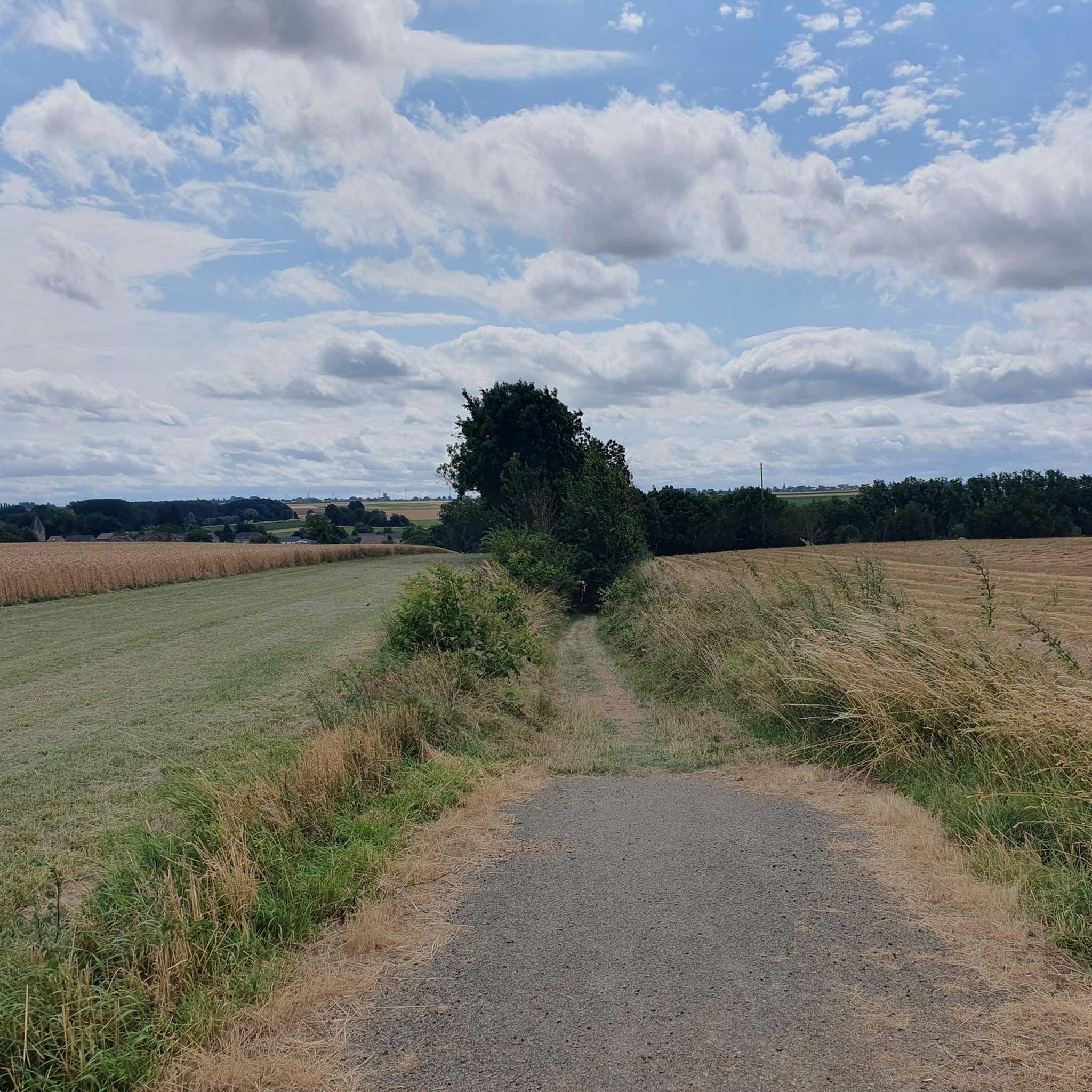
Best attractions and places to see around Lincent are found in the Hesbaye region of Belgium, characterized by gently rolling fields and historical architecture. The area offers a blend of cultural insights and natural landscapes, including picturesque hollow roads and greenways. Visitors can explore a variety of sites, from ancient ruins to modern castles and serene natural reserves. This region provides diverse opportunities for exploration and discovery.
Best attractions and places to see around Lincent
- The most popular attractions is…
Last updated: June 22, 2026
Racour Station
Highlight • Monument
Translated by Google •
Tip by

Hélécine Estate
Highlight • Parking
Translated by Google •
Tip by
Sign up now to discover places like this
Get recommendations on the best single tracks, peaks, & plenty of other exciting outdoor places.
Sign up for free
Saint Gorgonius Church, Hoegaarden
Highlight • Religious Site
Translated by Google •
Tip by
Château d'Opheylissem
Highlight • Castle
Translated by Google •
Tip by
Hay meadow in De Beemden
Highlight • Forest
Translated by Google •
Tip by
Sign up for free to discover even more attractions around Lincent.
Sign up for free
Already have an account?
Start today with a free account
Your next adventure awaits.
Login or Signup
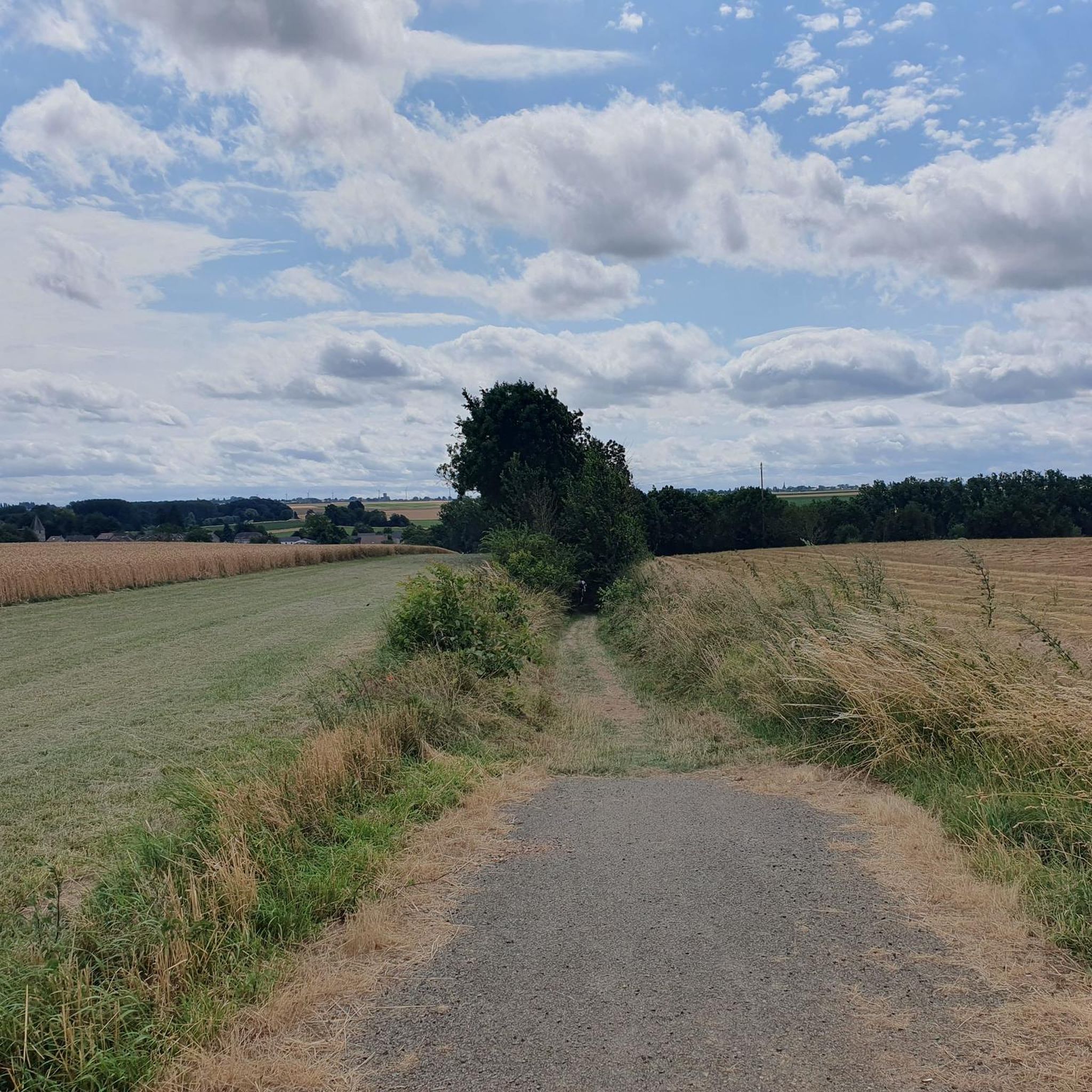
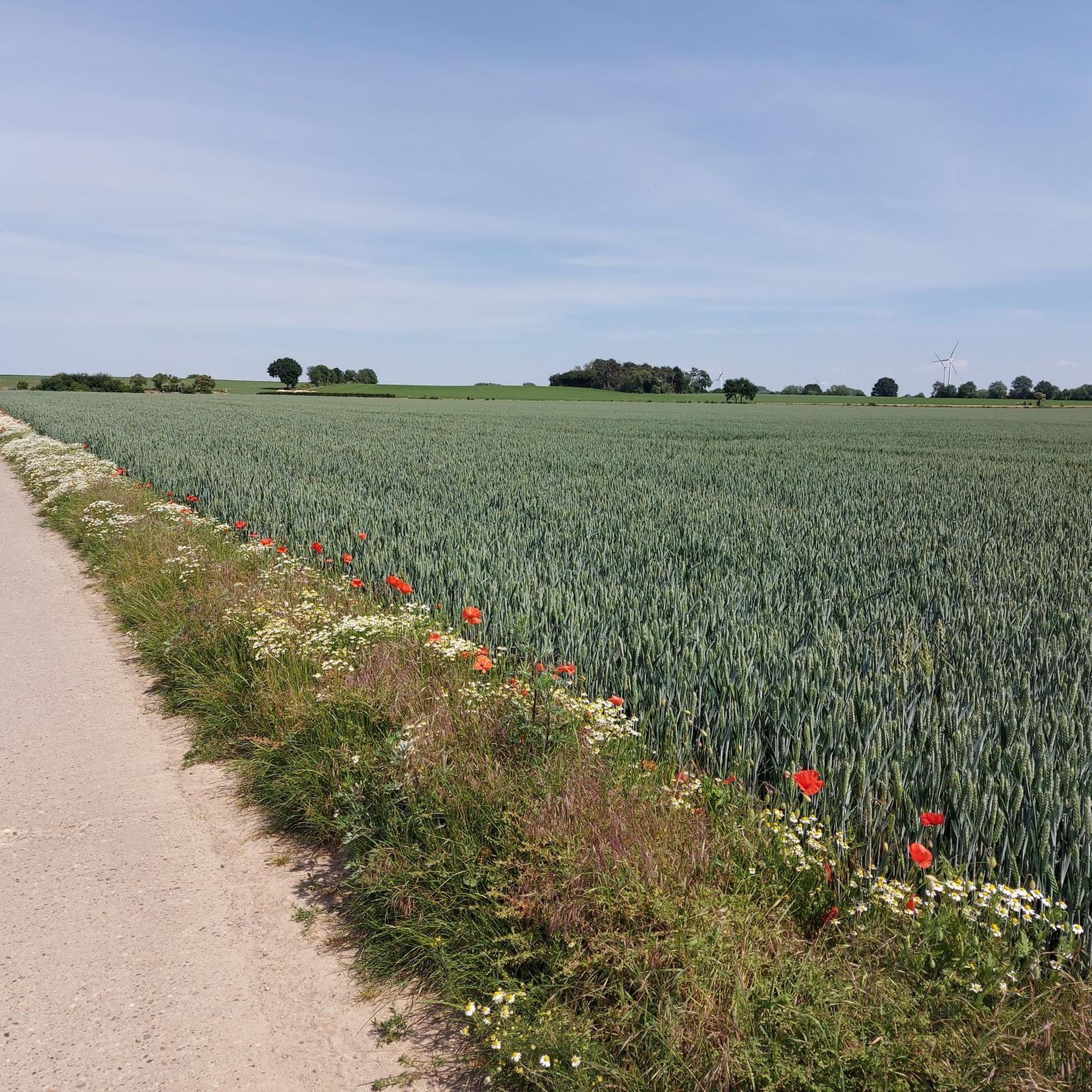
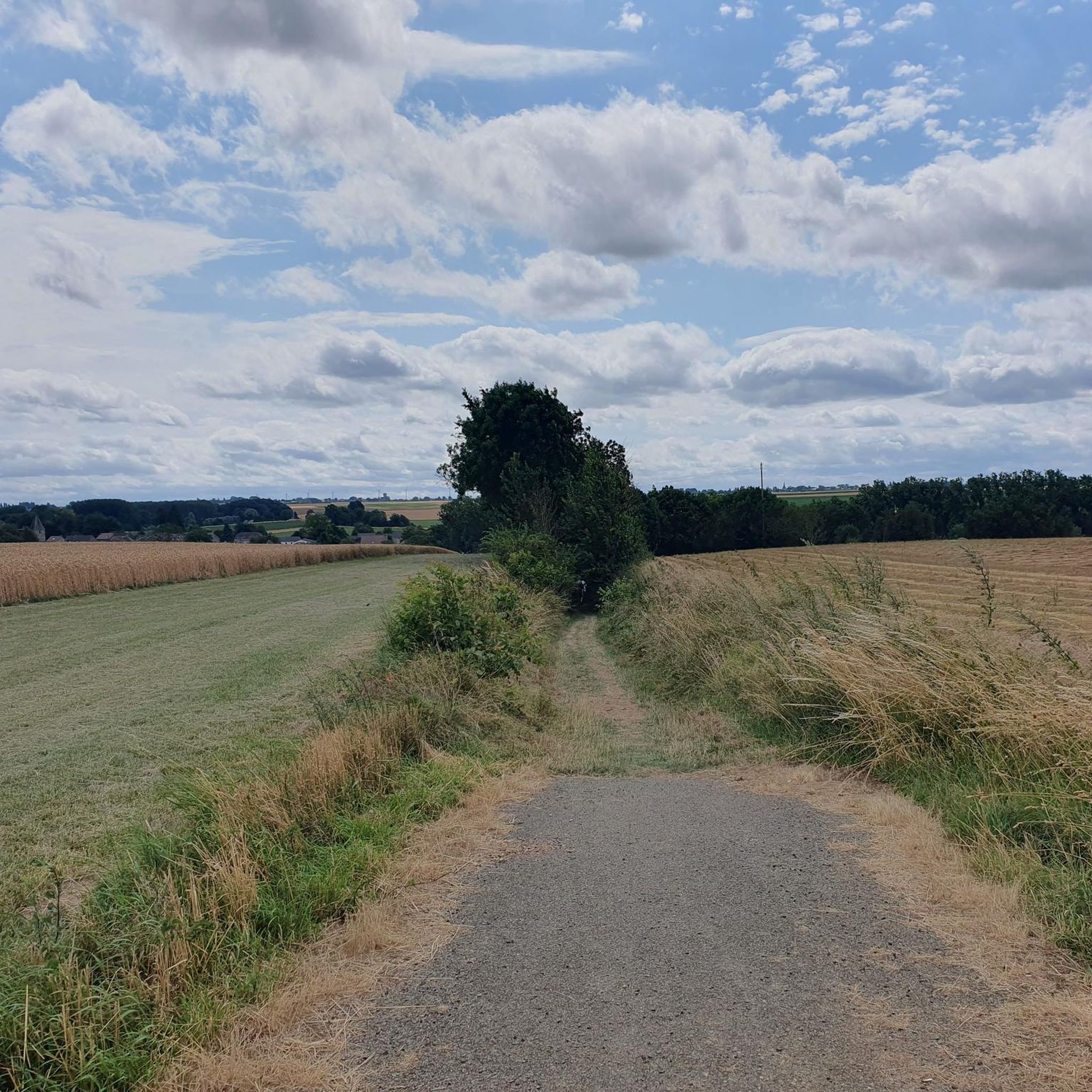
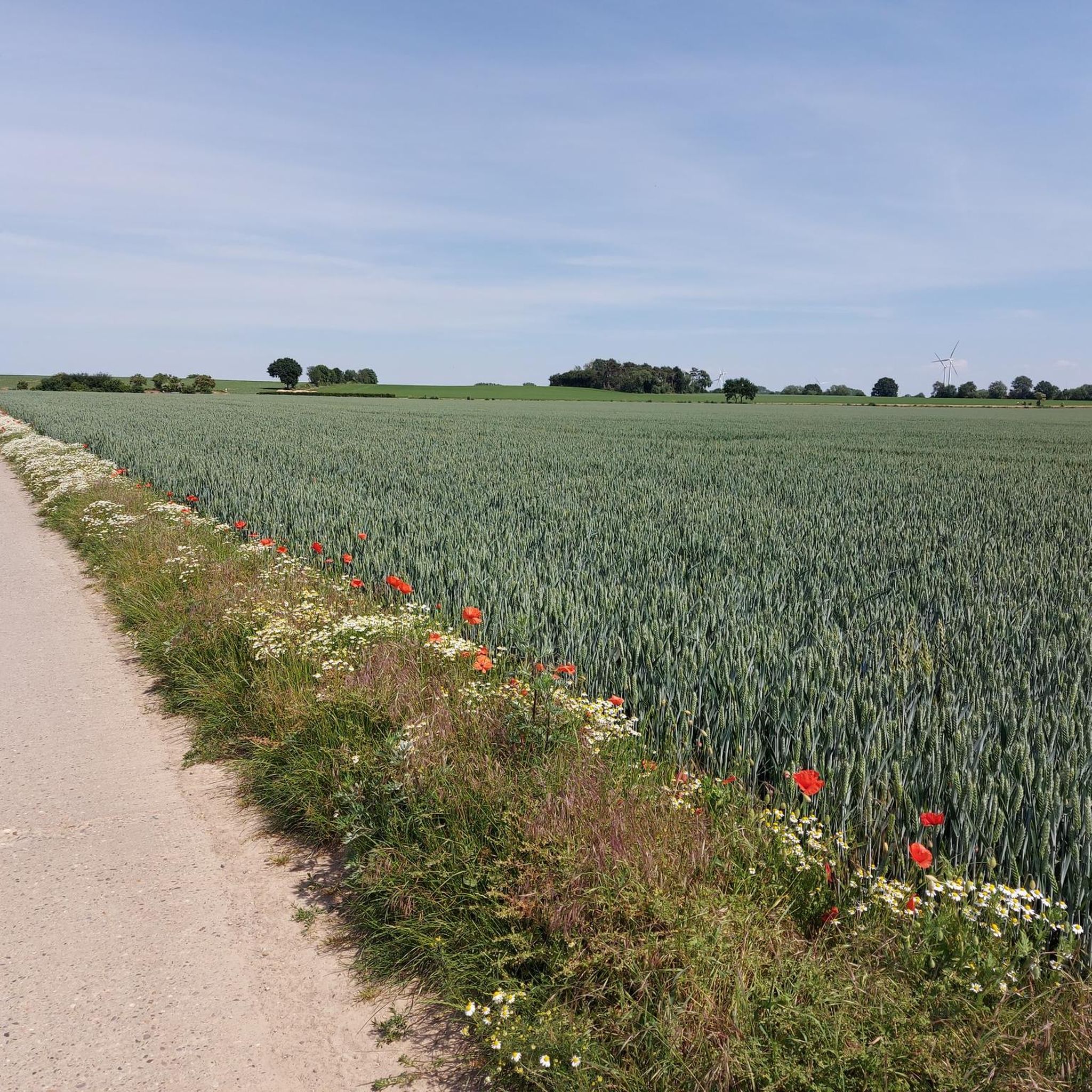

Tips from the Community


The description is very accurate. Thank you.
1
0

beautiful church inside you can enjoy the peace and quiet and possibly light a candle
1
0

In the midst of the large-scale cultural landscape, this area is one of the last refuges for wild animals and plants in Landen. Small willow groves spontaneously developed between the ponds, where woodpeckers and golden orioles, among others, make their nests. The relatively pure groundwater in the ponds makes a very varied aquatic life possible, ranging from the large yellow-edged water beetle to dragonflies, fish and kingfishers. The pussy willows around the ponds are particularly striking. They grow quickly, but their branches break off easily. Because they do not contain any hard heartwood, birds such as the green and the great spotted woodpecker use them to carve out their nests. The branches that hang close to the water offer ideal resting or viewing places for wild ducks and blue herons. They are especially vital for the kingfisher. Sitting on a lookout post, it hunts for rudd, sticklebacks and other aquatic animals in the water. In early summer, white foam drops sometimes fall from the pussy willows: cuckoo spit. It comes from the larvae of the foam cicada, which produce foam and hide in it. Many other insects live on the pussy willows. They are eagerly eaten by insectivorous birds such as the chiffchaff, the willow warbler and the spotted flycatcher. The bankside vegetation with bulrush, hairy willowherb and marsh sedge offers nesting opportunities for the moorhen and the coot. In summer, many dragonflies and damselflies float above and around the ponds, the most striking of which is the large emperor dragonfly. Swallows hunt for mosquitoes above the ponds. This is therefore the ideal place for a hobby to catch both a swallow and a large dragonfly. In addition to the various types of grass, you will find plants here that feel at home in a dry, calcareous environment. Striking features include the box pod, the cinquefoil and the wild marjoram. Here you can observe numerous species of butterflies in the summer. From the piled-up area you have a good view of the reed field, the breeding area of the reed warbler, the sedge warbler, the reed bunting and many other marsh birds. Wood edges screen the hayfield and the berry or nut-bearing shrubs offer shelter and food to birds such as the garden warbler, chiffchaff and jay. On the darkest parts you can sometimes find glowworms in the evening. Source: https://www.natuurpunt.be/natuurgebieden/beemden-landen
7
0

Always very pleasant to walk/run in this beautiful park
1
0

The nature reserve "de Beemden" is approximately 6.5 ha in size, the ideal place to get some fresh air in Landen. The area is situated in the valley of the Molenbeek and the Zeyp and is accessible to hikers all year round. The reserve is owned by the city of Landen. Around the 1960s, seven ponds were dug out in a series of hay meadows with the intention of turning them into fish ponds. Although the ponds are actually artificial, they add significant value to the area. You will find a variety of water inhabitants (both plants and animals) here. You can fish there in peace and the children can enjoy themselves in the beautiful play landscape. In a widened part of the Molenbeek you will find a fantastic water playground with locks, an Archimedes screw and water wheels. Would you rather cross your stream? Take the monkey bridge, the stepping stones or the stilt path to get to the other side. On the bank you can relax on the small sandy beach. Attenhovenstraat, Landen, Belgium
3
0
Heritage information about the station (description): This is a good example of a rural station that was built by the State Railways in 1908. Characteristic brick architecture in a particularly elaborate decorative design with bricks using bush-hammered natural stone blocks. A so-called 'logis des piocheurs' has also been preserved here. The Landen-Tamines line was abolished in 1959. Building built on an elongated floor plan consisting of: a main volume (home, waiting rooms 1st and 2nd class) of four bays and two storeys under a saddle roof (now with artificial slates, previously with natural slates), a low wing of seven bays (waiting room 3rd class, office, storage area) also under a saddle roof and on the other side an outbuilding (laundry, coal storage area and lampisterie) under a hipped roof. Architecture characterized by natural stone bush-hammered plinth, facades in red smooth brick with horizontal bands (yellow and gray brick) and wooden cornices with profiled cornice blocks. Natural stone blocks with the name of the station are incorporated in the facades. The interior was changed. Separate annex: the so-called 'logement des piocheurs' in half-timbered construction (wood and brick). In the garden of the station master there are two approximately one hundred year old yew trees. Inventory of Immovable Heritage: Station Racour, https://id.erfgoed.net/erfgoedobjecten/200086
7
0
Never just call the former station of Racour-Landen "former station". First of all, there is the protected station itself. Secondly, thirdly, fourthly and so on, there is much more. For example, you have an orchard where you can rest and picnic and pick now and then. There is an information board about the station and one about nature and one about Racour and one about all sorts of other things for the inquisitive among us. And then there are remnants from that station past. There is even the entire area around the station, protected as a village view. That is because of its industrial-archaeological value. But it is also simply beautiful there. Quote: "Because of its industrial-archaeological value, the area around Racour station is also protected as a village view. In addition to the protected station building and the 'logis des piocheurs', the station master's garden with two yew trees of approximately 100 years old and the former railway bed are also part of it." Source: https://www.landen.be/beschermde%20dorpsgezichten And you are close to the Waasmontse Tom. See https://www.komoot.com/nl-nl/highlight/7164887 Or if you want to see a somewhat older train, just walk on that path past the old station that you can admire from there. Or the miniature of the station. Or beautiful views. Or, well, there is quite a lot and something for everyone I think. Just enjoy this spot and what you see and find on a relatively small surface, for some undoubtedly a spot with multiple highlights.
7
0
Frequently Asked Questions
What historical sites can I explore in Lincent?
Lincent offers a rich history. You can visit the impressive Hélécine Estate, which features a castle set within a large park. The village also boasts the Old Romanesque-Gothic Church Ruins, a unique setting classified since 1940. Other notable historical structures include Château Michaux, Château Ulens, and the Neo-classical Town Hall, an early work by architect Poelaert.
Are there natural areas or scenic landscapes to discover near Lincent?
Yes, Lincent is situated in the picturesque Hesbaye region, known for its gently rolling fields. You can explore the Hay meadow in De Beemden, a nature reserve with grasslands, meadows, and winding waters, providing a refuge for wild animals and plants. Don't miss the 'Chemins Creux' (Hollow Roads), picturesque dirt paths with exuberant vegetation, or 'Les Sept Fontaines' (The Seven Fountains), a refreshing wooded area once known for its springs.
What are some family-friendly attractions around Lincent?
Several attractions cater to families. The Hélécine Estate is ideal, with a 28-hectare park featuring two playgrounds, an aerial structure, an educational pond, and fishing ponds. The Racour Station area also has an orchard perfect for picnics, and the Hay meadow in De Beemden offers a water playground and sandy beach for children.
Are there good walking or hiking trails near Lincent?
The Hesbaye region around Lincent is excellent for walking. You can enjoy the 'Chemins Creux' (Hollow Roads) for scenic strolls or utilize the Ravel L147, an old railway line transformed into a greenway, perfect for walking and cycling. For more structured routes, explore the nearby walking guides, such as those found in the Cycling around Lincent guide, which also features routes suitable for walking.
Can I find cycling routes in the Lincent area?
Absolutely! The Ravel L147, a greenway built on an old railway line, is perfect for cycling and connects Perwez to Lincent and extends towards Landen. You can find various cycling routes, including easy to moderate options like the 'RAVeL Line 142 – Orp-Jauche Park loop from Lincent' or the 'Racour Railway Station – Cras-Avernas Village loop from Lincent'. Discover more routes in the Cycling around Lincent guide.
What kind of unique architecture can be seen in Lincent?
Lincent is notable for its many houses built with local tuffeau stone, a soft limestone extracted from a local quarry. These beautifully restored tuffeau stone houses contribute to the village's unique architectural character. The Old Romanesque-Gothic Church Ruins also showcase historical building techniques.
Where can I learn about the local history and daily life of the region?
To delve into the local history and daily life from about 100 years ago, visit the Musée d'histoire et de la vie d'autrefois (Museum of History and Life of Yesteryear) located in Racour, a village within the broader municipality. This museum offers insights into the past of the Hesbaye region.
Are there any lesser-known spots or 'hidden gems' worth visiting?
Beyond the main attractions, consider seeking out the Statue of the 'Forguinis' at the exit of the Brussels-Liège freeway, which commemorates the region's renowned bread oven builders. The 'Chemins Creux' (Hollow Roads) offer serene contemplation with elevated views, and 'Les Sept Fontaines' provides a tranquil, wooded escape.
When is the best time to visit Lincent's attractions?
The Hesbaye region, including Lincent, is beautiful throughout the warmer months, from spring to early autumn, when the fields are green and the weather is pleasant for outdoor activities like walking and cycling. Spring brings blooming flora to areas like the 'Chemins Creux' and 'Hay meadow in De Beemden', while autumn offers picturesque landscapes.
What do visitors enjoy most about the attractions around Lincent?
Visitors particularly appreciate the diverse offerings. Many enjoy the expansive park and activities at Hélécine Estate, calling it a 'perfect place for a picnic'. The historical significance and peaceful orchard at Racour Station are also highly valued, as is the rich biodiversity and tranquil atmosphere of the Hay meadow in De Beemden.
Are there opportunities for mountain biking near Lincent?
Yes, the area around Lincent offers several mountain biking trails. You can find routes like the 'Mountainbike loop from Lincent' or the 'Narrow Path Along Brick Wall – Chemin du Diable loop from Racour'. These trails range from easy to moderate difficulty. Explore more options in the MTB Trails around Lincent guide.
Can I see any castles or churches besides Hélécine Estate?
Beyond Hélécine Estate, Lincent is home to Château Michaux and Château Ulens. You can also visit the Saint Gorgonius Church in Hoegaarden, a beautiful homogeneous building from 1744 with impressive rococo architecture. Additionally, the remains of the former Norbertine abbey, Château d'Opheylissem, offer a glimpse into the region's monastic past.
Most popular routes around Lincent
Most popular attractions around Lincent

Get inspired with the komoot mobile app


Explore more
Still not found the Highlight you’re looking for? See guides of the top attractions in other regions:
