The best cycling routes around Boom
4.2
(109)
1,026
riders
43
rides
Touring cycling routes around Boom are characterized by their diverse landscapes, primarily shaped by the confluence of the Rupel, Nete, and Dijle rivers. The region features extensive car-free towpaths along these waterways, offering open vistas and tranquil scenery. Cyclists can also explore areas marked by the historical brickmaking industry and numerous green spaces, including provincial recreation domains. The terrain is generally flat, with some routes incorporating minor ascents.
Best touring cycling routes around Boom
- The most popular touring cycling route…
Last updated: August 17, 2026
4.6
(16)
103
riders
54.7km
03:16
120m
120m
Moderate bike ride. Good fitness required. Mostly paved surfaces. Suitable for all skill levels.
4.5
(28)
164
riders
40.3km
02:22
60m
60m
Moderate bike ride. Good fitness required. Mostly paved surfaces. Suitable for all skill levels.

Sign up for free
4.6
(7)
90
riders
33.4km
01:59
60m
60m
Easy bike ride. Great for any fitness level. Mostly paved surfaces. Suitable for all skill levels.
4.0
(5)
81
riders
44.6km
02:32
80m
80m
Moderate bike ride. Good fitness required. Mostly paved surfaces. Suitable for all skill levels.
4.7
(3)
46
riders
54.5km
03:07
100m
100m
Moderate bike ride. Good fitness required. Mostly paved surfaces. Suitable for all skill levels.
Get access to more routes and recommendations from other explorers.
Sign up for free
Already have an account?
Our route recommendations are based on thousands of hikes, rides, and runs completed by other people on komoot.
Start today with a free account
Your next adventure awaits.
Login or Signup
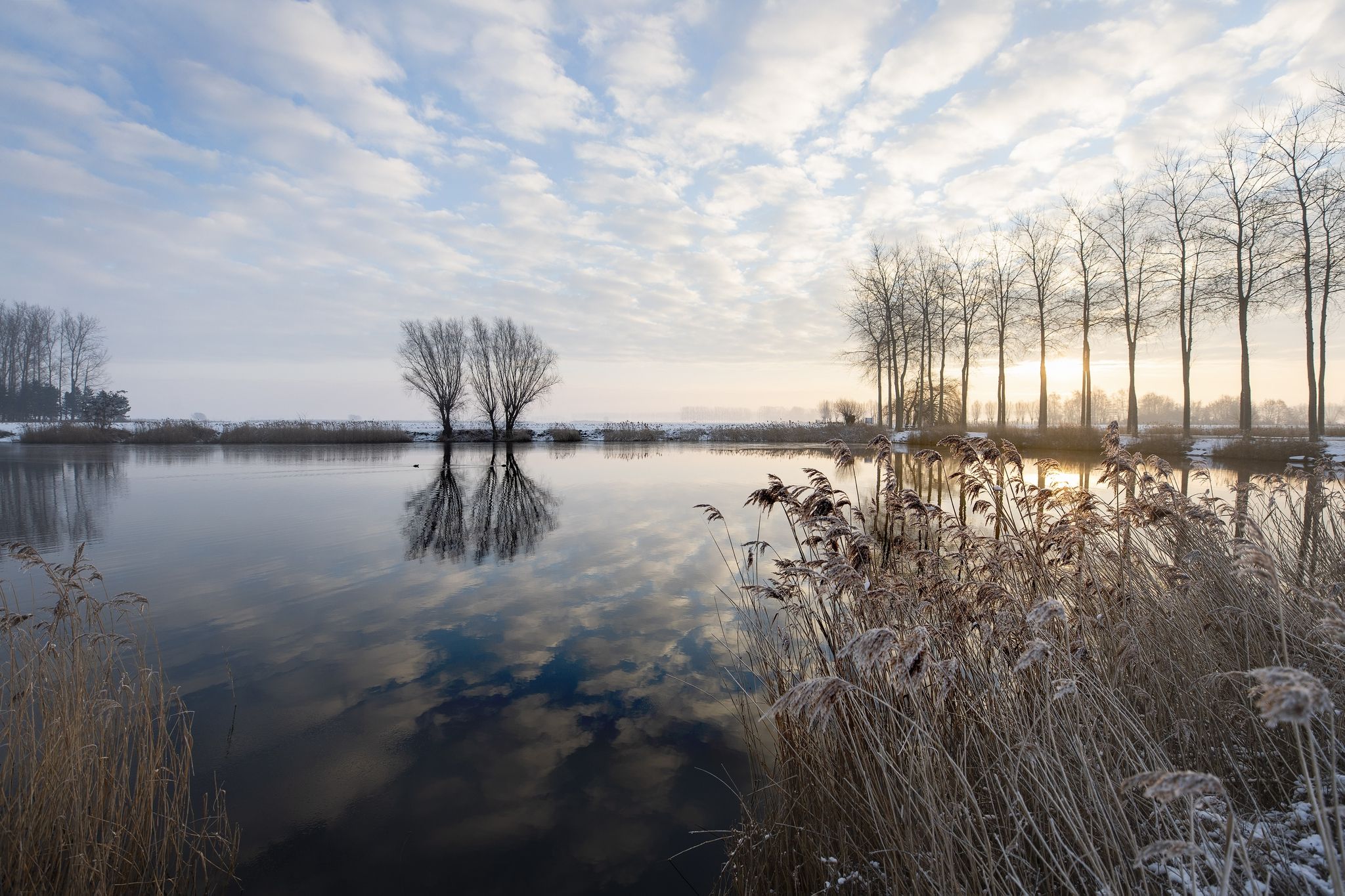
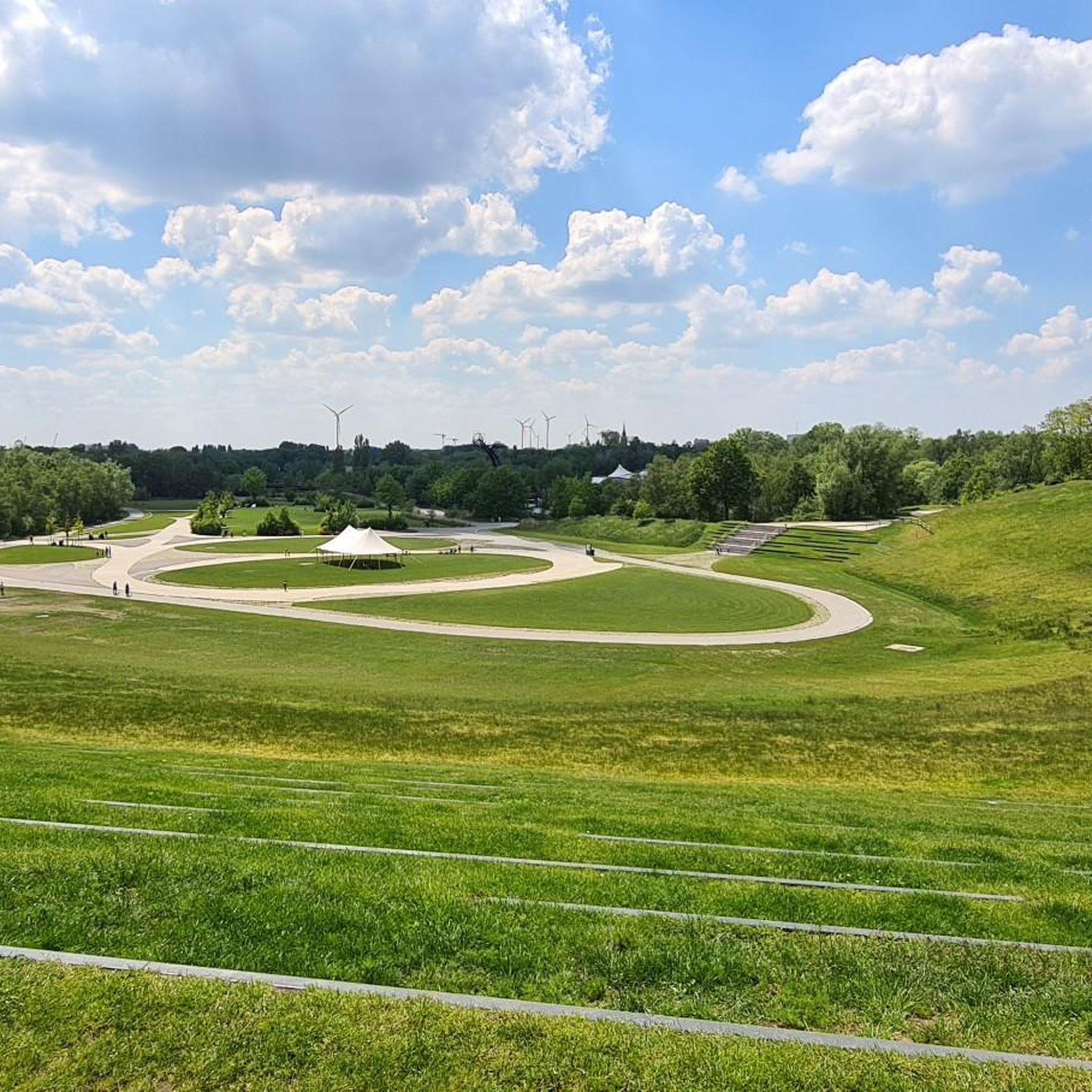
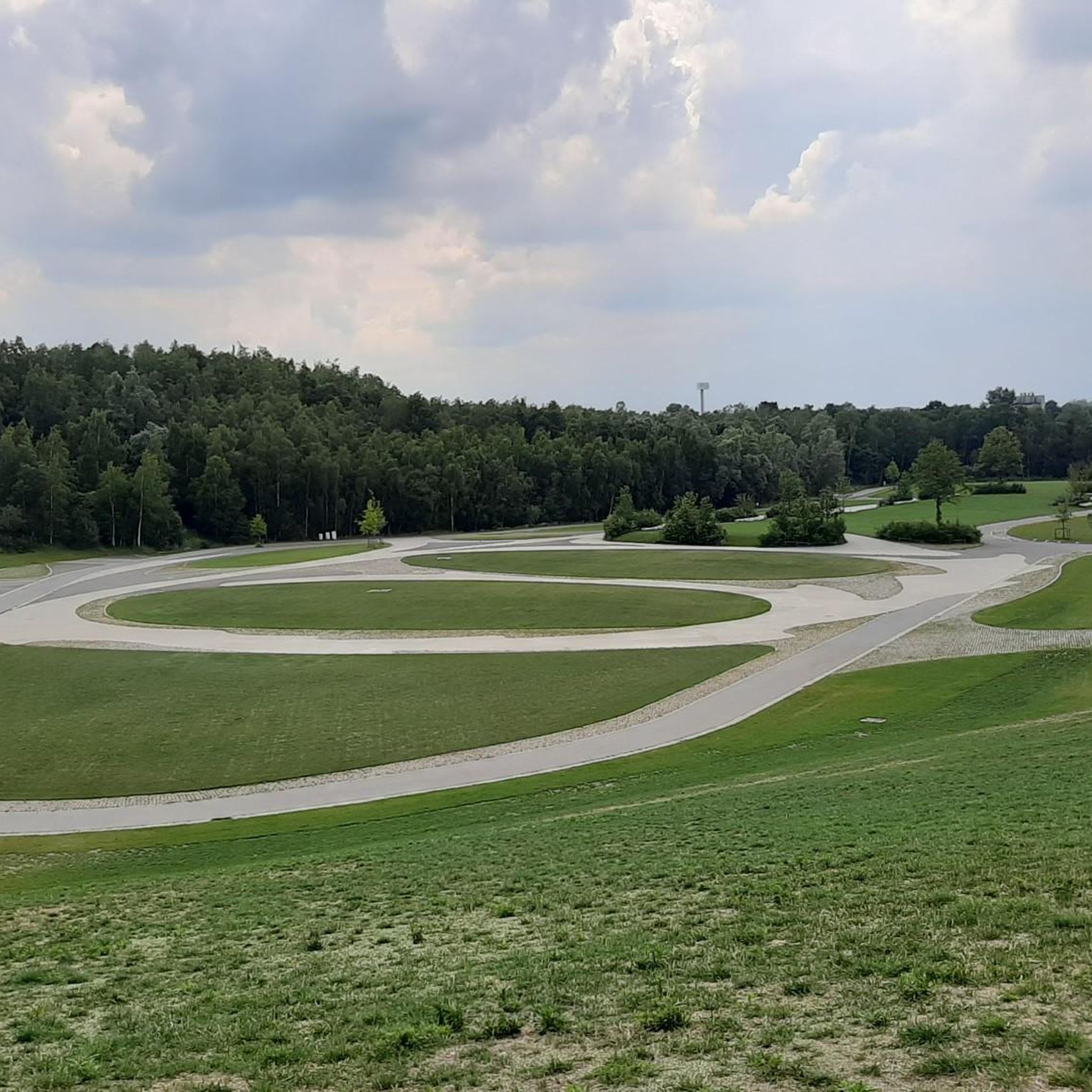
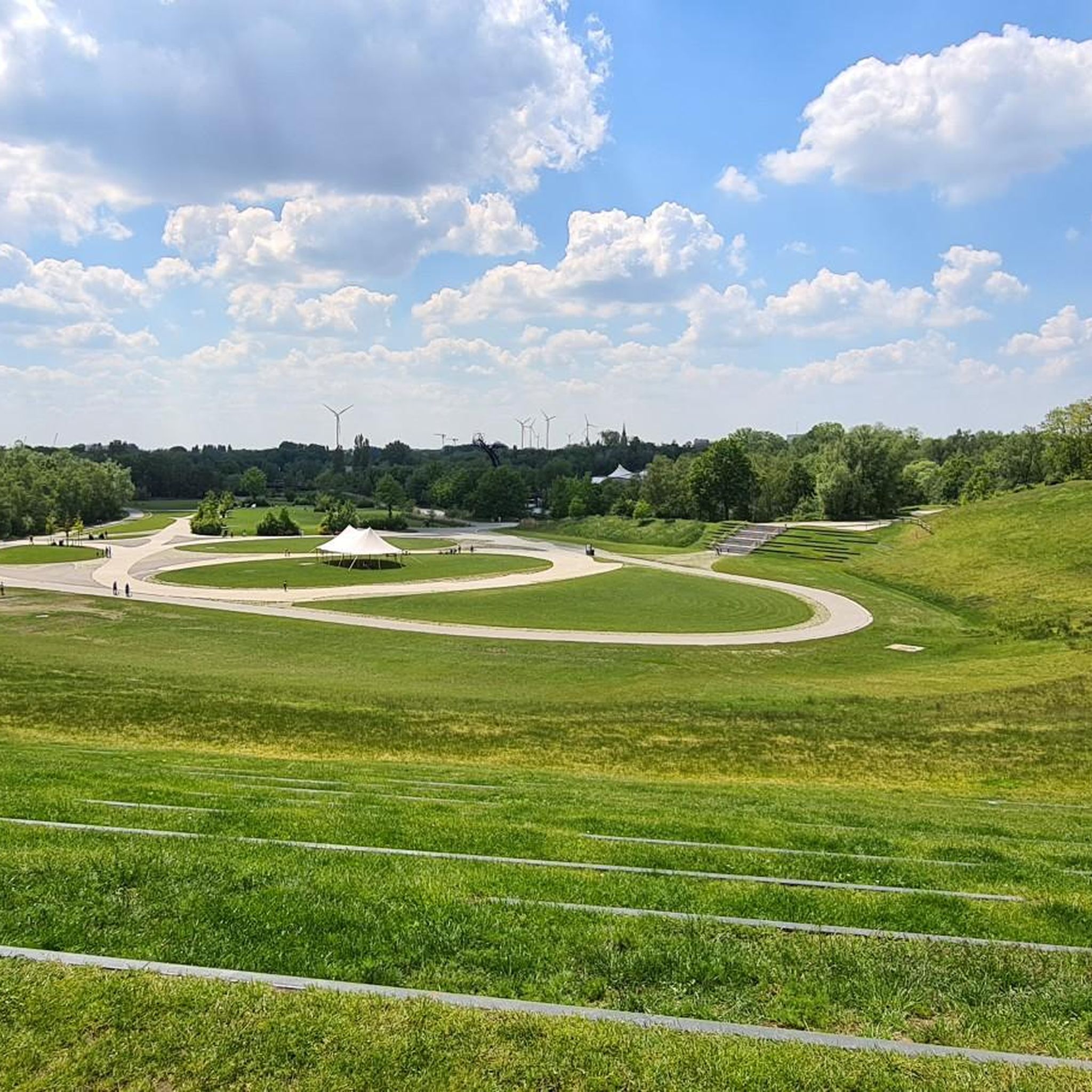
Other adventures around Boom

Tips from the Community

Indeed, a large number of birds have their habitat here...
2
0
Bridges connect one side to the other side...
2
0


Perhaps you've already spotted a small tower from afar, proudly rising above the greenery and the Rupeldijk. The tower belongs to Den Bocht Castle, situated in a bend in the Rupel River. However, this small castle wasn't the first structure on this site. A 16th-century map already shows two moated farms: De Bocht Farm and the old stone fortress Steendere, which some even believe dates back to Roman times. Remnants of this can be recognized as a large body of water just behind the Rupeldijk.
7
0
The Eglegem Pond covers over 43 hectares and was created in the late 1960s as a sand extraction pit for the construction of the E19 motorway. During the winter, large flocks of waterfowl settle here, including shelduck, tufted duck, pochard, gadwall, grebe, coot, and black-headed gull. Eco-friendly bank and roadside management is being implemented around the Eglegem Pond.
6
0
The Zennegat: intersection of water safety and nature development The Zennegat lies where the Zenne River, the Leuven-Dijle Canal, and the Dijle River meet. This flood control area guarantees safety in the surrounding area and protects valuable natural resources. Channels, mudflats, and salt marshes here provide an ideal habitat for various plants and animals.
5
0
In Blaasveldbroek, you can enjoy a diverse nature reserve with swamp forests, meadows, and ponds, where you can spot beavers and otters and observe a variety of birds. There are walking and cycling trails, a dog area, and a play area with a tree-top course for children. You can also fish, go on a beaver safari, or have a picnic, with a reception area and restrooms nearby.
7
0
Frequently Asked Questions
How many touring cycling routes are available around Boom?
Boom offers a wide selection of touring cycling routes, with over 30 documented options. These routes cater to various preferences, from easy, flat paths to moderate trails with gentle ascents.
What kind of natural scenery can I expect on Boom's cycling routes?
The region is characterized by diverse landscapes, primarily shaped by the confluence of the Rupel, Nete, and Dijle rivers. You'll find extensive car-free towpaths offering open vistas and tranquil riverine scenery. Many routes also pass through green spaces, parks, and areas marked by the historical brickmaking industry, providing a unique blend of natural beauty and cultural heritage.
Are there any specific landmarks or attractions to see along the cycling routes?
Yes, Boom's cycling routes offer access to several interesting landmarks and attractions. You can explore the Blue Pedestrian Bridges at the Three Rivers Point, where the Dijle, Nete, and Rupel converge. The Blue Cycle Bridge over the Dijle is another notable sight. For nature enthusiasts, there are several birdwatching hides, such as the Birdwatching hide at Hobokense Polder, along the routes.
Are there family-friendly touring cycling routes in Boom?
Yes, Boom has several easy touring cycling routes that are suitable for families. These routes often feature mostly flat, paved surfaces, making them accessible for all skill levels. The provincial recreation domain De Schorre also offers shorter, easy loops perfect for a family outing.
What is the best time of year for touring cycling in Boom?
The spring and summer months generally offer the most pleasant weather for touring cycling in Boom, with milder temperatures and longer daylight hours. However, the region's diverse landscapes can be enjoyed throughout the year, with autumn providing beautiful foliage and winter offering crisp, quiet rides, though some paths might be less maintained.
Can I find circular touring cycling routes around Boom?
Many of the touring cycling routes around Boom are designed as loops, allowing you to start and end your ride in the same location. Examples include the popular The Scheldt – Polders of Kruibeke loop from Boom and the Cycle path along the Nete – A bird paradise loop from Boom.
Are there options for food and drink along the cycling routes?
Yes, you'll find various opportunities for refreshments. Many routes pass through charming towns and villages where you can stop at local cafes and pubs. The cozy De Musette cycling pub is a popular spot, and Klein-Willebroek is highlighted as an ideal stop for lunch along water-side routes.
How can I access the cycling routes using public transport?
Boom is well-connected by public transport, making it accessible for cyclists. You can reach Boom by train or bus, and many routes start directly from the town center or are easily reachable from public transport hubs. For specific routes, it's advisable to check local transport schedules for the most convenient access points.
What are the parking options for cyclists near Boom's routes?
Parking is generally available in and around Boom, particularly near popular starting points like the De Schorre provincial recreation domain. Many villages and towns along the routes also offer public parking facilities, making it convenient to park your vehicle and start your cycling adventure.
What do other touring cyclists enjoy the most about touring cycling in Boom?
The area is highly rated by the komoot community, with an average score of 4.1 stars. Reviewers often praise the tranquil riverine scenery, the well-maintained car-free towpaths, and the unique historical insights offered by the former brickmaking areas. The variety of routes, from easy loops to moderate trails, is also frequently highlighted.
Are there any routes that explore the region's brickmaking history?
Absolutely. The Brick Route is specifically designed to explore historic brickmaking villages and scenic river dikes, offering a unique glimpse into the local heritage and how the industry shaped the landscape.
Can I cycle through the De Schorre provincial recreation domain?
Yes, De Schorre is a central hub for outdoor activities in Boom, including cycling. There are specific routes within and around the domain, such as the Den Bocht Castle – Klein Willebroek Little Bridge loop from Boom, which allows you to experience its impressive landscapes and green spaces.
Most popular attractions around Boom

Get inspired with the komoot mobile app


Explore more
Browse the best Cycling routes in other regions.
