The 6 Most Amazing Peaks around Diest
Best mountain peaks around Diest are characterized by a gentle topography, featuring witness hills and elevated areas rather than conventional towering peaks. The region's highest points reach approximately 65-76 meters above sea level. Diest offers historical significance, natural beauty, and recreational opportunities across its varied landscape. These elevated sites provide pleasant walking routes and a chance to experience the local natural environment.
Best mountain peaks around Diest
- The most popular mountain peaks is Viewpoint on the Beringen spoil tip,…
Last updated: July 1, 2026
The stairs (highest point of Beringen)
Highlight • Summit
The Beringen slag heap …
Translated by Google •
Tip by

Unpaved sunken lane along the Mettenberg
Highlight (Segment) • Trail
Translated by Google •
Tip by

Sign up now to discover places like this
Get recommendations on the best single tracks, peaks, & plenty of other exciting outdoor places.
Sign up for free
Summit of Avonturenberg Terril 1
Highlight • Summit
Translated by Google •
Tip by

Viewpoint on the Beringen spoil tip
Highlight • Viewpoint
Translated by Google •
Tip by
Kepkensberg
Highlight • Natural Monument
Translated by Google •
Tip by
Sign up for free to discover even more peaks around Diest.
Sign up for free
Already have an account?
Start today with a free account
Your next adventure awaits.
Login or Signup



Tips from the Community

At the top of the small slag heap is a 360° viewing platform with explanations and directions in all directions of where you are looking.
3
0

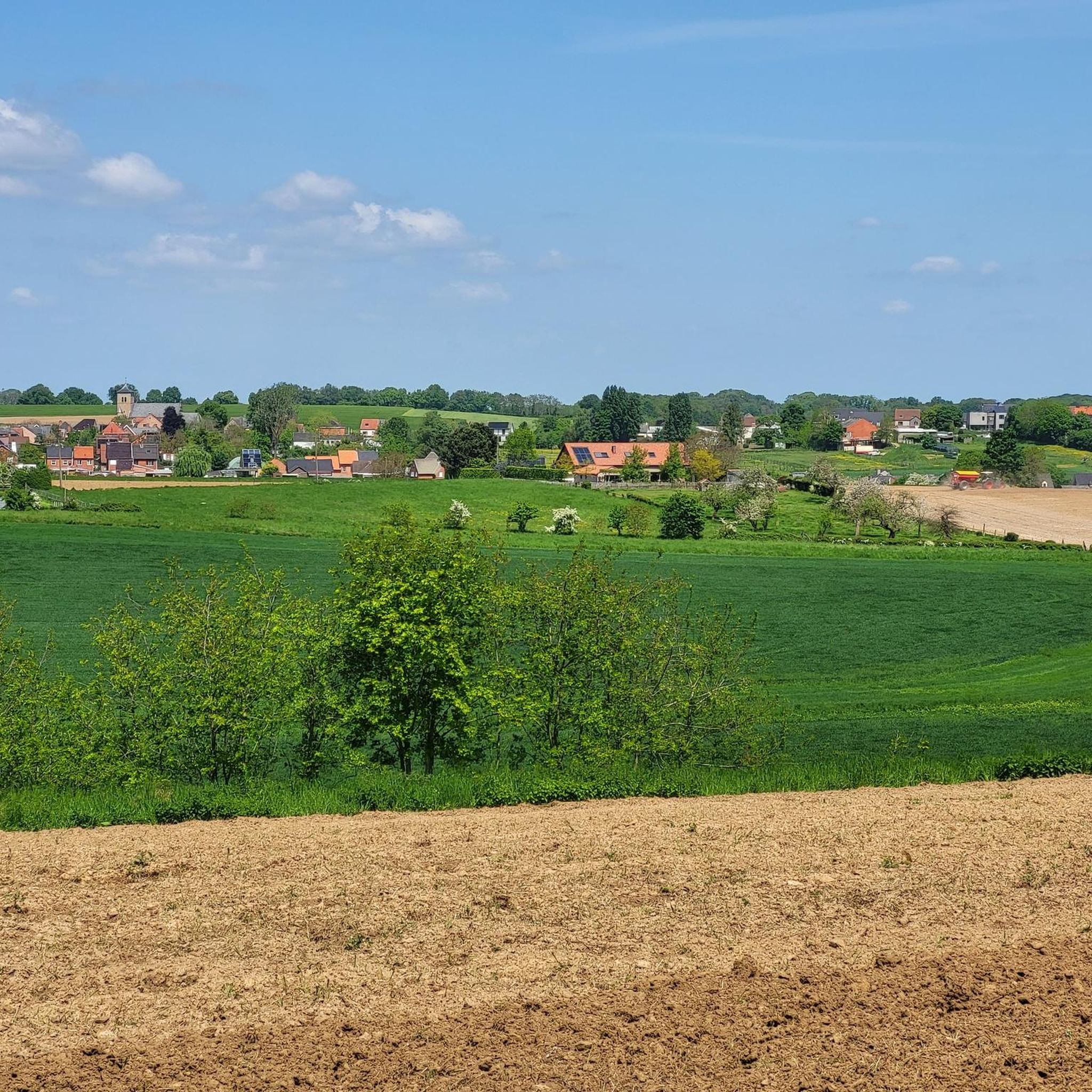
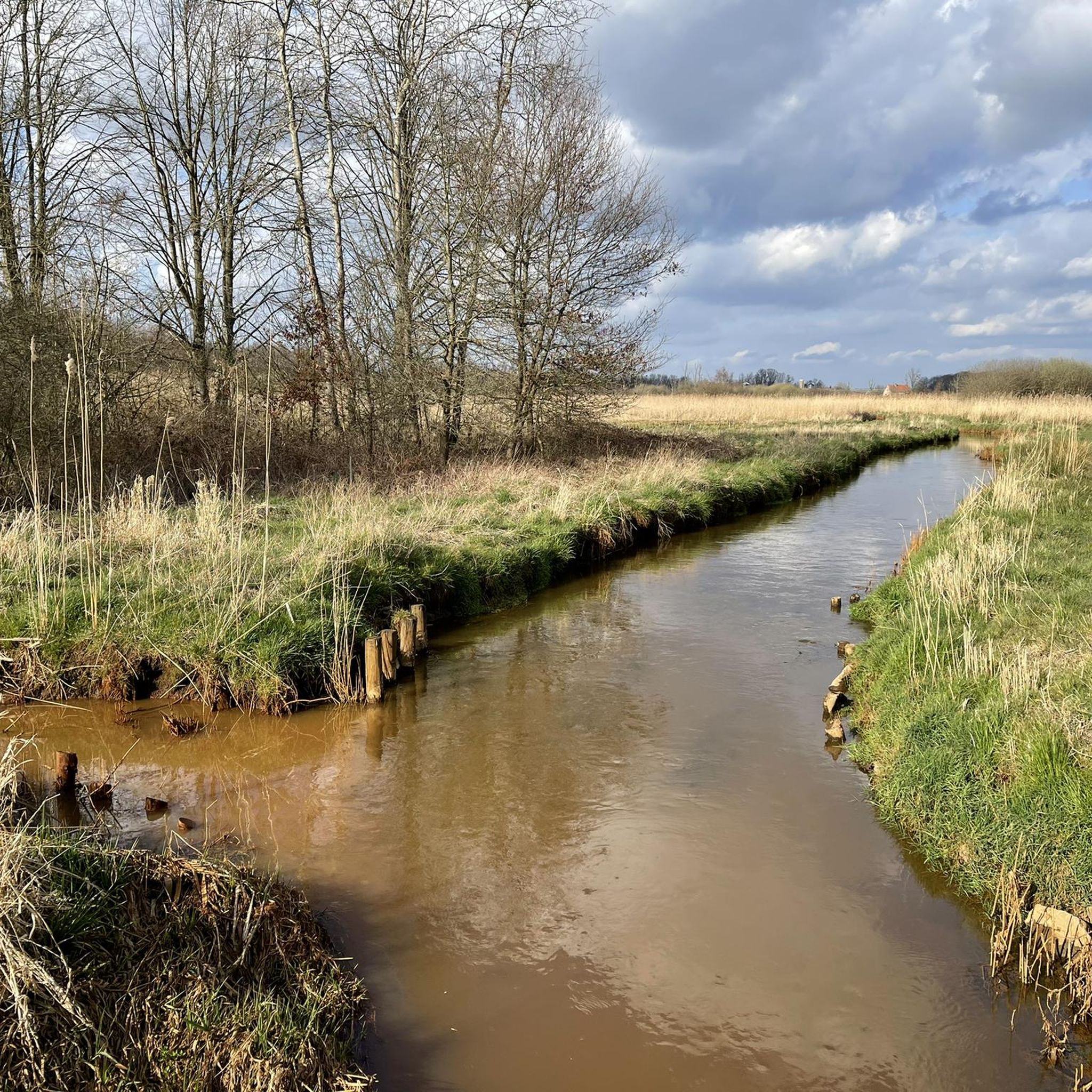
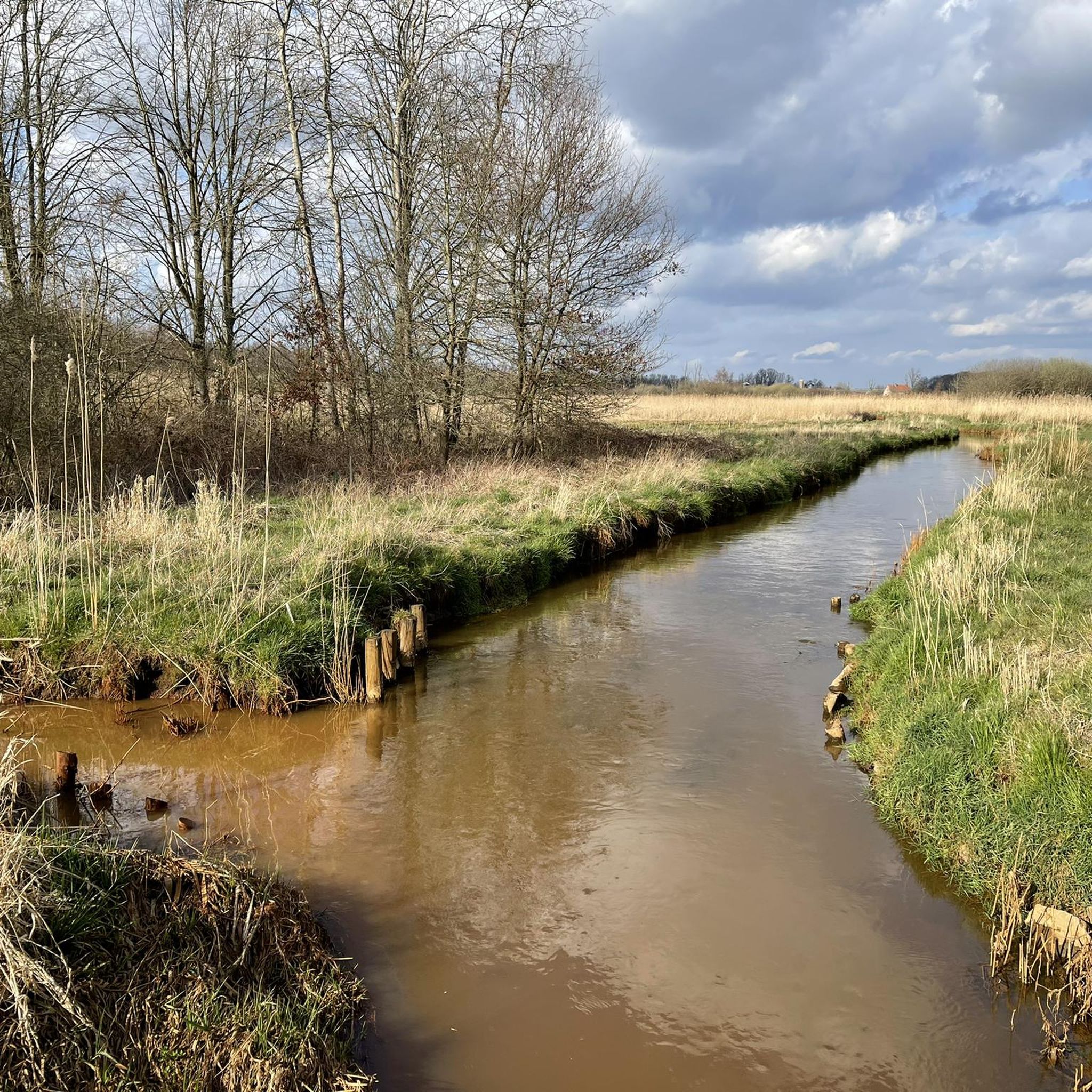
Old unpaved footpaths are still common in the agricultural area between Halen and Loksbergen. The road layout has changed relatively little between the 17th century and the present. East of these roads lies the Betserbaan, which played a key role in the Battle of Halen. Of interest is this Kanoniersstraat, which is unpaved for its entire length between the Betserbaan and the Kauwplasstraat (1.6 km) and has a cart track as its base. Where this road crosses the summit of the Mettenberg, it cuts into the flanks, creating a sunken lane with wooded banks on the verge. These wooded banks belong to the category of "indigenous trees and shrubs," with the most common species being robinia, oak, and hawthorn. Historically, the Kanoniersstraat was the old connecting road between Halen and Leuven across the interfluve of the Ketelbeek and IJzerenbeek (demonstrable by a 17th-century tithe map). It has since lost its role as a connecting road. Kanoniersstraat has now been given a purely local role, allowing it to retain its authentic appearance as an old road. Inventory of Immovable Heritage: Sunken Roads, https://id.erfgoed.net/erfgoedobjecten/300954
1
0

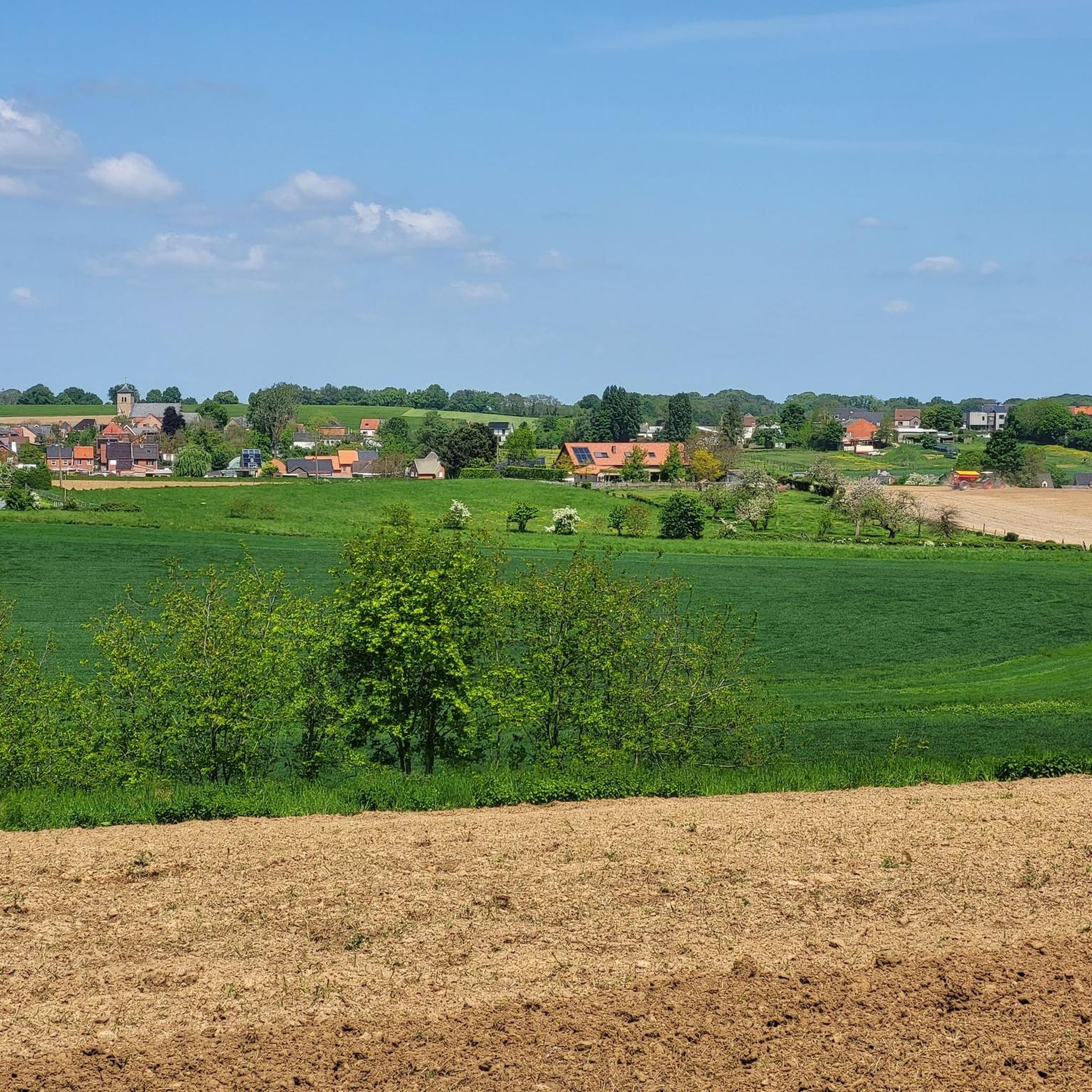
Hiking to the top of the slag heap does indeed require some effort, but you will be rewarded with beautiful panoramas of the surroundings. And along the way there are benches here and there where you can, if necessary, recover.
8
1

A sunken road is a road that is so deeply worn that it lies between two slopes. It is the result of centuries of use and erosion. The most beautiful sunken roads can be found especially in hilly areas with a subsoil that easily forms steep walls, such as in Haspengouw and Hageland.
2
0

A shady path...
0
0

Beautiful area with two Terrils (a mountain of stone waste as a by-product of underground mining). The large one is approximately 135m high and the small one is approximately 95m high. The small one also has a spectacular mountain bike park and a play hill (be-Mine). It's wonderful how they turned something old into something beautiful. There is also a Mining Museum and Diving Basin with sybtropical fish (TODI).
4
0
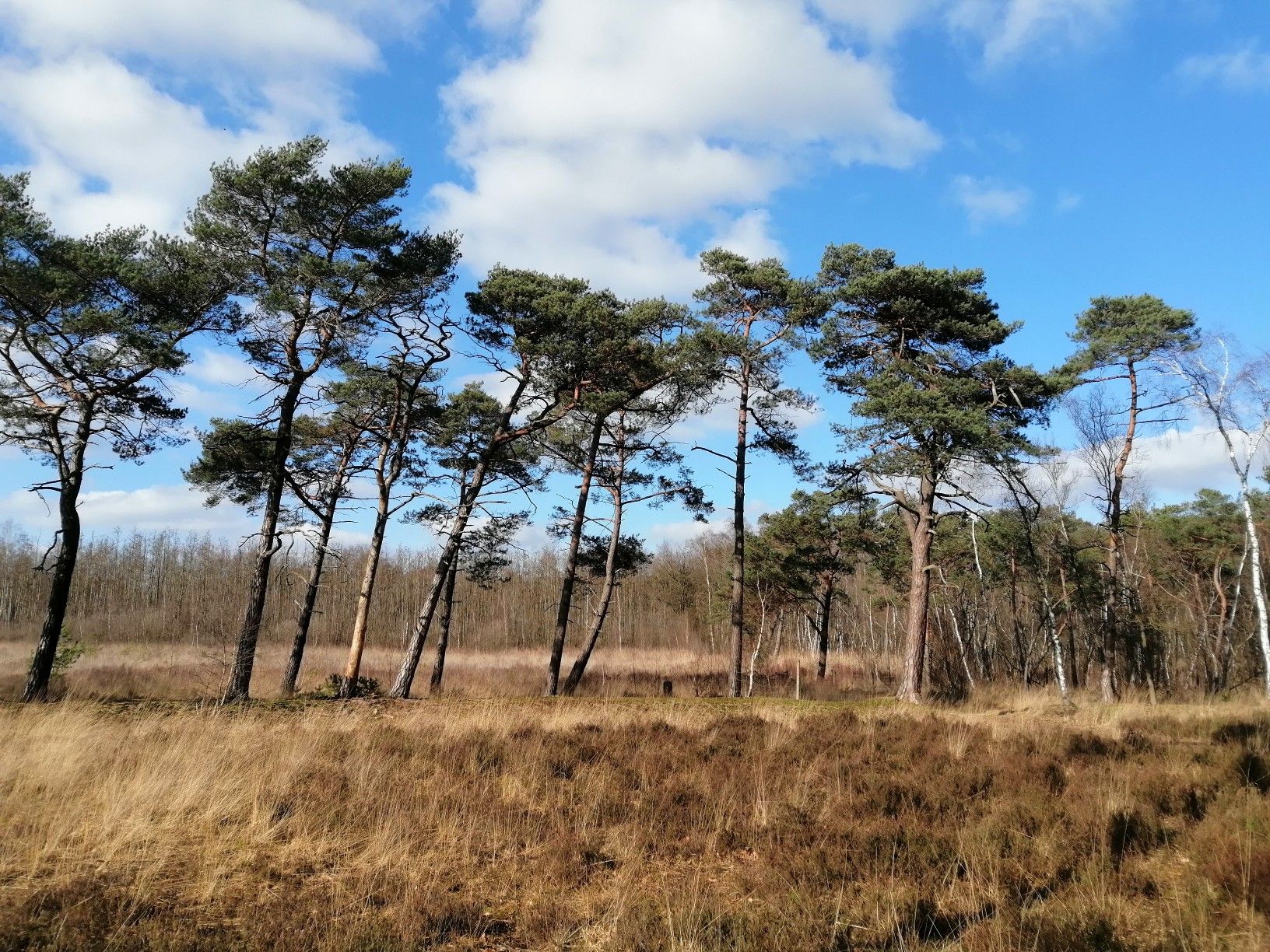
The Kepkensberg is a witness hill (diestian hill) in the hamlets Genebos and Genendijk (Kwaadmechelen, Ham), near Tessenderlo. It is 43 meters above sea level but has some significant slopes. The base consists of iron sandstone. In 2021, a new Multimove path was opened on the wooded hill. There are also remains of trenches to be found.
7
0
The Beloftekapel Kepkensberg was founded in the 1930s as a pledge of Marian worship after Felix Rutten was seriously ill when he contracted typhus at the age of 31 during his mobilization due to the Franco-Prussian War. Source: QR code Chapel walk with link to https://www.ham.be/kapelletje-l
7
0
Frequently Asked Questions
What kind of 'mountain peaks' can I expect to find around Diest?
Diest is characterized by a gentle topography, featuring 'getuigenheuvels' (witness hills) and elevated areas rather than conventional towering peaks. The highest points reach approximately 65-76 meters above sea level. These elevated sites offer historical significance, natural beauty, and pleasant walking routes.
What are some of the most popular elevated spots to visit near Diest?
Visitors frequently enjoy the Viewpoint on the Beringen spoil tip, which offers a spectacular panorama from 135 meters. Another popular spot is the Summit of Avonturenberg Terril 1, where you can explore trails through a forest of poles and learn about coal mine history. The View of Testelt and the Demer Valley from the Voortberg is also highly regarded for its beautiful views over the Demerbroeken natural reserve.
Are there any historical sites on these elevated areas?
Yes, the The stairs (highest point of Beringen) is part of the Mijnterril nature reserve, which was once a mountain of piled stones from mining. Additionally, the Citadel of Diest, situated on the Allerheiligenberg, is a significant historical site, representing the last remaining brick citadel in Flanders, built between 1845 and 1843.
What kind of views can I expect from the elevated points?
From spots like the Viewpoint on the Beringen spoil tip, you can enjoy a spectacular panorama. The Voortberg offers beautiful views over Testelt and the Demerbroeken natural reserve, with an open view in all directions from its high vantage point.
Are there any unique natural features to explore?
Yes, you can explore the Unpaved sunken lane along the Mettenberg, which is a deeply worn road between two slopes, resulting from centuries of use and erosion. This area features wooded banks with indigenous trees and shrubs. The Webbekoms Broek Nature Reserve, near Diest, also offers ancient wet meadows, reedbeds, and willow copses.
What outdoor activities can I do near these elevated areas?
The region around Diest offers various outdoor activities. You can find numerous running trails, including routes around the Citadel of Diest and through the Webbekoms Broek. There are also extensive MTB trails and gravel biking routes that explore the diverse landscapes, including forests and heathlands.
Are there family-friendly options for exploring the hills around Diest?
Many of the elevated areas and nature reserves around Diest are suitable for families. The 'getuigenheuvels' offer pleasant walking routes without extreme difficulty. For example, the Summit of Avonturenberg Terril 1 provides opportunities to clamber and discover, with trails that offer insights into the coal mine's history, which can be engaging for children.
What is the best time to visit the elevated areas and nature reserves?
The elevated areas and nature reserves around Diest can be enjoyed year-round. However, for optimal hiking and outdoor activities, spring and autumn offer pleasant temperatures and beautiful scenery. The Mijnterril in Beringen is accessible between half an hour before sunrise and half an hour after sunset, allowing for early morning or late evening visits.
What kind of wildlife can be observed in the natural areas?
The Webbekoms Broek Nature Reserve, with its ancient wet meadows, reedbeds, and willow copses, supports a rich diversity of breeding birds. The Averbode Forest and Heath also provide habitats for various wildlife within its extensive forests, fens, marshes, and heathland.
Are there any challenging climbs or just gentle slopes?
While Diest doesn't have towering mountains, some elevated areas offer a good workout. For instance, reaching the Summit of Avonturenberg Terril 1 involves a 58-meter height difference with stairs, ropes, and climbing structures. The Voortberg is described as 'quite a calf biter' for its short climb, offering a rewarding view.
What do visitors appreciate most about the elevated areas around Diest?
Visitors frequently praise the beautiful views and the opportunity to enjoy tranquility and nature. The panoramic vistas from spots like the Beringen spoil tip, along with the unique historical context of sites like the Avonturenberg, are often highlighted. The presence of benches at viewpoints also allows for relaxing breaks.
Most popular attractions around Diest

Get inspired with the komoot mobile app


Explore more
See even more amazing summits around Diest with these guides:
