The best walks and hikes around Stekene
4.3
(925)
5,757
hikers
303
hikes
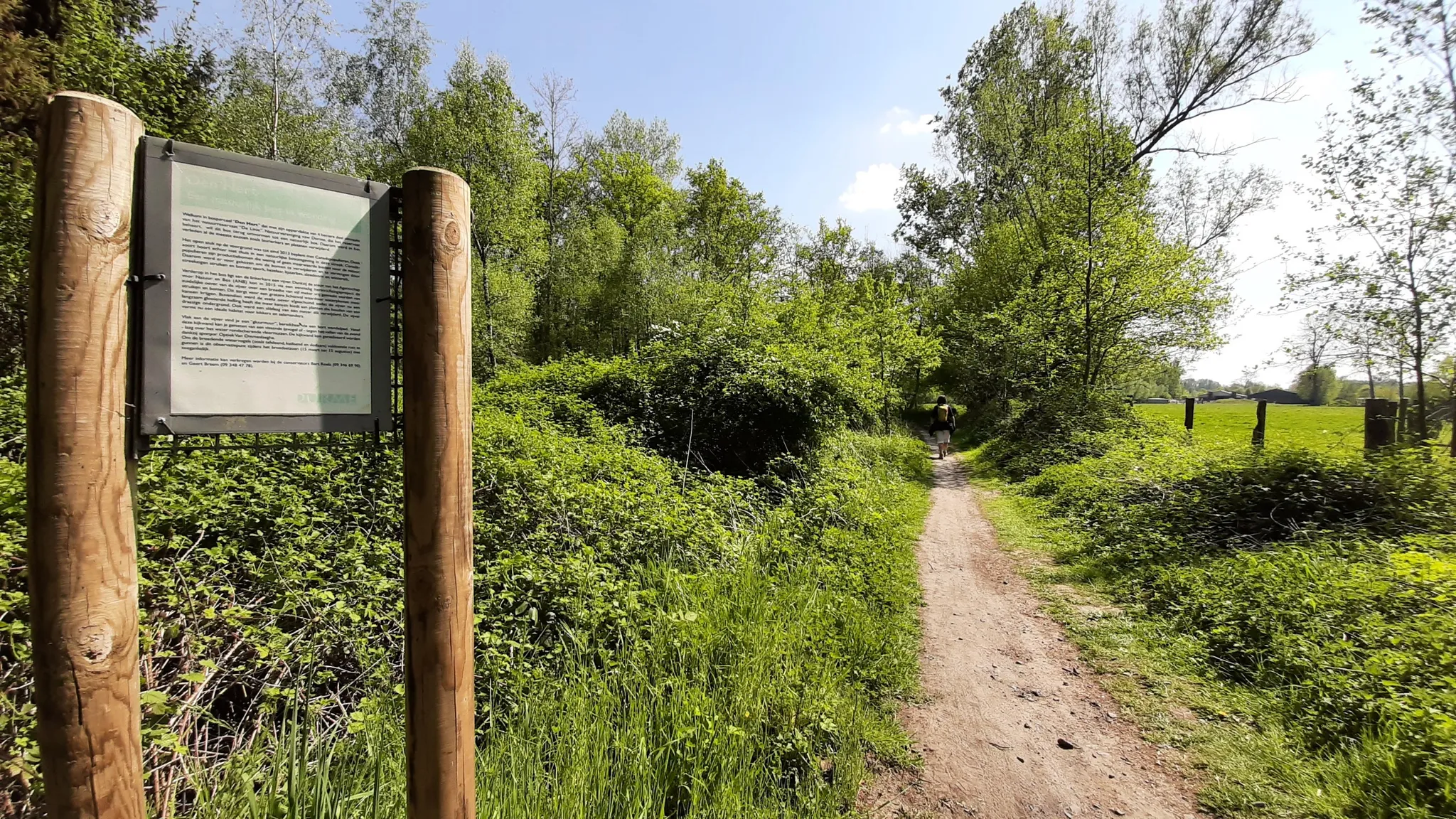
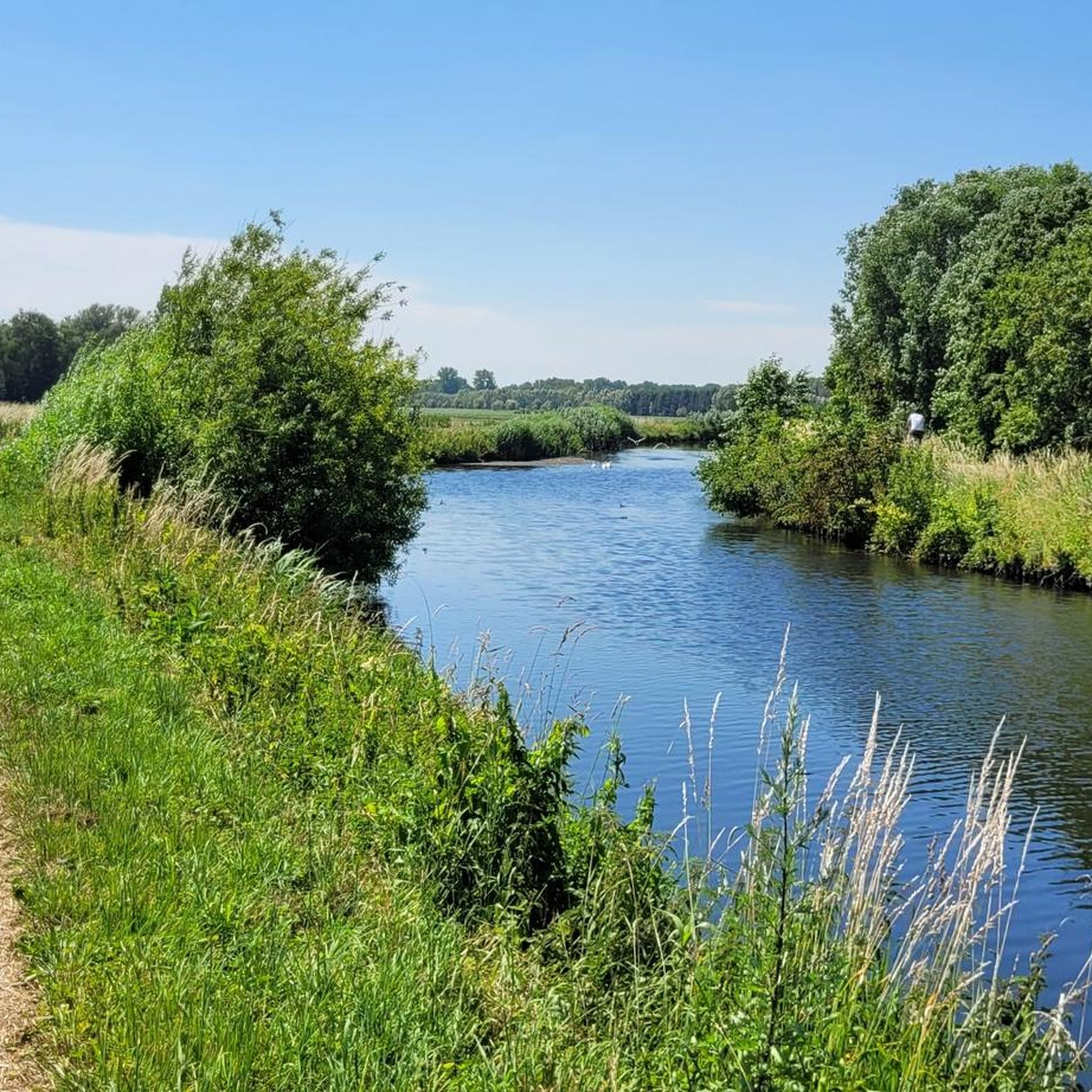
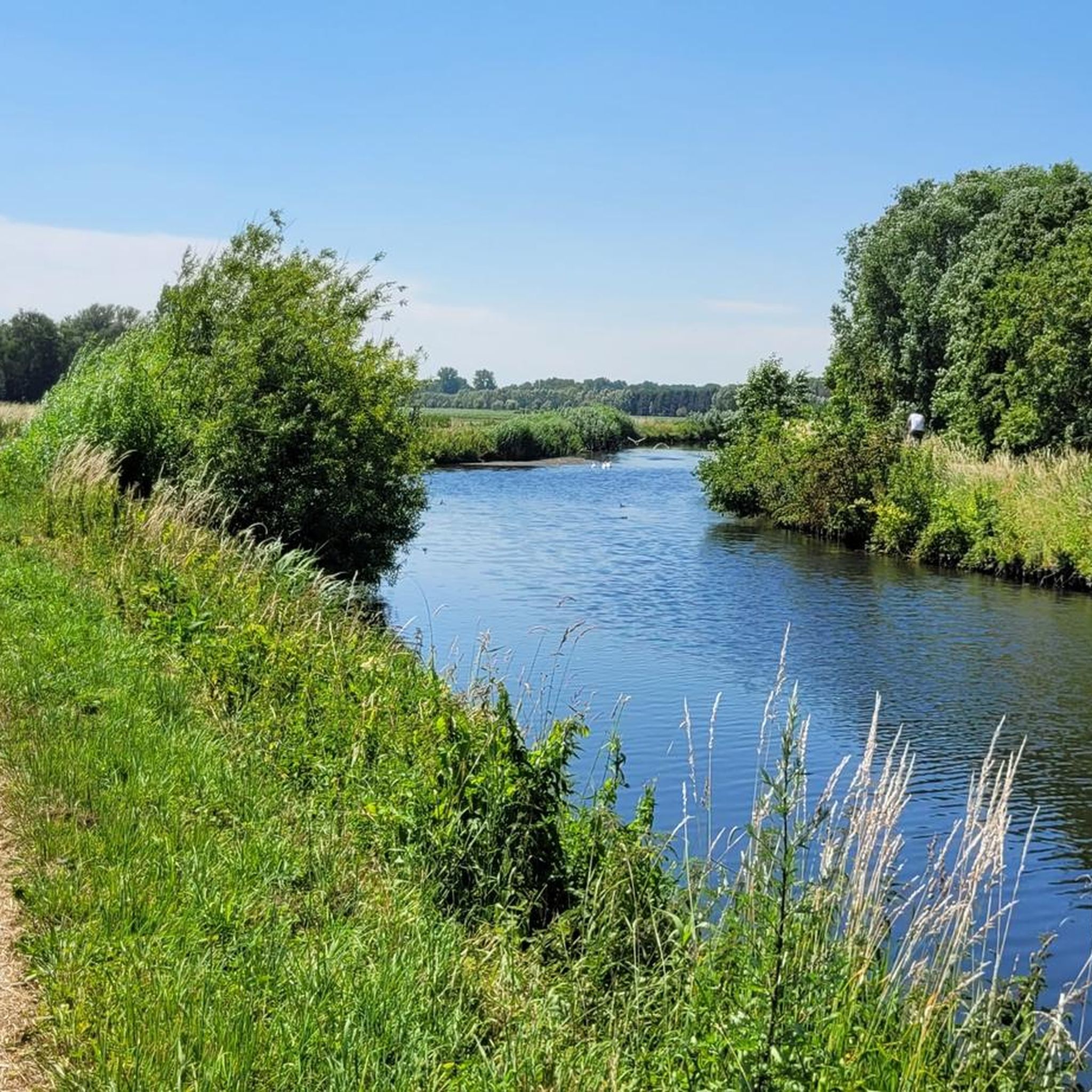
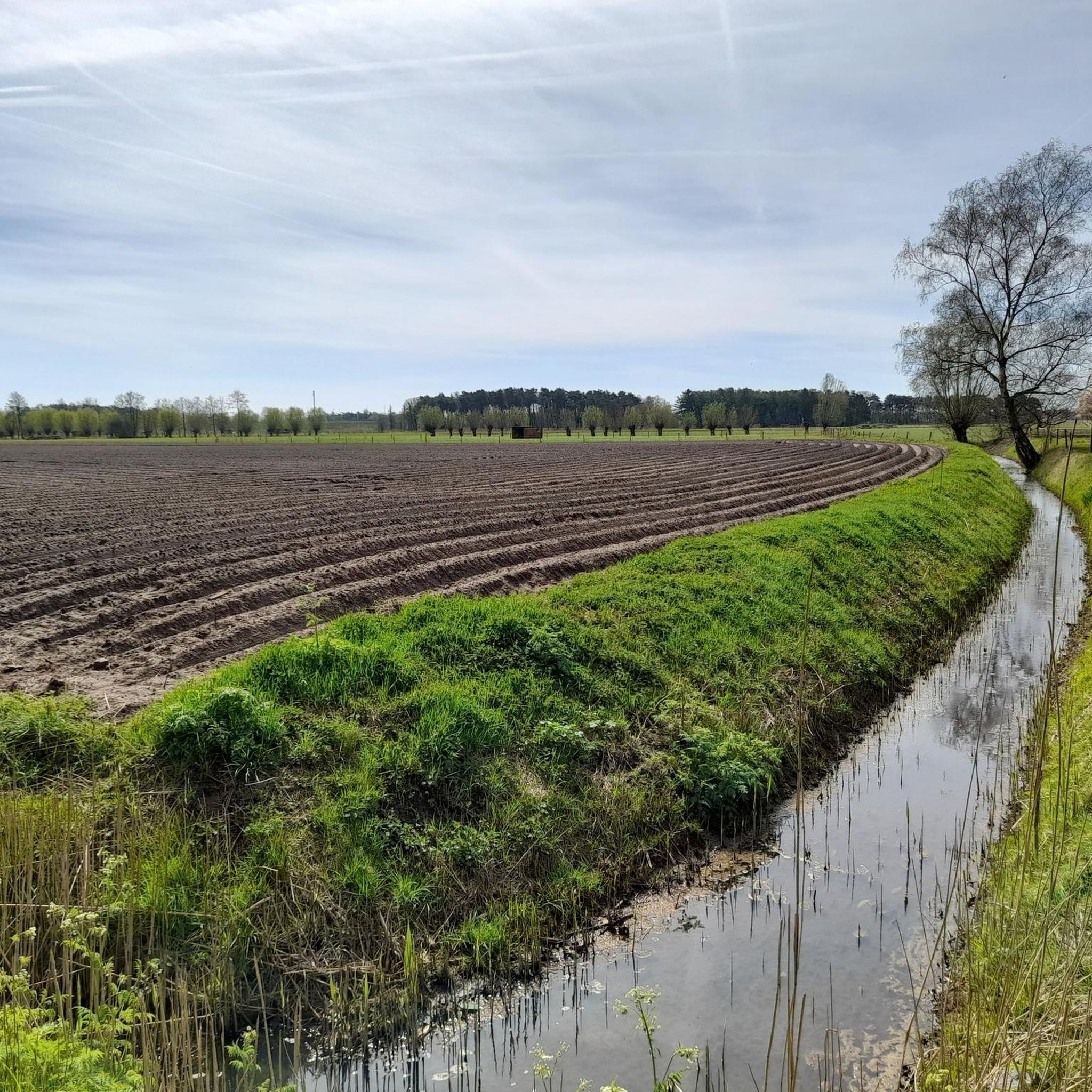
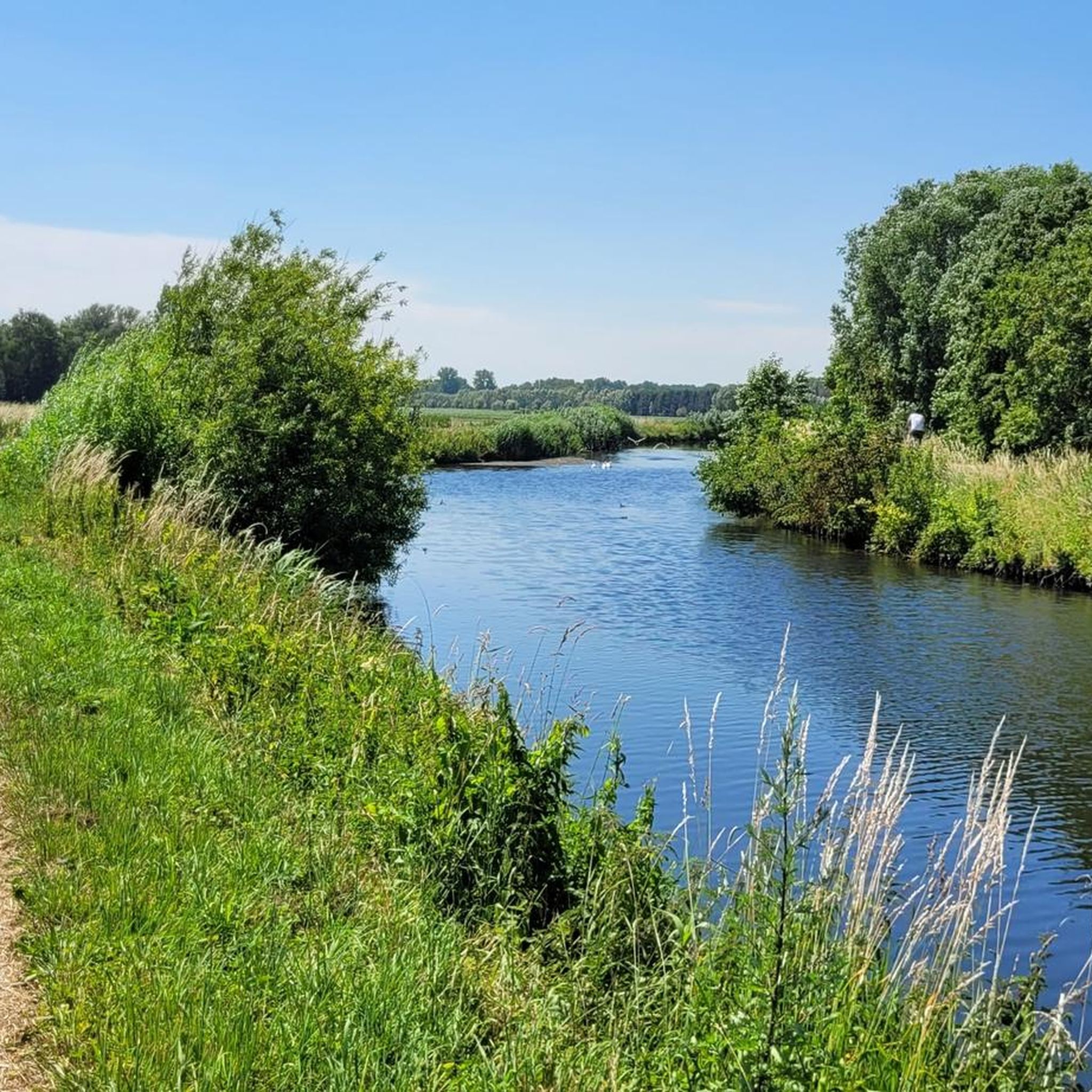
Hiking around Stekene offers diverse natural features, including varied landscapes and well-maintained trails. The region is characterized by dense woodlands, tranquil waterways like the Moervaart, and several nature reserves such as Heidebos and Etbos. These areas provide opportunities to observe local flora and fauna within preserved natural habitats.
Best hiking trails around Stekene
- The most popular hiking route is Stropersbos – Heather Stropersbos loop from Verbeke Foundation, a 7.2 miles (11.7 km) trail that takes about 3 hours to complete, leading through wooded areas and open heathland.
- Another top favourite among local hikers is Dutch-Belgian Border Trail – Stropersbos loop from Hellestraat, a moderate 10.6 miles (17.1 km) path exploring border regions and natural reserves.
- Local hikers also love the Stekense Canal – Frans Coppens Bridge loop from Heirnisse, a 5.0 miles (8.1 km) trail leading along the Stekense Canal with scenic bridges, often completed in about 2 hours.
- Hiking around Stekene is defined by dense woodlands, tranquil waterways, and dedicated nature reserves. The network offers options for easy, moderate, and more challenging ability levels.
- The routes in Stekene are highly rated by the komoot community with an average score of 4.3 stars from over 800 reviews. More than 5000 hikers have used komoot to explore Stekene's varied terrain.
Last updated: June 20, 2026
4.5
(153)
684
hikers
11.7km
02:56
10m
10m
Moderate hike. Good fitness required. Easily-accessible paths. Suitable for all skill levels.
4.6
(77)
382
hikers
17.1km
04:18
20m
20m
Moderate hike. Good fitness required. Easily-accessible paths. Suitable for all skill levels.

Sign up for free
4.5
(39)
149
hikers
8.12km
02:02
10m
10m
Moderate hike. Good fitness required. Easily-accessible paths. Suitable for all skill levels.
4.5
(47)
251
hikers
11.0km
02:46
10m
10m
Moderate hike. Good fitness required. Easily-accessible paths. Suitable for all skill levels.
4.7
(20)
237
hikers
Easy hike. Great for any fitness level. Easily-accessible paths. Suitable for all skill levels.
Get access to more routes and recommendations from other explorers.
Sign up for free
Already have an account?
Our route recommendations are based on thousands of hikes, rides, and runs completed by other people on komoot.
Start today with a free account
Your next adventure awaits.
Login or Signup

Other adventures around Stekene

Tips from the Community

The Stropersbos is located right on the Belgian-Dutch border and forms a whole with the Clingse Bossen, as the forest on the Dutch side of the border is called. The history of the forest dates back to the 13th century. This means that the forest has experienced wars, and from one of those wars, the War of the Spanish Succession (1702-1713), very clear traces can still be seen: there are still a number of remnants of the Line that served here in 1701. A little further north, there are also remains of Fort Sint-Jan (from which the Dutch municipality Sint-Jan-Steen derives its name). But even if you are not interested in that history, the Stropersbos is a special place, both for the tree and plant lover, the birdwatcher, the playing child, the boot-wearing walker who likes to trudge through mud, the bivouacker, ... and everyone who simply enjoys a walk. There is a good chance you will encounter wild horses, pass grazing sheep, or that - who knows, maybe you'll be as lucky as I was - roe deer or a fox will cross your path. In short: a very beautiful hiking area ...
3
0
The smuggling trade thrived in De Klinge and its surroundings. This illegal cross-border trade went in both directions, with all sorts of products being smuggled to the Netherlands or Belgium. In the spring of 1915, the Germans attempted to put a stop to smuggling by constructing the "dodendraad" (death wire). An electric wire under high voltage was intended to deter smugglers. The high voltage on the "Dodendraad" meant that people were electrocuted upon the slightest contact. The inhabitants were not yet aware of the dangers of electricity during this period. For this reason, protective wires were placed on either side, made of barbed wire or chicken wire. The German occupiers wanted to prevent war volunteers, espionage messages, or smugglers from crossing the border with the border barrier. Inventive smugglers quickly found numerous ways to overcome the wire, yet hundreds of daredevils lost their lives during their crossing along the Belgian-Dutch border. At least three victims fell in De Klinge and Meerdonk. After the Second World War, the eternal cat-and-mouse game between customs officers and smugglers became grimmer. Butter smuggling became a lucrative business, and armored cars, "kraaienpoten" (crow's feet), and firearms made their appearance. The "kraaienpoot" was made of metal and had four points. There was always one sharp point facing upwards, intended to puncture the tires of customs service vehicles. Here, at the "Dodendraadmonument", lies an enlarged "kraaienpoot". The "dodendraad" was constructed in the summer of 1915; in November 2015, a section was reconstructed at the border post. On the site, in 2015, on the occasion of the 100th anniversary of the installation of the "dodendraad", a linden tree was planted, donated by the Koninklijke Oudheidkundige Kring van het Land van Waas. source: tracesofwar.nl
2
0
Actually, it's not allowed in the Clingse Bossen: go off the path, roam through the forest and build huts. Because plants get damaged and animals get scared. But here you can! So come and splash around with water, climb a tree, put on your own show in the theatre or play hide-and-seek!". an information board challenges children to romp around here. "Feel free to bring your parents: just put them on a bench with a good book and they'll be no trouble at all!" it continues, almost in the style of Annie M.G. Schmidt ;-)
3
0
On a plot of almost three hectares, between Brugstraat, Kaaistraat and the railway line, drinks dealer Charles Vydt built an outdoor swimming pool, party hall, and café with terrace in 1936. After WWII, Het Zomerhuis experienced its years of success. For decades, it was a popular destination where many generations of Stekenaars and visitors from far and wide spent their holidays. At the end of the 20th century, Het Zomerhuis fell into disrepair. In 2008, the municipality bought the former recreational domain to give a new tourist impulse to the site. In 2013, the old building was demolished. In the following years, plans for redevelopment were developed. In 2019, the works started and on October 17 and 18, 2020, Park Zomerhuis, with brasserie Het Zomerhuis, officially opened to the public. Shortly thereafter, the surrounding green space, the current park, was laid out. Source: Information panels on site
2
0
During the Second World War, all bridges in Stekene were blown up by the Germans. In 1945, all five were restored. Seven years later, the Stekense Vaart was declared unnavigable. At Aan de Brugstraat, everything was dammed to guarantee pure drinking water for Zeeuws-Vlaanderen. As a result, the canal between Kaaistraat and Tragelstraat, and thus also here at the bridge near Park Zomerhuis, became an open sewer. The canal problem lasted for years, with complaints and symptoms of illness among the local residents. The commissioning of the water treatment plant in Sint-Niklaas, in 1964, finally solved the problem fundamentally. bron: stekene.be
2
0
On a plot of almost three hectares, between Brugstraat, Kaaistraat and the railway line, drinks dealer Charles Vydt built an outdoor swimming pool, ballroom and café with terrace in 1936. After WWII, Het Zomerhuis experienced its years of success. For decades it was a popular destination where many generations of Stekene residents and visitors from far and wide spent their holidays. At the end of the 20th century, Het Zomerhuis fell into disrepair. In 2008, the municipality bought the former recreational domain to give a new tourist impulse to the site. In 2013, the old building was demolished. In the following years, plans for redevelopment were developed. In 2019, the works started and on 17 and 18 October 2020, Park Zomerhuis, with brasserie Het Zomerhuis, officially opened to the public. Shortly afterwards, the surrounding green area, the current park, was laid out. source: Information panels on site
2
0
The wooden arch bridge over the Stekense Vaart, named after Frans Coppens, was receiver-clerk in the municipality of Sinaai for almost a quarter of a century. He played an important role in "de Groote Watering van Sinay", the name given to the project launched by the Boerenbond in 1926. This project was initiated after repeated floods and aimed to make the polders 'dry'. The construction of the pumping station near Hondsnest was one of the first achievements within this project. During the Second World War, the unemployed were employed to clean or widen ditches. Under the impetus of dike reeve Jozef "meester" Maes and... receiver-clerk Frans Coppens (!), major reclamation works were carried out in the 60s, continuing into the following decades. Thus, Hondsnest got a new pumping station in 1975. In the meantime, the watering area had been converted into a polder, pursuant to the polder law of June 3, 1957. source: info file "Polder Daknam-Sinaai"
2
0
The lookout tower in the Fondatie van Boudelo nature reserve is a design by the young architectural firm Baeten Hylebos Architecten. The tower stands diagonally relative to the avenue amidst the undergrowth, a few meters from the path. In the Architecture Book Flanders N°14 (2021), it is poetically described as follows: In the doorway "light seeps in through the cracks of the planked walls and falls onto a staircase that winds invitingly around the central column. The walk upwards already offers, here and there, some perspectives on the surrounding natural beauty. For this purpose, the planks of the wall conveniently lie in a horizontal articulation. At the top of the stairs, the true reward awaits: an impressive tableau of fields, ponds, forests, birds, and if you're lucky, a leap of deer."
3
0
Frequently Asked Questions
What kind of terrain can I expect when hiking in Stekene?
Stekene offers a diverse landscape for hikers. You'll find a mix of dense woodlands, open areas, and tranquil waterways like the Moervaart. The region is also home to several nature reserves, such as Heidebos and Etbos, providing varied natural habitats to explore.
How many hiking trails are available in Stekene?
There are over 280 hiking routes available in Stekene, catering to various preferences and skill levels. This includes a wide selection of easy, moderate, and some more challenging trails.
Are there easy hiking trails suitable for beginners or families in Stekene?
Yes, Stekene has plenty of easy options. Over 200 of the available routes are classified as easy, making them ideal for beginners, families, or those looking for a relaxed stroll. An example is the Dutch-Belgian Border Trail – Walking along the water catchment area. loop from Kapellebrug, which is an easy 7 km route.
What do other hikers enjoy most about the trails in Stekene?
The hiking trails in Stekene are highly rated by the komoot community, with an average score of 4.3 stars from over 800 reviews. Hikers often praise the region's varied landscapes, the peaceful atmosphere of the nature reserves, and the well-maintained paths that make for an enjoyable outdoor experience.
Are there any circular hiking routes in Stekene?
Yes, many of the trails in Stekene are circular, allowing you to start and end at the same point. For instance, the popular Stekense Canal – Frans Coppens Bridge loop from Heirnisse is an 8.1 km circular route along the canal.
What natural landmarks or points of interest can I see along the hiking trails?
Stekene's trails often lead through or near significant natural areas. You can explore nature reserves like Heidebos, Turfmeersen, and Etbos. The Moervaart waterway with its picturesque bridges is another highlight. Additionally, you might encounter highlights such as Along the former peat extraction area or the Groot Eiland Nature Reserve.
Are there any trails that explore the border regions?
Yes, some routes in Stekene offer the unique experience of hiking along the Dutch-Belgian border. The Dutch-Belgian Border Trail – Stropersbos loop from Hellestraat is a moderate 17.1 km path that explores these border regions and natural reserves.
Can I hike along waterways in Stekene?
Absolutely. Stekene is known for its tranquil waterways, particularly the Moervaart and the Stekense Canal. Routes like the Stekense Vaart – Stekense Canal loop from Stekene offer scenic walks alongside these canals, often featuring charming bridges.
What is the typical duration for a moderate hike in Stekene?
Moderate hikes in Stekene typically range from 2 to 3 hours. For example, the Stropersbos – Heather Stropersbos loop from Verbeke Foundation, a 11.7 km moderate trail, usually takes about 3 hours to complete.
Are there any specific nature reserves I should look out for?
Stekene is rich in nature reserves. Key areas include Heidebos, Turfmeersen, Etbos, De Eenbes, Natuurreservaat De Linie, and the Fondatie van Boudelo. These reserves are excellent for observing local flora and fauna and offer well-preserved natural habitats for hiking.
What is the elevation gain like on trails in Stekene?
The terrain in Stekene is generally quite gentle, with minimal elevation changes. Most trails feature relatively flat paths, making them accessible for a wide range of hikers. Even longer routes typically have less than 25 meters of elevation gain.
Most popular attractions around Stekene

Get inspired with the komoot mobile app


Explore more
Browse the best Hikes in other regions.
