Top 20 Castles around Braine-L'Alleud
Best castles around Braine-L'Alleud offers a blend of historical sites and natural landscapes in Walloon Brabant. The region features significant historical locations, including the site of an ancient seigneurial castle, alongside preserved 19th-century estates. Visitors can explore extensive parks and gardens that complement these historical structures. The area provides opportunities for outdoor activities within these scenic domains.
Best castles around Braine-L'Alleud
- The most popular castles is Château de La Hulpe, a castle and historical site. This 19th-century castle is modeled after Loire castles and is situated within a large, freely accessible park featuring gardens and sculptures.
- Another must-see spot is Domaine Solvay, a castle and historical site. This public park, home to the Château de Béthune, covers over 220 hectares of forest, lawns, and ponds, offering diverse plant life.
- Visitors also love Feluy Castle, a historical water castle. Dating from the 14th century, this castle was transformed into a luxurious residence in the 18th century and features a remarkable round tower portal.
- Braine-L'Alleud is known for its historical castles, including preserved estates and sites of former medieval fortresses. The area offers a variety of historical and natural attractions to explore.
- The castles around Braine-L'Alleud are appreciated by the komoot community. With over 1500 upvotes and 300 photos, these sites offer diverse experiences.
Last updated: July 6, 2026
Château de La Hulpe
Highlight • Castle
Translated by Google •
Tip by

Domaine Solvay
Highlight • Castle
The castle is not open to the general public, but is suitable for all kinds of events.
destinationbw.be/nl/ontdekken/de-hoogtepunten/het-gewestelijk-domein-solvay
Translated by Google •
Tip by

Sign up now to discover places like this
Get recommendations on the best single tracks, peaks, & plenty of other exciting outdoor places.
Sign up for free
Hoeilaart Castle
Highlight • Castle
Translated by Google •
Tip by
Château and Park of La Hulpe
Highlight • Castle
Translated by Google •
Tip by

Feluy Castle
Highlight • Castle
The old castle, surrounded by its pond and moats, is the work of Eustache de Bousie. A remarkable round tower portal, formerly passed by a drawbridge and dating from the XIIIth century, was built at the entrance to the castle; on his left is a 15th century fortified fortress. The original building, whose facade remains from the former fence, was destroyed in the 18th century by order of the Countess of Blois, Canon of Nivelles and replaced by the classical house that still exists today.
The seriousness of the whole is balanced by a loggia overlooking a goose pond and a beautiful pier. The chateau was restored and renovated in 1940, and more recently by the current owners.
Translated by Google •
Tip by
Sign up for free to discover even more castles around Braine-L'Alleud.
Sign up for free
Already have an account?
Start today with a free account
Your next adventure awaits.
Login or Signup
Popular around Braine-L'Alleud
The most beautiful bike rides in Wallonia – pure nature and culture
Walks in the Belgian Ardennes — historic walls & magical forests
Hiking around Braine-L'Alleud
Running Trails around Braine-L'Alleud
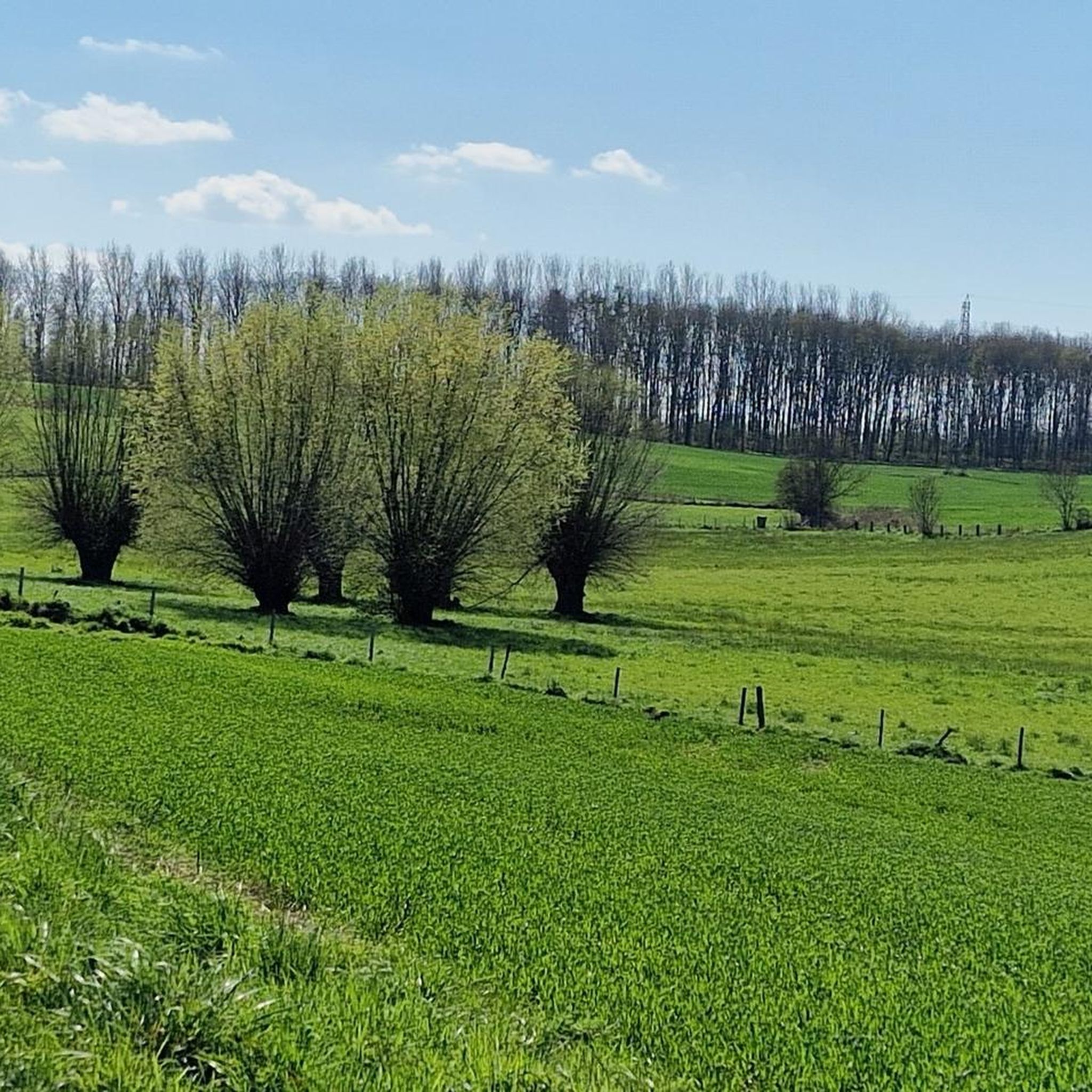
Road Cycling Routes around Braine-L'Alleud
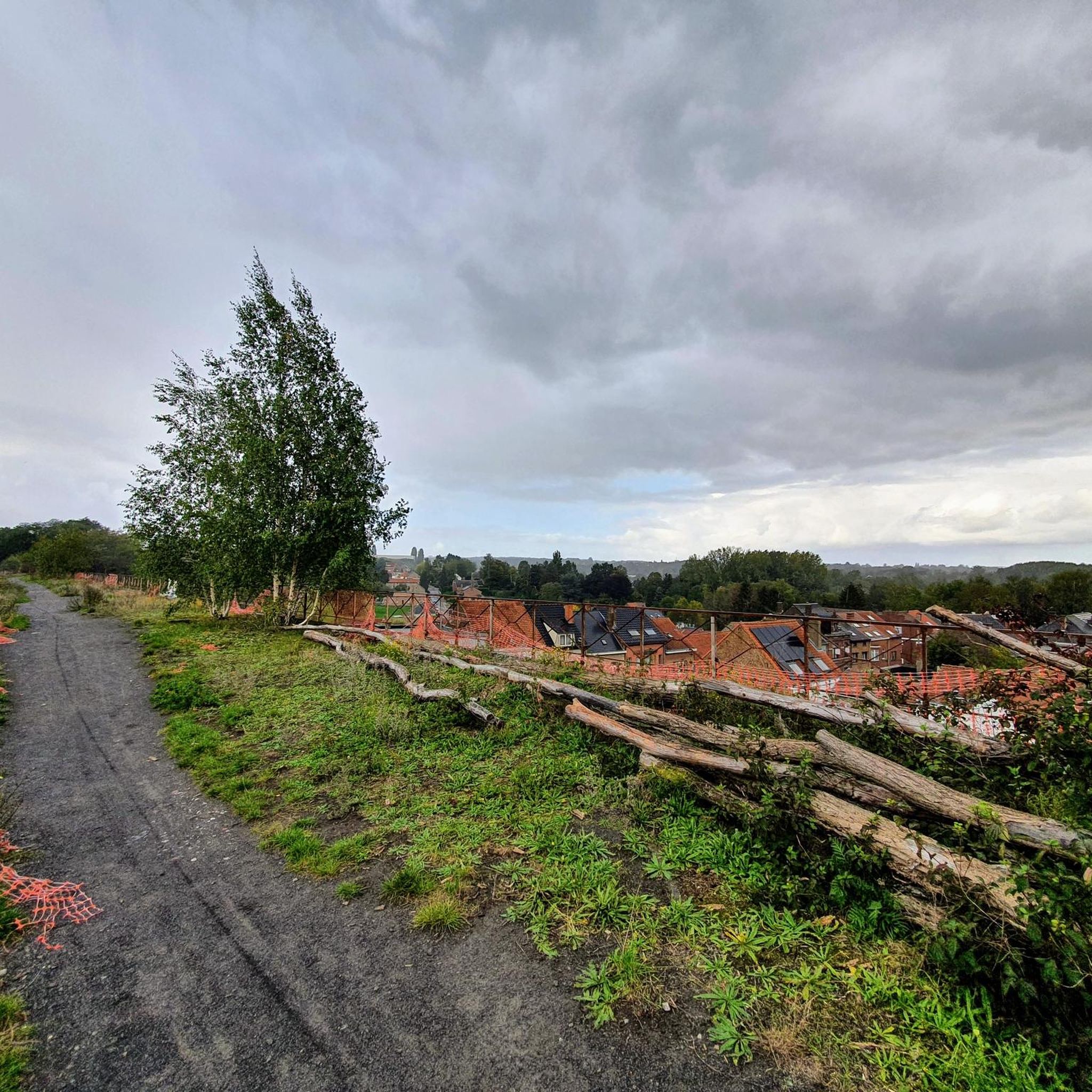
Cycling around Braine-L'Alleud
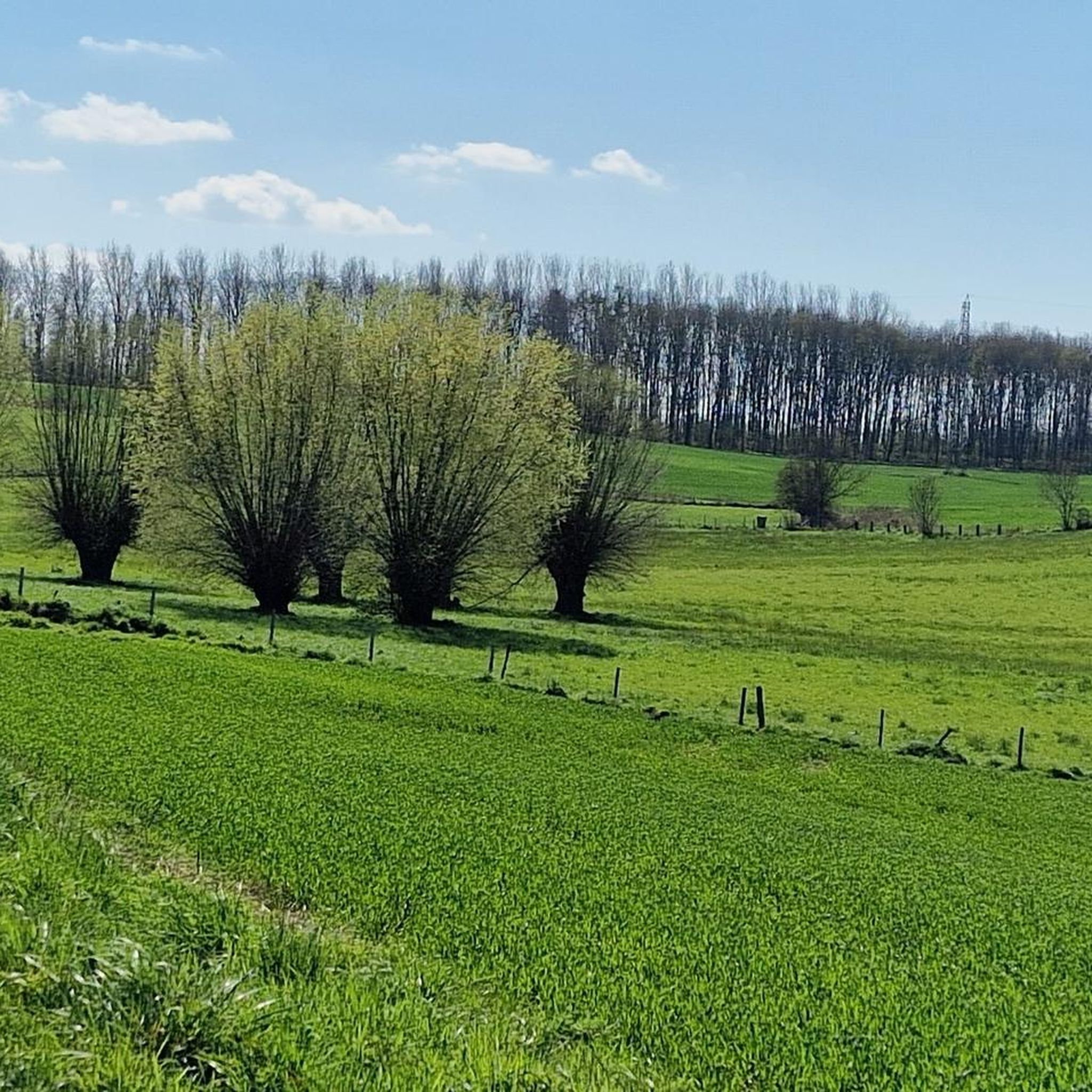
MTB Trails around Braine-L'Alleud

Gravel biking around Braine-L'Alleud

Mountain Hikes around Braine-L'Alleud

Tips from the Community

Two important lordships formed the basis of the current Hoeilaart: the lordship of Ter Heyde south of the IJse on the one hand, and the lordship of Holaer or Hoeilaart north of the IJse on the other. Here once stood the castle of the Ter Heyde lordship from the fifteenth century. That lordship ceased to exist after the abolition of the ancien régime. The current castle was built in 1858 on the orders of baron Jean de Man d’Attenrode (mayor of Hoeilaart from 1854-1878) and his wife Maria Carolina d’Ormesson. It is therefore not a remnant of the old lordship. BUT: the chapel and former closed farm next to it are. This building has now, as others have mentioned, been given a different function and dominates the view in the park. Inventory of Immovable Heritage: Kasteel van Hoeilaart, https://id.erfgoed.net/erfgoedobjecten/39785
6
0

Many beautiful walks start from here.
1
0

very nicely maintained castle and park surrounding it.
4
0

To see and don't hesitate to get lost there
1
0

This castle is worth a visit, there are regular cultural events
1
0

Beautiful but very busy. Good to know!
4
0

Early in the morning to avoid the crowds
4
0

Frequently Asked Questions
What are some of the most popular castles to visit around Braine-L'Alleud?
Among the most popular are Château de La Hulpe, known for its 19th-century architecture and extensive, freely accessible park. Domaine Solvay, which houses the Château de Béthune within its vast public park, is also highly regarded. Additionally, Feluy Castle, a historical water castle dating from the 14th century, attracts many visitors.
Are there any family-friendly castles or estates near Braine-L'Alleud?
Yes, several estates offer great experiences for families. The park surrounding Château de La Hulpe is freely accessible and features gardens and sculptures, perfect for a family outing. Domaine Solvay also offers a large public park with forests, lawns, and ponds, ideal for exploring with children. The Coloma Estate, with its 18th-century moated castle and Europe's largest rose garden, is another excellent family-friendly destination.
Which castles offer beautiful natural surroundings or parks?
Château de La Hulpe is set within a beautiful large park featuring French gardens, remarkable trees, rhododendron and azalea beds, and water features. Domaine Solvay encompasses 227 hectares of forest, lawns, and ponds with diverse plant life. The Coloma Estate boasts winding paths and the largest rose garden in Europe, offering a fragrant and colorful experience.
Can I visit the Château du Cheneau in Braine-l'Alleud?
Yes, the Château du Cheneau, a prestigious residence from the early 20th century, is set within a 5-hectare wooded park. While the château itself is often used for events, the surrounding park is communal and freely accessible every day. It features tennis courts, a tennis club, a playground, and the Jardin du Docteur Arouete.
Are there any historical ruins or sites of former castles in Braine-l'Alleud?
While the original structure no longer stands, the site of the Ancien Château de Braine-l'Alleud holds significant historical value. Located at the bottom of Rue du Château, this former seigneurial castle was protected by a triple water barrier. Remnants of the old manor are incorporated into houses on Rue du Château, and a bas-relief provides a glimpse of its appearance in the late 17th century.
What kind of outdoor activities can I do near these castles?
The region around Braine-L'Alleud offers various outdoor activities. You can find numerous cycling routes, including those around the Sonian Forest, with options for moderate to difficult rides. For gravel biking, explore trails like the Grasdelle Trail Clearing loop. There are also mountain hiking opportunities, such as the Bois des Rocs loop. You can find detailed routes and guides for these activities on the Gravel biking around Braine-L'Alleud, Cycling around Braine-L'Alleud, and Mountain Hikes around Braine-L'Alleud guide pages.
Are there castles with accessible features for visitors with mobility needs?
The park and associated domain of Château de La Hulpe are noted as wheelchair accessible, allowing visitors to enjoy the extensive grounds and gardens.
Which castles are known for their historical significance?
Feluy Castle, a 14th-century water castle transformed into a luxurious residence, has a rich history. Château de La Hulpe and Domaine Solvay (Château de Béthune) are both 19th-century historical sites modeled after Loire castles. The Coloma Estate also features an 18th-century moated castle with a long history.
Can I bring my dog to the castle grounds?
While specific dog policies vary, many public parks and outdoor domains associated with castles in the region are dog-friendly, often requiring dogs to be on a leash. For example, the extensive grounds of Château de La Hulpe and Domaine Solvay are generally welcoming to leashed dogs.
What do visitors enjoy most about the castles around Braine-L'Alleud?
Visitors frequently praise the beautiful, extensive parks and gardens that surround many of the castles, such as those at Château de La Hulpe and Domaine Solvay. The blend of historical architecture with lush natural landscapes, offering opportunities for walks and relaxation, is a common highlight. The unique features like the round tower portal at Feluy Castle and the rose garden at Coloma Estate are also much appreciated.
Are there any castles near Braine-L'Alleud that are also hotels or event venues?
The Château du Cheneau in Braine-l'Alleud is available for organizing events and ceremonies. Additionally, the Château du Lac on Lake Genval, while not explicitly listed as a castle highlight in this guide, serves as a five-star hotel and was originally a bathhouse built in 1904.
Most popular routes around Braine-L'Alleud
Most popular attractions around Braine-L'Alleud

Get inspired with the komoot mobile app


Explore more
Looking for the best castles somewhere else? Discover other guides around Braine-L'Alleud:
