Top 20 Lakes around Wetteren
Best lakes around Wetteren are found in the surrounding region, offering diverse aquatic and natural experiences. While Wetteren itself does not feature large lakes directly within its municipal borders, the nearby Donkmeer in Berlare and the expansive Kalkense Meersen provide significant water-based recreation and nature observation opportunities. These areas are characterized by marshlands, peat pits, and natural reserves, formed within old meanders of the Scheldt River. The region offers extensive trails for exploring its rich biodiversity and scenic landscapes.
Best lakes around Wetteren
- The most popular lakes is Kalkense Meersen, an other natural area and lake that features 950 hectares of valuable nature. This area is known for its rich biodiversity and 165 km network of walking and cycling routes.
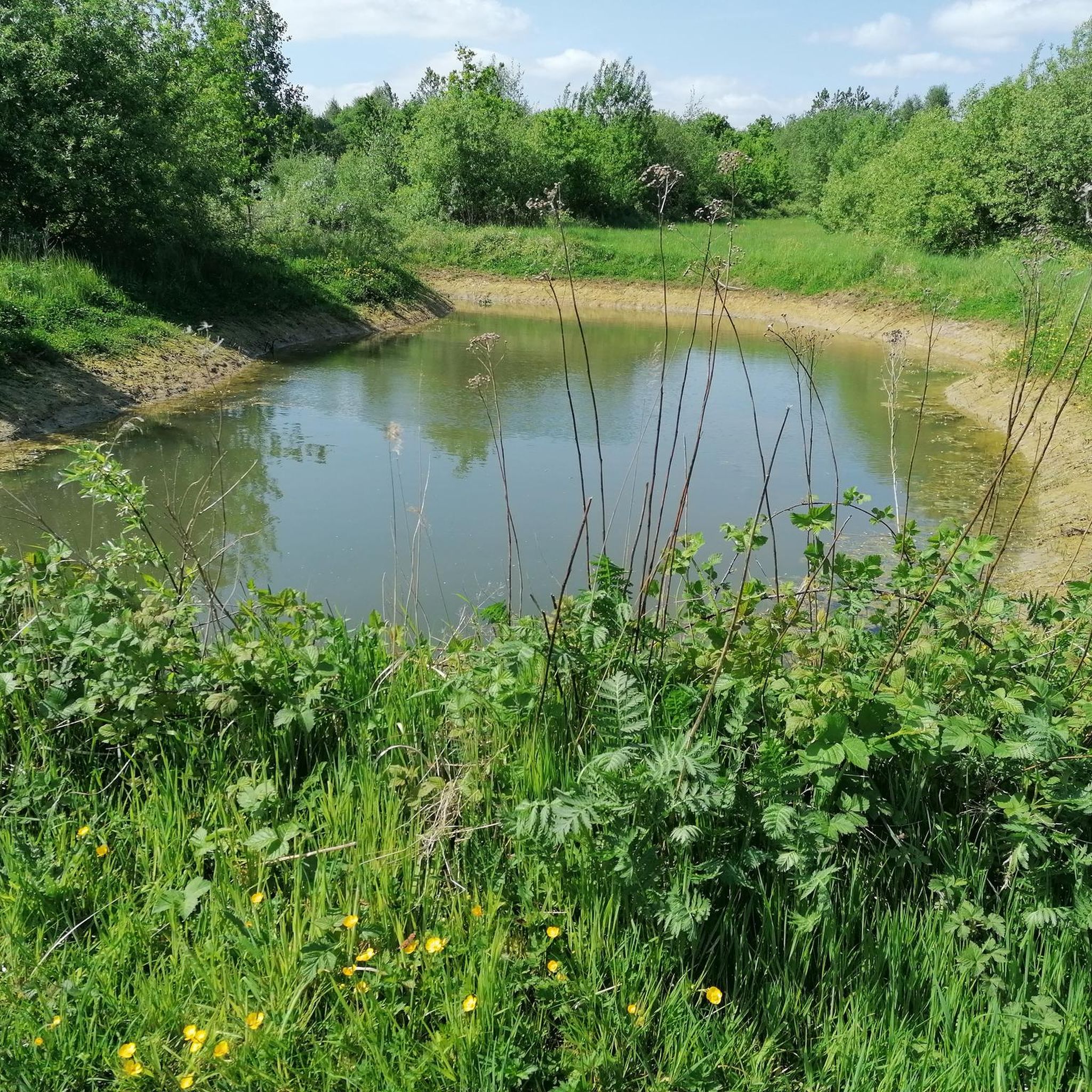
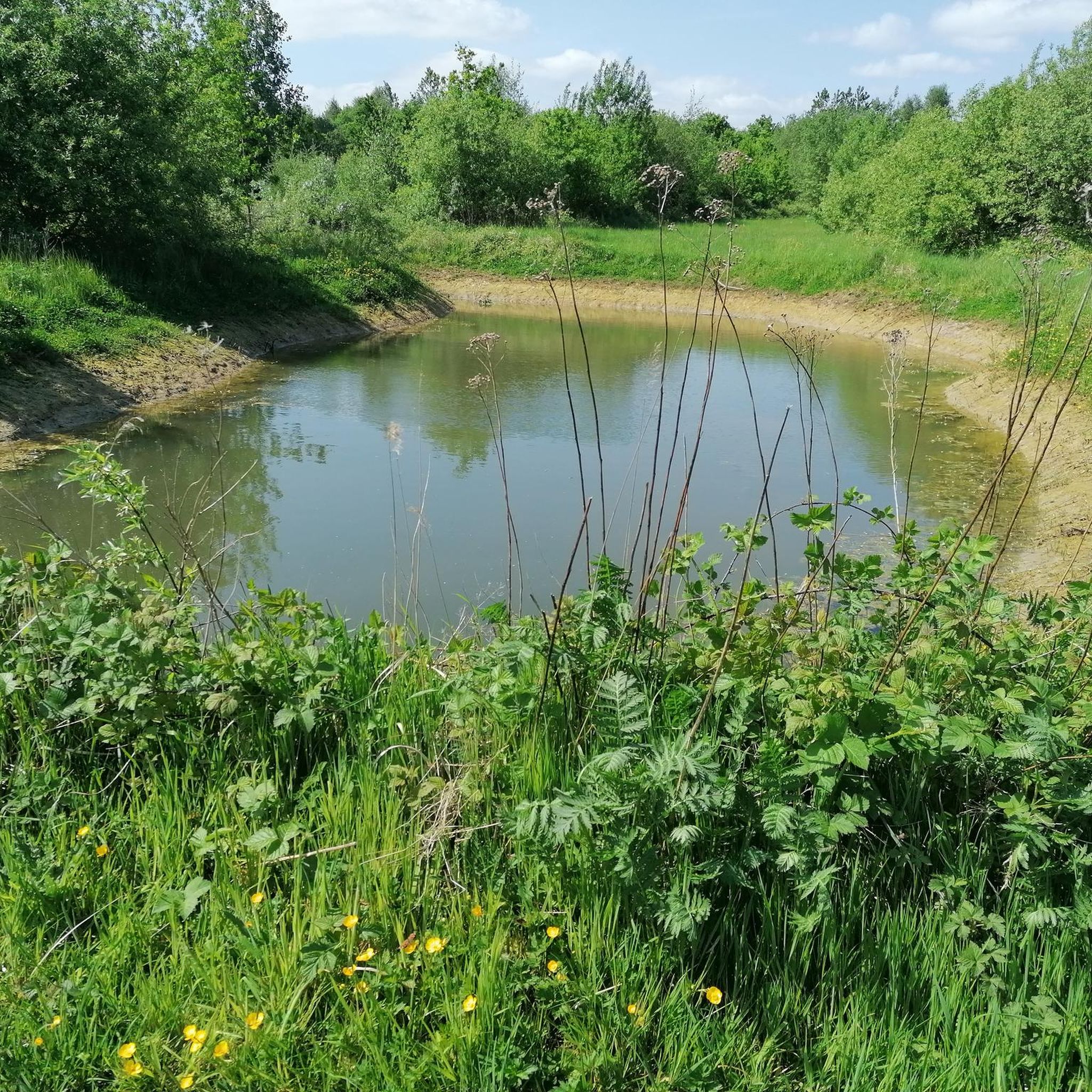
- Another must-see spot is Peat Pits of Berlare Broek, a lake area with an alternation between ponds and forests. Visitors can explore this beautiful piece of nature, which was formed from an old Scheldt meander and later re-excavated for peat extraction.
- Visitors also love Berlarebroek Nature Reserve, a forest and lake area that covers the eastern part of the old Scheldt Meander. This nature reserve is partly accessible to the public via various walking and cycling paths, offering swampy areas and more than fifty ponds.
- Wetteren is known for marshland areas, peat pits, and natural reserves with water features. The region offers a variety of lakes to see and explore, from expansive wetlands to smaller, historic water bodies.
- The lakes around Wetteren are appreciated by the komoot community. These 2 highlights have received more than 400 upvotes and 4 photos from visitors.
Last updated: July 1, 2026
Kalkense Meersen
Highlight • Natural
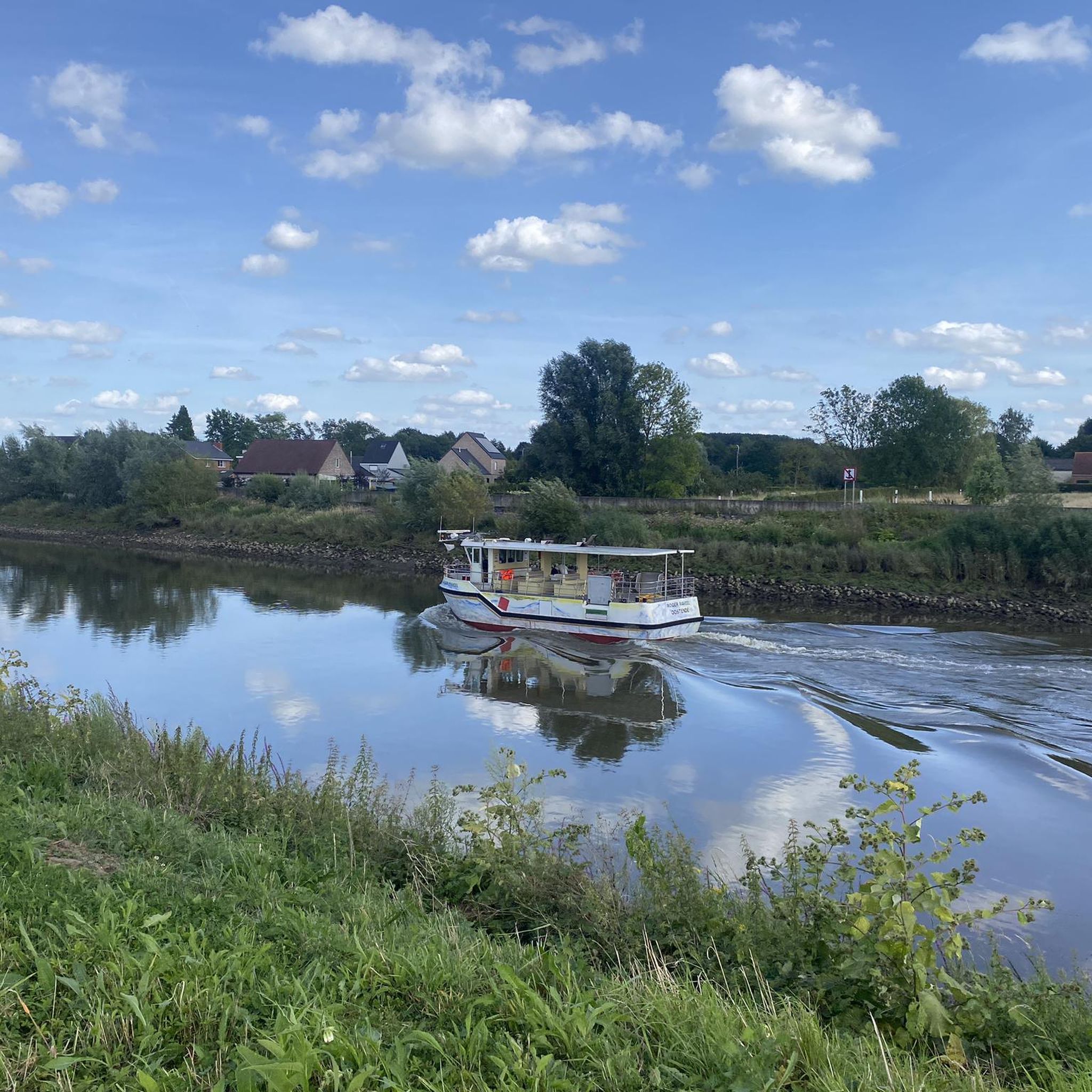
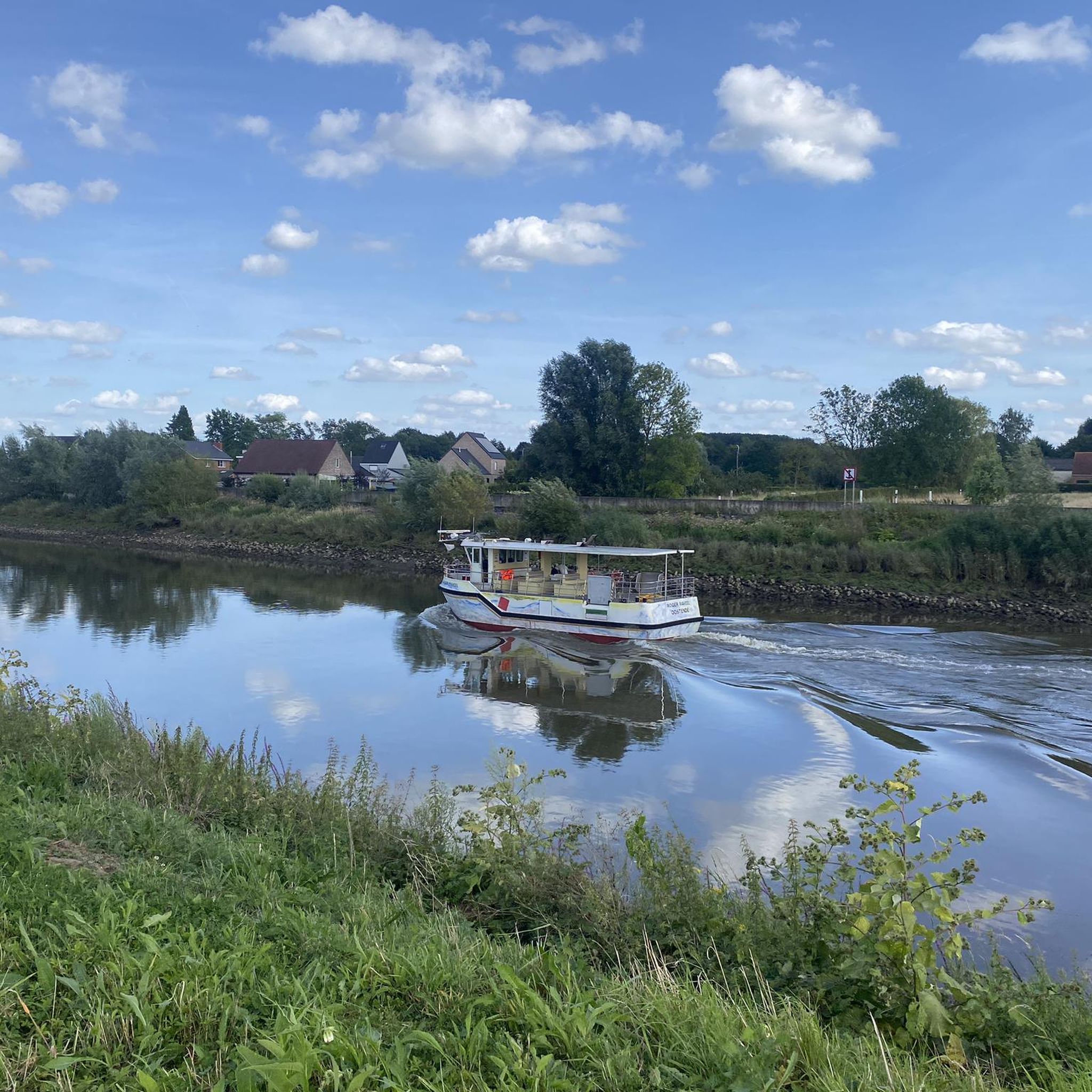
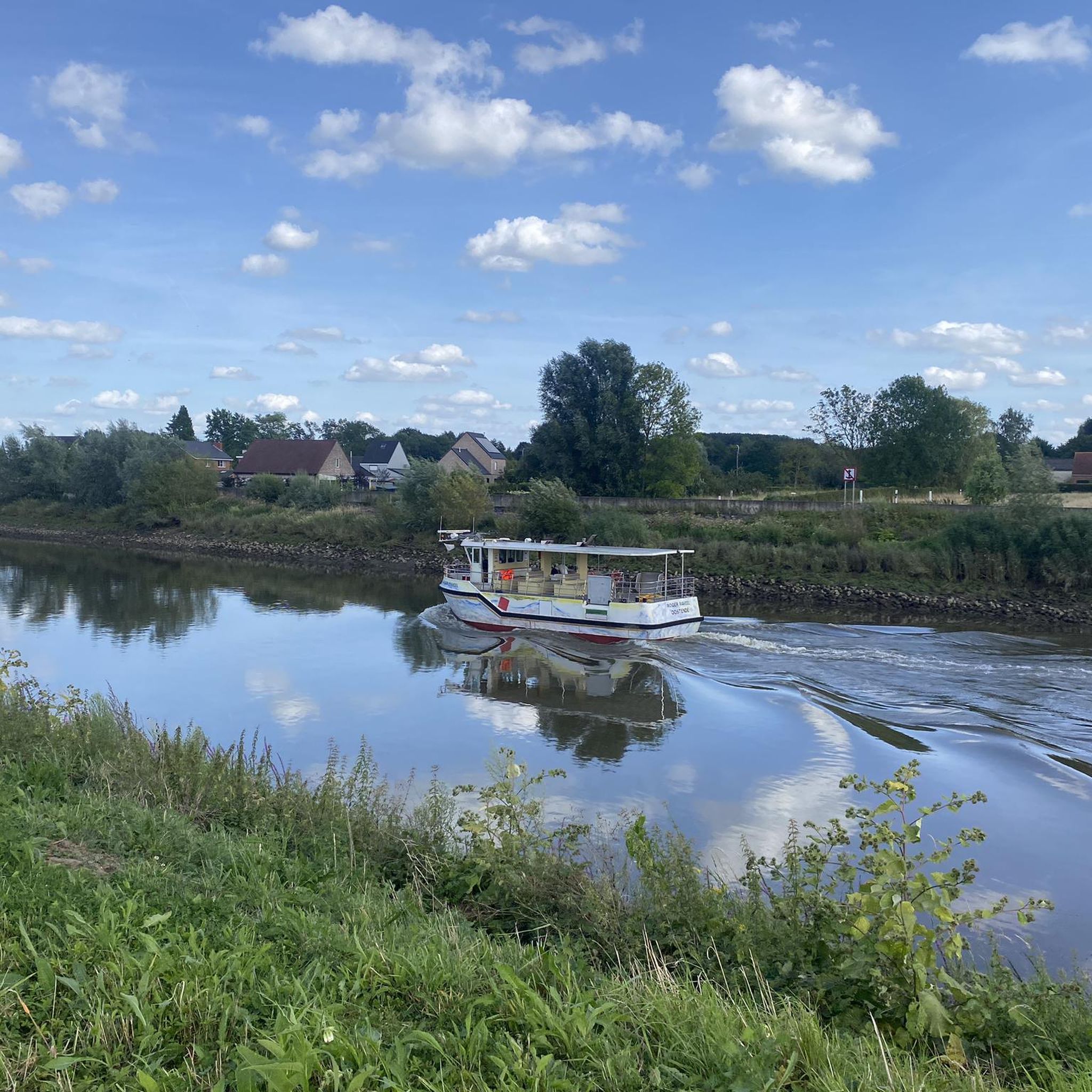
This area was given back to nature, which now has free reign in the vast fields. Because the meadows around you are actually intended as a buffer in the event of a flood. Enjoy this masterly spectacle of rushing wind, wonderful silence and flushing water.
But the Kalkense Meersen are more than just a controlled floodplain. With various sub-areas such as Wijmeers, Bergemeersen, Paardeweide and Paardebroek, this area comprises no less than 950 hectares of valuable nature, spread over the municipalities of Wetteren, Wichelen, Laarne and Berlare. What you will also encounter when exploring the Kalkense Meersen are grazing cattle. They help ensure well-thought-out nature management. You can immediately recognize the typical Galloway cattle by their characteristic long hair.
Thousands of meadow birds seek refuge here, away from civilization - a fantastic sight. From the Scheldt dike you have a beautiful view over the landscape.
You can easily explore the area via the hiking route network Kalkense Meersen Donkmeer. It offers 165 kilometers of green tranquility with places that will stay with you. Thanks to the imposing expanse, the abundance of birds, the tranquility and the combination of land and water. But also because of the simple beauty of what you see.
Translated by Google •
Tip by

Donkmeer
Highlight • Lake
Translated by Google •
Tip by

Sign up now to discover places like this
Get recommendations on the best single tracks, peaks, & plenty of other exciting outdoor places.
Sign up for free
Peat Pits of Berlare Broek
Highlight (Segment) • Lake
The thick layer of peat remained virtually untouched until the second half of the 17th century. Only then did peat begin to be extracted. As part of this peat extraction, the eastern part of the old Scheldt meander was excavated again, transforming the area into a large water surface. It was only finally drained at the beginning of the last century. The vacated land was planted with willows for basket weaving. After the Second World War, poplars were planted for the production of matches. Today, these poplars are gradually being replaced by native tree and shrub species as part of current forest management.
Translated by Google •
Tip by

Berlare Castle Park
Highlight • Castle
The castle and outbuildings are not open to the public, but the park is.
Translated by Google •
Tip by

Damvallei Lake
Highlight (Segment) • Lake
Translated by Google •
Tip by
Sign up for free to discover even more lakes around Wetteren.
Sign up for free
Already have an account?
Start today with a free account
Your next adventure awaits.
Login or Signup

Tips from the Community


Nice to walk through with water on both sides.
14
1


During the preparation of the works, all areas of the castle and the outbuildings were cleared of "disturbing elements", so that the rooms now show their spaciousness of yesteryear in all their glory. Some interesting notes also emerged that provide a unique view of the history of the castle. This is how they came across the signatures of the craftsmen who worked in the castle in the distant past. Source: https://www.berlare.be/
2
0
In-depth restoration work on the castle has started since May 2023. The historic castle, outbuildings and orangery will be repurposed as the administrative center for municipal services. The works will last two years. The castle park will remain accessible during the works. Although certain parts are currently closed due to the site organization and the safety of visitors. The castle is now barely visible (as my photos show).
2
0

When you leave the information center, keep the lake on your right. The route past the chapel is not worth it unless you like residential areas. Once you reach the green area towards the duck decoy, the walk becomes really beautiful. At the campsite on the other side of the lake it is best to turn around and walk back. As you continue, you walk along the busy road surrounding the lake. Only the green side of the lake is worth it.
9
0

During the end of the last ice age, the Scheldt between Ghent and Dendermonde left behind various fossil meander bends, such as those of Overmere-Donk and the Dam valley in Laarne. About 10,000 years ago, the Overmere meander was cut off. It took thousands of years for the meander to be completely filled by silting processes, after which peat formation took place. The thick layer of peat remained virtually untouched until the second half of the 17th century. Only then did peat begin to be extracted. As part of this peat extraction, the eastern part of the old Scheldt meander was excavated again, transforming the area into a large water surface. It was only finally drained at the beginning of the last century. The vacated land was planted with willows for basket weaving. After the Second World War, poplars were planted for the production of matches. Today, these poplars are gradually being replaced by native tree and shrub species as part of current forest management.
4
0

History The castle grounds go back to a site with moats, originally a farm that belonged to the noble family of Berlaere. In 1630 Diegoede Castro became owner. The family later built a castle there, which was destroyed by French soldiers in 1675. It was rebuilt at the beginning of the 18th century by the van der Meersche family. The protected landscape also includes part of the former Beukenplein on Kerkhofdreef with the lane that leads in the axis of the castle entrance to Turfputstraat. The main entrance to the castle is located along Beukenplein. The fence features the coat of arms of the De Lichtervelde family, who inherited the castle at the end of the 18th century. Given their rococo style, both parallel service buildings on the forecourt of the castle were probably only constructed in the middle or third quarter of the 18th century. The then walled castle estate with courtyard, courtyards and forest at that time had a strongly geometrically divided layout, including ponds on either side of the forecourt and an ornamental garden to the south of the castle in French style. The Vanden Meersche family remained lords of Berlare and owners of the castle until 1791 when it came into the possession of the de Lichtervelde family through marriage. According to the cadastral plan of 1810, the park ponds had now been changed into irregularly shaped curved water features, which was probably accompanied by a redesign of the castle park in the then usual landscape style. Sold in 1906 to industrialist Emile Roos, it became the property of the Jonas-Roos family in 1934 and subsequently inherited by the Nicod family, who used the castle as a country estate. Purchased in 2008 by the municipality of Berlare, which plans a public destination for the castle. More information at https://www.berlare.be/e-loket-kasteel-en-park-in-berlare.html
7
0
Frequently Asked Questions
What are the most popular natural areas with water features around Wetteren?
The most popular natural areas with water features include the expansive Kalkense Meersen, known for its 950 hectares of valuable nature and rich biodiversity. Another highly appreciated spot is the Berlarebroek Nature Reserve, a forest and lake area with swampy sections and over fifty ponds, accessible via walking and cycling paths.
Are there family-friendly lakes or water areas near Wetteren?
Yes, several areas are great for families. The Kalkense Meersen offers extensive trails suitable for all ages. The Peat Pits of Berlare Broek provide a beautiful natural setting with ponds and forests for exploration. Additionally, Donkmeer in Berlare is a recreational hub with boat rentals, cycling, and walking paths, and hosts family-friendly events like the Waterfeesten.
What kind of wildlife and natural features can I expect to see?
The region is rich in biodiversity. The Kalkense Meersen is a crucial breeding and overwintering ground for meadow birds like the godwit, and home to numerous amphibians and fish. Donkmeer is excellent for birdwatching, with rare species, a butterfly garden, and a historic duck decoy. The Damvallei Lake, a low moor ecosystem, features many birds, dragonflies, frogs, and salamanders.
What outdoor activities can I do near these lakes?
You can enjoy a variety of outdoor activities. The Kalkense Meersen boasts a 165 km network of walking and cycling routes. Donkmeer offers boat rentals, cycling, and walking along its shores. For more structured routes, you can explore cycling tours like 'Scheldedijk near the Wijmeersen' or 'Towpath Along the Scheldt' from the Cycling around Wetteren guide. Mountain biking is also popular, with routes like 'Berlarebroek Nature Reserve – Donkmeer loop' available in the MTB Trails around Wetteren guide.
Are there historical sites or landmarks near the lakes?
Yes, the Berlare Castle Park features a historic castle (though not open to the public) surrounded by a large landscaped garden with avenues, a forest, and ponds, accessible for walkers and cyclists. Donkmeer also has a historic duck decoy dating back to 1678.
What is the best time of year to visit the lakes around Wetteren?
The Kalkense Meersen is particularly significant as an overwintering ground for various meadow birds, making late autumn and winter interesting for birdwatching. Spring and summer offer pleasant weather for cycling and walking, with lush greenery and active wildlife. Donkmeer hosts events throughout the year, so checking their schedule might influence your visit.
Are there easy walking routes around the lakes?
Yes, many areas offer easy walking. The Kalkense Meersen has an extensive network of trails, including wide-open landscapes and views from the Scheldt dike. The Berlarebroek Nature Reserve is partly accessible via various walking paths. Donkmeer also provides pleasant walking paths along its shores.
Where can I find parking and access points for these areas?
For the Kalkense Meersen, a popular starting point is 't Veer in Schellebelle, which offers a free ferry service into the Meersen. The Berlare Castle Park has parking available. For Donkmeer, the 'Onthaalpoort Donkmeer' serves as a tourist information office and provides details on access and rentals.
What are the terrain and difficulty levels for hiking around these lakes?
The terrain around the lakes is generally flat, characterized by marshlands, moist grasslands, and forest paths. Areas like the Kalkense Meersen and Berlarebroek Nature Reserve are low-lying and can be swampy in places, but paths are generally well-maintained for walking and cycling. Most routes are considered easy to moderate, suitable for beginners.
Can I find places to eat or stay near the lakes?
Donkmeer in Berlare is known for its range of charming restaurants and cafes, some famous for their eel dishes. The surrounding towns and villages near the Kalkense Meersen and other lake areas will also offer various dining and accommodation options.
Are there opportunities for wild swimming in the lakes?
While the region features many water bodies, including lakes and marshlands, specific designated areas for wild swimming are not widely promoted. Donkmeer is more focused on recreational boating and shore activities. For safety and environmental reasons, it's generally advisable to stick to official swimming locations if available, or enjoy other water-based activities like boating.
What makes the Kalkense Meersen ecologically significant?
The Kalkense Meersen is an expansive marshland that plays a vital role as a controlled floodplain within the Sigmaplan. This helps manage water levels, restore natural richness, and acts as a sponge for excessive rainfall, protecting built-up areas. It's recognized for its abundant wildlife and diverse flora, making it one of the last quiet and ecologically valuable areas in East Flanders.
What is the origin of the Peat Pits of Berlare Broek?
The Peat Pits of Berlare Broek were formed from an old meander of the Scheldt River. After the meander was cut off and filled by silting processes, peat formation occurred. Peat extraction in the 17th century led to the re-excavation of the eastern part of this old meander, transforming the area into a large water surface with an alternation of ponds and forests.
Most popular routes around Wetteren
Most popular attractions around Wetteren

Get inspired with the komoot mobile app


Explore more
Still not found your perfect lake around Wetteren? Check out the guides of these regions to see even more beautiful places.
