The best mountain hikes around Manhay
4.8
(8)
19
hikers
7
hikes
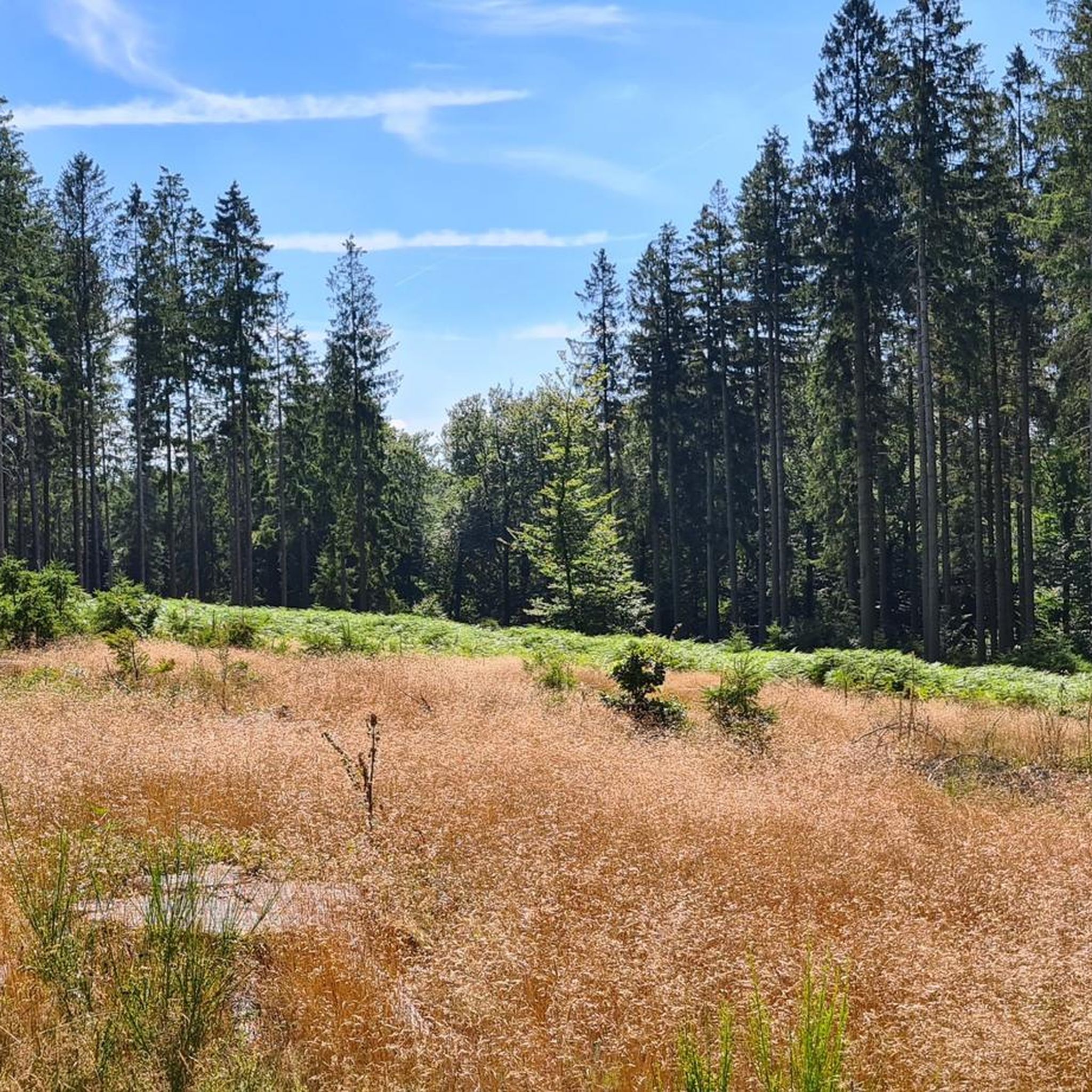
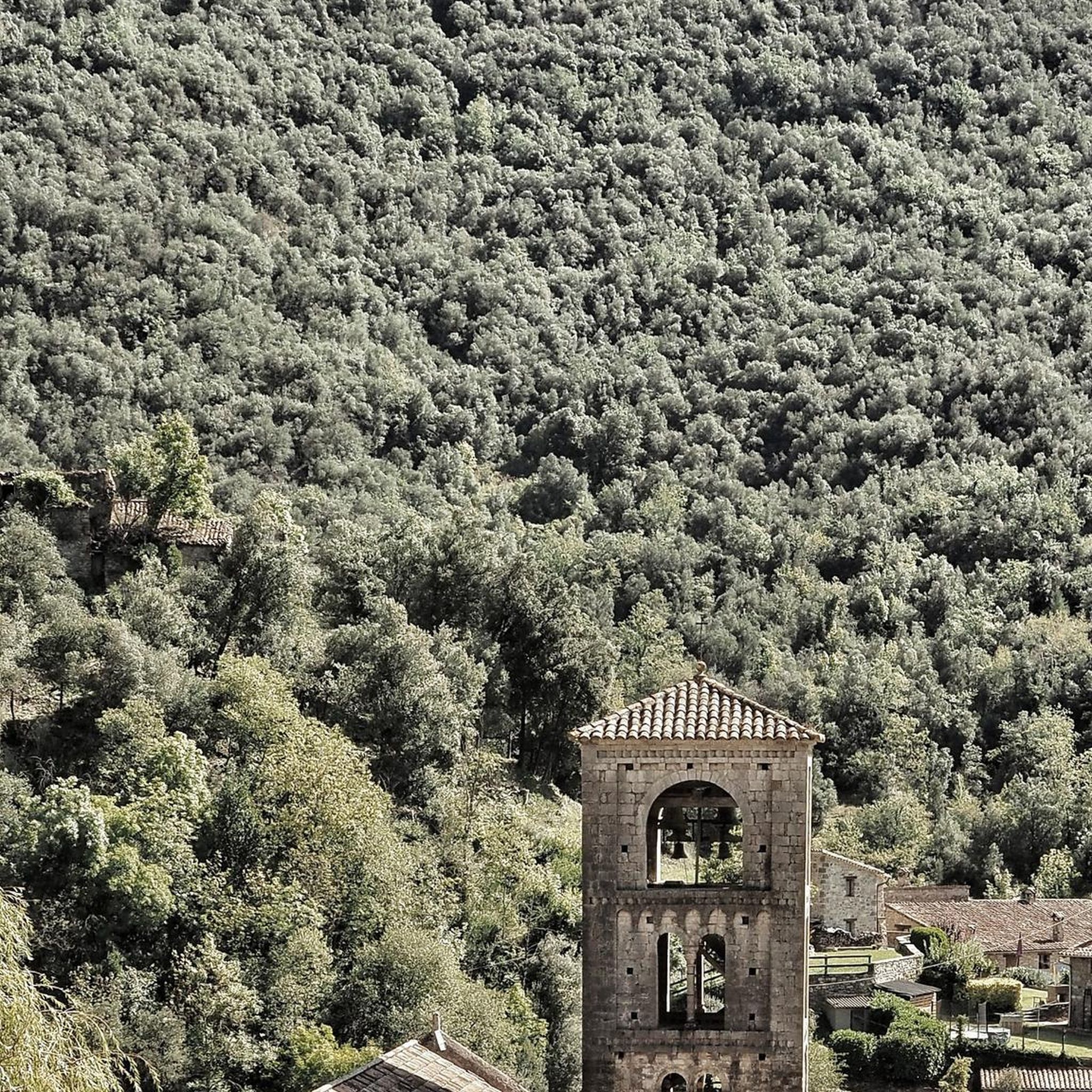
Mountaineering routes near Manhay, Belgium, traverse a landscape characterized by rolling hills, deep valleys, and dense forests within the Belgian Ardennes. The region features varied topography, including significant elevation changes and notable rock formations like Le Hérou. This terrain provides a challenging environment for mountaineering, with pathways through woodlands and along river valleys.
Best mountaineering routes around Manhay
- The most popular mountaineering route is Natural Rock Tunnel near Bomal – Sy Rocks loop from Sy, a 9.5 miles (15.3 km) trail that takes 4 hours 26 minutes to complete. This route features natural rock formations and views of the Ourthe river.
- Another top favourite among local mountaineers is Sy Rocks – Sy Bridge loop from Durbuy, a moderate 8.9 miles (14.4 km) path. This trail offers views of the Ourthe river and passes by the Sy Rocks.
- Local mountaineers also love the Green Valley Forest Trail – Durbuy Castle loop from Bomal, a 10.5 miles (16.9 km) trail leading through dense forests and valleys, often completed in about 4 hours 46 minutes.
- Mountaineering around Manhay is defined by hilly and forested terrain, deep valleys, and rock formations. The network offers options for different ability levels, from moderate ascents to more challenging routes.
- The routes in Manhay are highly rated by the komoot community with an average score of 4.8 stars from more than 8 reviews. More than 10 mountaineers have used komoot to explore Manhay's varied terrain.
Last updated: May 2, 2026
5.0
(3)
8
hikers
15.3km
04:27
380m
380m
Moderate mountaineering route. Good fitness required. Mostly accessible paths. Sure-footedness required.
4.0
(2)
4
hikers
14.4km
04:07
330m
330m
Moderate mountaineering route. Good fitness required. Easily-accessible paths. Suitable for all skill levels.

Sign up for free
5.0
(1)
2
hikers
16.9km
04:47
360m
360m
Moderate mountaineering route. Good fitness required. Easily-accessible paths. Suitable for all skill levels.
5.0
(1)
2
hikers
10.1km
02:51
210m
210m
Moderate mountaineering route. Good fitness required. Mostly accessible paths. Sure-footedness required.
5.0
(1)
3
hikers
12.5km
03:26
190m
190m
Moderate mountaineering route. Good fitness required. Easily-accessible paths. Suitable for all skill levels.
Get access to more routes and recommendations from other explorers.
Sign up for free
Already have an account?
Our route recommendations are based on thousands of hikes, rides, and runs completed by other people on komoot.
Start today with a free account
Your next adventure awaits.
Login or Signup
Tips from the Community

Ideal resting place during a longer hike.
0
0
Nice rocky path along the Ourthe
0
0


Varied and surprising: forest, climbing, valleys, meadows, city!
0
0

Beautiful view with a relatively easy climb
1
0

Durbuy is first mentioned in 1078 (as Dolbui) and in 1084 (under the current name). The first traces of habitation are found during excavations in the Anticlinaal cave by Count Pierre d'Ursel. The d'Ursel family still inhabits Durbuy Castle. Before the current castle, there were already others. Based on the archives of Luxembourg, a castle was destroyed and in the eleventh century, another was built by Henry II the Lame, who had received the domain from his mother Rageline, sister of Pope Stephen II, and her husband Albert II of Namur. Around 1156, that castle was severely damaged by flames and during the succession wars of the Duchy of Limburg, it was destroyed several more times. From 1412, Durbuy came into the hands of the House of Burgundy and at the end of the fifteenth century, the then-existing castle was destroyed by Maximilian of Austria, like all the castles of the la Marck family: besides Durbuy, these also include the castles of Logne and La Roche. In 1628, Baron Antoine Schetz of Grobendonck leased the Durbuy estate for 40,000 gold marks, a very considerable sum. Besides being a baron, he was also Count of Grobbendonk, Lord of Tilburg and Goirle, Pulle and Pulderbos, and Wezemaal. He was in the service of the Spanish and had led the defense of 's-Hertogenbosch during the Eighty Years' War. At the age of 71, he was also governor of the city of Leuven during the Siege of Leuven. And he was the first in a long line of the d'Ursel family who, to this day, inhabit the castle. In 1731, the castle was rebuilt by the then Duke of Ursel. Countess Auguste d'Ursel, who acquired the d'Ursel family's possessions in Durbuy, then modernized the castle from 1880 to 1882 with the help of architect Thirian from Namur. During the Second World War, the castle was occupied several times and in 1944, during the Battle of the Bulge, it was used as a field hospital by the American liberators, with the billiard table serving as an operating table. Sources: historical overviews in Word documents on the website of Count Jean-Michel d'Ursel, current resident, at https://www.chateaudedurbuy.be/historique.html
6
0
At approximately 37 meters, the top of the Anticline, also known as the Homalius Rock and especially the Falize Rock, is literally the highest point in Durbuy. It has been a highlight for many visitors for years, thanks in part to the surroundings and beautiful water features. The rock is somewhat older than the average visitor. It's said to be more than 300 million years old. However, the rock layers are much older: around 375 million years old. The name Anticline comes from the geological phenomenon known as an anticline. It's the opposite of a syncline. While the former is a fold formed over many years, with the innermost layers being the oldest and the folds running downwards, synclines have folds running downwards. Such folds can form for various reasons and range from very small to large, as seen here. Originally, everything was, of course, horizontal. The inverted U-shape created by uplift in Durbuy is not only beautiful to see but also special. And Durbuy has beautifully highlighted this. Another beautiful anticline can be found in Han-sur-Lesse, also in the Famenne-Ardenne region, albeit in the province of Namur (here we are in Luxembourg), where it has been given the name "Tête de bouc" (Tick of the Rock). There's a waterfall and a large water feature at the end of the expansive pond in front of the rock, which you can also climb. And everywhere there's space to admire it all while sitting and relaxing—or enjoying the water. Don't forget the many smaller works of art and curiosities, and take a look in the water.
7
0
Frequently Asked Questions
What kind of terrain can I expect on mountaineering routes around Manhay?
Mountaineering routes in Manhay traverse a diverse landscape of rolling hills, deep valleys, and dense forests within the Belgian Ardennes. You'll encounter varied topography, including significant elevation changes and notable rock formations like Le Hérou. The trails often lead through lush woodlands and along river valleys, offering a mix of challenging ascents and scenic paths.
Are there any beginner-friendly mountaineering routes in Manhay?
While mountaineering in Manhay generally involves moderate to challenging terrain, some routes offer less strenuous options. For example, the Sy Rocks – Palogne Estate loop from Bomal is a moderate 10 km route with a more manageable elevation gain, making it a good choice for those newer to mountaineering.
What are some of the more challenging mountaineering routes for experienced climbers?
For experienced mountaineers seeking a challenge, routes like the Natural Rock Tunnel near Bomal – Sy Rocks loop from Sy offer significant elevation changes over 15 km. The region's rugged landscape, particularly around formations like Le Hérou, provides opportunities for more demanding hikes that approach a mountaineering experience.
What natural features and viewpoints can I discover along the routes?
Manhay's routes are rich in natural beauty. You can expect to see impressive rock formations, such as the Sy Rocks, and enjoy panoramic views of the Ourthe river and its wooded meanders. Highlights include the View over the Ourthe Valley and the Rochers de Sy. The region also features deep gorges and valleys, like the Chefna Valley, and various caves.
Are there any waterfalls to see on the mountaineering trails?
Yes, the Manhay area features several beautiful waterfalls. You might encounter the Homalius Rock and Waterfall or the Neptune Caves and Waterfall, Hotton. Some trails also feature smaller, picturesque waterfalls along rivers, such as the Small Waterfall Along the Amblève.
What do other mountaineers say about the routes in Manhay?
The mountaineering routes around Manhay are highly regarded by the komoot community, holding an average rating of 4.8 stars from more than 8 reviews. Mountaineers often praise the varied terrain, the challenging ascents, and the beautiful natural scenery, especially the dense forests and river views.
When is the best time of year to go mountaineering in Manhay?
The Belgian Ardennes, where Manhay is located, offers great mountaineering opportunities throughout much of the year. Spring and autumn provide pleasant temperatures and vibrant foliage. Summer is also popular, though trails can be busier. During winter, Baraque Fraiture, one of the highest points, is known for cross-country skiing, indicating that conditions can be snowy and require appropriate gear for mountaineering.
Are there any circular mountaineering routes available?
Yes, many of the mountaineering routes in Manhay are designed as loops, allowing you to start and end at the same point. Examples include the Sy Rocks – Sy Bridge loop from Durbuy and the Green Valley Forest Trail – Durbuy Castle loop from Bomal, which offer convenient circular options.
Is public transport available to access mountaineering trails near Manhay?
While specific public transport details for each trailhead can vary, Manhay is part of a region with some public transport options. For detailed information on bus routes and schedules to reach specific starting points, it's advisable to consult local transport services or tourist information for the Manhay area.
Are there any specific places to explore or landmarks near the routes?
Beyond the trails themselves, the region offers several points of interest. You can explore the Coléoptère Cave or the Caves and Cliffs along the Ourthe. The Ourthe river valley itself is a significant natural landmark, offering opportunities for water-based activities that complement land-based adventures.
How many mountaineering routes are there in the Manhay area?
There are at least 7 distinct mountaineering routes detailed for the Manhay area, offering a range of distances and difficulties to explore the diverse terrain of the Belgian Ardennes.
Are there any routes that follow the Ourthe River?
Yes, several routes incorporate the scenic Ourthe River. The The Anticline – Ourthe River in Barvaux loop from Barvaux is a great option that follows the river, offering beautiful views and a chance to experience the valley's unique geology.
Most popular attractions around Manhay

Get inspired with the komoot mobile app


