Top 20 Castles around Grâce-Hollogne
Best castles around Grâce-Hollogne are situated in a region with historical significance, featuring a landscape characterized by river valleys and rolling terrain. The area, part of Wallonia, offers a blend of natural settings and historical architecture. While some sites are private, others provide insight into the region's past. The commune itself holds heritage sites that reflect its long history.
Best castles around Grâce-Hollogne
- The most popular castles is Colonster castle, a castle that was transformed from a 14th-century fortress…
Last updated: July 1, 2026
Colonster castle
Highlight • Castle
Translated by Google •
Tip by

Prince-Bishops' Palace, Liège
Highlight • Historical Site
Translated by Google •
Tip by
Sign up now to discover places like this
Get recommendations on the best single tracks, peaks, & plenty of other exciting outdoor places.
Sign up for free
Aigremont Castle
Highlight • Castle
Translated by Google •
Tip by

Lexhy Castle
Highlight • Castle
Translated by Google •
Tip by

Abbey of Brialmont
Highlight • Religious Site
The abbey is housed in a castle perched on a …
Translated by Google •
Tip by
Sign up for free to discover even more castles around Grâce-Hollogne.
Sign up for free
Already have an account?
Start today with a free account
Your next adventure awaits.
Login or Signup
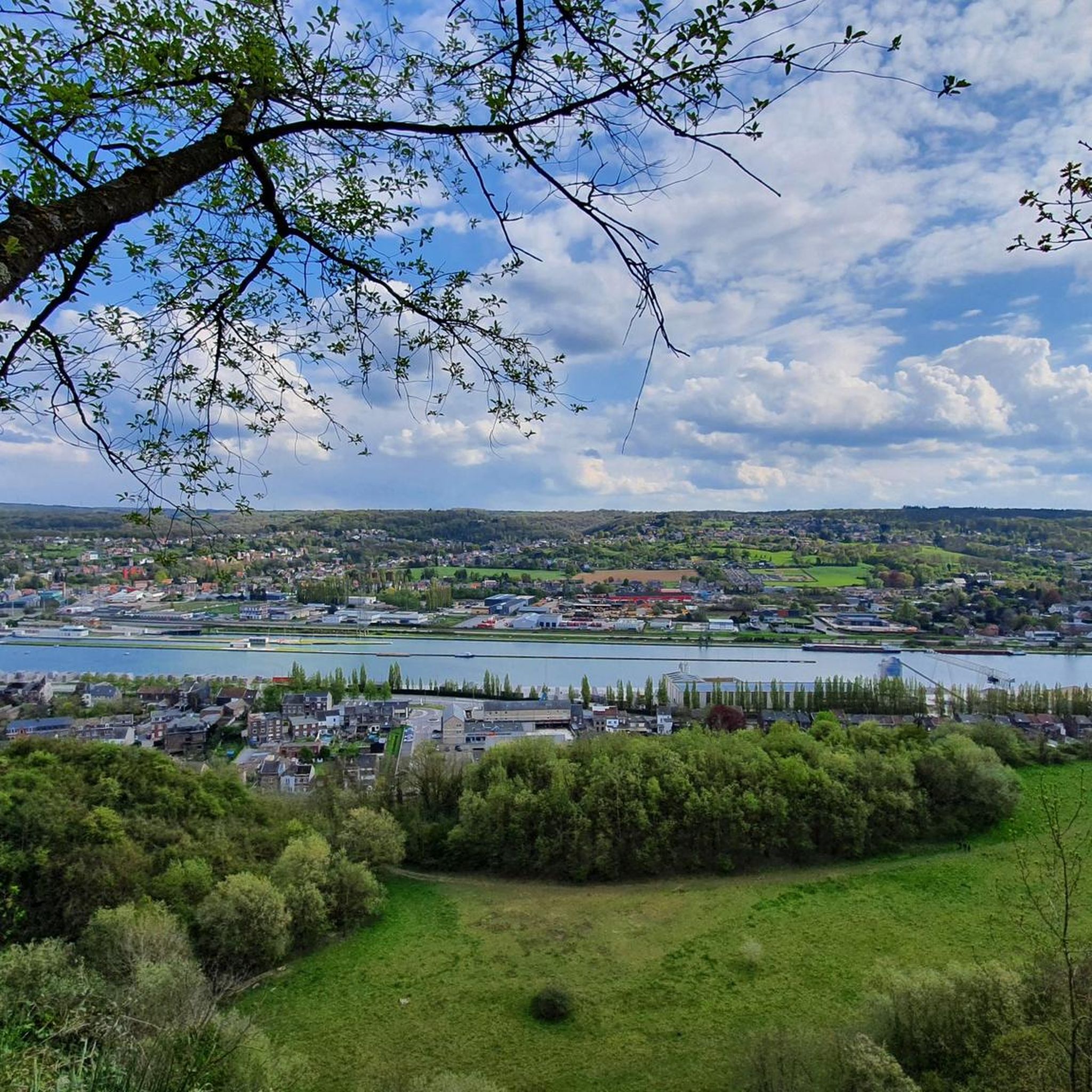

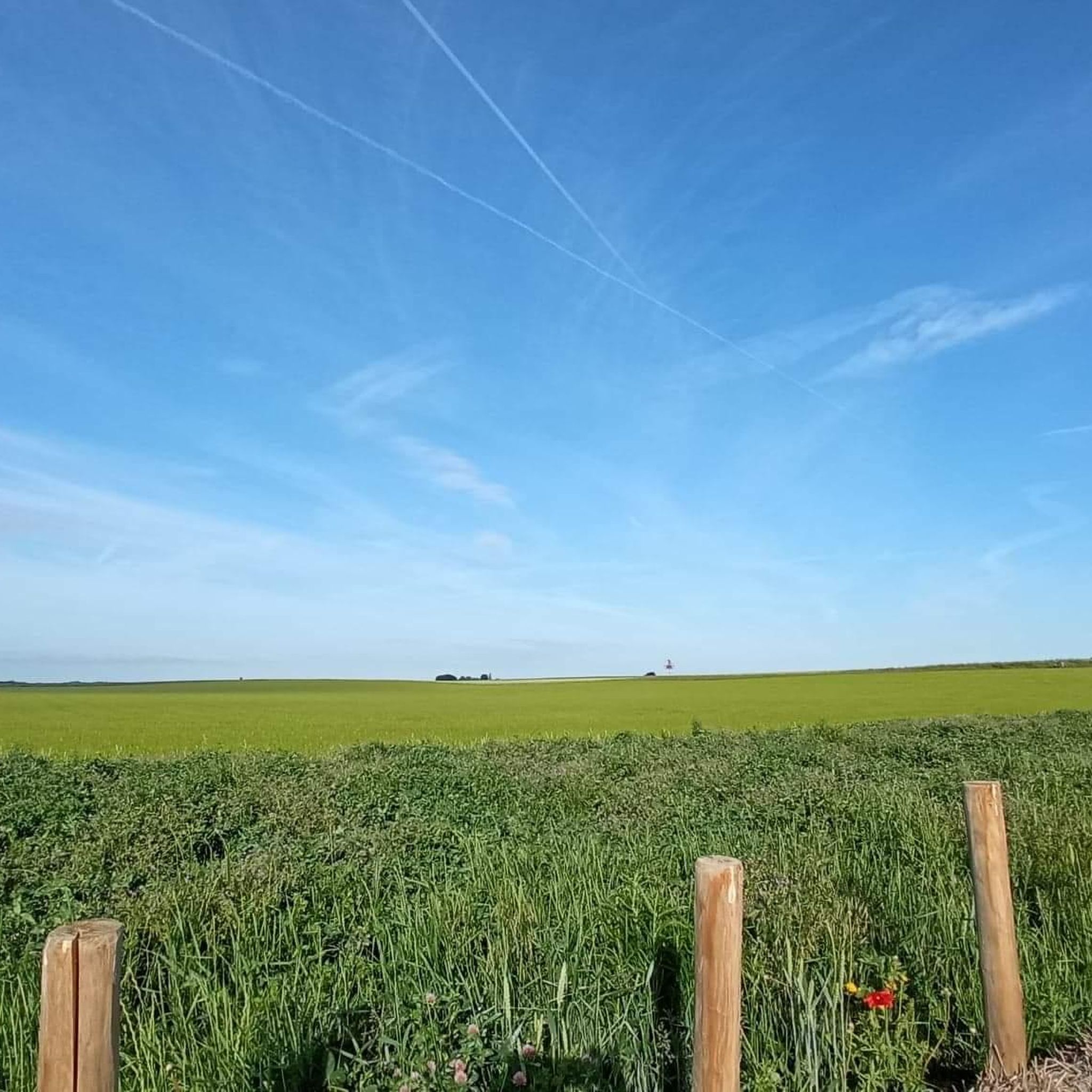
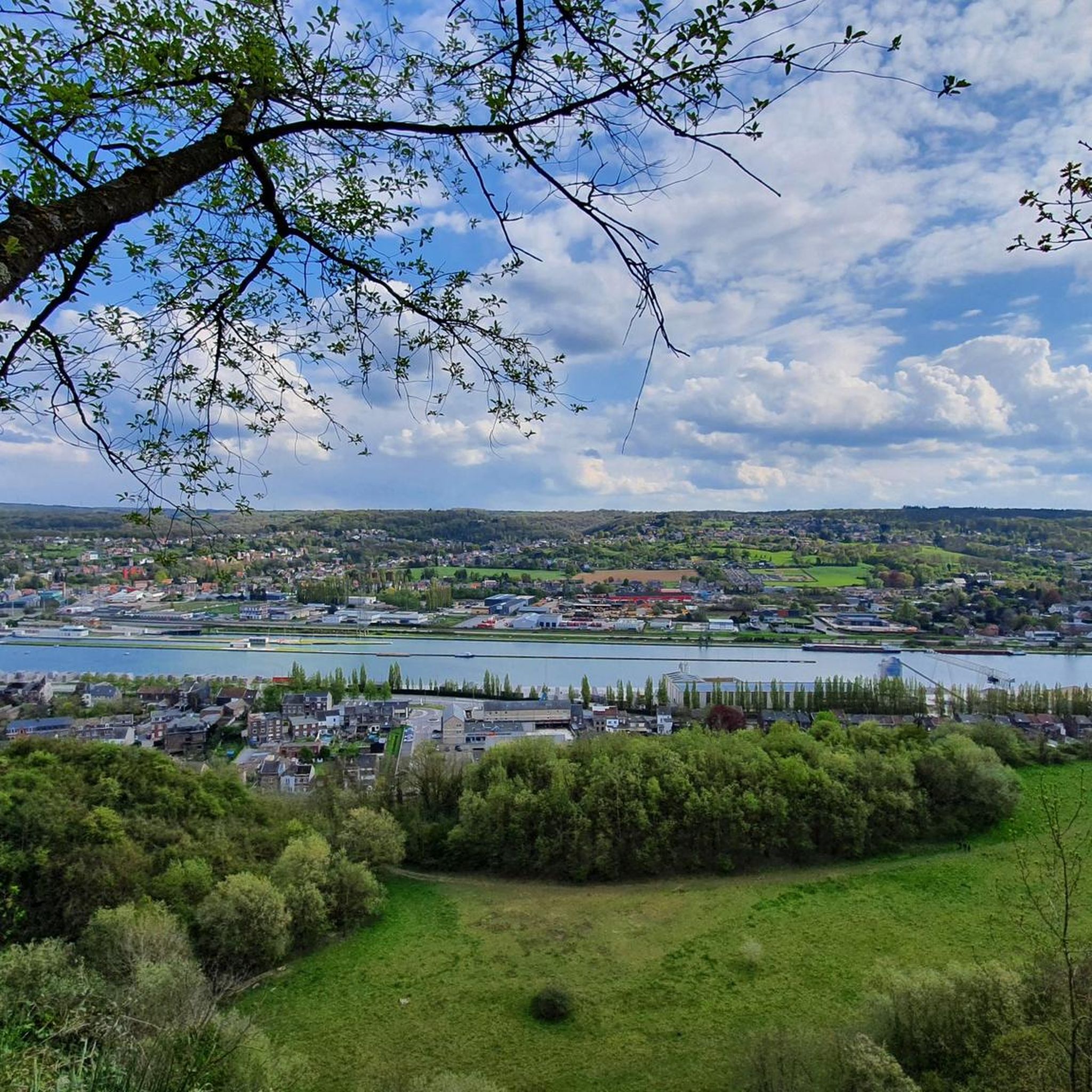
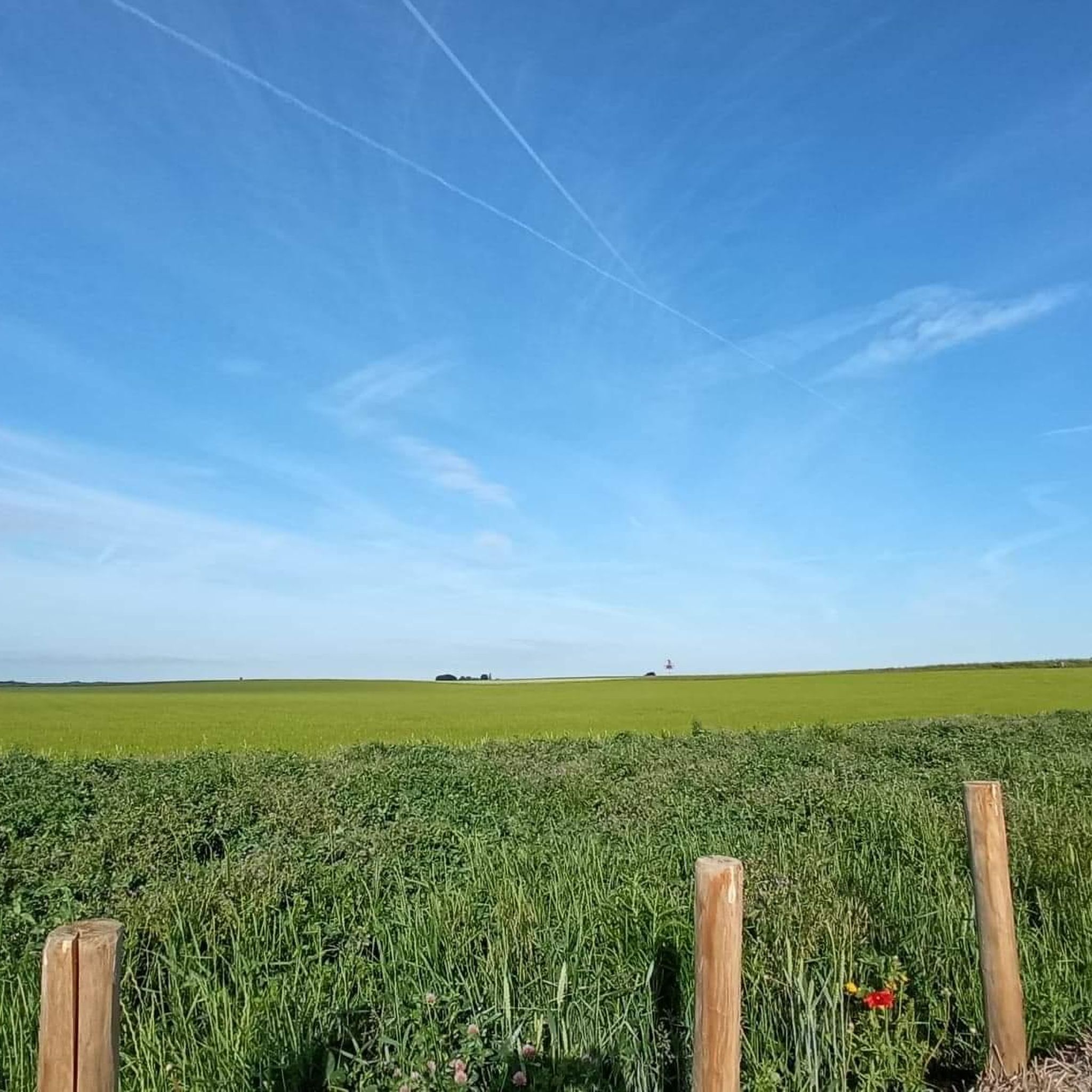
Tips from the Community

This is the former palace of the Prince-Bishops!
0
0

A castle built as a country retreat between 1717 and 1727 in the Louis XIVth style, then popular in the Meuse Valley, belonged to the Church of Liège. A fortress existed on the same site as early as 900. The estate also features a French-style garden with corner towers, and adjacent to the castle is the limestone castle farm. Now privately owned and in need of renovation.
1
0

Always interesting to read. You will definitely learn something.
5
0
The Château de Colonster is located in Sart-Tilman, on a rock overlooking the Ourthe valley, on the edge of the city of Liège. The castle and its park have been the property of the University of Liège since 1963. The first references to the castle date back to the fourteenth century. The castle owes its current appearance to Maximilian-Henry of Horion, Count of Horion. The interior of the castle is the work of artist Paul-Joseph Delcloche. In 1966, a fire destroyed a large part of the castle. The restoration and conversion took place under the direction of the architects Henri Lacoste and Jean Opdenberg.
9
0

The park features works from the Musée en Plein Air, including the two sculptures "Movement through Time and Space" (Stainless steel / Artist: Thierry Bontridder) and "Joie de vivre" (Bronze / Artist: Rik Wouters). Source: https://www.campus.uliege.be/cms/c_2223166/en/b25-colonster-castle
53
0
The complex includes several adjoining courtyards. The first courtyard is surrounded on all four sides by galleries with Gothic cross vaults resting on 60 columns. They are all designed differently and richly decorated with fantastic human figures and grotesque masks. They were probably inspired by the humanist way of thinking, the Renaissance and the discovery of the New World. Inside the building, numerous pieces from the time of the prince-bishops have been preserved, including their former private apartments. Source: https://www.visitezliege.be/de/offre/palais-des-princes-eveques#containerDescription
6
0

Aigremont Castle is a private castle owned by the Dumont Wauthier company. The Flémalle Tourist Office offers guided tours between April and October. Please visit the website www.flemalle.be for upcoming dates.
1
0
The Palace of the Prince-Bishops in the Belgian city of Liège is located on the Place Saint-Lambert in the heart of the city. Until the end of the 18th century, it was opposite the Saint-Lambert Cathedral, which was destroyed by revolutionaries. The current building, with its imposing façade, is the third building to house the Prince-Bishops of Liège. A first palace was integrated into the fortifications by Prince-Bishop Notger, but that building disappeared in a fire in 1185. It was rebuilt by Rudolf of Zähringen. This construction suffered greatly during the plundering of the city by the troops of Charles the Bold and also burned down in 1505. Everhard van der Marck, who became prince-bishop in 1505, began the construction of a new palace, the construction of which he entrusted to Arnold van Mulken in 1526. Construction lasted until the end of the 16th century. The very special courtyard (Cour d'Honneur) is surrounded by a colonnade with sixty Renaissance columns of different types. Some of the capitals are decorated with masks and heads with feather headdresses based on the Aztec model. Apparently the bishop was fascinated by the treasures of the Aztec empire that had been conquered in 1521. The south facade was completely renovated after a fire in 1734, under the direction of the Brussels architect Johannes Andreas Anneessens. In 1849, a new wing was built on the west side to house the provincial government. In 2010, the Justice Department and the provincial government occupied the former palace.
8
0
Frequently Asked Questions
Which castles around Grâce-Hollogne are generally open to the public for visits?
Within Grâce-Hollogne itself, the Château de Hollogne has conflicting information regarding general public access, though it is used for organized activities. The Château de Fontaine primarily functions as a private equestrian facility. For publicly accessible sites, consider exploring nearby options such as Colonster castle, which is owned by the University of Liège and serves as a reception area, or the Abbey of Brialmont, a Cistercian abbey housed in a former castle.
Are there family-friendly castles to visit near Grâce-Hollogne?
Yes, several castles and historical sites in the vicinity are considered family-friendly. Colonster castle and the Prince-Bishops' Palace, Liège are both categorized as family-friendly. The extensive grounds of Colonster castle, with its park featuring sculptures, can be enjoyable for families.
What kind of historical significance do the castles around Grâce-Hollogne hold?
The castles in this region showcase a rich history, ranging from medieval fortresses to 18th-century pleasure palaces. For example, Colonster castle evolved from a 14th-century fortress into an elegant 18th-century residence. Aigremont Castle has roots dating back to a fortress from 900, while the Abbey of Brialmont was originally a castle built in 1282 before becoming a Cistercian abbey. The Prince-Bishops' Palace, Liège is a significant Gothic civil building with a history spanning centuries of reconstruction.
Can I find hiking trails near the castles around Grâce-Hollogne?
Absolutely. The region offers numerous hiking opportunities. For example, you can find various routes in the area, such as the 'Tram Way – Memorial 40-45 loop from Château de Haultepenne' or the 'Saint-Lambert Church – Memorial 40-45 loop'. You can explore more options and detailed routes on the Hiking around Grâce-Hollogne guide.
Are there opportunities for cycling or mountain biking near these historical sites?
Yes, the area around Grâce-Hollogne is well-suited for cycling and mountain biking. You can find MTB trails like the 'Château d'Aigremont – Cowa Trail loop' or gravel biking routes such as the 'Ourthe and Vesdre Valleys Loop'. For more details, check out the MTB Trails around Grâce-Hollogne guide and the Gravel biking around Grâce-Hollogne guide.
What natural features can be enjoyed alongside castle visits in the Grâce-Hollogne area?
Many castles in the region are set amidst beautiful natural landscapes. Colonster castle, for instance, is located on a rocky promontory overlooking the Ourthe valley within a nature reserve. The Abbey of Brialmont also offers magnificent views of the Ourthe valley from its wooded avenue. Exploring these sites often involves walks through parks and natural settings.
What is the best time of year to visit the castles around Grâce-Hollogne?
While specific opening hours vary by site, generally, spring and autumn offer pleasant weather for exploring the castles and their surrounding grounds. The mild temperatures and vibrant foliage (in autumn) or blooming flowers (in spring) enhance the experience of both the historical architecture and the natural landscapes.
Are there any less crowded or 'hidden gem' castles to discover?
While the main highlights like Colonster and Aigremont are popular, you might find a more tranquil experience at sites like Lexhy Castle. This 19th-century castle, built on the site of earlier fortifications, is now a private residence with apartments, but its historical significance and extensive grounds offer a unique perspective on the region's heritage. The Abbey of Brialmont also offers a serene atmosphere as a Cistercian abbey.
What should I wear when visiting castles and their grounds in this region?
Comfortable walking shoes are highly recommended, as many castles involve exploring extensive grounds, gardens, or nearby trails. Layered clothing is also advisable, as weather conditions can change, especially when visiting sites that are partially outdoors or involve walks in wooded areas.
Is parking available at the castles near Grâce-Hollogne?
Parking availability varies by location. For instance, Colonster castle is listed as having parking facilities. For other sites, it's best to check specific visitor information or local signage upon arrival. Many historical sites are located in rural areas where street parking might be limited, so planning ahead is recommended.
How long should I allocate for a visit to a castle in the Grâce-Hollogne area?
The duration of a visit depends on the specific castle and your interest. For a site like Colonster castle, which includes a park and historical buildings, you might spend 1-2 hours. Larger sites or those combined with nearby walks could take half a day. If you plan to visit multiple locations, consider allocating a full day.
Most popular routes around Grâce-Hollogne
Most popular attractions around Grâce-Hollogne

Get inspired with the komoot mobile app


Explore more
Looking for the best castles somewhere else? Discover other guides around Grâce-Hollogne:
