The best road cycling routes around Grâce-Hollogne
4.1
(14)
781
riders
32
rides
Road cycling around Grâce-Hollogne offers diverse terrain, from the historic heart of Hollogne-aux-Pierres to the countryside of Horion-Hozémont. The region is characterized by mostly paved surfaces, making it suitable for road cyclists. Situated between the Mosane valley and the expansive Hesbaye, the area provides varied topography and access to the more challenging, hilly landscapes of the wider Liège province. Cyclists can expect a mix of flat sections, rolling hills, and some notable climbs.
Best road cycling routes around Grâce-Hollogne
- The…
Last updated: May 16, 2026
3.3
(3)
593
riders
72.8km
03:13
570m
570m
Moderate road ride. Good fitness required. Mostly well-paved surfaces and easy to ride.
5.0
(2)
123
riders
74.9km
03:16
540m
540m
Moderate road ride. Good fitness required. Some segments of this route may be unpaved and difficult to ride.

Sign up for free
4.5
(4)
31
riders
68.6km
03:14
440m
440m
Moderate road ride. Good fitness required. Mostly well-paved surfaces and easy to ride.
42
riders
80.4km
03:25
520m
520m
Moderate road ride. Good fitness required. Mostly well-paved surfaces and easy to ride.
10
riders
73.5km
03:11
380m
380m
Moderate road ride. Good fitness required. Some segments of this route may be unpaved and difficult to ride.
Get access to more routes and recommendations from other explorers.
Sign up for free
Already have an account?
Our route recommendations are based on thousands of hikes, rides, and runs completed by other people on komoot.
Start today with a free account
Your next adventure awaits.
Login or Signup

Tips from the Community

This monumental piece of industrial heritage was once a chocolate factory. The architect of the factory was Florent Rosmeulen. He designed the Art Nouveau building with a large, striking rose window. Above the window is a relief with a squirrel. It was one of the first buildings in Belgium to be made of reinforced concrete. Chocolate was produced here until 1934. During the Second World War, the building was reused for military purposes, and in 1948 a loom manufacturer moved in. In the seventies, a metal foundry was established. Today, it is a residential area.
0
0

The former Rosmeulen chocolate factory in Nerem, a sub-municipality of Tongeren (Belgium), is a remarkable industrial heritage building with a rich history and striking architecture. The building was erected around 1908–1909 by Florent Rosmeulen, a chocolatier who produced chocolate, cocoa, and gingerbread there. It is one of the few industrial buildings in Limburg executed in the Art Nouveau style with characteristic details such as an impressive stained-glass window above the entrance and decorative references to cocoa and chocolate. The structure is among the first buildings in Belgium to be constructed with a reinforced concrete skeleton, which was progressive at the time and contributed to its robust industrial appearance. The factory experienced its heyday in the first decades of the 20th century but was severely impacted by the economic crisis of the 1930s. After reorganizations, the company went bankrupt in 1934, and production ceased. In the following decades, the building served various functions, being used by the military during World War II, then by other industrial enterprises such as a textile factory and a tin foundry, and later for cultural activities. After years of vacancy and decay, the former chocolate factory was repurposed from the mid-2010s into a residential and living complex. Under the name De Chocoladefabriek (The Chocolate Factory), the industrial monument is preserved and transformed into a residential project with lofts and apartments combined with communal spaces and gardens. The impressive Art Nouveau block, featuring a glass artwork approximately 6 meters wide, is one of the highlights of the renovation and one of the largest glass artworks in an industrial context in Flanders. The repurposing of the former chocolate factory has become an example of how historical industrial heritage can be integrated into a modern residential function. The project even received recognition with a prestigious real estate award for the way the old building was preserved and given new life. Today, the building not only commemorates the industrial history of the region but also serves as an architectural and social hub where living, heritage, and modern architecture converge, near the green nature reserve De Kevie and the former railway line.
0
0

Augustinian Abbey on the Meuse River, whose origins date back to 1075. The complex features an impressive corner tower, gateway, abbey church, dovecote, watermill, brewery, and other outbuildings. Later, it also housed a tax collection house and the abbot's palace. Today, it's a large school complex that can be very busy on a Wednesday afternoon.
0
0

An unusual, beautiful building with many great photo opportunities.
1
0

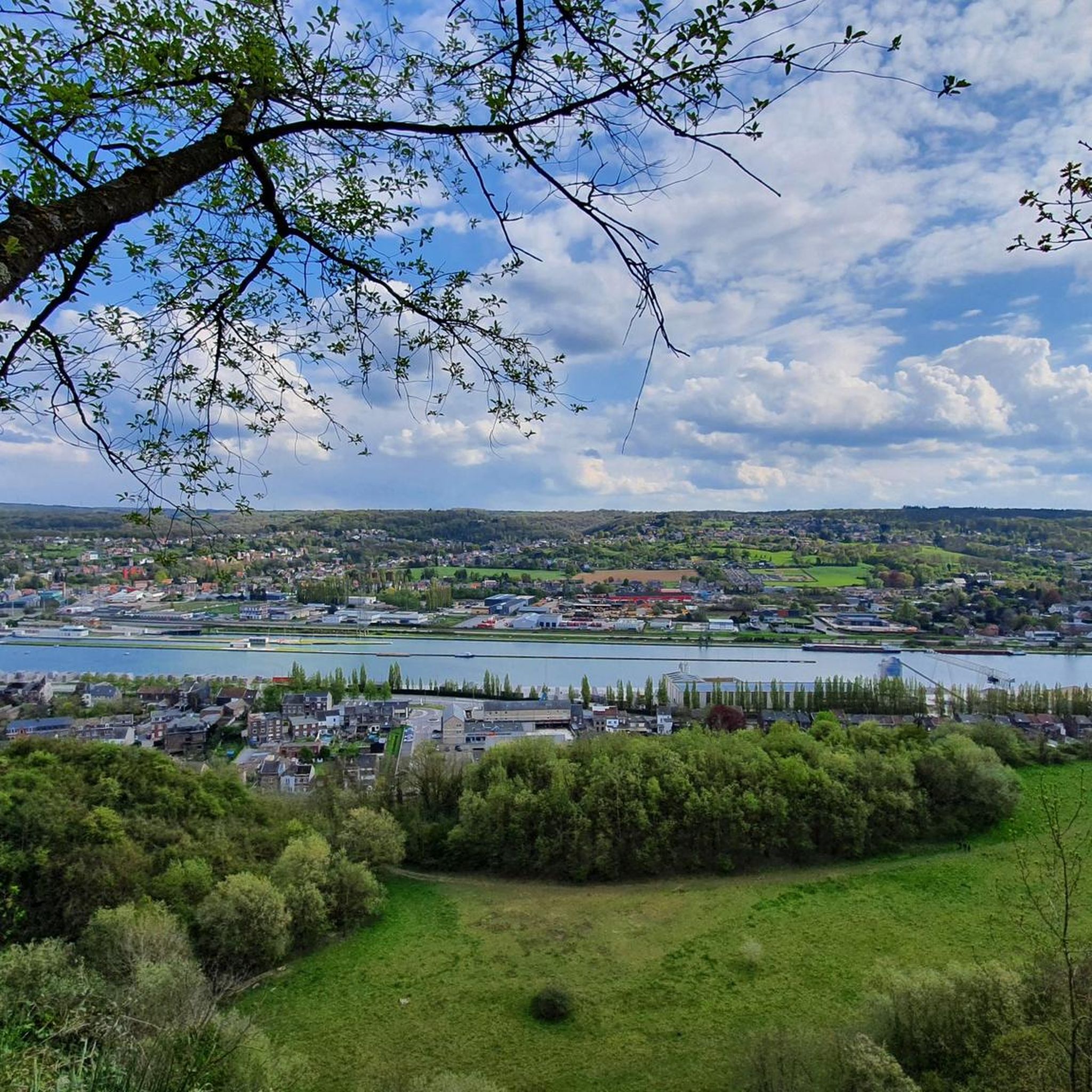
Stunning night view of the city lights. A very peaceful and beautiful place for a short break
0
0

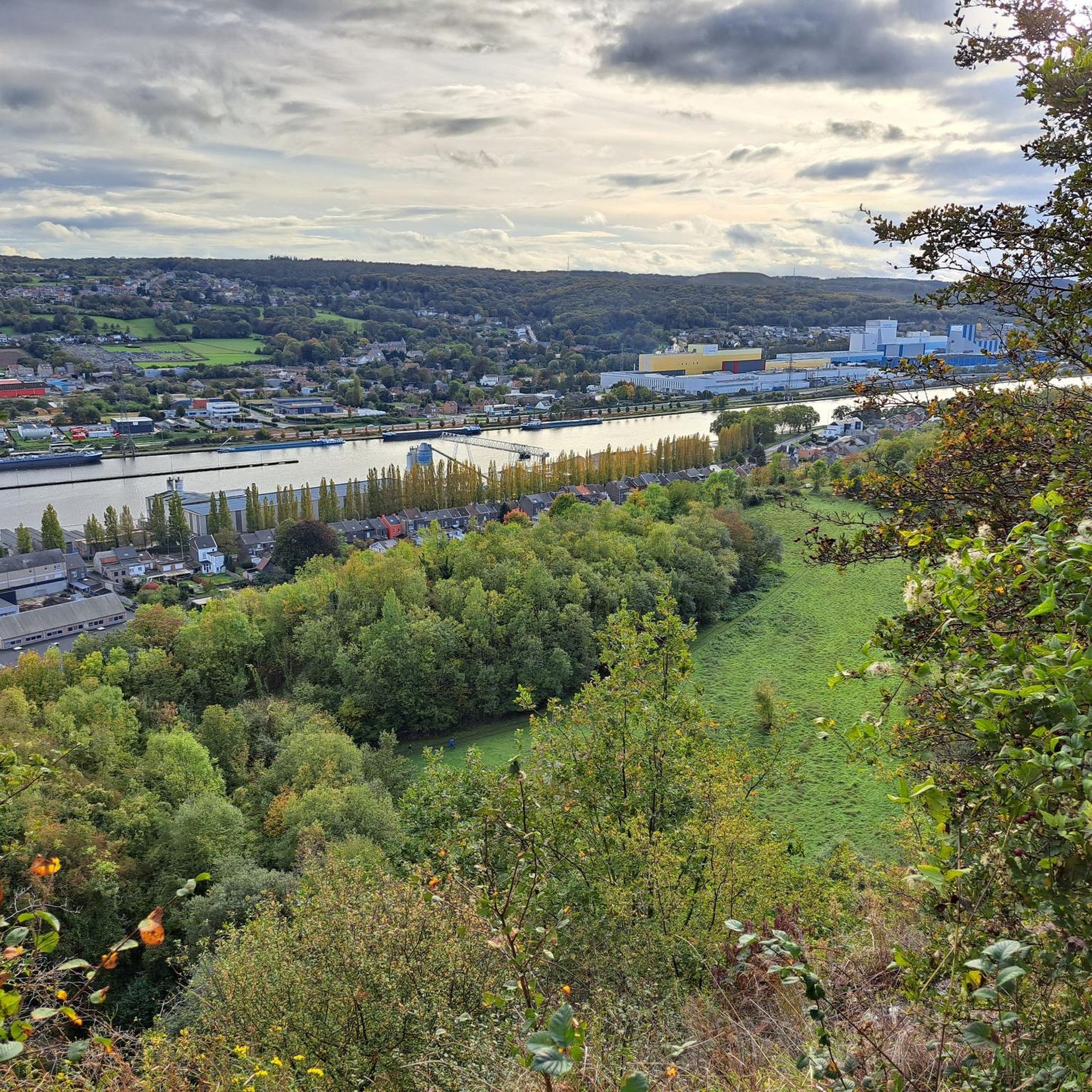
Ravel along the Ourthe and not the Vesdre
0
0

's Herenelderen Castle, or Renesse's water castle, with its U-shaped main building is surrounded by a wide moat and an idyllic landscaped park, complete with a pond and mature trees. The mix of late Gothic, Baroque, and neoclassical elements makes the castle an architectural gem, with the eye-catching 16th-century marlstone manor house and the charming castle farm with coats of arms and corner towers. Located near St. Stephen's Church, this estate provides a beautiful historical backdrop for a peaceful stroll.
3
1

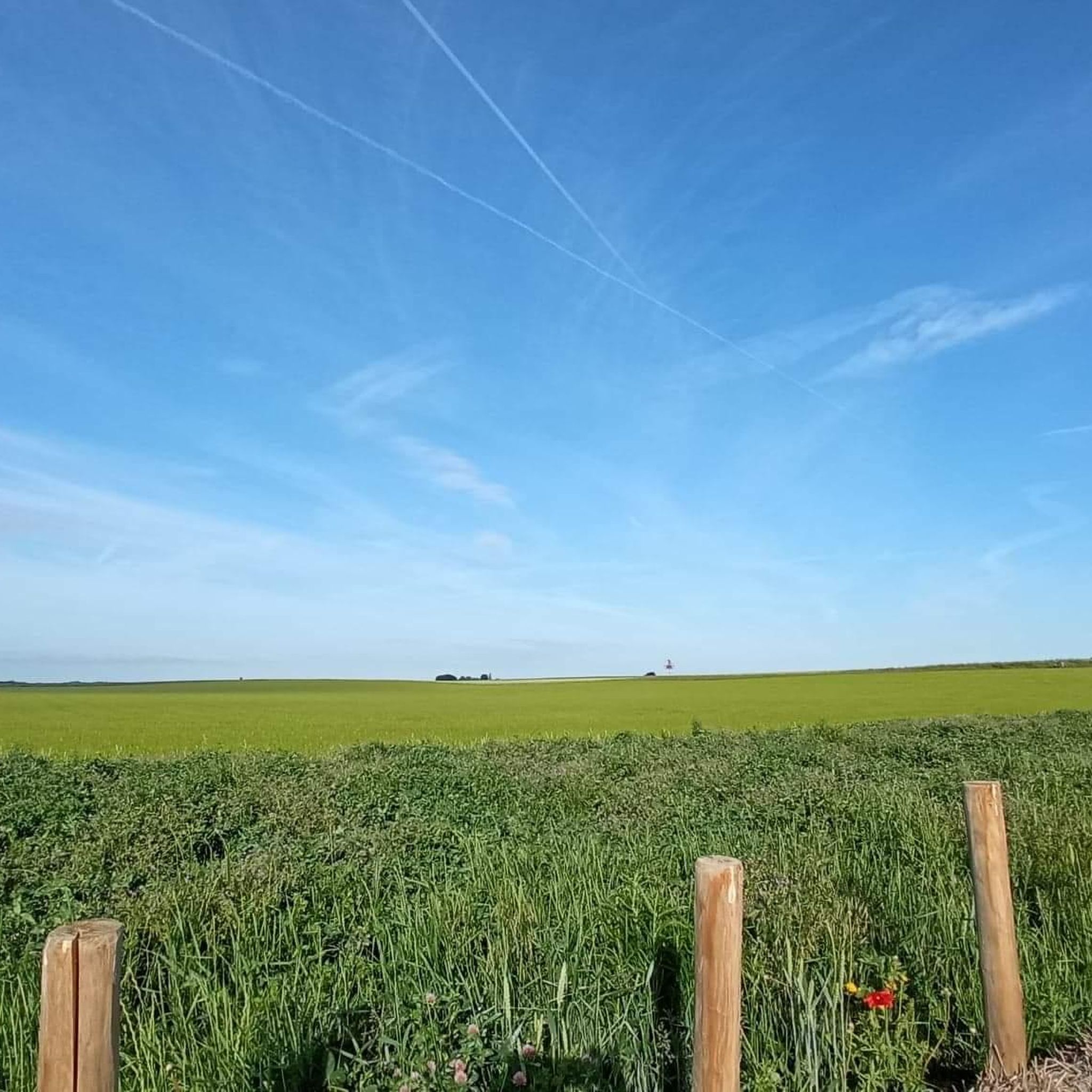
Beautiful route with little elevation gain
2
0
Frequently Asked Questions
How many road cycling routes are available in Grâce-Hollogne?
There are nearly 30 road cycling routes around Grâce-Hollogne, offering a diverse range of options for different skill levels. You'll find routes varying from easy to challenging, primarily on paved surfaces.
What kind of terrain can I expect when road cycling in Grâce-Hollogne?
Grâce-Hollogne offers varied topography, from the historic heart of Hollogne-aux-Pierres to the countryside of Horion-Hozémont. You can expect mostly paved surfaces, with a mix of flat sections, rolling hills, and some notable climbs. The region's proximity to the wider Liège province also means access to more challenging, hilly landscapes characteristic of the Belgian Ardennes.
Are there any easy road cycling routes suitable for beginners in Grâce-Hollogne?
Yes, Grâce-Hollogne offers several easy road cycling routes. For instance, the Lauw Hill – Diana Pavilion at Hamal Castle loop from Bierset-Awans is an easy 33.1 km route that takes around 1 hour 30 minutes to complete, featuring minimal elevation gain.
What are some challenging road cycling options in the Grâce-Hollogne area?
While Grâce-Hollogne itself features rolling countryside, its location provides access to more demanding climbs in the wider Liège region, known for its hilly landscapes. Within the immediate area, routes like the Côte de Drolenval Climb – Château de La Fenderie loop from Bierset-Awans offer significant elevation gain over 74.6 km, requiring good fitness.
What natural features or landmarks can I see along the road cycling routes?
Many routes pass through scenic countryside and orchards. You can also explore historical sites like the Fort of Hollogne. For stunning views, consider routes that offer glimpses of the Roche-aux-Faucons Ridge Trail or the Roche-aux-Faucons Hill. Some routes also pass by various castles, such as those mentioned in the Glainberg Climb – Castle of 's Herenelderen loop from Bierset-Awans.
Are there any circular road cycling routes in Grâce-Hollogne?
Yes, many of the road cycling routes in Grâce-Hollogne are designed as loops, allowing you to start and end at the same point. Examples include the Lexhy Castle – Strivay Hill loop from Bierset-Awans and the Widooie Castle – Glainberg Climb loop from Bierset-Awans, both offering varied terrain and scenic views.
What is the best time of year for road cycling in Grâce-Hollogne?
The spring and summer months generally offer the most pleasant conditions for road cycling in Grâce-Hollogne, with warmer temperatures and longer daylight hours. The region also hosts cycling events throughout the year, which can be a great time to visit.
Is Grâce-Hollogne suitable for family-friendly road cycling?
While specific family-focused road cycling routes are not highlighted, the presence of easy routes and generally paved surfaces suggests that families with older children comfortable with road cycling could find suitable options. The scenic countryside and orchards provide a pleasant backdrop for rides.
What do other road cyclists say about the routes in Grâce-Hollogne?
The road cycling routes in Grâce-Hollogne are highly rated by the komoot community, with an average score of 4.1 stars from over 10 reviews. Cyclists often praise the diverse terrain, the mix of historical landmarks and natural beauty, and the well-connected cycling networks that allow for varied exploration.
Are there any specific attractions or viewpoints I should look out for?
Beyond the general countryside, you can find interesting points like the Bueren Mountain, a famous staircase in Liège, or the Monument to the 14th Line Regiment. For natural beauty, the View from Rochers du Bout du Monde offers panoramic vistas.
Can I access Grâce-Hollogne's cycling routes using public transport?
Grâce-Hollogne is located in the province of Liège, Belgium, which has a public transport network. While specific details for bringing bikes on public transport vary, the region's cycling node networks connect to broader cycling paths, suggesting accessibility. It's advisable to check local transport regulations for bikes.
Are there places to stop for refreshments or coffee along the routes?
The region includes both historic towns and rural areas. While specific cafes are not listed for every route, passing through villages and towns like Hollogne-aux-Pierres or Horion-Hozémont will likely offer opportunities for coffee stops or refreshments.
Most popular routes around Grâce-Hollogne
Most popular attractions around Grâce-Hollogne

Get inspired with the komoot mobile app


Explore more
Browse the best Road cycling routes in other regions.
