The best cycling routes around Riemst
4.2
(100)
1,144
riders
77
rides
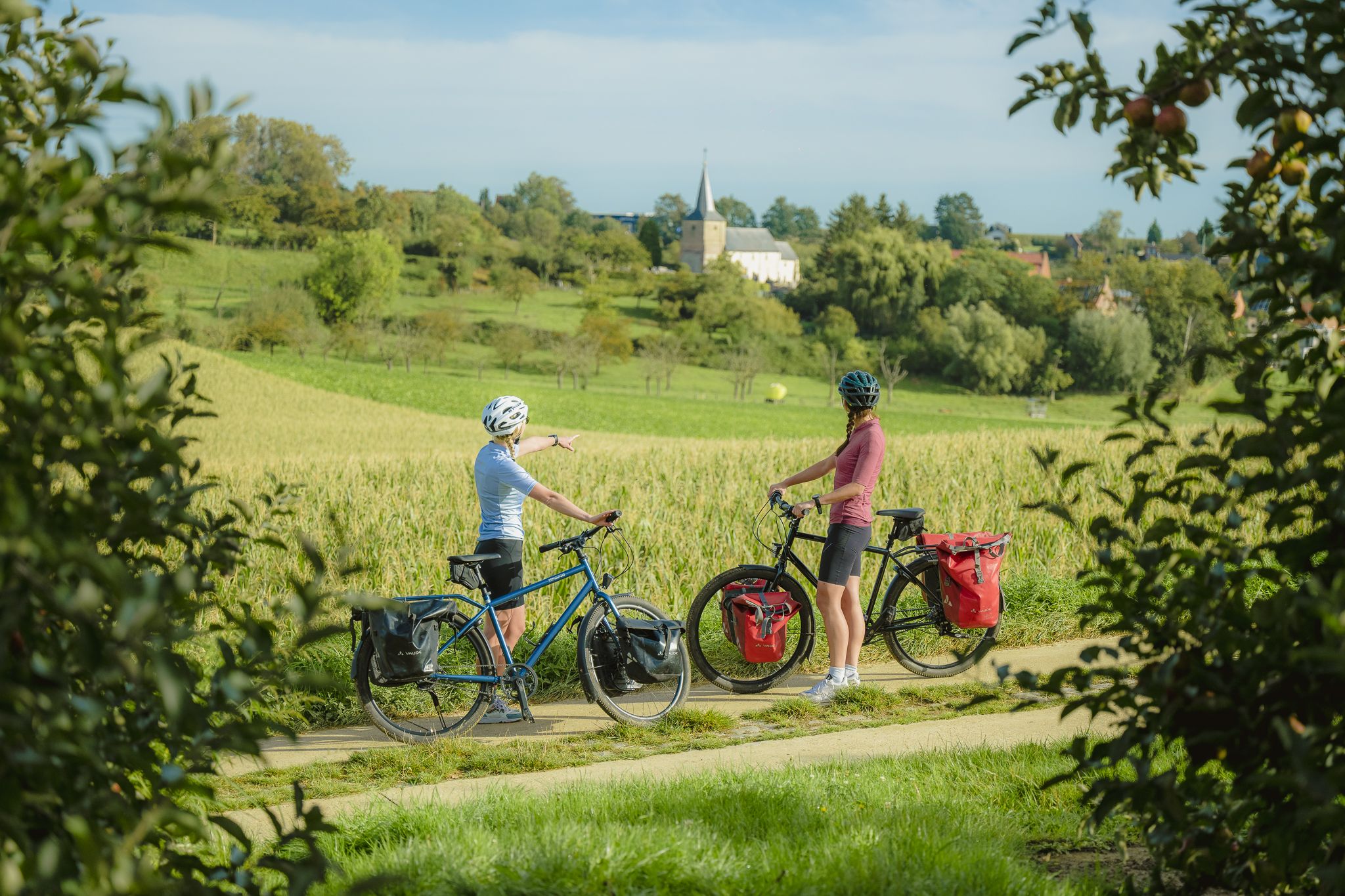
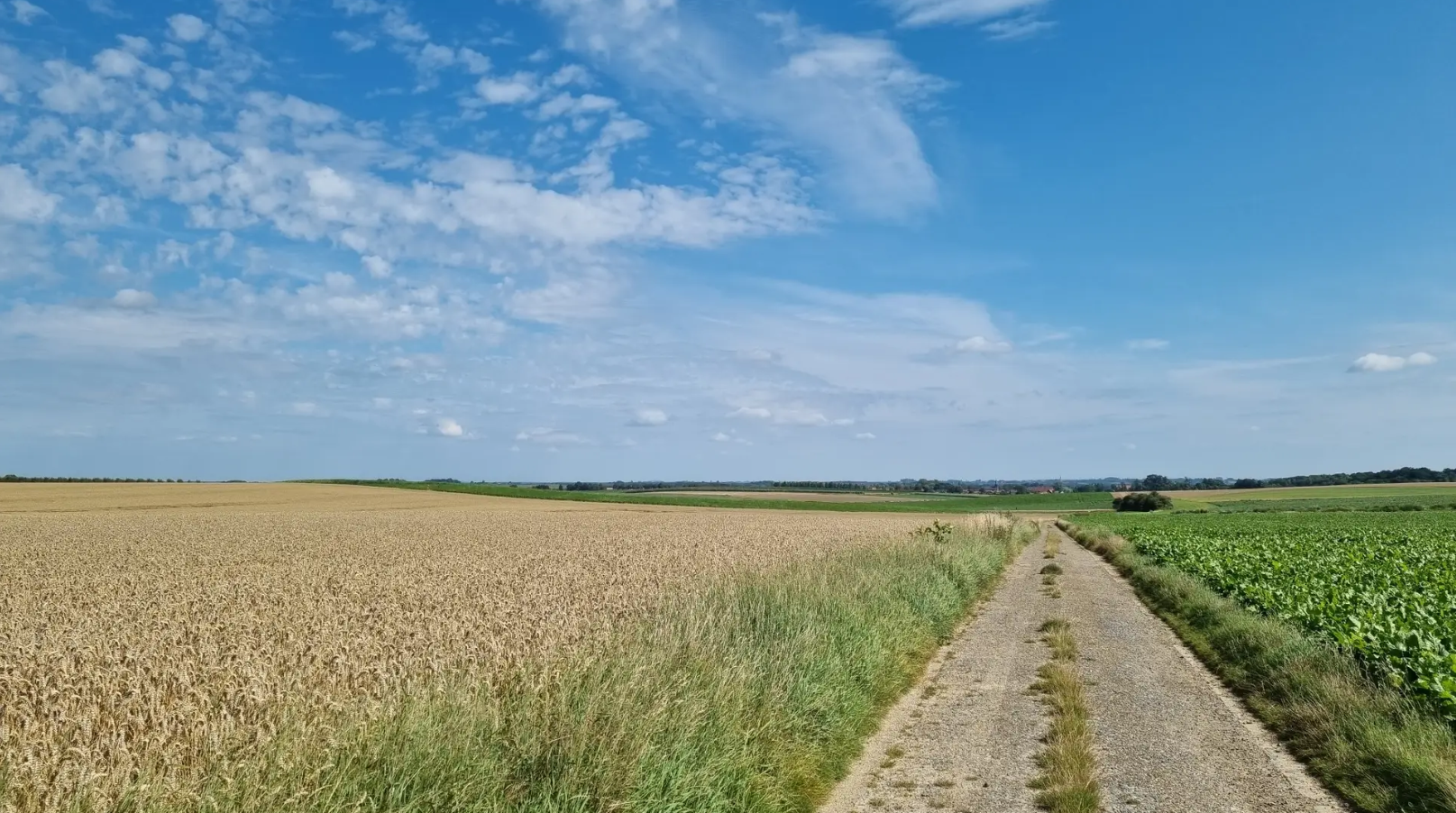
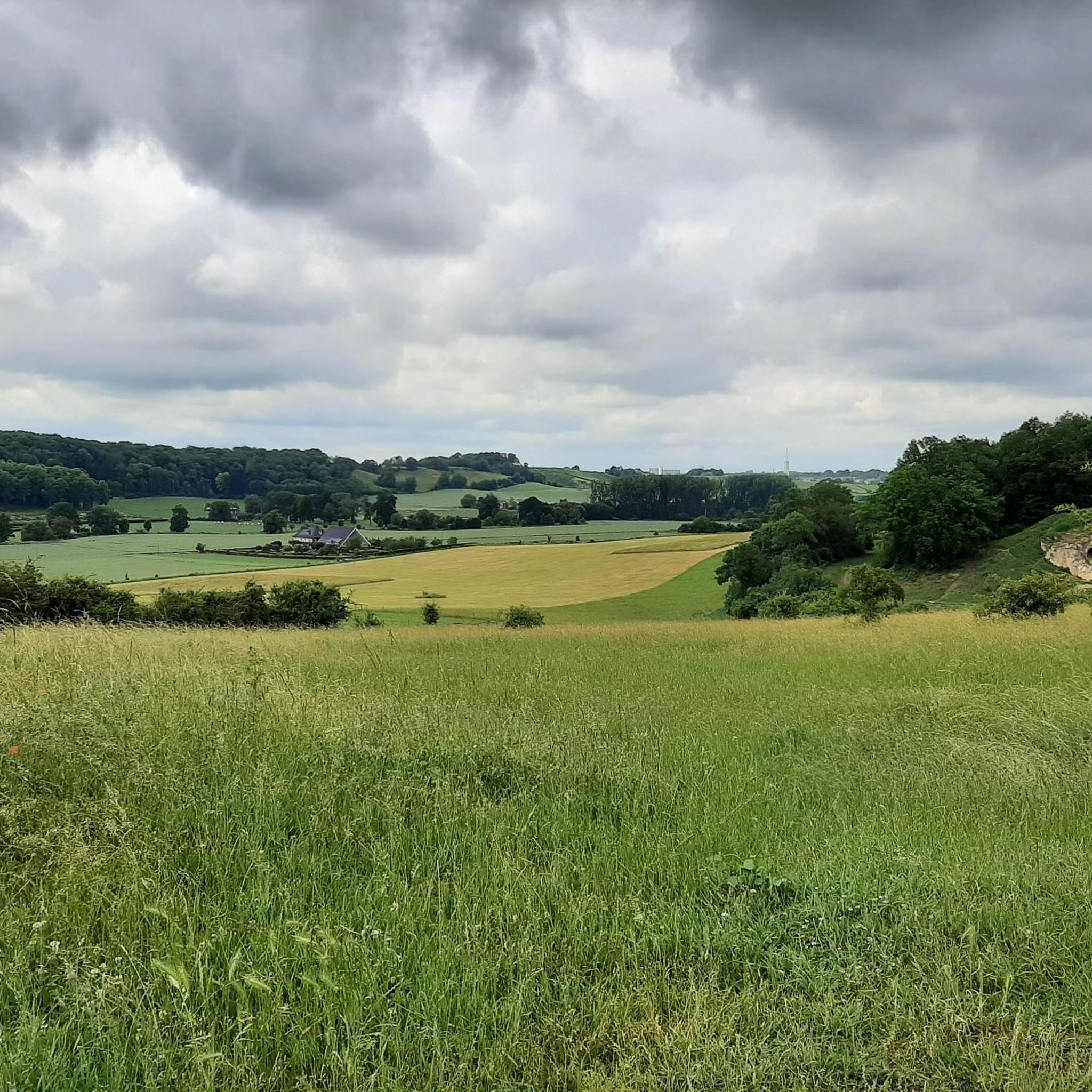
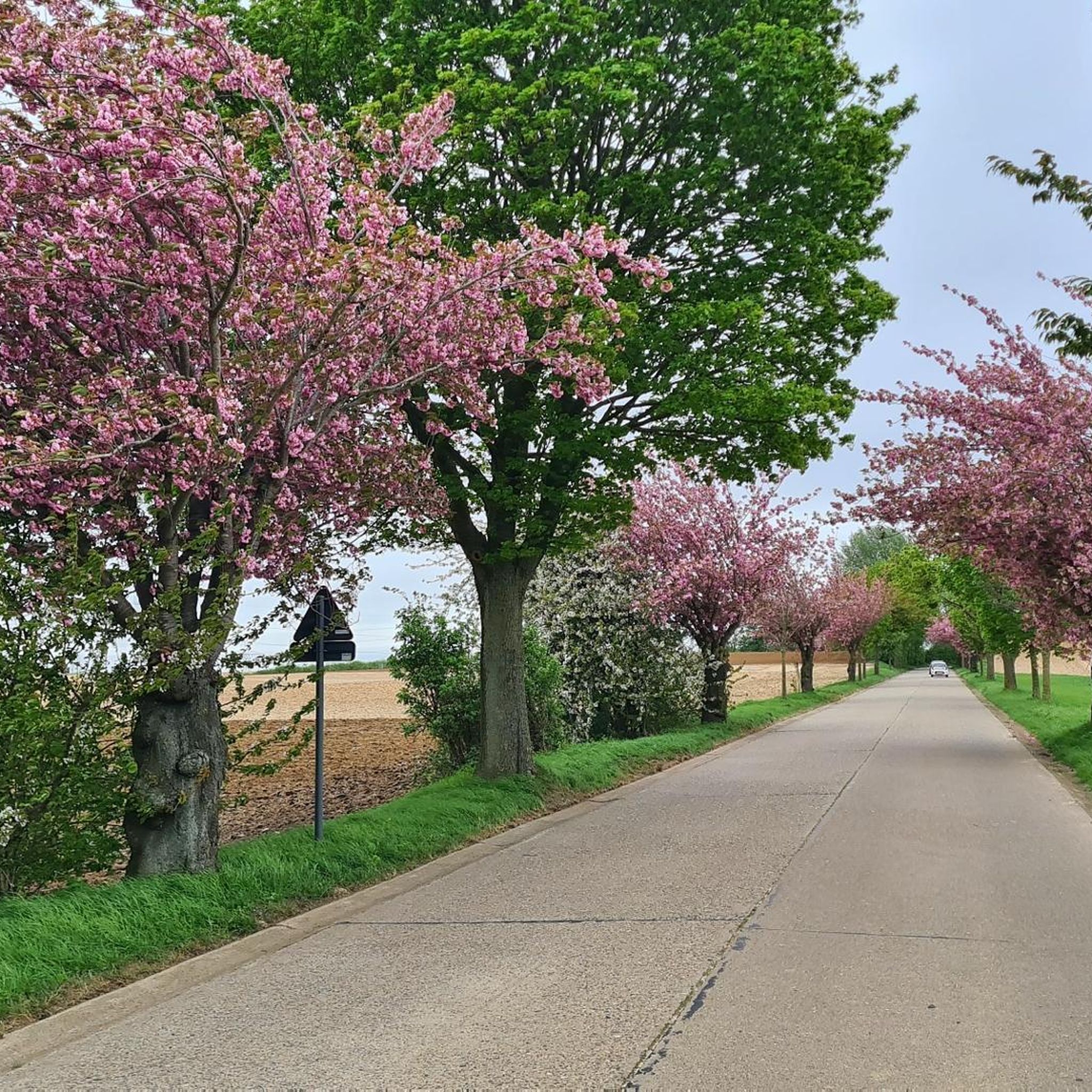
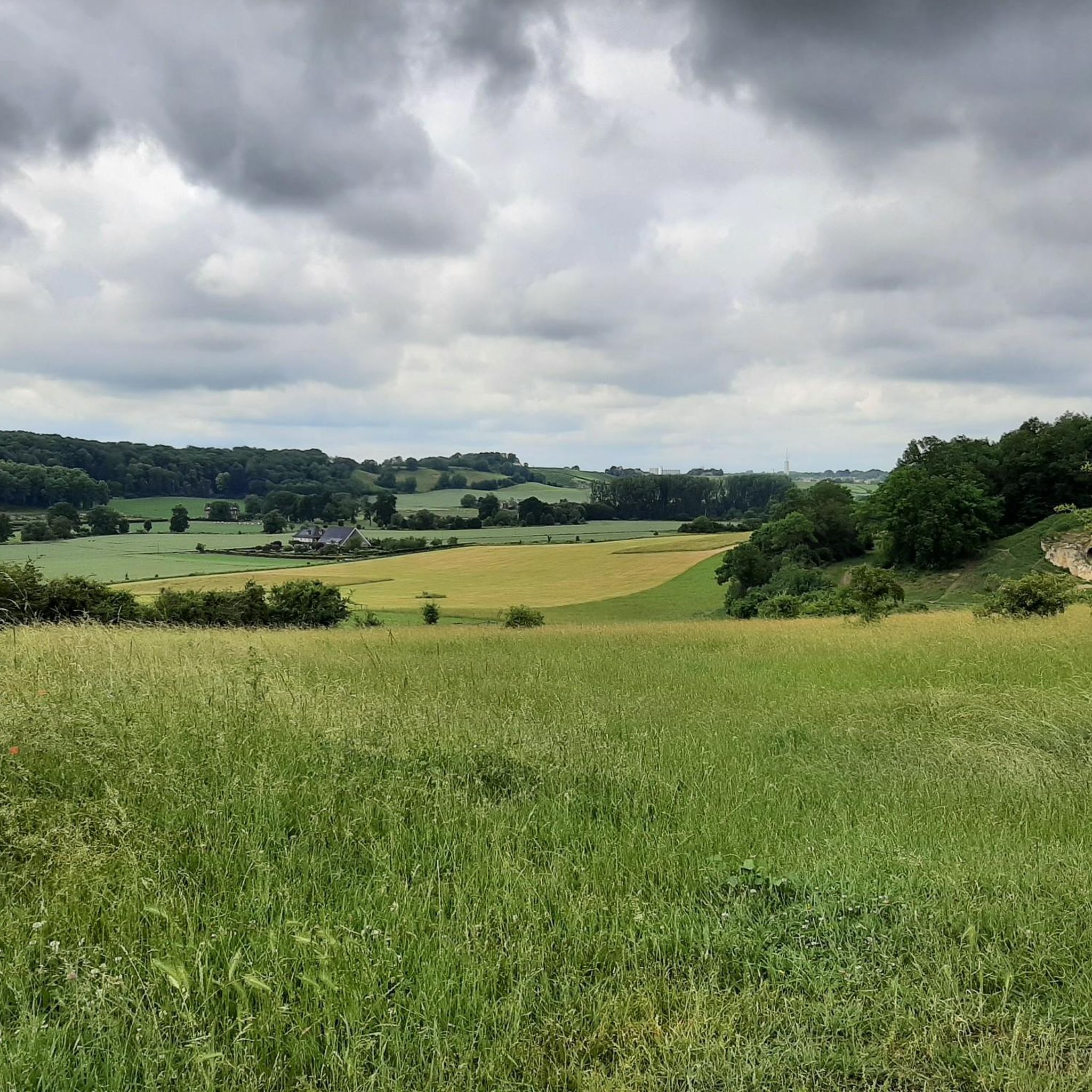
Touring cycling routes around Riemst traverse a landscape characterized by rolling hills, quiet villages, vineyards, and expansive farmlands. The region features unique marl formations, visible along the Albert Canal, and includes the Caestert Plateau nature reserve. This diverse terrain provides a varied setting for cycling, from gentle slopes to routes with more elevation gain.
Best touring cycling routes around Riemst
- The most popular touring cycling route is Kanne Hairpin Road – Vroenhoven Bridge loop from Kanne, a 25.1 miles…
Last updated: October 8, 2026
4.5
(13)
71
riders
50.8km
03:09
430m
430m
Moderate bike ride. Good fitness required. Mostly paved surfaces. Suitable for all skill levels.
4.0
(3)
67
riders
33.6km
02:33
370m
370m
Hard bike ride. Good fitness required. You may need to push your bike for some segments of this route.

4.9
(7)
64
riders
46.6km
02:50
340m
340m
Moderate bike ride. Good fitness required. Mostly paved surfaces. Suitable for all skill levels.
4.0
(7)
55
riders
47.8km
02:55
290m
290m
Moderate bike ride. Good fitness required. Mostly paved surfaces. Suitable for all skill levels.
4.3
(3)
54
riders
Moderate bike ride. Good fitness required. Mostly paved surfaces. Suitable for all skill levels.
Get access to more routes and recommendations from other explorers.
Already have an account?
Our route recommendations are based on thousands of hikes, rides, and runs completed by other people on komoot.
Start today with a free account
Your next adventure awaits.



Tips from the Community

New super great multilingual presentation
0
0

Possibly the most beautiful climb in the country, solely because you rarely encounter a climb with hairpin bends like this. From the valley at the marl caves near the Meuse/the canal to the top of the Haspengouws plateau. You simply have to have ridden it once ;-)
0
0

Kasteel Neercanne or Château Neercanne, formerly Kasteel Agimont, is a 17th-century baroque castle in the Jekerdal in the southwest of the Dutch municipality of Maastricht. Neercanne is located on the Cannerweg, just on Dutch territory, close to the Belgian-Limburg village of Kanne. Neercanne is the only terraced castle in the Netherlands, built on a man-made terrace against the slope of the Cannerberg. The reconstructed baroque garden is also laid out in terraces. The castle houses a renowned restaurant, Château Neercanne.
3
0
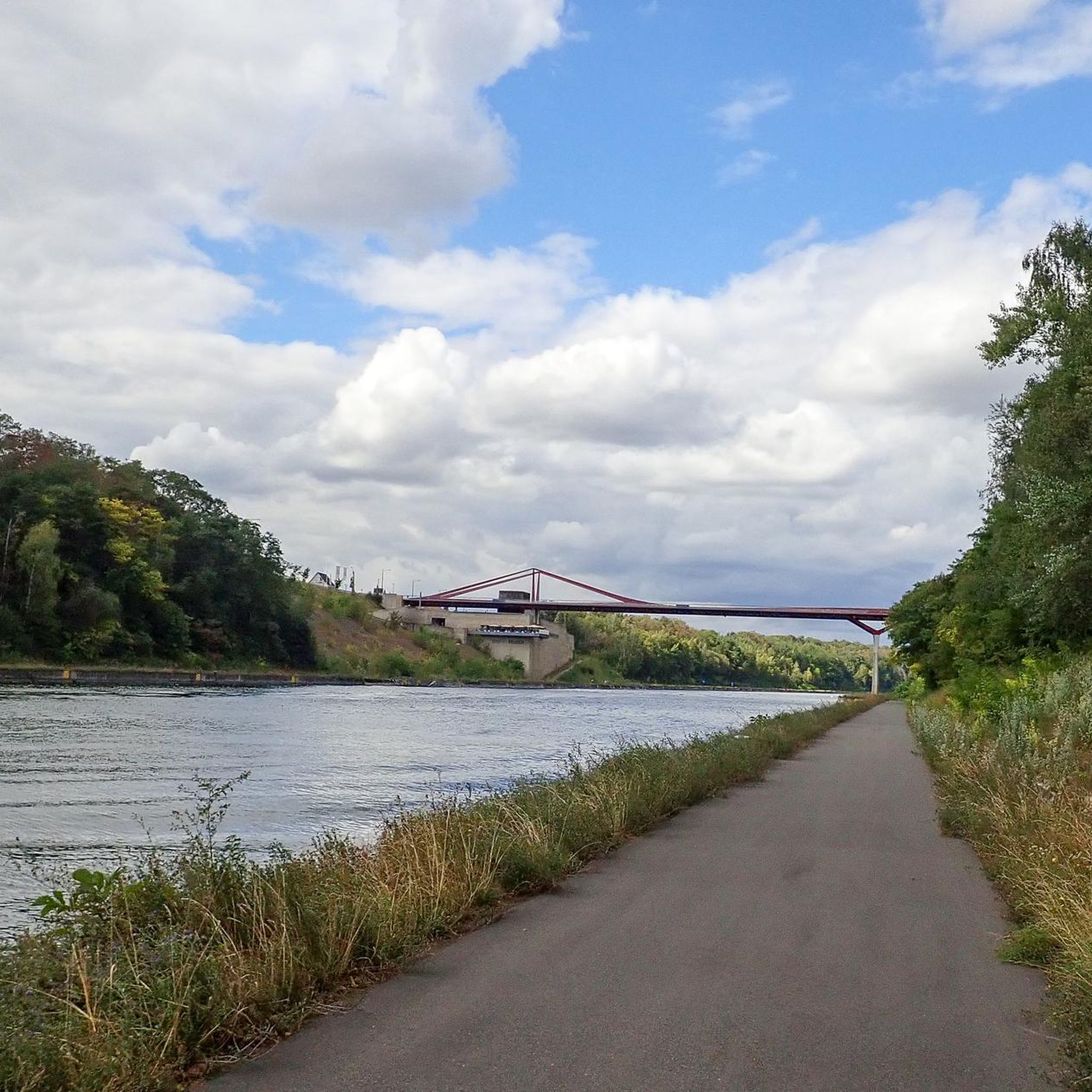
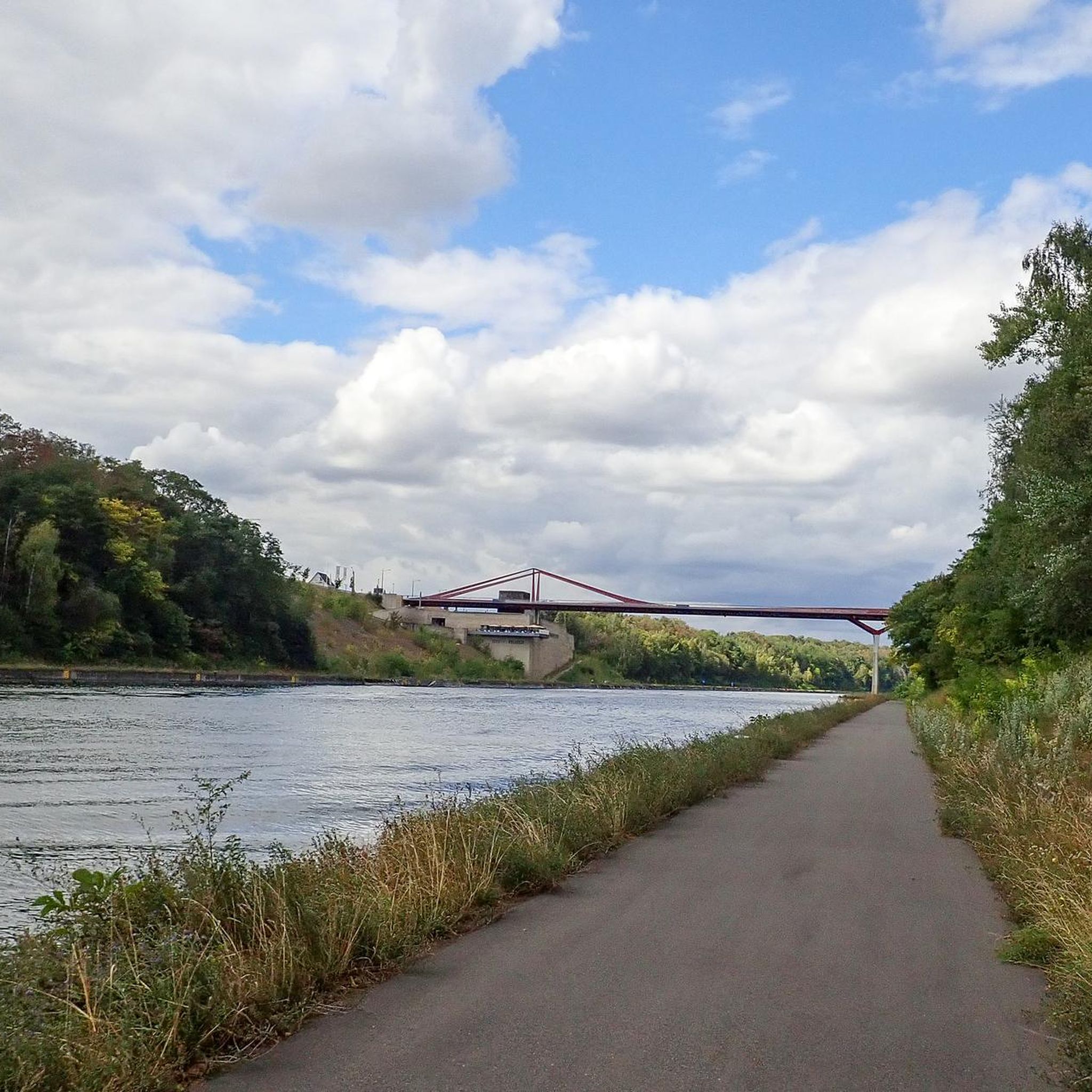
The bridge at Kanne is a suspension bridge and is part of the regional road N619 (Grenadiersweg). The first bridge at this location was a truss bridge built during the construction of the Albert Canal in 1930. This bridge was destroyed by the Belgian army on May 10, 1940, to prevent the advance of German troops. During World War II, there was a raft to cross the canal. American troops partially filled in the canal during the liberation to make a quick crossing possible. After the war, a wooden emergency bridge was built. In March 1950, the construction of a concrete arch bridge began. The contractor was Arthur Moens from Etterbeek, Brussels. In October 1951, the bridge was ready, at the same time as the new macadam road from the mill of Opkanne to the Oudeweg/Nieuweweg intersection. The concrete part of the bridge was cast in one go to achieve even curing. In 2004, the current, 120-meter-long bridge was built to a design by the engineering firm Greisch. The bridge was hoisted in on September 19, 2004, next to the old bridge, which was subsequently demolished. It is the first suspension bridge in Belgium. The bridge cost approximately 9.4 million euros.
3
0

Tongeren is the oldest city in Belgium. The city originates from a camp founded by Sabinus and Cotta, lieutenants of Julius Caesar, whose legions were massacred in 54 BC near Ambiorix, the leader of the Eburones. Sights include the basilica, the beguinage, the statue of Ambiorix, and the antique market that takes place every Sunday.
0
0


Château Neercanne is a beautiful 17th-century terraced castle situated high above the Jekerdal valley, just across the border near Kanne (administratively part of Maastricht). It was built in 1698 by Baron Daniël Wolf van Dopff, military governor of Maastricht, and is the only terraced castle in the Benelux: it is located on stone heap-shaped terraces in the marl cliffs.
6
0

Kasteel Ter Hove is an elegant, historic castle domain, hidden amidst the gently rolling landscapes of Heers. The current building, which primarily bears 18th-century features, exudes a subdued grandeur. The symmetrical facades, the tranquil inner courtyard, and the surrounding green structures make it a charming anchor point in the region.
2
0
Frequently Asked Questions
How many touring cycling routes are available in Riemst?
Riemst offers a wide selection of touring cycling routes, with over 70 options available. These routes cater to various preferences, including 20 easy routes, 43 moderate routes, and 12 more challenging ones.
What kind of terrain can I expect when cycling in Riemst?
The terrain in Riemst is characterized by rolling hills, quiet villages, vineyards, and expansive farmlands. You'll encounter unique marl formations, particularly along the Albert Canal, and pass through areas like the Caestert Plateau nature reserve. The routes offer a mix of gentle slopes and some segments with more elevation gain, providing a varied and picturesque cycling experience.
Are there any family-friendly cycling routes in Riemst?
Yes, Riemst has several routes suitable for families. The region's extensive cycling network includes many paths that are less strenuous, such as those along the Albert Canal towpaths. For a generally accessible experience, look for routes marked as 'easy' in the komoot guide, which are often flatter and shorter.
Can I bring my dog on touring cycling routes in Riemst?
While specific regulations for dogs on cycling paths can vary, many of Riemst's rural roads and towpaths are generally dog-friendly, especially if your dog is accustomed to cycling alongside you or in a trailer. Always ensure your dog is on a leash where required and respect local signage, particularly in nature reserves or agricultural areas.
Are there circular touring cycling routes in Riemst?
Yes, many of the touring cycling routes in Riemst are designed as loops, allowing you to start and finish at the same point. Examples include the popular Kanne Hairpin Road – Vroenhoven Bridge loop from Kanne and the Fort Eben-Emael – Visé Marina loop from Zichen-Zussen-Bolder, which are both circular and offer diverse scenery.
What are some notable landmarks or attractions I can see along the routes?
Riemst's routes pass by several interesting landmarks. You can explore historical sites like the Vroenhoven Bridge, which has a museum detailing its role in WWII, or the impressive Fort Eben-Emael. The region is also known for its unique marl formations and caves, such as the Kanne Caves. For natural beauty, you might encounter areas like the Caestert Plateau or scenic viewpoints offering panoramic views. The Hoogbos Flowtrail and Savelsbos Gravel Pit are also nearby attractions.
Where can I find parking for my touring cycling trip in Riemst?
Parking is generally available in the villages and towns throughout Riemst, often near starting points of popular routes. For instance, if you plan to cycle the Kanne Hairpin Road – Vroenhoven Bridge loop, you can typically find parking in Kanne. Similarly, Zichen-Zussen-Bolder offers parking for routes like the Fort Eben-Emael – Visé Marina loop. Look for designated parking areas in village centers or near major attractions.
How can I reach Riemst using public transport for a cycling trip?
Riemst is accessible by public transport, primarily buses connecting to larger cities like Maastricht (Netherlands) or Tongeren (Belgium). From these hubs, you can take local buses into Riemst's villages. While bringing a bicycle on public transport can sometimes be restricted, especially during peak hours, it's advisable to check the specific policies of the bus operators (e.g., De Lijn in Belgium) beforehand.
What is the best time of year to go touring cycling in Riemst?
The best time for touring cycling in Riemst is typically from spring through early autumn (April to October). During these months, the weather is generally mild and pleasant, with less rain and comfortable temperatures for cycling. Spring brings blooming landscapes, while autumn offers beautiful colors in the vineyards and countryside.
Are there places to stop for refreshments or accommodation along the cycling routes?
Yes, Riemst's villages and towns offer various options for refreshments and accommodation. You'll find cafes, pubs, and restaurants, especially in places like Kanne or near attractions such as Wine Castle Genoels-Elderen, which has a seasonal wine terrace. Many local establishments are accustomed to catering to cyclists, providing a welcoming stop during your tour.
What makes the cycling experience in Riemst unique?
Riemst's cycling experience is unique due to its blend of diverse landscapes and geological features. You'll cycle through rolling hills, past vineyards, and along the Albert Canal, encountering the region's distinctive marl formations. The area is also integrated into Belgium's renowned fietsknooppunten (cycling node) network, making navigation effortless. Furthermore, the opportunity to explore extensive underground marl caves, like the Kanne Caves, adds an extraordinary dimension to your trip.
What do other cyclists say about the touring routes in Riemst?
The touring cycling routes in Riemst are highly rated by the komoot community, with an average score of 4.3 stars from over 80 reviews. Cyclists often praise the region's varied terrain, the well-maintained paths, and the picturesque scenery that includes vineyards, historical sites, and the Albert Canal. Many appreciate the peaceful atmosphere and the clear signage provided by the cycling node network.
Are there any routes that offer historical insights?
Absolutely. Routes like the Fort Eben-Emael – Visé Marina loop from Zichen-Zussen-Bolder take you past significant historical sites such as Fort Eben-Emael, a key fortification from WWII. The Vroenhoven Bridge also has a museum detailing its historical importance. Additionally, the 'Fietsen door Romeins Riemst' (Cycling through Roman Riemst) route, while not explicitly listed in the guide data, is a well-known regional route that explores the area's Roman past.
Most popular routes around Riemst
Most popular attractions around Riemst

Get inspired with the komoot mobile app


Explore more
Browse the best Cycling routes in other regions.
