Top 20 Natural Monuments around Welkenraedt
Natural monuments around Welkenraedt offer diverse landscapes for outdoor exploration. The region features quiet stream valleys, forests, and pastureland, providing varied terrain for visitors. This area is known for its picturesque natural settings, making it suitable for activities like hiking. The general environment around Welkenraedt provides a pleasant experience for nature enthusiasts.
Best natural monuments around Welkenraedt
- The most popular natural monuments is Meanders of the Geul, a river that winds through the landscape. The Geul flows quietly here,…
Last updated: May 13, 2026
Vaalserberg Three-Country Point
Highlight • Monument
Translated by Google •
Tip by

Translated by Google •
Tip by

Sign up now to discover places like this
Get recommendations on the best single tracks, peaks, & plenty of other exciting outdoor places.
Sign up for free
Hohnbach Valley
Highlight (Segment) • River
Translated by Google •
Tip by

Meanders of the Geul
Highlight (Segment) • River
Translated by Google •
Tip by

Gileppe Dam Lion
Highlight • Monument
Translated by Google •
Tip by

Sign up for free to discover even more natural monuments around Welkenraedt.
Sign up for free
Already have an account?
Start today with a free account
Your next adventure awaits.
Login or Signup
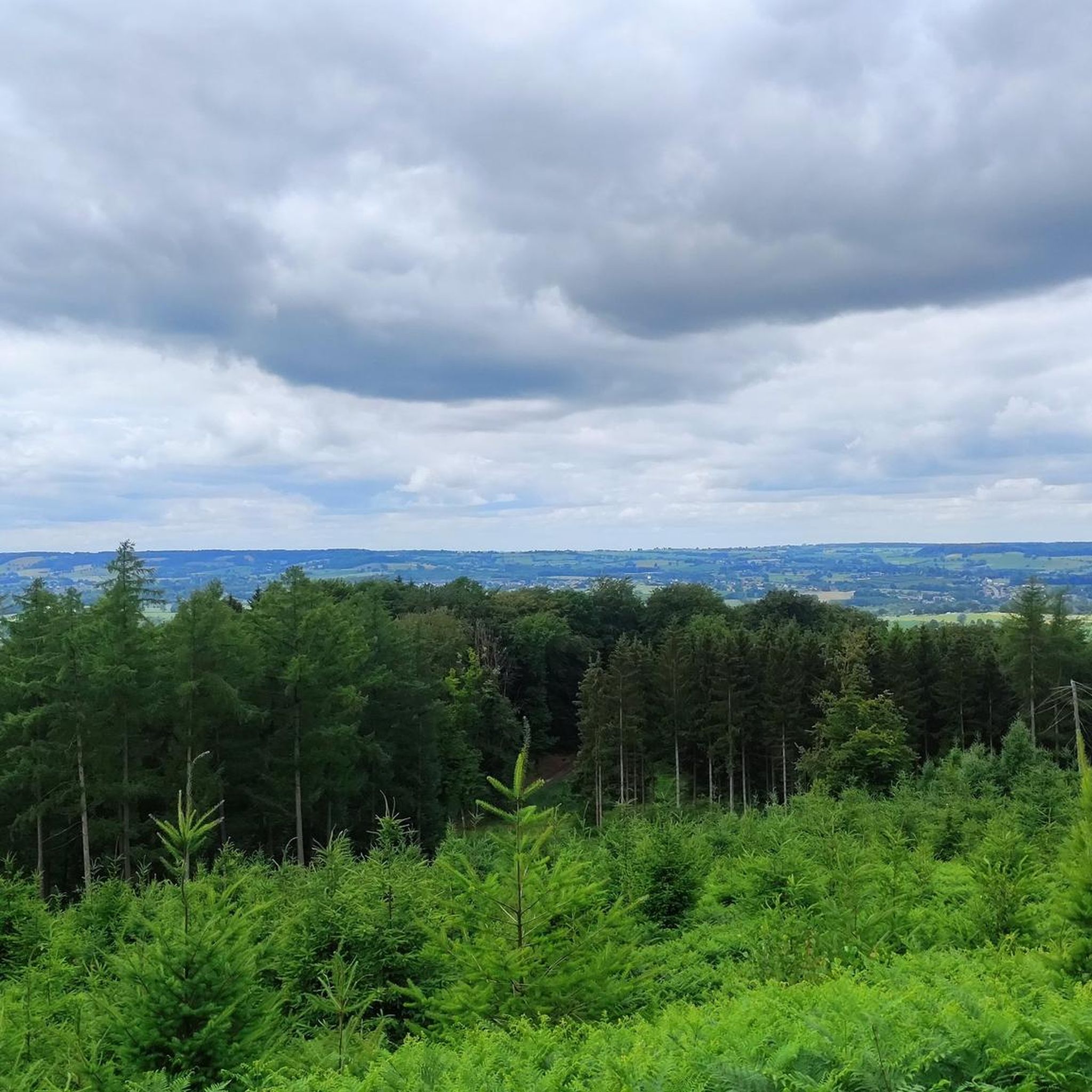
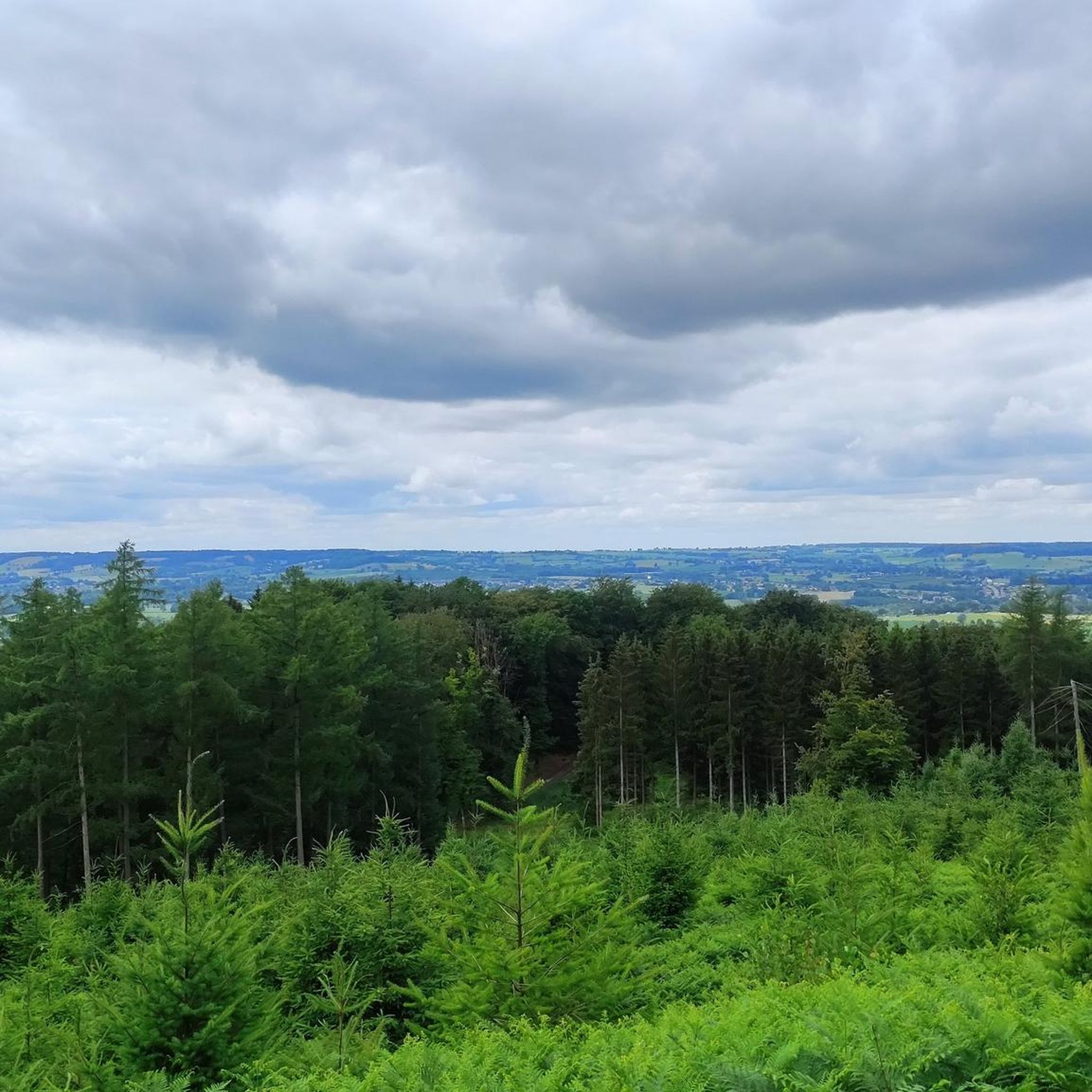
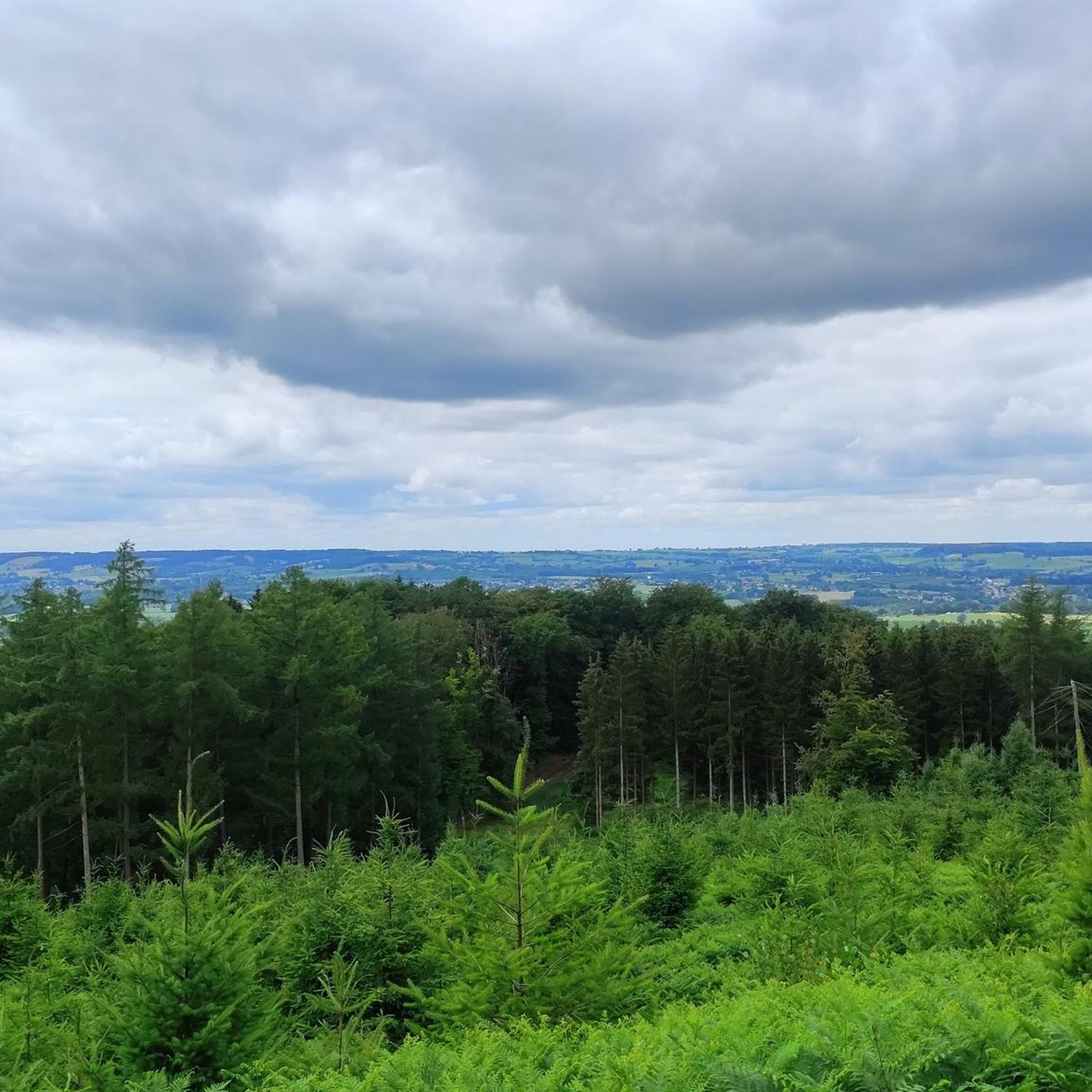
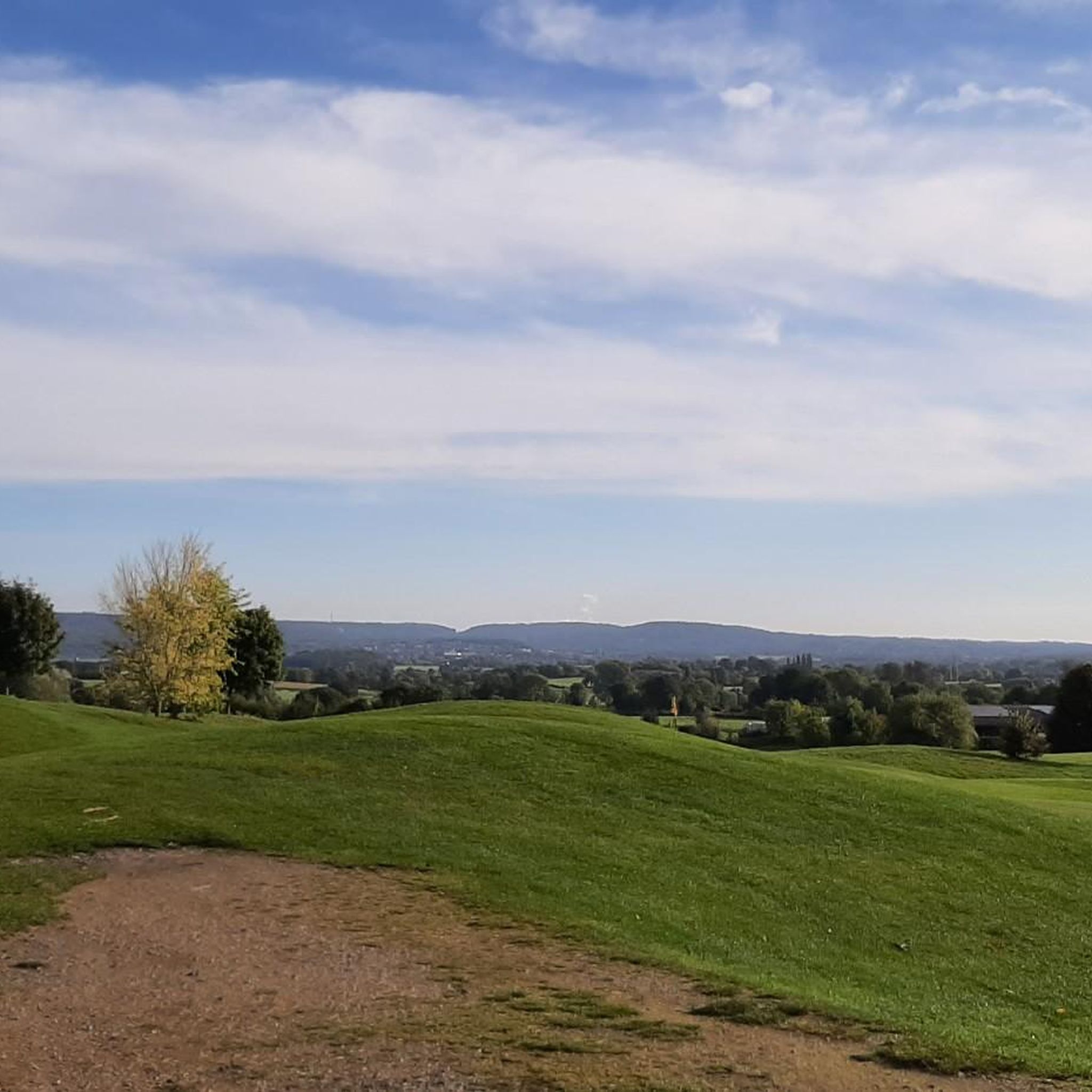


Tips from the Community

The Geul is an idyllic stream that meanders considerably, or winds through the landscape. Because the Geul flows fast on this part, the water erodes the bank in the outer bends. In the inner bends, the water flows less fast and the sand and mud that has been carried along remains there. In the outer bends, there is a steep bank and in the inner bends a flat bank.
4
0

The Lion, created by Félix-Antoine Bouré, is one of the major attractions. Height: 13.5m – her weight: 130 tons. 183 blocks that fit together like a puzzle were completely dismantled and rebuilt to mark the raising of the dam. The lion looks in the direction of Eupen, then Prussia, barely 5 kilometers away. Source: https://www.tourismejalhaysart.be/nl/attraction/barrage-du-lac-de-la-gileppe-jalhay-hautes-fagnes-spa/
9
0
This work of art, made from granite, was the first of its kind in Belgium. The dam was built between 1867 and 1875. Between 1967 and 1971 it was consolidated and the capacity of the reservoir was increased to 26.4 million m³ of water. The lake is fed by the Gileppe, the Louba and the Soor. Two 75m high collection towers direct the water to turbines. The famous Lion, created by Félix-Antoine Bouré, is one of the major attractions. Height: 13.5m – her weight: 130 tons. 183 blocks that fit together like a puzzle were completely dismantled and rebuilt to mark the raising of the dam. The lion looks in the direction of Eupen, then Prussia, barely 5 kilometers away. Source: https://www.tourismejalhaysart.be/nl/attraction/barrage-du-lac-de-la-gileppe-jalhay-hautes-fagnes-spa/
11
0

The Vaalserberg has been included in the cycling classic Amstel Gold Race several times. The climb is then conquered once via the Dutch side (east side), as the eleventh climb after the Camerig and before the Gemmenicherweg. In the Amstel Gold Race the slope is referred to as Drielandenpunt. (Wikipedia)
19
0
The highest point in the Netherlands coincides with the three-country point and is an important tourist attraction.
21
0

As early as the late Middle Ages, the border of the former Aachen Empire, fortified with the Aachen Moat, ran from south to north across the ridge of the Vaalserberg. From 1839 to 1919, the Vaalserberg, with the disputed area of Neutral Moresnet as the fourth country, was even a four-country corner (Vierlandenpunt), which is still remembered in the name of the access road on the Dutch side - Viergrenzenweg. During the First World War, from 1915 to 1918, the high-voltage border barrier stretched along the Belgian-Dutch border for a length of 300 kilometers from the then four-country corner on the Vaalserberg to the Belgian North Sea coast near Knokke. The German invasion of Belgium in 1914 via Gemmenich to Diksmuide, which brought much suffering to the Belgian population, is commemorated by a memorial made of compressed war material at the southern tip of the Vaalserberg, called Via Dolorosa.
23
0

With a height of no less than 322.4 meters above NAP, the Vaalserberg is the highest mountain in the Netherlands (with the exception of the mountains in the Caribbean). So you are standing on the roof of the Low Countries! The mountain is not only known for its height, but also for the three country point you will find here; here the borders of the Netherlands, Belgium and Germany meet. In addition, there are plenty of activities for young and old on and around the top, so hang out here for a while.
14
1

Literally our highlight in the Netherlands. Very touristy, of course, but remains a classic trip.
15
0
Frequently Asked Questions
What kind of natural landscapes can I expect to see around Welkenraedt?
The region around Welkenraedt is characterized by quiet stream valleys, dense forests, and rolling pastureland. You'll find diverse terrain, from meandering rivers like the Meanders of the Geul to the rugged beauty of the nearby Hautes Fagnes Nature Reserve.
Are there family-friendly natural sites around Welkenraedt?
Yes, several natural monuments are suitable for families. The Hohnbach Valley offers diverse paths and is known for its daffodil meadows in spring, making it a pleasant spot for all ages. The Vaalserberg Three-Country Point also has activities and facilities that cater to families.
What outdoor activities can I do near these natural monuments?
The area is excellent for various outdoor activities. You can enjoy hiking on trails like the easy 'Notre-Dame des Rotières Shrine loop' or moderate 'Flagpole and viewpoint' trail. Mountain biking is also popular, with routes such as the 'Facteur Trail Singletrack' available. For more options, explore the hiking guide or MTB guide for Welkenraedt.
When is the best time of year to visit the natural monuments around Welkenraedt?
Spring is particularly beautiful, especially for visiting the Hohnbach Valley when its daffodil meadows are in full bloom. Generally, spring through autumn offers pleasant weather for hiking and exploring the diverse landscapes.
Are there any natural monuments with historical significance?
The Vaalserberg Three-Country Point is a significant historical site, marking the meeting point of Belgium, Germany, and the Netherlands. It was even a four-country point for a period due to the neutral Moresnet area. Another notable site is the Gileppe Dam Lion, which crowns one of Europe's oldest concrete dams, inaugurated in 1878.
Where can I find impressive viewpoints around Welkenraedt?
The Vaalserberg Three-Country Point, being the highest point in the Netherlands, offers an observation tower with unobstructed views of the three countries. The Gileppe Dam Lion also provides fantastic views from its lookout tower and dam wall.
What makes the Vaalserberg Three-Country Point unique?
The Vaalserberg Three-Country Point is unique because it's where the borders of Belgium, Germany, and the Netherlands converge. It is also the highest point in the Netherlands, offering a distinctive geographical and historical experience.
Are there any protected natural areas near Welkenraedt?
Yes, the immediate area includes protected sites like the Bos van Hees. Furthermore, the extensive Hautes Fagnes Nature Reserve, known for its rugged terrain and dense forests, is just a short drive away and offers significant natural beauty.
What are the characteristics of the Geul river around Welkenraedt?
The Geul river, particularly at the Meanders of the Geul, is known for its winding course. The water actively erodes banks in outer bends and deposits sediment in inner bends, creating a dynamic and picturesque river landscape with steep and flat banks.
Can I find trails for running near the natural monuments?
Absolutely. There are several running trails around Welkenraedt, including the 'Grunehaut – Gravel Forest Path loop' and the 'Château de Ruyff loop'. You can find more details and routes in the running guide for Welkenraedt.
What do visitors enjoy most about the natural monuments in this region?
Visitors frequently appreciate the diverse and versatile paths, the stunning scenery, and the unique geographical features. The opportunity to be in three countries at once at the Vaalserberg, or to witness the beautiful daffodil meadows in the Hohnbach Valley, are often highlighted as memorable experiences.
Most popular routes around Welkenraedt
Most popular attractions around Welkenraedt

Get inspired with the komoot mobile app


Explore more
Extend your search for the best caves by checking out these guides of the top ones around Welkenraedt:
