Attractions and Places To See around Welkenraedt - Top 20
Best attractions and places to see around Welkenraedt, a municipality in eastern Belgium, offer a blend of historical significance, natural beauty, and local culture. The region features picturesque natural landscapes, notable landmarks, and cultural sites. Visitors can explore a variety of points of interest, from historical buildings to serene natural areas.
Best attractions and places to see around Welkenraedt
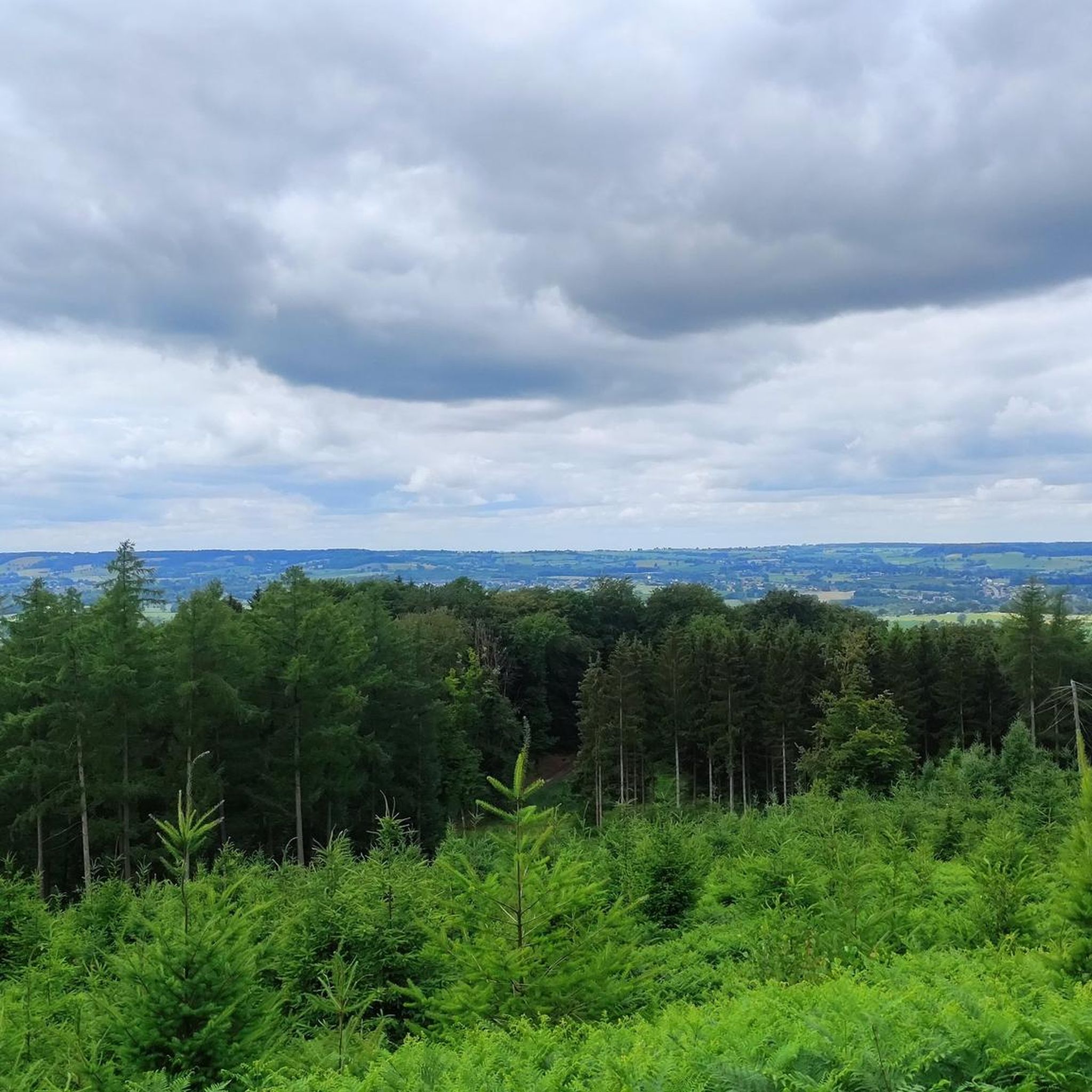
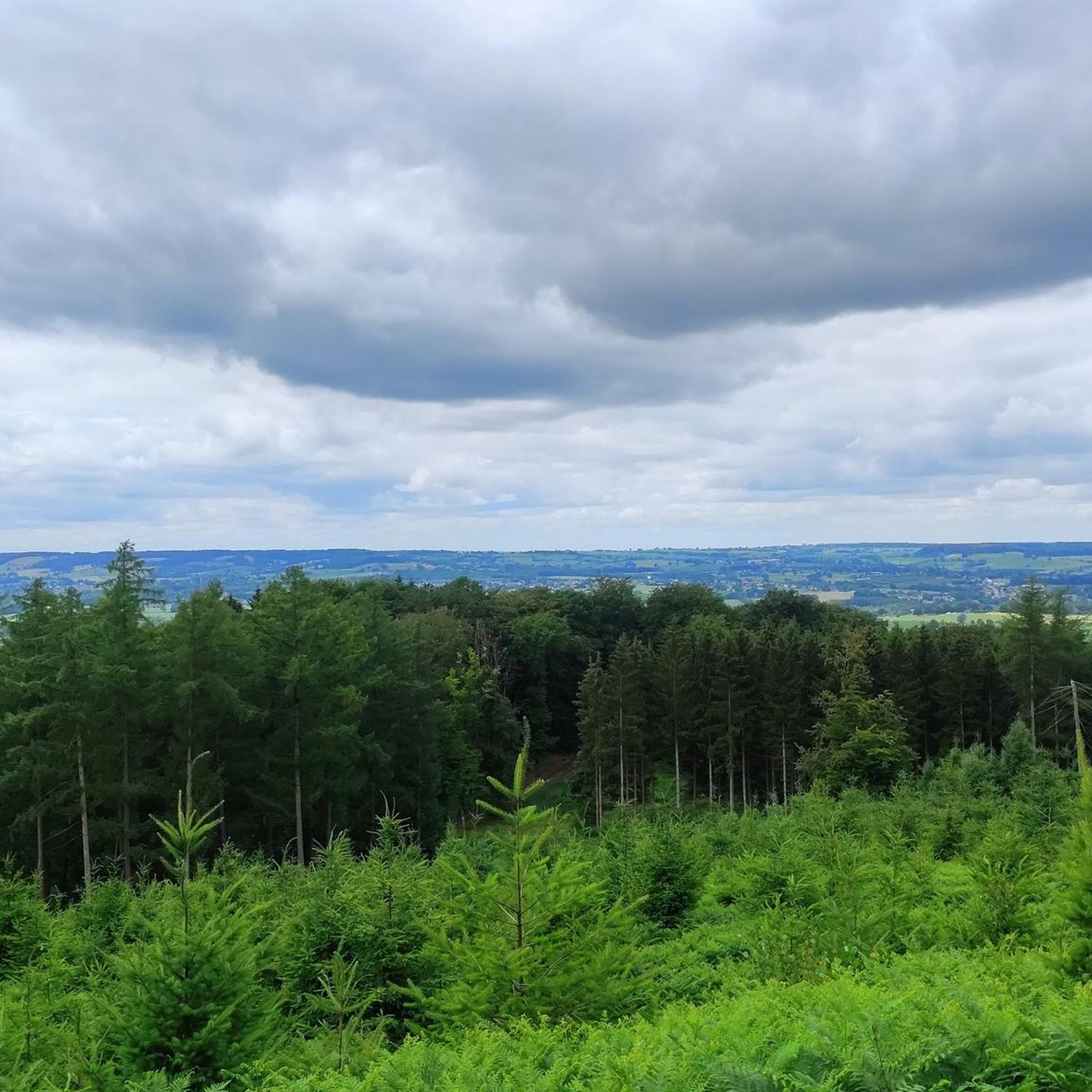
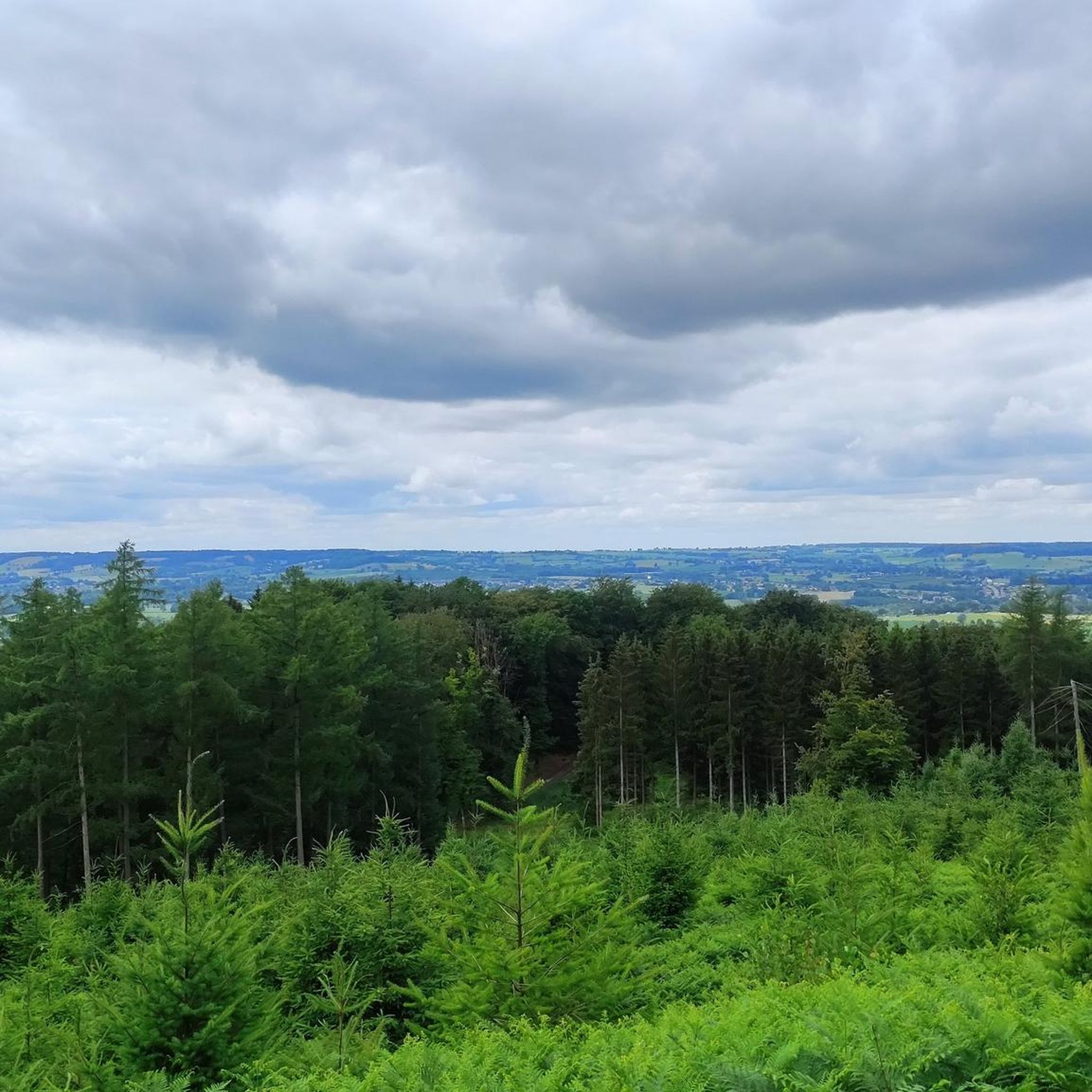
- The most popular attractions is Geuldal Valley, a river valley known for its wide meadows and meandering river. This area offers varied terrain for experienced hikers, including meadow landscapes and deciduous forests.
- Another must-see spot is Vaalserberg Three-Country Point, a man-made monument marking the tri-border region where Belgium, Germany, and the Netherlands meet. It is also the highest point in the Netherlands, providing views from an observation tower.
- Visitors also love Epen Fulling Mill, a historical mill that played a role in the textile industry. This renovated mill is open to the public on specific days, showcasing a waterwheel characteristic of the area.
- Welkenraedt is known for its historical sites, natural features, and extensive cycling routes. The area offers diverse environments and opportunities for enjoying nature, from forests to river valleys.
- The attractions around Welkenraedt are appreciated by the komoot community, with more than 5000 upvotes and over 2000 photos shared by visitors.
Last updated: July 6, 2026
Vaalserberg Three-Country Point
Highlight • Monument
Translated by Google •
Tip by

Epen Fulling Mill
Highlight • Monument
Translated by Google •
Tip by

Sign up now to discover places like this
Get recommendations on the best single tracks, peaks, & plenty of other exciting outdoor places.
Sign up for free
Vennbahn Cycle Path at Raeren Station
Highlight (Segment) • Cycleway
The cycling and walking path is adopted by numerous cyclists, skaters and hikers and the neighboring communities promise to increase the local tourism in the future. This is supported by the fact that already some former station buildings have been converted into service areas, hotels and boarding houses are set up for day trippers and local public transport offers so-called bicycle buses as shuttle service. In the course of 2013, between Roetgen and Kalterherberg, seven steel houses were built in the form of a "lost wagon" intended for weather protection or a resting place.
Source: Wikipedia
Translated by Google •
Tip by

Forest Café 't Hijgend Hert
Highlight • Mountain Hut
Translated by Google •
Tip by

Geuldal Valley
Highlight • River
Translated by Google •
Tip by

Sign up for free to discover even more attractions around Welkenraedt.
Sign up for free
Already have an account?
Start today with a free account
Your next adventure awaits.
Login or Signup

Tips from the Community

Open 365 days a year, from 10:00 a.m. to 9:00 p.m. Very good food, very friendly service despite the busy times.
16
0

The fulling mill in Epen, located in the province of Limburg, is a historic building that played an important role in the textile industry. This mill, also known as the "Eper Volmolen," was used for the fulling of fabrics, which means that the fabrics were treated to make them denser and stronger. This process was essential for the production of high-quality textiles.
4
0
The Geuldal is a valley in the Belgian German-speaking Community, the Belgian province of Liège and the Dutch province of Limburg. The valley forms the catchment area of the Geul and its tributaries. The area is characterised by large differences in altitude. https://nl.wikipedia.org/wiki/Geuldal
4
0

The Calvary Chapel stands on the northern end of a low ridge on which Kuttingen is located and which forms the division between the Terzieterbeek valley and the Geuldal. About 100 meters to the west the Terzieterbeek flows, about 50 meters to the east the Geul flows and about 200 meters to the north the first stream flows into the other at the Volmolen. The chapel itself is located on the Smidsberg (which continues up the ridge) near the intersection of this road with the Plaatweg.
5
0
The Volmolen was part of the Vaals cloth industry. Due to the location of the mill on the Geul, a lot of water was available for fulling, the felting of wool. There was no such large amount of water in the Vaals area. Fulling improves the quality of woven woolen fabric. The substance is placed in large oak tubs, which are filled with a mixture of full earth (a type of clay), linseed oil, rancid butter, urine and water. Pestlers, powered by the water power of the Geul, flatten the fabric. Fourteen hours later the woolen sheets have become felty, rougher and stronger. The urine and rancid butter required for fulling were discharged into the Geul after use. It is therefore not surprising that the Volmolen was built outside the village center of Epen! Around 1780, the Volmolen was converted into a grain mill. The grain that is milled today by volunteer millers comes from natural fields and goes to an organic livestock farm. The complex is located between the Geul and a dug mill branch. Water is pushed up in the mill branch to increase the gradient of the water at the water wheel. The buildings, a mill house and a farm with attached barns, surround a courtyard.
10
1

The highest point in the Netherlands coincides with the three-country point and is an important tourist attraction.
21
0

As early as the late Middle Ages, the border of the former Aachen Empire, fortified with the Aachen Moat, ran from south to north across the ridge of the Vaalserberg. From 1839 to 1919, the Vaalserberg, with the disputed area of Neutral Moresnet as the fourth country, was even a four-country corner (Vierlandenpunt), which is still remembered in the name of the access road on the Dutch side - Viergrenzenweg. During the First World War, from 1915 to 1918, the high-voltage border barrier stretched along the Belgian-Dutch border for a length of 300 kilometers from the then four-country corner on the Vaalserberg to the Belgian North Sea coast near Knokke. The German invasion of Belgium in 1914 via Gemmenich to Diksmuide, which brought much suffering to the Belgian population, is commemorated by a memorial made of compressed war material at the southern tip of the Vaalserberg, called Via Dolorosa.
23
0

With a height of no less than 322.4 meters above NAP, the Vaalserberg is the highest mountain in the Netherlands (with the exception of the mountains in the Caribbean). So you are standing on the roof of the Low Countries! The mountain is not only known for its height, but also for the three country point you will find here; here the borders of the Netherlands, Belgium and Germany meet. In addition, there are plenty of activities for young and old on and around the top, so hang out here for a while.
14
1
Frequently Asked Questions
What natural features can I explore around Welkenraedt?
Welkenraedt and its surroundings offer a variety of natural beauty. You can visit the Geuldal Valley, known for its wide meadows and meandering river, offering varied terrain for hikers. Another significant natural landmark is the Vaalserberg Three-Country Point, where Belgium, Germany, and the Netherlands meet, providing panoramic views from an observation tower. For relaxation and nature observation, explore Le Bosquet with its fishing ponds and diverse tree species, or the tranquil Hohnbühn Park. The nearby Hautes Fagnes Nature Reserve also offers picturesque hiking trails through forests and rolling hills.
Are there good hiking opportunities near Welkenraedt?
Yes, the region around Welkenraedt provides excellent hiking opportunities. The Geuldal Valley offers varied terrain, including meadow landscapes and deciduous forests, suitable for experienced hikers. You can find numerous trails in the Hautes Fagnes Nature Reserve, known for its lush forests and rugged terrain. For specific routes, consider exploring the Mountain Hikes around Welkenraedt, which include trails like the Göhl Tunnel – Vaalserberg Three-Country Point loop or the Geul River and Surroundings loop. You can find more details on these routes in the Mountain Hikes around Welkenraedt guide.
Can I go cycling around Welkenraedt?
Absolutely. The region is well-suited for cycling. A prominent option is the Vennbahn Cycle Path, a cross-border long-distance route that follows a former railway line for approximately 130 km, passing through the Hohes Venn-Eifel Nature Park. This path is part of the RAVeL network and is well-developed for cyclists. For road cycling enthusiasts, there are various routes available, such as the Baraque Michel and the chapel – Gileppe Hill loop or the Totleger Road – Green Border Belgium–Germany loop. More information on these routes can be found in the Road Cycling Routes around Welkenraedt guide.
What historical sites can I visit in Welkenraedt?
Welkenraedt is rich in history. You can explore the stunning Gothic-style Church of Saint Roch, dating back to the 15th century, or the Neo-Romanesque Church of Saint-Jean-Baptiste, built in 1879. Don't miss the picturesque Welkenraedt Castle, offering a glimpse into the city's medieval past, or Maison Zimmermann, one of Welkenraedt's oldest classified buildings. The Welkenraedt Railway Station, an important international hub since 1843, is also a notable historical landmark. Nearby, the Henri-Chapelle American Cemetery and Memorial serves as a poignant reminder of World War II history.
Are there any unique cultural attractions?
Yes, beyond the historical churches and buildings, you can visit the Epen Fulling Mill, a renovated historical mill that played a crucial role in the textile industry. It's open to the public on specific days, showcasing a characteristic waterwheel. Another unique site is the Musée de la Rue (Museum van de Weg) in Henri-Chapelle, which displays various historical road maintenance techniques and road segments from different eras, including Roman and Napoleonic times.
Are there family-friendly attractions around Welkenraedt?
Many attractions around Welkenraedt are suitable for families. The Vaalserberg Three-Country Point offers a unique experience where children can stand in three countries at once, often featuring a small 'amusement park' with a labyrinth and observation tower. The Epen Fulling Mill is also family-friendly, offering an educational glimpse into history. Le Bosquet provides a relaxing environment for observing nature, and Hohnbühn Park is ideal for picnics and leisurely strolls. The Forest Café 't Hijgend Hert, located in the Vijlener Forests, even has a petting zoo.
Where can I find scenic viewpoints around Welkenraedt?
For panoramic views, the Vaalserberg Three-Country Point is a must-visit. As the highest point in the Netherlands, its observation tower offers unobstructed views of Belgium, Germany, and the Netherlands. Additionally, the Geuldal Valley provides picturesque vistas of meandering rivers and wide meadows. Many hiking and cycling routes in the surrounding hills and forests, such as those in the Hautes Fagnes Nature Reserve, also feature elevated spots with beautiful outlooks over the landscape.
What is the best time to visit Welkenraedt attractions?
The best time to visit Welkenraedt attractions largely depends on your interests. For outdoor activities like hiking and cycling, spring (April-May) and autumn (September-October) offer pleasant temperatures and beautiful scenery, with fewer crowds than peak summer. Summer (June-August) is ideal for enjoying the natural parks and outdoor cafes, though it can be busier. Historical sites and cultural attractions are generally accessible year-round. The Forest Café 't Hijgend Hert, for example, is open 365 days a year.
Where can I find places to eat or relax after exploring?
After a day of exploration, you can find welcoming spots to eat and relax. The Forest Café 't Hijgend Hert, nestled in the Vijlener Forests, is a popular choice, offering excellent food, delicious cakes, and an extensive beer list. It's known as the 'only mountain hut in the Netherlands' and is open daily. Many of the towns and villages in the region, including Welkenraedt itself, also have local cafes and pubs where you can enjoy regional specialties and unwind.
Are there any protected heritage sites in Welkenraedt?
Yes, Welkenraedt is home to several protected heritage sites that reflect its rich history. These include the votive chapel "Croix de Pierre," the Church of Saint-Georges, and the Chapel of Saint-Roch. Additionally, various historic houses and Castle Baelen are designated as protected heritage. These sites offer a deeper insight into the architectural and cultural legacy of the municipality.
Can I find running trails around Welkenraedt?
Yes, there are several running trails available for those looking to stay active. You can explore routes like the Grunehaut – Gravel Forest Path loop or the Château de Ruyff loop, which offer moderate difficulty and scenic surroundings. These trails provide a great way to experience the natural beauty of the area while jogging. For more detailed information and route options, refer to the Running Trails around Welkenraedt guide.
Most popular routes around Welkenraedt
Most popular attractions around Welkenraedt

Get inspired with the komoot mobile app


Explore more
Still not found the Highlight you’re looking for? See guides of the top attractions in other regions:
