The best walks and hikes around Spiere-Helkijn
4.5
(151)
843
hikers
44
hikes
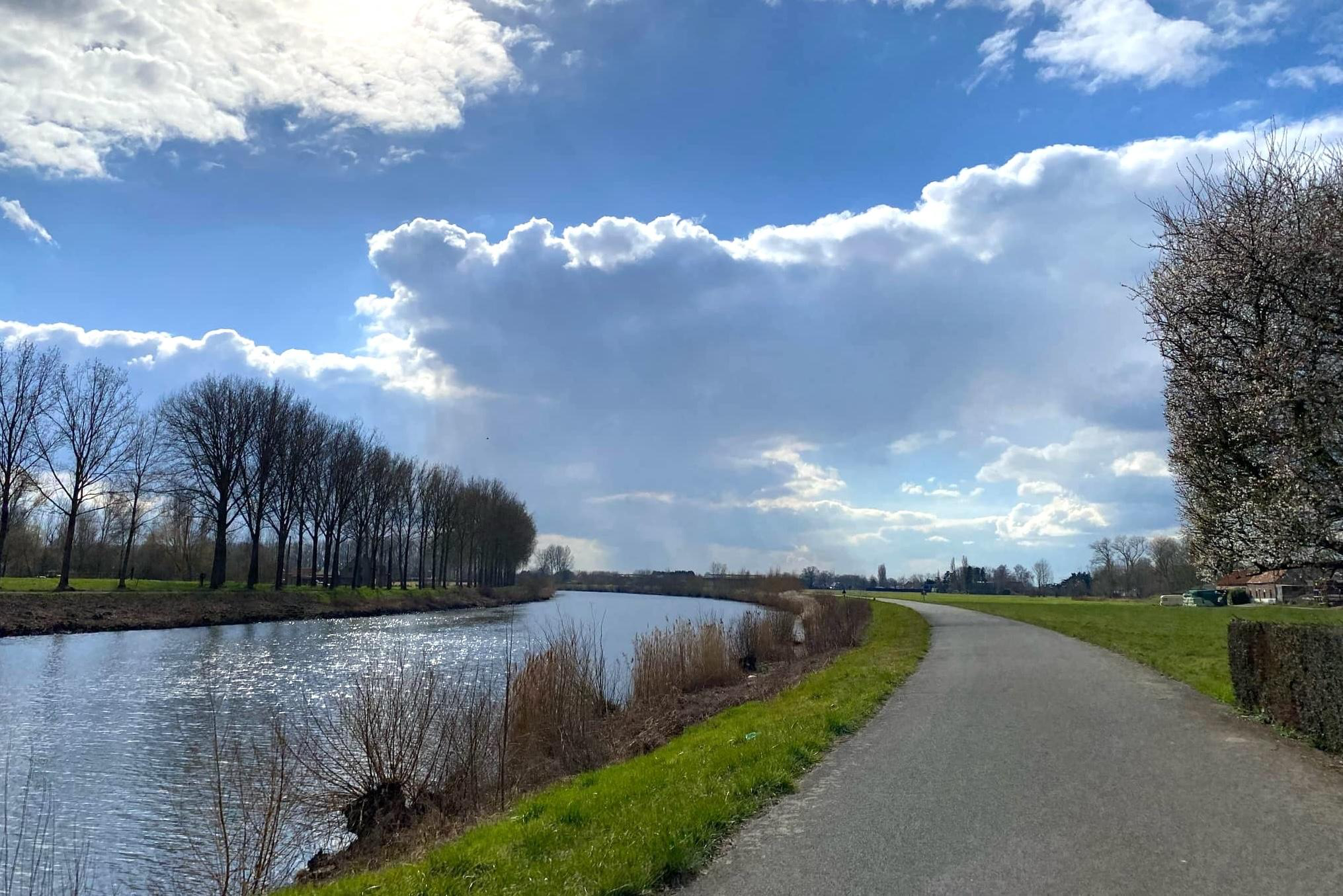
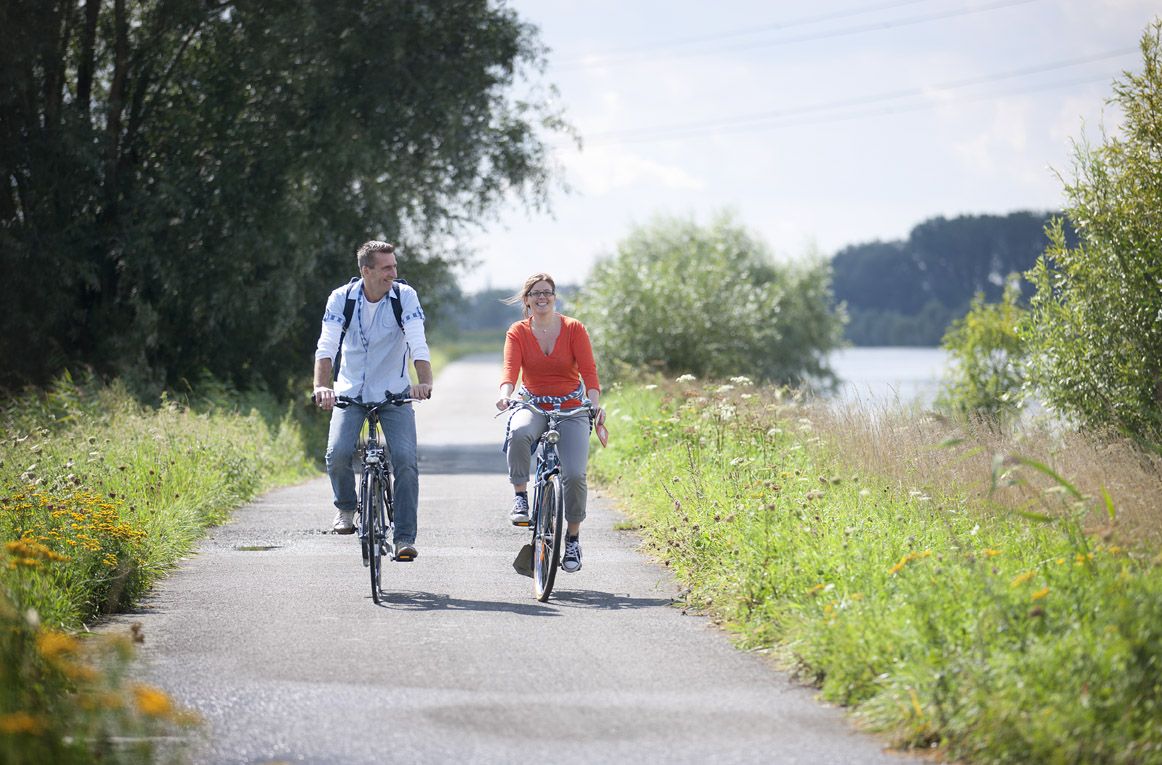
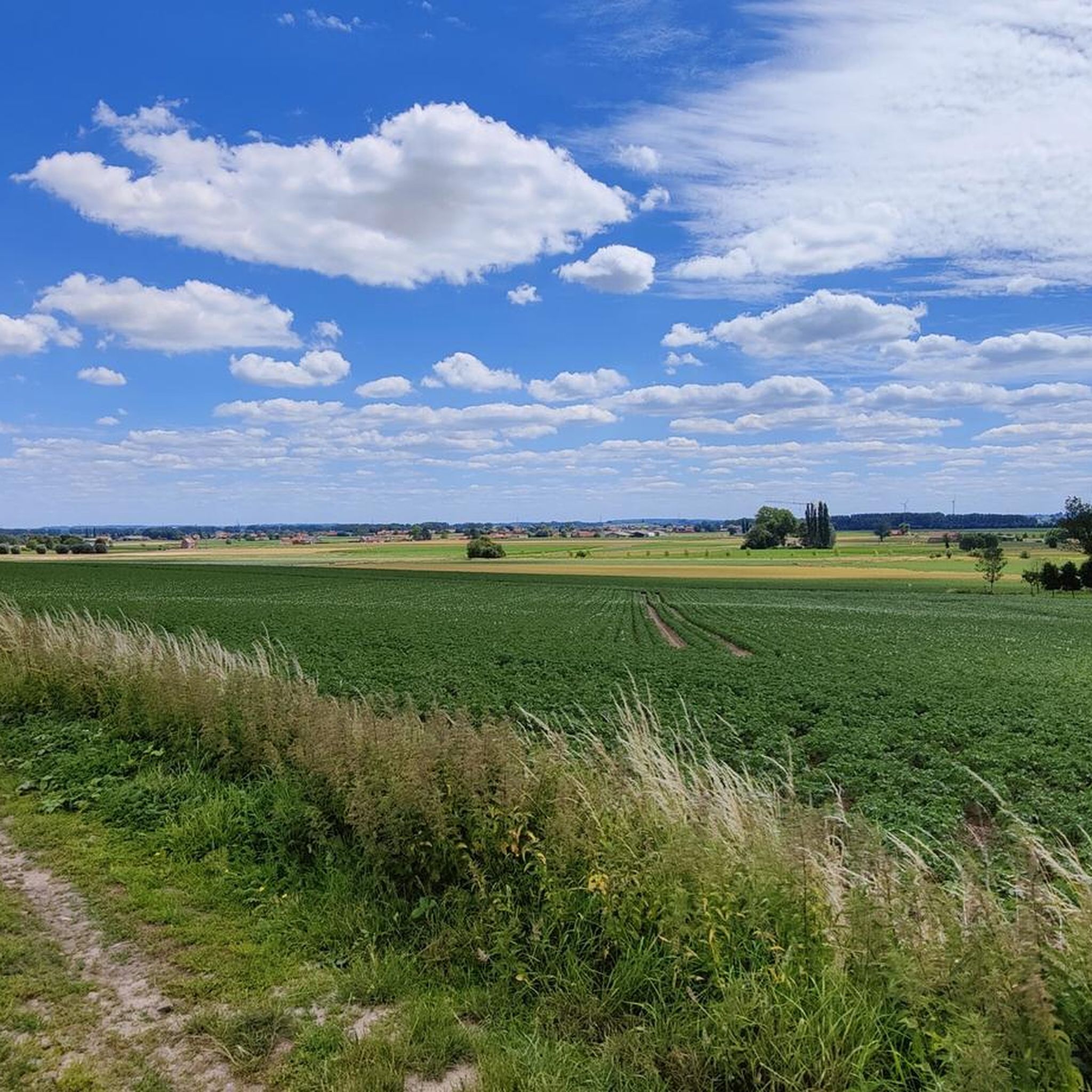
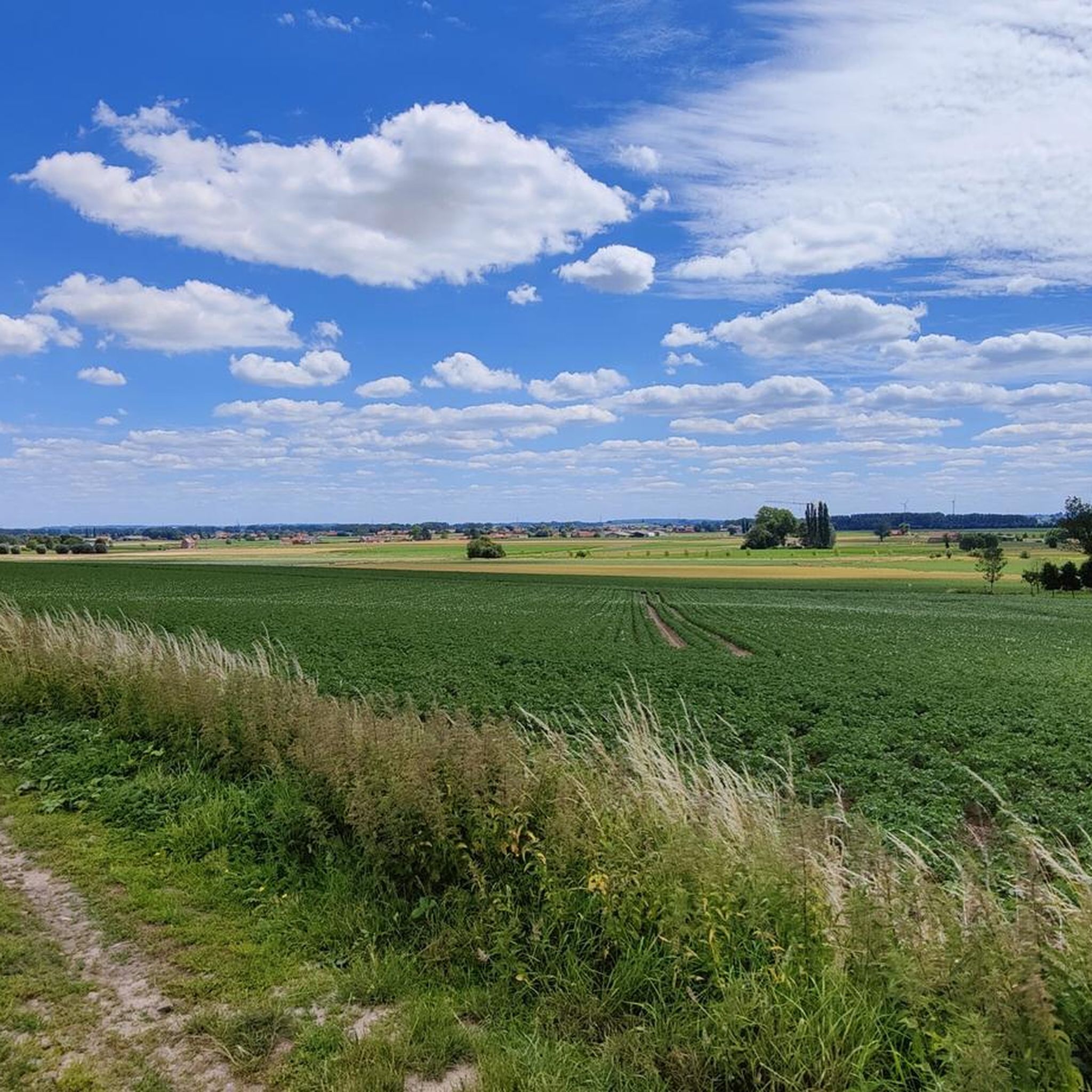
Hiking around Spiere-Helkijn offers exploration through a green, rural, and rolling terrain. The landscape is characterized by its varied and panoramic views, encompassing fields, wooded areas, and waterways. Key natural features include the Schelde river and the Spierekanaal, which provide tranquil routes. The region also incorporates old railway beddings and numerous field paths, forming an extensive network for outdoor activities.
Best hiking trails around Spiere-Helkijn
- The most popular hiking route is Trimaarzate Countryside Path – Under the Sun loop from…
Last updated: October 5, 2026
4.4
(40)
252
hikers
Moderate hike. Good fitness required. Easily-accessible paths. Suitable for all skill levels.
4.3
(7)
23
hikers
7.27km
01:50
10m
10m
Easy hike. Great for any fitness level. Easily-accessible paths. Suitable for all skill levels.

4.3
(6)
19
hikers
Easy hike. Great for any fitness level. Easily-accessible paths. Suitable for all skill levels.
4.3
(6)
15
hikers
Moderate hike. Good fitness required. Easily-accessible paths. Suitable for all skill levels.
5
hikers
Moderate hike. Good fitness required. Easily-accessible paths. Suitable for all skill levels.
Get access to more routes and recommendations from other explorers.
Already have an account?
Our route recommendations are based on thousands of hikes, rides, and runs completed by other people on komoot.
Start today with a free account
Your next adventure awaits.
Popular around Spiere-Helkijn



Tips from the Community

quiet and beautiful surroundings
0
0

Due to a breach in the wall near Ellestraat (approximately halfway along the canal), the canal completely emptied in 1959. The damage was later linked to the digging work of muskrats. (Wikipedia)
7
0
The vespabar is open from April to September on Wednesday afternoons and Saturdays, Sundays and holidays all day. In good weather during the Easter and summer holidays, we are open every day.
7
0

On April 22, 1944, the "Liberator K fort King", an American B-24 bomber, crashed here. Before that, the crew had managed to save themselves by parachute. Some were helped by the local resistance.
1
0

Tradition has it that the first church was built here around 650, consecrated by Saint Eloi himself. The first church in Helkijn was supposedly served by the monks of St. Martin's Abbey in Tournai. The patronage of the parish church belonged to the Bishop of Tournai, who was also the feudal lord and partial owner of the Lordship of Helkijn. The oldest verifiable church building dates from 1200. Archaeologists discovered the remains of a single-nave Romanesque structure made of Tournai stone in the substructure of the current St. John's Church. Due to its strategic location on the border between the County of Flanders and the French-aligned Tournai, Helkijn repeatedly played an important military role. Consequently, the church was destroyed many times. During the Nine Years' War between France and Austria (1688-1697), the church treasures were plundered, and in 1694, French troops burned the building to the ground. Thanks to a special subsidy from the Sun King (Louis XIV), likely due to the warm welcome he received at La Folie (see Maes farm), the church's reconstruction was completed in 1705. The brick bell tower was added to the complex in 1716. During the French Revolution, the church was closed and its contents sold at public auction. The church was destroyed again during the First World War. In 1990, the interior was completely restored with the support of the municipality, the diocese, and the King Baudouin Foundation. The interior is now the result of a compromise between contemporary elements, differentiated white walls, a soft blue choir canopy, and original 18th-century Baroque style. Church Treasures: A remarkable silver dish made in Bruges at the end of the 17th century; a stylish silver ceremonial staff, topped with a silver statuette depicting Saint John the Baptist. The patron saint of the church, Saint John the Baptist, is invoked against "vreze" (bad dreams) and is celebrated on June 24th. Source: www.spiere-helkijn.be
2
0
"The Ship Hunter" is a bluestone sculpture by Wilfried Gheysen and symbolizes the boat pullers or boat hunters (les satcheux) who towed boats along the towpath at the beginning of the last century. Near locks or waterway junctions (e.g., the Scheldt-Spiere Canal), skippers could hire a boat hunter who towed the boat on horseback or on foot. These were usually small farmers who lived nearby and were eager to earn some extra income. Source: spiere-helkijn.be
2
0
Until 1955, people used to swim here, but now it's a fascinating spot on your walking tour. You'll see the old pool with the original changing rooms and The Fisherman: a 10-meter-high sculpture by Tom Herck, previously displayed on the Grand Canal during the Venice Biennale. There's also a permanent outdoor exhibition. Eight artists were inspired by the former swimming pool and display their work on panels between the changing rooms, along with nostalgic archive photos. In the summer, relax at the summer bar and linger a little longer. Fun fact: in 1935, a water purification testing factory stood here. King Leopold III even visited. The project was canceled, and the pool closed in 1955, but it did receive protected monument status. Source: www.toerisme-leiestreek.be
2
0
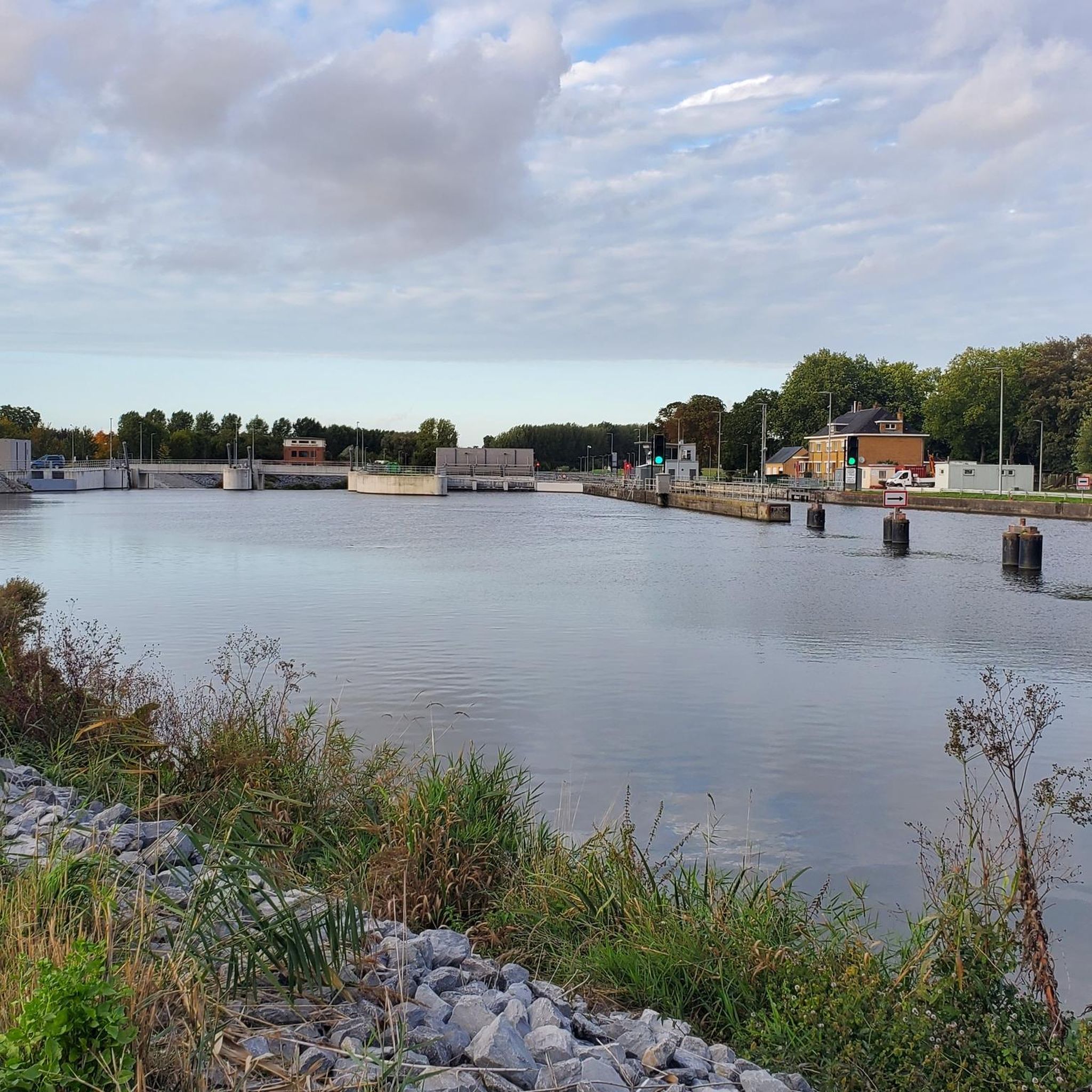
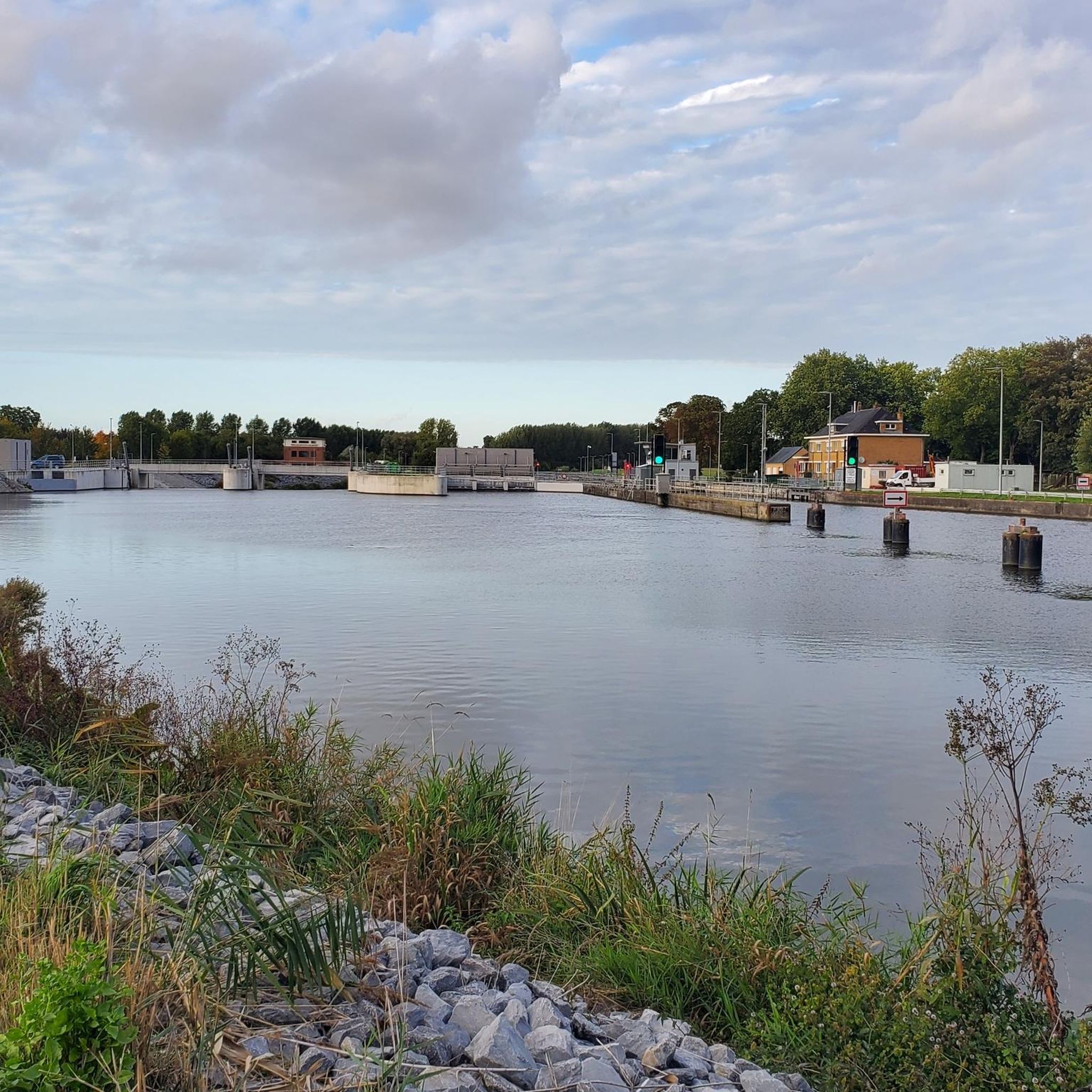
The Spiere lock was built around 1920. It spans a height difference of two meters. The structure can accommodate six small vessels at once. Although the maximum tonnage is 1350, vessels up to 1800 tons can also be accommodated in exceptional circumstances. Source: www.spiere-helkijn.be
2
0
Frequently Asked Questions
How many hiking trails are available in Spiere-Helkijn?
Spiere-Helkijn offers a comprehensive network of over 35 hiking routes. These trails cater to various preferences, ranging from easy strolls to more challenging excursions through the region's diverse landscapes.
What is the best time of year to hike in Spiere-Helkijn?
The varied landscape of Spiere-Helkijn, with its fields, wooded areas, and waterways, is enjoyable throughout the year. Spring and autumn offer pleasant temperatures and vibrant scenery, while summer allows for longer days. Even in winter, the rural paths and canal towpaths provide tranquil walking opportunities.
What do other hikers say about the trails in Spiere-Helkijn?
The hiking routes in Spiere-Helkijn are highly regarded by the komoot community, boasting an average rating of 4.6 stars from over 120 reviews. Hikers frequently praise the region's varied and panoramic views, the tranquility of paths along the Schelde and Spierekanaal, and the well-maintained nature of the trails.
Are there easy hiking trails suitable for beginners or families in Spiere-Helkijn?
Yes, Spiere-Helkijn has 13 easy hiking trails perfect for beginners or families. These routes often follow well-maintained field paths and towpaths, offering gentle terrain. An example is the Old Swimming Pool of Spiere-Helkijn – Mont-de-l'Enclus Village loop, which is 7.7 km long and explores the Schelde river area and local villages.
Are there any challenging hikes in Spiere-Helkijn?
While much of Spiere-Helkijn features rolling terrain, there are 5 routes classified as difficult for those seeking more of a challenge. These might involve longer distances or slightly more varied elevation. The region's extensive network, including parts of the 'wandelnetwerk Land van Mortagne', offers options for hikers looking to push themselves further.
Can I find circular hiking routes in Spiere-Helkijn?
Many of the hiking routes in Spiere-Helkijn are designed as circular loops, allowing you to start and end at the same point. This includes popular options like the Old Swimming Pool of Spiere-Helkijn – Jacquetbosstraat Cobbled Road loop, which is a 10 km moderate path exploring historical sites and cobbled roads.
Can I hike with my dog in Spiere-Helkijn?
Yes, many of the trails in Spiere-Helkijn are suitable for hiking with dogs. The region's rural character, with its field paths and towpaths along the Schelde and Spierekanaal, provides ample space for dogs to enjoy the outdoors. Always ensure your dog is under control and respect local regulations regarding leashes, especially near livestock or protected areas.
What kind of wildlife can I expect to see while hiking in Spiere-Helkijn?
The diverse landscapes of Spiere-Helkijn, particularly along the Zwarte Spierebeek and Spierekanaal, are rich in flora and fauna. Hikers can often spot various bird species, small mammals, and a wide array of plant life, especially in the wooded areas and along the waterways. The ecological flower meadow also offers a vibrant display of nature.
Are there any historical sites or landmarks to see along the trails?
Yes, Spiere-Helkijn has several points of interest. Along the towpath of the Schelde, you can discover the site of a former open-air swimming pool that operated until 1955. The region also incorporates old railway beddings, which now serve as pleasant walking paths. For broader historical context, you can explore nearby castles such as Ruins of la Royère castle or Kasteel van Bossuit.
Is there parking available at the trailheads in Spiere-Helkijn?
While specific parking details vary by trailhead, Spiere-Helkijn is generally well-equipped for visitors arriving by car. Many routes, especially those starting from villages or popular recreational spots, will have designated parking areas. It's advisable to check the starting point of your chosen route for the most accurate parking information.
Are there any places to eat or drink near the hiking trails?
Spiere-Helkijn, being a rural region with local villages, offers opportunities to find cafes or eateries. While not every trailhead will have a cafe directly adjacent, many routes pass through or near villages where you can find refreshments. The towpaths along the Schelde also provide unexpected stops, some of which may include local establishments.
Are there any longer distance trails for experienced hikers?
Yes, for those looking for longer excursions, Spiere-Helkijn is part of the broader 'wandelnetwerk Land van Mortagne', which offers over 150 kilometers of trails. While individual komoot routes might be shorter, you can combine segments of these networks to create longer, more extensive hikes. The Trimaarzate Countryside Path – Under the Sun loop is a good starting point at 12.7 km.
Most popular routes around Spiere-Helkijn
Most popular attractions around Spiere-Helkijn

Get inspired with the komoot mobile app


Explore more
Browse the best Hikes in other regions.
