Top 20 Castles around Niel
Castles around Niel offer a glimpse into Belgium's rich past, with several historically significant structures located in the surrounding region. The area features a mix of architectural styles, from neo-Gothic castles to remnants of medieval fortresses. These sites are often nestled within scenic landscapes, including river branches and expansive parks. Visitors can explore centuries of history and enjoy the natural environment.
Best castles around Niel
- The most popular castles is Wissekerke Castle, a castle that features an imposing façade…
Last updated: July 1, 2026
Fort Steendorp
Highlight • Historical Site
Translated by Google •
Tip by

Wissekerke Castle
Highlight • Castle
Translated by Google •
Tip by
Sign up now to discover places like this
Get recommendations on the best single tracks, peaks, & plenty of other exciting outdoor places.
Sign up for free
Graventoren - Rupelmonde
Highlight • Monument
Translated by Google •
Tip by
Fort Liezele
Highlight • Historical Site
Translated by Google •
Tip by
Bornem Castle
Highlight • Castle
Translated by Google •
Tip by

Sign up for free to discover even more castles around Niel.
Sign up for free
Already have an account?
Start today with a free account
Your next adventure awaits.
Login or Signup
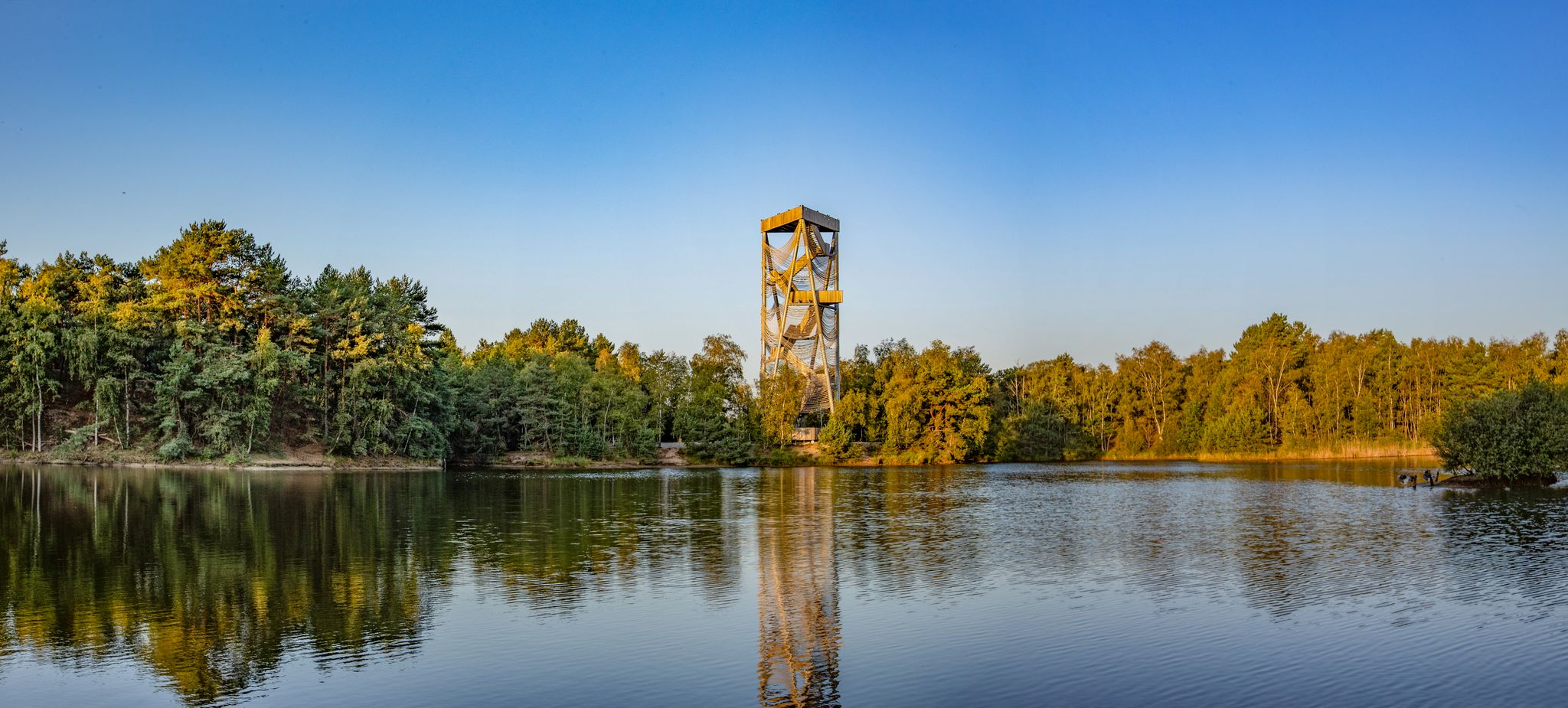
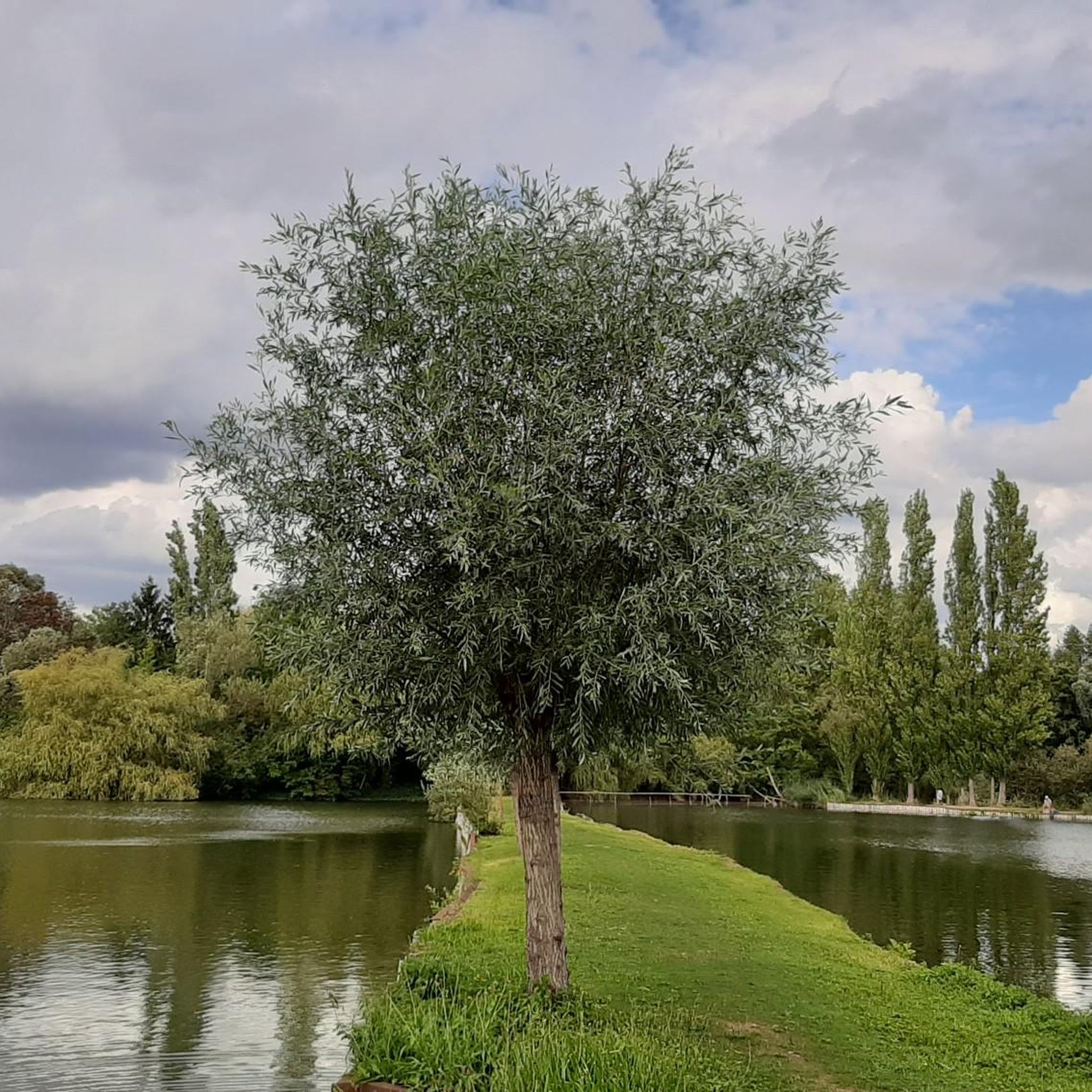
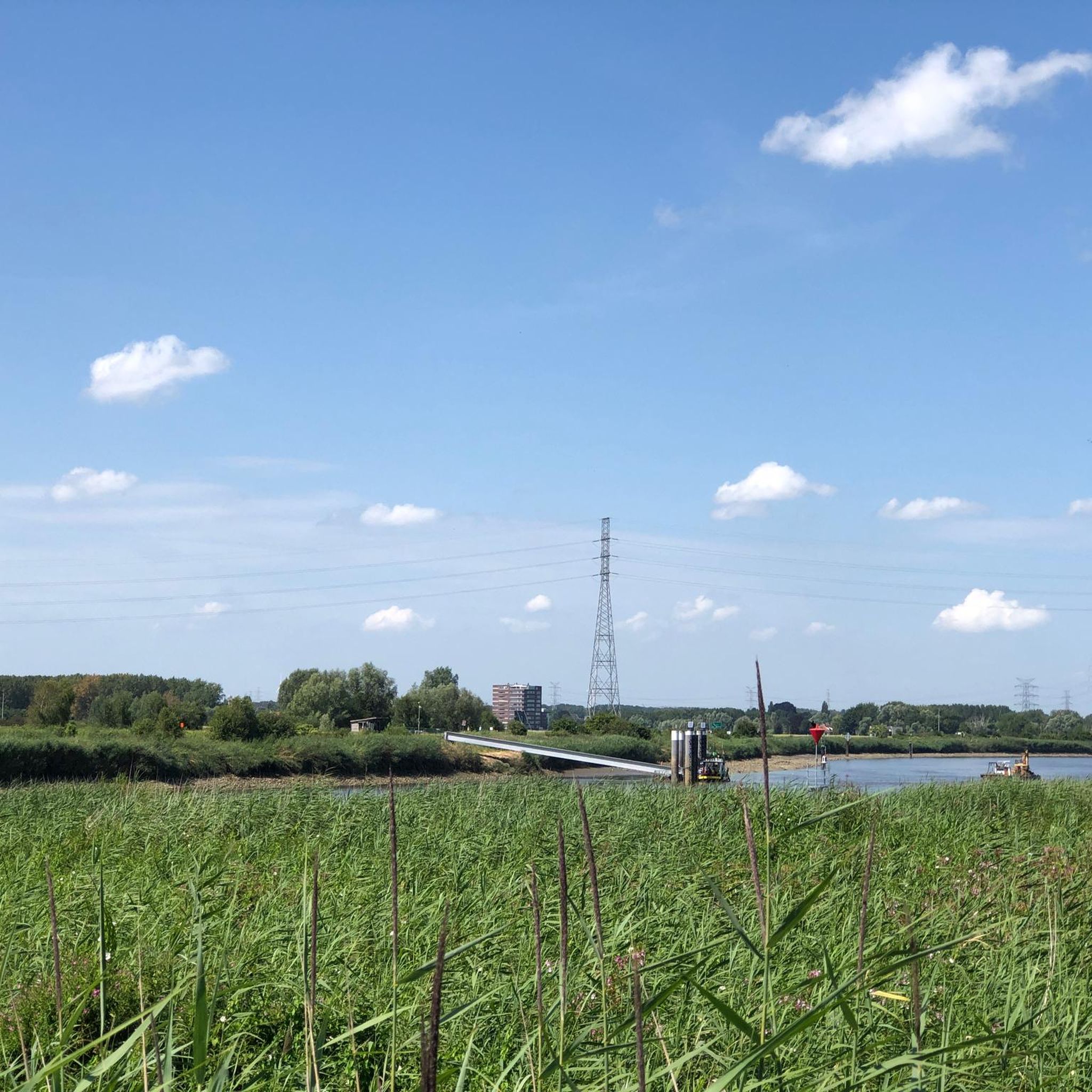
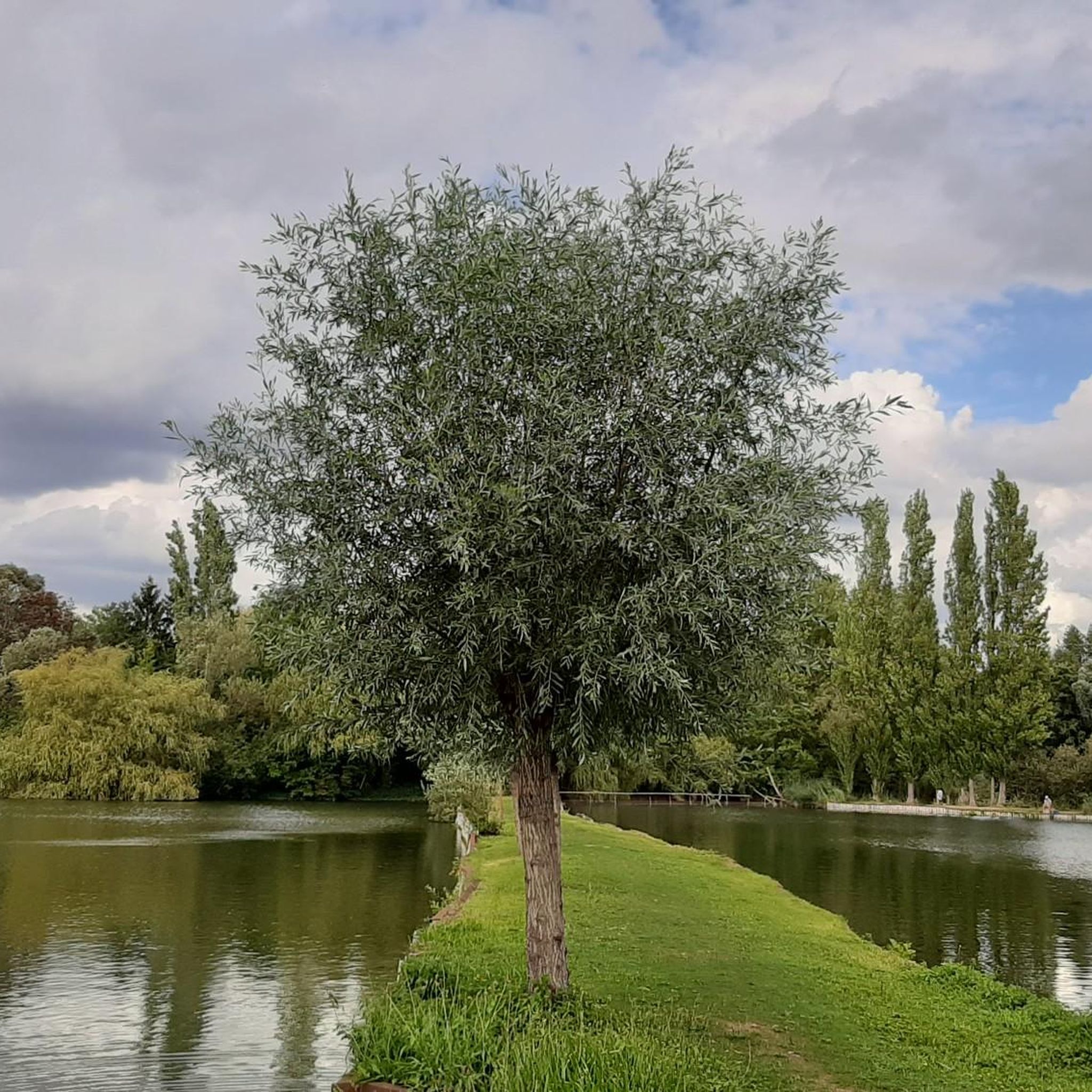
Other adventures around Niel

Tips from the Community

The castle was built by the Spanish nobleman Don Pedro Coloma and still exudes its former grandeur. Philippe de Marnix, Lord of Sainte Aldegonde, was the right-hand man of Prince William of Orange. He played a key role during the siege and fall of Antwerp in 1585 while mayor of the city. He is also mentioned as a possible author of the Wilhelmus, the Dutch national anthem.
7
0

Few buildings in the Waasland region hold such a mythical allure as the Graventoren (Counts' Tower) in Rupelmonde. The names associated with it certainly contribute to that. This tower, for example, is the remnant of a moated castle with no fewer than 17 towers, once owned by the Counts of Flanders. This colossal fortress protected the Scheldt River from attackers and conquerors. Mercator's Dungeon Mercator also plays a key role in this story. When he shared his revolutionary insights with the world, he was promptly sent to the dungeon by the church authorities. Guess where that dungeon was located? Exactly, in the cellars of the Graventoren. Here he was imprisoned for seven months, accused of heresy. A Bloody History Mercator, however, was not the only one to enter the cellars of the moated castle. Many dissidents suffered the same fate, and often worse. A stay in the dungeons of the Graventoren (Counts' Tower) often ended with a bloody decapitation. While the Counts of Flanders may have enjoyed legendary status in history, they were certainly not gentlemen. Count Robert of Bethune once even threw his own son in jail here, accused of high treason. A kind of chamber arrest before its time, you might say. At the end of the 17th century, the moated castle came to an end. The fortress was drastically destroyed, and the rubble was reused for other buildings. For example, the church of Rupelmonde was built with materials from the castle ruins.
9
0

Unfortunately the tower was not open, but it is still a beautiful site to walk past. A nice surprise and definitely worth taking a detour from your route.
3
1

Remains of the 12th century moated castle built by the Counts of Flanders to defend the Scheldt and the Rupel.
4
0

More information about the fort can be found at: https://www.fortliezele.be
8
0
For individual visits: From 1 April to 30 September and during school holidays Every Friday, Saturday, Sunday and Monday from 1:00 PM to 5:00 PM The castle and the castle garden are only accessible with a guide Reservations are recommended (https://www.kasteelvanbornem.be/bezoek/)
13
0

beautiful environment in the middle of nature
4
1
Frequently Asked Questions
Which castles around Niel offer the best panoramic views?
For unparalleled 360-degree panoramic views of Rupelmonde and the expansive Schelde region, climb the Graventoren - Rupelmonde. This historic tower, also known as the Count's Tower, stands at an elevation of 48 meters and is highly recommended for its unique vistas.
Are there family-friendly castles to visit near Niel?
Yes, Wissekerke Castle offers an interactive journey through history with projections, audio stories, and a digital quiz, including tailored audio guides for children. The surrounding English landscape park is also ideal for walks and picnics. Additionally, Fort Liezele features a barefoot path along its fort pond, providing fun for all ages.
What are the opening hours and best times to visit the castles?
Bornem Castle is typically open to the public on specific days, including August 15th and certain Sundays in August and September. The Graventoren - Rupelmonde is generally open on Saturdays and Sundays from April to September. For Wissekerke Castle, it's best to check their website for current visiting hours as they can vary. Visiting during spring or early autumn often provides pleasant weather for exploring both the castles and their surrounding parks.
Are there any wheelchair-accessible castles or facilities nearby?
Wissekerke Castle has a main castle grounds that are wheelchair accessible, and digital access is provided for rooms inside the castle that are not physically accessible. Bornem Castle also features a modern, wheelchair-friendly visitor center. Fort Liezele is also noted as wheelchair accessible.
Can I find cafes or pubs near the castles around Niel?
Yes, the area around the Graventoren - Rupelmonde and the adjacent tidal mill provides a pleasant atmosphere with cafes and terraces. The surrounding villages near Wissekerke Castle and Bornem Castle also offer local establishments where you can enjoy refreshments.
What kind of historical artifacts or collections can I see in these castles?
Bornem Castle houses exquisite 18th-century furnishings, historical paintings, impressive porcelain collections, and the world's largest private collection of engravings by Pieter Bruegel the Elder. It also features a carriage museum with a unique private collection of antique carriages. Wissekerke Castle's interiors include an Egyptian room and a salon in Empire style. At the Graventoren - Rupelmonde, you'll find an exhibition titled 'The Secrets of the Count's Castle,' with prints, maps, and a 3D reconstruction of the former fortress.
Are there opportunities for walking or cycling around the castles?
Absolutely. The estate surrounding Bornem Castle offers a pleasant environment for walks. Wissekerke Castle is surrounded by an English landscape park perfect for walks and picnics, and it's close to the Polders of Kruibeke, a beautiful natural area. The area around the Graventoren - Rupelmonde is also great for walking and cycling. For more extensive cycling routes, you can explore the Road Cycling Routes around Niel.
What outdoor activities can I do near these castles?
Beyond exploring the castles, the region offers various outdoor activities. You can find numerous MTB Trails around Niel, including routes like 'Green Pool – Graventoren - Rupelmonde loop'. There are also several Running Trails around Niel, such as the 'Rupeldijk Niel–Schelle – Along the Rupel loop'. The castle parks themselves provide excellent opportunities for leisurely walks.
Is there parking available at the castles?
While specific details on free parking for all castles are not always provided, Fort Liezele is noted to have parking facilities. For Wissekerke Castle, Bornem Castle, and Graventoren - Rupelmonde, it's advisable to check their official websites or local signage upon arrival for parking options.
What makes Wissekerke Castle unique?
Wissekerke Castle is notable for its elegant suspension bridge, one of the oldest surviving wrought-iron suspension bridges in Europe, designed in 1824. Its history dates back to the 10th century, though its current neo-Gothic appearance is largely from 19th-century renovations. The castle also features an Egyptian room and a salon in Empire style, and its grounds are surrounded by an English landscape park with ancient trees.
Can I visit other historical sites or forts in the Niel area?
Yes, in addition to the castles, you can explore other significant historical sites. Fort Steendorp, a 19th-century brick fort, is now a nature reserve and bat sanctuary with a 1.6 km walking trail around its walls. Fort Liezele, another historical fort, is undergoing renovation to offer an interactive museum experience.
What is the historical significance of the Graventoren - Rupelmonde?
The Graventoren - Rupelmonde is the last remnant of a 12th-century water fortress built by the Counts of Flanders to guard the Schelde and Rupel rivers. It served as a state prison, famously holding the cartographer Gerard Mercator in 1544 on charges of heresy. The tower's lower part features original Tournai limestone and spit-arch windows, offering a tangible link to centuries of history.
Most popular attractions around Niel

Get inspired with the komoot mobile app


Explore more
Looking for the best castles somewhere else? Discover other guides around Niel:
