The best walks and hikes around Hoeilaart
4.5
(897)
4,733
hikers
109
hikes
Hiking around Hoeilaart offers access to the extensive Sonian Forest, a significant natural feature characterized by ancient trees, tranquil ponds, and meandering brooks. The region provides a diverse landscape with both wide avenues and narrow trails. Elevation changes are generally gentle, with hills rather than mountains, making it suitable for varied hiking experiences.
Best hiking trails around Hoeilaart
- The most popular hiking route is Treinstapper from Groenendaal to Halle, a difficult 14.6 miles (23.5 km) trail that takes 6…
Last updated: May 9, 2026
4.6
(66)
264
hikers
23.5km
06:12
200m
260m
Hard hike. Very good fitness required. Easily-accessible paths. Suitable for all skill levels.
4.3
(74)
295
hikers
Hard hike. Very good fitness required. Easily-accessible paths. Suitable for all skill levels.

Sign up for free
4.8
(27)
102
hikers
10.3km
02:41
70m
70m
Moderate hike. Good fitness required. Easily-accessible paths. Suitable for all skill levels.
4.8
(13)
73
hikers
18.1km
04:48
170m
170m
Moderate hike. Good fitness required. Easily-accessible paths. Suitable for all skill levels.
4.5
(15)
73
hikers
Easy hike. Great for any fitness level. Easily-accessible paths. Suitable for all skill levels.
Get access to more routes and recommendations from other explorers.
Sign up for free
Already have an account?
Our route recommendations are based on thousands of hikes, rides, and runs completed by other people on komoot.
Start today with a free account
Your next adventure awaits.
Login or Signup
Popular around Hoeilaart
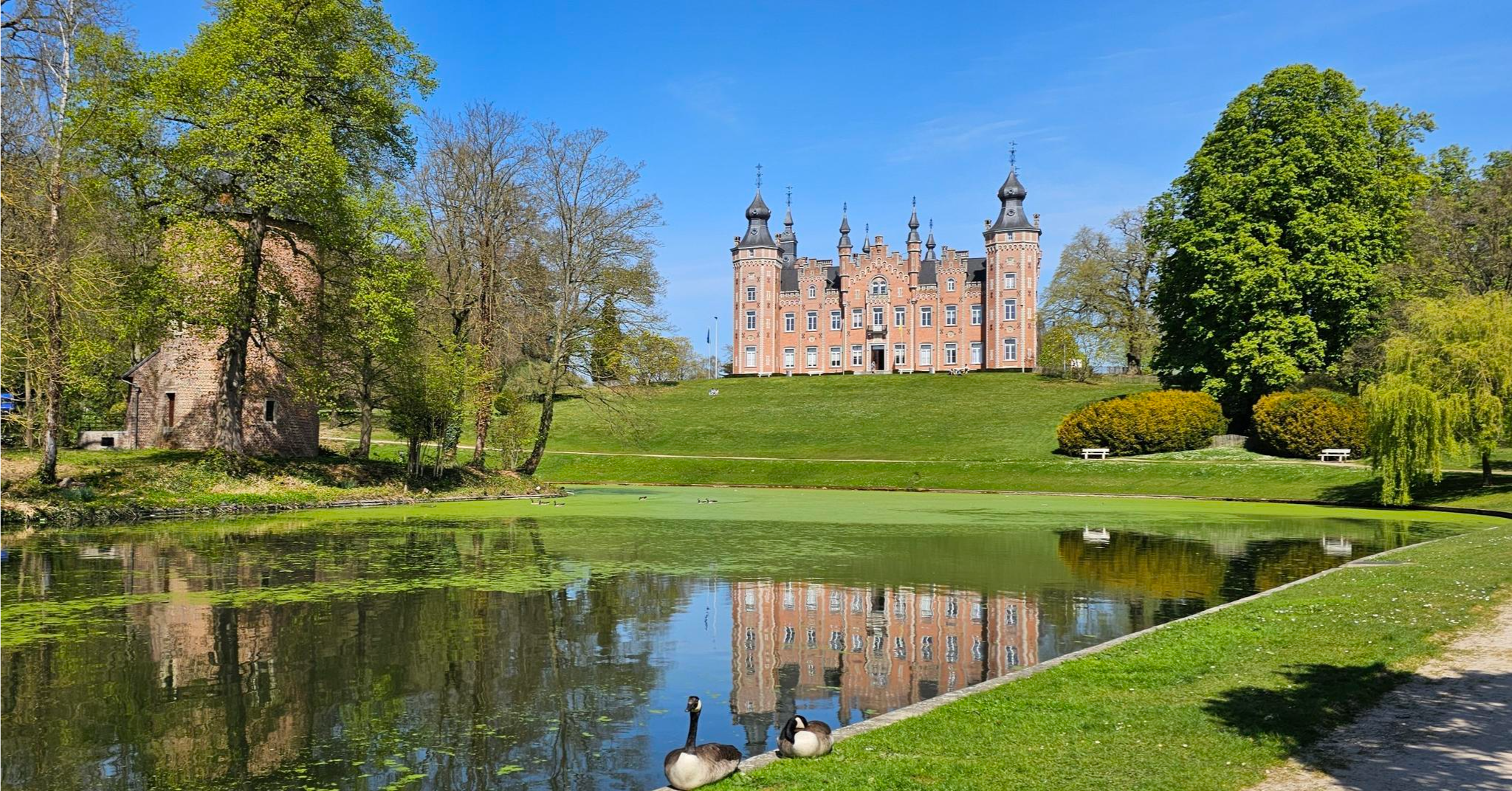
Tour around Brussels – Streek-GR Groene Gordel
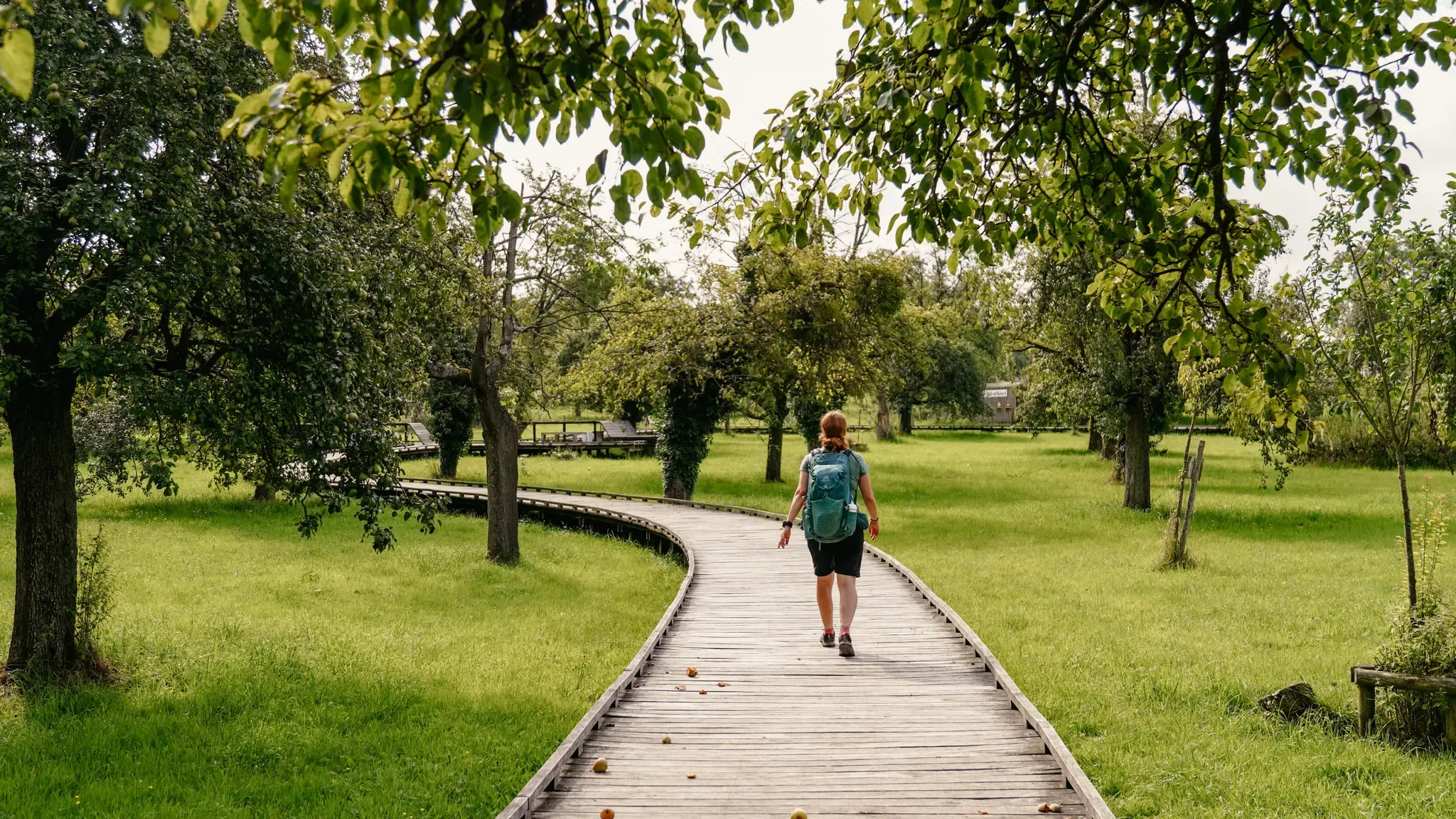
Hiking in Flanders – between dunes, forest and the scenic Meuse
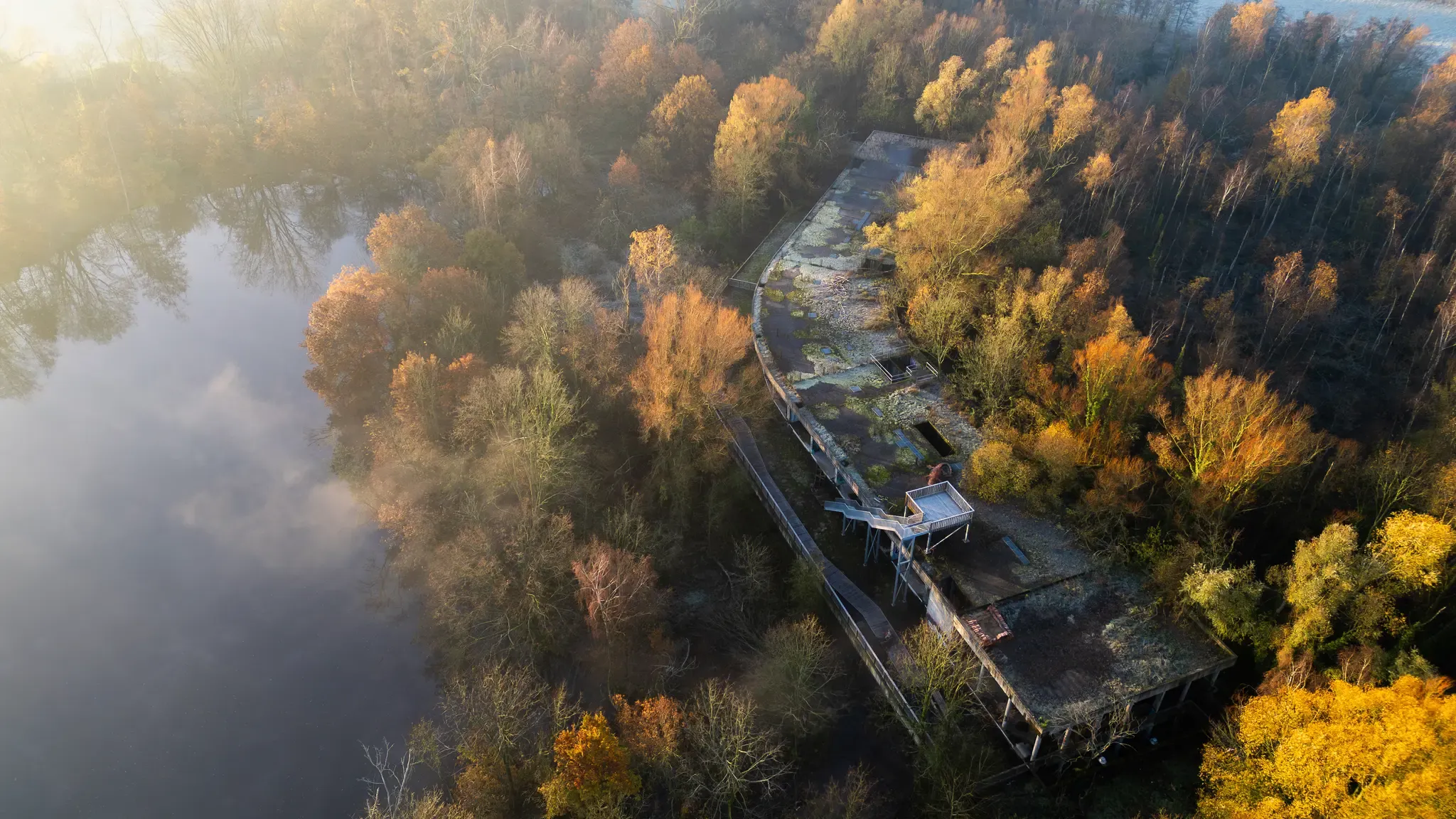
Treinstappers – from station to station in Flanders
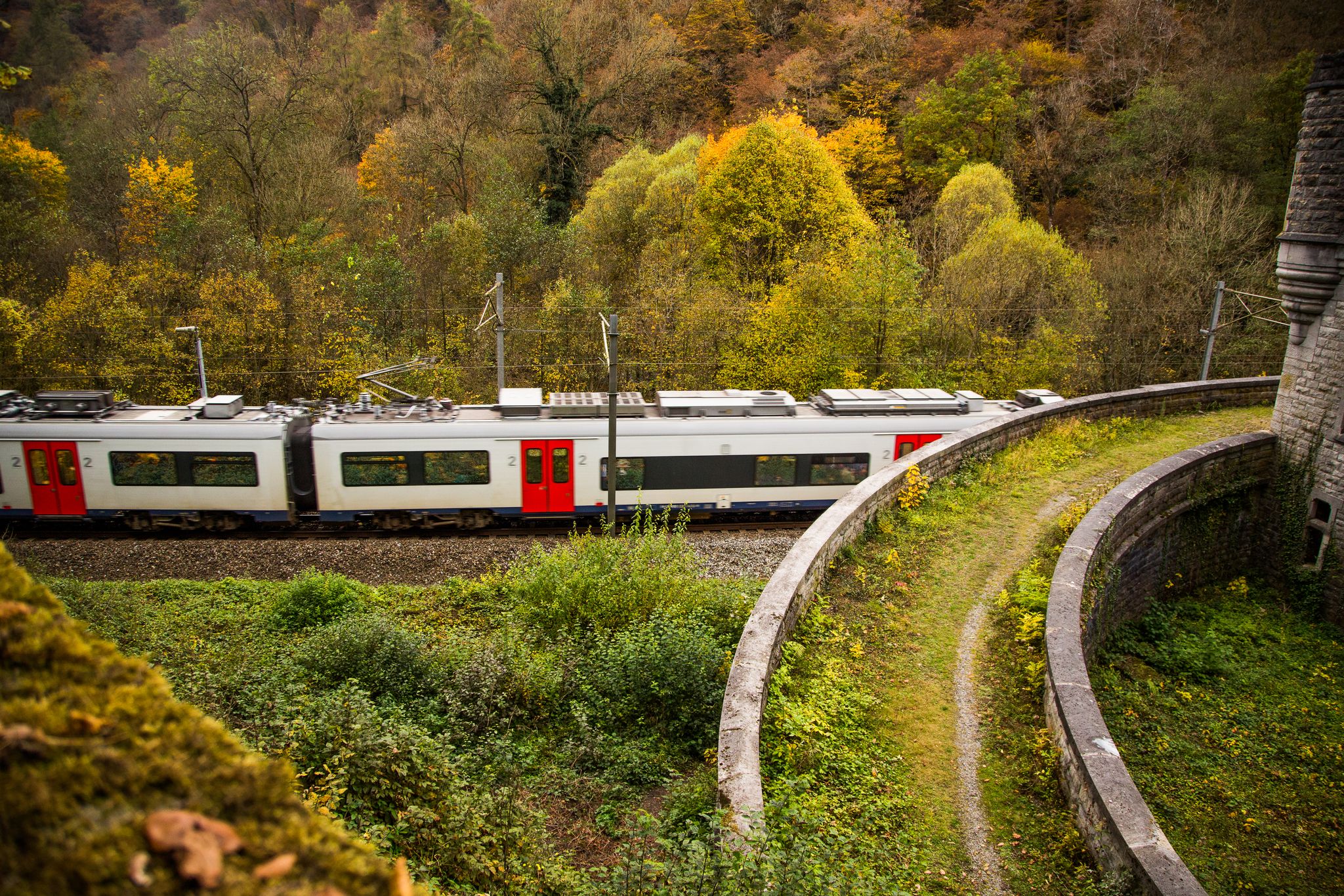
Exploring Belgium’s Wallonia — 8 hikes from station to station
Flanders' Finest Cycle Routes: routes to discover Flemish nature and heritage
Running Trails around Hoeilaart
Road Cycling Routes around Hoeilaart
Cycling around Hoeilaart
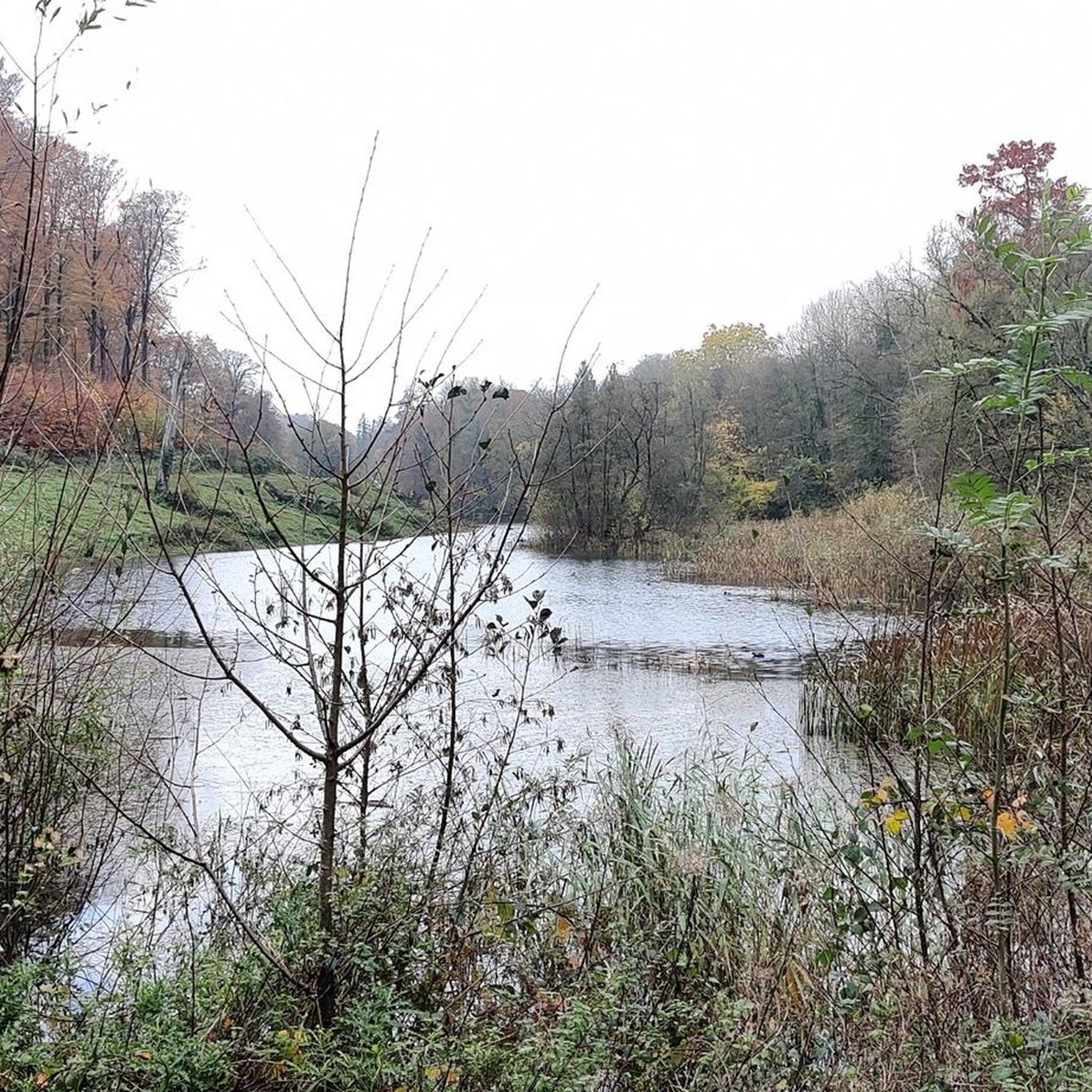
MTB Trails around Hoeilaart
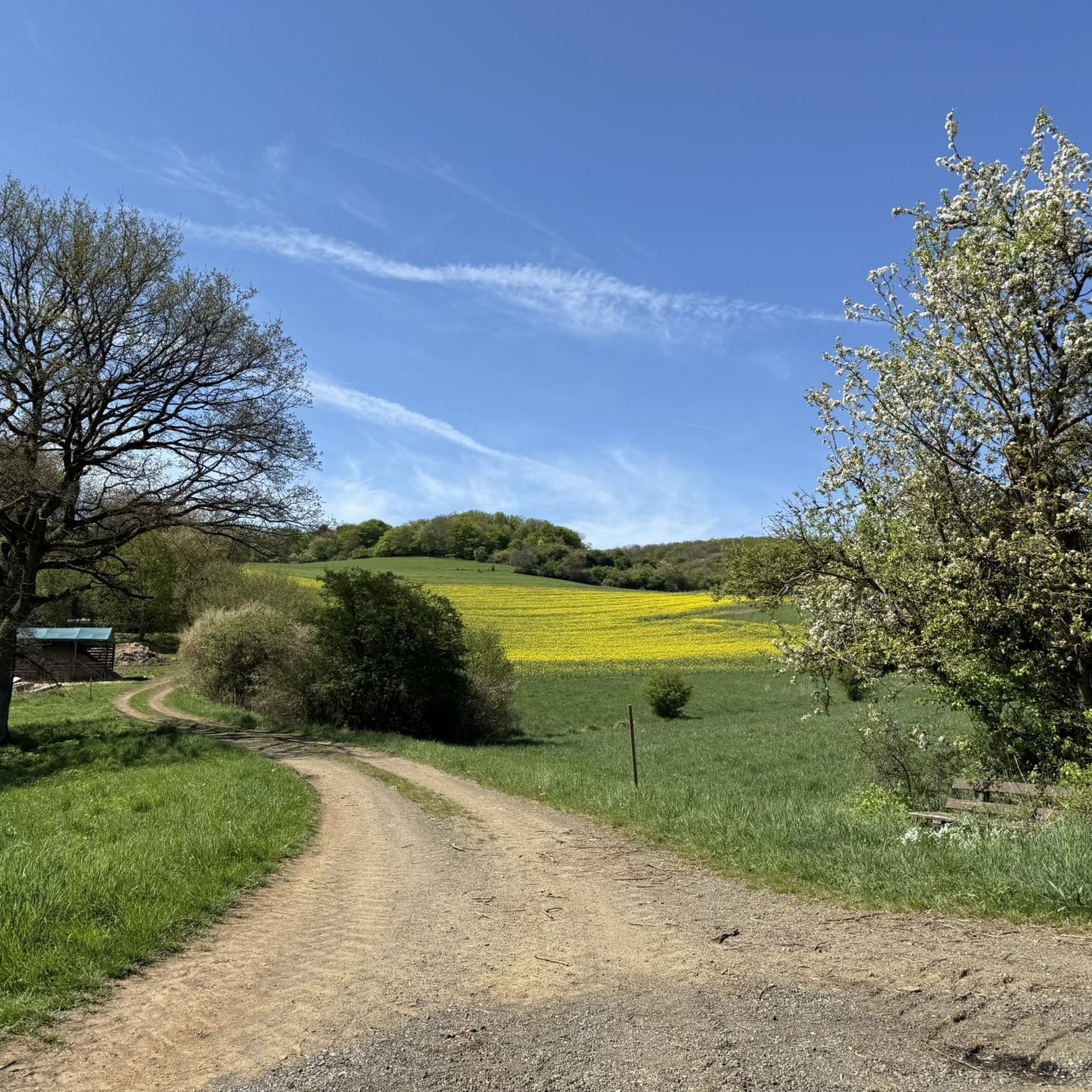
Gravel biking around Hoeilaart
Other adventures around Hoeilaart


Tips from the Community

The most visible of Dzia's works at the station. Look for the others too. For those who don't know Dzia: some time ago an article appeared in OKV (Openbaar Kunstbezit Vlaanderen) with a photo of a work here at the station and the following description of Dzia: "Dzia is also passionate about animals. He mainly depicts wild animals. Foxes and birds seem to be recurring favorites. His unique style creates a mosaic of colors that follows the contours and shapes of the animal. In his more recent work, he adds tonal shading within each defined area, enhancing a sense of volume. His work tries to give animals a place back in an urban environment. The locations of his murals are carefully chosen and he positions his colorful animals in such a way that a playful interaction with the surroundings is created." And you can find that 40-page dossier on street art in Flemish cities at https://www.okv.be/sites/default/files/2020-09/Street%20art%20in%20Vlaamse%20steden.pdf
4
0
A series of beautiful works by Dzia that have been there for some time, see https://www.ringtv.be/cultuur-beeldende-kunst/graffitikunstenaar-smukt-treinstation-groenendaal-op The colorful little birds are a bit newer, though, see https://www.instagram.com/p/DKKVbl6oZ5M/ And if you are in Groenendaal and like Dzia's work, also take a look at what he did with the ecoduct: https://www.werkenaandering.be/nl/lees-mee/nieuws/beestige-graffiti-kleurt-ecoduct-groenendaal For those who don't know Dzia: some time ago an article appeared in OKV (Openbaar Kunstbezit Vlaanderen) about street art in Flemish cities with a photo of a work that you find here at the station and the following description by Dzia: "Dzia is also passionate about animals. He mainly depicts wild animals. Foxes and birds seem to be recurring favorites. His unique style creates a mosaic of colors that follows the contours and shapes of the animal. In his more recent work, he adds tonal shading within each defined area, which enhances the sense of volume. His work tries to give animals a place in an urban environment again. The locations of his murals are carefully chosen and he positions his colorful animals in such a way that a playful interaction with the surroundings is created." And you can find this 40-page dossier on street art in Flemish cities at https://www.okv.be/sites/default/files/2020-09/Street%20art%20in%20Vlaamse%20steden.pdf
5
0
A series of beautiful works by Dzia that have been there for a while, see: https://www.ringtv.be/cultuur-beeldende-kunst/graffitikunstenaar-smukt-treinstation-groenendaal-op The colourful birds are however a bit newer, see: https://www.instagram.com/p/DKKVbl6oZ5M/ And if you are in Groenendaal and like Dzia's work, also check out what he did with the ecoduct: https://www.werkenaandering.be/nl/lees-mee/nieuws/beestige-graffiti-kleurt-ecoduct-groenendaal For those who don't know Dzia: some time ago an article appeared in OKV (Openbaar Kunstbezit Vlaanderen) about street art in Flemish cities with a photo of a work that you find here at the station and the following description of Dzia: "Dzia is also passionate about animals. He mainly depicts wild animals. Foxes and birds seem to be recurring favourites. His unique style creates a mosaic of colours that follow the contours and shapes of the animal. In his more recent work, he adds tonal shading within each defined area, which enhances the sense of volume. His work tries to give animals a place in an urban environment again. The locations of his murals are carefully chosen and he positions his colourful animals in such a way that a playful interaction with the environment arises." And this 40-page dossier on street art in Flemish cities can be found at: https://www.okv.be/sites/default/files/2020-09/Street%20art%20in%20Vlaamse%20steden.pdf
7
0
At the Koningsvijvers there is one of the few bald cypresses in the Sonian Forest. It has been planted on the edge of the grassy hollow as an eye-catcher. Inventory Immovable Heritage: Bald Cypress Koningsvijvers, https://id.erfgoed.net/erfgoedobjecten/304789 As you can see from the photos, the beaver also knows how to find the ponds.
5
0
A section is currently inaccessible because they want to purify the water that flows into the Ijse. You can, however, explore the small stream and the valley's structure via a small path in this corner, which is located a bit further from the main paths.
3
0
On the IJse, which springs from the Zoniënwoud, lies a series of five ponds. Until the 18th century, these ponds were owned by the priory of Groenendaal. After the dissolution of the monastery in 1783, maintenance of the ponds declined, causing them to silt up in the course of the 19th century. King Leopold II (hence the name Koningsvijvers gradually emerged) who harbored grand plans for the spatial development of his capital Brussels, set his sights on the ponds on the edge of the Zoniënwoud near Hoeilaart. For the construction of the ponds east of Sint-Jansberglaan, the land had to be purchased first. The Belgian state acquired the grounds in 1903, while work on the ponds had already started in 1902! Despite the enormous earthmoving required to excavate the silted-up ponds, the contractor delivered the works as early as January 1903. The new ponds would henceforth be known to the public as the Koningsvijvers. The intervention ensured that not only the ponds, but also the surrounding environment was added back to the Zoniënwoud. Inventory of Immovable Heritage: Ponds of the priory Groenendaal, https://id.erfgoed.net/erfgoedobjecten/310121
5
0
On the IJse, which springs from the Zoniënwoud, lies a series of five ponds. Until the 18th century, these ponds belonged to the priory of Groenendaal. After the dissolution of the monastery in 1783, maintenance of the ponds dwindled, causing them to silt up in the course of the 19th century. King Leopold II (hence the name Koningsvijvers gradually emerged) who harbored grand plans for the spatial development of his capital Brussels, set his sights on the ponds on the edge of the Zoniënwoud near Hoeilaart. For the construction of the ponds east of Sint-Jansberglaan, the land had to be purchased first. The Belgian state acquired the grounds in 1903, while work on the ponds had already started in 1902! Despite the enormous earthmoving required to excavate the silted-up ponds, the contractor delivered the works as early as January 1903. The new ponds would henceforth be known to the public as the Koningsvijvers. The intervention ensured that not only the ponds, but also the surrounding environment was added back to the Zoniënwoud. Inventory of Immovable Heritage: Ponds of the priory Groenendaal, https://id.erfgoed.net/erfgoedobjecten/310121
5
0
The Groenendaal racecourse was built in 1888-1889 on the initiative of Leopold II in the middle of the Sonian Forest, next to the road to Waterloo, and in 1892, as part of easy access, it received its own railway connection to Groenendaal station. To realize this racecourse, approximately 100 hectares of forest were cleared at the end of the 19th century. King Leopold II had his own box there, located between two metal grandstands for the public. After the First World War, this area was used for the dismantling of weapons and ammunition left behind in the Westhoek. German prisoners of war had to clear mines under the supervision of the Belgian army. During a fire and the subsequent explosions of ammunition on May 6, 1919, the hippodrome's grandstands and buildings were heavily damaged. After another explosion in November, the ammunition depot was completely dismantled in 1920. Two years later, the racecourse was restored and the grandstands were rebuilt. The royal box for Albert I was not rebuilt until 1924. Its appearance was completely different from the pre-war grandstand. When the current appearance came about is not entirely clear, although the current box is attributed to Albert I in the literature, see also monogram. Inventory of Immovable Heritage: Royal Box and remains of bookmaker's room, https://id.erfgoed.net/erfgoedobjecten/302991
4
0
Frequently Asked Questions
How many hiking trails are there in Hoeilaart?
Hoeilaart offers a wide variety of hiking experiences, with over 100 routes available. These range from easy strolls to more challenging treks through the diverse landscapes of the Sonian Forest.
What is the typical terrain and difficulty of hikes around Hoeilaart?
The terrain around Hoeilaart is primarily characterized by the ancient woodlands of the Sonian Forest, featuring well-marked paths that wind through trees, tranquil ponds, and meandering brooks. Elevation changes are generally gentle, with hills rather than mountains, making it suitable for varied hiking experiences. You'll find a mix of wide avenues and narrow trails. The area offers options for all ability levels, with 52 easy, 51 moderate, and 6 difficult routes.
What natural features or landmarks can I expect to see on hikes?
Hiking around Hoeilaart offers access to the magnificent Sonian Forest, where you can explore ancient trees, tranquil ponds like the Ganzepoot Pond, and meandering brooks. Some routes also pass by notable attractions such as the Château de La Hulpe and the Domaine Solvay, blending natural beauty with cultural heritage.
Are there easy hiking options for beginners or casual walkers?
Yes, Hoeilaart is very welcoming for beginners and casual walkers. Over 50 easy routes are available, many of which are gentle strolls through scenic meadows and woodlands. The Sonian Forest also offers permanent, signposted running loops, such as the 6 km green loop of the "Natuurloop Zoniënwoud," which are largely unpaved paths perfect for a relaxed walk.
Are there many circular hiking routes available?
Yes, many of the routes in Hoeilaart are circular, allowing you to start and end at the same point. A popular example is The Sonian Forest – Ganzepoot Pond loop from Hoeilaart, which takes you through the forest and past the picturesque pond.
Can I hike through the Arboretum Robert Lenoir?
Yes, the Arboretum Robert Lenoir is located within the Sonian Forest and offers a peaceful atmosphere with diverse plant life, making it an appealing spot for nature walks and appreciation. Many hiking routes in the area will allow you to explore its surroundings.
Are dogs allowed on the hiking trails?
The Sonian Forest, which surrounds Hoeilaart, generally allows dogs on its paths, often under control or on a leash. It's always a good idea to check specific local regulations for any particular trail or nature reserve you plan to visit to ensure a pleasant experience for everyone.
How can I reach the hiking trails by public transport?
Hoeilaart is well-connected, and some trails are accessible via public transport. For instance, the "Natuurloop Zoniënwoud" loops start and end at the Jan van Ruusbroec Forest Museum, which can be reached by public transport. The Treinstapper from Groenendaal to Halle is designed as a point-to-point route between two towns, making it ideal for public transport users.
Is parking available near the trailheads?
Yes, parking is generally available near many trailheads, especially at popular starting points within the Sonian Forest or in Hoeilaart itself. For example, the Kasteel van Groenendaal (Groenendaal Castle) serves as a starting point for several walks and typically has parking facilities.
What do other hikers enjoy the most about hiking in Hoeilaart?
The hiking experience in Hoeilaart is highly rated by the komoot community, with an average score of 4.5 stars from over 800 reviews. Hikers often praise the ancient woodlands of the Sonian Forest, the picturesque ponds, and the well-marked paths that cater to various ability levels. The blend of natural beauty and historical sites, such as those found on the IJse Valley and the Koningsvijvers – Dry Borren Castle loop from Groenendaal, is also frequently highlighted.
Are there places to eat or stay near the hiking trails?
Hoeilaart and the surrounding areas offer various amenities for hikers. You'll find cafes, pubs, and restaurants in Hoeilaart itself and in nearby towns. There are also accommodation options available for those looking to extend their stay and explore the region further.
What is the best time of year to hike in Hoeilaart?
Hoeilaart offers enjoyable hiking experiences throughout the year. Spring brings lush greenery and blooming flora, while autumn transforms the Sonian Forest into a spectacle of vibrant colors. Summer is ideal for long days on the trails, and even winter offers serene, crisp walks through the forest, especially after a fresh snowfall.
Most popular routes around Hoeilaart
Most popular attractions around Hoeilaart

Get inspired with the komoot mobile app


Explore more
Browse the best Hikes in other regions.
