The best cycling routes around Squillace
4.3
(60)
437
riders
47
rides
Touring cycling routes around Squillace traverse a diverse landscape, from the Ionian coast to the hilly hinterland and the Calabrian Apennines. The region features coastal paths, gorges, blooming meadows, and dense forests. Elevations vary, with routes often including climbs of 300-400 meters into charming hilltop towns. This varied terrain provides a range of experiences for touring cyclists.
Best touring cycling routes around Squillace
- The most popular touring cycling route is From Squillace Lido to San Floro — ring tour,…
Last updated: August 17, 2026
4.5
(2)
5
riders
37.8km
02:27
400m
400m
Moderate bike ride. Good fitness required. Mostly paved surfaces. Suitable for all skill levels.
4.7
(7)
29
riders
43.3km
03:02
760m
760m
Hard bike ride. Very good fitness required. Mostly paved surfaces. Suitable for all skill levels.

Sign up for free
5.0
(1)
13
riders
78.1km
05:06
1,090m
1,080m
Hard bike ride. Very good fitness required. Mostly paved surfaces. Suitable for all skill levels.
4.8
(4)
7
riders
Hard bike ride. Very good fitness required. Mostly paved surfaces. Suitable for all skill levels.
5.0
(1)
18
riders
43.9km
02:46
410m
410m
Moderate bike ride. Good fitness required. Mostly paved surfaces. Suitable for all skill levels.
Get access to more routes and recommendations from other explorers.
Sign up for free
Already have an account?
Our route recommendations are based on thousands of hikes, rides, and runs completed by other people on komoot.
Start today with a free account
Your next adventure awaits.
Login or Signup
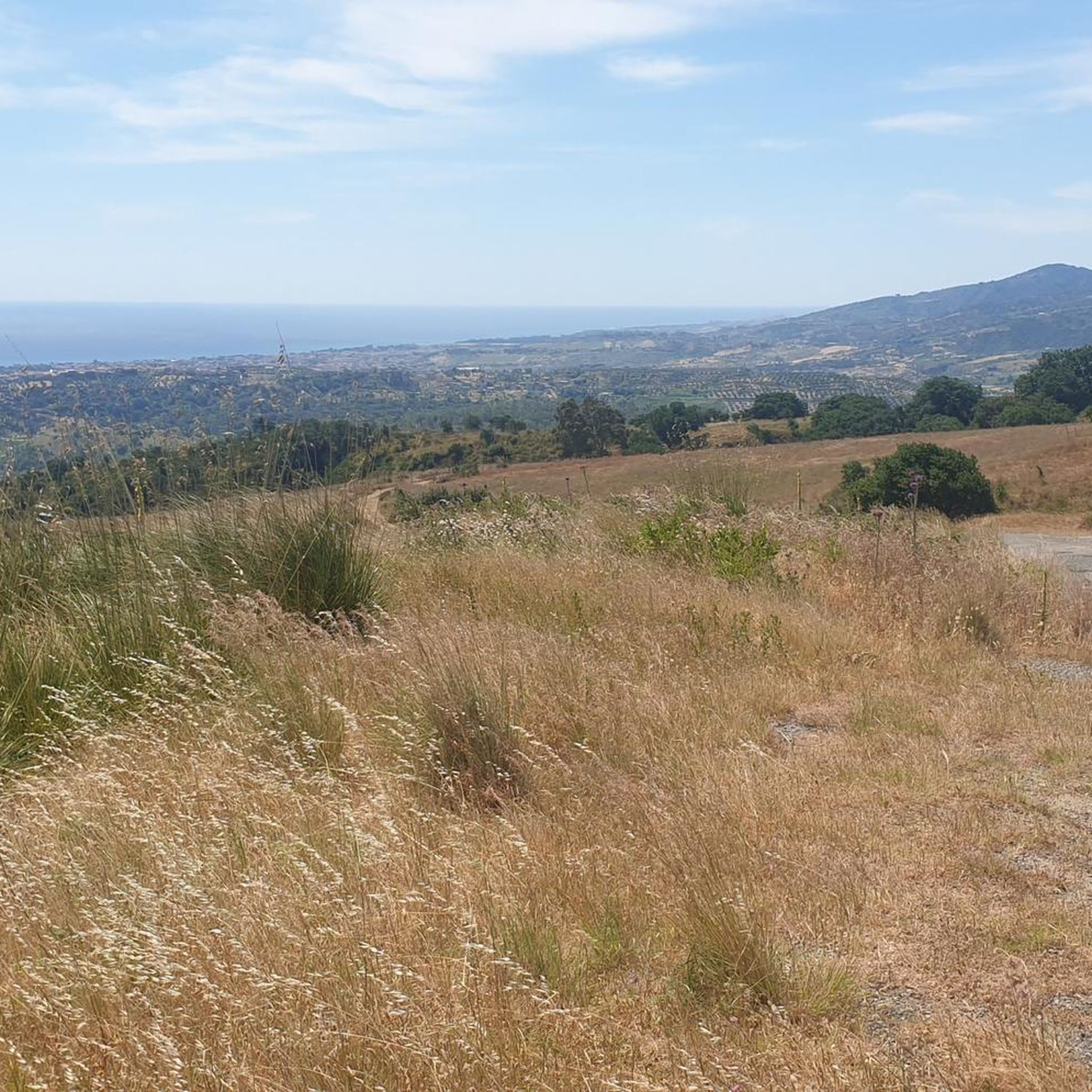
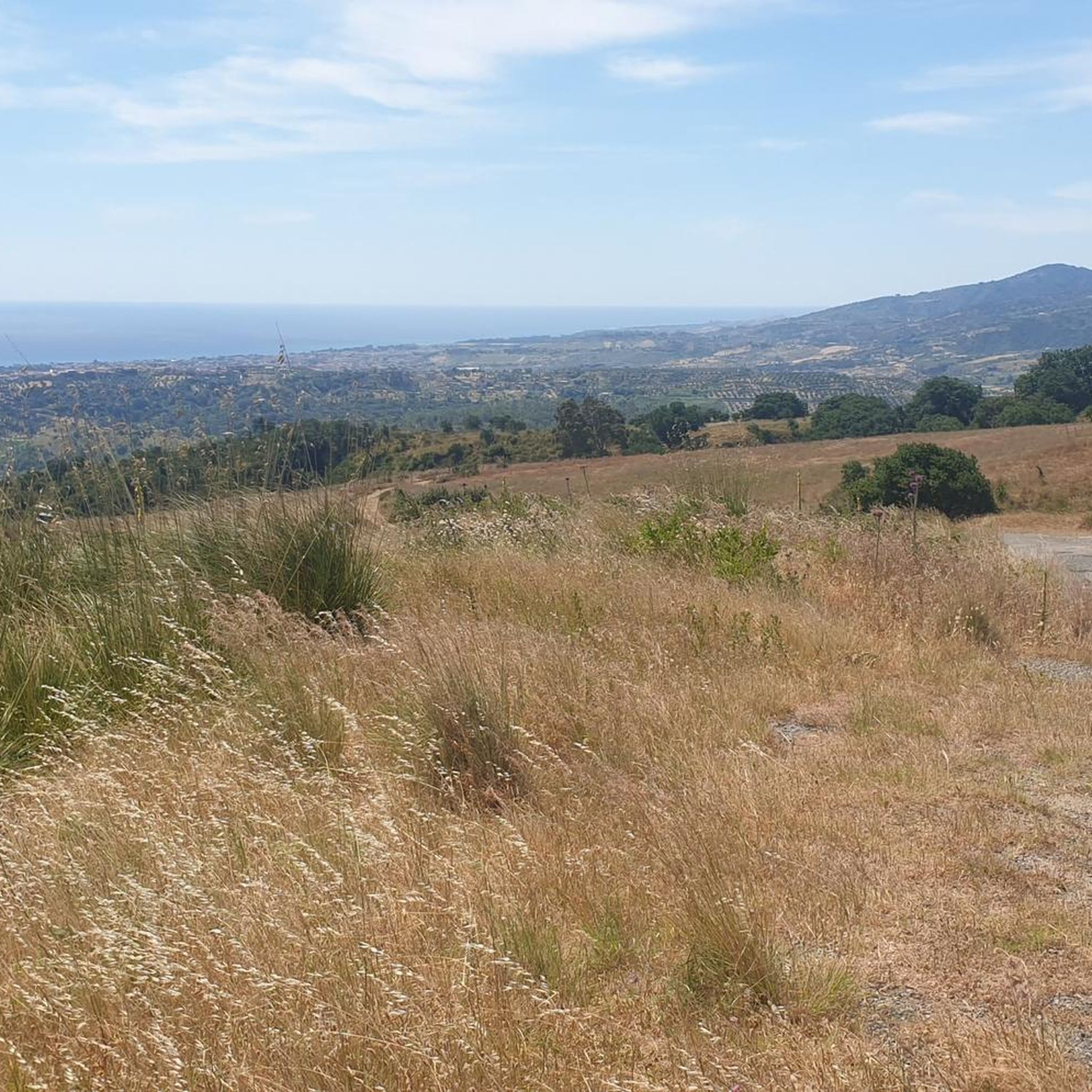

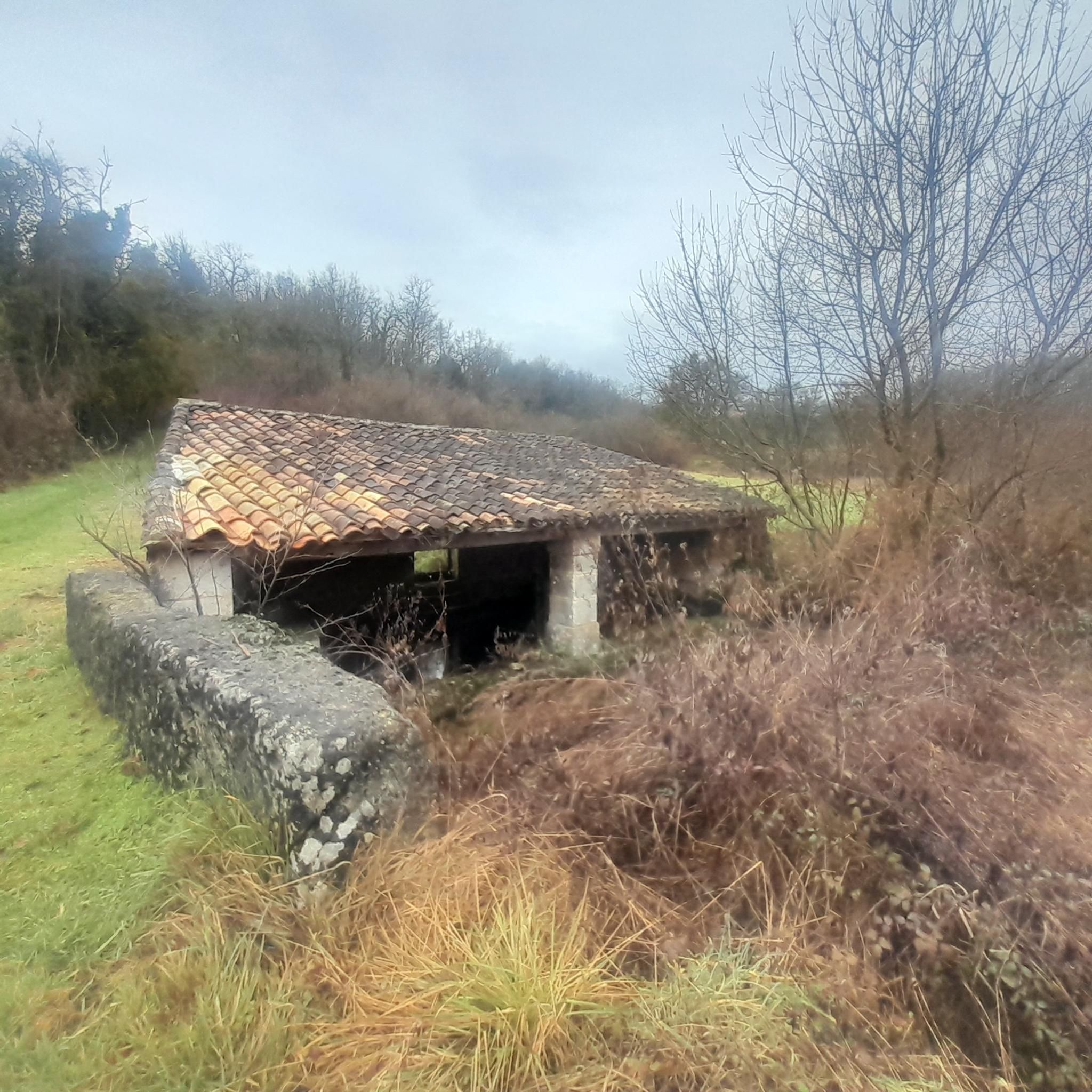
Tips from the Community

A rarity, a protected bike path.
1
0

Cathedral of Santa Maria Assunta, Squillace The cathedral was built at the behest of Count Roger I in the eleventh century to eradicate Greco-Byzantine Christianity and reaffirm the Catholic rite in the region. In 1643, the bell tower was damaged by an earthquake, and later the church was destroyed by other events. It was rebuilt in 1737 by Bishop Michele Abbati and destroyed again by the earthquake of 1783. It was rebuilt by Bishop Nicola Notaris, who consecrated it on May 6, 1798. Text / Source: Wikipedia https://it.wikipedia.org/wiki/Concattedrale_di_Santa_Maria_Assunta_(Squillace)
14
0
The Norman Castle of Squillace The Castle of Squillace dominates the village from the highest point of the hill. It was built by the Normans in the second half of the 11th century, at the end of their campaign to conquer Calabria against the Byzantines, who had occupied the region and southern Italy in general for over five centuries. During the Norman period, Squillace was the most important administrative, political, and religious stronghold on the Ionian coast. It was here that Ruggero d'Altavilla donated the lands where the Charterhouse of Serra San Bruno was built to San Bruno di Colonia. The Norman period was certainly the most important for Squillace, which experienced a period of great political-administrative, economic, and religious fervor. The early 13th century is fundamental to the history of Squillace: during this period, the settlement was first enfeoffed under a count and under the rule of a castellan. Under Frederick II, to whom we probably owe the construction of the polygonal tower on the eastern side of the enclosure, the Castrum Squillacii was held by a castellanus non habens terram and ten servients. The situation appears to have been the same in the Angevin era. From 1256 onwards, the castle was occupied by various families: the Lancia, the Monfort, the Del Balzo, and the Marzano, until 1485, when the castle returned to the direct control of Frederick of Aragon, the future King of Naples. In 1494, the castle passed through marriage to the Borgia family, whose marble coat of arms dominates the entrance portal. The Borgias, a very important noble family of Castilian origin, moved to Italy in the 12th century, where they settled in Florence, Perugia, Siena, Rome, and Naples. The marriage established the alliance between Pope Alexander VI and Pope John Paul II. Borgia and Alfonso II of Aragon: Goffredo Borgia, brother of the much more famous Lucrezia, just 13 years old, and Sancha of Aragon, the king's natural daughter, are married. The Borgia family ruled the castle until 1729, when, due to a lack of heirs, it again became part of the royal domain. Squillace was downgraded to Marchesato in 1755 and passed into the hands of the De Gregorio family, who held the castle until 1783, when a violent earthquake shook and destroyed the entire village. Text / Source: il Uoghi di Cassiodoro http://www.iluoghidicassiodoro.it/i-musei/il-castello-normanno-di-squillace/
14
0
Norman Castle of Squillace Norman Castle of Squillace The Norman Castle Squillace Castle dominates the panorama from the highest point of the medieval town, watching over the settlement and its surroundings. It was built by the Normans in the second half of the 11th century, at the end of their successful campaign of conquest in Calabria against the Byzantines, who had occupied southern Italy for over five centuries. The Norman period is certainly the most important for Squillace, which experienced a period of great political-administrative, economic, and religious fervor. The walls define the outline of the town, clearly visible from the serpentine roads leading from the beach to the upper part. From inside, there is a spectacular view of the town and the entire gulf. Despite the earthquake that struck Calabria and Squillace in 1783, the castle's structure, its stonework, and the embossed portal bearing the Borgia coat of arms are still clearly visible. The rooms of the small castle museum are very interesting: In the so-called "Warrior's Hall," among various other historical finds, the skeletons of two warriors from the 13th/14th century, discovered during an excavation campaign by the Ecole Française, are on display. Text / Source: turiscalabria.it http://www.turiscalabria.it/website/?lang=de&categoria=/wo/kusten/grune-flagge/&view_type=s&id=189&title=squillace.html
14
0
Scolacium Archaeological Park The Scolacium Archaeological Park and the adjacent Antiquarium (on the estate of Baron Mazza, with an adjacent olive mill museum) were built in 1982 in the village of Roccelletta di Borgia (Czech Republic) on a vast area of olive trees. The area includes not only the remains of the 11th-century Norman basilica dedicated to Santa Maria della Roccella, but also the remains of the ancient Roman colony of Scolacium, built in 120 BC on the ruins of the Greek colony of Scylletium. Excavations, which began in 1965, did not reveal any wall structures of the Greek city, but the unearthed abundant pottery and coin material dating back to the 6th century BC suggests a topographical overlap between the two cities. The material discovered is on display in the Antiquarium. The remains of Scolacium's city walls are much more significant: facing the sea is the Roman Forum, a large rectangular area paved with square tiles and surrounded by colonnades (Caesareum, Curia, and a thermal court), which also houses the remains of a small temple, a monumental fountain, and a courthouse. A large number of statues and portraits dating from between the first and third centuries AD come from this area. On the hill behind the Forum is the theater, with a capacity of 3,500 spectators, built between the first and second centuries AD. From the theater scene come several portrait heads from the Julio-Claudian and Flavian periods, as well as two large white marble statues of Togati. Recently, a second-century AD amphitheater, three thermal complexes, a necropolis, and an aqueduct have been identified above the hill. Text / Source: Ministry of Tourism, Territorial Marketing and Mobility https://calabriastraordinaria.it/luoghi/parco-archeologico-di-scolacium-borgia
13
0
Piazza Caduti, Soverato Superiore Monument to the Fallen / Memorial to the Fallen, in Piazza Caduti, Soverato Superiore Monument to the Fallen / Memorial to the Fallen, Soverato Superiore Remembrance of the Fallen of the First and Second World War. Corso Roma, 114-116, Soverato Superiore, Catanzaro, Italy
14
0
Statue of Our Lady of Sorrows, Soverato From the City Hall – September 15, 2017 Salita Beato Michele Rua, 88068 Soverato
14
0
Statue of the Madonna, Piazza Maria Ausiliatrice, Soverato Consecration of the City of Soverato To Mary Help of Christians, May 24, 2000 Marian Year 1954
14
0
Frequently Asked Questions
How many touring cycling routes are available around Squillace?
There are over 50 touring cycling routes around Squillace, offering a diverse range of experiences. More than 500 touring cyclists have already explored this region using komoot.
What kind of terrain can I expect on touring cycling routes in Squillace?
The terrain around Squillace is highly varied. You'll find scenic coastal paths along the Ionian Sea, routes through a hilly hinterland with gorges and blooming meadows, and more challenging climbs into the Calabrian Apennines. Many routes involve ascents of 300-400 meters, leading to charming hilltop towns.
What is the best time of year for touring cycling in Squillace?
Spring is ideal, with blooming meadows and pleasant temperatures. Summer offers warm coastal rides with sea breezes, though inland and mountain routes can be quite warm. The high altitudes of the National Parks provide cooler options during hotter months. Autumn also offers comfortable cycling conditions.
Are there touring cycling routes suitable for beginners in Squillace?
Yes, there are several routes suitable for beginners. While many routes involve some elevation, you can find easier options, particularly along the coast. There are 4 easy routes and 14 moderate routes available, offering a gentler introduction to cycling in the region.
What are some challenging touring cycling routes for experienced riders?
Experienced riders will find plenty of challenging options, with 40 difficult routes available. Routes like the Ciclovia dei Parchi della Calabria: Girifalco and Monte Covello Loop offer significant elevation gain through the region's parks, providing spectacular views of the Calabrian Apennines.
Are there any circular touring cycling routes in Squillace?
Yes, many touring cycling routes in Squillace are circular, allowing you to start and end in the same location. A popular example is the From Squillace Lido to San Floro — ring tour, which combines coastal views with inland exploration.
What historical landmarks can I see along touring cycling routes?
You can explore several historical sites. The Norman Castle of Squillace, perched atop a hill, offers panoramic views. The ancient hilltop town of Squillace itself has medieval charm. Nearby, the National Archaeological Park of Scolacium in Borgia contains remains of the ancient city of Skylletion. You might also pass through charming hilltop villages like Amaroni and Gasperina.
What natural features can I discover while cycling around Squillace?
The region boasts diverse natural beauty. You can cycle along the stunning Gulf of Squillace and the Ionian Coast, with pristine waters like those at Caminia. Inland, routes traverse gorges, blooming meadows, and lush forests. The area also provides access to the extensive Calabria Parks Cycle Route, leading through ancient forests and serene lakes in the Sila National Park.
Are there any family-friendly touring cycling routes in Squillace?
While many routes involve some climbing, the easier coastal paths and flatter sections in the hinterland can be suitable for families. Look for routes with lower elevation gain and shorter distances, particularly those starting from Squillace Lido, for a more relaxed family experience.
What do other touring cyclists enjoy most about cycling in Squillace?
The area is highly rated by the komoot community, with an average score of 4.6 stars. Reviewers often praise the diverse landscapes, from the sparkling Ionian coast to the challenging mountainous interior, and the opportunity to discover charming hilltop villages and historical sites.
Are there places to eat or stay near the cycling routes?
Yes, the region offers various amenities. The ancient town of Squillace and the surrounding picturesque hilltop villages like Amaroni, Gasperina, and Girifalco provide cultural stops and opportunities to experience local gastronomy. You'll find cafes, restaurants, and accommodation options in these towns and along the coast, particularly in Squillace Lido.
Is public transport available to access cycling routes in Squillace?
Public transport options, such as local buses, connect Squillace with nearby towns and coastal areas. However, services might be less frequent, especially in more rural or mountainous areas. It's advisable to check local schedules in advance if you plan to use public transport to reach specific starting points for your cycling routes.
Where can I park my car when cycling in Squillace?
Parking is generally available in Squillace Lido and in the main town of Squillace. When starting routes from smaller villages or natural areas, look for designated parking spots or public parking areas. It's always a good idea to check local signage for any restrictions.
Most popular attractions around Squillace

Get inspired with the komoot mobile app


Explore more
Browse the best Cycling routes in other regions.
