The best road cycling routes around Squillace
4.8
(106)
661
riders
68
rides
Road cycling routes around Squillace traverse a landscape characterized by its proximity to the Ionian Sea and the foothills of the Serre Calabresi mountains. The region offers a mix of coastal roads and inland climbs, providing varied terrain for road cyclists. Routes often feature ascents into hilly areas, with some extending towards the Calabria Parks. The area's geography supports both challenging long-distance rides and more moderate coastal loops.
Best road cycling routes around Squillace
- The most popular road cycling route…
Last updated: August 17, 2026
5.0
(1)
18
riders
97.5km
04:48
1,480m
1,480m
Hard road ride. Very good fitness required. Mostly well-paved surfaces and easy to ride.
5.0
(2)
40
riders
71.1km
03:45
1,190m
1,190m
Hard road ride. Very good fitness required. Mostly well-paved surfaces and easy to ride.

Sign up for free
5.0
(1)
22
riders
60.2km
03:05
850m
850m
Moderate road ride. Good fitness required. Mostly well-paved surfaces and easy to ride.
11
riders
Hard road ride. Very good fitness required. Mostly well-paved surfaces and easy to ride.
5.0
(1)
10
riders
33.1km
01:42
430m
430m
Moderate road ride. Good fitness required. Mostly well-paved surfaces and easy to ride.
Get access to more routes and recommendations from other explorers.
Sign up for free
Already have an account?
Our route recommendations are based on thousands of hikes, rides, and runs completed by other people on komoot.
Start today with a free account
Your next adventure awaits.
Login or Signup

Tips from the Community

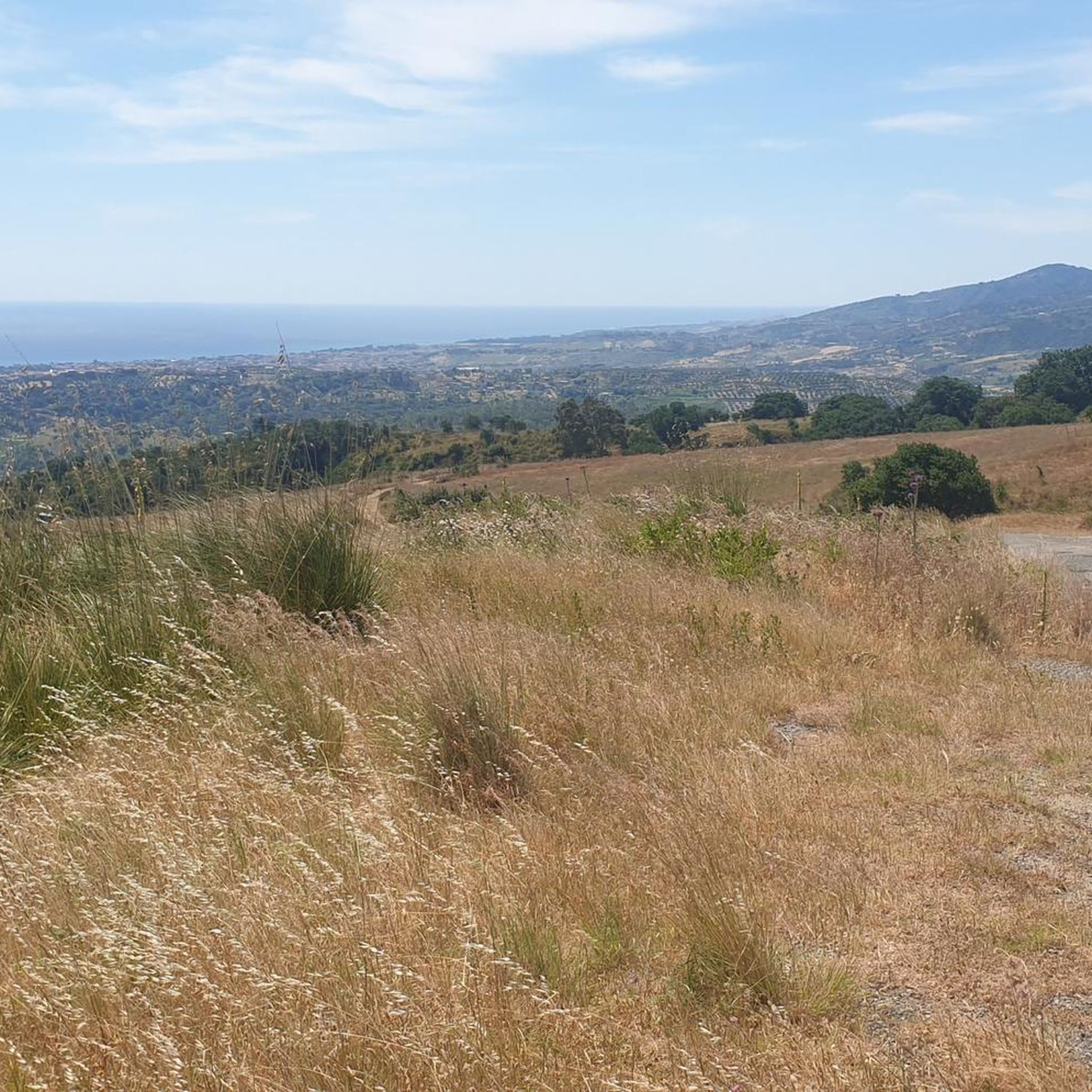
Wonderful beach with few people.
0
0

Montepaone Lido: Picture-Perfect Sea and Beaches What's the sea like in Montepaone? The Montepaone Lido coastline boasts clear waters and sandy bottoms, ideal for swimmers and snorkelers. The expansive, well-maintained beach offers both the freedom of a public beach and the amenities of well-equipped beach clubs. Montepaone Beach Clubs Among the best options for enjoying the sea in complete relaxation are the numerous beach clubs offering services such as sun umbrellas, loungers, and restaurants serving traditional cuisine. The presence of bars and restaurants along the beach also makes Montepaone Lido a perfect destination for an aperitif with a sea view. If you're planning a trip to Calabria, Montepaone is the perfect place to discover the region's most authentic and relaxing side. Text / Source: Rada Siri, Via Nazionale, 249 88060 Montepaone Lido (Catanzaro) Calabria https://radasiri.it/en/montepaone-3/
14
0
War Memorial, Squillace Commemorating the fallen of World War I and World War II. Corso Guglielmo Pepe, Squillace CZ
14
0
The Norman Castle of Squillace The Castle of Squillace dominates the village from the highest point of the hill. It was built by the Normans in the second half of the 11th century, at the end of their campaign to conquer Calabria against the Byzantines, who had occupied the region and southern Italy in general for over five centuries. During the Norman period, Squillace was the most important administrative, political, and religious stronghold on the Ionian coast. It was here that Ruggero d'Altavilla donated the lands where the Charterhouse of Serra San Bruno was built to San Bruno di Colonia. The Norman period was certainly the most important for Squillace, which experienced a period of great political-administrative, economic, and religious fervor. The early 13th century is fundamental to the history of Squillace: during this period, the settlement was first enfeoffed under a count and under the rule of a castellan. Under Frederick II, to whom we probably owe the construction of the polygonal tower on the eastern side of the enclosure, the Castrum Squillacii was held by a castellanus non habens terram and ten servients. The situation appears to have been the same in the Angevin era. From 1256 onwards, the castle was occupied by various families: the Lancia, the Monfort, the Del Balzo, and the Marzano, until 1485, when the castle returned to the direct control of Frederick of Aragon, the future King of Naples. In 1494, the castle passed through marriage to the Borgia family, whose marble coat of arms dominates the entrance portal. The Borgias, a very important noble family of Castilian origin, moved to Italy in the 12th century, where they settled in Florence, Perugia, Siena, Rome, and Naples. The marriage established the alliance between Pope Alexander VI and Pope John Paul II. Borgia and Alfonso II of Aragon: Goffredo Borgia, brother of the much more famous Lucrezia, just 13 years old, and Sancha of Aragon, the king's natural daughter, are married. The Borgia family ruled the castle until 1729, when, due to a lack of heirs, it again became part of the royal domain. Squillace was downgraded to Marchesato in 1755 and passed into the hands of the De Gregorio family, who held the castle until 1783, when a violent earthquake shook and destroyed the entire village. Text / Source: il Uoghi di Cassiodoro http://www.iluoghidicassiodoro.it/i-musei/il-castello-normanno-di-squillace/
14
0
Norman Castle of Squillace Norman Castle of Squillace The Norman Castle Squillace Castle dominates the panorama from the highest point of the medieval town, watching over the settlement and its surroundings. It was built by the Normans in the second half of the 11th century, at the end of their successful campaign of conquest in Calabria against the Byzantines, who had occupied southern Italy for over five centuries. The Norman period is certainly the most important for Squillace, which experienced a period of great political-administrative, economic, and religious fervor. The walls define the outline of the town, clearly visible from the serpentine roads leading from the beach to the upper part. From inside, there is a spectacular view of the town and the entire gulf. Despite the earthquake that struck Calabria and Squillace in 1783, the castle's structure, its stonework, and the embossed portal bearing the Borgia coat of arms are still clearly visible. The rooms of the small castle museum are very interesting: In the so-called "Warrior's Hall," among various other historical finds, the skeletons of two warriors from the 13th/14th century, discovered during an excavation campaign by the Ecole Française, are on display. Text / Source: turiscalabria.it http://www.turiscalabria.it/website/?lang=de&categoria=/wo/kusten/grune-flagge/&view_type=s&id=189&title=squillace.html
14
0

Serra San Bruno is worth a visit. Its historic center, full of characteristic churches, the tree-lined avenue leading to the Certosa, and last but not least, the Hermitage of San Bruno, where you can enjoy the cool, tranquil atmosphere, especially during the week. There's also a stream, a cool path, and tables where you can rest under the trees, perhaps enjoying a bite to eat.
0
0


Magnificent Charterhouse. A must-visit. Info: https://www.certosini.info/
6
0
Frequently Asked Questions
How many road cycling routes are available around Squillace?
There are over 60 road cycling routes in the Squillace area, offering a diverse range of options for different skill levels and preferences.
Are there road cycling routes suitable for beginners in Squillace?
Yes, Squillace offers several routes suitable for beginners. There are 5 easy road cycling tours available, providing a gentle introduction to the region's beautiful scenery.
Where can I find challenging road bike climbs near Squillace?
For experienced cyclists seeking a challenge, Squillace features 37 difficult road cycling routes. The Calabria Parks Cycle Route: Serra San Bruno Loop is a particularly demanding option, covering 60.6 miles with significant elevation gain through inland areas. Another challenging route is the Soverato seafront – Soverato Promenade loop from Squillace, which combines coastal riding with tough climbs.
Are there long-distance road cycling routes in the Squillace area?
Yes, the region provides several long-distance options. The Soverato seafront – Soverato Promenade loop from Catanzaro Lido is a notable long route, stretching over 62 miles. The Calabria Parks Cycle Route: Serra San Bruno Loop also offers a substantial 60.6-mile ride.
What do other road cyclists say about the routes in Squillace?
The road cycling routes around Squillace are highly regarded by the komoot community, holding an average rating of 4.6 stars from over 50 reviews. Cyclists often praise the varied terrain, from coastal roads to challenging inland climbs, and the scenic beauty of the region.
What kind of scenery can I expect on road cycling routes around Squillace?
Road cycling routes in Squillace offer a mix of coastal views along the Ionian Sea and ascents into the foothills of the Serre Calabresi mountains. You'll experience diverse landscapes, from seaside towns to more rugged, hilly inland areas, with some routes extending towards regional parks.
Are there any interesting landmarks or attractions along the road cycling routes?
Yes, several routes pass by or are near interesting landmarks. You might encounter historical sites like the Norman Castle of Squillace or the Church of Santa Maria della Pietà in Squillace. Coastal routes may lead you past areas like Montepaone Lido, while inland rides could offer views of settlements like Girifalco or natural features like Monte Covello.
Are there circular road cycling routes available in Squillace?
Yes, many of the road cycling routes around Squillace are designed as loops. For example, the Soverato seafront – Soverato Promenade loop from Stalettì is a popular circular option, offering a moderate ride through coastal areas and hills.
What is the best time of year for road cycling in Squillace?
Given its Mediterranean climate, the spring (April-June) and autumn (September-October) months are generally ideal for road cycling in Squillace. Temperatures are milder, and the weather is typically stable, making for more comfortable rides compared to the hotter summer months.
Are there road cycling routes that offer scenic viewpoints?
Many routes in the Squillace region provide excellent scenic viewpoints, especially those that climb into the hills or run along the coastline. The elevation gains on routes like the Antica Porta di Suso loop from Catanzaro Lido often reward cyclists with panoramic vistas of the surrounding landscape and the Ionian Sea.
What are the typical weather conditions for road cycling in Squillace?
Squillace experiences a Mediterranean climate with hot, dry summers and mild, wet winters. During peak cycling seasons (spring and autumn), you can expect pleasant temperatures and generally clear skies. Always check the local forecast before heading out, especially for potential afternoon breezes along the coast or cooler conditions at higher elevations.
Most popular attractions around Squillace

Get inspired with the komoot mobile app


Explore more
Browse the best Road cycling routes in other regions.
