Attractions and Places To See around Capraia Isola - Top 8
Best attractions and places to see around Capraia Isola include a blend of historical landmarks and natural features. This volcanic island, part of the Tuscan Archipelago, is recognized as a protected area within a national park. Its landscape offers diverse experiences, from ancient fortifications to pristine coastal areas. The island provides opportunities to explore its unique geology and historical sites.
Best attractions and places to see around Capraia Isola
- The most popular attractions is Former Penal Colony of Capraia, a historical site that operated from 1873 until 1986. Its abandoned buildings and agricultural complexes now offer a unique location for walks.
- Another must-see spot is Mount Arpagna Semaphore, a man-made monument and historical site. This early 20th-century structure was built to monitor maritime traffic and provide night lighting for vessels.
- Visitors also love Torre della Regina, a man-made monument and historical site. This tower is located on the northern tip of Capraia and served as a coastal watchtower against pirates.
- Capraia Isola is known for its historical sites, natural features, and viewpoints. Visitors can explore ancient fortifications, volcanic coves, and various coastal watchtowers.
- The attractions around Capraia Isola are appreciated by the komoot community. With more than 10 photos and 16 upvotes, these spots offer diverse experiences.
Last updated: July 6, 2026
Cala di San Francesco, Capraia Island
Highlight • Beach
Translated by Google •
Tip by

Cala dello Zurletto, Capraia Island
Highlight • Beach
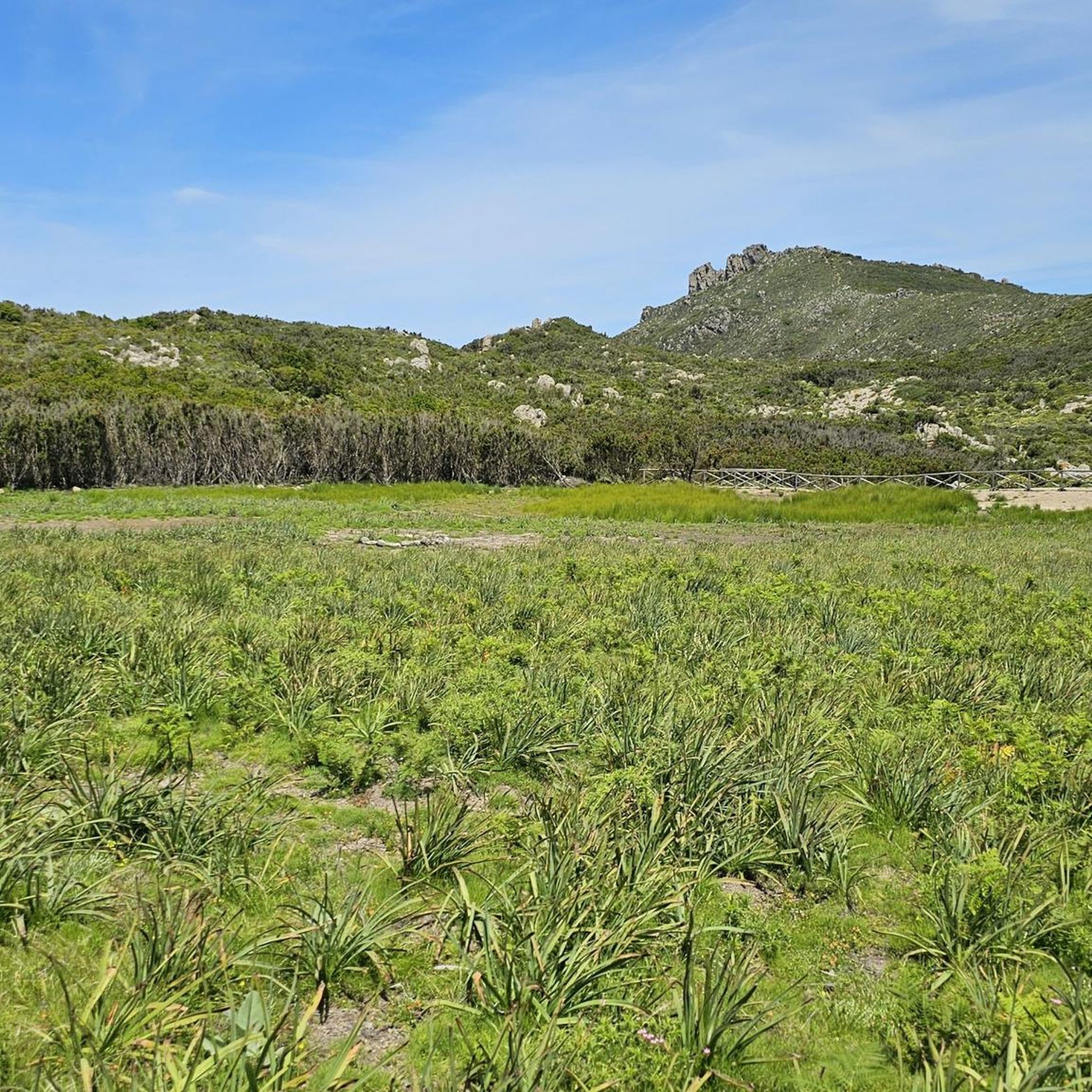
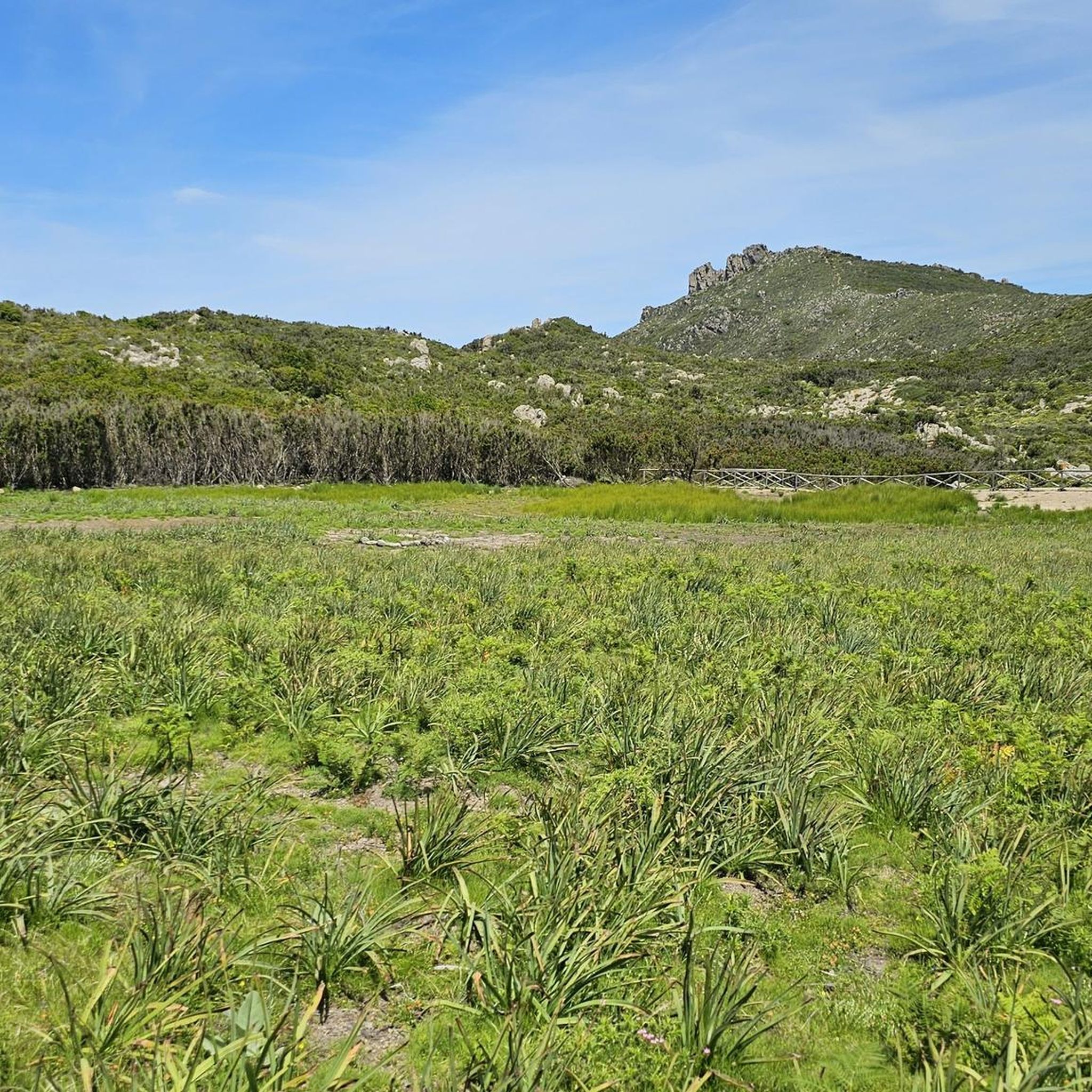
Dominated by a typical tower rock, it is an excellent cove for swimming. Zurletto in Capraiese is the name of the Asfodelo which in fact is very common in this area.
Ideal with winds from the western quadrants. Crystal clear water, volcanic rocks, full of fish.
Translated by Google •
Tip by
Sign up now to discover places like this
Get recommendations on the best single tracks, peaks, & plenty of other exciting outdoor places.
Sign up for free
Fortress of Capraia
Highlight • Castle
After the unification of Italy (see Risorgimento) the island was part of the province of Genoa until November 15, 1925, only then did it become part of Tuscany.
Translated by Google •
Tip by

Torre della Regina
Highlight • Monument
Translated by Google •
Tip by

Mount Arpagna Semaphore
Highlight • Monument
Translated by Google •
Tip by

Sign up for free to discover even more attractions around Capraia Isola.
Sign up for free
Already have an account?
Start today with a free account
Your next adventure awaits.
Login or Signup
Popular around Capraia Isola
Tips from the Community

this cove will steal your hearts from the immense beauty it transmits.
1
0
A beautiful cove on the island of Capraia that will transport you to a unique, wonderful and completely relaxing environment
1
0

Beautiful bay and exciting island experiences. Island with a turbulent history. Always worth it!
3
0

The traffic light, whose construction dates back to the beginning of the twentieth century, was activated by the Regia Marina to monitor maritime traffic in the section of the Corsica channel west of the island of Capraia and for the night lighting of the island to vessels in transit in the same marine stretch.
2
0
In the Middle Ages, the island was first a base for Saracen pirates, then it came under the rule of Pisa, and after the Battle of Meloria it came under Genoa. Although Capraia administratively belonged to Corsica, the island remained with Genoa after 1768 and did not become part of France. After the unification of Italy (see Risorgimento) the island was part of the province of Genoa until November 15, 1925, only then did it become part of Tuscany.
0
0
In the Middle Ages, the island was first a base for Saracen pirates, then it came under the rule of Pisa, and after the Battle of Meloria it came under Genoa. Although Capraia administratively belonged to Corsica, the island remained with Genoa after 1768 and did not become part of France. Source Wikipedia
0
0

A tower on the northern tip of Capraia
0
0

Reachable on foot from the town in about 20 minutes from the Elibase area. Dominated by a typical tower rock, it is an excellent cove for swimming. Zurletto in Capraiese is the name of the Asfodelo which in fact is very common in this area. Ideal with winds from the western quadrants. Crystal clear water, volcanic rocks, full of fish.
3
0
Frequently Asked Questions
What historical sites can I explore on Capraia Isola?
Capraia Isola is rich in history. You can visit the impressive Fortress of Capraia, a significant fortification built by the Genoese. Explore the abandoned buildings of the Former Penal Colony of Capraia, which operated until 1986 and now offers unique walking paths. Don't miss the coastal watchtowers like Torre della Regina, built to protect against pirates, or the Torre dello Zenobito at the island's southernmost tip. The island also features several churches, including the Church of San Nicola in the main square, and the ruins of the 11th-century Church of St. Stefano alla Piana.
Are there good hiking opportunities around Capraia Isola?
Yes, Capraia Isola offers numerous trekking itineraries through its wild and rugged landscape, suitable for various difficulty levels. These trails, often former mule paths, lead to breathtaking views, historical relics, and secluded bays. Popular options include a half-hour walk to Cala della Zurletta or a more challenging three-hour hike to Monte delle Penne for views of Capraia and Corsica. For specific routes, you can explore options like the Zenobito Circular Trail or the Former Penal Colony of Capraia – Port of Capraia loop. Find more details on available routes in the Hiking around Capraia Isola guide.
What natural features should I look out for on Capraia Isola?
Capraia Isola, part of the Arcipelago Toscano National Park, boasts diverse natural beauty. A must-see is Cala Rossa, the island's most famous natural attraction, featuring the remains of an ancient volcanic vent with rocks ranging from red to black against the emerald sea. You can also discover Stagnone della Capraia, a small freshwater lake nestled in the island's hills. The coastline is characterized by steep cliffs, hidden bays, and caves, perfect for exploring. The island's rich flora, including strawberry trees and myrtle, contributes to its unique scent.
Where can I find the best viewpoints on Capraia Isola?
Capraia Isola offers several stunning viewpoints. The Mount Arpagna Semaphore provides excellent panoramic views. The Torre dello Zenobito, located at the southernmost tip of the island, is a perfect spot for admiring the sunset. The ancient Roman Road of San Leonardo also offers invigorating walks with panoramic vistas. Many hiking trails, such as the one leading to Monte delle Penne, provide expansive views of the island and even Corsica on clear days.
Can I go swimming or snorkeling around Capraia Isola?
Absolutely. The island's coastline is characterized by rocky coves and crystal-clear waters, offering excellent opportunities for swimming, diving, and snorkeling. The seabeds are a true marine paradise, home to diverse fish species. Cala del Vetriolo, with its lava flows, and Cala della Mortola are particularly beautiful areas to explore underwater.
What is the best time of year to visit Capraia Isola for outdoor activities?
Spring is an excellent time to visit Capraia Isola, especially for birdwatching, as the island serves as a crucial stop for migratory birds. The mild temperatures and blooming flora make it ideal for hiking and exploring the natural landscapes. The summer months are perfect for swimming and enjoying the coastal areas, though it can be busier.
Are there any family-friendly activities or places to visit on Capraia Isola?
Capraia Isola offers several family-friendly activities, particularly for those who enjoy nature and light exploration. The island's numerous hiking trails include options suitable for various levels, allowing families to discover hidden bays and historical sites together. Exploring the Porto di Capraia, the island's lively fishing village, can also be an enjoyable experience. The beautiful coves and clear waters are perfect for swimming and snorkeling, providing fun for all ages.
What kind of wildlife or flora can I expect to see on Capraia Isola?
Capraia Isola is part of a protected national park, boasting rich flora including strawberry trees and myrtle, which contribute to its unique scent. The island is a significant stop for migratory birds, making it an excellent spot for birdwatching, especially in spring. In its marine environment, the seabeds are home to diverse fish species, and on rare occasions, the Mediterranean monk seal can be spotted.
What are some unique or lesser-known spots on Capraia Isola?
Beyond the main attractions, consider exploring the Roman Road of San Leonardo, an ancient path that connected the port with the town, offering a historical walk with panoramic views. The various coastal watchtowers, such as Torre del Porto and Torre dello Zenobito, each have their own unique character and history. The ruins of the Church of St. Stefano alla Piana, dating back to the 11th century, offer a glimpse into the island's distant past in a secluded setting.
What do visitors enjoy most about Capraia Isola?
Visitors frequently praise the island's immense natural beauty and exciting experiences. Many are captivated by the historical significance, particularly the Former Penal Colony of Capraia, which offers a unique atmosphere for walks. The coves, like Cala di San Francesco, are often highlighted for their beauty and opportunities for swimming and snorkeling. The island's turbulent history and the sense of discovery it offers are also highly appreciated.
Are there running trails available on Capraia Isola?
Yes, Capraia Isola also offers several running trails for those looking for a more active experience. Routes vary in difficulty, from moderate to difficult, and allow you to explore different parts of the island. Examples include the Calette on the Island of Capraia — Ring tour or the Monte Capo Summit loop. You can find more detailed information and routes in the Running Trails around Capraia Isola guide.
Most popular routes around Capraia Isola

Get inspired with the komoot mobile app


Explore more
Still not found the Highlight you’re looking for? See guides of the top attractions in other regions:
