Top 8 Castles around Pontedera
Best castles around Pontedera are found in the surrounding area, offering a glimpse into the region's medieval past. While Pontedera itself originated from a medieval castle and fortified bridge, no standing castle structures remain within its modern city limits. The nearby villages of Montecastello and Treggiaia preserve elements of their fortified history, showcasing medieval defensive architecture and strategic layouts. The area provides historical context through its ancient structures and elevated positions.
Best castles around Pontedera
- The most popular castles is…
Last updated: June 17, 2026
Upezzinghi Tower (Caprona Tower)
Highlight • Castle
Translated by Google •
Tip by

The Castle of Lari (Lari Fortress, Pisa)
Highlight • Castle
Tip by

Sign up now to discover places like this
Get recommendations on the best single tracks, peaks, & plenty of other exciting outdoor places.
Sign up for free
Brunelleschi’s Fortress of Vicopisano
Highlight • Castle
Translated by Google •
Tip by

Verruca Fortress
Highlight • Castle
Translated by Google •
Tip by

Palaia Historic Town Center
Highlight • Historical Site
Translated by Google •
Tip by

Sign up for free to discover even more castles around Pontedera.
Sign up for free
Already have an account?
Start today with a free account
Your next adventure awaits.
Login or Signup
Tips from the Community

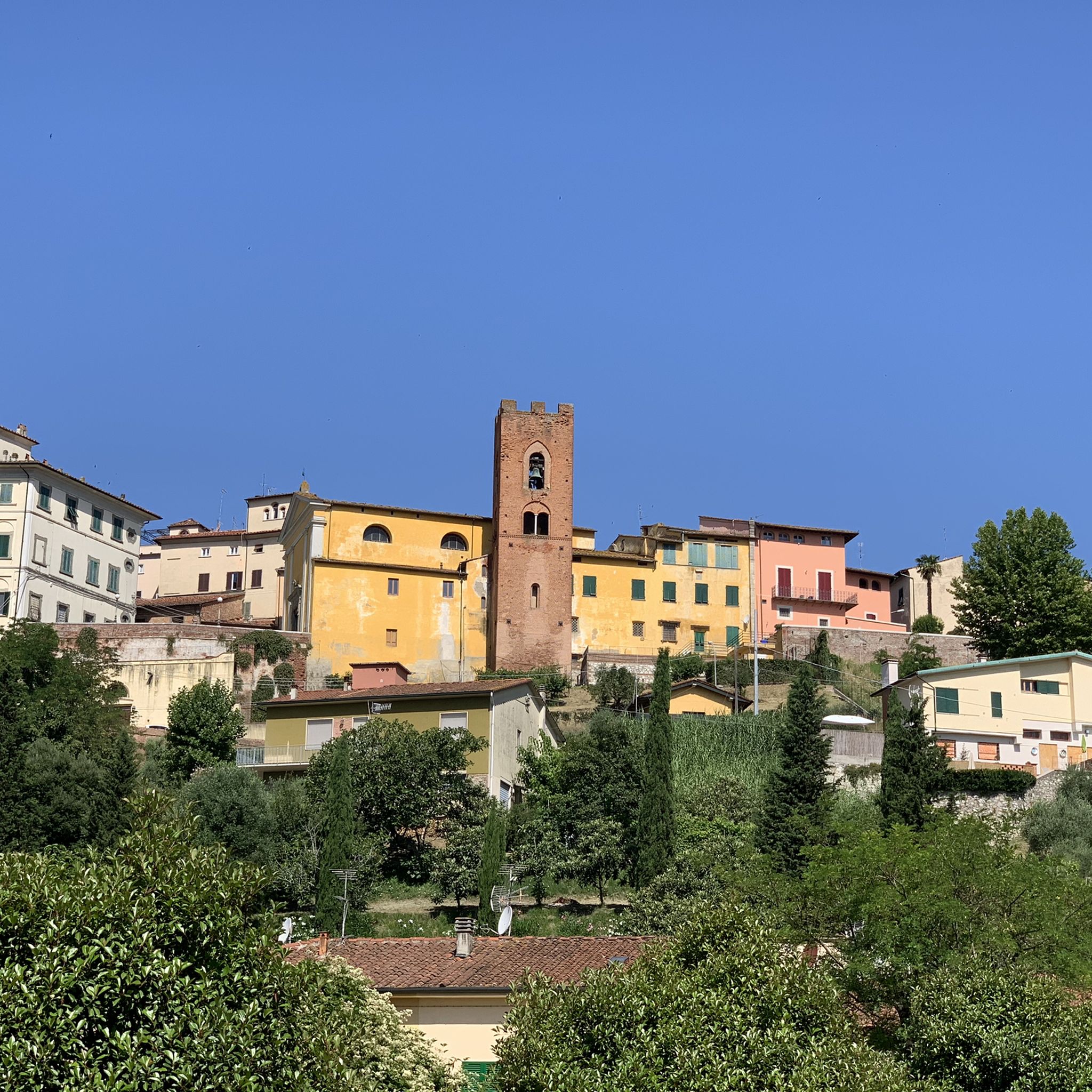
A medieval town with charming streets and climbs. Buildings full of history.
0
0

On the top of Monte Verruca, at 537 meters above sea level, an ancient and decaying fortress dominates the Pisan plain and the Arno valley. According to legend, there is a connection – underground and secret – between the fortress and the center of the city of Pisa.
0
0

Palaia is an ancient agricultural center of Etruscan origins, known for its historic churches and agricultural traditions. Some notable landmarks are the parish church of San Martino and the church of Sant'Andrea. Surrounding areas such as Montefoscoli and San Gervasio are home to museums displaying vintage agricultural tools and tractors. Palaia is a starting point for scenic excursions to picturesque villages such as Colleoli, Villa Saletta and Toiano. Palaia is also known for the white truffle harvest.
2
0

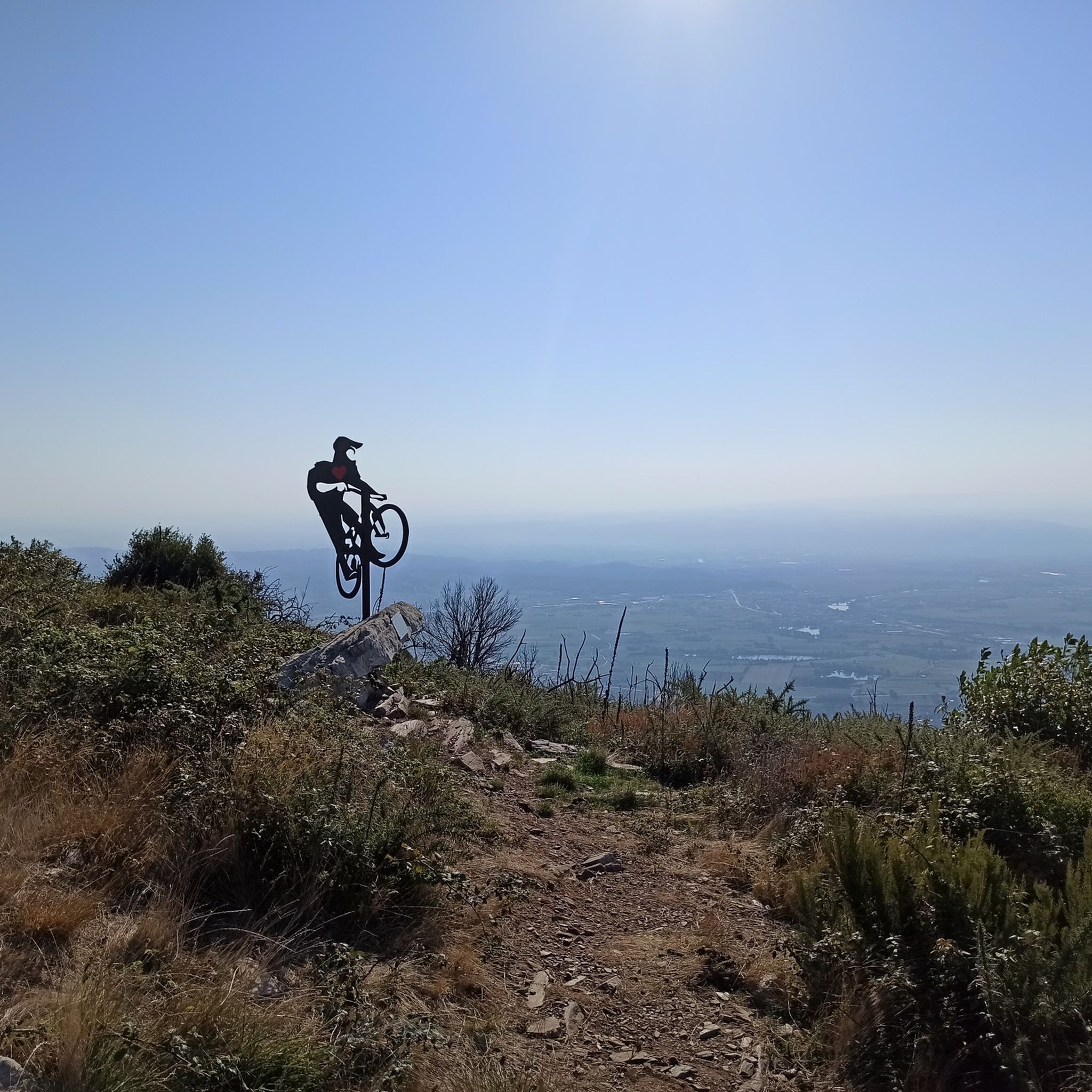
The profile of the fortress that joins the steep wall ... a unique spectacle with the Pisan mountains in the background. the fortress of Caprona is a destination absolutely to be reached. The road to get there is not long and can be traveled on foot or by MTB.
2
0

The Verruca fortress rises in the municipality of Calci, in the province of Pisa, on the top of Monte Verruca. It can be reached by following the Firenze-Pisa highway, exiting at Cascina, then continuing towards Vicopisano. From the village, take the 'strada della Verruca' which starts from the village cemetery. Although largely unpaved, it can be traveled by car up to the foot of the rock where the Rocca stands. From here you can walk up to the top in about 20 minutes. Source: https://castellitoscani.com/verruca/
5
0

Lari is famous for its Castello dei Vicari, located at the top of the hill and in the center of the city. This interesting fortress was started around the year 1000 in a strategic point of the Arno valley and grew in splendor until 1400, when it began to host the Vicars, i.e. the magistrates who had the task of administering a large part of the Pisan territory on behalf of the Grand Duke of Tuscany. Today, after being restored, it is open to the public and hosts conferences, meetings and exhibitions, as well as guided tours, entertainment, concerts, theater, wedding ceremonies and other initiatives for groups and school parties. Timetable: 01.01 — 31.03 and 01.11 — 31.12: Saturday and holidays from 10.30am to 12.30am and from 3pm to 6pm 01.04 — 31.05: Monday-friday from 3.30pm to 7pm. Saturday and holidays from 10.30am to 12.30am and from 3.30pm to 7pm 01.06 — 30.09: Every day from 10:30am to 13:00pm/3:00pm to 7:00pm 01.10 — 31.10 Monday-friday from 3pm to 6pm. Saturday and holidays from 10.30am to 12.30am and from 3pm to 6pm Full price ticket €4.00 Guided tour on booking €5.00 Reduced ticket and school parties €3.00 For reservations or other information, tel 0587 687116 or mail to info@castellodilari.it
2
0

This is the Rocca del Brunelleschi, commissioned to the architect Filippo Brunelleschi after the village besieged for eight months by the Florentines, had been definitively conquered by them against the city of Pisa. The victory for Florence had been very important and had to be maintained over time: Vicopisano covered a decidedly strategic area thanks to the confluence of the Arno river which connected it to Pisa and the Auser river which put it in communication with Lake Sextum and therefore with the Lucchesia. . In 1435 the project was entrusted to Filippo Brunelleschi who showed his idea to the government commission through a project made of wood and clay; the project gathered enthusiasm and work began immediately which drastically changed a large part of the town of Vicopisano. The existing tower was modified with the aim of being impregnable and autonomous in terms of water and food.
1
0

Both the Caprona tower and the Verruca fortress can be easily reached on foot or by mountain bike
1
1
Frequently Asked Questions
What kind of historical sites and fortified villages can I visit near Pontedera?
While Pontedera itself doesn't have standing castles, the surrounding area offers several historical sites and fortified villages. You can explore places like Verruca Fortress, which offers panoramic views, or the well-preserved Castle of Lari. The villages of Montecastello and Treggiaia also preserve elements of their medieval past, with Montecastello featuring triple walls and a church built on a former fortress site, and Treggiaia exhibiting a typical castle-like configuration.
Are there any family-friendly castles or historical sites to visit?
Yes, several sites are suitable for families. The Castle of Lari is particularly family-friendly, offering guided tours and exhibitions. The Palaia Historic Town Center is also a great option for families to explore its ancient agricultural heritage and historic churches.
What are some of the most popular castles or historical sites in the Pontedera area?
Among the most popular sites are Verruca Fortress, known for its commanding views, and The Castle of Lari, a significant historical fortress. Visitors also appreciate the Upezzinghi Tower (Caprona Tower), which is a remnant of a castle that once overlooked the Arno valley.
What kind of outdoor activities can I do near these castles?
The area around Pontedera offers various outdoor activities. You can find numerous hiking, running, and road cycling routes. For example, there are hiking routes that explore the Historic Center of Treggiaia and Montecastello Castle. Running enthusiasts can find routes like the Montecastello Castle loop, while road cyclists can tackle the Monte Serra Loop.
Are there hiking trails that lead to or near these historical sites?
Yes, many historical sites are accessible via hiking trails. For instance, the Upezzinghi Tower (Caprona Tower) is connected to Verruca Fortress by a scenic path. You can find various hiking routes, including those around Montecastello and Treggiaia, on the Hiking around Pontedera guide.
What are the historical highlights of the Montecastello village?
Montecastello, located about 5 kilometers from Pontedera, is an ancient village built on a hill that once served as a crucial castle. It preserves medieval triple walls and the Parish Church of Santa Lucia, built in 1260 on the site of an existing fortress. The 18th-century Villa Torrigiani Malaspina also has fortified origins, with its western door serving as the village's main entrance. The village offers panoramic views and a tangible connection to medieval defensive architecture.
What is the significance of Treggiaia village in terms of its fortified past?
Treggiaia, a few kilometers from Pontedera, exhibits a typical castle-like configuration. Its layout suggests access via what was likely a movable bridge in medieval times. The eastern part of the village was heavily fortified, housing a fortress and donjon where the current parish church stands. The village's main street historically connected the entrance gate to the lord's palace and the fortress, providing insight into medieval defensive planning.
What is the best time of year to visit the castles and historical sites around Pontedera?
The region generally enjoys pleasant weather for exploring. Spring (April-May) and Autumn (September-October) are often ideal, offering mild temperatures for hiking and sightseeing without the peak summer heat. Some sites like The Castle of Lari have extended opening hours during the summer months (June-September).
Are there any challenging hikes to castles or viewpoints in the area?
Yes, for those seeking a challenge, the hike to Verruca Fortress is considered challenging. It rises on the top of Monte Verruca at 537 meters above sea level, offering extensive views of the Pisan plain and the Arno valley. The path to reach it from the foot of the rock takes about 20 minutes of walking.
Can I find cafes or pubs near the castles for refreshments?
While specific cafes directly at every castle might be limited, you will find options in the nearby villages and towns. For example, the Palaia Historic Town Center is an ancient agricultural hub with local amenities. Exploring the villages like Montecastello and Treggiaia will also lead you to local establishments where you can find refreshments.
What is the <a href="https://www.komoot.com/highlight/4207223" target="_blank" rel="noopener">Brunelleschi’s Fortress of Vicopisano</a>?
This fortress in Vicopisano was commissioned to the renowned architect Filippo Brunelleschi after Florence conquered the village from Pisa. Built in 1435, it was strategically important due to its location near the Arno and Auser rivers. Brunelleschi's design drastically changed the town, modifying an existing tower to be impregnable and self-sufficient in terms of water and food. It's a significant example of medieval military architecture.
What can I expect to see at the <a href="https://www.komoot.com/highlight/2952943" target="_blank" rel="noopener">Palaia Historic Town Center</a>?
Palaia is an ancient agricultural center with Etruscan origins, known for its historic churches like the parish church of San Martino and the church of Sant'Andrea. The surrounding areas, such as Montefoscoli, feature museums displaying vintage agricultural tools. Palaia is also a starting point for scenic excursions to picturesque villages and is known for its white truffle harvest.
Most popular routes around Pontedera
Most popular attractions around Pontedera

Get inspired with the komoot mobile app


Explore more
Looking for the best castles somewhere else? Discover other guides around Pontedera:
