Routes

Planner

Features

Updates

App

Login or Signup

Get the App

Login or Signup

Login or Signup

Routes
Places to see
Italy
Calabria
Cosenza

San Nicola Arcella

Attractions and Places To See around San Nicola Arcella - Top 20

Best attractions and places to see around San Nicola Arcella include a blend of natural beauty and historical landmarks. This picturesque village on Calabria's Riviera dei Cedri features a rocky coastline with cliffs, sandy coves, and turquoise waters. The area offers a compact historic center and significant coastal watchtowers.

Best attractions and places to see around San Nicola Arcella

  • The most popular attractions is View of Dino Island, a viewpoint that offers a wonderful coastal stretch. This spot provides views of Isola del Dino and the surrounding coast.
  • Another must-see spot is Praia a Mare Beach, a beach with a cycle path. This location is well-visited when the weather is favorable and connects to Tortora marina.
  • Visitors also love Fiuzzi Tower, a man-made monument. This tower was built between the 15th and 16th centuries to defend the area from Turkish raids and is positioned on a rock in front of Dino Island.
  • San Nicola Arcella is known for its natural features like beaches and islands, historical sites such as towers and historic centers, and scenic viewpoints. The region offers a variety of attractions to see and explore, from coastal walks to ancient architecture.
  • The attractions around San Nicola Arcella are appreciated by the komoot community. With 34 upvotes and 21 photos, these spots offer diverse experiences for visitors.

Last updated: May 27, 2026

Historic Centre of Scalea

Highlight • Historical Site

Scalea is a medieval village located on a terraced hill a few minutes from the sea. Its historic center is a labyrinth of stairways, alleys, arches and ancient buildings, where it is possible to visit the Norman Castle, the Basilian churches with Byzantine frescoes, the Palazzo dei Principi Spinelli and the Talao Tower, symbol of the city.

Translated by Google •

Tip by

See rides here

Send to Phone

Save

Fiuzzi Tower

Highlight • Monument

The Torre di Fiuzzi in Praia a Mare, is positioned exactly on a rock in front of the Island of Dino, was built between the fifteenth and sixteenth centuries to defend the area from Turkish raids.
Previously the same position of this tower, which later became one of the largest towers in the area, was occupied by an Angiona period tower.
The Fiuzzi tower is part of a network of watchtowers as well as the Crawford Tower in San Nicola Arcella and the Castrocucco Tower in Maratea.

Translated by Google •

Tip by

Save

Sign up now to discover places like this

Get recommendations on the best single tracks, peaks, & plenty of other exciting outdoor places.

Sign up for free

Historic Center of Scalea

Highlight • Historical Site

Il territorio comunale, di forma quadrangolare, con la base maggiore di circa 8 km adagiata sul mar Tirreno, ha una profondità verso l’interno di circa 3 km e un’estensione totale di 22,56 km². Esso confina a nord con San Nicola Arcella, ad est con Santa Domenica Talao, a sud-est con Orsomarso, a sud con Santa Maria del Cedro ed a ovest con il mar Tirreno.

La cittadina si dispone su un vasto promontorio, che delimita a sud il Golfo di Policastro.

La linea della costa si presenta in un primo tratto a sud sabbiosa e lineare, mentre assume a nord carattere frastagliato e roccioso con presenza di grotte, prodotte dall'erosione marina.

Per metà dell’estensione il terreno è pianeggiante (formato dal recente sedimento del fiume Lao che sfocia in mare dopo aver attraversato, per circa 3 km, la parte meridionale del territorio). L’altra metà è di natura collinare con altezza massima di 408 m sul livello del mare.

Scarso interesse hanno i corsi d’acqua, che sono a carattere torrentizio. Degni di nota sono solo il torrente Carpini, che definisce il confine settentrionale del territorio, ed il torrente Sant'Angelo, affluente del Lao.

Geologicamente il territorio è caratterizzato da affioramenti di depositi e formazione di età compresa tra il Triassico e l’Olocene, di natura ed ambiente diversi.

In relazione al parametro coerenza, sono stati distinti quattro tipi di rocce che pertanto, rappresentano gruppi litologici omogenei o per predominanza di un litotipo o per la presenza di un’associazione caratteristica di più litotipi.

La prima unità rappresenta depositi incoerenti superficiali o pseudocoerenti di origine alluvionale, lacustre o di accumulo detritico-residuale eluvio-colluviale. Le altre unità comprendono rocce sedimentarie con prevalenza di un tipo litologico coerente, semicoerente o pseudocoerente.

I rioni più antichi si dispongono arroccati a gradoni, posti ad una quota di 75 m sul livello del mare; la parte più moderna si sviluppa lungo la costa. Scalea è uno dei paesi più importanti e più antichi dell'alto tirreno cosentino. Nelle grotte di Torre Talao sono stati rinvenuti, nel corso di scavi archeologici, manufatti di pietre ed ossa dell’epoca paleolitica.

Durante la civiltà del bronzo, del ferro e nella fase protostorica (X-VII secolo a.C.)[4] gli uomini vivevano nelle valli del Lao in piccole comunità: prova di questo periodo è lo scoglio di Torre dell’isola, una delle prime stazioni dell’uomo nell’Italia meridionale. Durante gli scavi nelle grotte di Torre Talao sono state rinvenute prove della fase musteriana in Calabria, oltre i resti della fauna pleistocenica riferibili all’industria paleolitica media.

Successivamente la zona era stata dapprima terra degli Enotri fino a quando i Greci Sibariti, per facilitare le comunicazioni con la loro colonia di Posidonia (Paestum), nel 600 a.C. fondarono la città di Laos. Essa fu una città costiera posta sulle prime alture del fiume Lao.

Laos si può considerare antenata di Scalea, così come lo fu la colonia romana di Lavinium, come testimoniano i numerosi ruderi di ville romane di epoca imperiale sparse nella piana e nelle prime alture.

Il nucleo originale di Scalea sorse durante il periodo delle lotte tra Bizantini e Longobardi; verso la fine del VI secolo Scalea fu occupata dai Longobardi e rimase loro colonia finché alla fine dell'VIII secolo Carlo Magno sottomise tutti i ducati. I Longobardi costruirono una rocca; la città rimase per circa 3 secoli arroccata, cinta dalla muraglia delle sue case legate tutte insieme e aperta all'esterno con due porte: quella militare, in cima, presidiata dalla fortezza del Gastaldo e trasformato in castello dai Normanni e quella cittadina sullo spiazzo Cimalonga. Il borgo sorto ai piedi del castello divenne come una fortezza sul mare e fu denominato Scalea forse per il suo sviluppo sui gradoni del Colle simile ad una scala.

A Scalea nel VII secolo si erano nel frattempo insediati gli Anacoreti, monaci eremiti greci bizantini che trascorrevano la loro vita ascetica in piccoli rifugi come le grotte della Scalicella. A questi nel secolo IX si aggiunsero i monaci che avevano lasciato la Sicilia per l’invasione degli Arabi.

Già in epoca normanna Scalea aveva avuto una grande attività mercantile e marinara. Agli inizi del secolo XIV Scalea divenne un importante scalo marittimo. In seguito alla sua ribellione agli Angioini divenne terra demaniale con il sensibile sgravio fiscale che agevolò notevolmente ogni attività produttiva e commerciale. Di tale opportunità si avvantaggiò la marineria di Scalea che divenne una delle più rinomate della Calabria. Le sue navi toccavano i più importanti porti del Mediterraneo.[5]

Durante il periodo angioino-aragonese la popolazione di Scalea salì ad oltre 5000 abitanti. Successivamente a causa delle guerre, delle incursioni saracene e delle epidemie si registrò un’inversione di tendenza, fino al dimezzamento della popolazione totale con un esodo nei casali di Scalea.

L’interno di Scalea è un intrico di scale, vicoli, larghi, supporti ed archi. Una delle caratteristiche del nucleo storico sono i “Suppuorti”, tratti coperti delle vie, nati dalla necessità di costruire, per motivi di difesa, le case una sull'altra.

Nel XVI secolo scoppiarono in varie parti della Calabria moti antifeudali ed anche Scalea vi prese parte attiva.

Il secolo XVII fu uno dei più duri, una serie di terremoti provocarono molti danni; a questi si aggiunsero con inclemenza pestilenze e carestie.

Nel settecento la città aveva solo una piccola frazione, San Nicola (oggi San Nicola Arcella), poiché nel secolo precedente Santa Domenica (oggi Santa Domenica Talao) si era emancipata.

Tip by

Save

Praia a Mare Beach

Highlight • Beach

When the weather is nice, it is certainly a well-visited and wonderful place. I had strong winds from the side mixed with rain showers... everything looked very deserted.

Translated by Google •

Tip by

Save

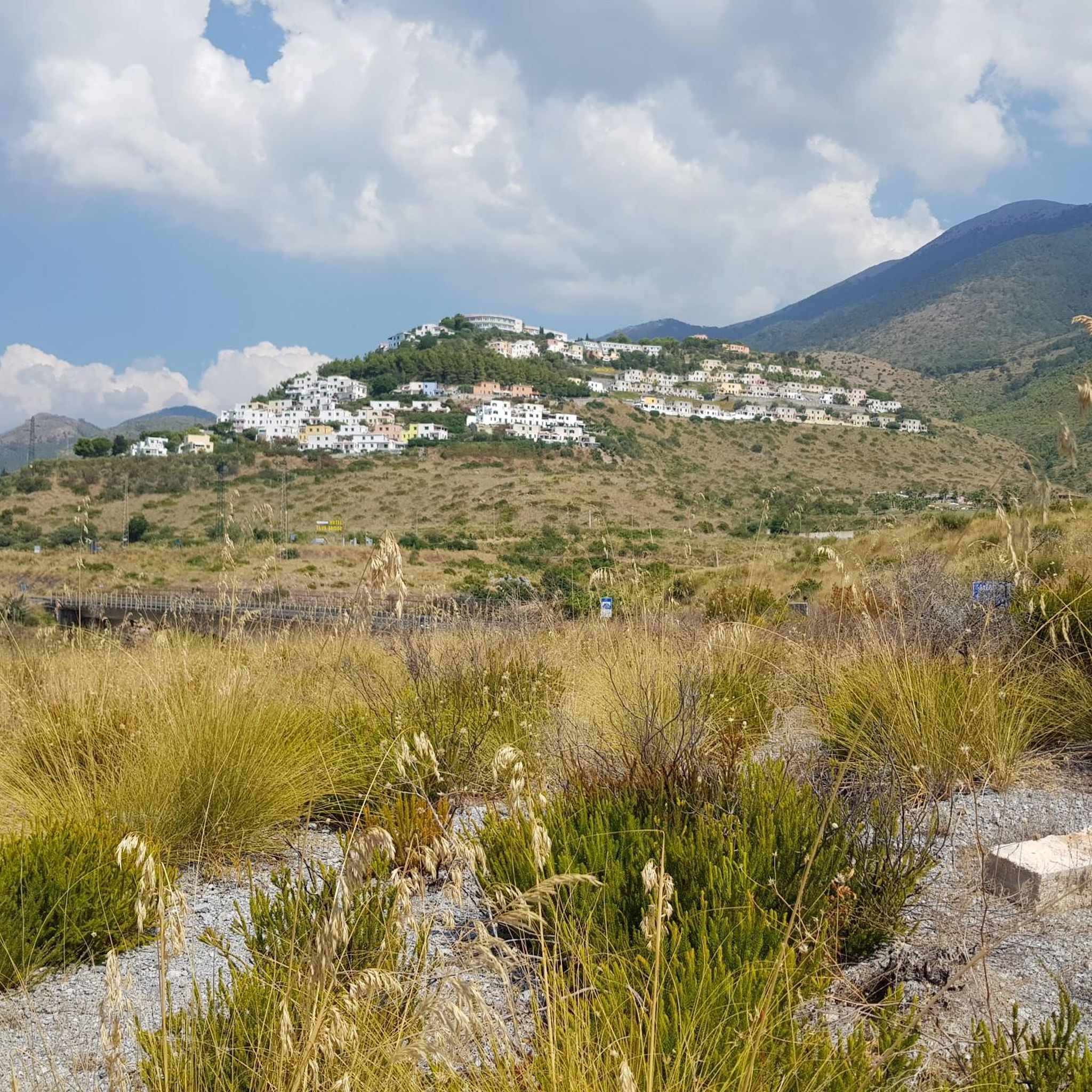
View of Dino Island

Highlight • Viewpoint

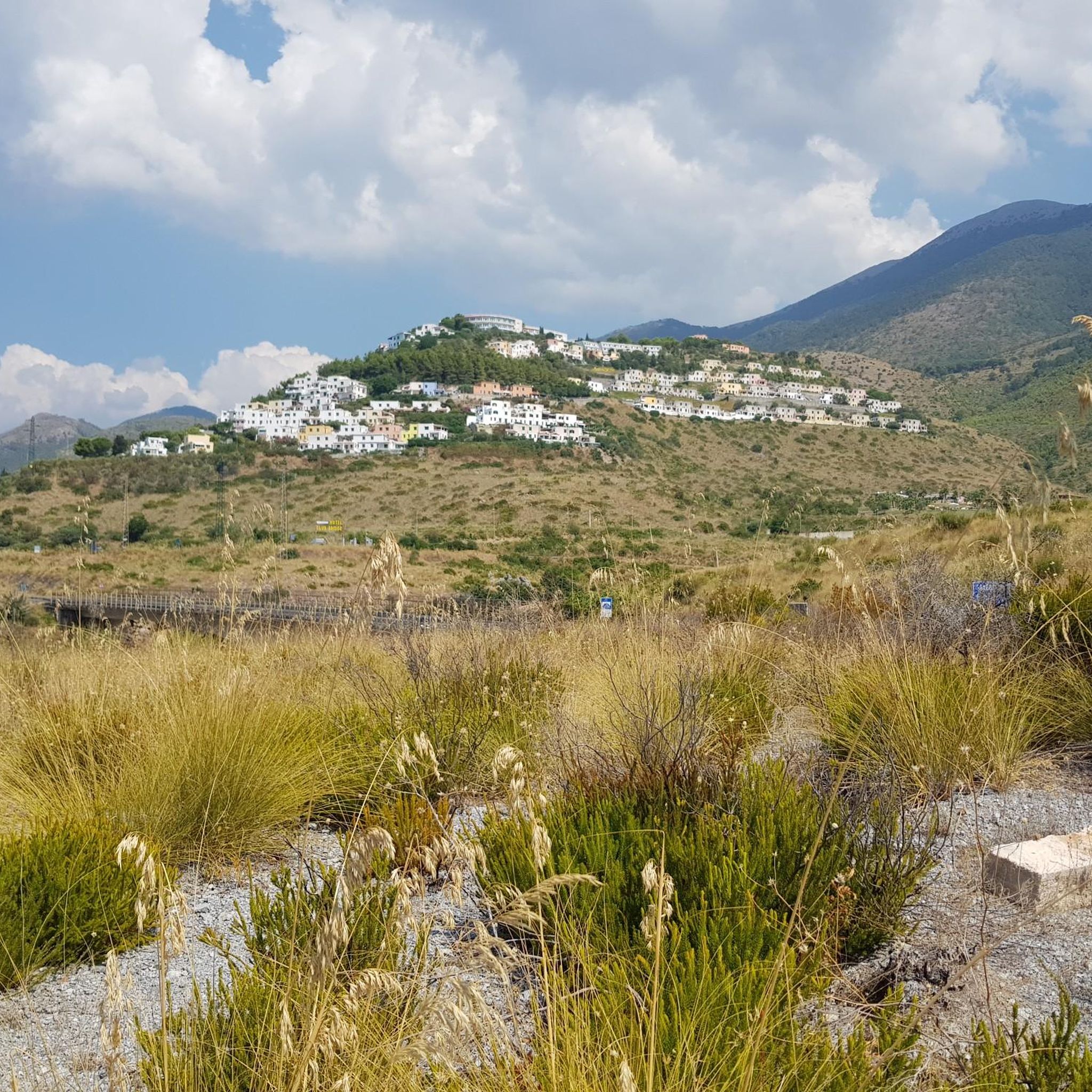
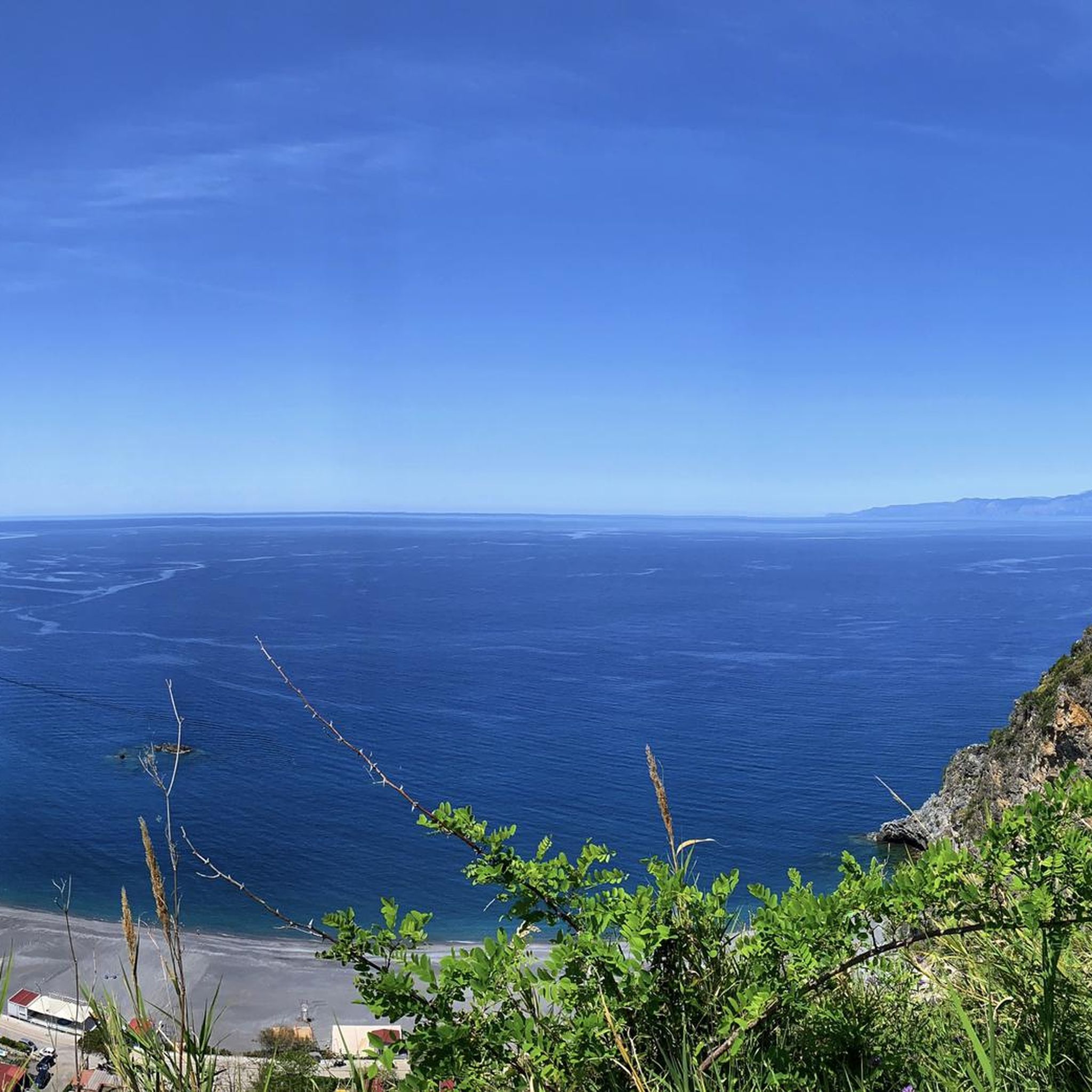
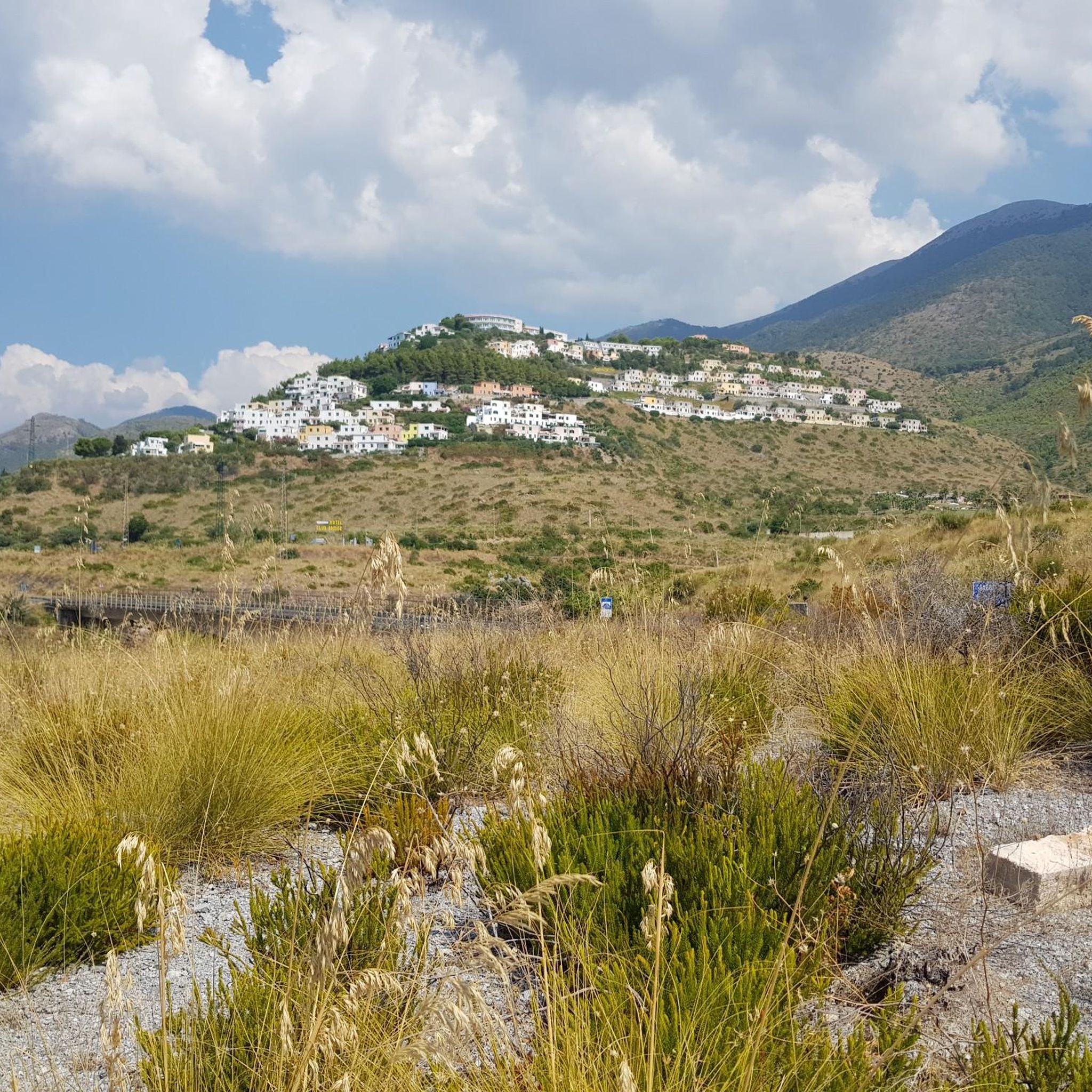
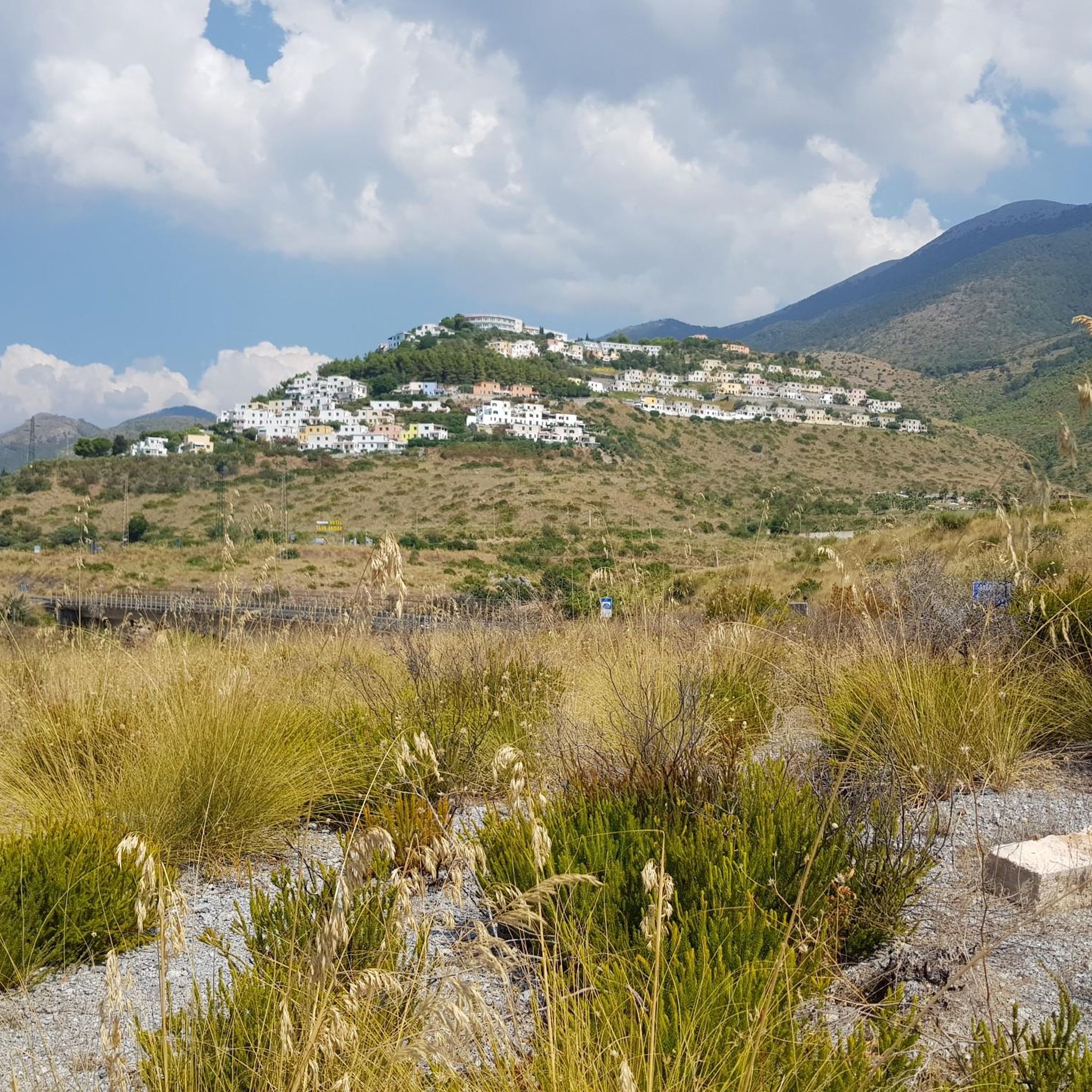
Wonderful coastal stretch on the SS18. In the background the Isola di Dino - are there any dinosaurs?

Translated by Google •

Tip by

Save

Sign up for free to discover even more attractions around San Nicola Arcella.

Sign up for free

Already have an account?

Start today with a free account

Your next adventure awaits.
Login or Signup

Popular around San Nicola Arcella

Cycling around San Nicola Arcella

Running Trails around San Nicola Arcella

MTB Trails around San Nicola Arcella

Road Cycling Routes around San Nicola Arcella

Hiking around San Nicola Arcella

Tips from the Community

Windbeutel
October 2, 2023, Torre di Fiuzzi

A striking point in town

Translated by Google

0

0

Scalea is a medieval village located on a terraced hill a few minutes from the sea. Its historic center is a labyrinth of stairways, alleys, arches and ancient buildings, where it is possible to visit the Norman Castle, the Basilian churches with Byzantine frescoes, the Palazzo dei Principi Spinelli and the Talao Tower, symbol of the city.

Translated by Google

2

0

Cycle path that goes from Tortora marina to Praia a Mare, all along the beach

Translated by Google

0

0

Alessandro
August 14, 2022, Torre di Fiuzzi

The Tower of Fiuzzi is located on a rock in front of the Dino Island, it was built during the 15th-16th century to defend the area from probable Turkish incursions which represented a serious danger for the citizens of the town of Praia a Mare.

Translated by Google

0

0

There is a beautiful cycle path that connects turtledove and Praia a mare along the seafront

Translated by Google

0

0

When the weather is nice, it is certainly a well-visited and wonderful place. I had strong winds from the side mixed with rain showers... everything looked very deserted.

Translated by Google

1

0

View of Isola del Dino. Short crisp ascent with a wonderful view of the coast. Nothing going on in autumn, most of the overnight stays are also closed

Translated by Google

0

0

Kermit
September 22, 2021, Vista sull'isola di Dino

Wonderful coastal stretch on the SS18. In the background the Isola di Dino - are there any dinosaurs?

Translated by Google

2

0

Frequently Asked Questions

What are the most beautiful beaches and natural wonders to explore in San Nicola Arcella?

San Nicola Arcella is renowned for its stunning coastline. The most famous natural wonder is the Arcomagno Beach and Cave, featuring a dramatic natural sea arch and a secluded beach. Other notable spots include Canalgrande Beach, flanked by cliffs, and Carpino Beach, a small, natural cove. The entire coastline boasts spectacular bays with turquoise waters and dense Mediterranean vegetation.

Can I explore sea caves and grottoes around San Nicola Arcella?

Yes, the area is rich in sea caves and grottoes. Besides the Arcomagno Cave, you can visit the Grotta Azzurra (Blue Grotto) on Dino Island, which can be explored by boat. The Grotta di Enea is another beautiful cave, and a tunnel from its nearby beach leads to Prete Beach.

What historical landmarks can I visit in San Nicola Arcella?

San Nicola Arcella offers several historical sites. The 16th-century Torre Crawford, a well-preserved coastal watchtower, offers inspiring views. The compact Historic Center itself is a landmark, with its labyrinth of stone lanes and authentic architecture. You can also see the 18th-century Baroque Palazzo dei Principi Lanza di Trabia and the 19th-century Chiesa di San Nicola da Tolentino.

What is special about San Nicola Arcella's historic center?

The historic center of San Nicola Arcella is a charming labyrinth of stone lanes, staircases, and sea-view lookouts. It moved to the hills in the Middle Ages to escape Saracen raids and is now recognized as one of Italy's Most Beautiful Villages. You'll find authentic architecture, covered passages known as 'supporti,' and murals depicting the village's history and traditions on house facades.

Where can I find the best panoramic views of the coast and sea?

For breathtaking vistas, head to the Belvedere di San Nicola. This viewpoint offers sweeping sea and mountain views, and from some spots, you can even see three regions: Calabria, Basilicata, and Campania, along with Dino Island and the Blue Bay. Another excellent spot is the View of Dino Island, which provides a wonderful coastal stretch.

What outdoor activities and routes are available near San Nicola Arcella's attractions?

The region around San Nicola Arcella is perfect for outdoor enthusiasts. You can find various routes for cycling, running, and road cycling. For detailed guides and routes, explore the Cycling around San Nicola Arcella, Running Trails around San Nicola Arcella, and Road Cycling Routes around San Nicola Arcella guides.

Can I take boat tours to explore the coastline?

Absolutely. Exploring San Nicola Arcella's coastline by boat is highly recommended. Boat tours reveal hidden coves, sea caves, and dramatic rock formations, such as those around Dino Island, that are not fully visible from land. This offers a unique perspective on the wild and sculptural scenery.

Is San Nicola Arcella a family-friendly destination?

Yes, San Nicola Arcella offers several family-friendly options. Beaches like Praia a Mare Beach and Beach of Marina di Santa Maria del Cedro are suitable for families. The natural beauty and historical sites provide engaging experiences for all ages, and the compact historic center is pleasant to explore on foot.

What is the best time of year to visit San Nicola Arcella for outdoor activities?

San Nicola Arcella is best visited during the warmer months, typically from late spring to early autumn (May to September), for outdoor activities. The weather is ideal for enjoying the beaches, boat tours, and exploring the historic center. The coastline has held Blue Flag status since 2019, signifying its pristine nature during these periods.

Are there any dog-friendly areas or trails in San Nicola Arcella?

While specific dog-friendly beaches are not explicitly listed, many natural trails and coastal walking paths around San Nicola Arcella are generally suitable for dogs on a leash. It's always advisable to check local regulations for specific beaches or protected areas before visiting with your pet.

How long does it typically take to visit Arcomagno Beach and Cave?

Visiting the Arcomagno Beach and Cave can take anywhere from 1 to 3 hours, depending on how much time you wish to spend relaxing on the beach, swimming, or exploring the cave. Access can be via a coastal walking path, which adds to the experience, or by boat.

What do visitors particularly enjoy about the attractions around San Nicola Arcella?

Visitors frequently praise the stunning natural beauty, especially the turquoise waters and dramatic coastal views. The historic charm of the village center and the unique experience of exploring sea caves and grottoes are also highly appreciated. The View of Dino Island, for instance, is noted for its 'wonderful coastal stretch'.

Most popular routes around San Nicola Arcella

Cycling around San Nicola Arcella

Store rating

Get inspired with the komoot mobile app

With a free komoot account, you can easily find, customize, and navigate endless outdoor adventures.

or

Join komoot Now

Store rating

Explore more

Still not found the Highlight you’re looking for? See guides of the top attractions in other regions:

CastrovillariFrascinetoCerchiara Di CalabriaSan Lorenzo BellizziMorano CalabroCivitaTortoraSan Giovanni In FioreSila National ParkSan BasileSerra PedaceSpezzano PiccoloSpezzano Della SilaApriglianoCelicoAietaPedacePraia A MareSaracenaGrisoliaOrsomarsoParentiSan Donato Di NineaLungroAcriVerbicaroMaieràRoseLongobuccoSan SostiSan Pietro In GuaranoMottafolloneRovitoLappanoMormannoSant'Agata Di EsaroBuonvicinoBelvedere MarittimoCassano All'IonioScaleaPapasideroLaino CastelloSanginetoSanta Maria Del CedroSanta Domenica TalaoFrancavilla MarittimaDiamanteRoglianoPanettieriPietrafittaLaino BorgoCasole BruzioCerisanoMendicinoMarano PrincipatoColosimiMarano MarchesatoRendeSan FiliPlataciBonifatiDomanicoBianchiBocchiglieroSan LucidoFalconara AlbaneseFiumefreddo BruzioLongobardiTrentaCaroleiSanto Stefano Di RoglianoMalvitoFirmoLagoCetraroBelmonte CalabroAltomonteAcquaformosaCastroliberoAmanteaAiello CalabroSan Pietro In AmanteaRoggiano GravinaPaolaDipignanoPaterno CalabroZumpanoAlessandria Del CarrettoCorigliano-RossanoSan Vincenzo La CostaMontalto UffugoFuscaldoSan Demetrio CoroneCastiglione CosentinoOrioloCletoSerra D'AielloAlbidonaBisignanoSan Cosmo AlbaneseGrimaldiSanta Sofia D'EpiroSan Benedetto UllanoFagnano CastelloMongrassanoAcquappesaLuzziCerzetoNocaraRossanoCastroregioLattaricoMalitoMontegiordanoMangoneRocca ImperialePediviglianoVaccarizzo AlbaneseCellaraSciglianoPiane CratiTarsiaTrebisacceFigline VegliaturoAltiliaSan Marco ArgentanoSan Giorgio AlbaneseSan Lorenzo Del ValloCannaGuardia PiemontesePaludiSanta Caterina AlbaneseSan Martino Di FinitaRota GrecaTerranova Da SibariTorano CastelloCervicatiCropalatiCarpanzanoVillapianaMarziBelsitoScala CoeliAmendolaraPietrapaolaCampanaRoseto Capo SpulicoCalopezzatiSpezzano AlbaneseTerravecchiaCrosiaCalovetoMandatoriccioCariati

Nearby adventure guides

Things to Do around Praia A Mare

background

Get ready to conquer new peaks

Sign up for Free

Explore
RoutesRoute plannerFeaturesHikesMTB TrailsRoad cycling routesBikepackingSitemap
Download the app
Follow Us on Socials

© komoot GmbH

Privacy Policy