The best road cycling routes around Gorgonzola
4.2
(982)
13,762
riders
37
rides
Road cycling around Gorgonzola, Lombardy, offers diverse terrain from flat canal paths to more challenging routes in surrounding hills. The region is characterized by its strategic location near the Martesana Canal and Adda River, providing scenic, largely paved surfaces. Cyclists can explore agricultural plains and venture towards the pre-Alps, encountering varied elevation changes. This area provides a mix of landscapes suitable for different road cycling preferences.
Best road cycling routes around Gorgonzola
- The most popular road cycling route is Brivio…
Last updated: October 1, 2026
4.6
(12)
353
riders
71.2km
03:05
550m
550m
Moderate road ride. Good fitness required. Mostly well-paved surfaces and easy to ride.
5.0
(2)
61
riders
103km
05:02
1,400m
1,400m
Hard road ride. Very good fitness required. Mostly well-paved surfaces and easy to ride.

5.0
(2)
40
riders
Easy road ride. Great for any fitness level. Mostly well-paved surfaces and easy to ride.
5.0
(2)
30
riders
59.8km
02:34
360m
360m
Moderate road ride. Good fitness required. Mostly well-paved surfaces and easy to ride.
4.0
(1)
31
riders
67.7km
03:00
490m
490m
Moderate road ride. Good fitness required. Mostly well-paved surfaces and easy to ride.
Get access to more routes and recommendations from other explorers.
Already have an account?
Our route recommendations are based on thousands of hikes, rides, and runs completed by other people on komoot.
Start today with a free account
Your next adventure awaits.
Tips from the Community

The Ponte di San Rocco in Vimercate is the only intact example in Lombardy of a fortified medieval bridge, located at the end of the ancient decumanus (the current Via Cavour). The original structure dates back to Roman times, inserted along the main road axis. It is a "donkey's back" bridge with four arches, 28.50 meters long and about 4.5 meters wide, built of stone with blocks of ceppo and serizzo. In the Middle Ages, it was fortified and transformed into a tower-gate (the only surviving one of the seven original gates of Vimercate's city walls).
0
0

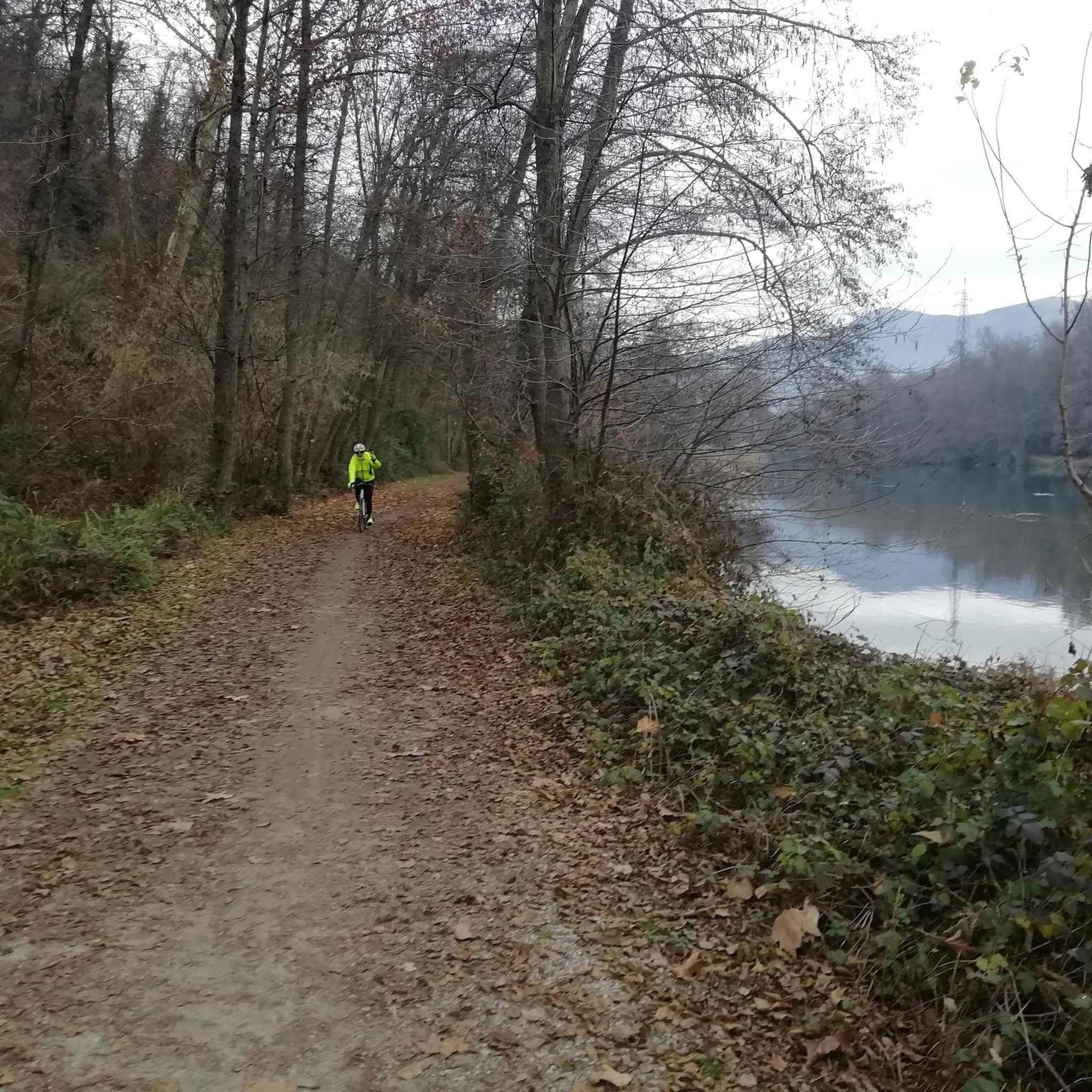
The section of the Naviglio Martesana cycle path between Bellinzago Lombardo and Inzago is a flat, entirely asphalted stretch without technical difficulties, ideal for cycle tourists of all levels. This specific rural fragment runs for about 3-4 kilometers along the Martesana canal in a protected area.
2
0
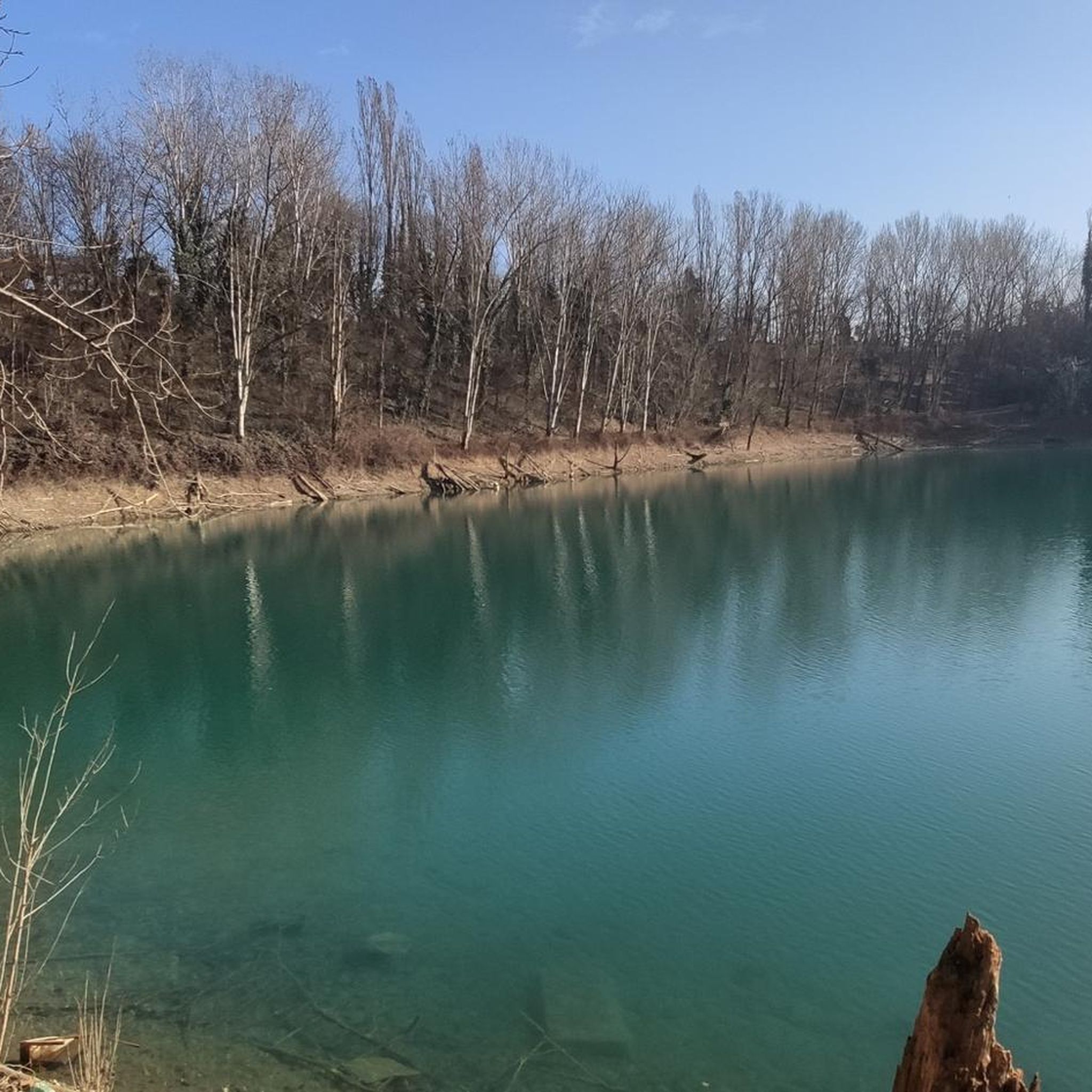
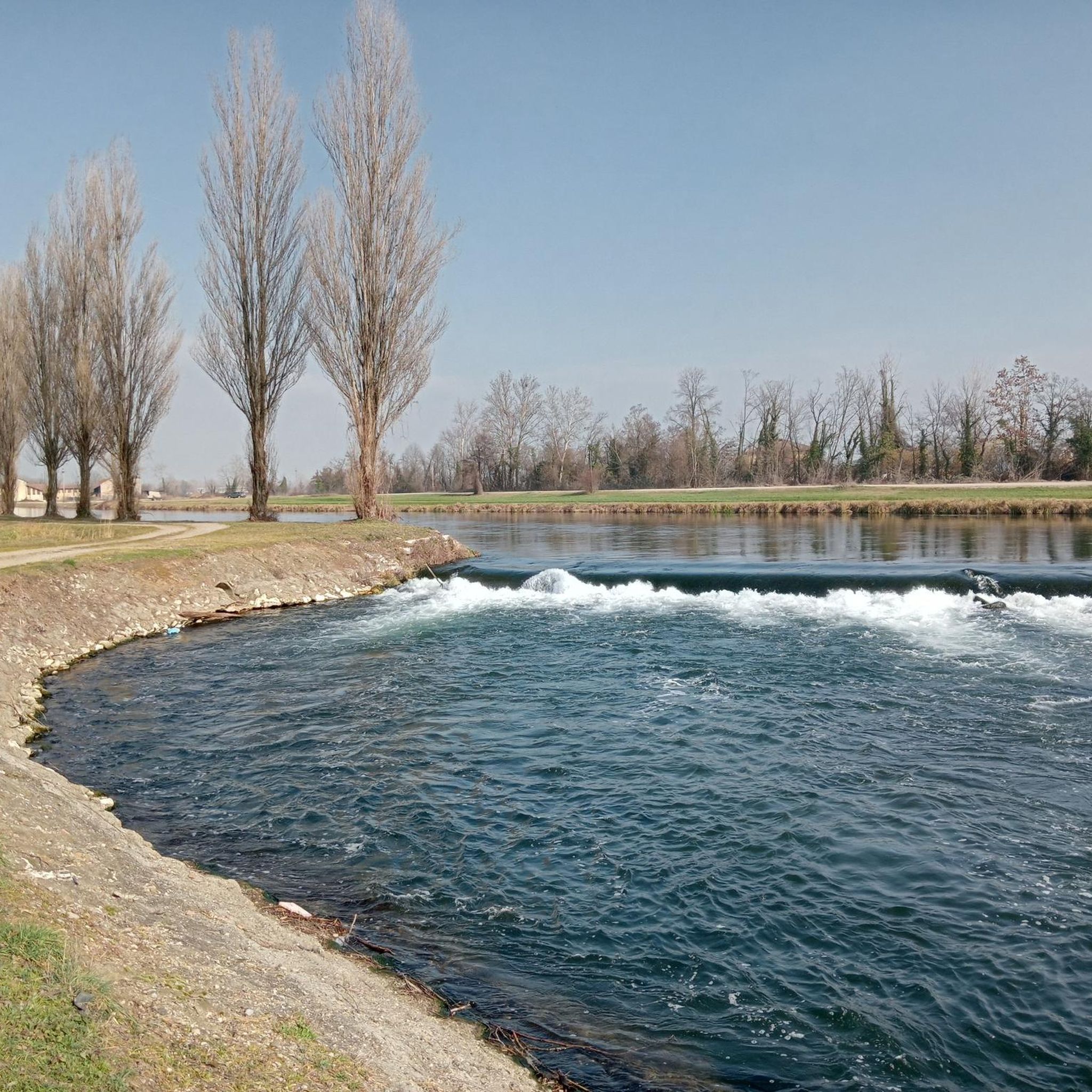
The Locks of Bellinzago Lombardo are an important historical hydraulic engineering work located along the course of the Naviglio della Martesana. They represent one of the best-known stopping and points of interest for cyclists and hikers who frequent the canal bank. These historical hydraulic systems (locks or sluices) originally served to regulate the flow of water and allow commercial navigation between the Adda and Milan.
0
0
L'Eremo di Monte Barro is a striking complex located at 790 meters above sea level in the heart of the Monte Barro Regional Park, in the municipality of Galbiate (Lecco). It represents the main landmark and nerve center of the park, renowned for its spectacular panoramic terrace that offers a 360-degree view of the Brianza lakes (Annone, Pusiano, Alserio), the city of Lecco, and "that branch of Lake Como".
0
0
Sirtori is a charming hilltop village located in the heart of the upper Lecco Brianza, famous for its historic views, its green paths, and the majestic Church of Saints Nabore and Felice, which dominates the town from its elevated position. The territory offers a perfect blend of sacred architecture, ancient noble residences, and a dense network of hiking and cycling trails.
0
0
Sirtori is a charming hilltop village located in the heart of the alta Brianza lecchese, famous for its historic views, its paths immersed in greenery, and the majestic Church of Saints Nabore and Felice, which dominates the settlement from its elevated position. The territory offers a perfect blend of sacred architecture, ancient noble residences, and a dense network of hiking and cycling trails.
0
0
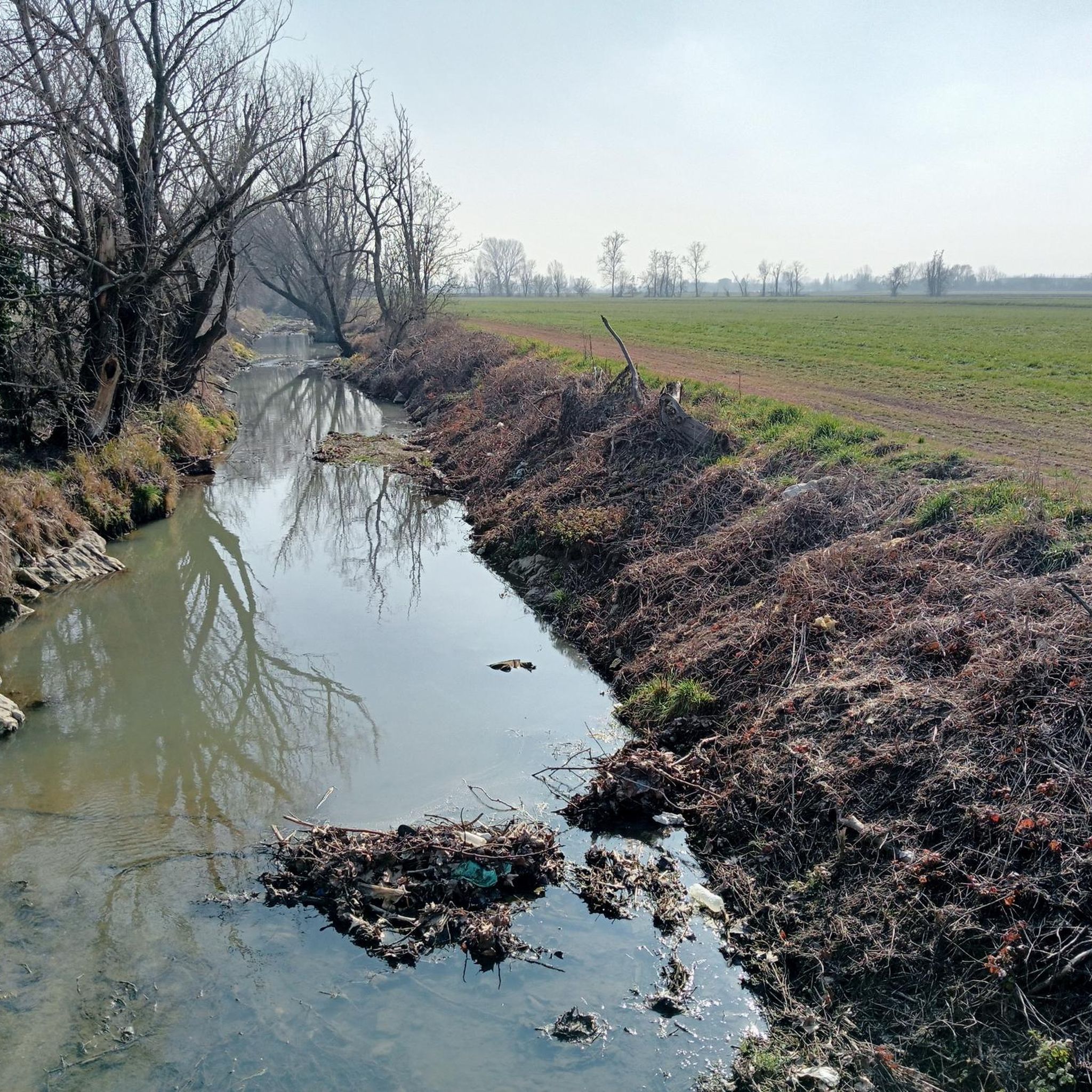
Naviglio della Martesana is perhaps the least known of the ancient artificial canals connecting Milan to the great Lombard rivers. It originates from the Adda in Concesa, a hamlet of Trezzo d’Adda, crosses the Martesana sub-region, northeast of the provincial capital, and once in the city, it plunges underground beneath Via Melchiorre Gioia, at the height of Cassina de’ Pomm. It measures approximately 38 km in length, with a width varying from 9 to 18 meters. However, once upon a time, the Naviglio della Martesana continued in the open air all the way to the center, where a lock system centered on the Conca dell’Incoronata connected it to the short Naviglio di S. Marco and the urban network of the Navigli. The lock was inaugurated in 1496, utilizing lock gates designed by Leonardo da Vinci. The canal had been opened in 1471, under Francesco Sforza. By connecting it to the other Navigli, Leonardo laid the foundations for realizing a dream of the Sforzas: to travel by water from the Ticino, and therefore from Lake Maggiore, all the way to the Adda.
1
0

Although the altimetry of M.Barro is not high, around 900 meters, I think it's by bike 🚴 on the road leading to the Eremo, where there is also the interesting Museum of the M.Barro Park and a simple restaurant... also on foot through a network of paths that also lead to the Casa degli Alpini 💚 in the good season you can have coffee, some simple aperitifs and if it goes well a plate of pasta 🍝 nearby to visit the Archaeological Park..of the life of the Ostrogoths, in short, then a fantastic panorama over the lakes of Annone, Pusiano, Alserio .... and from the side towards the Croce the lake of Lecco ..worth going 🌈🙏👍🌈⛰️💚🌅💙
0
0
Frequently Asked Questions
How many road cycling routes are available around Gorgonzola?
There are over 40 road cycling routes around Gorgonzola, offering a diverse range of experiences. These routes cater to various skill levels, from leisurely rides along canals to more challenging ascents in the surrounding hills.
Are there easy road cycling routes suitable for beginners in Gorgonzola?
Yes, Gorgonzola offers over 20 easy road cycling routes perfect for beginners or those seeking a relaxed ride. Many of these follow the scenic and largely flat paths along the historic Martesana Canal. A good example is the Bellinzago Lombardo Locks – Martesana Canal loop from Gorgonzola, which is about 25 km long.
What kind of challenging road cycling routes can I find near Gorgonzola?
For experienced cyclists looking for a challenge, Gorgonzola provides several routes with significant elevation gain. You can find routes that venture towards the pre-Alps, offering substantial climbs and rewarding views. An example of a more difficult route is the Eremo di Monte Barro – Climb to S. Gregorio loop from Gorgonzola, which covers over 100 km with nearly 1,400 meters of elevation.
What are the best places to see along the road cycling routes in Gorgonzola?
Road cycling routes around Gorgonzola offer a mix of natural beauty and historical landmarks. Along the Martesana Canal, you can see the impressive Idroscalo of Milan and the historic Groppello Water Wheel. Routes connecting to the Adda River feature industrial architecture, such as a hydroelectric power plant and the Pignone Park and Waterfall on the Adda River. The region also boasts various lakes and natural monuments like the Besozza Forest.
Are there any family-friendly road cycling options around Gorgonzola?
Yes, the flat and well-maintained cycle paths along the Martesana Canal are ideal for family-friendly road cycling. These routes are generally safe and offer picturesque scenery without significant climbs, allowing for an enjoyable experience for all ages. Many sections are paved and pass through charming villages.
Where can I park my car when starting a road cycling route in Gorgonzola?
Gorgonzola, being a town just outside Milan, typically offers various parking options within the town center or near popular starting points for canal paths. Look for public parking areas or designated spots close to the Martesana Canal access points, which are often convenient for cyclists.
Can I access road cycling routes in Gorgonzola using public transport?
Gorgonzola is well-connected by public transport, particularly with Milan, making it accessible for cyclists. You can often reach the town via regional trains or buses, and from there, easily connect to the various road cycling routes, especially those along the Martesana Canal which often start directly from the town.
What is the best time of year for road cycling in Gorgonzola?
The best time for road cycling in Gorgonzola is generally during spring (April to June) and autumn (September to October). During these months, the weather is pleasant, with mild temperatures and less humidity, making for comfortable rides. Summer can be warm, especially in July and August, while winter can be chilly and potentially foggy.
What do other road cyclists enjoy most about cycling in Gorgonzola?
The road cycling routes around Gorgonzola are highly rated by the komoot community, with an average score of 4.3 stars from over 170 reviews. Cyclists often praise the diverse terrain, from the historic canal paths to the more challenging routes towards the pre-Alps, and the blend of natural beauty with cultural landmarks.
Are there any cafes or refreshment stops along the road cycling routes?
Yes, many road cycling routes around Gorgonzola, especially those along the Martesana Canal and through local villages, pass by cafes, trattorias, and shops where you can stop for refreshments. The town of Gorgonzola itself, and other towns along the canal, offer ample opportunities to enjoy local food and drinks, including the famous Gorgonzola cheese.
Are there any routes that connect to the Adda River?
Yes, several road cycling routes from Gorgonzola connect to the Adda River, offering a different landscape with natural scenery and views of impressive industrial architecture. An example is the Bellinzago Lombardo Locks – Adda River at Trezzo sull'Adda loop from Villa Pompea, which provides a moderate ride along the riverbanks.
Can I find routes that include historical sites?
Absolutely. The region is rich in history. Many routes, particularly those following the Martesana Canal, pass through historically significant locations. You can encounter sites like the Groppello Water Wheel, ancient bridges, and charming medieval towns with their own historical buildings such as the Court of the Cloisters or Villa Alari Visconti in Gorgonzola itself.
Most popular routes around Gorgonzola
Most popular attractions around Gorgonzola

Get inspired with the komoot mobile app


Explore more
Browse the best Road cycling routes in other regions.
