Attractions and Places To See around Castrignano Del Capo - Top 20
Attractions and places to see around Castrignano Del Capo include a blend of historical sites, natural beauty, and cultural experiences in the Salento region of Puglia, Italy. Situated at the southernmost tip of Puglia, this area features a coastline where the Adriatic and Ionian seas meet. Visitors can explore ancient watchtowers, significant lighthouses, and natural coves. The region offers a diverse landscape of historical landmarks and geological formations.
Best attractions and places to see around Castrignano Del Capo
- The most popular attractions is Capo Santa Maria di Leuca Lighthouse, a man-made monument built in 1864. This lighthouse stands 47 meters high and is visible up to 24 nautical miles, illuminating the point where the Ionian and Adriatic seas meet.
- Another must-see spot is Ciolo Bridge, a bridge spanning a beautiful cove. The bridge stands 40 meters high over a deep ravine, offering views of the clear waters below and nearby caves.
- Visitors also love Torre Nasparo, a man-made monument built in 1565 during Spanish rule. This historic watchtower is located on a rocky spur 129 meters above sea level, providing a strategic vantage point over the sea.
- Castrignano Del Capo is known for its historical sites, natural caves, and coastal viewpoints. The area offers a variety of attractions to see and explore, from ancient defensive structures to unique geological formations.
- The attractions around Castrignano Del Capo are appreciated by the komoot community, with 25 highlights featuring 98 photos and receiving 196 upvotes.
Last updated: May 25, 2026
Capo Santa Maria di Leuca Lighthouse
Highlight • Monument
Translated by Google •
Tip by

Ciolo Bridge
Highlight • Bridge
Translated by Google •
Tip by

Sign up now to discover places like this
Get recommendations on the best single tracks, peaks, & plenty of other exciting outdoor places.
Sign up for free
Basilica and Sanctuary of Santa Maria de Finibus Terrae
Highlight • Religious Site
Translated by Google •
Tip by
Church of the Madonna of Constantinople
Highlight • Religious Site
Translated by Google •
Tip by

Torre Nasparo
Highlight • Monument
Tip by

Sign up for free to discover even more attractions around Castrignano Del Capo.
Sign up for free
Already have an account?
Start today with a free account
Your next adventure awaits.
Login or Signup
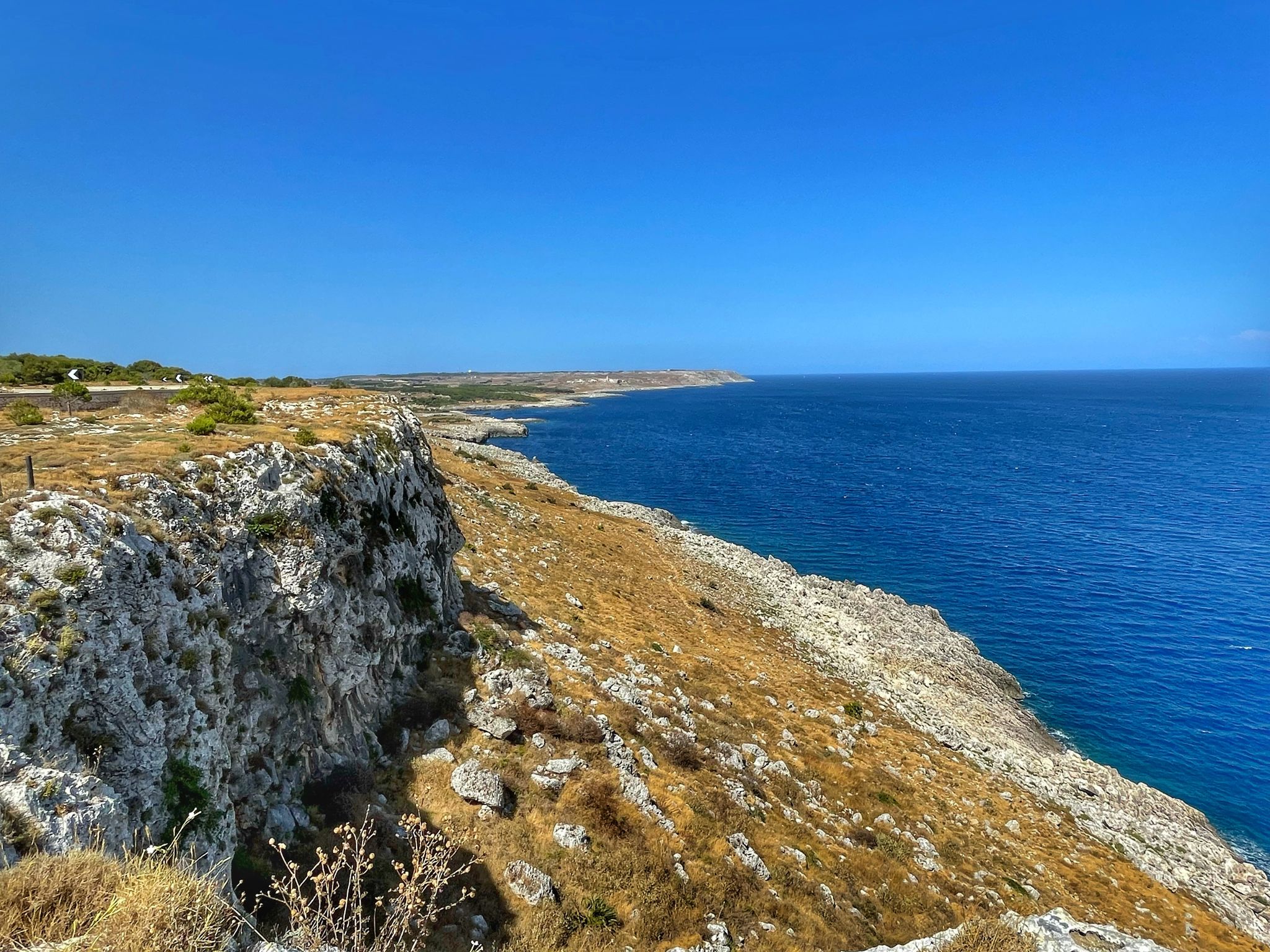
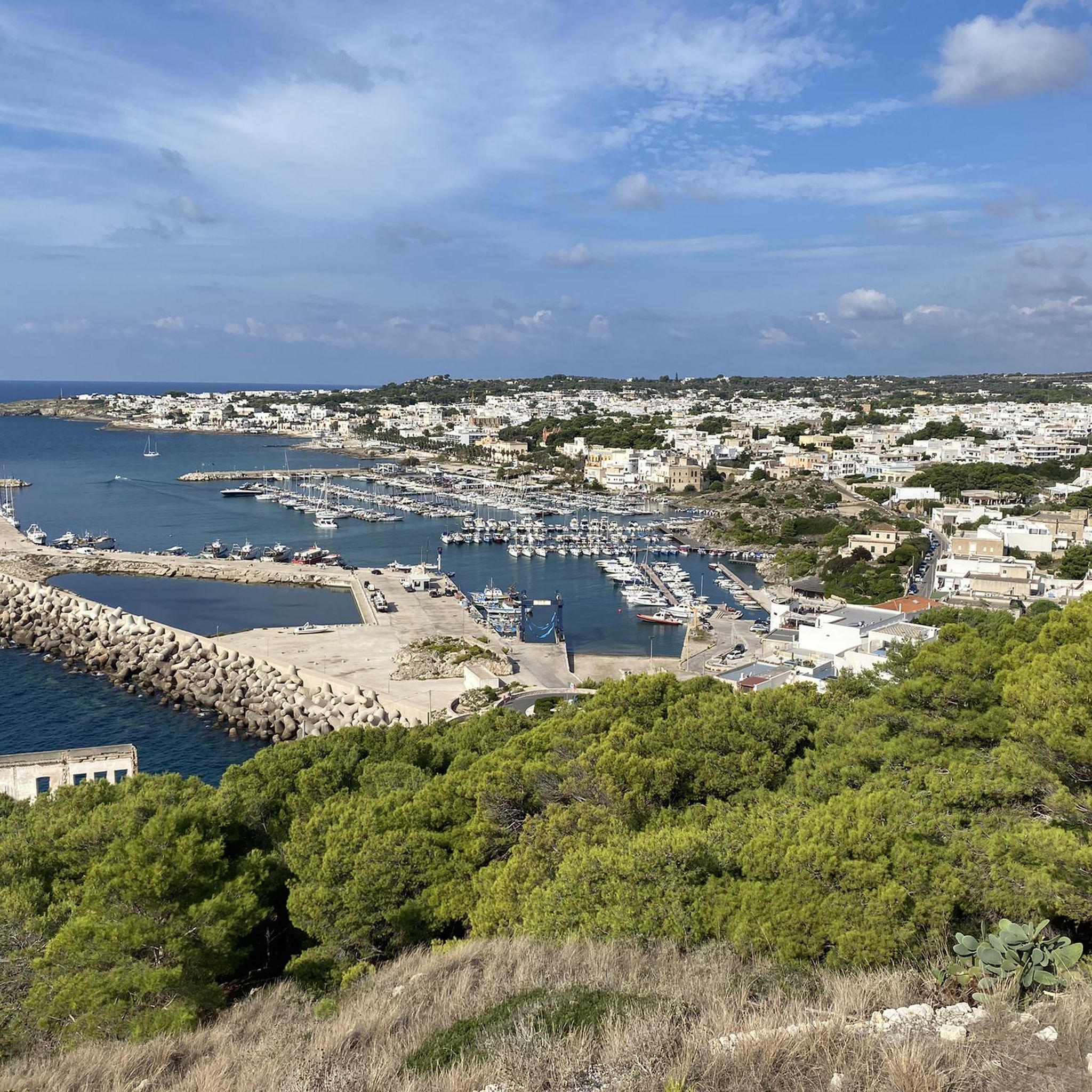
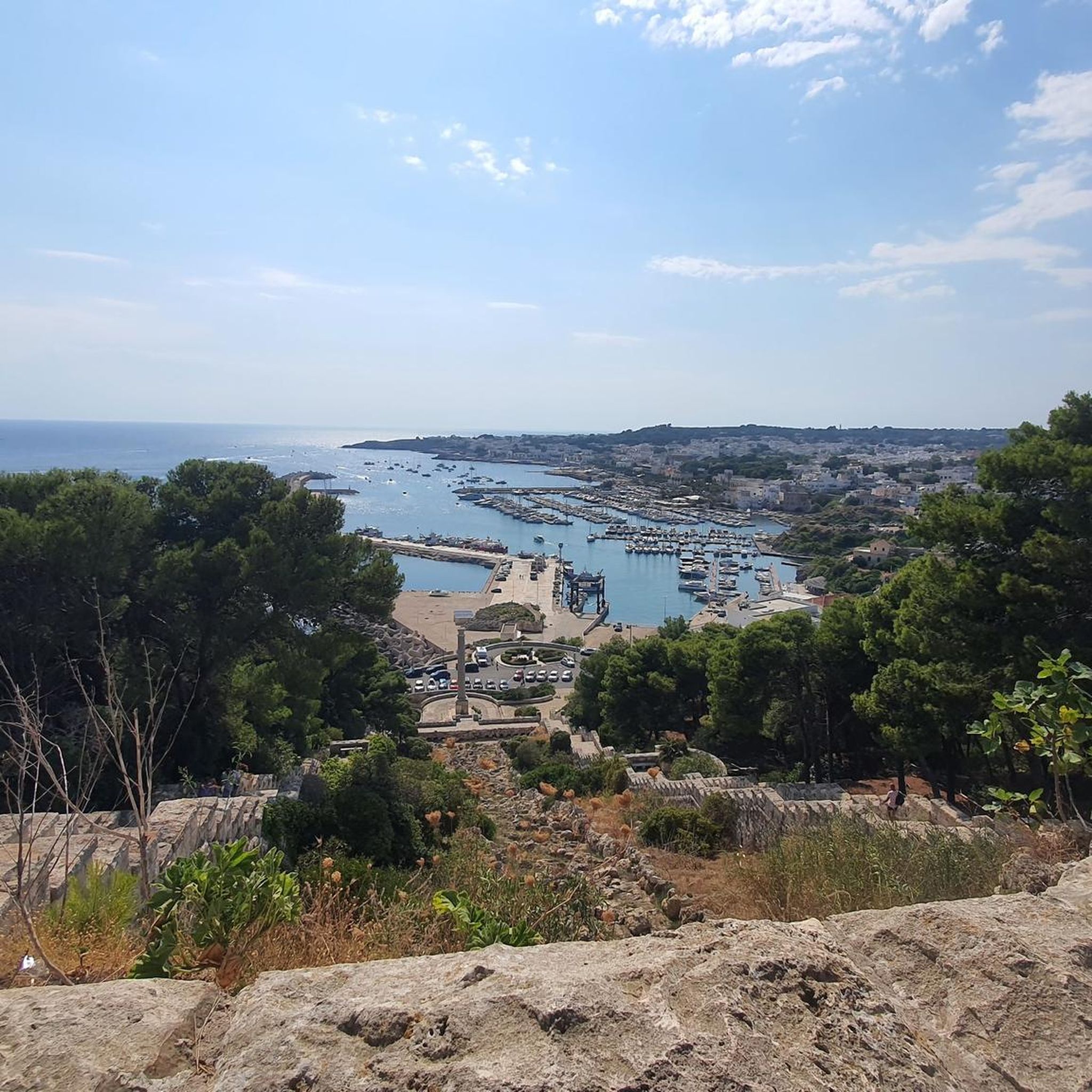
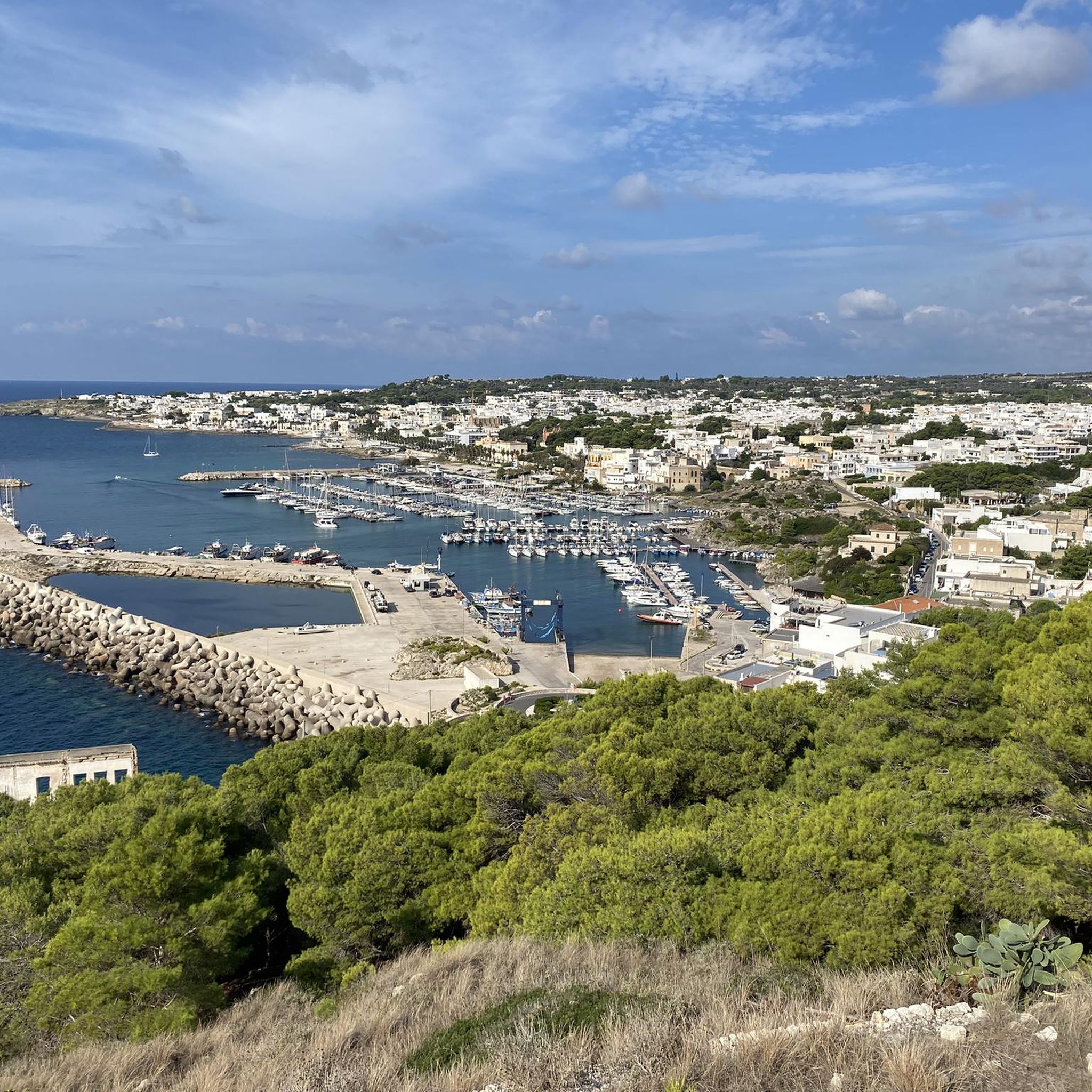
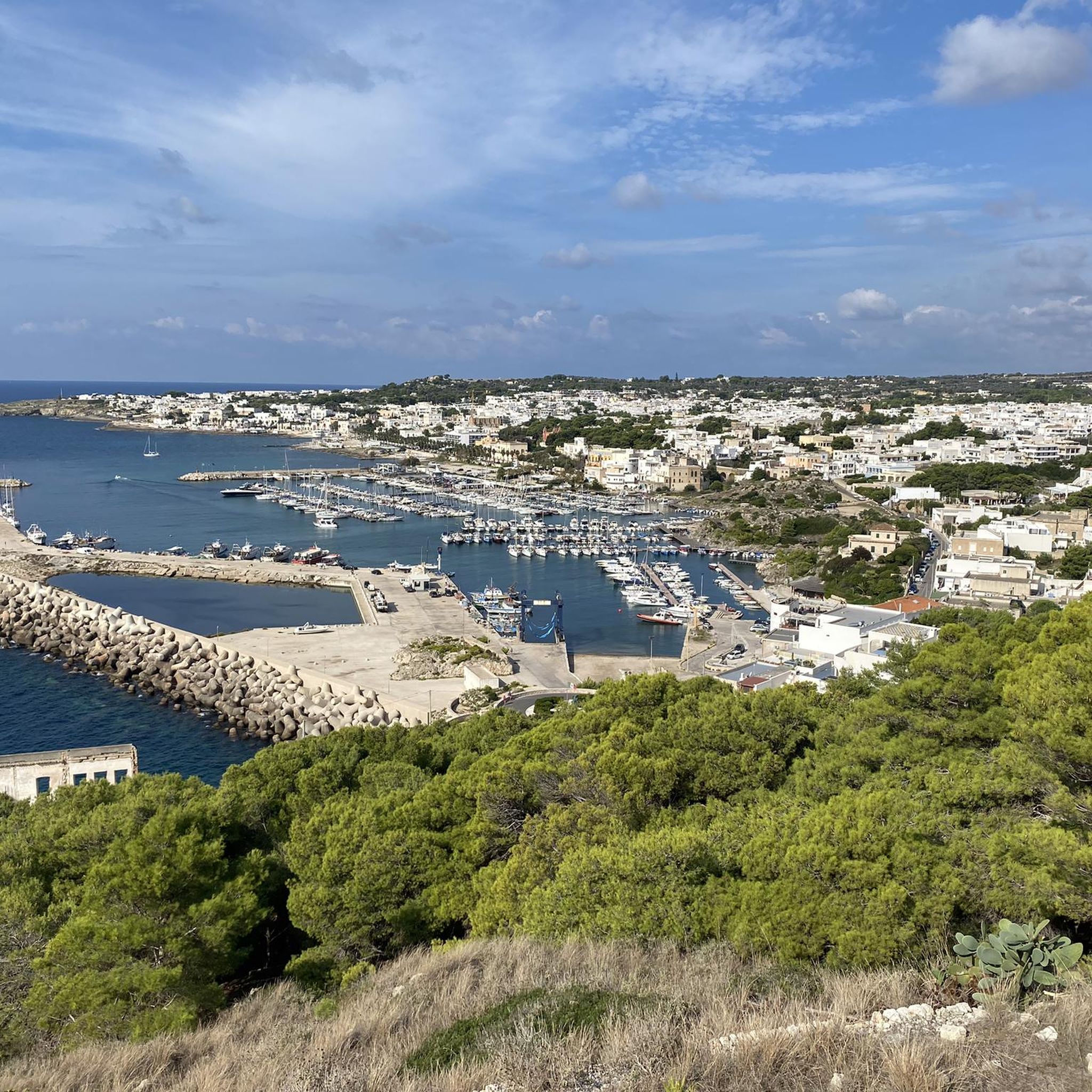
Other adventures around Castrignano Del Capo

Tips from the Community

Impressive and symbolic. Exciting point of arrival for many travellers, where the seas meet and where beyond there is only the sea.
1
0

Beautiful sea view, drive along the coast
0
0

The Church of the Virgin Mary was built on the old foundations in the 18th century in the Baroque style. It is the sanctuary of the diocese of Ugento-Santa Maria di Leuca. On the promontory where the current church of Santa Maria de Finibus Terrae stands there was originally a pagan temple dedicated to Minerva, as evidenced by the discovery of an altar preserved inside the church. In the square in front of the church there is the Pietrina Cross, the Marian column dating from 1694, surmounted by a statue of the Madonna by Filiberto Aierbo de Aragon, and the lighthouse.
0
0

It is the second tallest lighthouse in Europe located on the edge of the square of the sanctuary of Santa Maria di Leuca.
0
0

Reopened on April 24, 2024, after renovations and refurbishments. There are now separate pedestrian lanes alongside the road. In the evening, the bridge is illuminated with rainbow colors—haha, just kidding 😅—thankfully, they're the colors of the Italian flag 🇮🇹.
1
0


The Ciolo bridge is the perfect destination for those who love diving from great heights. The bridge connects the canyon and below is a beach. 40 meters high, there is a breathtaking panorama occasionally interrupted by the "splash" of those who dive. Near the bridge there are many caves including the Ciolo cave. The name “Ciolo” derives from the Salento word “Ciole”, to indicate the numerous magpies that nested along the coast.
2
0

The Santa Maria di Leuca lighthouse is the second tallest lighthouse in Italy, after that of Genoa, and second in Europe. It's really exciting to get there by bike and see the two seas, the Adriatic and the Ionian, meeting.
1
0
Frequently Asked Questions
What natural attractions can I explore around Castrignano del Capo?
The region offers stunning natural beauty. You can visit the dramatic Ciolo Bridge, which spans a beautiful cove and offers views of clear waters and nearby caves. Explore the large natural cavities of Cipolliane Cave, known for its friable stone and traces of human history. The coastline where the Adriatic and Ionian seas meet also features numerous other caves like Grotta del Soffio and Tre Porte Caves, often accessible by boat tours from Santa Maria di Leuca.
Are there historical sites to visit in Castrignano del Capo?
Yes, Castrignano del Capo is rich in history. You can see the Torre Nasparo, a 16th-century watchtower built during Spanish rule, offering strategic views from its high rocky spur. The Capo Santa Maria di Leuca Lighthouse, built in 1864, is another significant historical landmark. Don't miss the 16th-century Giuliano Castle, which retains its original form and moat, or the ancient Menhir Mensi in Giuliano di Lecce.
What are some family-friendly activities in the Castrignano del Capo area?
Families can enjoy exploring the beautiful coastline and its clear waters, particularly around Marina di Leuca. A visit to the Capo Santa Maria di Leuca Lighthouse offers panoramic views that children and adults alike will appreciate. The historic center of Castrignano del Capo, known as Borgo Terra, with its narrow streets and white houses, is also a pleasant area for a family stroll.
Where can I find the best viewpoints in the region?
For breathtaking views, head to the Capo Santa Maria di Leuca Lighthouse, which offers panoramic vistas of the sea where the Adriatic and Ionian meet. The Torre Nasparo also provides a strategic vantage point 129 meters above sea level. Additionally, the Belvedere Capo di Leuca offers scenic views of the entire Capo di Leuca area.
Are there any hiking opportunities near Castrignano del Capo's attractions?
Yes, there are several hiking routes available. You can find trails like the easy 6.7 km 'Santa Maria di Leuca – Santa Maria di Leuca Lighthouse loop' or the moderate 10.6 km 'Leuca Coastal Path loop'. For more options, explore the Hiking around Castrignano Del Capo guide.
What cultural landmarks are there besides historical sites?
Beyond ancient structures, you can visit the Basilica Santuario di Santa Maria de Finibus Terrae, a significant place of worship with a monolithic rock inside recalling an ancient cult. The Church of San Michele Arcangelo, built in 1743 in Baroque style, features sculptures and paintings. The Church of the Madonna of Constantinople, also known as the 'Church of the Devils', is another interesting cultural landmark.
Can I find any unique local experiences like underground oil mills?
Yes, the historic center of Castrignano del Capo and surrounding areas are known for their traditional underground oil mills. These historical treasures offer a glimpse into the region's agricultural past and are sometimes open for visits, providing a unique cultural experience.
What is the best time of year to visit Castrignano del Capo?
The Salento region, including Castrignano del Capo, is particularly pleasant during the spring (April-May) and early autumn (September-October) when the weather is mild and ideal for exploring historical sites and natural landscapes. Summer (June-August) is popular for beach activities and enjoying the coastal areas, though it can be quite warm and busy.
Are there opportunities for cycling or mountain biking?
Absolutely. The area around Castrignano del Capo offers routes for both gravel biking and mountain biking. You can find moderate MTB trails like the 'Mozza Tower – Torre Vado loop' or the 'Scenic Pathway to Funnuvojere loop'. For more details, check out the MTB Trails around Castrignano Del Capo guide or the Gravel biking around Castrignano Del Capo guide.
What are some lesser-known or 'hidden gem' attractions in the area?
Beyond the main highlights, consider exploring the Tower of Salignano, a circular defensive tower built in 1550 and now refurbished for cultural activities. The Crypt of the Pantocrator in Giuliano di Lecce, with its original Byzantine frescoes, also offers a unique historical insight away from the more crowded spots.
Where do the Adriatic and Ionian seas meet in this region?
The point where the Adriatic and Ionian seas meet is a significant natural feature of the region, visible from the southernmost tip of Puglia. This confluence can be best observed from the area around Santa Maria di Leuca, particularly near the Capo Santa Maria di Leuca Lighthouse, which stands as a beacon at this geographical junction.
Most popular routes around Castrignano Del Capo
Most popular attractions around Castrignano Del Capo

Get inspired with the komoot mobile app


Explore more
Still not found the Highlight you’re looking for? See guides of the top attractions in other regions:
