Attractions and Places To See around Crespina Lorenzana - Top 20
Best attractions and places to see around Crespina Lorenzana, a municipality in the Tuscan countryside, blend historical sites with natural landscapes. The area is characterized by rolling hills, vineyards, and historic architecture. Visitors can explore aristocratic villas, ancient churches, and natural features like the Pisan hills. This region offers a variety of experiences for those interested in history, culture, and outdoor exploration.
Best attractions and places to see around Crespina Lorenzana
- The most popular attractions is Lake Santa Luce,…
Last updated: October 23, 2026
Verruca Fortress
Highlight • Castle
Translated by Google •
Tip by

Dolorosa Rock
Highlight • Summit
It is famous for the fact that the Florentines, …
Translated by Google •
Tip by

Sign up now to discover places like this
Get recommendations on the best single tracks, peaks, & plenty of other exciting outdoor places.
Upezzinghi Tower (Caprona Tower)
Highlight • Castle
Translated by Google •
Tip by

Climb to Chianni
Highlight (Segment) • Climb
Translated by Google •
Tip by

Pastina Village and Church
Highlight • Settlement
Translated by Google •
Tip by

Sign up for free to discover even more attractions around Crespina Lorenzana.
Already have an account?
Start today with a free account
Your next adventure awaits.
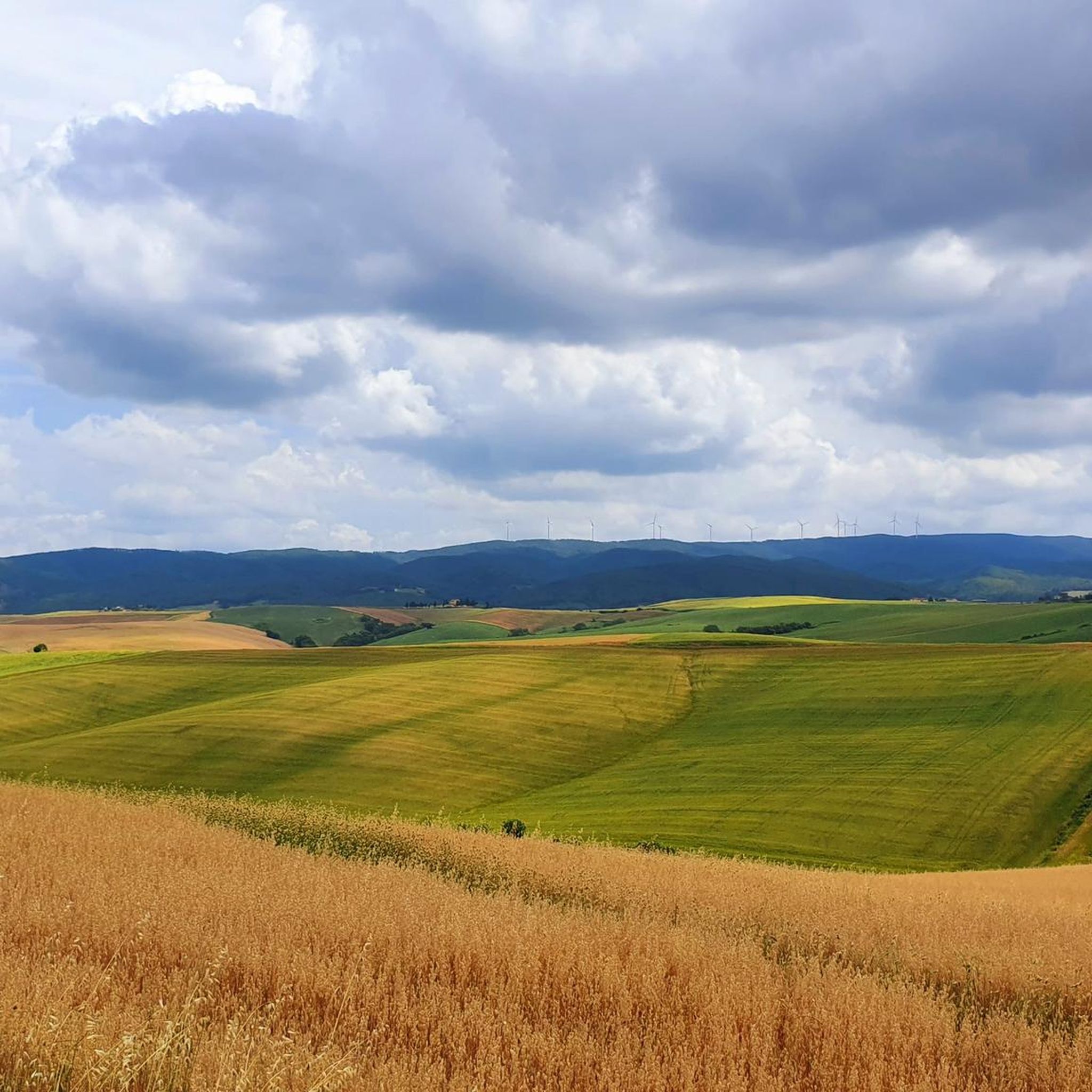
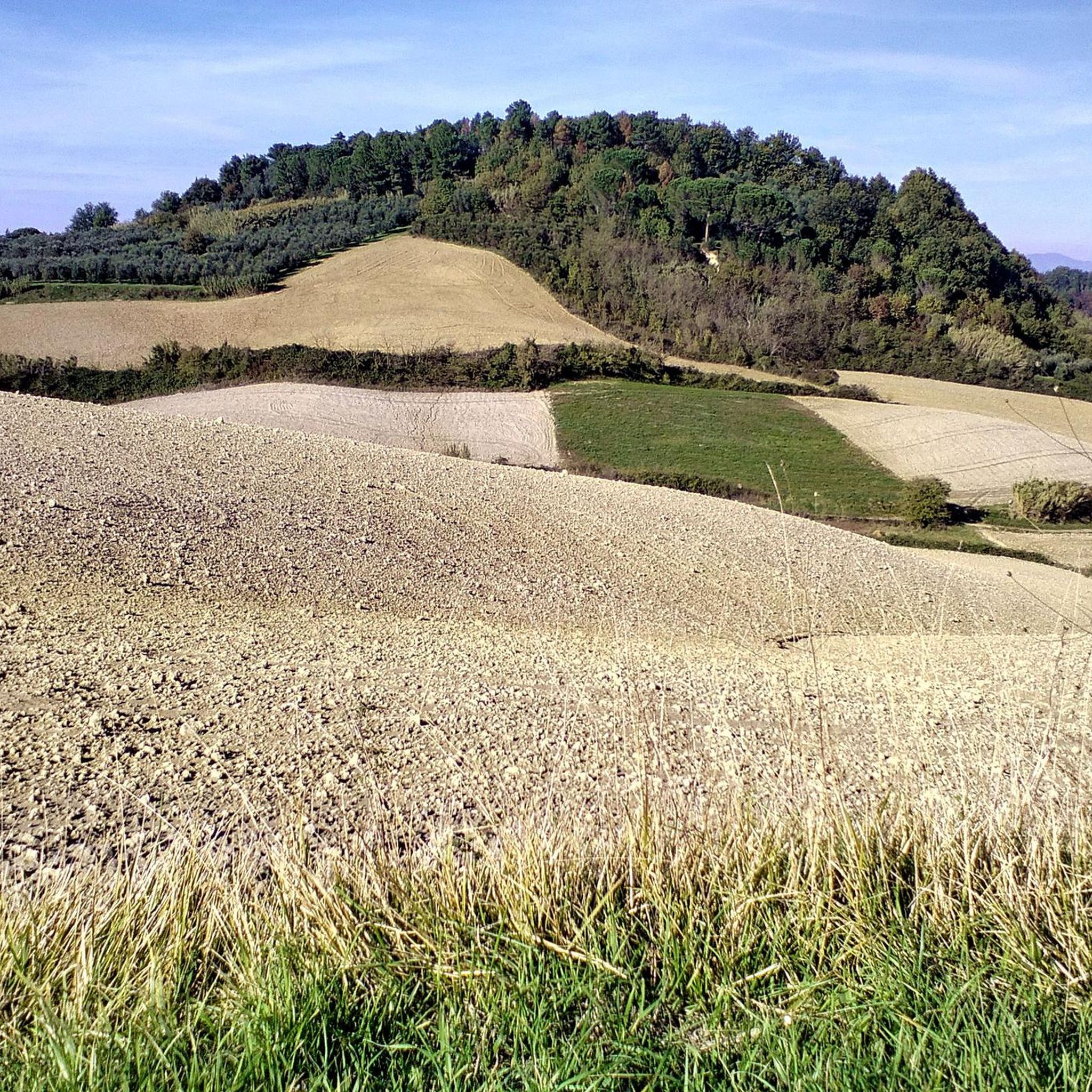
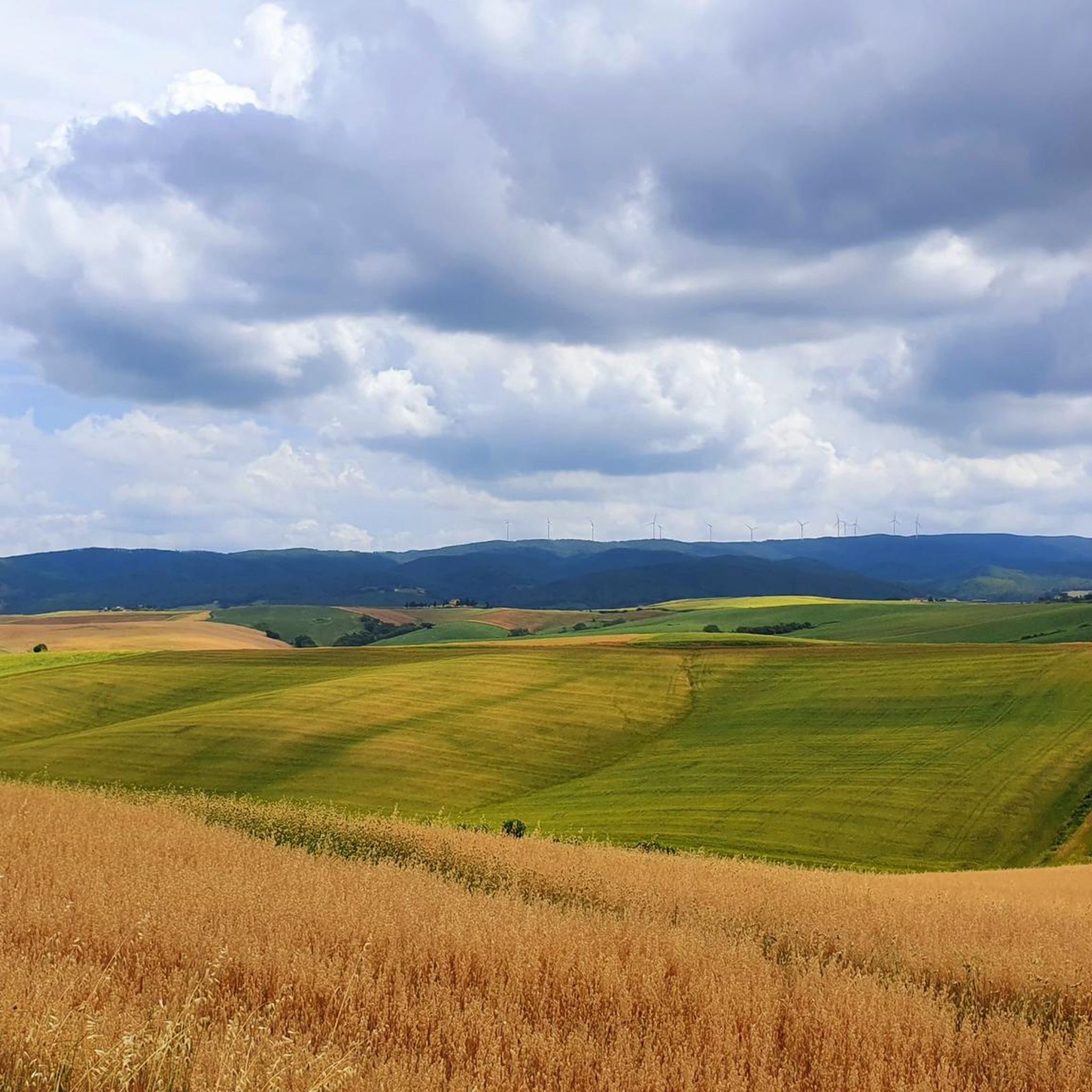
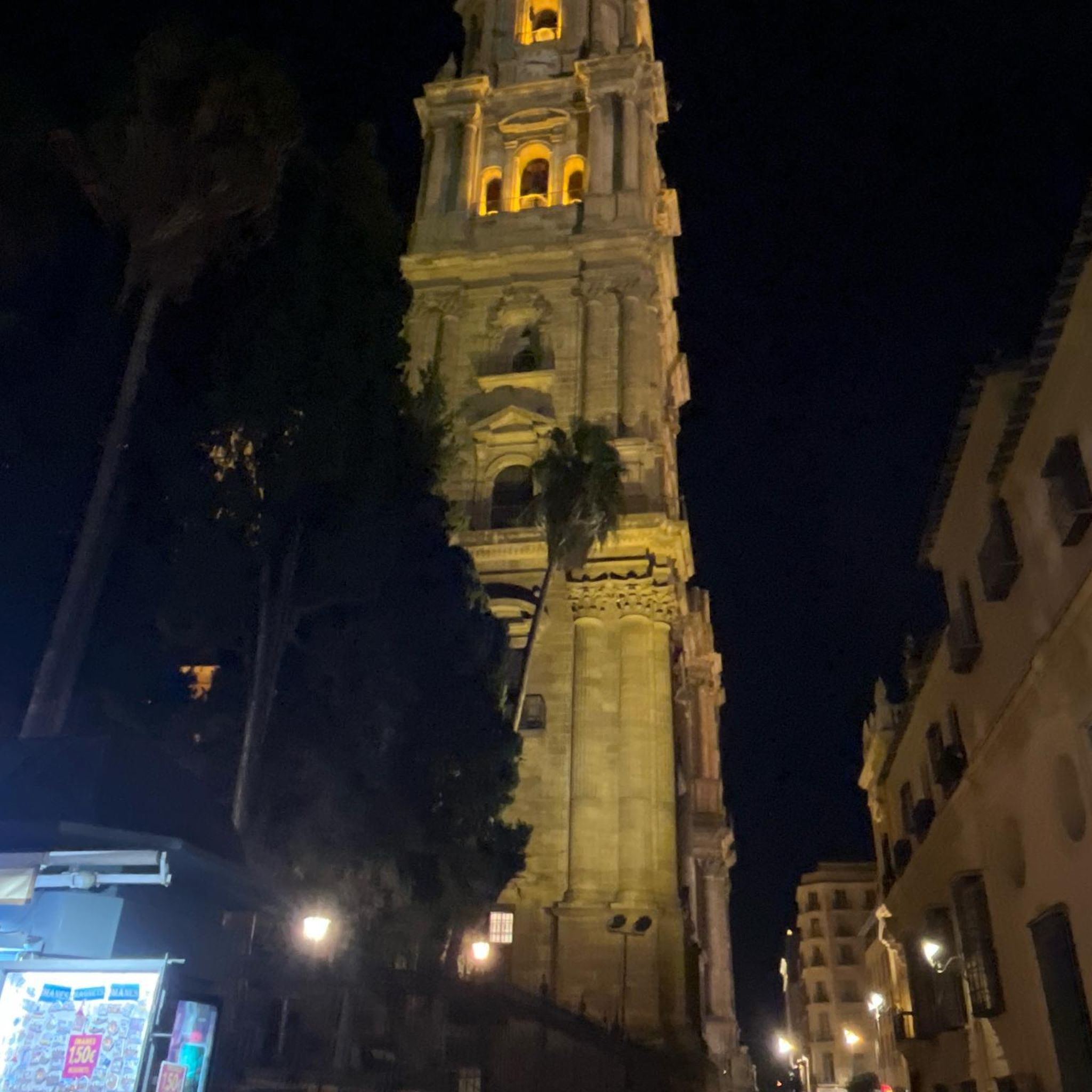
Tips from the Community

The Rocca della Verruca is an ancient ruined fortification located on the summit of Monte Verruca (537 meters above sea level), on the border between the municipalities of Calci and Vicopisano, in the province of Pisa. Main information Location: Monti Pisani, it dominates the Pisan plain with a view stretching to the Tyrrhenian Sea. History: The first traces date back to 780 AD, but the current structure was built in the 13th century by the Republic of Pisa as a defensive outpost ("eye of the Pisans"). It was renovated in 1509 by Antonio da Sangallo and Luca del Caprina
0
0
The Torre degli Upezzinghi, also known as Torre di Caprona, is a striking structure located on a rocky spur in the municipality of Vicopisano, in the province of Pisa. Although it is a 19th-century copy erected by the Upezzinghi family, it stands on the site of an ancient medieval castle dating back to the mid-11th century and dismantled by the Florentines in 1433. This place is famous in Italian history and literature for being the scene of a celebrated battle in 1289 in which the young Dante Alighieri participated, who later expressly mentioned the siege of Caprona in the 21st canto of the Inferno in the Divine Comedy.
0
0
Pastina è una caratteristica frazione collinare del comune di Santa Luce, in provincia di Pisa, situata nella Val di Fine. Il borgo sorge a 215 metri sul livello del mare lungo la strada panoramica che collega Santa Luce a Castellina Marittima. Le origini dell'insediamento affondano nell'epoca etrusca, sebbene le prime testimonianze scritte del borgo risalgano alla fine del XIII secolo. Il paese ha subito ingenti danni durante i bombardamenti della seconda guerra mondiale nel 1944, ma è stato in seguito recuperato. La zona è ideale per gli amanti della natura e offre Komoot percorsi escursionistici e ciclabili immersi nelle colline toscane.
0
0

La Rocca della Verruca is an ancient ruined fortification located on the summit of Monte Verruca (537 meters above sea level) in the municipality of Calci, in the province of Pisa. It was the most important strategic observation point of the Republic of Pisa on the Monti Pisani. From up there, the Pisan plain and the Arno valley were controlled. In case of danger, the garrison would warn Pisa and the nearby castles with fires and flags. The first evidence dates back to the year 780, but the current fortress was built in the 13th century and was long contested with Florence before falling in the 16th century.
1
0
The Rocca della Verruca is an ancient ruined fortification located on the summit of Monte Verruca (537 meters above sea level) in the municipality of Calci, in the province of Pisa. It was the most important strategic observation point of the Republic of Pisa on the Monti Pisani. From up there, the Pisan plain and the Arno valley were controlled. In case of danger, the garrison would warn Pisa and the nearby castles with fires and flags. The first evidence dates back to the year 780, but the current fortress was built in the 13th century and was long contested with Florence before falling in the 16th century.
1
0
The village of Pastina is a small hilltop center in the Val di Fine, in the municipality of Santa Luce (Pisa), famous for its antiquity and for the Church of San Bartolomeo in Pastina. On the hill along the provincial road between Santa Luce and Pomaia. Traces of settlements since the time of the Etruscans. Immersed in the green of the Pisane Hills, near trekking and nature trails. The Church of San Bartolomeo Of medieval foundation (13th century). Reconstructions: Rebuilt several times over the centuries, particularly in 1576 and 1839 at the behest of Grand Duke Leopold II and the citizens, and restored after the damage of World War II.
1
0

Dirt road suitable for everyone if you come from Rocca della Verruca to reach it you need to climb the Lombardona, a very challenging climb.
0
0

On the top of Monte Verruca, at 537 meters above sea level, an ancient and decaying fortress dominates the Pisan plain and the Arno valley. According to legend, there is a connection – underground and secret – between the fortress and the center of the city of Pisa.
3
0
Frequently Asked Questions
What unique historical sites can I explore in Crespina Lorenzana?
Crespina Lorenzana is rich in history. You can visit the 13th-century Church of San Bartolomeo and San Cristoforo in Lorenzana, rebuilt in 1850, or the adjacent Palazzo dei Lorenzi, which once housed Florentine delegates. The area is also known for its aristocratic villas, such as Villa Belvedere and Villa Corsini Valdisonzi, many of which were frequented by artists of the Macchiaioli movement. Don't miss the Dolorosa Rock, a historically strategic summit where a fort was built in 1496.
Where can I experience the natural beauty of the Tuscan countryside around Crespina Lorenzana?
The region is characterized by rolling hills, vineyards, and picturesque landscapes. A highlight for nature lovers is Lake Santa Luce, a regional nature reserve managed by LIPU, which is an important wetland for aquatic birds. You can also explore the gentle landscapes around ancient hamlets like Colle Alberti and Vicchio, or enjoy the scenic views from the Tuscan hills.
Are there any specific traditions or cultural events unique to Crespina Lorenzana?
Yes, Crespina has a curious, centuries-old tradition of owl-raising, historically used for hunting larks. The owl remains a symbol of local folklore, celebrated with a festival in September. The mild climate also supports horticulture, celebrated with the Festival of Wine and Nursery in Cenaia every September. The area also boasts a long tradition of excellent wine production, with opportunities for wine tasting at local vineyards.
What kind of views can I expect to find in the Crespina Lorenzana area?
The region offers breathtaking panoramic views, especially from its numerous hills and historical sites. Villa Belvedere, for instance, boasts a panoramic position. The Upezzinghi Tower (Caprona Tower) provides a unique spectacle with the Pisan mountains in the background and offers a breathtaking view from its top. The Climb to Chianni also rewards visitors with wide views over the smooth and colorful Pisan hills.
What do visitors particularly enjoy about the attractions in Crespina Lorenzana?
Visitors appreciate the blend of historical grandeur and natural beauty. The serene atmosphere of places like Lake Santa Luce is often highlighted as perfect for walking, cycling, and birdwatching. The scenic routes through olive groves and vineyards, such as the Climb to Chianni, are also very popular for their pleasant rides and wide views. The historical significance of sites like Dolorosa Rock also draws interest.
Are there opportunities for hiking or walking around Crespina Lorenzana?
Yes, the Tuscan hills and Monte Serra offer numerous hiking trails suitable for all levels, providing breathtaking views. For specific routes, you can explore the Running Trails around Crespina Lorenzana, which include paths like the 'Fountain for the Thirsty loop from Crespina' and 'Castello dei Vicari loop from Lari'.
Can I go cycling or mountain biking near Crespina Lorenzana's attractions?
Absolutely! The region's winding roads through olive groves and vineyards are ideal for cycling. For road cycling, check out the Road Cycling Routes around Crespina Lorenzana, with options like 'Strada Panoramica di Fauglia – Santa Luce'. Mountain biking enthusiasts can find trails in the MTB Trails around Crespina Lorenzana, including challenging routes like 'Col di Cincia – Dolorosa Rock loop from Lari'.
Where can I go birdwatching in Crespina Lorenzana?
The best place for birdwatching is Lake Santa Luce. This regional nature reserve, managed by LIPU, is a crucial wetland and resting place for many aquatic birds, boasting over 180 recorded bird species. It's an unmissable attraction for birdwatchers, offering an oasis of peace surrounded by unspoiled nature.
Are there any notable villas or historical estates to visit in the region?
Crespina Lorenzana is renowned for its aristocratic villas. You can explore Villa Belvedere with its English garden, Villa Corsini Valdisonzi with its distinct facades, and Villa Il Poggio, a historical estate that has hosted exhibitions. The Carlo Pepi Museum-Villa, once belonging to the art critic Carlo Pepi, is open to the public and houses a rich collection of contemporary art.
What are some family-friendly attractions in Crespina Lorenzana?
For families, Lake Santa Luce is an excellent choice, offering easy walks and birdwatching opportunities in a natural setting. The Upezzinghi Tower (Caprona Tower) is also considered family-friendly, providing an interesting historical site with great views that can be reached on foot or by MTB.
Are there any less crowded or 'hidden gem' attractions worth discovering?
Beyond the main highlights, consider exploring the serene beauty of the San Ruffino Monastery for contemplation, or the charming Pieve di Santa Maria Assunta for its notable architecture and peaceful atmosphere. The Villa Schifanoia Gardens offer scenic views of the Tuscan landscape, ideal for a quiet picnic away from larger crowds.
When is the best time to visit Crespina Lorenzana for outdoor activities?
The superb climatic conditions of the Tuscan hills make Crespina Lorenzana pleasant for outdoor activities for much of the year. Spring (April-May) and early autumn (September-October) are generally ideal, offering mild temperatures perfect for hiking, cycling, and exploring the vineyards without the intense summer heat. These seasons also showcase the vibrant colors of the landscape.
What culinary experiences can I enjoy in Crespina Lorenzana?
The local culinary customs reflect the rich traditions of the Pisan countryside. You can savor great charcuterie, local cheeses, and traditional dishes like pappardelle with wild boar sauce and slow-roasted pork. These are often accompanied by excellent local wines, such as Chianti DOCG and Bianco Pisano San Torpè DOC, produced in the region's vineyards.
Most popular routes around Crespina Lorenzana
Most popular attractions around Crespina Lorenzana

Get inspired with the komoot mobile app


Explore more
Still not found the Highlight you’re looking for? See guides of the top attractions in other regions:
