Attractions and Places To See around Valle Lomellina - Top 20
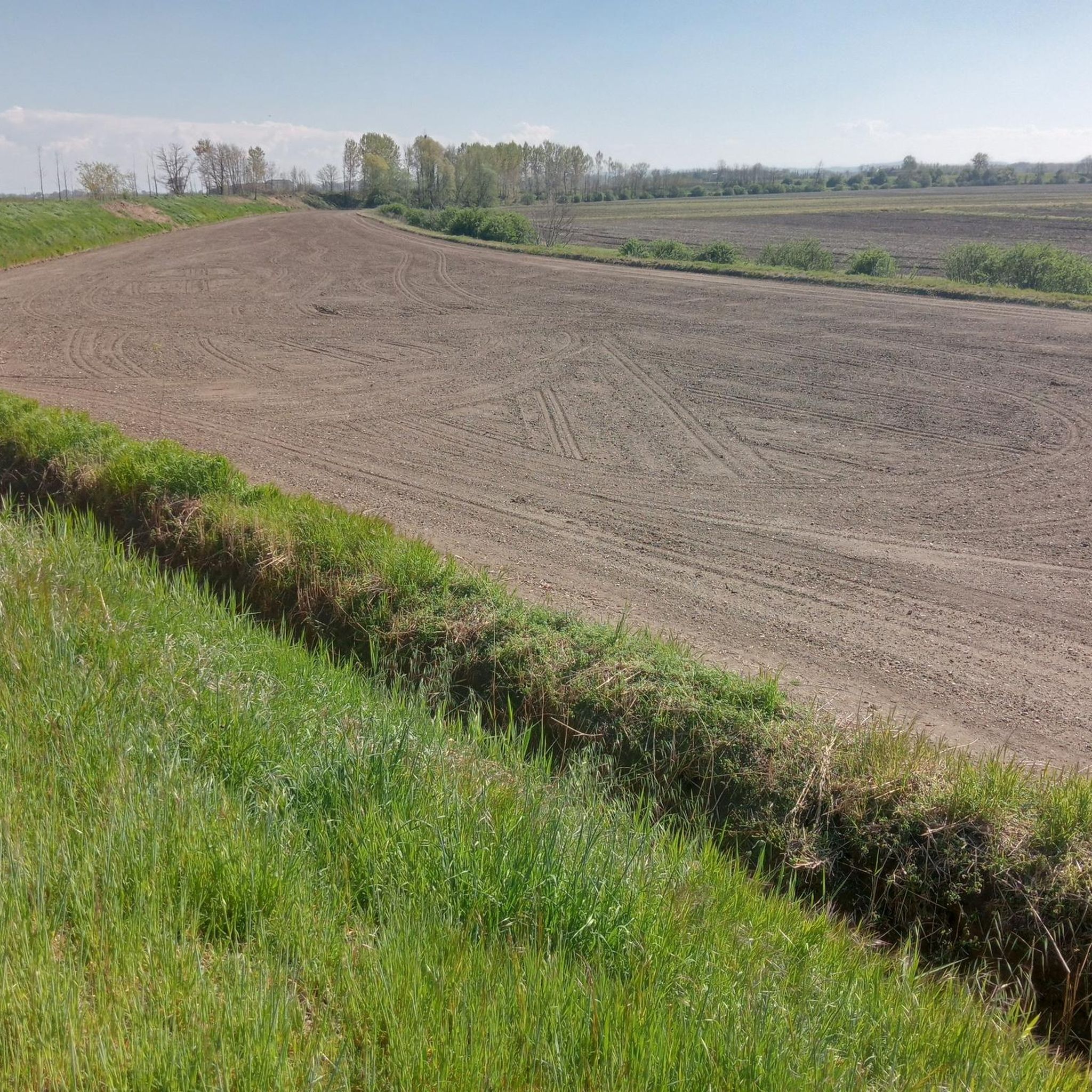
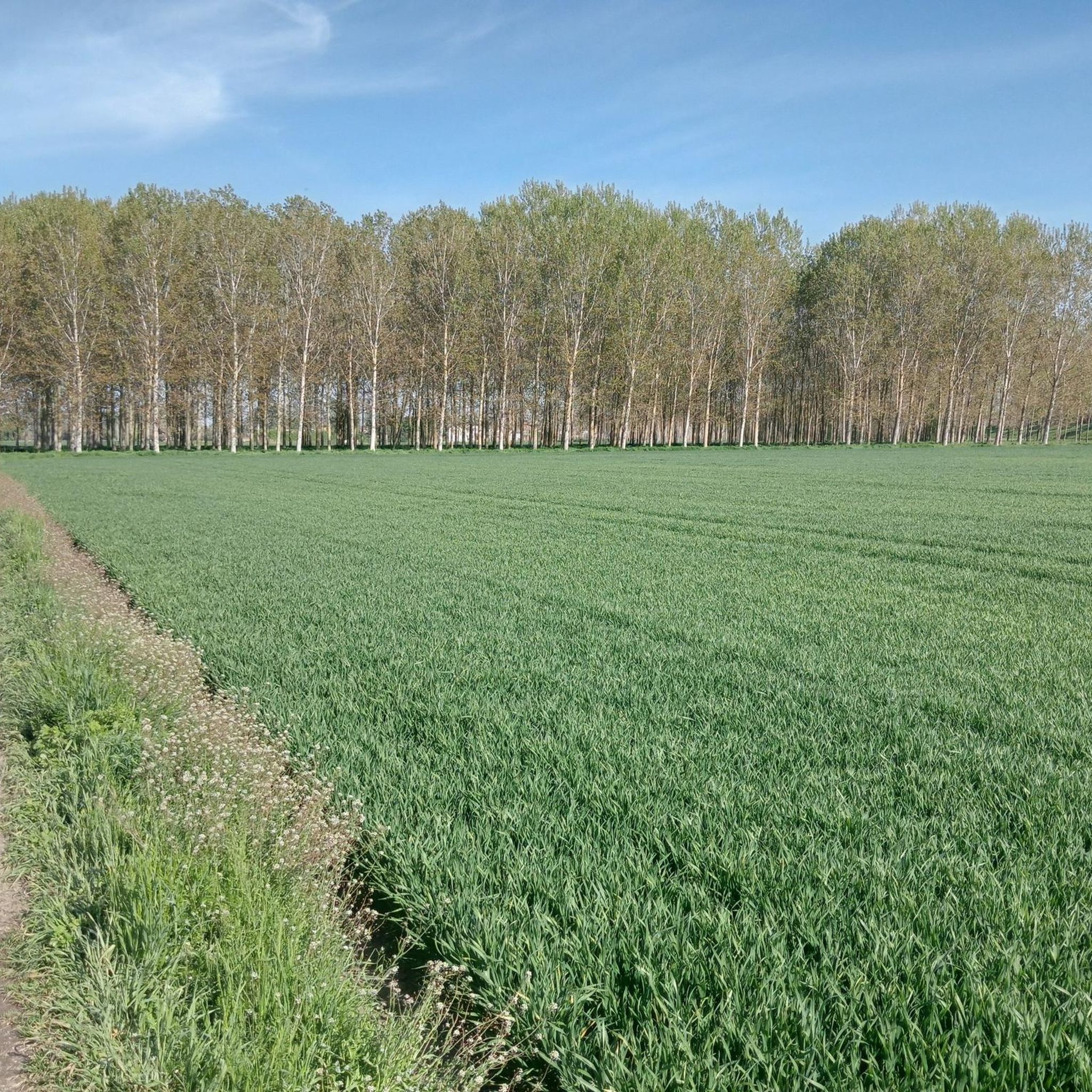
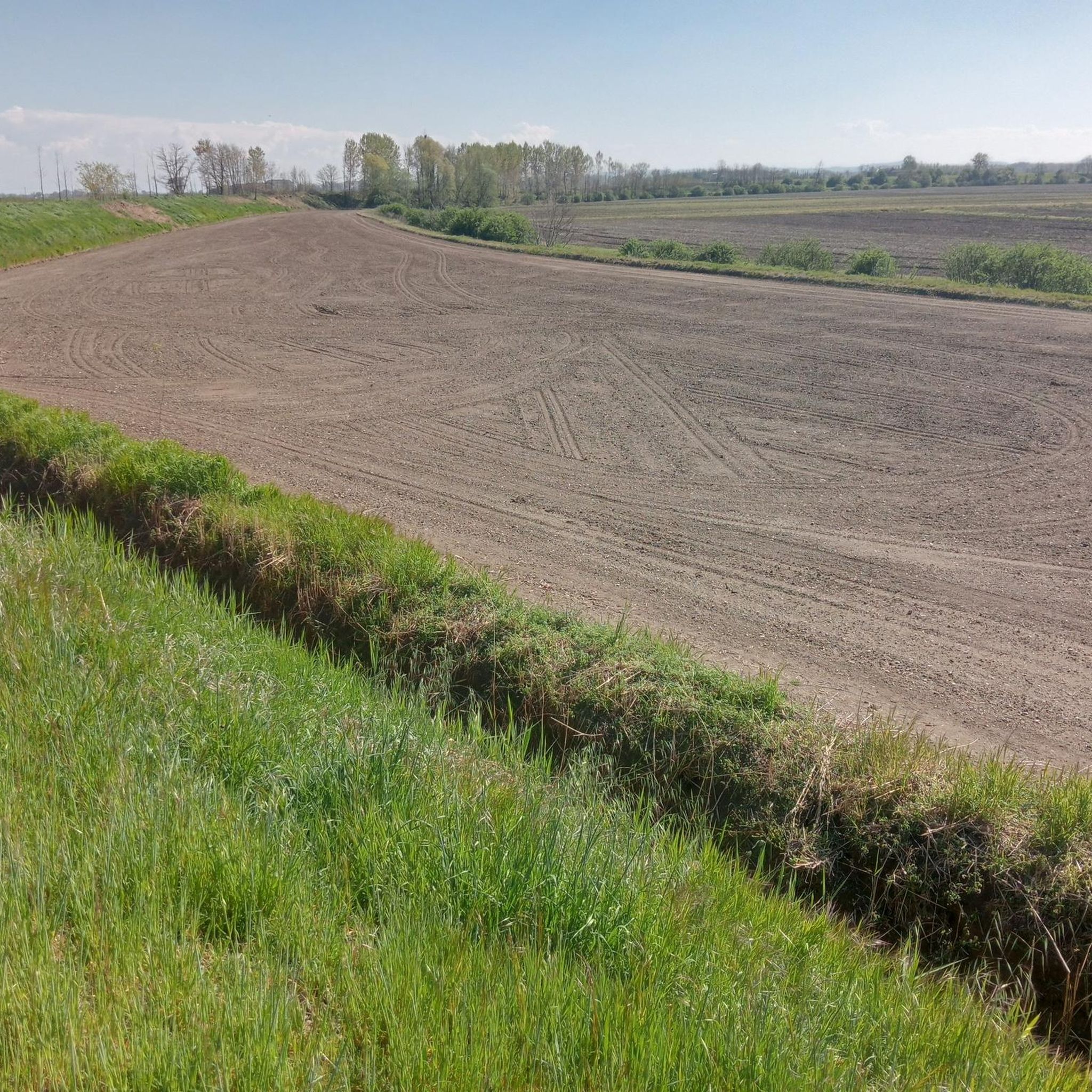
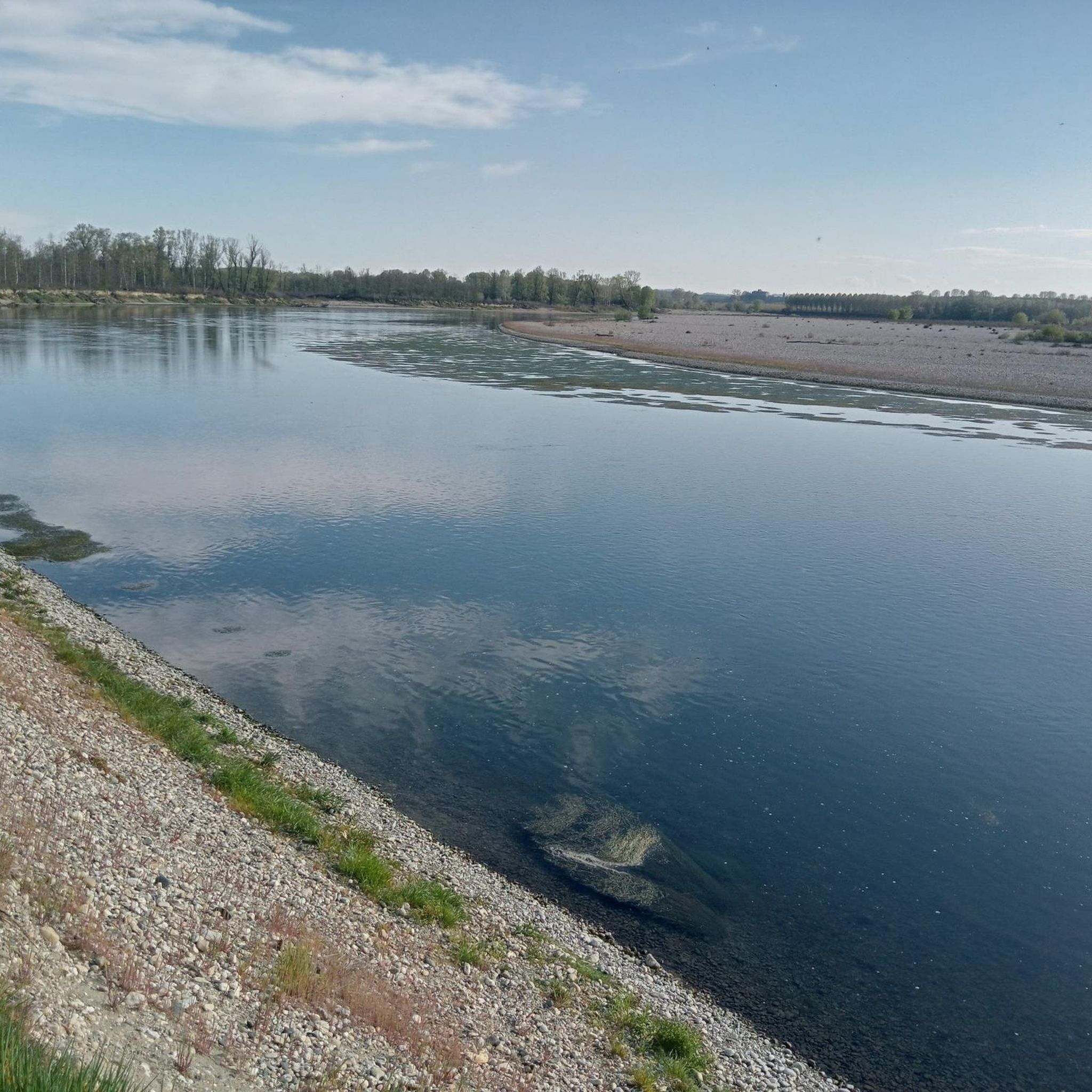
Best attractions and places to see around Valle Lomellina offer a blend of historical landmarks, cultural insights, and natural beauty. This area in the heart of the Lomellina region is characterized by its agricultural heritage, particularly its extensive rice fields. Visitors can explore remnants of its geological past, such as sandy hills, and discover a town that retains features of a medieval village. The region provides opportunities to experience both historical sites and unique natural landscapes.
Best attractions and places to see around Valle Lomellina
- The most popular attractions is Dosso of Lomellina, a natural monument consisting of small, generally sandy hills. These modest reliefs offer a glimpse into the region's geological past, shaped by river changes and erosion.
- Another must-see spot is Castello di Pomaro, a castle built on a hill by the Aleramici in the 12th century. This manor, with a stakeout tower and moat, was strategically important on the border of the marquisate.
- Visitors also love Basilica of San Lorenzo, Mortara, a Gothic building from the 14th century. Located in the city center, it features a terracotta facade and an interior rich in works of art.
- Valle Lomellina is known for its historical sites, natural features like rice fields, and cultural points of interest. The area offers a variety of attractions to see and explore, from ancient castles to agricultural landscapes.
- The attractions around Valle Lomellina are appreciated by the komoot community, with 16 upvotes and 2 photos shared by visitors.
Last updated: May 11, 2026
Sartirana Castle
Highlight • Castle
Translated by Google •
Tip by

Dosso of Lomellina
Highlight • Natural Monument
In the area of the bumps, the alternation of hollows and ridges is visible which testifies to how the surface of our plain has been shaped by the continuous changes in the paths of the rivers, by the incessant work of streams, as well as by the erosion caused by atmospheric agents.
Those who pass through Lomellina, after having crossed long stretches of very flat countryside, are pleasantly surprised to discover, in the heart of these centers, small hills flanked by old houses or ancient churches overlooking gently sloping churchyards.
Translated by Google •
Tip by
Sign up now to discover places like this
Get recommendations on the best single tracks, peaks, & plenty of other exciting outdoor places.
Sign up for free
Basilica of San Lorenzo, Mortara
Highlight • Religious Site
Architecture: Built in Gothic Lombard style between 1375 and 1380 by Bernardino da Novara. Martino Bassi made some structural changes in 1573.
Exterior: The cotto facade has frescoes in the lunettes of the portals, made by Nando Bialetti. The tondi on the facade are by Boniforte da Mortara. The colorful stained glass windows are the work of Francesco Mossmeyer.
Interior: Rich in works of art, including paintings by Paolo da Brescia and a remarkable wooden nativity scene by Lorenzo da Mortara. In the 20th century the interior was renovated by Giuseppe Piatti.
Translated by Google •
Tip by

Castello di Pomaro
Highlight • Castle
Translated by Google •
Tip by
Olevano di Lomellina
Highlight • Settlement
In Olevano there is also the Museum of art and peasant tradition.
The museum is located in Via Cesare Battisti 11.
The museum is open Saturday (14-18) and Sunday (9-12 and 14.30-18.30)
By reservation it is possible to visit the Museum also during the weekdays.
On the occasion of the Olevano Lomellina festival, it was traditional to exhibit peasant tools and old agricultural machinery. Since 1993 a group of enthusiasts has worked to make this exhibition permanent.
In 2018 the Museum had a new exhibition that focused, in particular, on rice.
Translated by Google •
Tip by
Sign up for free to discover even more attractions around Valle Lomellina.
Sign up for free
Already have an account?
Start today with a free account
Your next adventure awaits.
Login or Signup

Tips from the Community

Sartirana beautiful castle, a pity about the cars parked in front
0
0

The Basilica di San Lorenzo is Mortara's most prominent historical monument, a Gothic building from the 14th century. Located in the city center, near the Palazzo del Comune, it attracts attention with its terracotta facade. Architecture: Built in Gothic Lombard style between 1375 and 1380 by Bernardino da Novara. Martino Bassi made some structural changes in 1573. Exterior: The cotto facade has frescoes in the lunettes of the portals, made by Nando Bialetti. The tondi on the facade are by Boniforte da Mortara. The colorful stained glass windows are the work of Francesco Mossmeyer. Interior: Rich in works of art, including paintings by Paolo da Brescia and a remarkable wooden nativity scene by Lorenzo da Mortara. In the 20th century the interior was renovated by Giuseppe Piatti.
6
0


The collegiate basilica of San Lorenzo is dedicated to Lawrence of Rome and has the title of a minor basilica. The Gothic church dates from the 14th century and is the seat of the canon chapter. The church was designed between 1375 and 1380 by Bartolino da Novara in the Lombard Gothic style and was built of brick. A renovation was carried out in 1573 by Martino Bassi, restorations took place in 1840 and again in 1916. In this case, Giuseppe Piatti made the church simpler by removing chapels and replacing the altar. Pope Pius XII raised the church to the rank of a minor basilica in 1939. Source: Wikipedia
2
0

A beautiful village in Monferrato.
5
0

Fascinating medieval village that stands on the hill.
1
0

Nice castle, I think it's available for events/ceremonies... when I was there I was only able to admire it from the outside...
0
0

Frequently Asked Questions
What natural features can I explore around Valle Lomellina?
The region is characterized by its unique natural features. You can visit the Dosso of Lomellina, a natural monument consisting of small, sandy hills that offer a glimpse into the area's geological past. Additionally, the extensive rice fields are a defining feature, particularly picturesque when flooded in spring, showcasing the region's agricultural heritage and complex network of waterways.
Are there historical castles or religious sites to visit in Valle Lomellina?
Yes, Valle Lomellina and its surroundings are rich in history. The town itself features the curious 14th-century Valle Lomellina Castle, though it is privately owned. You can also explore the early 15th-century Church of Santa Maria del Castello, which houses some of the oldest frescoes in the Lomellina region. Just outside town is the 16th-century Sanctuary of the Madonna di Casaletto, a place of worship with a venerated 15th-century fresco. Further afield, the Castello di Pomaro, a 12th-century manor with a stakeout tower and moat, is another significant historical site.
What cultural insights can I gain in the Valle Lomellina area?
Valle Lomellina retains many features of a medieval village, with its layout of low houses and irregular streets. For a deeper dive into local culture, consider visiting the Museum of Art and Peasant Tradition in nearby Olevano di Lomellina. This museum focuses on agricultural tools and the history of rice cultivation, which is central to the region's economy and identity. The town also hosts a lively Sunday market, unique in the Lomellina area for being held on a holiday.
What kind of outdoor activities can I do near Valle Lomellina?
The flat terrain and agricultural landscapes around Valle Lomellina are ideal for cycling and running. You can find numerous MTB trails, running routes, and road cycling routes that take you through the picturesque rice fields and past historical sites. Routes vary in difficulty, offering options for all fitness levels.
Are there family-friendly attractions in Valle Lomellina?
Yes, several attractions are suitable for families. The Dosso of Lomellina offers an interesting natural landscape for exploration. Historical sites like the Castello di Pomaro and the Basilica of San Lorenzo, Mortara are also marked as family-friendly. The Museum of Art and Peasant Tradition in Olevano di Lomellina can be an educational experience for children, showcasing the region's agricultural history.
What is the best time of year to visit Valle Lomellina?
Spring is an excellent time to visit, especially if you wish to see the extensive rice fields when they are flooded, creating a unique and picturesque landscape. The mild weather during this season is also ideal for outdoor activities like cycling and exploring historical sites.
Where can I experience traditional Lomellina cuisine?
For a taste of traditional Lomellina cuisine, you might consider Agriturismo Il Cinema in Valle Lomellina. Housed in a former 1950s cinema, it specializes in local dishes, particularly those featuring goose-based products and risotto, reflecting the region's rich agricultural output.
What is the Basilica of San Lorenzo in Mortara known for?
The Basilica of San Lorenzo in Mortara is a prominent 14th-century Gothic building, notable for its terracotta facade and an interior rich in works of art. It features paintings by Paolo da Brescia and a remarkable wooden nativity scene by Lorenzo da Mortara, considered an important example of Lombard Renaissance wooden sculpture.
Are there any hidden gems or lesser-known historical sites to discover?
Beyond the main attractions, the Campalestro Farmstead, part of the municipality of Velezzo Lomellina, offers a glimpse into the region's past. It's a historical site that evokes a sense of a 'lost place,' with its old mills and historical significance within the Lomellina region.
Can I visit the Church of Santa Maria del Castello?
The Church of Santa Maria del Castello, dating back to the early 1400s, is deconsecrated but can be visited. To arrange a visit and see its significant frescoes, you should contact the local Public Library in Valle Lomellina.
What makes the rice fields around Valle Lomellina special?
The rice fields are a defining natural and agricultural feature of the entire Lomellina region. Valle Lomellina is at the heart of this, with numerous industries involved in rice refining. The landscape, especially when flooded in spring, is visually striking and integral to the local economy and culture, supported by a complex network of waterways and irrigation canals.
Is there a local market in Valle Lomellina?
Yes, Valle Lomellina hosts a lively and colorful market every Sunday. It is unique in the Lomellina area for being held on a holiday, offering a chance to experience local life and find regional products.
Most popular routes around Valle Lomellina
Most popular attractions around Valle Lomellina

Get inspired with the komoot mobile app


Explore more
Still not found the Highlight you’re looking for? See guides of the top attractions in other regions:
