Attractions and Places To See around Castello D'Agogna - Top 20
Best attractions and places to see around Castello D'Agogna include historical landmarks, cultural sites, and natural features. This municipality in the Province of Pavia, Italy, is situated in the northern Lomellina region near the Agogna torrent. The area is characterized by an agricultural landscape with extensive rice paddies, alongside fields of corn, wheat, and tobacco. Visitors can explore ancient structures and religious architecture within a tranquil setting.
Best attractions and places to see around Castello D'Agogna
- The most popular attractions…
Last updated: May 21, 2026
Church of San Valeriano, Robbio
Highlight • Religious Site
A church …
Tip by

Dosso of Lomellina
Highlight • Natural Monument
Translated by Google •
Tip by

Sign up now to discover places like this
Get recommendations on the best single tracks, peaks, & plenty of other exciting outdoor places.
Sign up for free
Basilica of San Lorenzo, Mortara
Highlight • Religious Site
Translated by Google •
Tip by
Nicorvo
Highlight • Settlement
Translated by Google •
Tip by
Olevano di Lomellina
Highlight • Settlement
Translated by Google •
Tip by
Sign up for free to discover even more attractions around Castello D'Agogna.
Sign up for free
Already have an account?
Start today with a free account
Your next adventure awaits.
Login or Signup
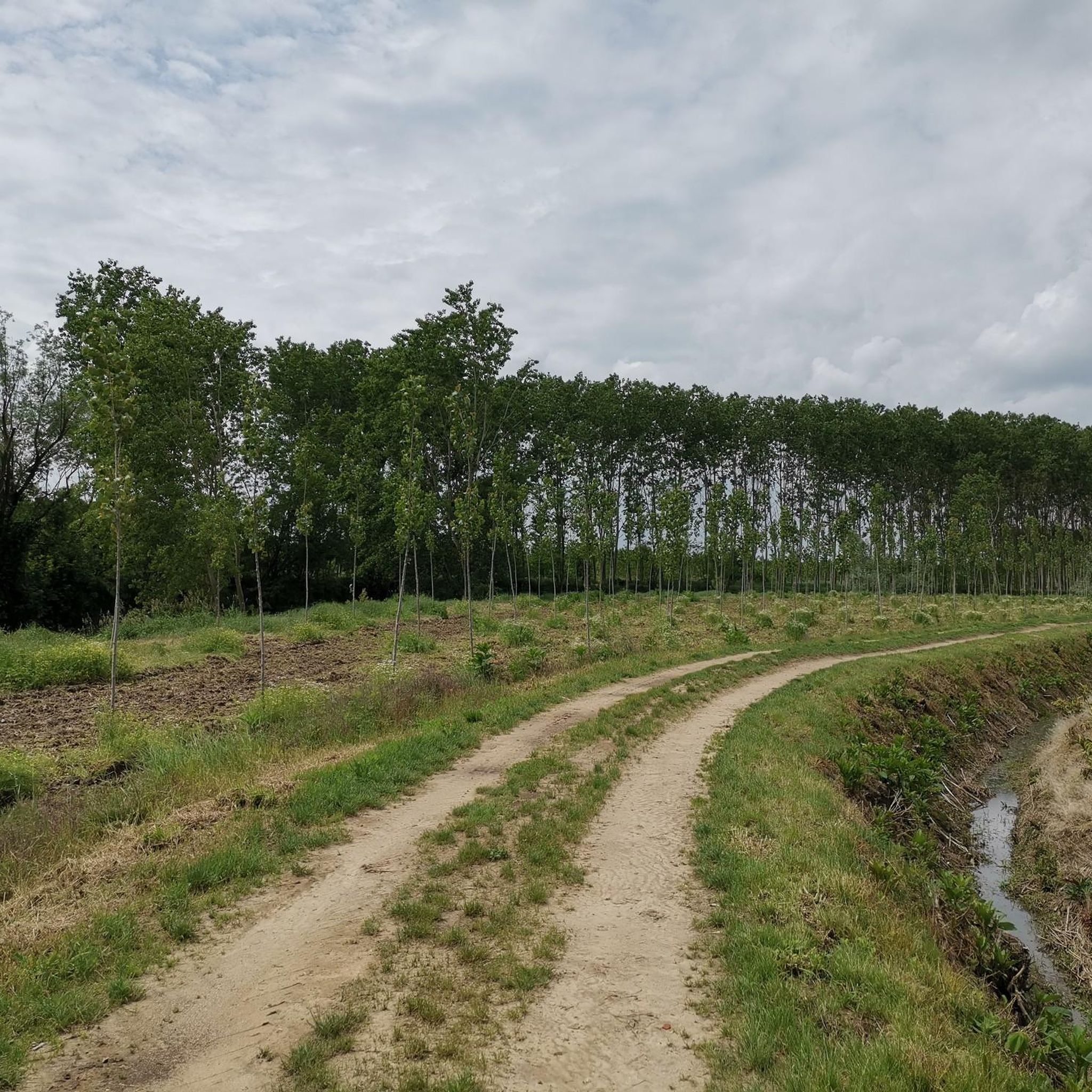
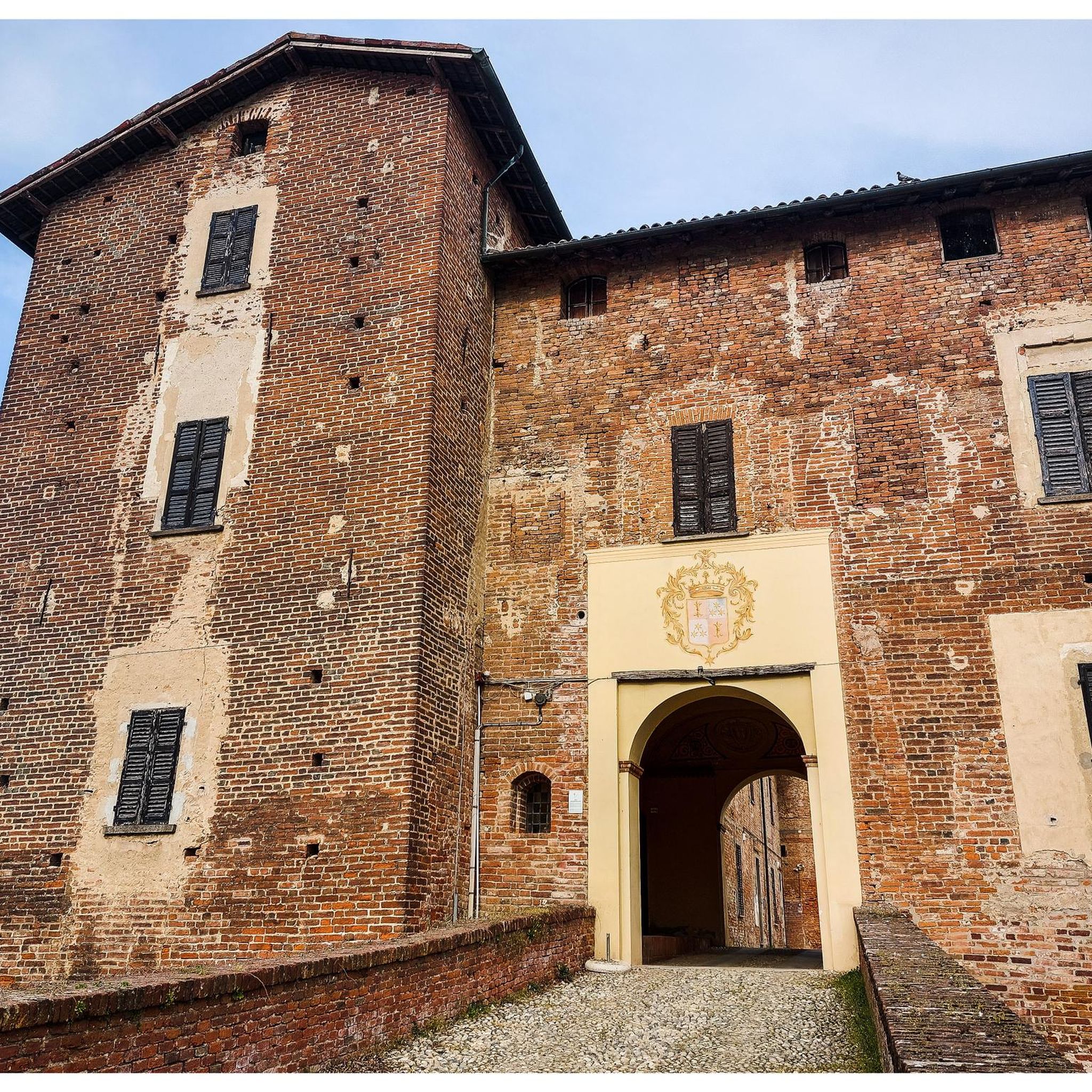
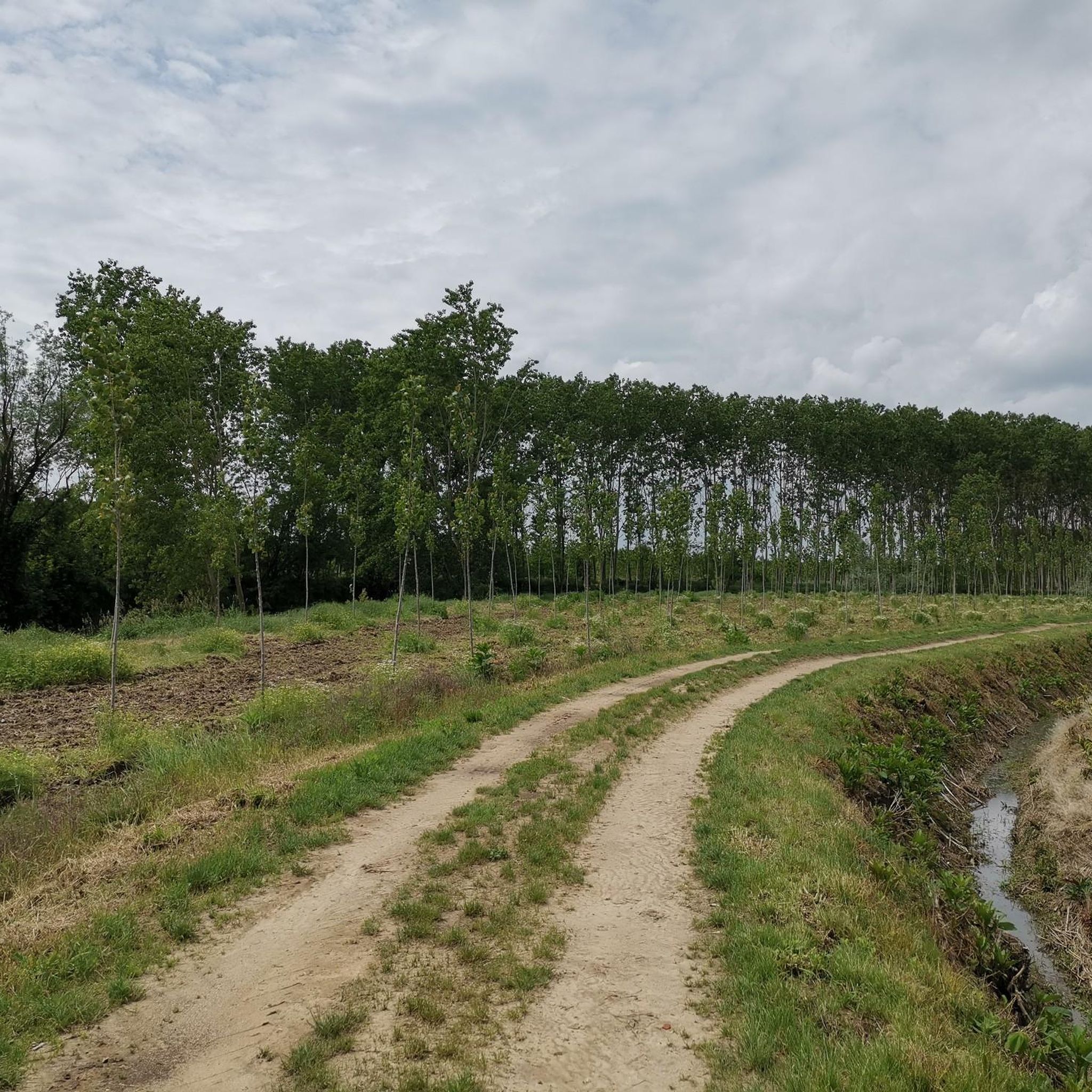
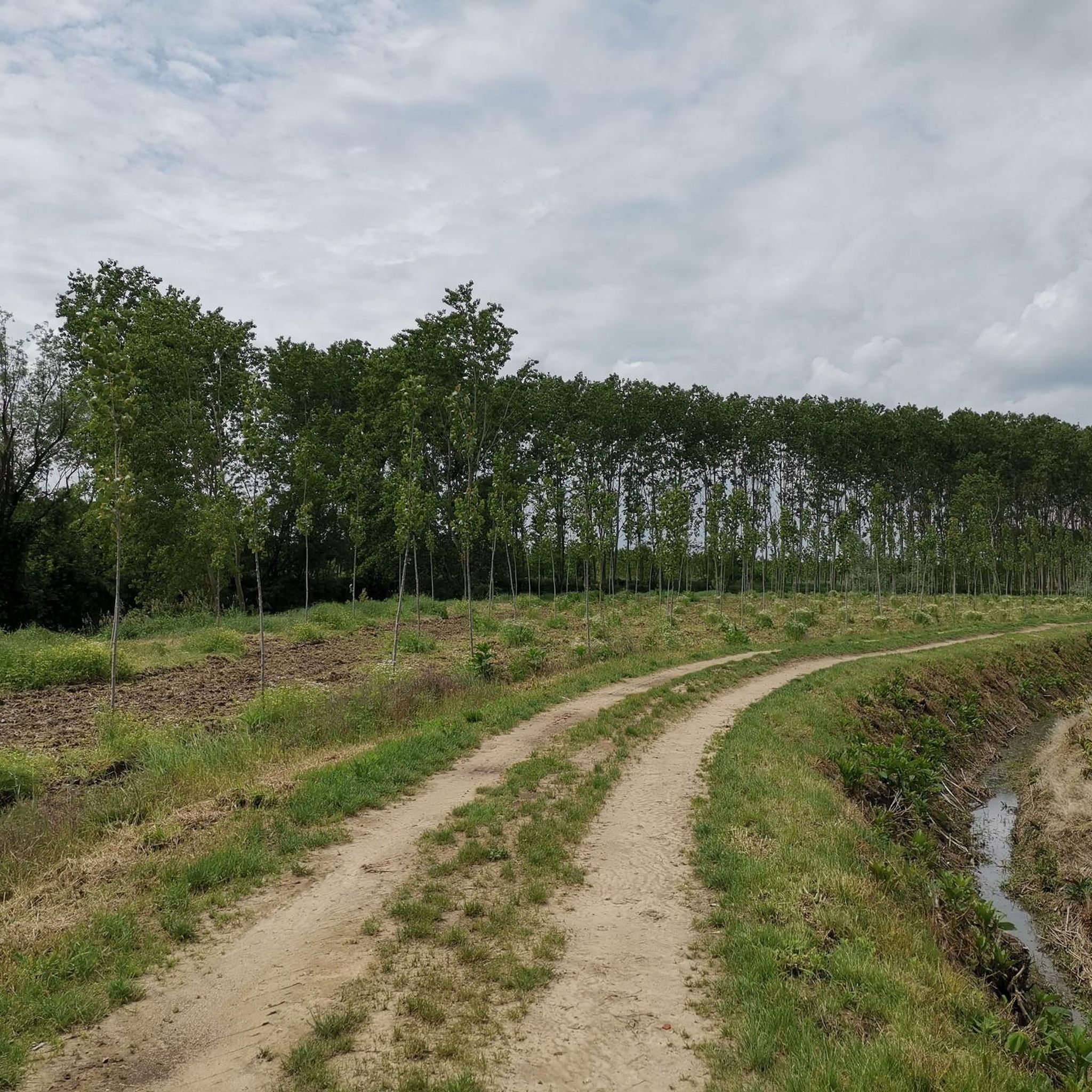

Tips from the Community

Church of San Valeriano
0
0


Medieval monument in Robbio (12th century), it has preserved its simple Romanesque decoration. Entirely in terracotta, it stood near the gate of San Pietro, on the road to Mortara, and there was an adjoining hospital, mentioned in the chronicles as early as the 13th century.
0
0

A historically important route is the stretch of the Via Francigena in Lomellina which, coming from Robbio, crosses the entire town and allows you to pass by the eighteenth-century sanctuary of the "Madonnina" and the parish church of S. Terenziano (seventeenth century). The route is marked by volunteers to facilitate the passage of pilgrims. In the village there is a hospice near the parish house run by volunteers. As you pass in front of the "Madonnina", it is possible to notice a majestic and centuries-old magnolia behind it. Wikipedia
3
0
Nicorvo is a charming comune in the Italian province of Pavia, located in the Lombardy region. With a population of 385 inhabitants and an area of 8.2 km², it is located in the northern part of the Lomellina, near the left bank of the Agogna river. The economy of Nicorvo is mainly based on agriculture, with a particular focus on rice cultivation,
3
0
The Basilica di San Lorenzo is Mortara's most prominent historical monument, a Gothic building from the 14th century. Located in the city center, near the Palazzo del Comune, it attracts attention with its terracotta facade. Architecture: Built in Gothic Lombard style between 1375 and 1380 by Bernardino da Novara. Martino Bassi made some structural changes in 1573. Exterior: The cotto facade has frescoes in the lunettes of the portals, made by Nando Bialetti. The tondi on the facade are by Boniforte da Mortara. The colorful stained glass windows are the work of Francesco Mossmeyer. Interior: Rich in works of art, including paintings by Paolo da Brescia and a remarkable wooden nativity scene by Lorenzo da Mortara. In the 20th century the interior was renovated by Giuseppe Piatti.
6
0
San Pietro is a small Romanesque-style Roman Catholic church located at the intersection of Via Mortara and Via Roma in the town center of Robbio, province of Pavia. A church at the site is documented since 1125-1150. Built with brick, the apse ends in a typical Romanesque hemicycle. Among the frescoes, is a Christ in a mandorla surrounded by the four evangelists. The fresco of the Trinity is dated 1507. The church and Robbio is located along the Via Francigena. The church was restored to its Romanesque decor in 1960. (Wikipedia)
6
0

You arrive from Albonese and you are spoiled for choice, do I go right or left? Take the right and reach Borgolavezzaro. If you go left you have the possibility to decide whether to head towards Robbio or Ceretto Lomellina.
1
1
Frequently Asked Questions
What historical landmarks can I explore in and around Castello D'Agogna?
Castello D'Agogna is rich in history. You can explore the remains of
La Rocca and Ancient Towers, dating back to the 12th century, offering a glimpse into the town's medieval past. The significant Castello Isimbardi, which gives the town its name, has been expanded over centuries and is now used for events. Additionally, the Church of San Valeriano, Robbio, a Romanesque-style church documented since the 12th century, and the Basilica of San Lorenzo, Mortara, a 14th-century Gothic building, are notable historical sites nearby.
Are there any natural attractions or unique landscapes to see near Castello D'Agogna?
Yes, the area around Castello D'Agogna offers distinctive natural beauty. The town is crossed by the Agogna River, and the surrounding landscape is characterized by extensive rice paddies, alongside fields of corn, wheat, and tobacco. A unique natural monument is the Dosso of Lomellina, tiny sandy hills that reveal how the plain's surface has been shaped by river changes and erosion. You can enjoy pleasant walks in the unspoiled surroundings, especially in the heart of Oltrepò Pavese.
What cultural sites are worth visiting in Castello D'Agogna?
The town's historic center features important religious and civil architecture. The Parish Church (Chiesa Parrocchiale) is a key cultural stop, housing numerous works by local artists. Nearby, the Church of San Valeriano, Robbio, an ancient Romanesque church along the Via Francigena, and the Basilica of San Lorenzo, Mortara, with its Gothic architecture and rich art collection, including a 15th-century wooden nativity scene, are significant cultural highlights.
Are there family-friendly activities or attractions around Castello D'Agogna?
Many of the attractions around Castello D'Agogna are suitable for families. Exploring the historic town center and its ancient charm, visiting the Church of San Valeriano, Robbio, or admiring the unique landscape at the Dosso of Lomellina can be enjoyable for all ages. The tranquil agricultural scenery also provides a pleasant backdrop for walks and gentle exploration.
What outdoor activities can I do near Castello D'Agogna?
The region around Castello D'Agogna is ideal for outdoor enthusiasts. You can find various routes for hiking and cycling. For hiking, options range from easy loops like the 'Hiking loop from Mortara' to more challenging trails such as 'Nicorvo – The Ancient Cedar of Lebanon loop from Nicorvo'. Cyclists can explore routes like 'Murals of Gravellona Lomellina – Villanova Castle loop from Albonese' or 'Lomellina countryside – Dosso of Lomellina loop from Mortara' for road cycling. You can find more details on these activities in the dedicated guides for hiking, cycling, and road cycling around Castello D'Agogna.
What is the best time of year to visit Castello D'Agogna?
The warmer months are generally ideal for visiting Castello D'Agogna, especially if you plan to attend events at Castello Isimbardi or enjoy outdoor activities. The agricultural landscape, with its rice paddies and fields, is particularly vibrant during spring and summer. Pleasant walks in the unspoiled surroundings are best enjoyed when the weather is mild.
Are there any hidden gems or less-known places to discover?
Beyond the main highlights, the region offers charming, less-traveled spots. The hamlet of Nicorvo, with its ancient sanctuary and parish church, provides a glimpse into local life and history, and is part of the Via Francigena pilgrimage route. Another intriguing location is the Campalestro Farmstead, a historical site that feels like a 'lost place' full of history, offering a unique sense of discovery.
What do visitors enjoy most about the attractions around Castello D'Agogna?
Visitors appreciate the blend of historical depth and natural beauty. The ancient structures like the Church of San Valeriano and the Basilica of San Lorenzo are admired for their architecture and historical significance. The unique landscape of the Dosso of Lomellina and the tranquil agricultural scenery also receive positive feedback, offering a peaceful escape and a chance to connect with the region's distinctive environment.
Can I find walking routes suitable for beginners near Castello D'Agogna?
Yes, there are easy walking routes available. For instance, you can find an 'Hiking loop from Mortara' which is classified as easy, or an 'Hiking loop from Madonna del Campo' also rated as easy. These routes are perfect for those looking for a gentle introduction to exploring the area on foot. More options can be found in the hiking guide for Castello D'Agogna.
Is public transport available to reach attractions around Castello D'Agogna?
While specific public transport details for each attraction are not provided, Castello D'Agogna is a municipality in the Province of Pavia, Italy. It's advisable to check local public transport schedules for buses or trains connecting to the main towns like Robbio or Mortara, from which you might then need to arrange local transport or walk to specific sites. The town of Nicorvo, for example, is located along the Via Francigena, making it accessible for pilgrims on foot.
What is the agricultural significance of the Castello D'Agogna area?
The economy of Castello D'Agogna has historically been tied to agriculture. The area is renowned for its extensive rice paddies, which are a defining feature of the landscape. In addition to rice, fields of corn, wheat, and tobacco are also cultivated, reflecting the region's deep agricultural roots and providing a unique scenic backdrop for visitors.
Most popular routes around Castello D'Agogna
Most popular attractions around Castello D'Agogna

Get inspired with the komoot mobile app


Explore more
Still not found the Highlight you’re looking for? See guides of the top attractions in other regions:
