The best walks and hikes around Castello D'Agogna
4.7
(234)
299
hikers
86
hikes
Hiking around Castello D'Agogna offers routes through the agricultural landscape of Italy's Lomellina region, characterized by extensive rice fields and other crops. The terrain is predominantly flat, punctuated by "dosso," which are small sandy hills remnants of ancient river paths. The Agogna river crosses the municipality, supporting diverse flora and fauna. This area provides opportunities for walks amidst nature and historical elements.
Best hiking trails around Castello D'Agogna
- The most popular hiking route is Nicorvo – The Ancient Cedar of…
Last updated: July 2, 2026
3.8
(6)
24
hikers
27.5km
06:56
40m
40m
Hard hike. Very good fitness required. Easily-accessible paths. Suitable for all skill levels.
4.6
(5)
13
hikers
7.07km
01:47
10m
10m
Easy hike. Great for any fitness level. Easily-accessible paths. Suitable for all skill levels.

Sign up for free
3.0
(2)
10
hikers
16.2km
04:05
20m
20m
Moderate hike. Good fitness required. Easily-accessible paths. Suitable for all skill levels.
4.7
(7)
10
hikers
12.6km
03:10
20m
20m
Moderate hike. Good fitness required. Easily-accessible paths. Suitable for all skill levels.
3.0
(1)
4
hikers
5.34km
01:21
0m
0m
Easy hike. Great for any fitness level. Easily-accessible paths. Suitable for all skill levels.
Get access to more routes and recommendations from other explorers.
Sign up for free
Already have an account?
Our route recommendations are based on thousands of hikes, rides, and runs completed by other people on komoot.
Start today with a free account
Your next adventure awaits.
Login or Signup
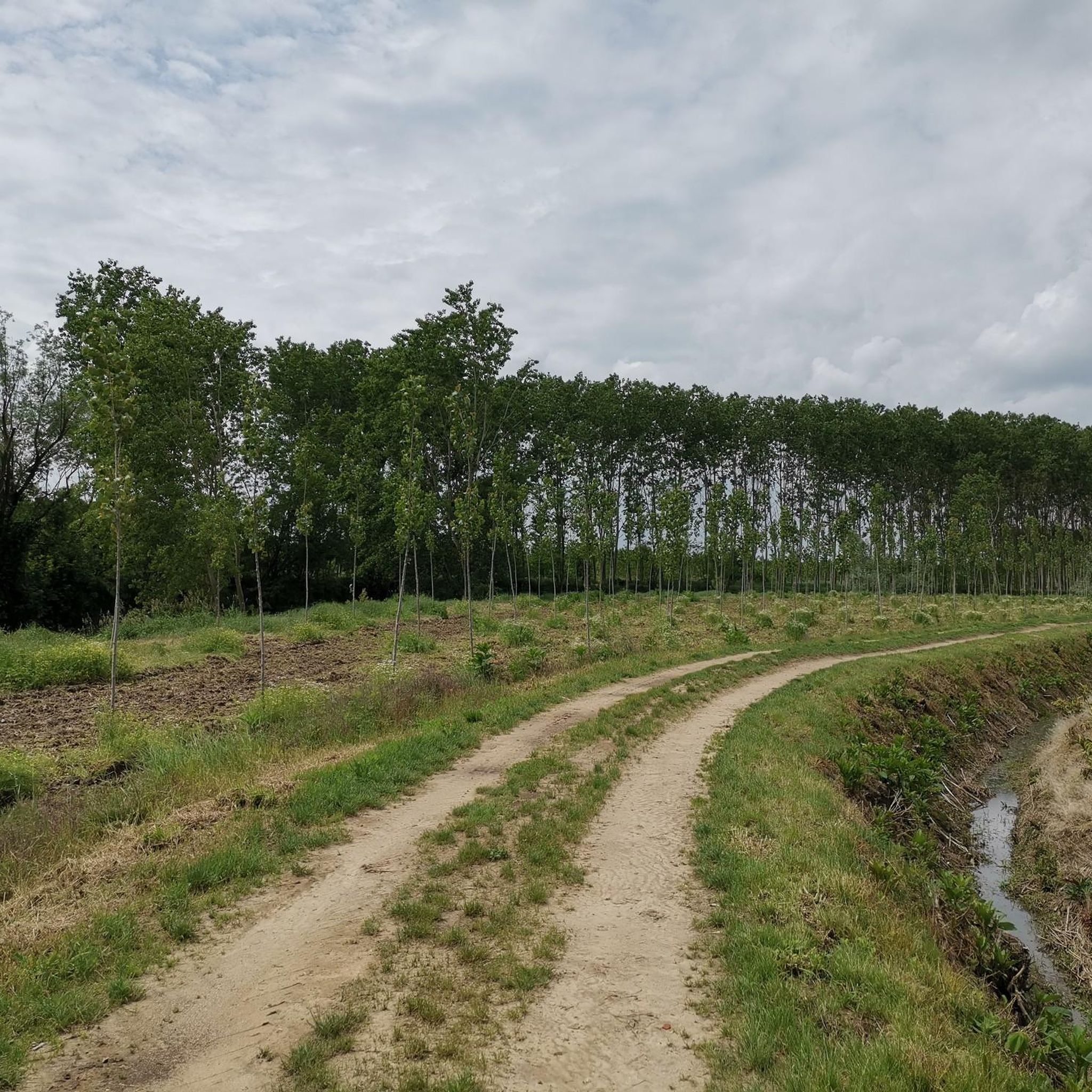
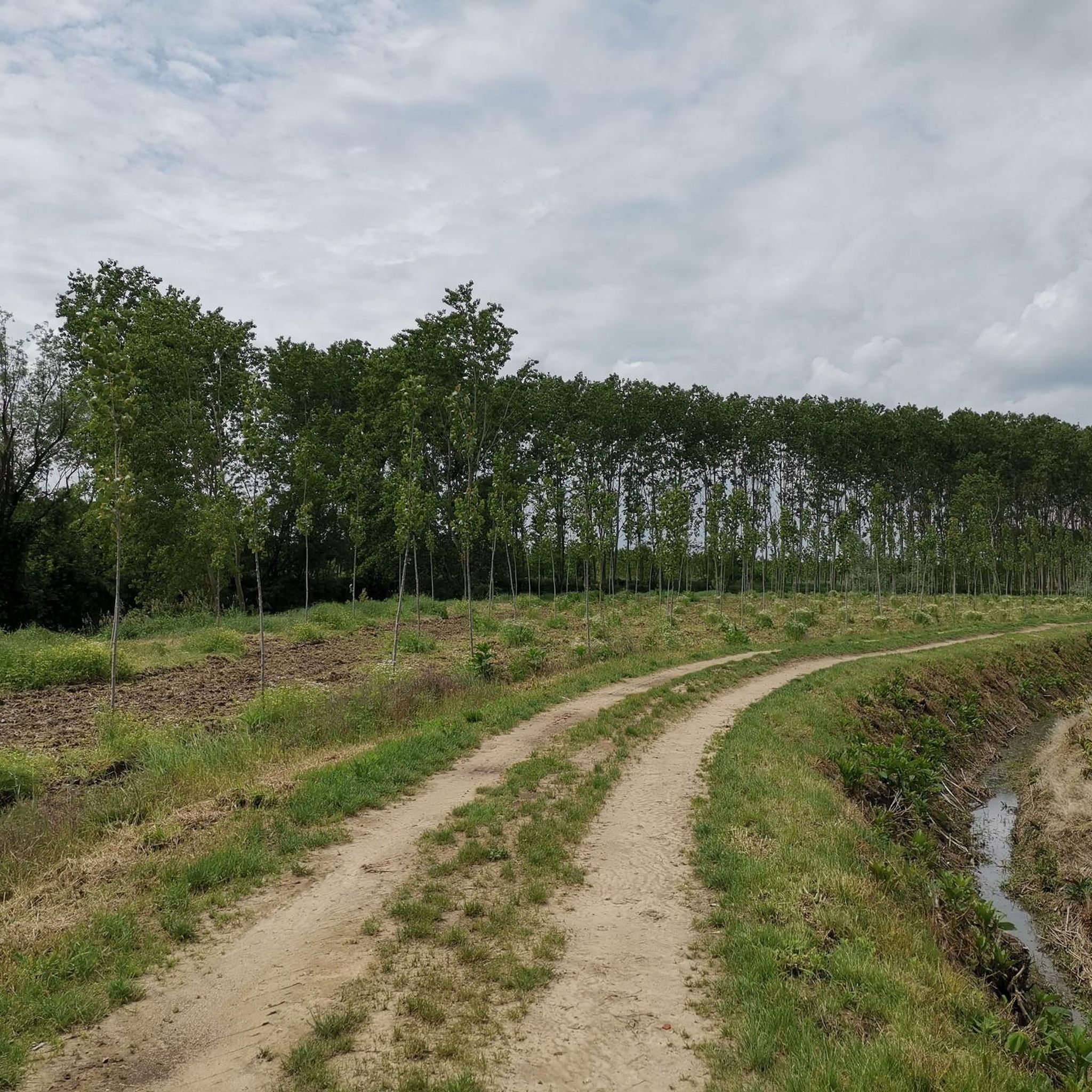
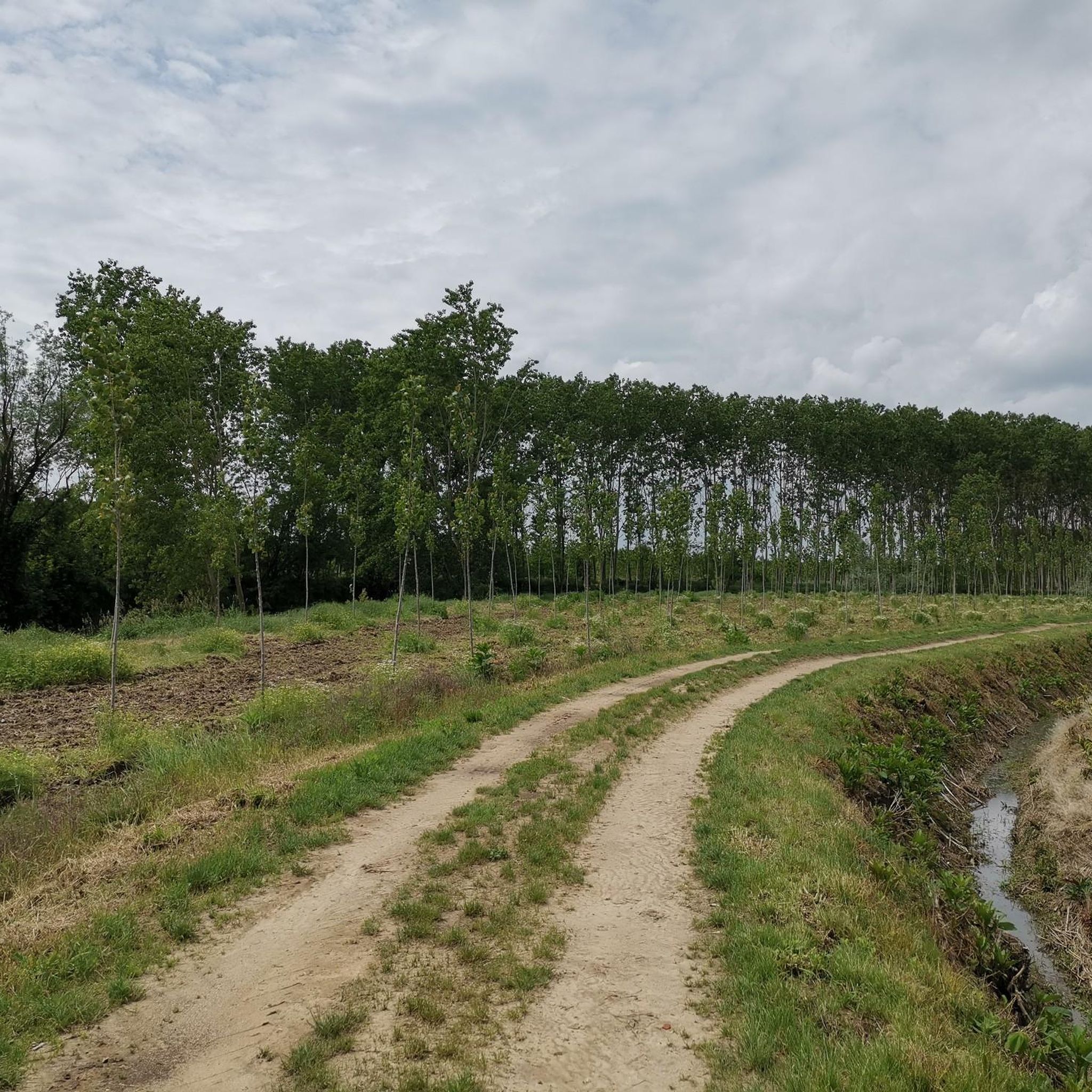


Tips from the Community


A historically important route is the stretch of the Via Francigena in Lomellina which, coming from Robbio, crosses the entire town and allows you to pass by the eighteenth-century sanctuary of the "Madonnina" and the parish church of S. Terenziano (seventeenth century). The route is marked by volunteers to facilitate the passage of pilgrims. In the village there is a hospice near the parish house run by volunteers. As you pass in front of the "Madonnina", it is possible to notice a majestic and centuries-old magnolia behind it. Wikipedia
3
0
Nicorvo is a charming comune in the Italian province of Pavia, located in the Lombardy region. With a population of 385 inhabitants and an area of 8.2 km², it is located in the northern part of the Lomellina, near the left bank of the Agogna river. The economy of Nicorvo is mainly based on agriculture, with a particular focus on rice cultivation,
3
0
The Basilica di San Lorenzo is Mortara's most prominent historical monument, a Gothic building from the 14th century. Located in the city center, near the Palazzo del Comune, it attracts attention with its terracotta facade. Architecture: Built in Gothic Lombard style between 1375 and 1380 by Bernardino da Novara. Martino Bassi made some structural changes in 1573. Exterior: The cotto facade has frescoes in the lunettes of the portals, made by Nando Bialetti. The tondi on the facade are by Boniforte da Mortara. The colorful stained glass windows are the work of Francesco Mossmeyer. Interior: Rich in works of art, including paintings by Paolo da Brescia and a remarkable wooden nativity scene by Lorenzo da Mortara. In the 20th century the interior was renovated by Giuseppe Piatti.
6
0
Vertaling: Ring of the Bellardona farmhouse VIA FRANCIGENA
2
0

You arrive from Albonese and you are spoiled for choice, do I go right or left? Take the right and reach Borgolavezzaro. If you go left you have the possibility to decide whether to head towards Robbio or Ceretto Lomellina.
1
1

The collegiate basilica of San Lorenzo is dedicated to Lawrence of Rome and has the title of a minor basilica. The Gothic church dates from the 14th century and is the seat of the canon chapter. The church was designed between 1375 and 1380 by Bartolino da Novara in the Lombard Gothic style and was built of brick. A renovation was carried out in 1573 by Martino Bassi, restorations took place in 1840 and again in 1916. In this case, Giuseppe Piatti made the church simpler by removing chapels and replacing the altar. Pope Pius XII raised the church to the rank of a minor basilica in 1939. Source: Wikipedia
2
0

Frequently Asked Questions
How many hiking trails are available around Castello D'Agogna?
There are over 60 hiking routes available around Castello D'Agogna, offering a variety of options for different skill levels. The komoot community has explored these trails over 300 times, providing valuable insights and ratings.
What kind of terrain can I expect when hiking in Castello D'Agogna?
The terrain around Castello D'Agogna is predominantly flat, characterized by extensive agricultural fields, especially rice paddies, corn, wheat, and tobacco. A unique feature of the Lomellina countryside are the 'dosso,' tiny sandy hills that are remnants of ancient river paths, providing gentle inclines and interesting variations in the landscape. The Agogna river also crosses the municipality, offering walks along its banks.
What is the best time of year to go hiking in Castello D'Agogna?
The best time to hike in Castello D'Agogna is generally during spring and autumn when temperatures are mild and the agricultural landscape is vibrant. Spring brings lush greenery and blooming fields, while autumn offers beautiful colors. Summer can be quite warm, and winter might be chilly, though the flat terrain makes it accessible year-round for those prepared for the weather.
Are there options for easy or beginner-friendly hikes in the area?
Yes, Castello D'Agogna offers many easy and beginner-friendly routes. Out of the over 60 trails, 21 are classified as easy. An example is the Hiking loop from Mortara, an easy 4.4-mile (7.1 km) path that provides a pleasant walk through the flat agricultural surroundings.
What natural features can I discover along the trails in Castello D'Agogna?
Hikers can discover the unique 'dosso' sandy hills, which are ancient river remnants, and explore the rich ecosystem along the Agogna river. The area is home to diverse flora like Salcerella, Water Yarrow, and yellow iris, and fauna including shrews, weasels, polecats, and various bird species. You can also visit the Dosso of Lomellina, a notable natural monument.
Are there any historical sites or landmarks to see while hiking?
Yes, beyond its natural beauty, Castello D'Agogna offers historical attractions. The town features a XII-century Rocca (fortress) and the remains of two ancient towers. The prominent Isimbardi Castle, which gives the town its name, is a significant landmark. An ancient Parish Church in the historic center also houses works by local artists. Nearby, you can explore highlights like the Church of San Valeriano, Robbio, or the Basilica of San Lorenzo, Mortara.
Can I find any waterfalls in the Castello D'Agogna area?
Yes, the area around Castello D'Agogna features the Agogna Waterfalls, which can be a point of interest during your hikes. These natural features add to the diverse landscape of the region.
Is it possible to spot wildlife during a hike?
The Agogna river and surrounding agricultural lands support a rich variety of wildlife. Hikers may spot mammals such as shrews, weasels, and polecats. The area is particularly known for its diverse bird species that thrive in the running water, woods, and cultivated or uncultivated lands, making it a good spot for birdwatching.
Are there circular hiking routes available?
Yes, many of the hiking routes around Castello D'Agogna are circular, offering convenient starting and ending points. Examples include the Hiking loop from Mortara and the Hiking loop from Madonna del Campo, which are popular choices for exploring the local landscape.
What do other hikers enjoy the most about hiking in Castello D'Agogna?
The area is highly rated by the komoot community, with an average score of 4.6 stars from over 200 reviews. Hikers often praise the tranquility of the agricultural fields, the unique 'dosso' landscape, and the opportunities to connect with nature and history. The well-maintained paths and diverse options for all skill levels are also frequently highlighted.
Are there any moderate or challenging trails for experienced hikers?
While the region is largely flat, there are options for more experienced hikers seeking longer distances. For example, the Nicorvo – The Ancient Cedar of Lebanon loop from Nicorvo is a difficult 16.9-mile (27.1 km) trail that explores the wider regional landscape, offering a significant challenge.
Are there any specific permits required for hiking in this region?
Generally, no specific permits are required for hiking on the public trails and paths around Castello D'Agogna. The area consists mostly of agricultural land and public access routes. However, always respect private property and follow local signage.
What amenities are available near the hiking trails, such as cafes or accommodation?
Castello D'Agogna and nearby towns like Mortara offer various amenities. You can find cafes, restaurants, and local shops to refuel after your hike. For accommodation, there are options ranging from agriturismos to small hotels in the surrounding area, providing a comfortable base for exploring the Lomellina region.
Most popular routes around Castello D'Agogna
Most popular attractions around Castello D'Agogna

Get inspired with the komoot mobile app


Explore more
Browse the best Hikes in other regions.
