The best cycling routes around Settala
4.3
(2158)
15,393
riders
415
rides
Touring cycling routes around Settala traverse a landscape characterized by a network of canals and rivers, including the Adda River and Canale della Muzza. The terrain generally features low elevation changes, with routes often passing through agricultural areas and occasional forested sections. This region offers a mix of open paths and routes that connect historical sites and local villages.
Best touring cycling routes around Settala
- The most popular touring cycling route is Vacchelli Canal entrance – Adda River loop from…
Last updated: October 7, 2026
4.1
(8)
60
riders
Moderate bike ride. Good fitness required. Mostly paved surfaces. Suitable for all skill levels.
4.3
(7)
49
riders
36.1km
02:30
50m
50m
Moderate bike ride. Good fitness required. Mostly paved surfaces. Suitable for all skill levels.

4.3
(8)
36
riders
54.3km
03:09
120m
120m
Moderate bike ride. Good fitness required. Mostly paved surfaces. Suitable for all skill levels.
4.0
(2)
32
riders
51.5km
03:33
110m
110m
Moderate bike ride. Good fitness required. Mostly paved surfaces. Suitable for all skill levels.
3.8
(5)
29
riders
30.8km
02:05
60m
60m
Moderate bike ride. Good fitness required. Mostly paved surfaces. Suitable for all skill levels.
Get access to more routes and recommendations from other explorers.
Already have an account?
Our route recommendations are based on thousands of hikes, rides, and runs completed by other people on komoot.
Start today with a free account
Your next adventure awaits.
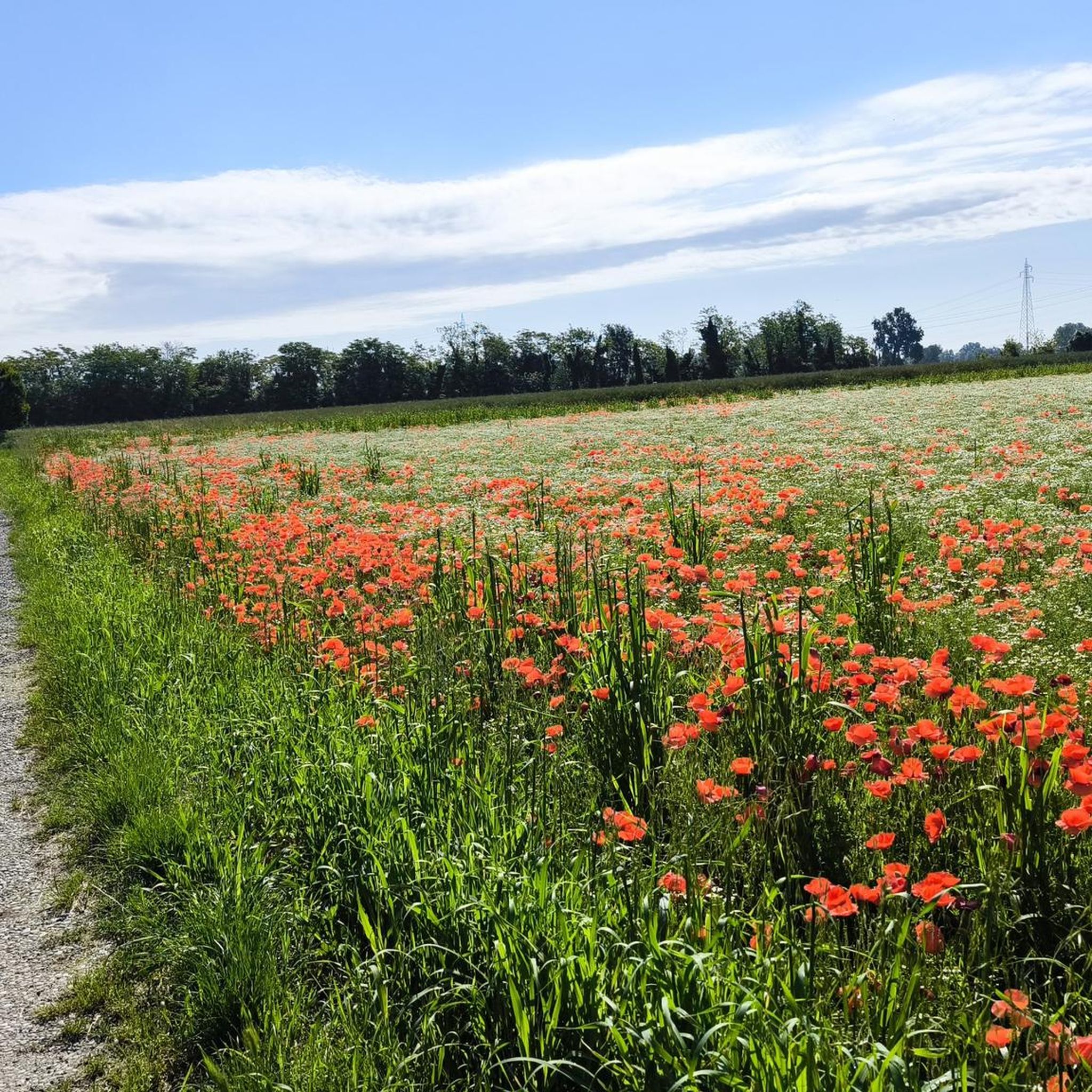
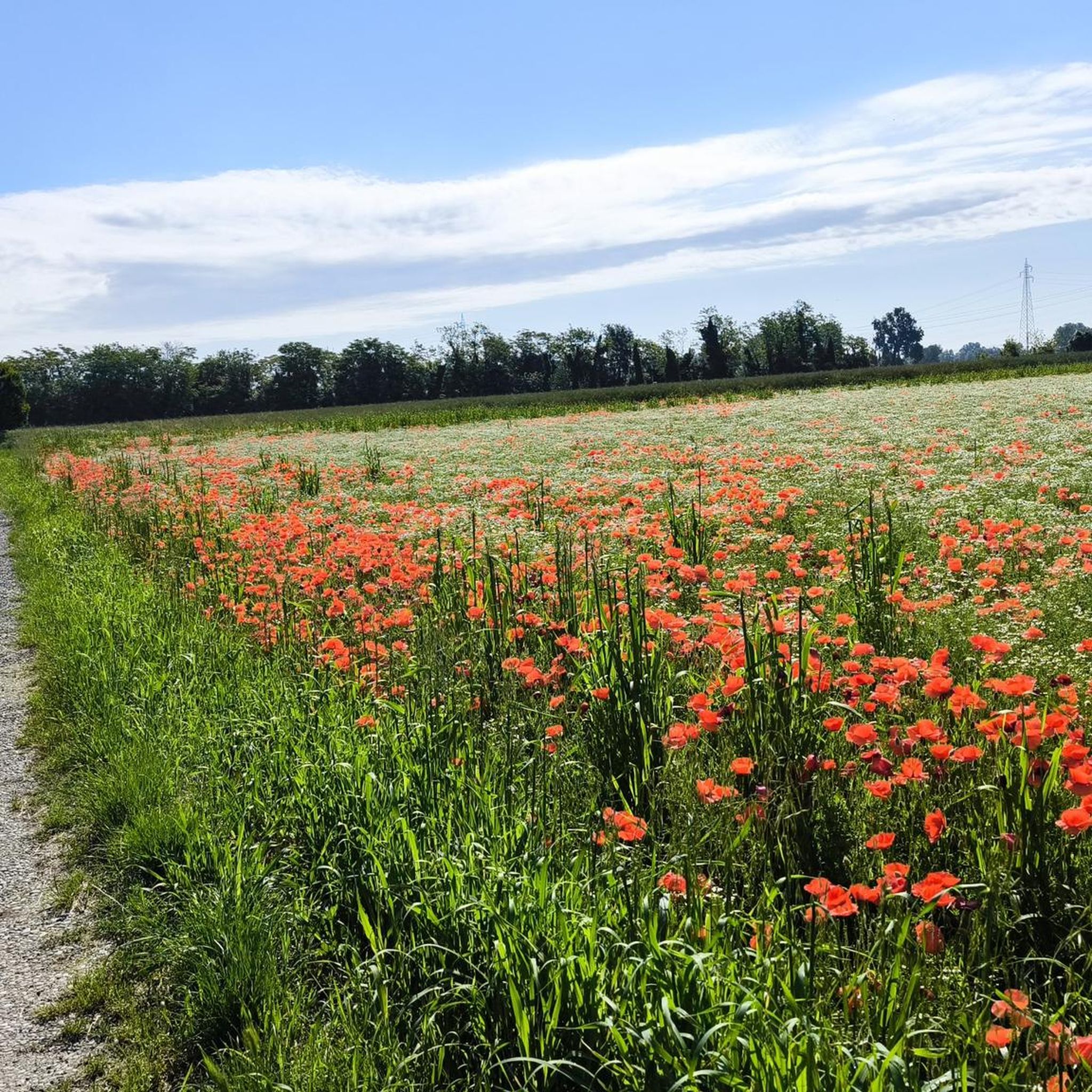
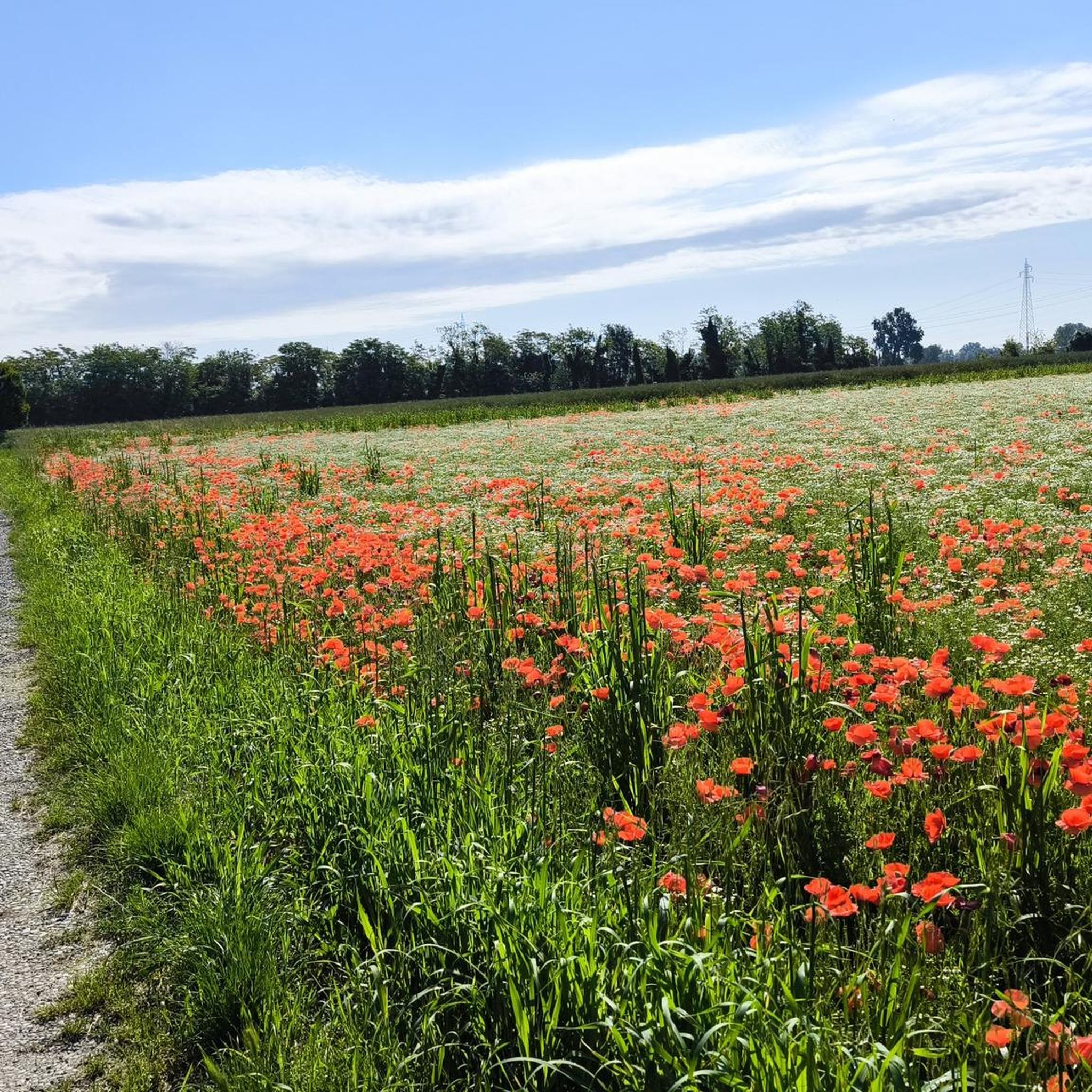

Tips from the Community

Virtually nothing reliable is known about the life of SAN GIORGIO, to whom the church of Corneliano was entrusted as patron saint, but the veneration of his person reaches far back into early Christianity. A martyr, who is equated with George, is said to have lived in the third century. However, the legend of Saint George as a dragon slayer is well-known and widespread; he is often depicted – in paintings or as a statue – as the vanquisher of the beast, often as a knight high on horseback. The feast day of the very popular George – he is, among other things, the patron saint of the English kingdom – in the calendar of saints is April 23rd.
0
0

The Muzza Canal, also known as Canale della Muzza, originates near the Castle of Cassano d’Adda, where it draws water from the Adda river. After a course of about 39 km, it flows back into the Adda near Castiglione
1
0
The Muzza Canal, also known as Canale della Muzza, originates near the Castle of Cassano d’Adda, where it draws water from the Adda River. After a course of about 39 km, it flows back into the Adda near Castiglione. Considered an important hydraulic engineering work at a European level, the Muzza Canal is among the oldest in Europe, with about 800 years of history, and is the largest in Northern Italy. Crossing the landscapes of the Po Valley, the canal contributes to the irrigation of the surrounding lands of the Lodi area and preserves precious patches of woodland vegetation, which characterize the Lombard territory. An ideal place to explore the beauty of nature and discover the agricultural history of the region!
1
0
The Muzza Canal, also known as Canale della Muzza, originates near the Castle of Cassano d’Adda, where it draws water from the Adda river. After a course of about 39 km, it flows back into the Adda near Castiglione. Considered an important hydraulic engineering work at a European level, the Muzza Canal is among the oldest in Europe, with about 800 years of history, and is the largest in Northern Italy. Crossing the landscapes of the Po Valley, the canal contributes to the irrigation of the surrounding lands of the Lodi area and preserves precious patches of woodland vegetation, which characterize the Lombardy region. An ideal place to explore the beauty of nature and discover the agricultural history of the region!
1
0

all in the shade at any time
0
0

The Muzza Canal is an important hydraulic work from the 12th-13th century that branches off the Adda river at Cassano d'Adda and extends for about 39 km to Castiglione d'Adda. It is one of the oldest and largest irrigation canals in Europe, fundamental for Lodi's agriculture, now also flanked by cycle paths.
2
0
The Tenuta di Trenzanesio is a vast protected area of about 300 hectares located on the outskirts of Milan, in the municipalities of Rodano and Vignate. It hosts the historic Villa Litta Invernizzi, a 16th-century Palladian-style gem, and is famous for its immense gardens, semi-wild fallow deer colonies, and pink flamingos.
0
0
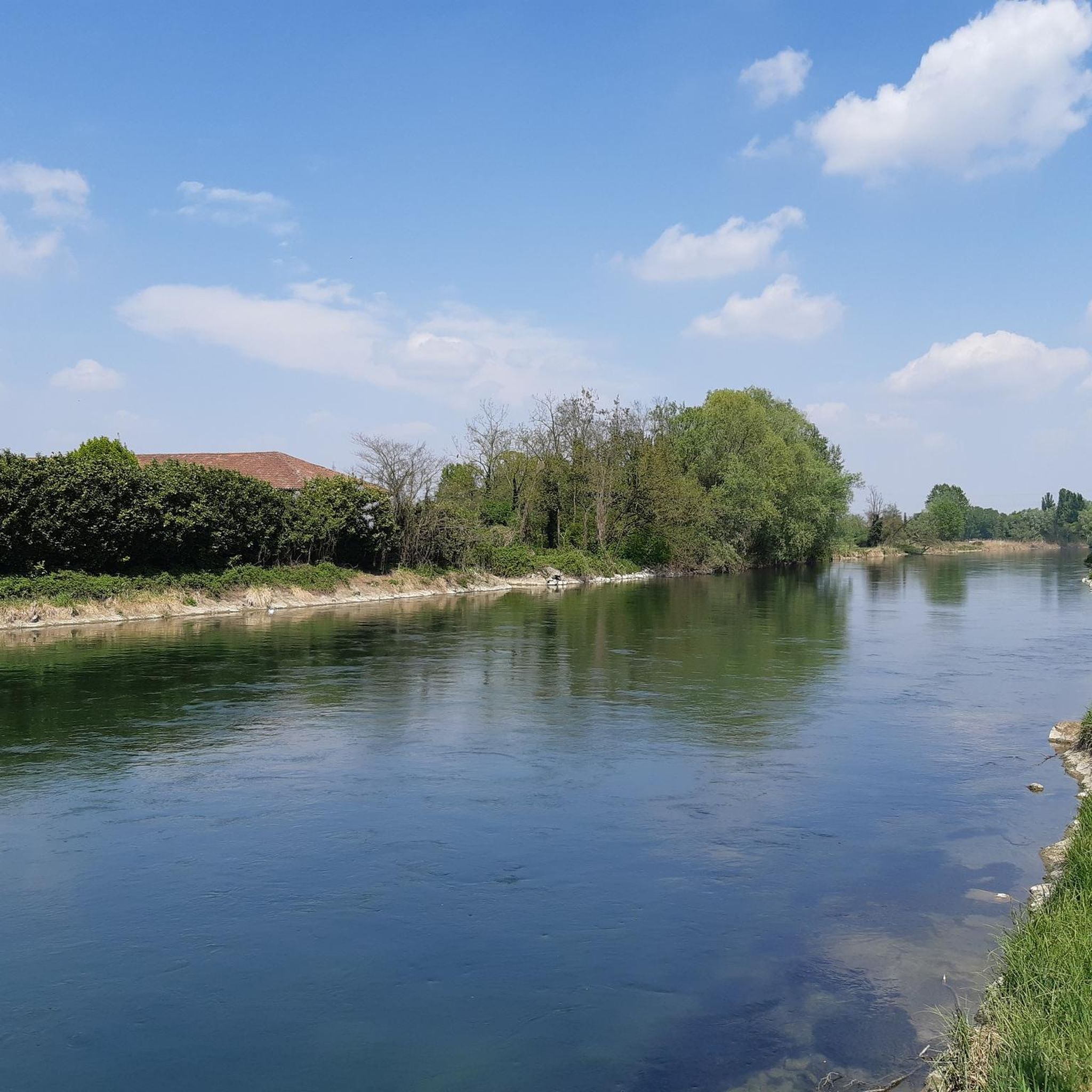
The Adda River is the fourth longest watercourse in Italy with its 313 kilometers and is entirely within the Lombardy region. It represents one of the main left tributaries of the Po River and has a very large hydrographic basin that covers about a third of the regional territory
1
0
Frequently Asked Questions
How many touring cycling routes are available around Settala?
There are over 420 touring cycling routes in the Settala area, offering a wide variety of options for all skill levels. The region is particularly known for its extensive network of canal and river paths.
Are there easy touring cycling routes suitable for beginners or families?
Yes, Settala offers many easy routes perfect for beginners and families. Over 260 routes are classified as easy, characterized by low elevation changes and generally flat terrain, often following scenic waterways like the Canale della Muzza. An example of a moderate route that is still very accessible is the Canale della Muzza – Palazzo Carcassola loop from Paullo.
What is the typical length of touring cycling routes in Settala?
Route lengths vary significantly. You can find shorter rides, but many popular routes range from 30 km to over 80 km. For instance, the Castello di Peschiera Borromeo – Besozza Forest loop from Vignate is about 36.8 km, while the challenging Vacchelli Canal entrance – Adda River loop from Vignate extends to 75.3 km.
Are there challenging touring cycling routes for experienced cyclists?
Absolutely. While much of the terrain is flat, there are 44 routes classified as difficult, often involving longer distances. The Oratory of San Biagio – Old Adda River Bridge loop from Vignate is a challenging 85.6 km ride that follows significant waterways.
What kind of scenery can I expect on touring cycling routes around Settala?
The routes primarily traverse agricultural areas, charming local villages, and occasional forested sections. A defining feature is the extensive network of canals and rivers, including the Adda River and Canale della Muzza, offering picturesque waterside views and a sense of tranquility.
Are there any circular touring cycling routes in the area?
Many of the touring cycling routes around Settala are designed as loops, allowing you to start and end at the same point. Examples include the Villa Borromeo, Cassano d'Adda – Canale della Muzza loop from Caleppio and the Castello di Peschiera Borromeo – Besozza Forest loop from Vignate.
What is the elevation profile like for touring cycling in Settala?
The terrain around Settala is generally characterized by low elevation changes, making it ideal for touring cyclists who prefer flatter rides. Routes often follow canals and rivers, resulting in minimal climbing.
What historical sites or attractions can I see along the routes?
The region is rich in history. You can cycle past impressive structures like the Castello di Peschiera Borromeo or the Corneliano Bertario Castle. Many routes also follow the historic Martesana Canal Cycle Path, which is an attraction in itself.
Are there places to stop for refreshments or food along the touring routes?
Given that routes often pass through local villages and connect historical sites, you will find opportunities for cafes and restaurants. It's advisable to check the specific route details on komoot for points of interest and services along your chosen path.
What do other touring cyclists say about cycling in Settala?
The area is highly rated by the komoot community, with an average score of 4.4 stars from over 1,200 reviews. Reviewers often praise the peaceful canal paths, the flat and accessible terrain, and the opportunity to explore historical sites and charming villages.
When is the best time of year to go touring cycling in Settala?
Spring and autumn generally offer the most pleasant conditions for touring cycling in Settala, with mild temperatures and beautiful scenery. Summer can be warm, but the shaded sections along canals and rivers provide some relief. Winter cycling is possible, though cooler temperatures and occasional fog should be expected.
Are there any specific highlights or landmarks to look out for?
Beyond the castles, the region's waterways are a major draw. Keep an eye out for sections of the Martesana Canal and the Adda River, which offer unique perspectives and often feature well-maintained cycle paths. The Idroscalo of Milan is also a notable nearby attraction.
Most popular attractions around Settala

Get inspired with the komoot mobile app


Explore more
Browse the best Cycling routes in other regions.
