Attractions and Places To See around Campi Salentina - Top 20
Best attractions and places to see around Campi Salentina, located in Puglia's Salento peninsula, offer a blend of historical landmarks, cultural sites, and agricultural heritage. Known historically as the "Granary of Terra d'Otranto," the area is characterized by fertile landscapes featuring olive groves and vineyards. Situated in the karstic depression of the Valle della Cupa, it is surrounded by the hills of Sant'Elia and Madonna dell'Alto. This region provides insights into its past and natural beauty.
Best attractions and places to see around Campi Salentina
- The most popular attractions is Abbey of Santa Maria di Cerrate, a religious building that is a significant example of Otranto Romanesque architecture. Built near the Roman road connecting Brindisi with Lecce and Otranto, it expanded to become an important monastic center in southern Italy.
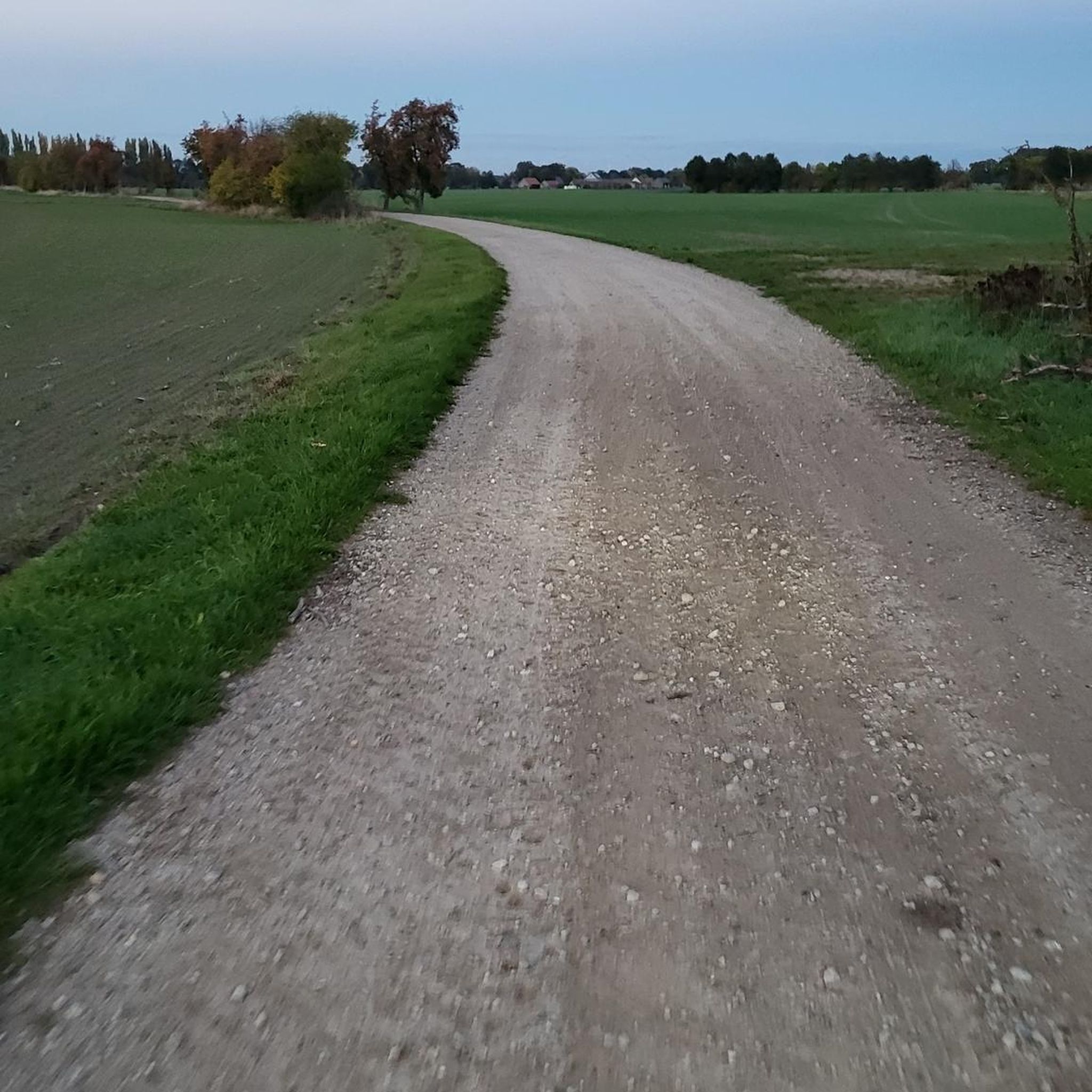
- Another must-see spot is White road between farmhouses and monumental olive trees, a trail that offers a beautiful stretch close to the Abbey of Santa Maria di Cerrate. This easy-to-cycle dirt road follows a route used by people from Northern Europe to reach ports for the Holy Land.
- Visitors also love Archaeological Site of the Valesio Baths on the Via Francigena, a historical site that serves as a small stopping point along the Via Francigena. Here, visitors can freely explore structures from a Roman thermal plant built in the 4th century near a 'mutatio' station.
- Campi Salentina is known for its historical landmarks, cultural sites, and natural features. Visitors can explore ancient monoliths, historical palaces, and churches, alongside varied agricultural landscapes.
- The attractions around Campi Salentina are appreciated by the komoot community, with 103 upvotes and 79 photos shared across 6 highlights.
Last updated: July 6, 2026
Abbey of Santa Maria di Cerrate
Highlight • Religious Site
Translated by Google •
Tip by

Rock Church of Santa Maria d'Aurio
Highlight • Religious Site
Translated by Google •
Tip by

Sign up now to discover places like this
Get recommendations on the best single tracks, peaks, & plenty of other exciting outdoor places.
Sign up for free
Archaeological Site of the Valesio Baths on the Via Francigena
Highlight • Historical Site
Translated by Google •
Tip by
White road between farmhouses and monumental olive trees
Highlight (Segment) • Trail
Translated by Google •
Tip by

Sanctuary of Madonna dell'Alto
Highlight • Religious Site
Translated by Google •
Tip by
Sign up for free to discover even more attractions around Campi Salentina.
Sign up for free
Already have an account?
Start today with a free account
Your next adventure awaits.
Login or Signup
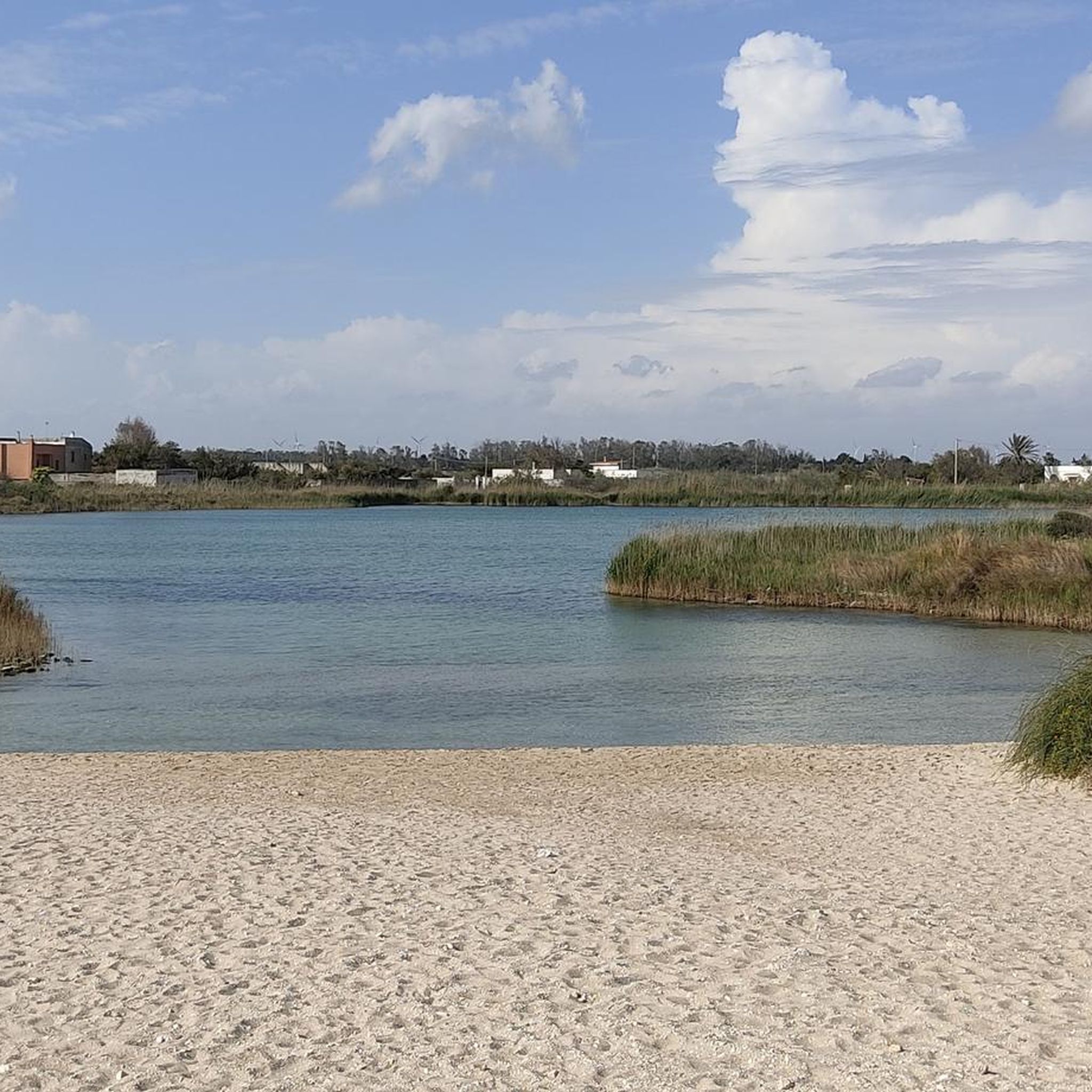
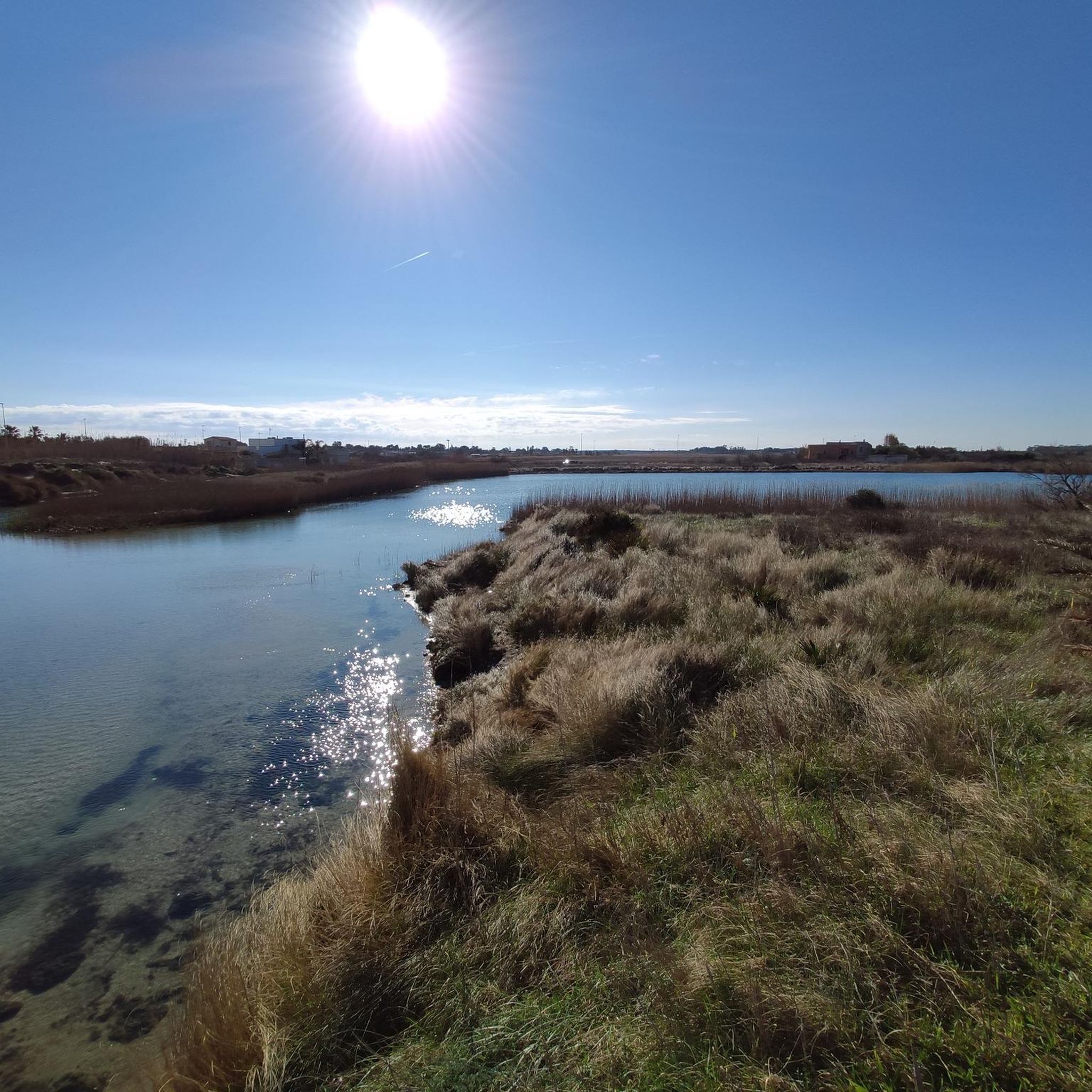
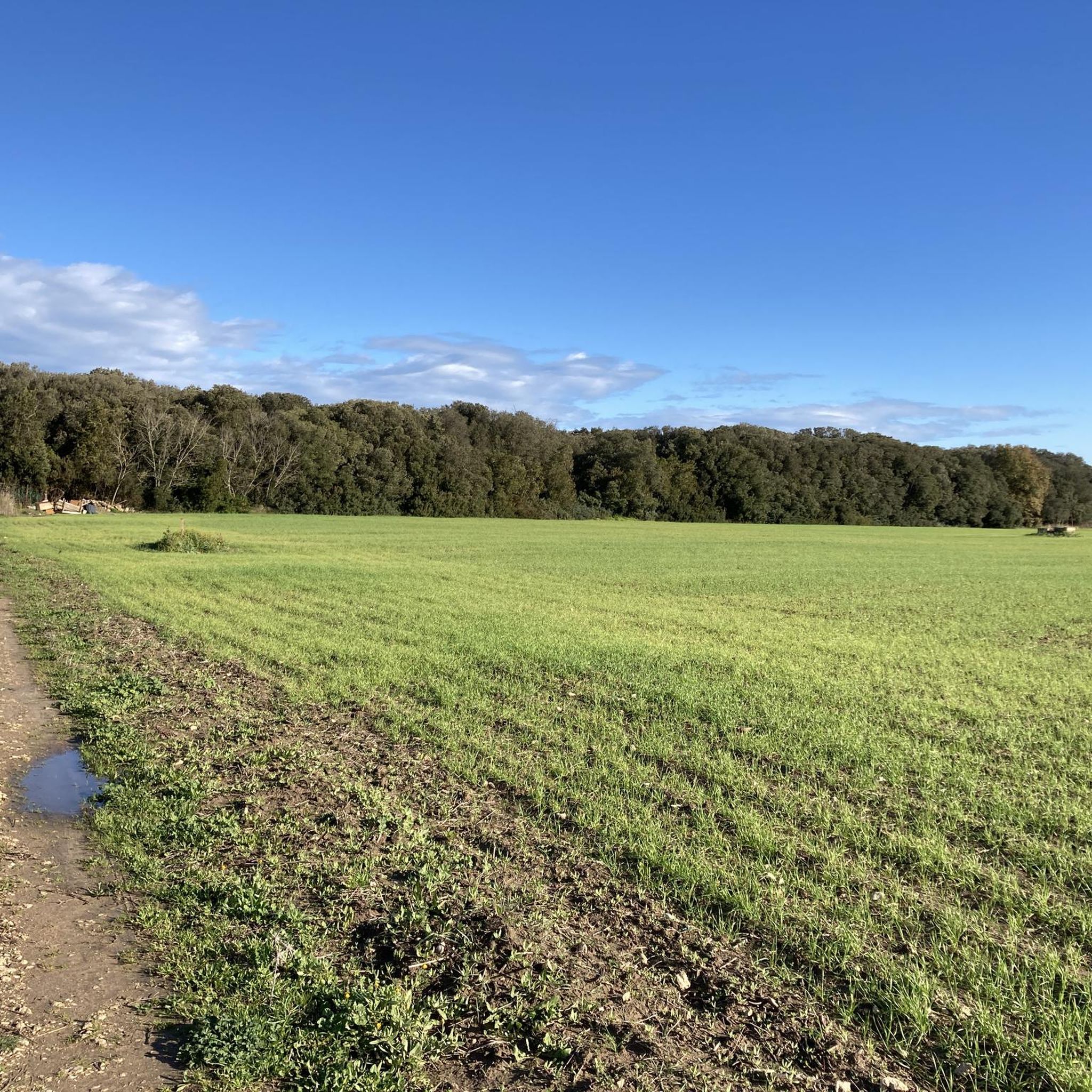
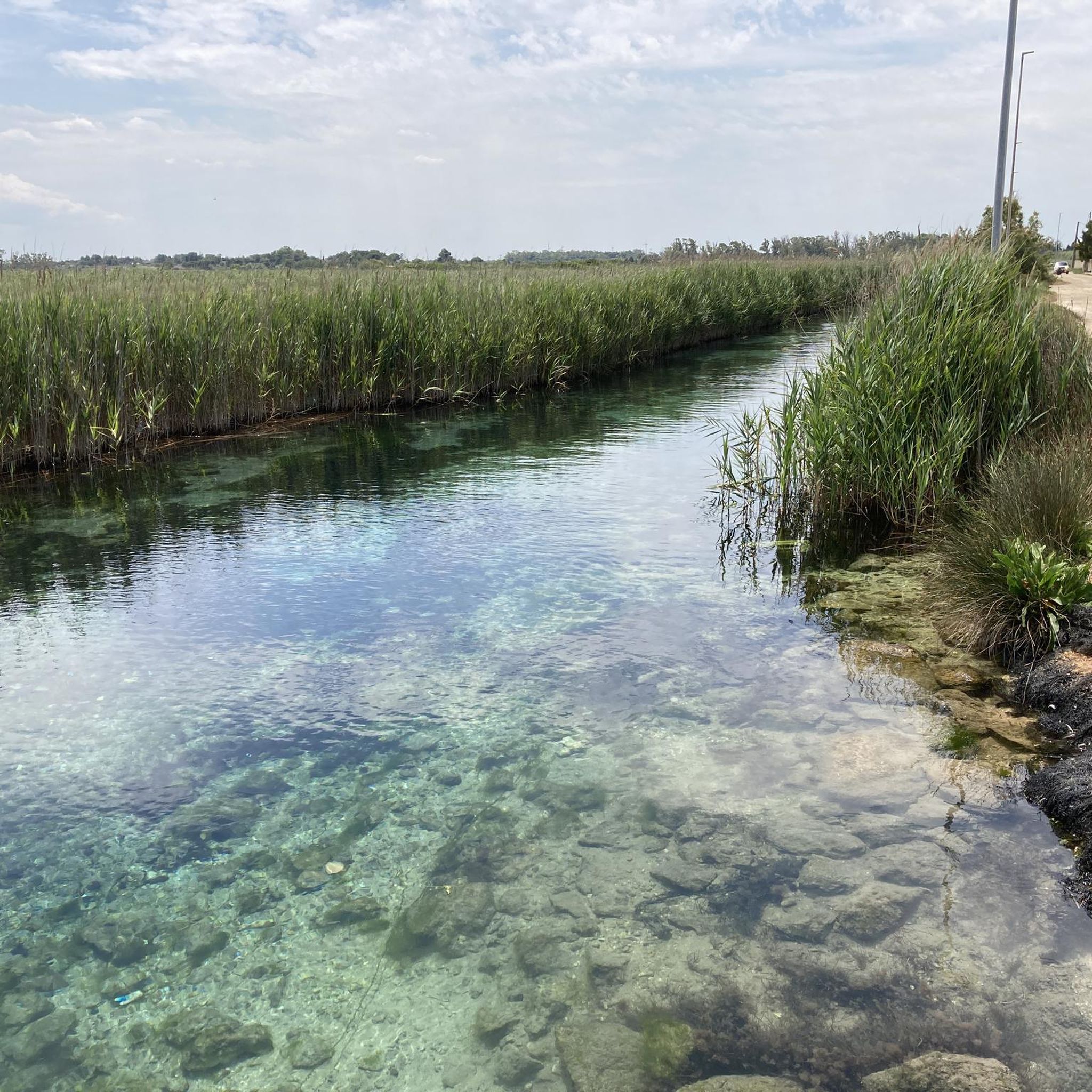
Tips from the Community

The abbey is located on the Francigena route which can be accessed via a narrow path under a holm oak forest to the right of the abbey.
0
0

Medieval example of a rock church.
0
0

Currently managed by the Fondo Ambiente Italiano (FAI), the Cerrate Abbey complex is unique in its kind and one of the most significant examples of Otranto Romanesque. Some details of the church capitals and the interesting explanations of the FAI guides will leave you speechless.
0
0

the route of the Via Francigena in the South follows a route used by the people of Northern Europe to reach, from Rome, the ports of embarkation for the Holy Land. A bridge between Europe and the Mediterranean, between West and East, still very relevant today.
0
0
https://fondoambiente.it/luoghi/abbazia-di-santa-maria-di-cerrate Once a Byzantine monastery inhabited by Italian-Greek monks, then an agricultural production center specializing in the processing of olives: the Cerrate Abbey offers a fascinating tale of its double soul as a place of worship and historic farm.
0
0
Valesio, a Messapian center, then Greek and subsequently Roman, developed near the "Infocaciucci" navigable canal, which was navigable at the time. The city walls, built between the 6th and 3rd centuries BC, were more than 3 km long and more than 4 m high and enclosed a Messapian urban centre. Currently you can freely visit some structures referable to a Roman thermal plant built at the beginning of the 4th century near the "mutatio" (changing of horses) station located on the Via Traiano-Calabra.
0
0
Once a Byzantine monastery inhabited by Italian-Greek monks, then an agricultural production center specializing in the processing of olives: the Cerrate Abbey offers a fascinating tale of its double soul as a place of worship and historic farm. https://fondoambiente.it/luoghi/abbazia-di-santa-maria-di-cerrate Immersed in a wonderful landscape of olive groves, fruit trees and cultivated areas, legend has it that the Abbey was founded following a vision by King Tancredi d'Altavilla, Count of Lecce, to whom the image of the Madonna appeared , after chasing a doe into a cave. Historically, however, the foundation is attested between the end of the 11th and the beginning of the 12th century, when Boemondo d'Altavilla - son of Robert Guiscard - established a monastery of Greek monks, followers of the rule of Saint Basil the Great, who sheltered in Salento to escape the iconoclastic persecutions of Byzantium. Built near the Roman road that connected Brindisi with Lecce and Otranto, the Abbey was expanded to become one of the most important monastic centers in southern Italy: in 1531, when it came under the control of the Hospital for Incurables of Naples, the the complex includes, in addition to the church, stables, accommodation for the farmers, a well, a mill, two underground oil mills. The sacking by Turkish pirates in 1711 plunged the entire center into a state of complete abandonment which continued during the 19th century until the intervention of the Province of Lecce in 1965, which entrusted the restoration work to the architect Franco Minissi. Thanks to a public tender promoted by the Province of Lecce, in 2012 the complex was entrusted to the FAI. Today, after a complex restoration project which also allowed the Church of Santa Maria di Cerrate to be reopened for worship, the Abbey can be visited again and represents a splendid example of Apulian Romanesque architecture embellished with important frescoes which make it unique in the world. Byzantine.
1
0
Inserted in collection Byzantine Salento komoot.it/collection/1811756/-salento-byzantine - The rock church of Santa Maria d'Aurio is opposite. Its neighbor, the Torre dei Cavallari is there alone to watch over and protect it as if they were a whole, as if they had lived together all the vicissitudes from the 16th century to today although the 12th century church is "older".
0
0
Frequently Asked Questions
What historical sites can I explore in and around Campi Salentina?
Campi Salentina is rich in history. You can visit the imposing Castello di Federico II and the Palazzo Baronale (also known as Palazzo Marchesale) in the town center. Don't miss the ancient Abbey of Santa Maria di Cerrate, a significant example of Otranto Romanesque architecture. Further historical insights can be found at the Archaeological Site of the Valesio Baths on the Via Francigena, which features structures from a Roman thermal plant.
Are there any significant churches or cultural sites to visit?
Absolutely. The Chiesa della Madonna delle Grazie, built in 1579, dominates the central square. Other notable churches include the Chiesa della Madonna dell'Alto, located on Sant'Elia hill, and the 17th-century Chiesa di San Giuseppe. The Rock Church of Santa Maria d'Aurio is another Romanesque-style building worth seeing, representing the last evidence of the ancient Aurio farmhouse.
What natural features or landscapes characterize the area around Campi Salentina?
The region is known for its varied and fertile agricultural landscape, featuring abundant olive groves, vineyards, and fields of tobacco and sunflowers. Campi Salentina is situated in the karstic depression of the Valle della Cupa, surrounded by the scenic hills of Sant'Elia and Madonna dell'Alto. You can also find the ancient Candido and Sperti Menhirs, which are archaeological and rural testimonies to an ancestral cult.
What outdoor activities can I do near these attractions?
The area offers several outdoor activities. You can explore the landscape on foot or by bike. For running enthusiasts, there are various running trails around Campi Salentina, including loops from Villa Baldassarri and Guagnano. If you prefer cycling, consider the gravel biking routes like the Tempietto di San Miserino loop. For hikers, there are hiking trails such as the Masseria Rugi Pigeon Tower loop from Chiesa dell'Abbazia di Santa Maria a Cerrate.
Are there any family-friendly attractions or activities in Campi Salentina?
Many of the historical and cultural sites can be enjoyed by families. The Abbey of Santa Maria di Cerrate is listed as family-friendly, offering an engaging experience with its rich history. Exploring the town's palaces and churches, or taking a leisurely walk through the olive groves, can also be pleasant family activities.
What is the best time to visit Campi Salentina for sightseeing and outdoor activities?
The Salento peninsula, where Campi Salentina is located, generally enjoys a Mediterranean climate. Spring and early autumn are often ideal for sightseeing and outdoor activities, as the weather is pleasant and not as hot as the peak summer months. This allows for comfortable exploration of historical sites and enjoyment of the agricultural landscapes.
What are some unique local traditions or festivals in Campi Salentina?
Campi Salentina is known for its vibrant festivals. The most anticipated is the Festa di Sant'Oronzo, honoring the patron saint, which culminates from August 28th to September 2nd with a historical procession and majestic illuminations. Other significant celebrations include the Festa di San Pompilio Maria Pirrotti in July and the Festa della Madonna della Mercede in October.
Can I find any ancient archaeological testimonies in the area?
Yes, beyond the Roman structures at Valesio, you can discover the Candido and Sperti Menhirs. These two ancient monoliths, located on the old municipal road between Campi Salentina and San Pietro Vernotico, serve as archaeological and rural testimonies to an ancestral cult, connecting Campi to its deepest roots.
What do visitors enjoy most about the attractions around Campi Salentina?
Visitors particularly appreciate the blend of historical depth and natural beauty. The Abbey of Santa Maria di Cerrate is highly praised for its unique Otranto Romanesque architecture and fascinating history as both a place of worship and a historic farm. The scenic routes, like the White road between farmhouses and monumental olive trees, are also very popular for their beauty and ease of cycling.
Are there any specific trails for cycling or walking that showcase the local agriculture?
Yes, the White road between farmhouses and monumental olive trees is an excellent choice. This easy-to-cycle dirt road offers a beautiful stretch close to the Abbey of Santa Maria di Cerrate and follows a route historically used by pilgrims. It provides a wonderful opportunity to experience the region's characteristic olive groves and agricultural landscape up close.
What kind of palaces or noble residences can be seen in the old town center?
The old town center of Campi Salentina features numerous historical residences belonging to noble families. Besides the prominent Palazzo Baronale, you can find smaller palaces like Casa Prato, which houses the municipality's Historical Archives. The residences of families such as Bari, Calabrese, Catarozzolo, Maddalo, Magi, Occhineri, and the Paladini-Enriquez marquis residence contribute to the evocative scenic effect of the town.
Most popular routes around Campi Salentina

Get inspired with the komoot mobile app


Explore more
Still not found the Highlight you’re looking for? See guides of the top attractions in other regions:
