Attractions and Places To See around Tronzano Vercellese - Top 20
Best attractions and places to see around Tronzano Vercellese is a municipality situated in the Vercelli plain of Italy. The region is defined by an extensive network of waterways, including the Canale Cavour, which are vital for irrigating the surrounding rice fields. This area features a combination of historical architecture, significant natural elements, and a strong agricultural heritage focused on rice cultivation. The landscape offers a unique environment shaped by both natural features and human engineering.
Best attractions and places…
Last updated: May 11, 2026
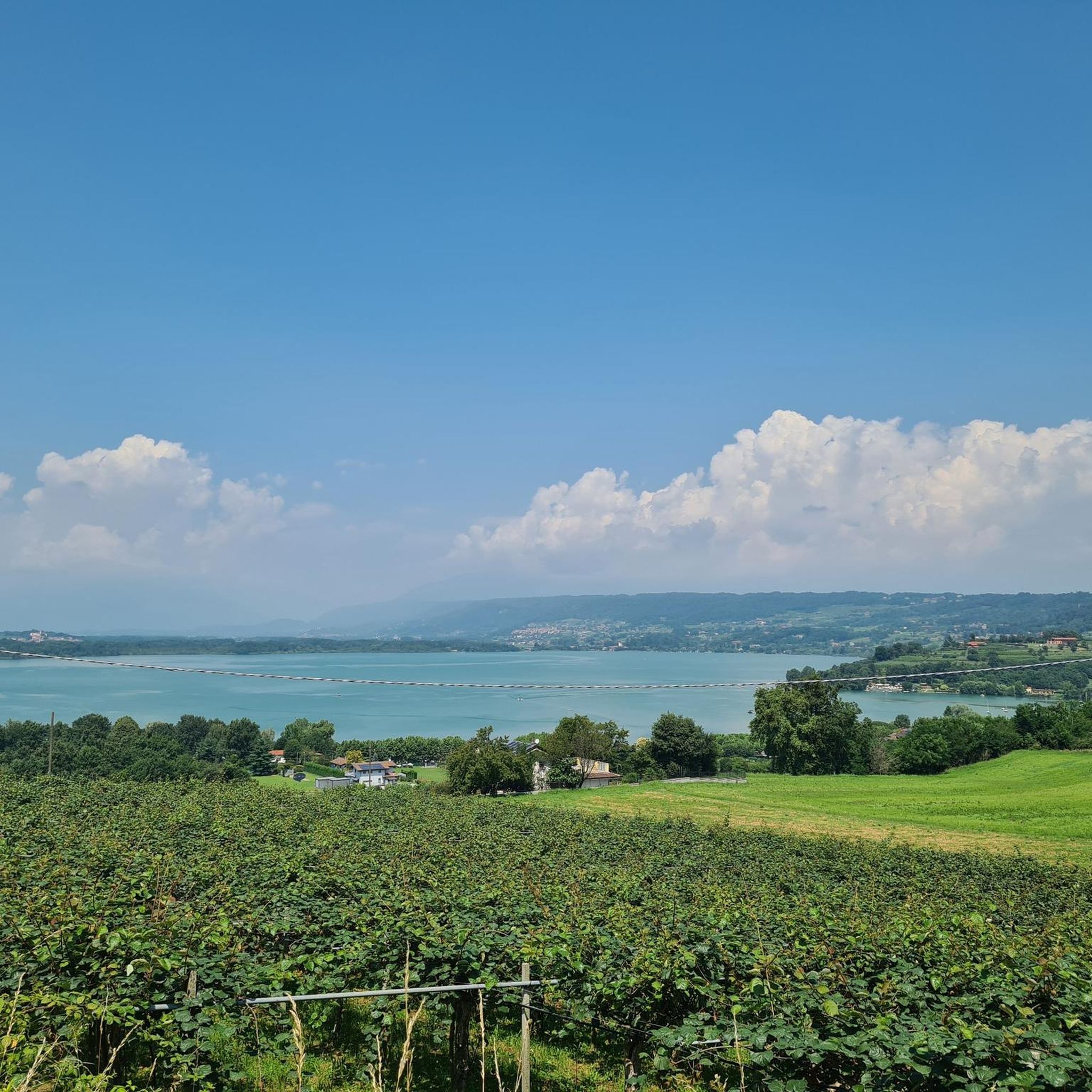
Lake Bertignano
Highlight • Lake
Translated by Google •
Tip by

Sanctuary of Santa Maria della Cella
Highlight • Religious Site
Translated by Google •
Tip by

Sign up now to discover places like this
Get recommendations on the best single tracks, peaks, & plenty of other exciting outdoor places.
Sign up for free
Parish of Saint Agatha
Highlight • Religious Site
Translated by Google •
Tip by

Principality of Lucedio
Highlight • Historical Site
Translated by Google •
Tip by

Cavaglià Town Center
Highlight • Settlement
Translated by Google •
Tip by

Sign up for free to discover even more attractions around Tronzano Vercellese.
Sign up for free
Already have an account?
Start today with a free account
Your next adventure awaits.
Login or Signup
Tips from the Community

Open on Sundays only (May 2024)
0
0

The Collegiata di Sant’Agata in Santhià, a comune in the province of Vercelli, Piedmont, Italy, is an impressive church located in the central Piazza Roma, not far from the town hall. Although the original Romanesque building from the 12th century has now disappeared, there are still remains of the northern exterior, the semicircular apse and the stone bell tower. The present church, designed by architect Giuseppe Talucchi, was built between 1836 and 1839 in Neoclassical style. The facade is characterized by a large pronao, supported by six columns, with vaults painted by the artist Luigi Hartmann. Inside is a valuable polittico by Gerolamo Giovenone.
5
0

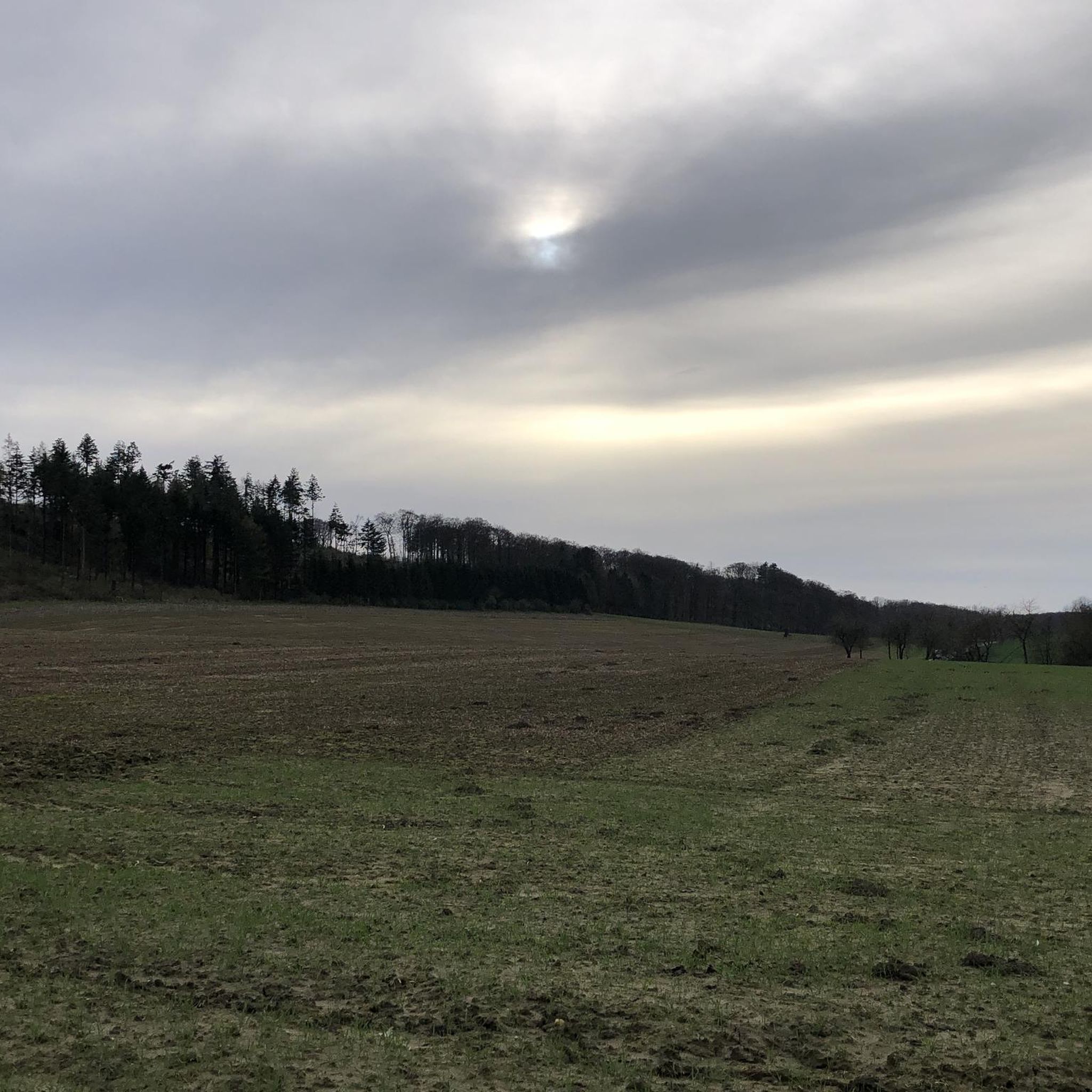
It is very particular because it is isolated in the middle of the woods and you suddenly discover it and then dive back into the bush
6
0
The church of S. Maria di Meoglio, today known as the Sanctuary of the Madonna della Cella, is located in the middle of the woods and is the center of the ancient settlement of Meoglio. Next to the church, rebuilt in 1848, the ruins of the old monastery can still be seen, documentary sources attest to the presence of the Cella di Meoglio among the possessions of the Monastery of Lucedio and here, according to tradition, in 1001 San Bononio worked a miracle there .
7
0
The Collegiata di Sant'Agata in Santhià, a municipality in the province of Vercelli, Piedmont, is an impressive church located in the central Piazza Roma, not far from the town hall. Although the original 12th century Romanesque building has now disappeared, remains of the northern exterior, semi-circular apse and stone bell tower still remain. The current church, designed by architect Giuseppe Talucchi, was built between 1836 and 1839 in a neoclassical style. The facade is characterized by a large pronao, supported by six columns, with vaults painted by artist Luigi Hartmann. Inside is a valuable polittico by Gerolamo Giovenone.
5
0
The territory of Cavaglià, largely flat, extends at the foot of the morainic hill of Serra, which separates Biella from Ivrea and is the longest moraine hill in Europe; There is approximately 250 m of altitude between the highest and lowest parts of the municipality. The city is located in an area that has been populated since ancient times; The Celts gave names to various regions around the capital. Cavaglià is one of the municipalities of Biella along the Cammino di Oropa and the Via Francigena, an ancient route that in the Middle Ages connected Canterbury with Rome and the ports of Puglia, today rediscovered by modern travelers, who have traveled a beautiful and surprising route. For more information, visit the official website https://www.viefrancigene.org/it/. The municipal council has created a "Hostel for Pilgrims along the Via Francigena", which makes it available for a small symbolic amount to those who decide to undertake the Camino. https://www.comune.cavaglia.bi.it/aree-tematiche/turismo
6
0

The Sanctuary is located in a very particular position, immersed in the woods and at the crossroads of numerous paths, which lead to this small clearing where the church stands.
2
0

An ancient sanctuary dating back to before 1200, located in a very quiet area at the crossroads of several dirt roads, and a starting point for many beautiful walks or bike rides
1
0
Frequently Asked Questions
What historical and cultural sites can I visit in Tronzano Vercellese?
Tronzano Vercellese is rich in history. You can explore the Romanesque-style Church of San Pietro al Cimitero, dating back to the 11th century, which served as a refuge for French knights. The Parish Church of Santi Pietro e Paolo, built between 1732 and 1752, is located in the town center. Other historic churches include the Church of San Martino (1256) and the Church of San Grato in the Salomino area. Additionally, the Principality of Lucedio offers a blend of history and mystery, with its Cistercian abbey founded in 1123, significant for introducing rice cultivation to Italy.
What natural features can I explore in the Tronzano Vercellese area?
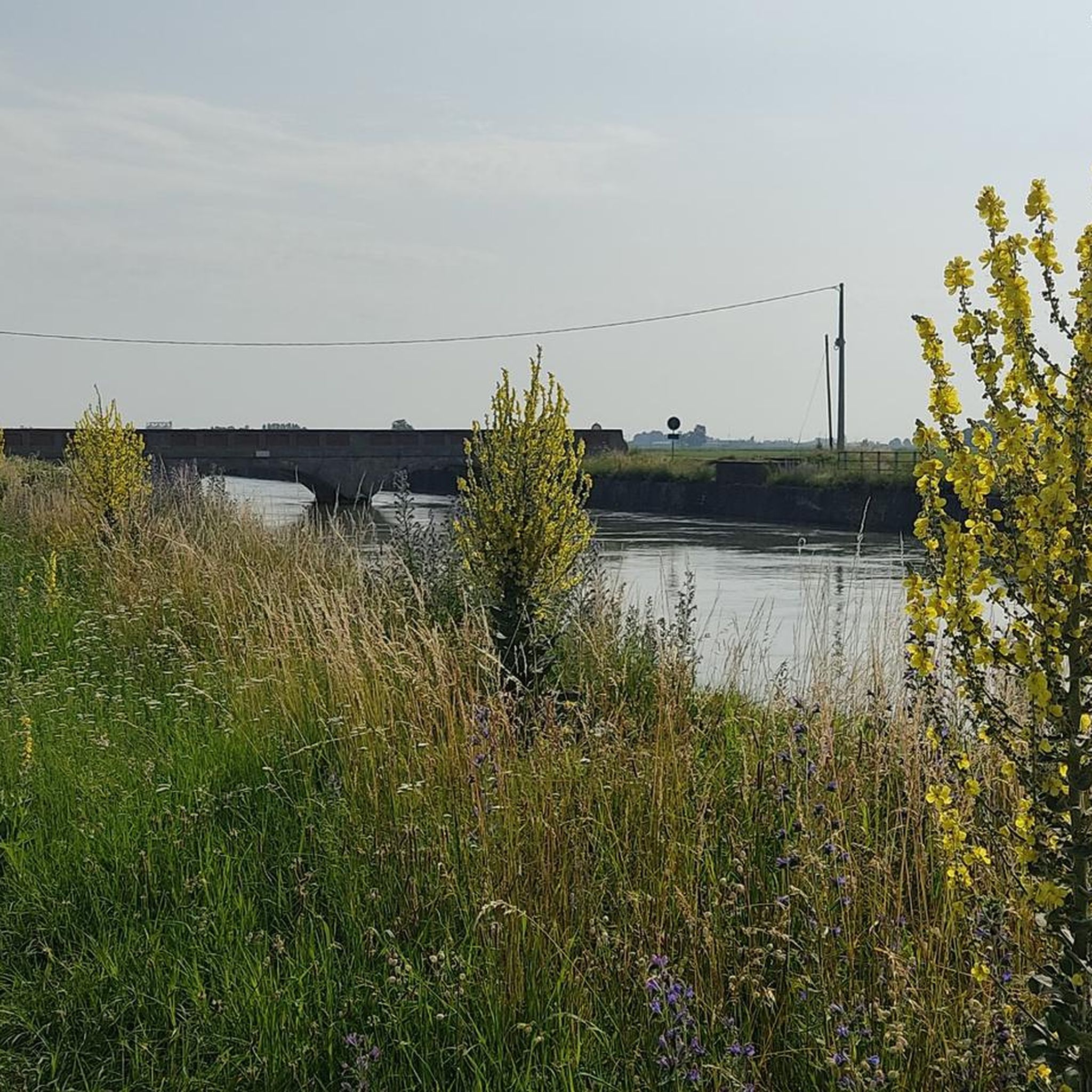
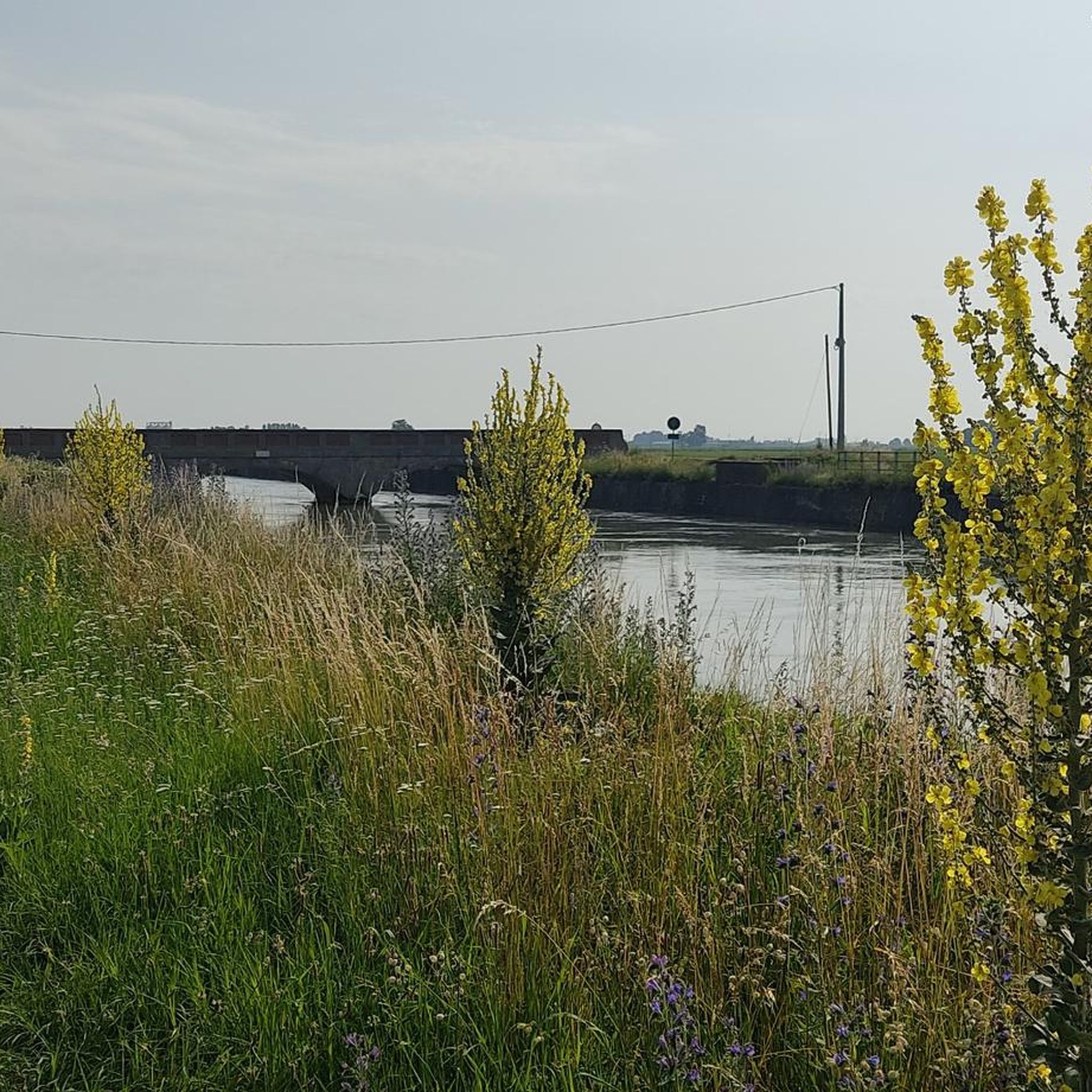
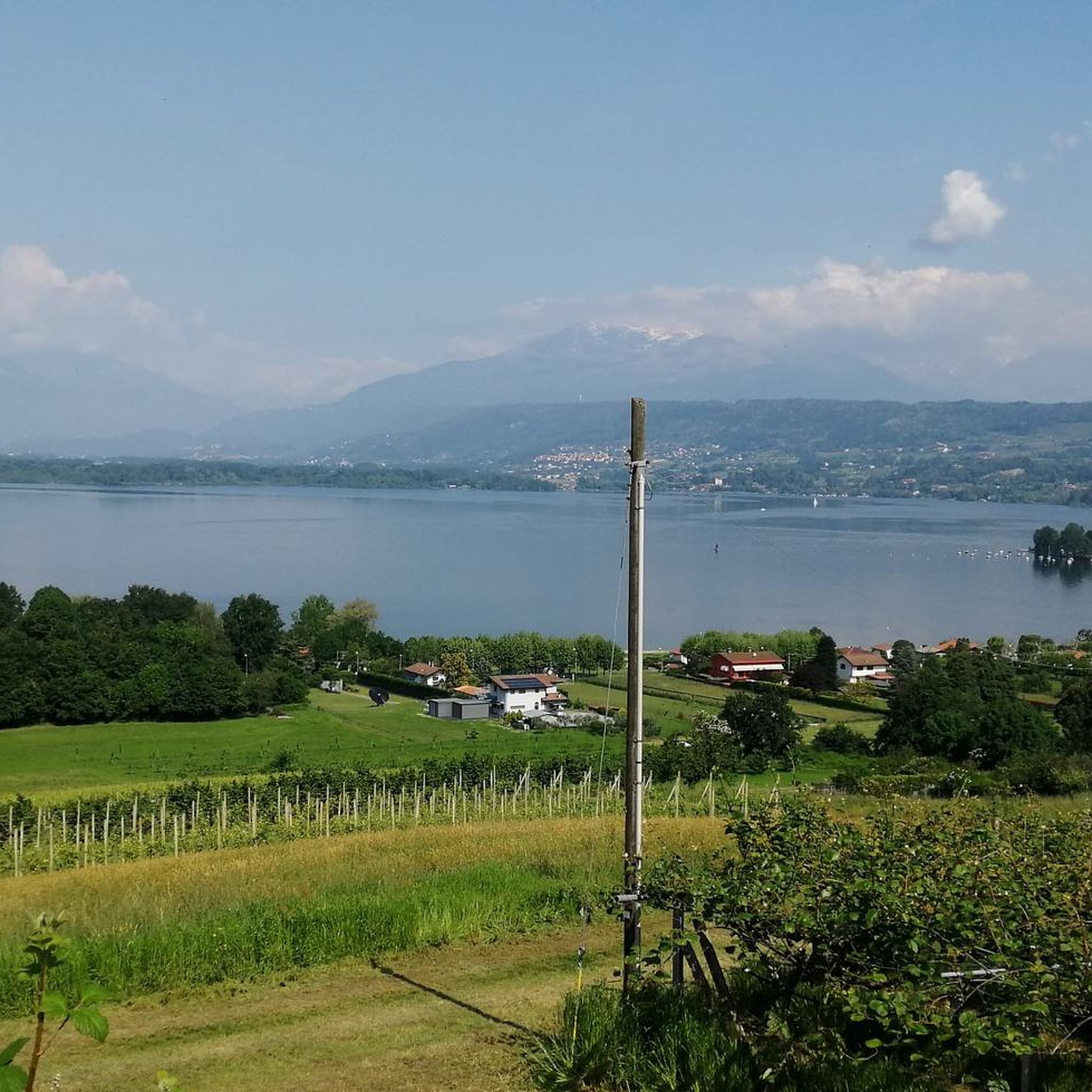
The landscape around Tronzano Vercellese is defined by an extensive network of waterways crucial for irrigating rice fields, including the Canale Depretis, Canale Cavour (a major engineering work), Canale di Cigliano, Torrente Marcova, Naviglio di Ivrea, and Naviglio di Tronzano. These canals, along with numerous natural springs (fontanili), create a unique environment. You can also visit Lake Bertignano, a natural monument formed by the retreat of the Balteo glacier and part of a Special Conservation Area.
Are there family-friendly attractions around Tronzano Vercellese?
Yes, several attractions are suitable for families. Lake Bertignano is listed as family-friendly, offering a natural setting. The Sanctuary of Santa Maria della Cella, located in the woods, is also considered family-friendly. Exploring the historical sites like the Principality of Lucedio or the various churches can also be an engaging experience for families interested in history and culture.
What outdoor activities and routes are available near Tronzano Vercellese?
The area around Tronzano Vercellese offers various outdoor activities, especially cycling and running. You can find numerous routes for road cycling, touring cycling, and jogging. For example, there are moderate road cycling loops like 'Serra d'Ivrea – Lake Viverone loop from Tronzano' and 'Caravino – Serra d'Ivrea loop from Tronzano'. Touring cyclists can enjoy routes such as the 'Lake Viverone and Via Francigena Loop'. Runners have options like the 'Running loop from Crova' or 'Castello di Viancino loop from Crova'. You can find more details and specific routes in the Road Cycling Routes around Tronzano Vercellese, Cycling around Tronzano Vercellese, and Running Trails around Tronzano Vercellese guides.
What is the significance of rice cultivation in Tronzano Vercellese?
Rice cultivation is deeply intertwined with Tronzano Vercellese's identity and agricultural heritage. The region's vast network of canals, including the significant Canale Cavour, was specifically engineered to irrigate the surrounding rice fields. This tradition was notably influenced by the Cistercian monks at the Principality of Lucedio, who introduced rice cultivation to Italy in the mid-1400s. The agricultural landscape, dominated by rice paddies, is a central point of interest and even features cyclable routes.
What do visitors enjoy most about the attractions near Tronzano Vercellese?
Visitors particularly appreciate the unique blend of history, nature, and tranquility. The Sanctuary of Santa Maria della Cella is loved for its isolation in the middle of the woods, offering a sense of discovery. The Principality of Lucedio captivates with its charm, history, and a touch of mysticism amidst the rice fields. The natural beauty of Lake Bertignano, formed by a glacier, is also highly valued.
Are there any local festivals or events in Tronzano Vercellese?
Yes, Tronzano Vercellese has an active community that hosts various events throughout the year. These include a historic carnival, a June cycling event, a 'Cena in Bianco,' a polenta and stew dinner in December, a beer festival, Halloween parties, the 'Giro delle Fontane' run, and the Saint Martin Fair, which is a chestnut festival, and 'Tronzano Motori'.
What is the Canale Cavour and why is it important to the region?
The Canale Cavour is the most significant engineering work in the Lower Vercelli area. This 85 km artificial canal was constructed by hand over three years to support agriculture, particularly rice cultivation, connecting the Po and Ticino rivers. It was strongly advocated by Camillo Benso, Count of Cavour, and remains vital for irrigating the extensive rice paddies that define the landscape of Tronzano Vercellese and the surrounding plain.
Can I visit the Principality of Lucedio, and what makes it special?
Yes, the Principality of Lucedio is open to the public. It's a unique historical site where history and mystery intertwine among the rice fields. Founded as a Cistercian abbey in 1123, it played a crucial role in introducing rice cultivation to Italy. Visitors are drawn to its mystical atmosphere and rich past. You can check their official website for visiting schedules.
What is the best time to visit Tronzano Vercellese attractions?
While specific seasonal recommendations aren't provided, the region's agricultural focus on rice cultivation suggests that spring and summer offer lush green landscapes, while autumn might provide beautiful harvest scenes. Local festivals and events occur throughout the year, so checking the local calendar could help you plan your visit around specific interests. The cycling event in June and the Saint Martin Fair in autumn are examples of seasonal activities.
Are there any viewpoints or scenic spots in the area?
Yes, Lake Bertignano is noted as a viewpoint, offering scenic views of a lake formed by glacial retreat. The Sanctuary of Santa Maria della Cella, isolated in the middle of the woods, also provides a unique and serene setting that many find picturesque. The extensive network of canals and rice paddies themselves offer unique agricultural landscapes and scenic routes for cycling.
What is the history behind the Church of San Pietro al Cimitero?
The Church of San Pietro al Cimitero is an 11th-century Romanesque-style church, recognized as a national monument. Its history includes serving as a refuge for French knights during the Crusades in the early 13th century after it had been abandoned and damaged. This ancient church stands on the outskirts of Tronzano Vercellese, offering a glimpse into the region's medieval past.
Most popular routes around Tronzano Vercellese
Most popular attractions around Tronzano Vercellese

Get inspired with the komoot mobile app


Explore more
Still not found the Highlight you’re looking for? See guides of the top attractions in other regions:
