Attractions and Places To See around Tambre - Top 20
Best attractions and places to see around Tambre, a comune in Italy's Veneto region, offer a blend of historical landmarks, cultural sites, and natural beauty. Located north of Venice and east of Belluno, Tambre serves as a base for exploring the Alpago area and the Cansiglio Forest. The region features diverse landscapes, from Alpine peaks to lakes, providing various outdoor and cultural experiences.
Best attractions and places to see around Tambre
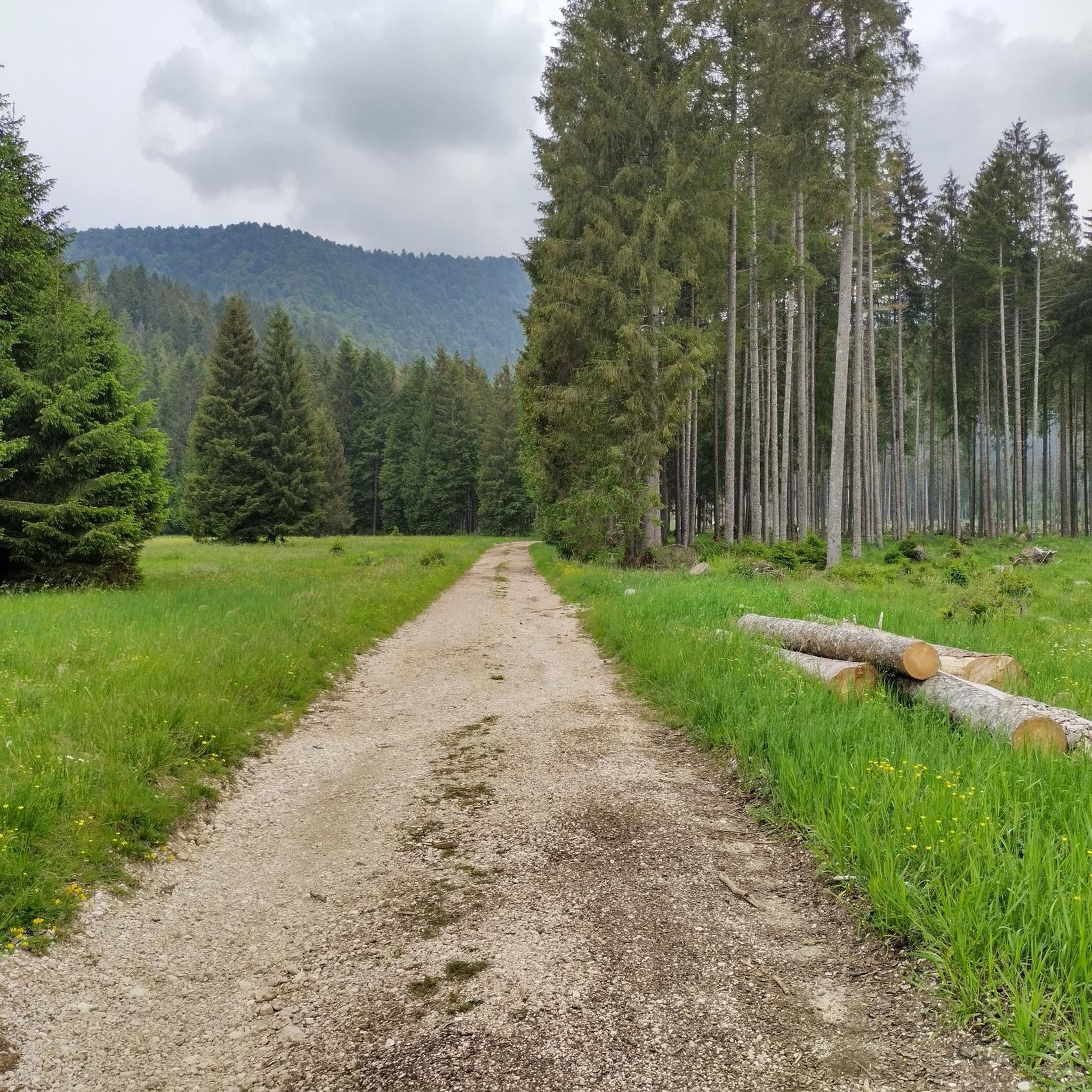
- The most popular attractions is Strada del Taffarel,…
Last updated: September 26, 2026
Lake Santa Croce
Highlight • Lake
Translated by Google •
Tip by

Lake Morto
Highlight • Lake
Here is a picnic area where you can relax and enjoy a well-deserved break.
Translated by Google •
Tip by

Sign up now to discover places like this
Get recommendations on the best single tracks, peaks, & plenty of other exciting outdoor places.
Lake Santa Croce
Highlight • Lake
More information: de.wikipedia.org/wiki/Lago_di_Santa_Croce
Translated by Google •
Tip by

Lake Barcis
Highlight • Lake
Tip by

Col Visentin Hut
Highlight • Mountain Hut
Translated by Google •
Tip by

Sign up for free to discover even more attractions around Tambre.
Already have an account?
Start today with a free account
Your next adventure awaits.
Popular around Tambre
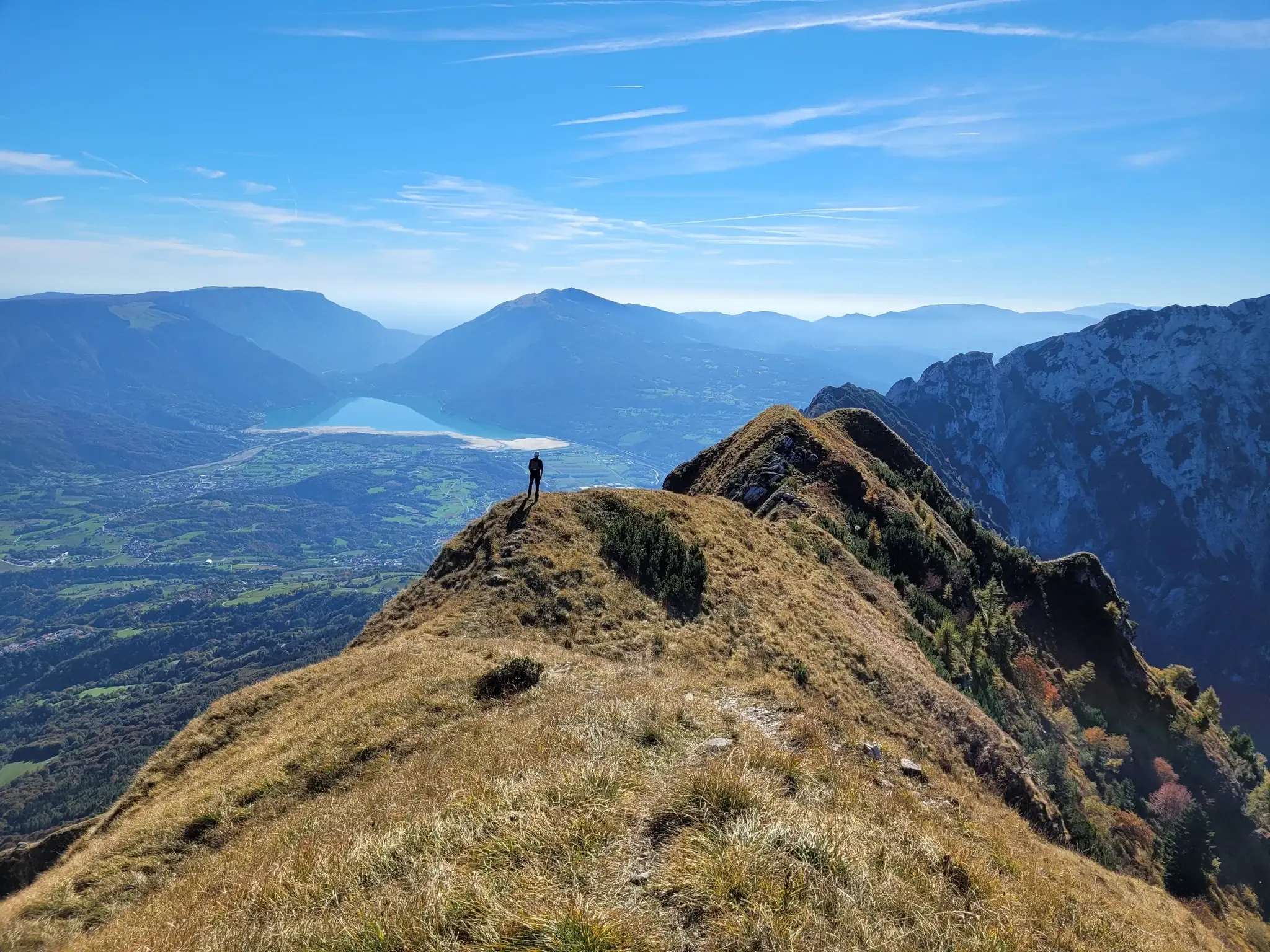
A fairytale hike in Italy’s Pale Mountains – Alta Via delle Dolomiti 7
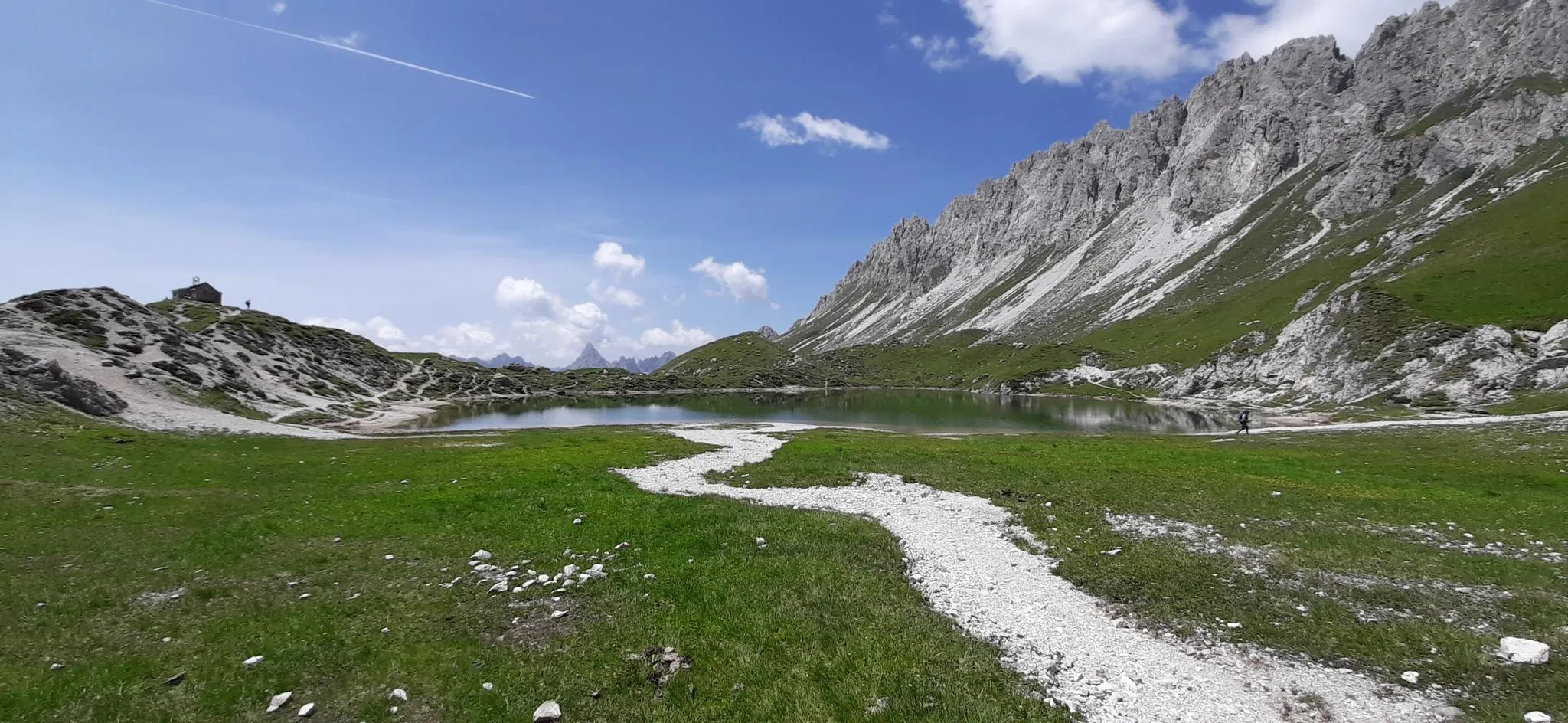
A trail running adventure in the Dolomites – Alta Via 6
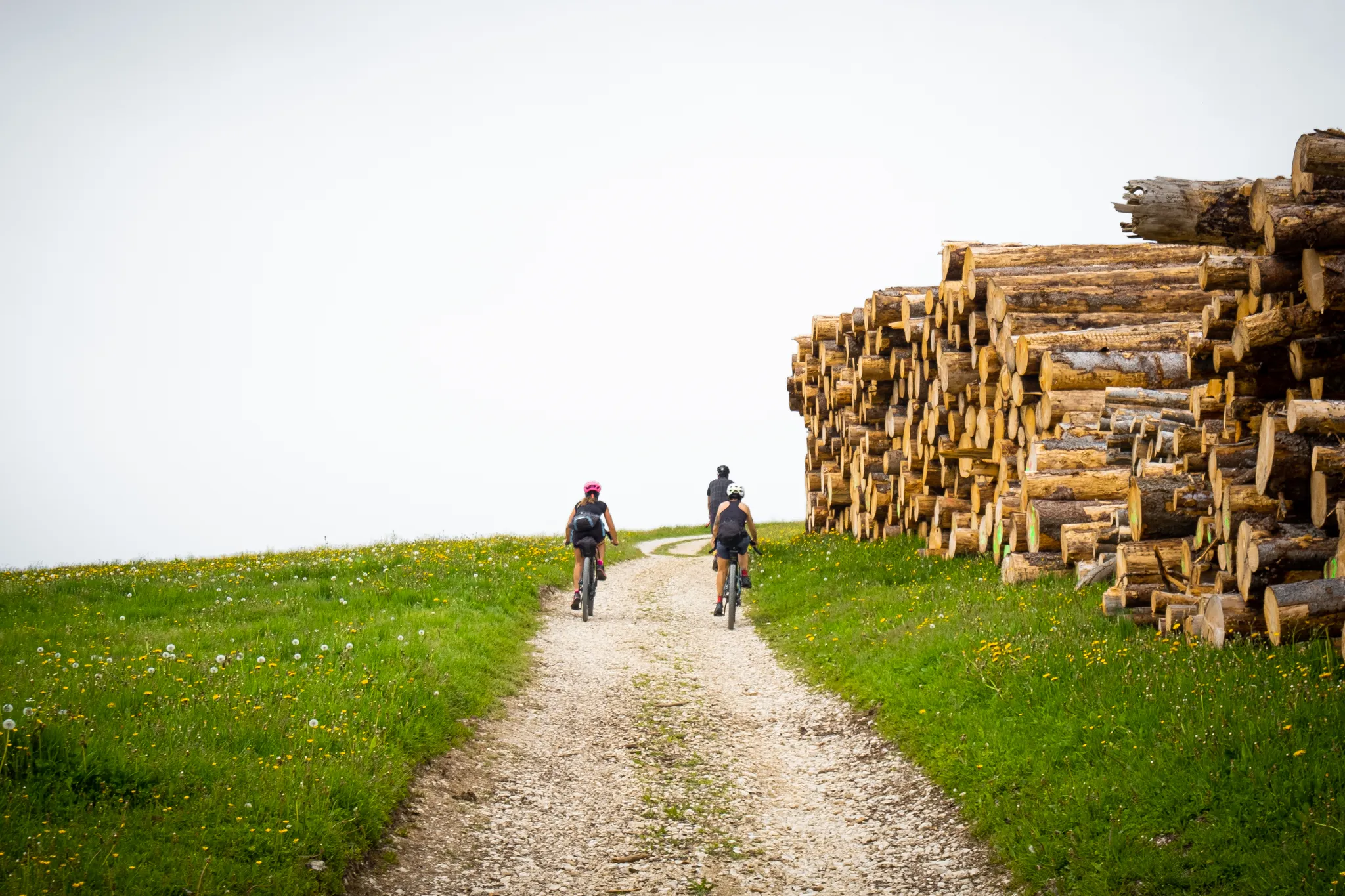
Via delle Prealpi – On the way with the MTB in the Venetian Prealps
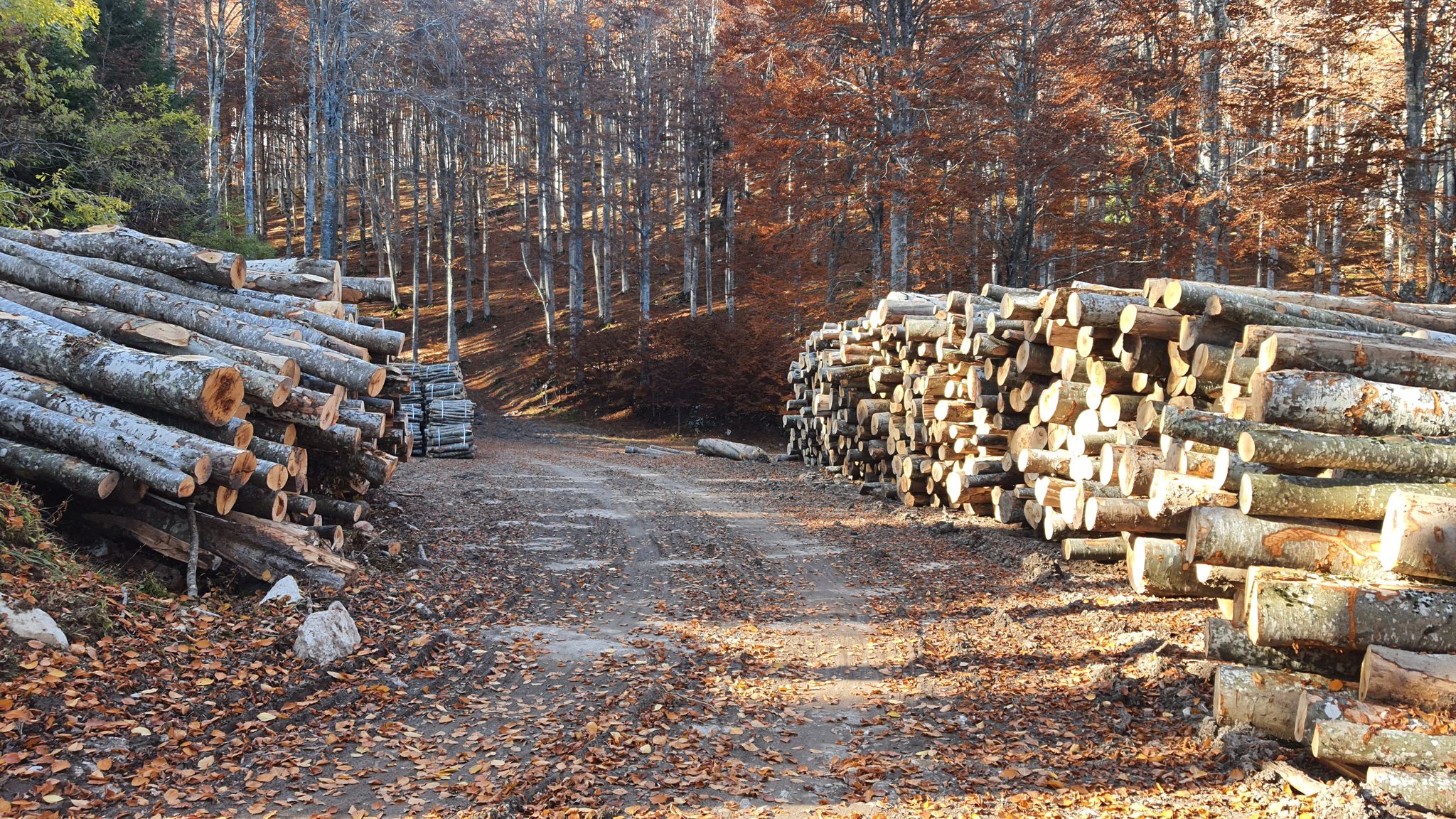
Between dirt roads and forests – Grande Anello Bellunese in Italy
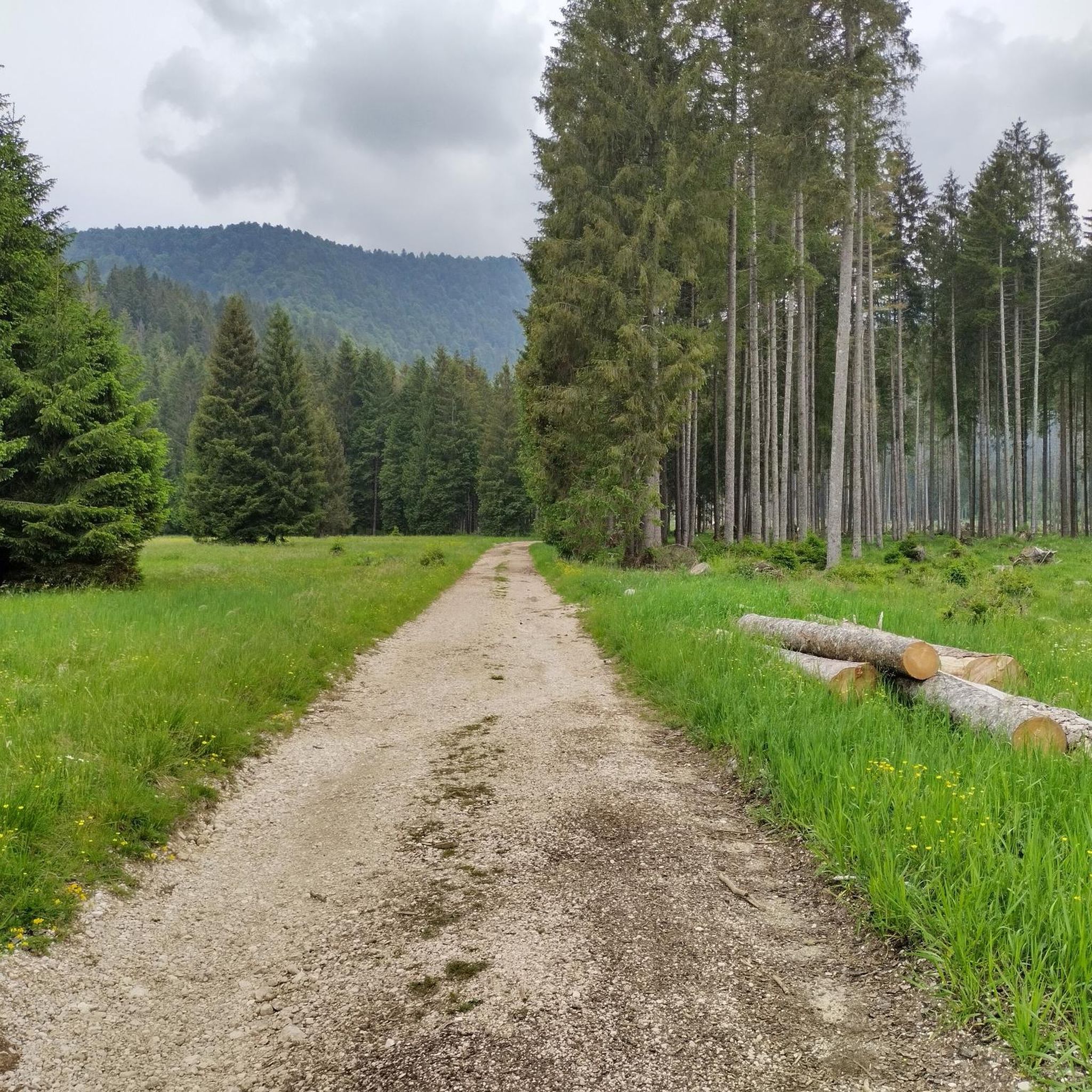
Hiking around Tambre
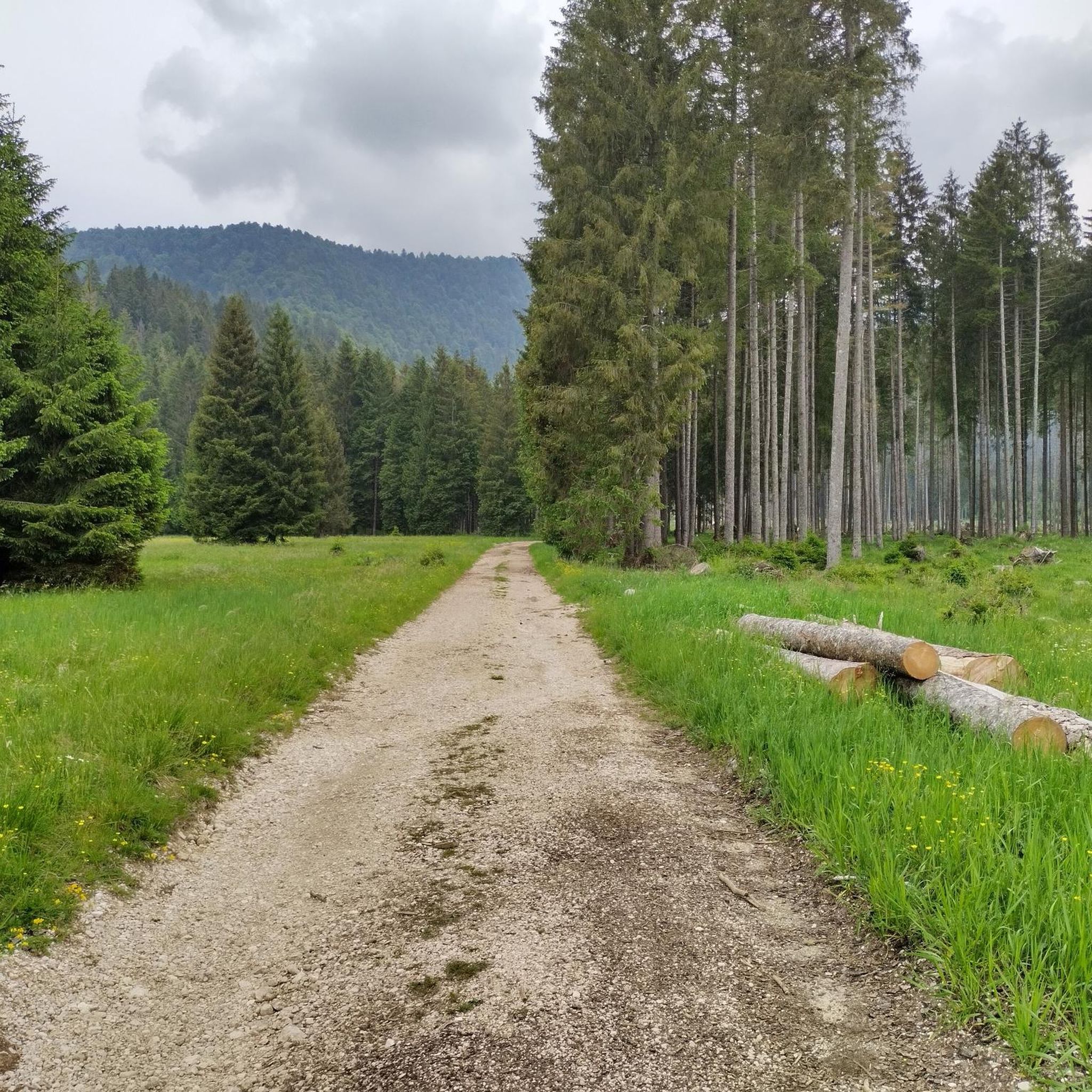
MTB Trails around Tambre

Gravel biking around Tambre
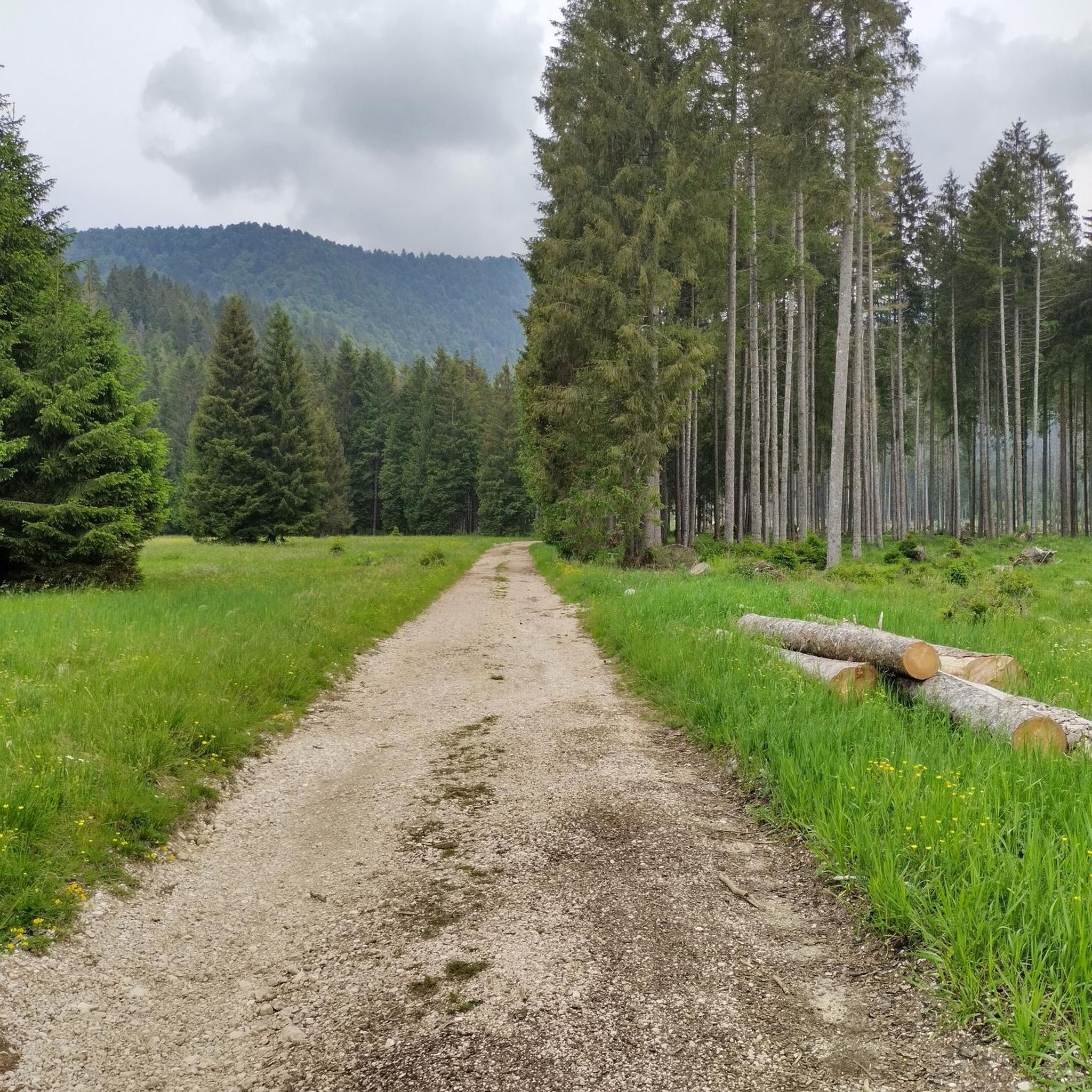
Cycling around Tambre
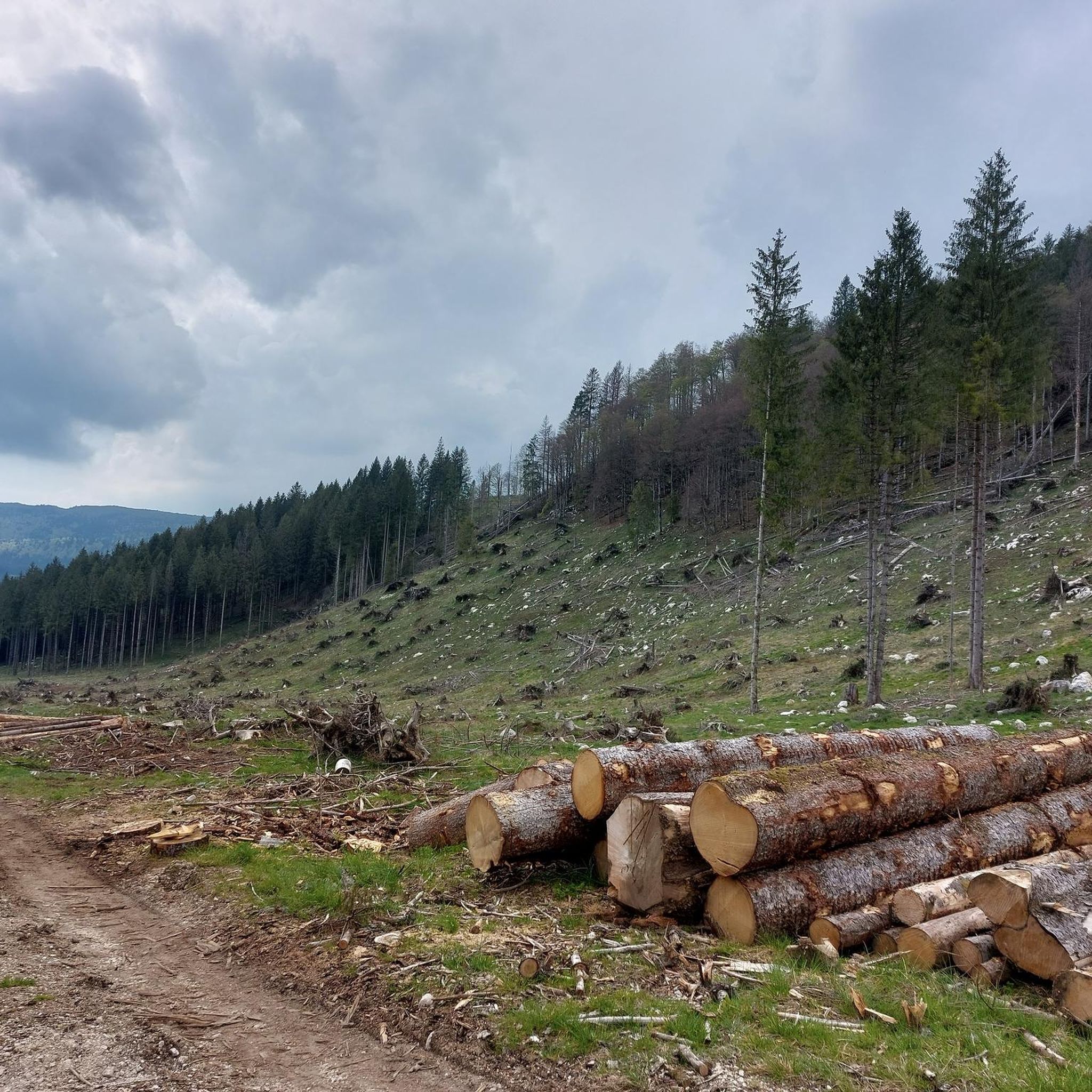
Running Trails around Tambre
Road Cycling Routes around Tambre
Other adventures around Tambre


Tips from the Community

If you are traveling in the area between San Vito di Cadore, Cortina d'Ampezzo and Venice, it is easy to confuse it with other Dolomite lakes, but the well-known Lago Morto of Veneto is located near Vittorio Veneto, at the foot of the Cansiglio plateau.
11
0

Lake Aprilis, better known as Lake Barcis, is an artificial basin created in 1954 by damming the Cellina stream near the Ponte Antoi gorge. Its characteristic brilliant green color is due to the combination of sunlight with minerals and calcareous sediments carried by the waters. The presence of dense beech and fir forests along the banks accentuates the emerald green tones.
1
0

The Lago Morto is a fascinating lake basin located in Val Lapisina, in the hamlet of Nove within the municipality of Vittorio Veneto, in the province of Treviso. It is called "dead" because it is devoid of visible artificial inlets and outlets. It is fed by underground karst fissures and infiltrations coming from the nearby Lago di Santa Croce.
1
0

Lago Morto is a striking body of water located in Val Lapisina, in the municipality of Vittorio Veneto, right at the foot of the Treviso side of the Sella di Fadalto pass. Its peculiar name derives from a unique geographical characteristic: it is a lake devoid of visible surface outlets and inlets, as it is fed and emptied exclusively through underground karst pathways. The basin, surrounded by steep wooded slopes and imposing rocky walls, is characterized by deep and cool waters. Today, the lake plays a fundamental role in hydroelectric power production, being connected to the valley's power plant system that utilizes the waters coming from the overlying Lago di Santa Croce. Despite the industrial footprint, the area is a popular destination for relaxing walks, picnics, and sport fishing.
1
0

Lake Santa Croce, the largest in the province of Belluno and the second largest in the Veneto region, is a natural lake formed by a landslide that closed off the Val Lapisina, blocking the Piave River's descent towards Vittorio Veneto and creating the Sella del Fadalto. Located in the Alpago area between Farra d'Alpago, Puos d'Alpago, and Ponte nelle Alpi, on the border with the province of Treviso, it is a body of water that reflects the mountains of the Alpago and the Nevegal in its crystal-clear waters. The villages along the shores still preserve examples of typical stepped-house architecture with roofs made of stone slabs, straw, and marsh reeds.
3
0

The beautiful Santa Croce lake in Farra d'Alpago.
17
0
Beautiful lake for water sports.
17
0
On May 25, 1964, a fire completely destroyed the first and second floors, rendering them unusable. The efforts of firefighters and artillerymen who rushed to the scene in force managed to contain the flames and prevent them from spreading to the nearby building. Despite the negative opinion of the Military Engineering Corps regarding restoration work, public opinion and the Belluno CAI Section pushed for yet another reconstruction, finding valid support in Gen. Pietro Torrazzo. This recommenced under the supervision of the 6th Mountain Artillery Regiment of Belluno. The inauguration ceremony was held on August 31, 1968. The seventies still saw the race to "conquer" a spot for television antennas, both military and civilian. The most imposing one, belonging to RAI, was placed a few meters from the refuge, on the north side, and is still there today. A new period of closure and management uncertainties followed. In 1988, the COMILITER of Padua decided on its renovation, which concluded in 1992. In 1993, the State Technical Office proposed a rental fee, and on May 1, 1994, after five years, the refuge reopened under new management. In 1995, the agreement, still in force, was signed. Today, this place represents an act of gratitude for the survival of a heritage entirely belonging to Belluno.
1
0
Frequently Asked Questions
What kind of natural attractions can I explore around Tambre?
Tambre is surrounded by diverse natural beauty. You can visit Lake Santa Croce, known for water sports like windsurfing, or the serene Lake Morto, which offers a path for walking or mountain biking around its shores. The Cansiglio Forest, a vast expanse of beech and fir trees, is also a major highlight, offering numerous outdoor opportunities and a chance to spot local wildlife.
Are there any historical or cultural sites to visit in Tambre?
Yes, Tambre has a rich history. You can explore the Parish Church of Tambre, a significant 19th-century edifice. The Alchemist's House in Valdenogher, a fascinating 14th-century building, now serves as a museum. Additionally, the area holds remnants of ancient Cimbrian villages near Col Indes and an Ethnographic Museum of the Cimbri in Pian Osteria, offering insights into the region's past communities.
What outdoor activities are popular in the Tambre region?
The Tambre region is excellent for outdoor enthusiasts. The Cansiglio Forest provides opportunities for hiking, mountain biking, and even cross-country skiing or snowshoeing in winter. The nearby Lake Santa Croce is a hotspot for kite and windsurfing. You can find various routes for gravel biking, cycling, and hiking, including challenging trails like the 'Trail of the Cippi of the Serenissima' or the 'Dolomites High Route 6: Stage 10 to Rifugio Semenza'. For more details on routes, check the gravel biking, cycling, and hiking guides around Tambre.
Are there family-friendly attractions or activities around Tambre?
Absolutely. Both Lake Santa Croce and Lake Morto are considered family-friendly, offering scenic views and picnic areas. The path around Lake Morto is suitable for walks or mountain biking. The Cansiglio Forest also has numerous trails that can be enjoyed by families, and the Alpine Botanical Garden "Giangio Lorenzoni" offers an educational and engaging experience for all ages.
Where can I find the best viewpoints in the Tambre area?
For stunning panoramic views, consider visiting the Col Visentin Hut, located on one of the highest peaks of the Venetian Prealps, where you can see the sea on clear days. The shores of Lake Santa Croce and Lake Morto also offer picturesque vistas. The Strada del Taffarel, a forest track through a beautiful beech forest, provides lovely natural scenery.
What is the best time of year to visit Tambre for outdoor activities?
Tambre offers activities throughout the year. Spring and autumn are ideal for hiking and cycling, with pleasant temperatures and vibrant foliage, especially in the Cansiglio Forest. Summer is perfect for water sports on Lake Santa Croce and exploring the botanical garden. In winter, the Cansiglio Forest transforms into a snowy landscape, suitable for cross-country skiing, ski mountaineering, and snowshoeing.
Are there any unique architectural or artistic sites in Tambre?
Yes, Tambre features some unique sites. The Book House (Casa del Libro) in Sant'Anna is an extraordinary private wooden house designed by sculptor Livio de Marchi, with its entire structure resembling books and writing implements. The Parish Church of Tambre also houses valuable artworks, including a "Via Crucis" by Belluno painter Paolo De Filippi.
What kind of hiking trails are available near Tambre?
Tambre offers a range of hiking trails. You can find moderate trails like 'Trail 926 to Rifugio Semenza' or the 'Cansiglio Forest Nature Trail "O"'. For more challenging hikes, consider the 'Trail of the Cippi of the Serenissima' or the 'Dolomites High Route 6: Stage 10 to Rifugio Semenza'. Many trails wind through the Cansiglio Forest, offering diverse landscapes. Explore more options in the hiking guide around Tambre.
What is the significance of the Cansiglio Forest to the Tambre region?
The Cansiglio Forest is a vital natural and historical asset. Spanning 7,000 hectares, it's a crucial 'green lung' for the region, rich in beech, silver fir, and spruce. Historically, it was essential to the Republic of Venice for timber, particularly for building ships. Today, it's a hub for outdoor activities and a habitat for wildlife like deer and roe deer, making it a cornerstone of Tambre's natural appeal.
What do visitors enjoy most about the attractions around Tambre?
Visitors particularly appreciate the diverse natural landscapes, from the serene lakes to the expansive Cansiglio Forest, which offer both relaxation and active pursuits. The historical and cultural sites provide a glimpse into the region's past. Many enjoy the opportunities for water sports on Lake Santa Croce and the peaceful walks around Lake Morto. The Strada del Taffarel is also highly rated for its beautiful forest scenery and enjoyable course.
Can I find places to eat or rest near the attractions?
Yes, several attractions offer facilities. The Col Visentin Hut is a mountain refuge with a pub and restaurant. Around Lake Morto, you'll find picnic areas perfect for a break. The historic town of Serravalle, Vittorio Veneto, a short distance away, also offers various dining options and cultural experiences.
Most popular routes around Tambre
Most popular attractions around Tambre

Get inspired with the komoot mobile app


Explore more
Still not found the Highlight you’re looking for? See guides of the top attractions in other regions:
