Attractions and Places To See around Grigno - Top 20
Best attractions and places to see around Grigno include a diverse range of landmarks, natural features, and cultural sites. Located in Trentino on the border with the Veneto region, much of Grigno's territory extends over the Marcesina plateau, characterized by forests, pastures, and alpine farmhouses. The area features significant prehistoric archaeological sites and notable churches. Grigno offers a variety of natural landscapes, including caves, a river, and a provincial natural reserve.
Best attractions and places to see around Grigno
- The…
Last updated: September 26, 2026
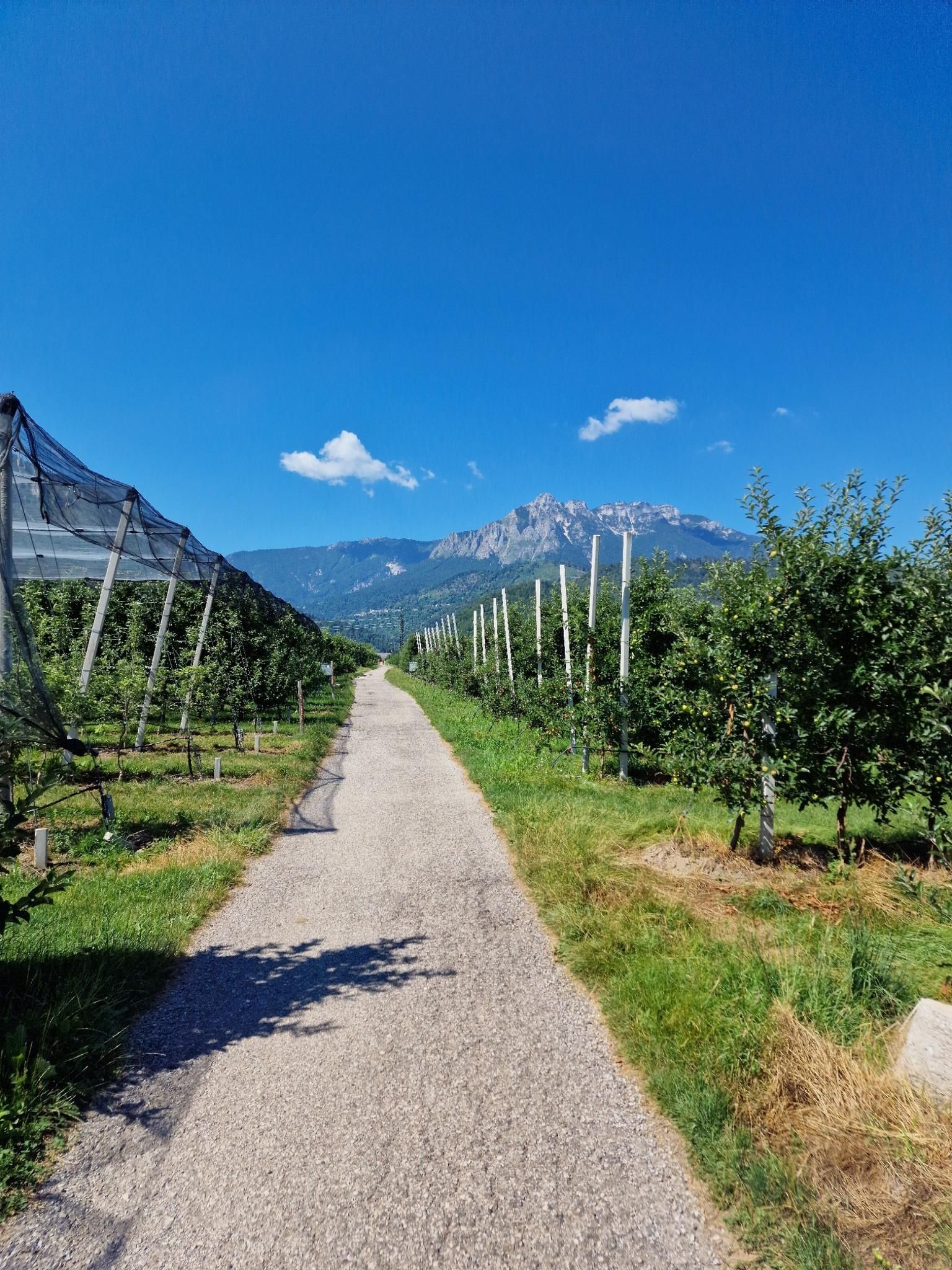
Old Road to Incino
Highlight • Trail
Translated by Google •
Tip by

Victory Bridge
Highlight • Bridge
Translated by Google •
Tip by
Sign up now to discover places like this
Get recommendations on the best single tracks, peaks, & plenty of other exciting outdoor places.
Primolano Steps
Highlight • Historical Site
Translated by Google •
Tip by

Lake Corlo
Highlight • Lake
Translated by Google •
Tip by

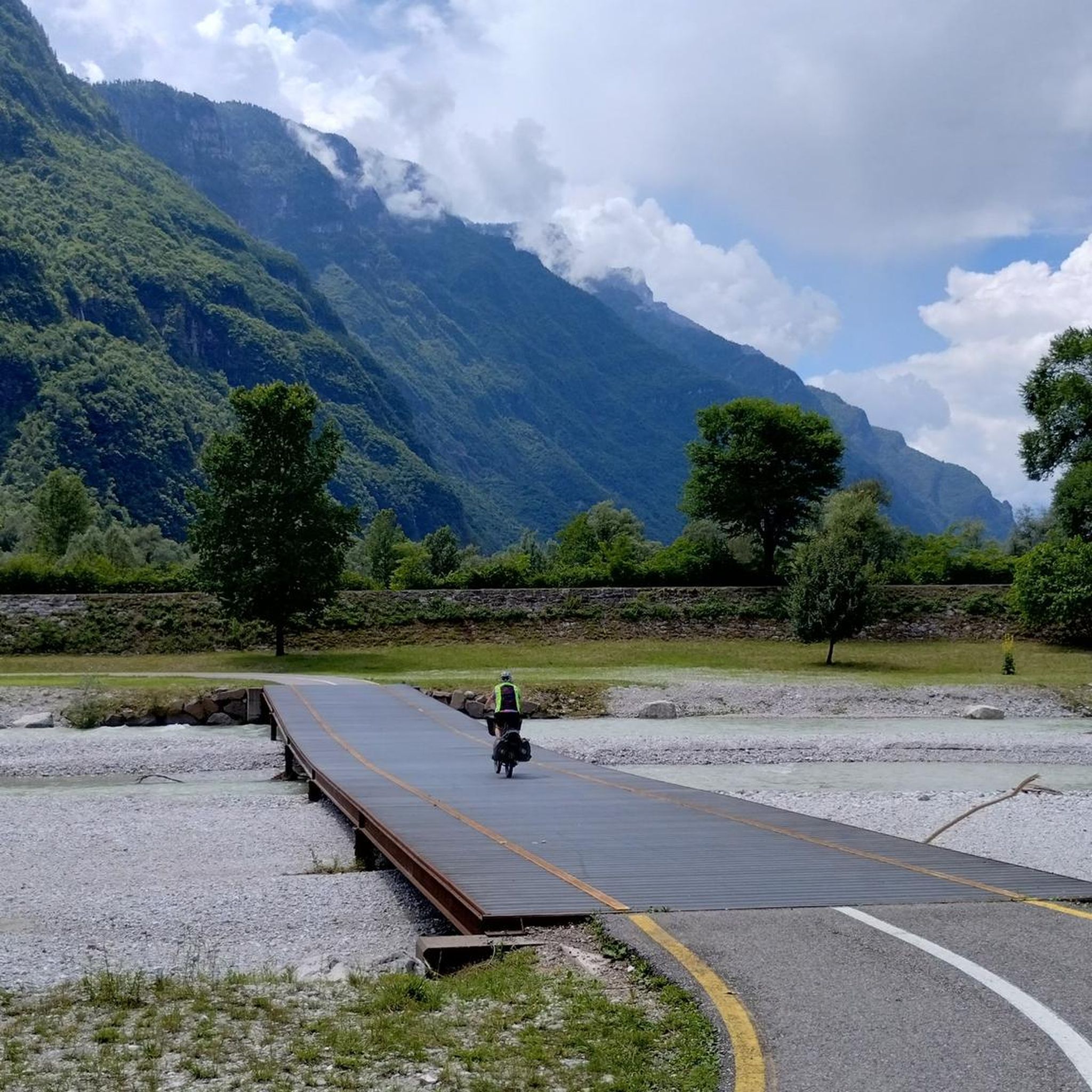
Italia Junction
Highlight • Trail
Tip by

Sign up for free to discover even more attractions around Grigno.
Already have an account?
Start today with a free account
Your next adventure awaits.
Other adventures around Grigno

Tips from the Community

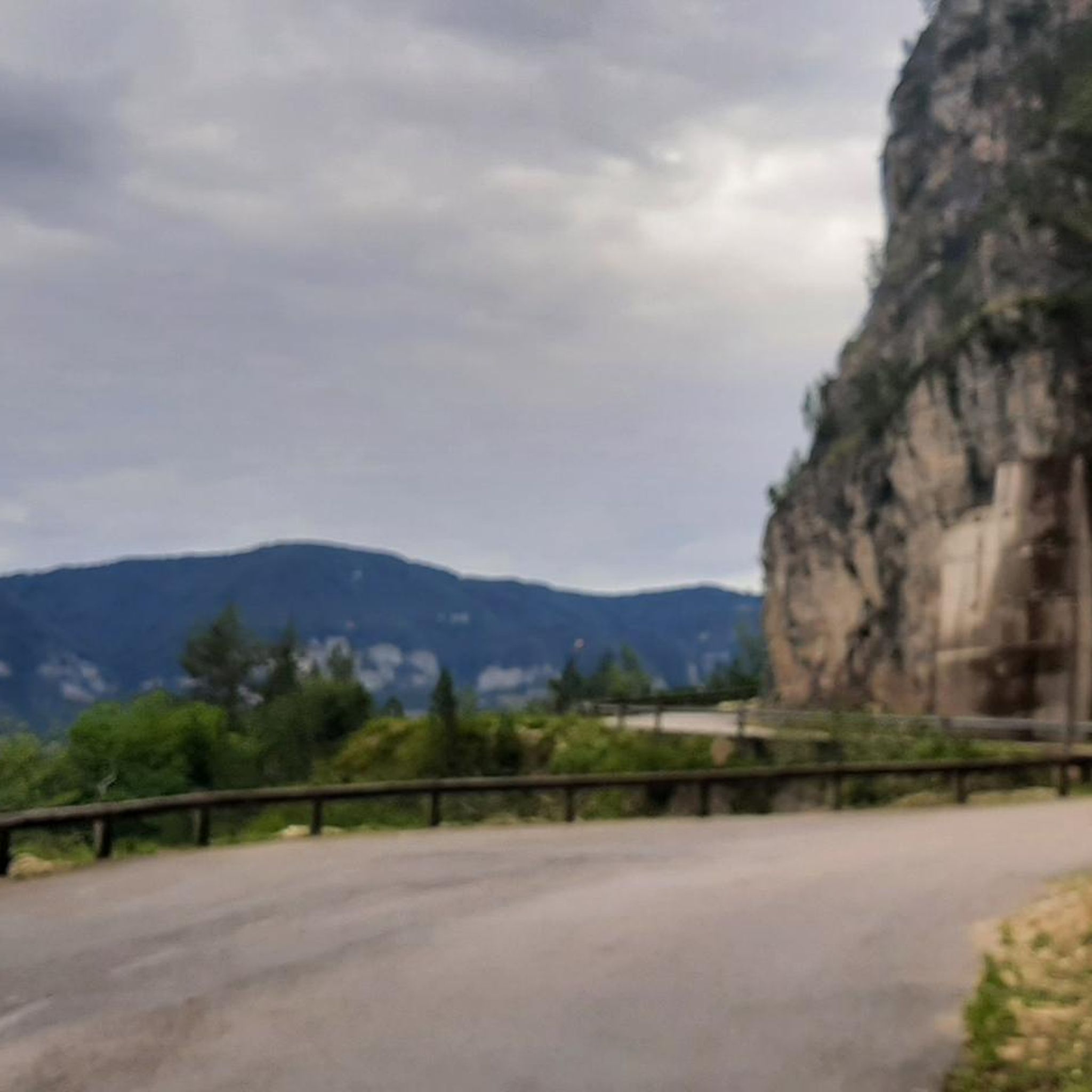
historic mountain road with eight hairpin bends, the Tagliata della Scala and the Tagliata delle Fontanelle. They are located between the Valsugana and the territory of Feltre, in Veneto. The fortifications: Between 1892 and 1895, the Tagliata della Scala in the lower part and the Tagliata delle Fontanelle in the upper part were built to defend the border. The walkway: The two parts are joined by a long covered gallery with loopholes. War: They did not play a major military role during World War I and were later abandoned.
0
0

The important crossroads of the roads built by the Austro-Hungarian army on the front line of the Great War
0
0

So many memories... and so many queues. Before the new tunnel, this was the only road connecting Valsugana with Feltre.
1
0

A beautiful climb steeped in history that's very easy to ride!👍
1
0
Old military road to get to Cismon from Arsiè
2
0

Lake Corlo is crossed by 3 bridges close together, at the Rocca d'Arsiè bottleneck: the Polo Bridge, the Bassane Bridge and the Vittoria Bridge. The Ponte della Vittoria (also called Ponte delle Corde) is the southernmost bridge, as well as the most evocative and characteristic: cycle-pedestrian, with a maximum capacity of 12 people (as per the sign), and consists of a wooden walkway supported by ropes metal, fixed to stone towers; although it is absolutely safe, you feel a wobble at every step and under your feet, between the cracks in the boards, you can glimpse emptiness and water! Crossing it, some might suffer from dizziness... It was built in 1928, before the artificial lake was created, to replace an old, much lower bridge, often submerged by the floods of the Cismon torrent; dedicated to the victory of the First World War.
1
0


Frequently Asked Questions
What natural attractions can I explore around Grigno?
Grigno is rich in natural beauty. You can visit the impressive Caves of Bigonda and Calgeron, explore the vast Marcesina Plateau, often called the 'Finland of Italy' for its forests and pastures, or discover the Fontanazzo Biotope, a provincial natural reserve along the Brenta River. The Lake Corlo also offers beautiful scenery.
Are there any historical or cultural sites to visit in Grigno?
Yes, Grigno has a rich history. You can explore prehistoric archaeological sites like Riparo Dalmeri and the Cavern of Ernesto. Notable churches include the 11th-century Church of Sant'Uldarico and the Church of Saints James and Christopher. Other historical landmarks include the Castelloni di San Marco, the Roman-era Torre Tonda Diroccato, and the 13th-century Castel Telvana.
What are some popular viewpoints or scenic spots in the area?
For scenic views, the Old Road to Incino offers beautiful vistas towards the valley. The Victory Bridge provides a 360-degree panorama from the middle of Lake Corlo. Additionally, the Vaia Eagle of Marcesina, a large wooden sculpture, is situated in a scenic location on the Marcesina plain.
What outdoor activities can I do near Grigno?
Grigno is an excellent base for outdoor activities. You can enjoy cycling on routes like the 'Strada del Morello – Forcella Pass loop' or the 'Lake Corlo – Brenta Cycle Path loop'. For running, trails such as the 'Cima Chempele – Rifugio Valmaron loop' are popular. Mountaineering enthusiasts can tackle challenging routes like the 'Via Ferrata Pilastro dei Sei – Monte Coppolo loop'. Find more routes in the Cycling around Grigno, Running Trails around Grigno, and Mountain Hikes around Grigno guides.
Are there family-friendly attractions or activities in Grigno?
Yes, several attractions are suitable for families. The Victory Bridge and Vaia Eagle of Marcesina are both marked as family-friendly. The Marcesina Plateau offers numerous itineraries for relaxing walks that families can enjoy. The Fontanazzo Biotope is also easily accessible via the Valsugana cycle path, making it a good option for a family outing.
Where can I find climbing spots near Grigno?
Climbing enthusiasts can head to La Curva Cliff, also known as Falesia Serafini, which is a well-known climbing spot in the Grigno area.
What is the Vaia Eagle of Marcesina?
The Vaia Eagle of Marcesina is an impressive wooden sculpture, considered the largest wooden eagle in Europe. It was crafted from trees felled by the Vaia Storm in 2018, commemorating the natural catastrophe and showcasing the resilience of the region.
Can I cycle or walk on the Old Road to Incino?
Yes, the Old Road to Incino is no longer used for car traffic, making it ideal for walking and cycling. It offers beautiful views towards the valley and is a popular route for those exploring the area on foot or by bike.
What is the Marcesina Plateau known for?
The Marcesina Plateau is known for its extensive pine forests, meadows, pastures, and traditional alpine huts (*malghe*). It's often referred to as the 'Finland of Italy' due to its landscape and offers numerous itineraries for relaxing walks and outdoor activities.
Are there any unique craft activities in Grigno?
In recent decades, Grigno has seen a flourishing of craft activities. Local artisans specialize in manufacturing items from wood, marble, copper, and wrought iron, reflecting the region's traditional skills and natural resources.
What do visitors enjoy most about the attractions around Grigno?
Visitors particularly appreciate the scenic beauty and outdoor opportunities. The Old Road to Incino is loved for its car-free environment and beautiful views. The Victory Bridge is praised for its 360-degree lake panorama, and the Vaia Eagle of Marcesina is admired for its impressive size and symbolic meaning.
Is the Fontanazzo Biotope easily accessible?
Yes, the Fontanazzo Biotope, a provincial natural reserve, is easily accessible. It is located near the hamlet of Selva, along the right bank of the Brenta River, and can be reached via the Valsugana cycle path.
Most popular attractions around Grigno

Get inspired with the komoot mobile app


Explore more
Still not found the Highlight you’re looking for? See guides of the top attractions in other regions:
