Attractions and Places To See around Farra Di Soligo - Top 20
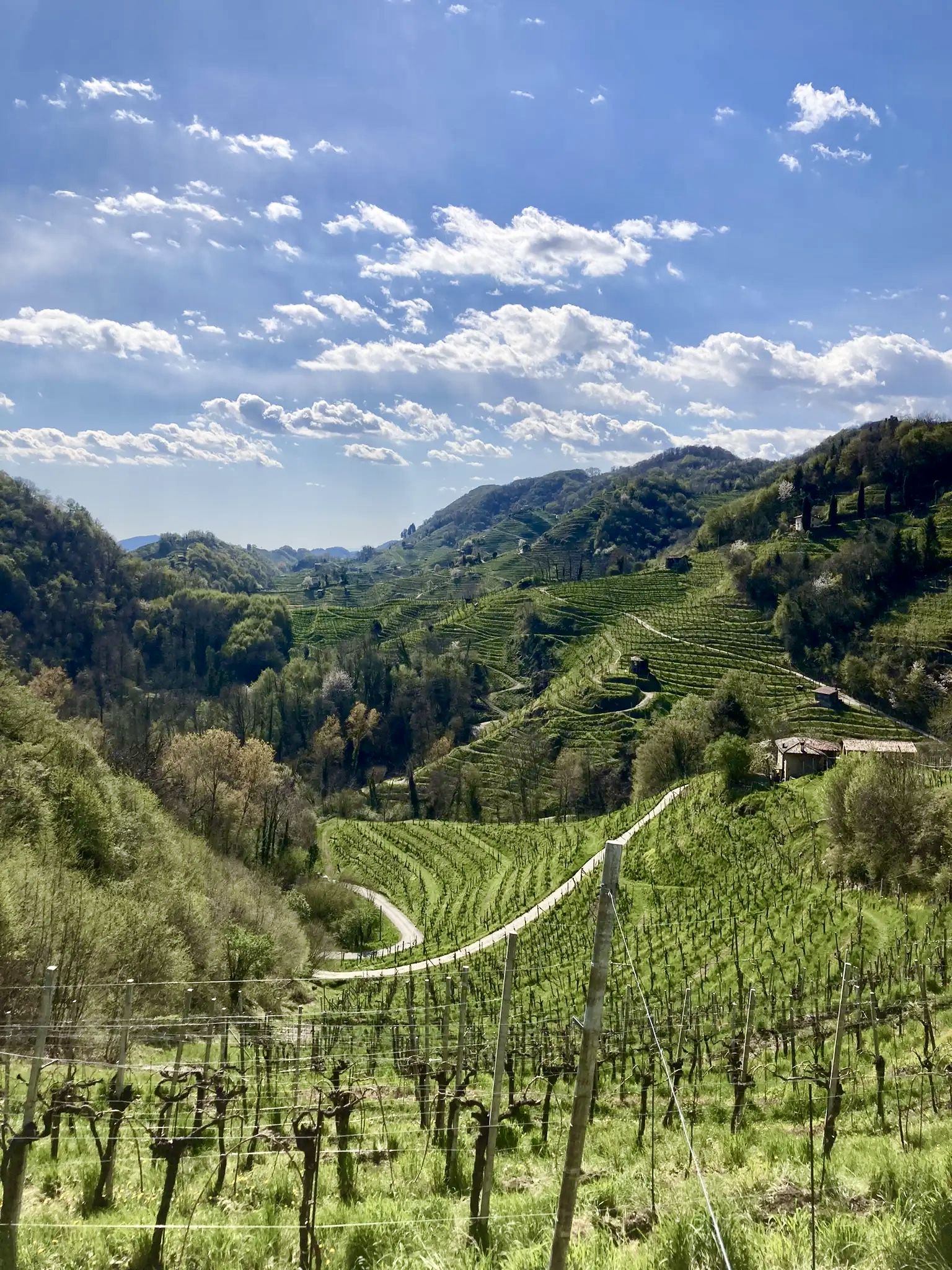
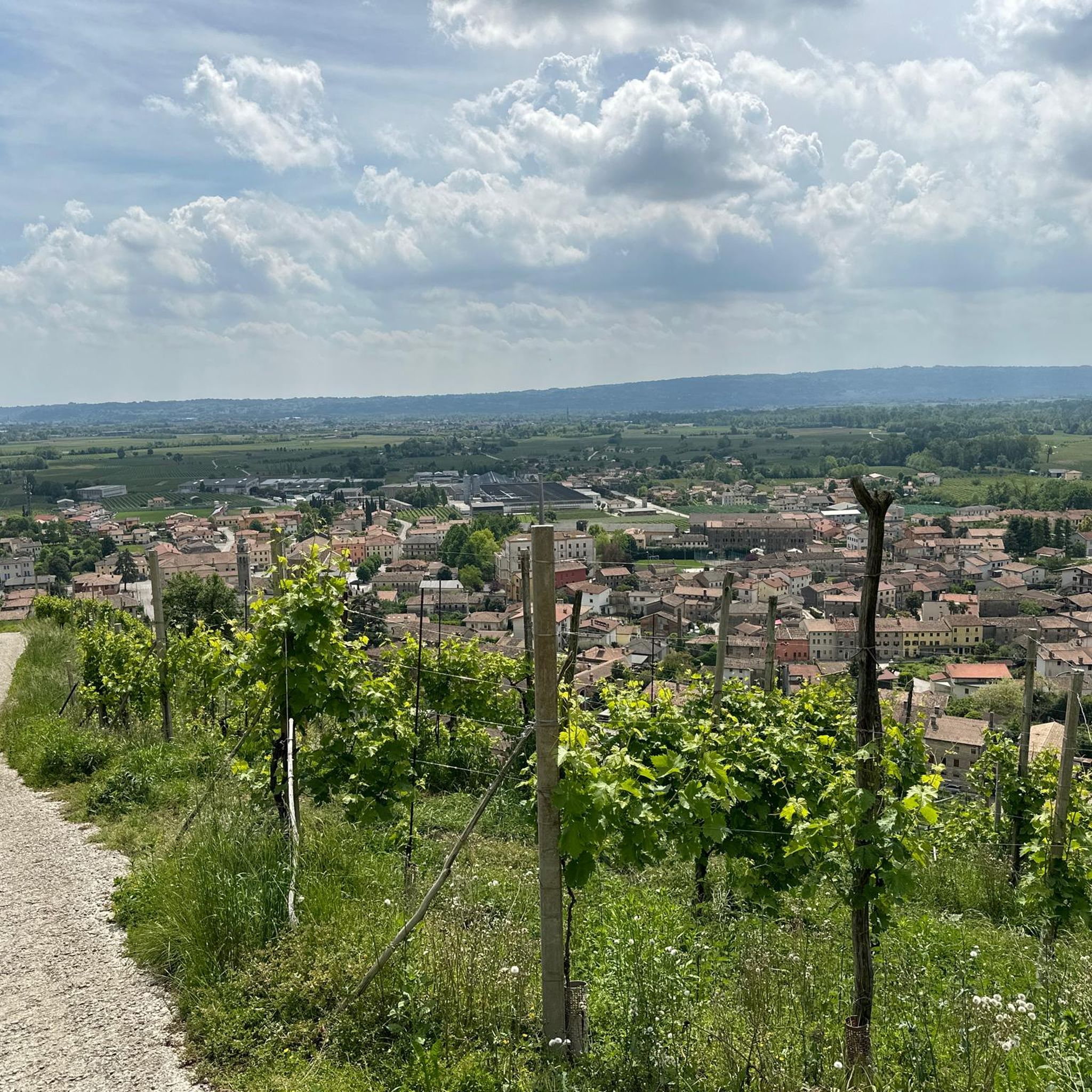
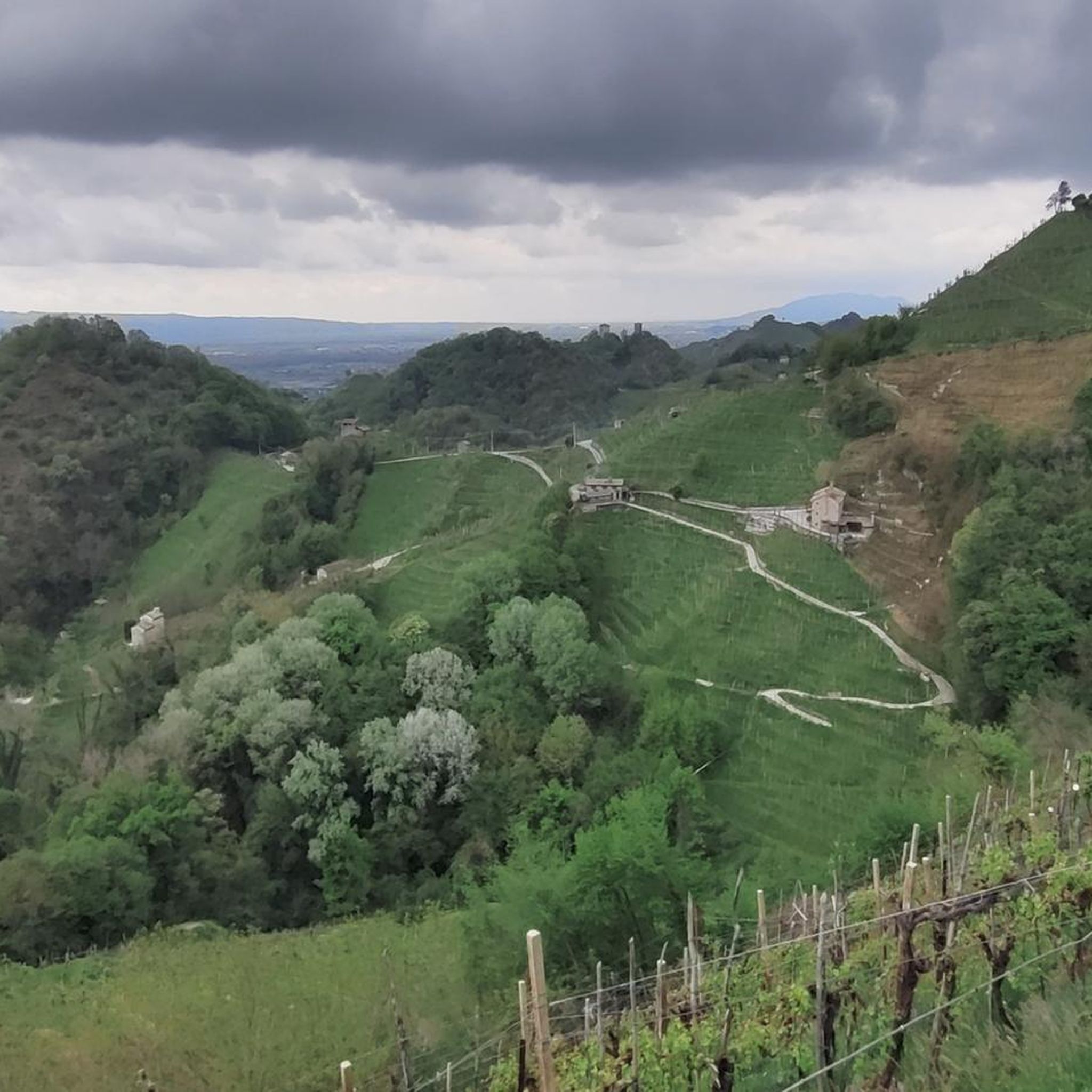
Best attractions and places to see around Farra Di Soligo include a rich blend of historical landmarks and natural landscapes. This area is part of the Prosecco Hills, a UNESCO World Heritage site, characterized by its unique "heroic viticulture" on steep terrain. Visitors can explore a mosaic of vineyards, woods, and historical sites, offering both natural beauty and cultural immersion. The region provides diverse experiences for those interested in history, nature, and local culture.
Best attractions and places to see…
Last updated: October 9, 2026
Molinetto della Croda
Highlight • Monument
In its almost four centuries of history it has inspired artists …
Translated by Google •
Tip by

Guglielmo Marconi Square, Valdobbiadene
Highlight • Settlement
Translated by Google •
Tip by

Sign up now to discover places like this
Get recommendations on the best single tracks, peaks, & plenty of other exciting outdoor places.
San Boldo Pass
Highlight • Mountain Pass
Translated by Google •
Tip by

Santa Maria Della Vittoria
Highlight • Religious Site
Translated by Google •
Tip by
Terraced Vineyards of Rolle
Highlight • Viewpoint
Translated by Google •
Tip by
Sign up for free to discover even more attractions around Farra Di Soligo.
Already have an account?
Start today with a free account
Your next adventure awaits.
Popular around Farra Di Soligo
Bikepacking in Italy’s Prosecco hills – 5 days in Conegliano, Asolo and Valdobbiadene
Hiking around Farra Di Soligo
MTB Trails around Farra Di Soligo
Road Cycling Routes around Farra Di Soligo

Gravel biking around Farra Di Soligo
Running Trails around Farra Di Soligo
Cycling around Farra Di Soligo

Mountain Hikes around Farra Di Soligo
Other adventures around Farra Di Soligo

Tips from the Community

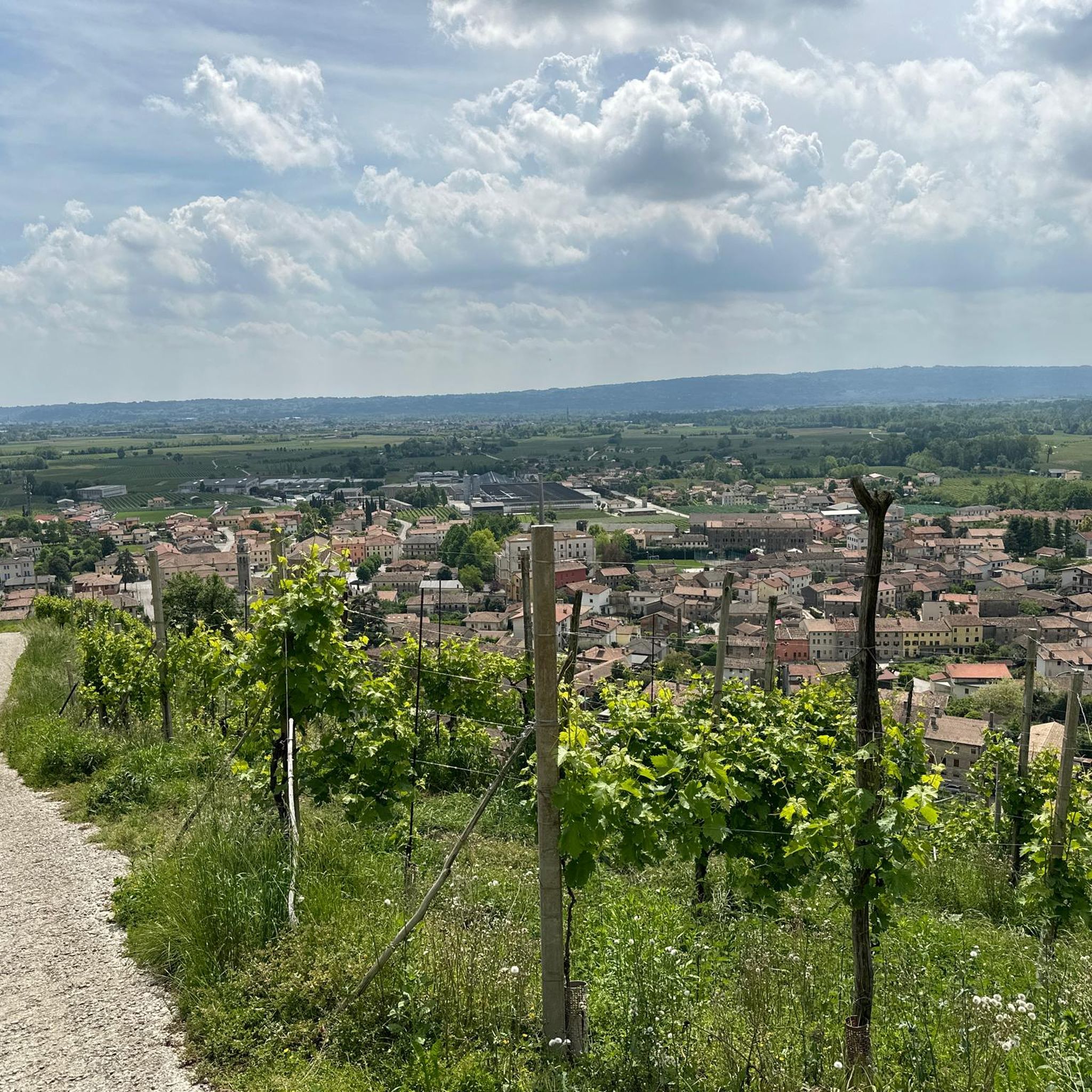
Piazza Guglielmo Marconi is the main square and the beating heart of the center of Valdobbiadene, in the province of Treviso. It hosts the town hall of the municipality of Valdobbiadene. It is the main meeting place of the town and the ideal starting point for tourist itineraries and excursions among the Prosecco hills. A short walk away are the Duomo di Santa Maria Assunta and the park of Villa dei Cedri.
8
0
The summit of Passo San Boldo between the provinces of Treviso and Belluno.
12
0
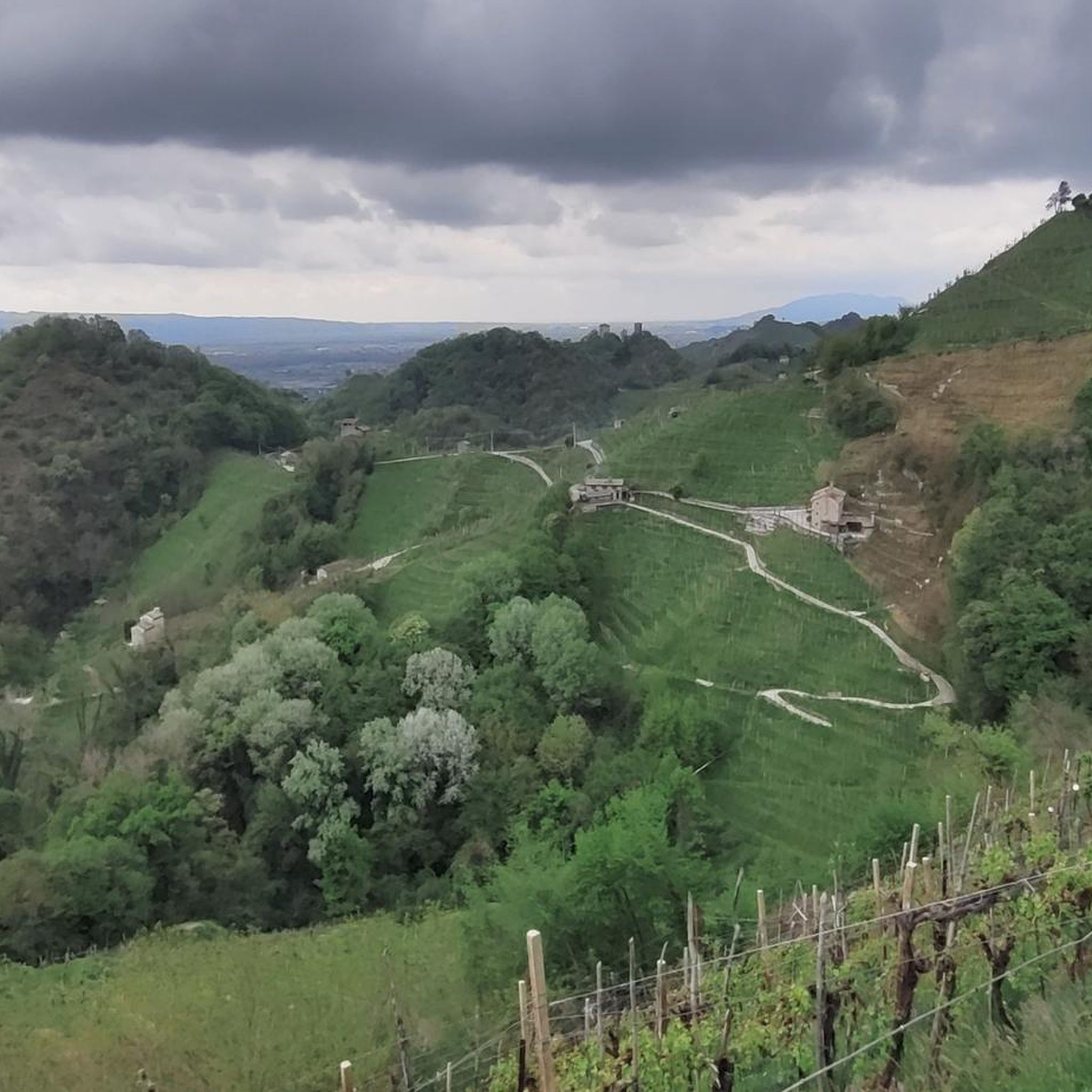
Il Molinetto della Croda, in the Lierza valley, represents one of the most evocative corners of the Marca Trevigiana. In its almost four centuries of history, the ancient mill with a stone grinder has managed to maintain its charm and enchant artists and visitors.
12
0

There is no second time. Built in 100 days.
3
0

Besides being a beautiful climb, it is a masterpiece of road engineering.
3
0

Unique road/tunnel layout with traffic lights, meaning it can also be driven uphill safely as the sections are short
3
0

Climbed from Trichiana, in theory in the morning you don't find any wind against this side, but I found it😅😅 for the whole climb
5
0

Frequently Asked Questions
What historical sites can I explore in Farra di Soligo?
Farra di Soligo is rich in history. You can visit the 17th-century Molinetto della Croda, a charming mill built on bare rock. The ancient San Boldo Pass, with its unique road built by Austro-Hungarian troops, also offers historical significance and panoramic views. Other notable sites include the 10th-century Towers of Credazzo, various historic churches like San Lorenzo and the Hermitage of San Gallo, and traces of the Great War scattered throughout the hills.
Are there any natural attractions or viewpoints worth visiting?
Absolutely. The entire region is part of the UNESCO World Heritage Prosecco Hills, offering stunning natural beauty. Key natural features include the Gor della Cuna, with its waterfall and small canyon, and the picturesque Lago di Lago. For breathtaking views, the Hermitage of San Gallo and the Towers of Credazzo provide enchanting vistas of the Quartier del Piave and the Treviso plain. The San Boldo Pass also offers a magnificent panorama.
What outdoor activities can I do near Farra di Soligo?
The area is perfect for outdoor enthusiasts. You can enjoy various cycling routes, including the 'Prosecco Hills – Santo Stefano loop' or an easy 'Church of Col San Martino – Nani Rizzi Prosecco Winery loop'. For mountain hikes, consider the 'Molinetto della Croda loop' or the 'San Boldo Pass – Loff Bivouac loop'. Gravel biking is also popular, with routes like the 'Molinetto della Croda – Terraced Vineyards of Rolle loop'. You can find more details on these activities in the cycling guide, mountain hikes guide, and gravel biking guide for Farra di Soligo.
Are there family-friendly attractions in Farra di Soligo?
Yes, several attractions are suitable for families. The Molinetto della Croda is a charming and evocative spot that appeals to all ages. Guglielmo Marconi Square in Valdobbiadene is a lively center where families can experience local culture. The serene Lago di Lago is also a great spot for a relaxing family outing. Many of the easy walking trails through the Prosecco Hills are also suitable for families.
What is the best time of year to visit Farra di Soligo?
The Prosecco Hills are beautiful year-round, but spring (April-June) and autumn (September-October) are particularly pleasant. During these seasons, the weather is mild, ideal for hiking and cycling through the vineyards, and the landscapes are vibrant with new growth or autumn colors. The Hermitage of San Gallo is especially charming during the holidays when it's adorned with a Christmas tree visible across the valley.
Can I find any wheelchair-accessible attractions?
Yes, Guglielmo Marconi Square in Valdobbiadene is noted as being wheelchair-accessible, offering a central location to experience the local atmosphere and enjoy a glass of Prosecco.
Where can I experience the local wine culture?
Farra di Soligo is at the heart of the Prosecco Hills, a UNESCO World Heritage site renowned for its 'heroic viticulture'. A visit is incomplete without experiencing its wine culture. Numerous wineries throughout the region offer tours and tastings of Prosecco, providing an authentic taste of the local tradition.
What are some unique architectural landmarks in the area?
Beyond the Molinetto della Croda, a prime example of 17th-century rural architecture, you can explore the 10th-century Towers of Credazzo. The area also features several historic villas, such as Villa Caragiani - Ricci - Badoer, designed by Francesco Maria Preti, and Villa De Toffoli-Canel, some of which are still involved in wine production.
Are there any easy walking trails suitable for a leisurely stroll?
Yes, the Prosecco Hills offer numerous trails suitable for leisurely walks. The path to Gor della Cuna, while featuring a waterfall, can be enjoyed for its scenic beauty. Many sections of the trails through the vineyards provide easy walking opportunities with magnificent views of the plain and pre-Alpine ridge. The area around Lago di Lago also offers pleasant, flat walks.
What do visitors enjoy most about the attractions around Farra di Soligo?
Visitors frequently praise the unique blend of history and natural beauty. The Molinetto della Croda is often highlighted as an evocative and picturesque spot. The San Boldo Pass is appreciated for its spectacular road and panoramic views. Many also enjoy the vibrant atmosphere and local culture found in places like Guglielmo Marconi Square, and the overall experience of cycling or hiking through the stunning Prosecco Hills.
Where can I find evidence of ancient settlements in the region?
You can find evidence of early human settlements at the Bronze Age Village Porchera. Ceramic material found on Porchera hill suggests prehistoric activity. This area is also part of the 'linea dei castellieri,' indicating strategic observation points dating back to Lombard and medieval periods.
Are there any significant religious buildings to visit?
Farra di Soligo is home to several historic churches. The Church of San Lorenzo, dating back to 1200, features ancient frescoes. The Hermitage of San Gallo, a Romanesque-style church on a hill, boasts 15th-century frescoes and offers stunning views. Other notable churches include the Sanctuary of the Addolorata, the Church of San Vigilio with its Romanesque tower, and the Parish Church of Santo Stefano.
Most popular routes around Farra Di Soligo
Most popular attractions around Farra Di Soligo

Get inspired with the komoot mobile app


Explore more
Still not found the Highlight you’re looking for? See guides of the top attractions in other regions:
