The best cycling routes around Portogruaro
4.6
(277)
1,847
riders
140
rides
Touring cycling routes around Portogruaro are characterized by the flat plains of the Veneto region, making them accessible for various fitness levels. The area features numerous picturesque waterways, including the Lemene River, which winds through the town and offers scenic paths. Routes often connect the historic town center with the Adriatic coast and its lagoons, providing diverse cycling experiences. The topography is generally flat, with minimal elevation gain on most routes.
Best touring cycling routes around Portogruaro
- The most popular touring cycling route is Portogruaro – Via dei Casoni loop from Portogruaro - Caorle, a 37.6 miles (60.5 km) trail that takes 3 hours 49 minutes to complete. This moderate route features gentle elevation changes and passes by traditional fishermen's huts.
- Another top favourite among local touring cyclists is Stalis Mills – Historic center of Portogruaro loop from Portogruaro - Caorle, a difficult 51.9 miles (83.5 km) path. This route explores the historic watermills along the Lemene River and the ancient architecture of Portogruaro.
- Local touring cyclists also love the Villa Pumping Station – Falconera Wetland loop from Viola di Giussago, a 24.9 miles (40.0 km) trail leading through wetlands and natural areas, often completed in about 2 hours 45 minutes.
- Touring cycling around Portogruaro is defined by flat plains, historic waterways like the Lemene River, and coastal access to the Adriatic. The network offers options for different ability levels, from easy rides to more challenging long-distance routes.
- The routes in Portogruaro are highly rated by the komoot community with an average score of 4.7 stars from over 200 reviews. More than 1500 touring cyclists have used komoot to explore Portogruaro's varied terrain.
Last updated: October 8, 2026
4.4
(9)
144
riders
Hard bike ride. Very good fitness required. Mostly paved surfaces. Suitable for all skill levels.
4.3
(32)
129
riders
71.9km
04:25
70m
70m
Hard bike ride. Good fitness required. You may need to push your bike for some segments of this route.

4.5
(17)
118
riders
61.9km
03:54
70m
70m
Moderate bike ride. Good fitness required. Mostly paved surfaces. Suitable for all skill levels.
58
riders
Hard bike ride. Very good fitness required. Mostly paved surfaces. Suitable for all skill levels.
4.7
(9)
66
riders
39.9km
02:45
50m
50m
Moderate bike ride. Good fitness required. Mostly paved surfaces. Suitable for all skill levels.
Get access to more routes and recommendations from other explorers.
Already have an account?
Our route recommendations are based on thousands of hikes, rides, and runs completed by other people on komoot.
Start today with a free account
Your next adventure awaits.

Other adventures around Portogruaro

Tips from the Community

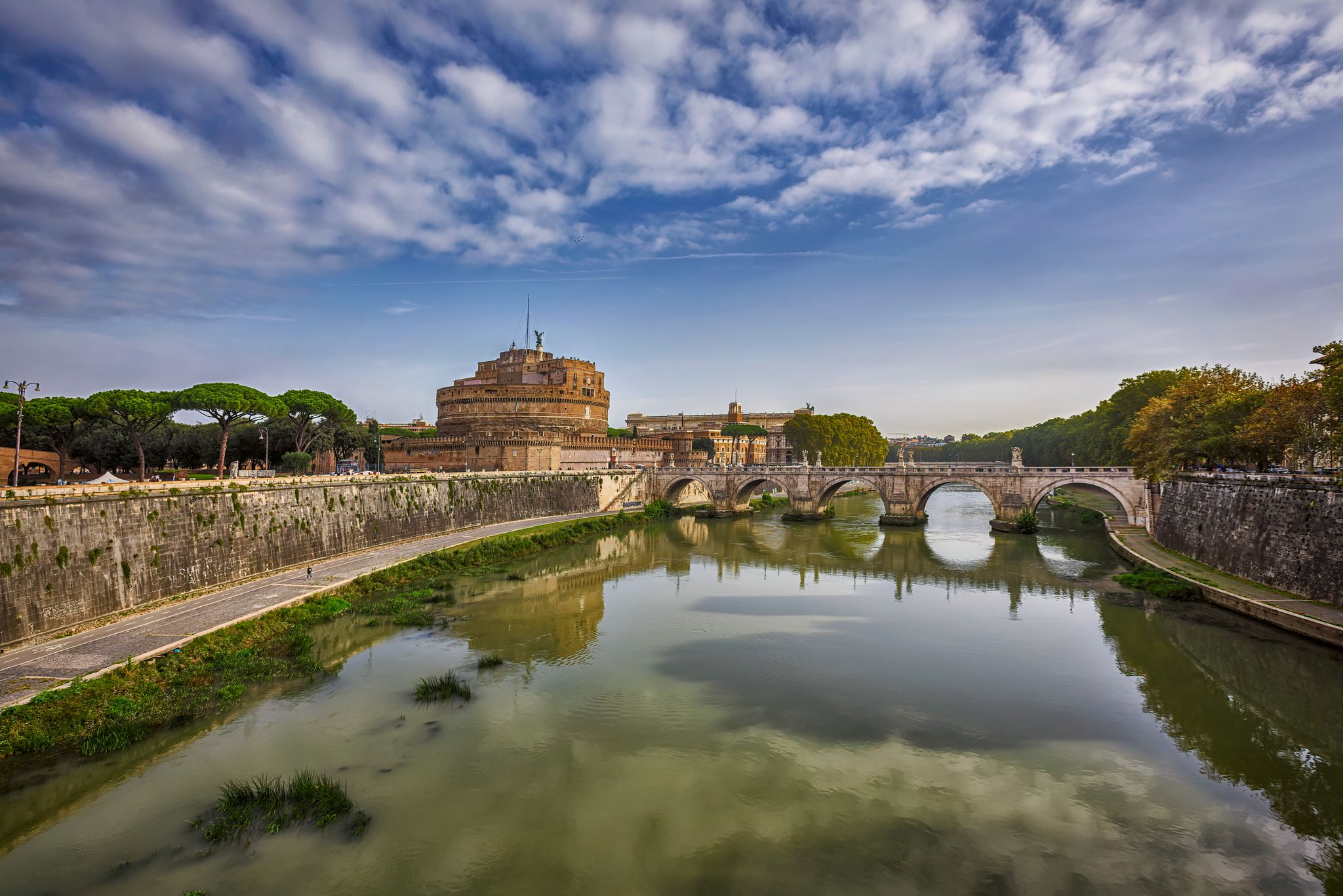
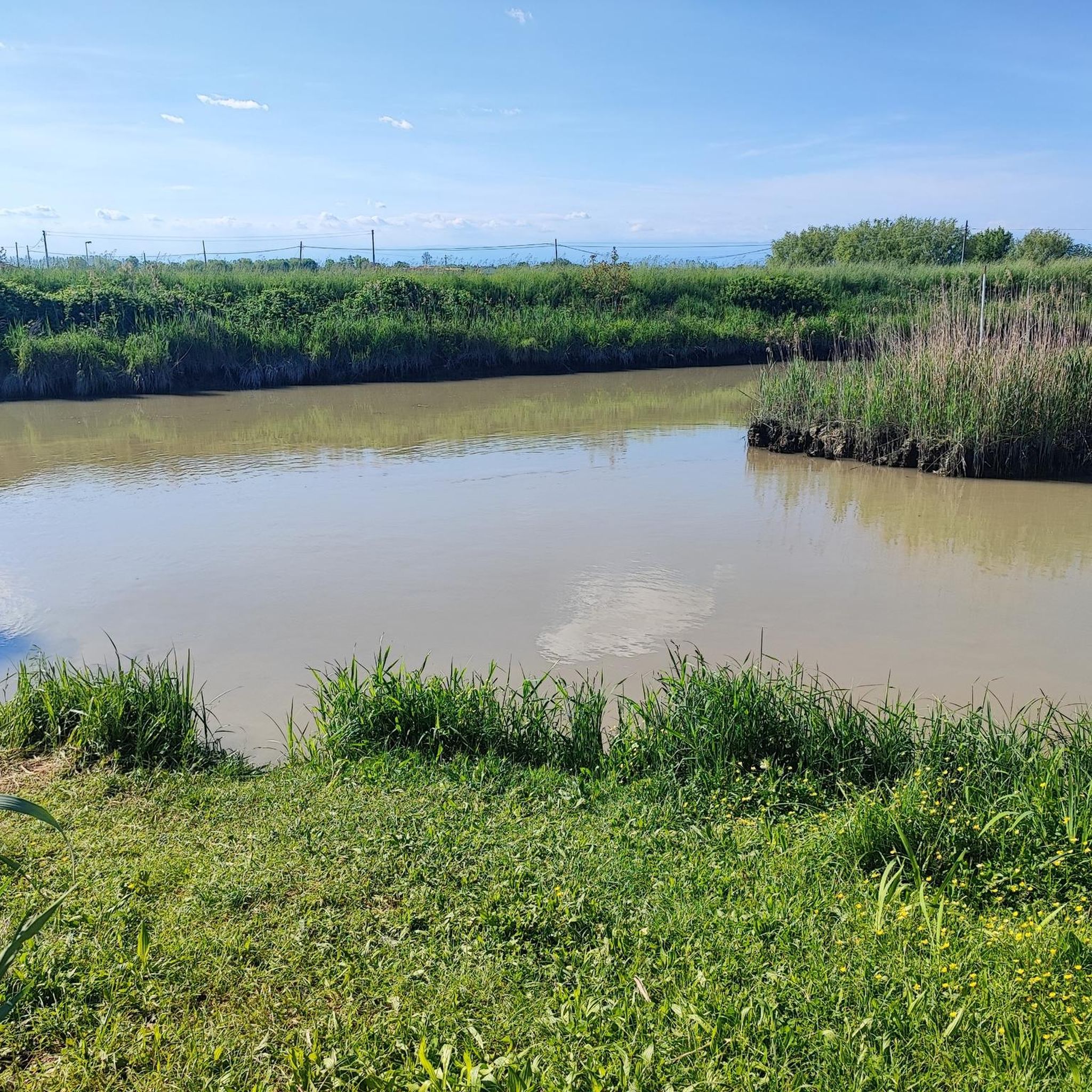
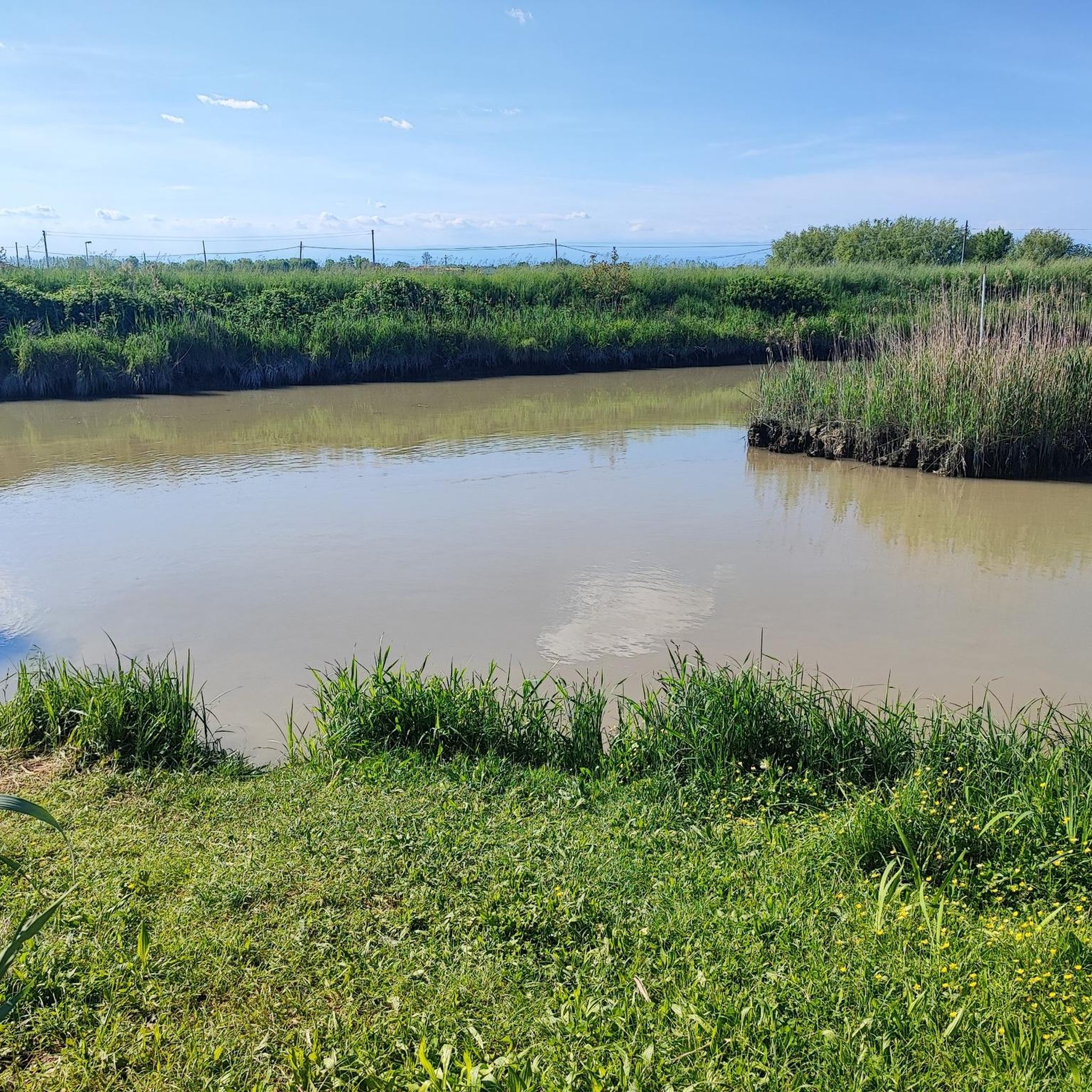
From this spot, there is an opportunity to see the Tagliamento. In calm weather and with appropriate sunlight, great mirror images can be captured.
0
0
An Italian iron bridge classic. Those who love these "retro bridges" will find what they're looking for here.
0
0

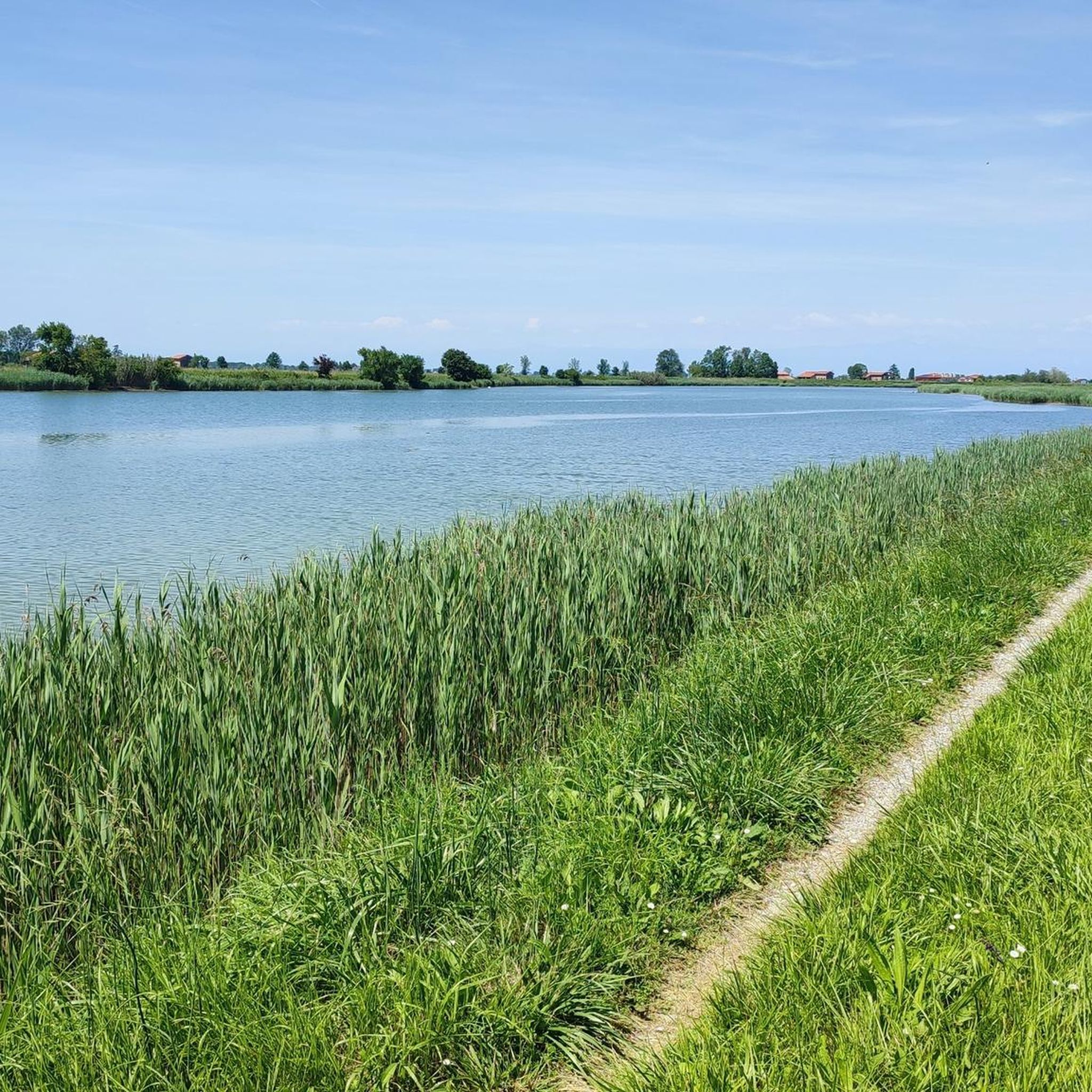
Romantic cycle path along the dam through the reed belt with a view of many "Casoni". The route is more single-track than cycle path. Caution in the summer months due to the blackberry bushes, which easily overgrow the path and lay thorns that are disliked by bike tires.
0
0
Romantic cycle path along the dam, past the reed belt with views of many "Casoni". The route is more single-track than cycle path. Beware in the summer months of the blackberry bushes, which easily overgrow the path and lay thorns unloved by bike tires.
0
0
Romantic cycle path along the dam along the reed belt with a view of many "Casoni". The route is more of a singletrack than a cycle path. Be careful in the summer months because of the blackberry bushes, which easily overgrow the path and lay thorns that are disliked by bike tires.
0
0
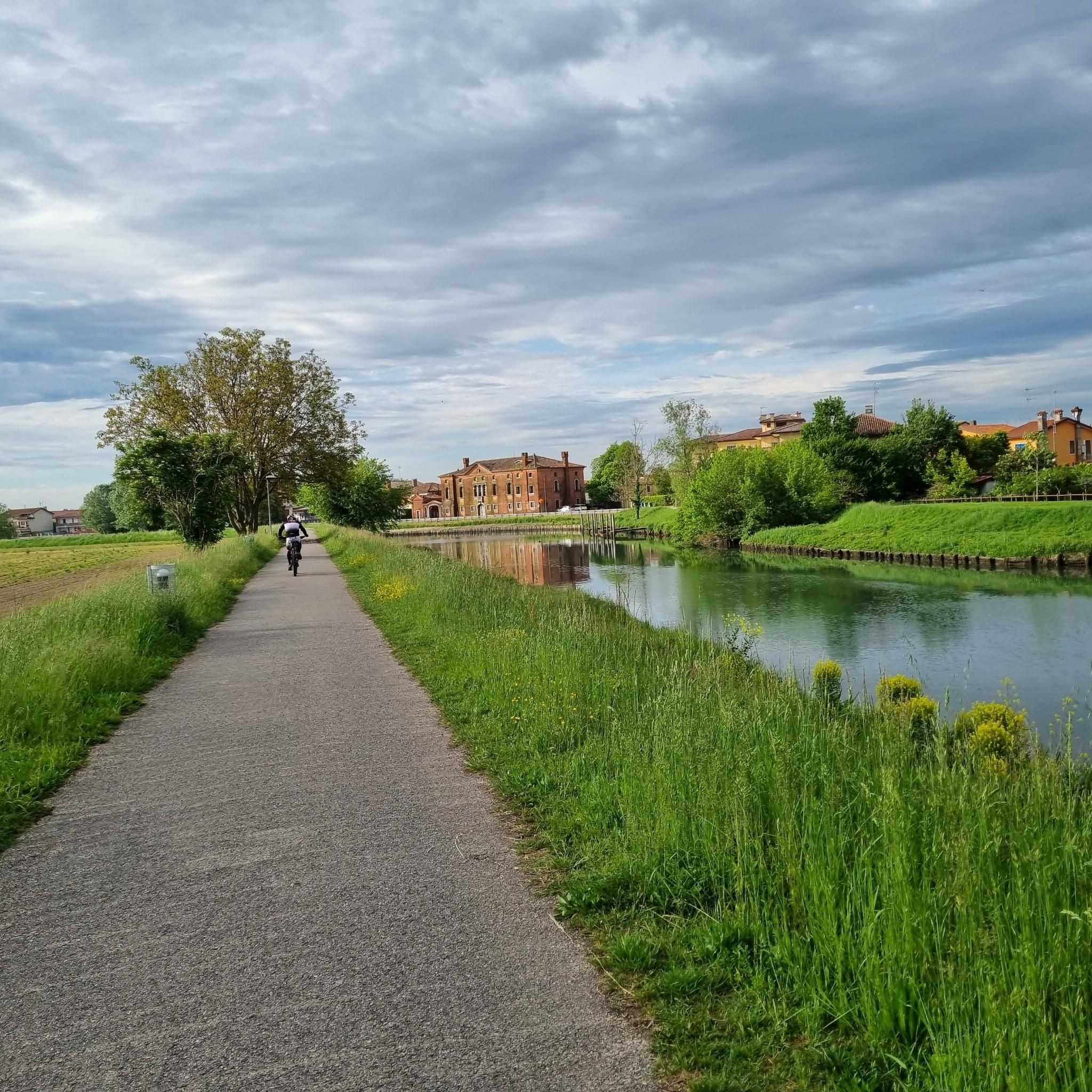
A perfect "a la Italia" branded cycle path with reddish gravel as a surface, the gravel not too fine and not too coarse.
0
0

Nice Gravel stretch on both banks of the Loncon river, to do in all seasons, in the middle of the Bonifica "Sette sorelle".🚲😉
0
0
Frequently Asked Questions
How many touring cycling routes are available around Portogruaro?
Based on komoot data, there are over 130 touring cycling routes in the Portogruaro area, catering to various skill levels. This includes 55 easy routes, 66 moderate routes, and 16 more challenging options.
What are the typical difficulty levels for cycling routes in Portogruaro?
The routes around Portogruaro are generally characterized by the flat plains of the Veneto region, making many of them accessible. While some routes may have unpaved segments, most are suitable for all skill levels, from easy rides to more challenging long-distance routes.
Are there any family-friendly cycling routes in Portogruaro?
Yes, the flat terrain of the Veneto region makes many routes suitable for families. Look for routes designated as 'easy' on komoot, which typically have minimal elevation gain and well-paved surfaces. The GiraLemene Cycle Route, for instance, offers tranquil paths along the river that are generally suitable for a relaxed family outing.
What natural features can I expect to see along the cycling routes?
The Lemene River is a central natural feature, with many routes following its course and passing historic watermills. You'll also experience the flat plains of Veneto, and some routes offer proximity to the Adriatic coast and its lagoons, providing opportunities for birdwatching. The Oasis of Alvisopoli is another natural area with diverse flora and fauna near Portogruaro.
What historical landmarks or attractions can I visit by bike?
Many routes allow you to explore Portogruaro's historic center, with its ancient palaces and canals. You can also cycle to nearby historical sites like Concordia Sagittaria, an ancient Roman town, or the traditional fishermen's huts known as Casoni of Caorle. For example, the Portogruaro – Via dei Casoni loop passes by these traditional huts. You can also find highlights like the Casoni Fishermen's Huts of Caorle or the Gate of Sesto al Reghena.
Are there any circular touring cycling routes around Portogruaro?
Yes, many of the routes around Portogruaro are designed as loops, allowing you to start and end in the same location. Examples include the Stalis Mills – Historic center of Portogruaro loop, which explores the town's ancient architecture, and the Villa Pumping Station – Falconera Wetland loop, leading through natural areas.
What do other touring cyclists enjoy most about cycling in Portogruaro?
The area is highly rated by the komoot community, with an average score of 4.7 stars from over 200 reviews. Cyclists often praise the flat, accessible terrain, the picturesque waterways like the Lemene River, and the opportunity to combine active exploration with cultural immersion in the historic towns and villages.
Can I access the Adriatic coast by bike from Portogruaro?
Yes, Portogruaro's location offers easy access to the Adriatic coast. Towns like Caorle, Lignano Sabbiadoro, and Jesolo are within cycling distance, allowing for diverse experiences from inland historical tours to routes along the Venetian coast and its lagoons. The Adriabike path is one such long-distance route that connects the Venetian coast.
What is the best time of year for touring cycling in Portogruaro?
The flat plains of Veneto make cycling enjoyable for much of the year. Spring and autumn generally offer pleasant temperatures and fewer crowds, ideal for exploring. Summer can be warm, but coastal routes or early morning rides can still be very enjoyable. Winter cycling is possible, though cooler temperatures and occasional fog should be considered.
Are there options for longer, more challenging touring routes?
While many routes are easy to moderate, there are options for longer and more challenging rides. For instance, the Stalis Mills – Valvasone loop is a difficult route spanning nearly 120 km. These routes typically involve longer distances, though significant elevation gain remains minimal due to the region's flat topography.
Are there any specific routes that highlight the traditional fishermen's huts?
Yes, the traditional fishermen's huts, known as Casoni, are a unique feature of the area. The Portogruaro – Casoni of Caorle loop is a popular route specifically designed to take you past these distinctive reed and wood structures, offering a glimpse into local heritage.
Most popular routes around Portogruaro
Most popular attractions around Portogruaro

Get inspired with the komoot mobile app


Explore more
Browse the best Cycling routes in other regions.
