The best road cycling routes around Due Carrare
4.5
(387)
12,557
riders
242
rides
Road cycling around Due Carrare offers diverse terrain, from the varied slopes of the Euganean Hills to flat canal-side paths. The Euganean Hills, a volcanic formation, provide both gentle gradients and more challenging climbs, with panoramic views of the surrounding plains and vineyards. The region is also characterized by a network of canals, including the Battaglia, Bisatto, and Brentella, which feature well-maintained paths suitable for relaxed rides through agricultural landscapes. This combination of features makes Due Carrare an appealing destination…
Last updated: October 27, 2026
4.7
(3)
192
riders
69.3km
03:36
1,210m
1,210m
Hard road ride. Very good fitness required. Mostly well-paved surfaces and easy to ride.
65
riders
Moderate road ride. Good fitness required. Mostly well-paved surfaces and easy to ride.

5.0
(1)
42
riders
25.7km
01:25
460m
460m
Moderate road ride. Good fitness required. Mostly well-paved surfaces and easy to ride.
42
riders
Moderate road ride. Good fitness required. Mostly well-paved surfaces and easy to ride.
5.0
(1)
40
riders
Easy road ride. Mostly well-paved surfaces and easy to ride.
Get access to more routes and recommendations from other explorers.
Already have an account?
Our route recommendations are based on thousands of hikes, rides, and runs completed by other people on komoot.
Start today with a free account
Your next adventure awaits.

Tips from the Community

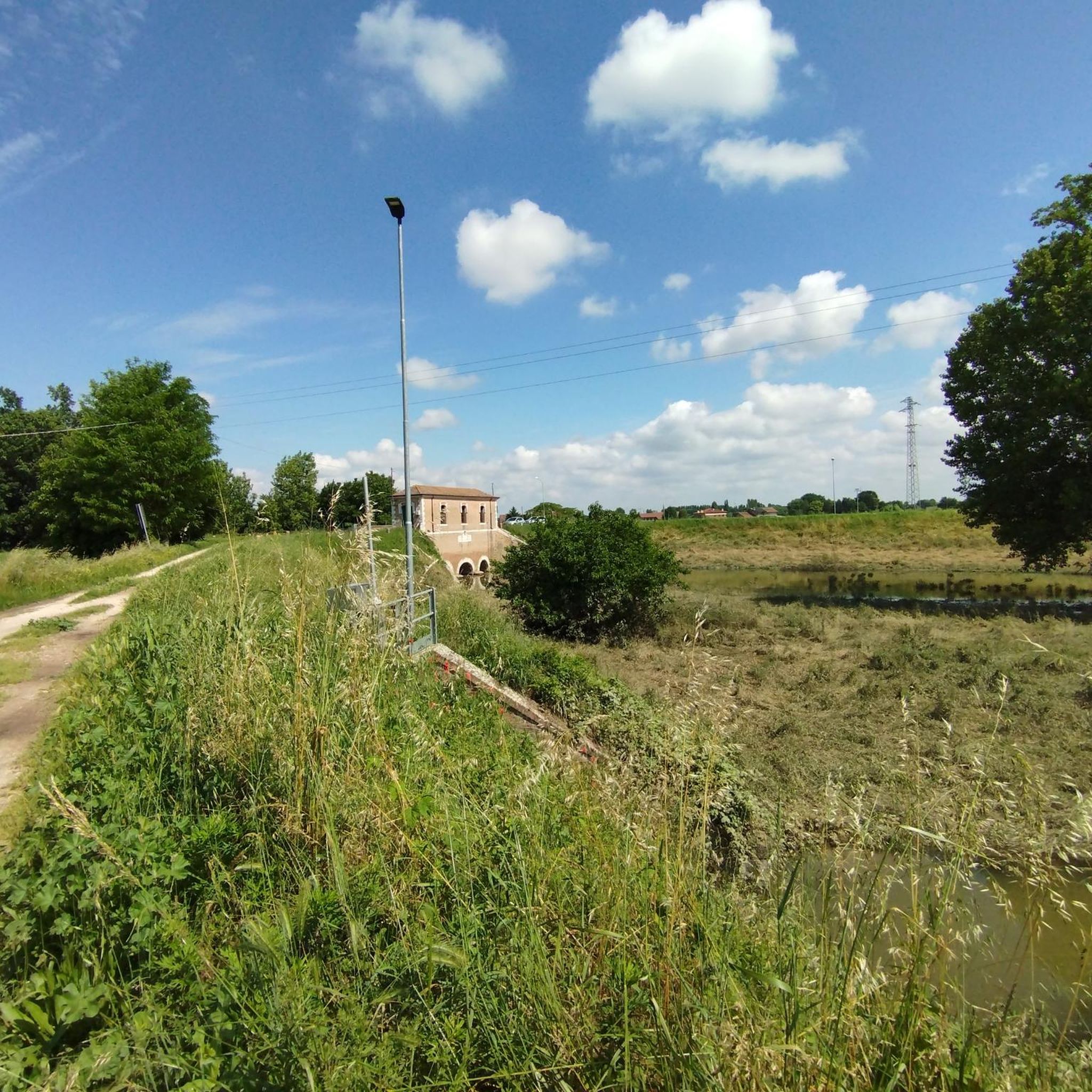
Beautiful climb (especially for road bikes) that leads from the castle of Este to Calaone.
0
0

Located along the road leading up to the upper village of Arquà Petrarca, Palazzo Contarini is a refined example of 15th-century Gothic-Venetian architecture in the Euganean Hills. The building stands out for its elegant Venetian-style facade, embellished with trifora and bifora windows with trefoil arches that recall the style of the palaces of the Serenissima. Fascinating traces of ancient Renaissance frescoes that once entirely decorated its exterior surface are still visible today. Built as a country residence by one of the most illustrious Venetian patrician families of the time, the palace testifies to the close link between the nobility of Venice and the Euganean territory, often chosen as a place for holidays, rest, and meditation. Today, perfectly integrated into the historical context of the village, it represents a stop of great historical and architectural value for those visiting the town.
0
0
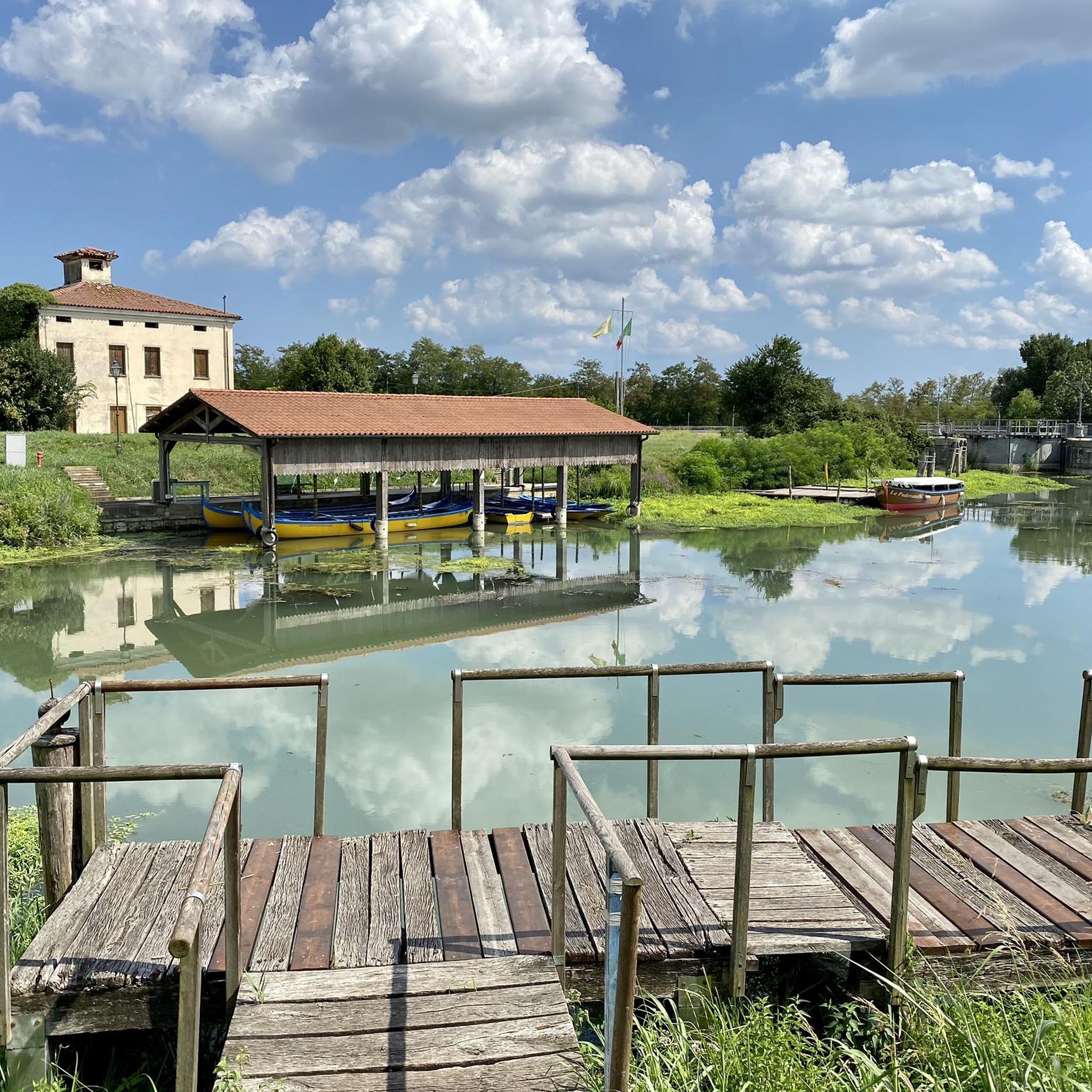
The boat pier in Battaglia Terme represents one of the most evocative views of the Euganean Hills' navigable system. Located along the historic waterways of the area, this landing point preserves the charm of the ancient Paduan river tradition. The structure features a characteristic jetty accompanied by a covered roof used as shelter for traditional wooden boats, such as burci or rowboats typical of inland navigation. The area is situated in a very tranquil landscape setting, flanked by a tree-lined cycle-pedestrian path and with historic Venetian residences in the background. It is an ideal stopping place for both those exploring the canals by boat and for cycle tourists travelling along the embankments.
0
0
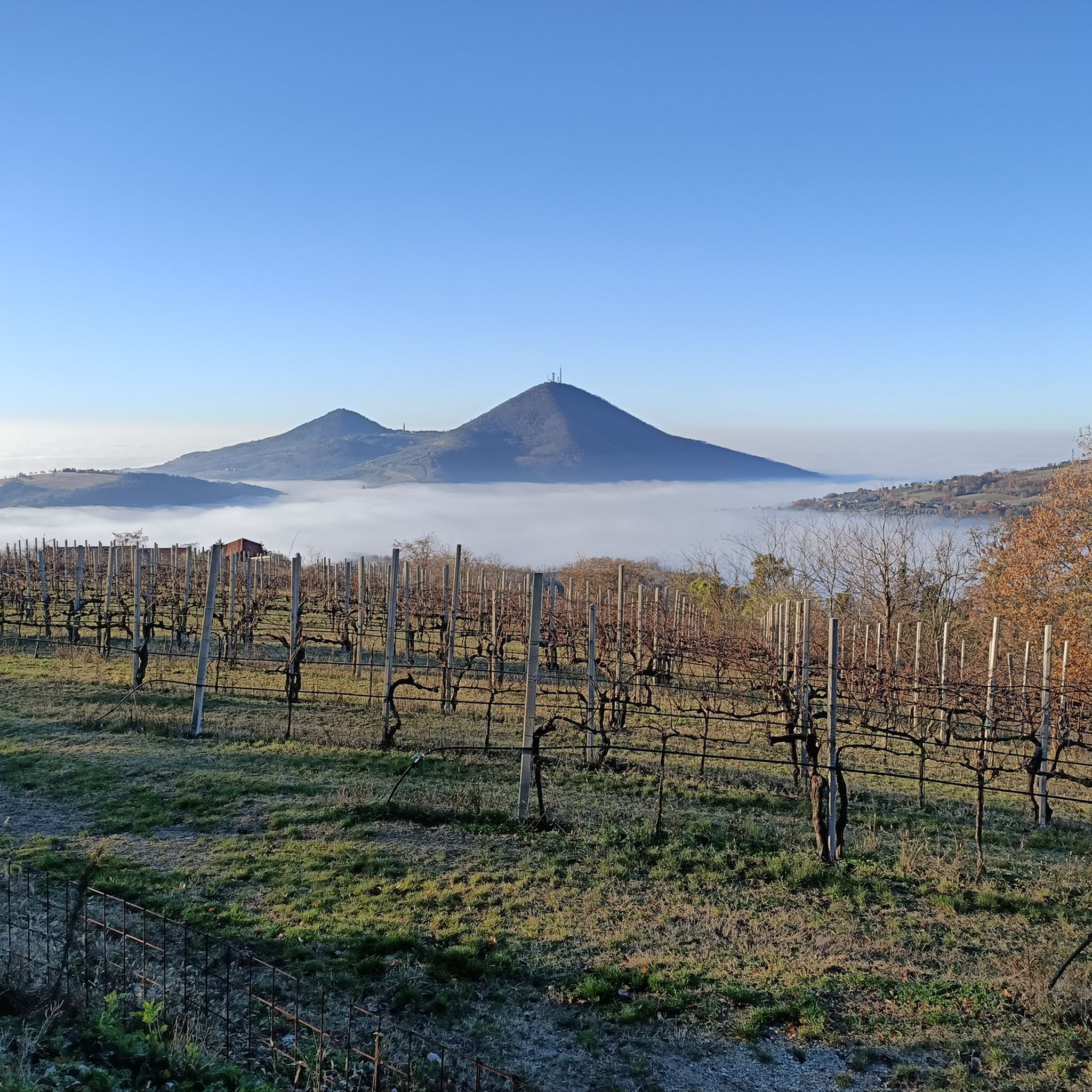
The climb leading from Torreglia to Castelnuovo is one of the most famous, scenic, and challenging ascents in the Euganean Hills, very popular with cyclists. The route winds for about four kilometers and is characterized by an average gradient of around eight percent, but it hides very steep ramps that reach peaks close to twenty percent. The road, initially immersed among vineyards and foothill villages, climbs rapidly with severe gradients, tackling several spectacular hairpin bends. As you gain altitude, the vegetation becomes denser, regularly opening up to breathtaking panoramic views that stretch over the Padan Plain and the surrounding hills. Reaching the summit at Castelnuovo rewards cyclists' efforts with a splendid view of Monte Venda and represents a strategic junction for continuing towards other Euganean itineraries.
2
0
The Villa Barbarigo Pizzoni Ardemani in Valsanzibio di Galzignano Terme is a Baroque masterpiece from the 17th century, world-renowned for its extraordinary historic garden, considered among the most important and intact in Europe. Designed by architect Luigi Bernini, the complex was created at the behest of the noble Venetian Barbarigo family as a solemn vow to God for having escaped the terrible plague of 1631. The park is not a simple ornamental work, but a true allegorical and spiritual path of purification. The visitor is invited to experience a journey of salvation that unfolds through scenic fountains, streams, fishponds, and over seventy statues rich in symbolism. The central and iconic element of the garden is the monumental labyrinth of centuries-old boxwood, one of the oldest and largest in the world, symbolizing the difficulties and redemption of the human soul.
1
0

It is the best-known image of the very famous villa.
0
0

It is a 15th-century building in the Venetian Gothic style. The palace is located in the center of the village
0
0

The ancient Church of Santa Maria Assunta in Galzignano Terme (no longer in use) is a charming 13th-century parish church (although documents attest to the existence of a chapter as early as the year 1000) that stands in a beautiful location, perched atop the hill of the same name overlooking the town, a green, cultivated hill shaded by cypress trees. The old church, built with a single nave and five altars, was rebuilt from the ground up in 1674 with a single nave in Baroque style, and consecrated on October 4, 1840. A century later, it had become insufficient for the more than doubled population. Thus, in 1947, the cornerstone of a new parish church was blessed, no longer on the hill, but in the town square. The bell tower, rebuilt between 1878 and 1895 next to the old church, still serves the new one. The Church of Santa Maria Assunta houses traces of 17th-century frescoes and a 17th-century canvas depicting the Assumption and two saints. (Galzignano Terme municipal website)
1
0
Frequently Asked Questions
How many road cycling routes are available around Due Carrare?
There are over 260 road cycling routes available around Due Carrare, catering to various skill levels. The komoot community has explored more than 16,000 of these routes, highlighting the area's popularity for road cycling.
What kind of terrain can I expect when road cycling in Due Carrare?
Road cycling in Due Carrare offers a diverse landscape. You'll find varied slopes and challenging climbs within the volcanic Euganean Hills, providing panoramic views. Additionally, there are flat, well-maintained paths along canals like the Battaglia, Bisatto, and Brentella, perfect for relaxed rides through agricultural plains.
Are there easy road cycling routes suitable for beginners or families in Due Carrare?
Yes, Due Carrare offers a good selection of easy road cycling routes. There are 73 routes classified as easy, many of which follow the tranquil canal-side paths, providing a relaxed and scenic experience suitable for beginners or families. An example of an easy route is the Catajo Castle – Boat Dock at Battaglia Terme loop from Due Carrare, which is mostly flat.
Where can I find challenging road cycling routes with significant climbs?
For challenging rides, focus on the Euganean Hills. Routes like the Palazzo Contarini – Teolo – Castelnuovo Junction loop from Battaglia Terme offer significant elevation gain, reaching over 1200 meters, and are classified as difficult. These routes provide strenuous climbs and rewarding panoramic views.
What historical landmarks or attractions can I see along the road cycling routes?
Many routes incorporate historical and cultural attractions. You can cycle past the charming medieval village of Arquà Petrarca, visit the impressive Praglia Abbey, or explore architectural marvels like Catajo Castle and Villa Selvatico Sartori near Battaglia Terme. Specific highlights include San Pelagio Castle and Carrarese Castle.
What is the best time of year to go road cycling in Due Carrare?
The best seasons for road cycling in Due Carrare and the wider Veneto region are typically spring (April to June) and autumn (September to October). During these months, the weather is generally mild and pleasant, with less heat than summer and fewer chances of rain than winter, making for ideal cycling conditions.
Are there circular road cycling routes available in the Due Carrare area?
Yes, many of the road cycling routes around Due Carrare are designed as loops, allowing you to start and finish at the same point. Examples include the Arquà Petrarca – Palazzo Contarini loop from Battaglia Terme and the Catajo Castle – Boat Dock at Battaglia Terme loop from Due Carrare.
What do other road cyclists enjoy most about road cycling in Due Carrare?
The area is highly rated by the komoot community, with an average score of 4.5 stars from over 470 reviews. Cyclists often praise the diverse terrain, from the scenic climbs in the Euganean Hills to the tranquil canal-side paths, and the opportunity to combine cycling with visits to historical sites and charming villages.
Is public transport available to access road cycling routes in Due Carrare?
Due Carrare is situated about 15 kilometers south of Padua, which is well-connected by public transport. While direct public transport options to specific trailheads might vary, you can often reach the general area by bus or train to Padua, and then cycle to your desired starting point. It's advisable to check local transport schedules for specific connections.
Are there places to park my car when starting a road cycling route in Due Carrare?
Yes, you can typically find parking in and around Due Carrare, especially in the larger towns or near popular attractions that serve as starting points for routes. For instance, areas around Battaglia Terme, a common starting point for many routes, usually offer parking facilities.
Can I find cafes or places to rest along the road cycling routes?
The region around Due Carrare, particularly within the Euganean Hills and in towns like Arquà Petrarca and Battaglia Terme, is dotted with charming villages and small towns. These often have local cafes, restaurants, and trattorias where you can stop for refreshments and rest during your ride.
Are there any specific viewpoints or scenic spots recommended for road cyclists?
Absolutely. The Euganean Hills are renowned for their panoramic views. Routes that climb into the hills, such as those passing through Teolo or near Castelnuovo, offer stunning vistas of the surrounding plains and vineyards. The Mottolone Plateau is a notable viewpoint.
Most popular routes around Due Carrare
Most popular attractions around Due Carrare

Get inspired with the komoot mobile app


Explore more
Browse the best Road cycling routes in other regions.
