Top 10 Mountain Passes around Saint-Christophe
Best mountain passes around Saint-Christophe are found in Italy's Aosta Valley, a region characterized by its alpine terrain and historical mountain passes. This area serves as a gateway to various high-altitude routes, connecting valleys and offering access to prominent peaks. The landscape features rugged mountains, deep valleys, and ancient pathways.
Best mountain passes around Saint-Christophe
- The most popular mountain passes is Col de Champillon, a mountain pass that offers panoramic views of peaks such as Mont Blanc, the Grand…
Last updated: June 26, 2026
Col de Champillon
Highlight • Mountain Pass
Translated by Google •
Tip by

Colle Tsa Seche
Highlight • Mountain Pass
Translated by Google •
Tip by

Sign up now to discover places like this
Get recommendations on the best single tracks, peaks, & plenty of other exciting outdoor places.
Sign up for free
Col de Vessonaz
Highlight • Mountain Pass
Translated by Google •
Tip by
Col de Brison
Highlight • Mountain Pass
Translated by Google •
Tip by

Plan Fenêtre Pass
Highlight • Mountain Pass
A stopover is definitely worth it.
Translated by Google •
Tip by

Sign up for free to discover even more mountain passes around Saint-Christophe.
Sign up for free
Already have an account?
Start today with a free account
Your next adventure awaits.
Login or Signup
Popular around Saint-Christophe
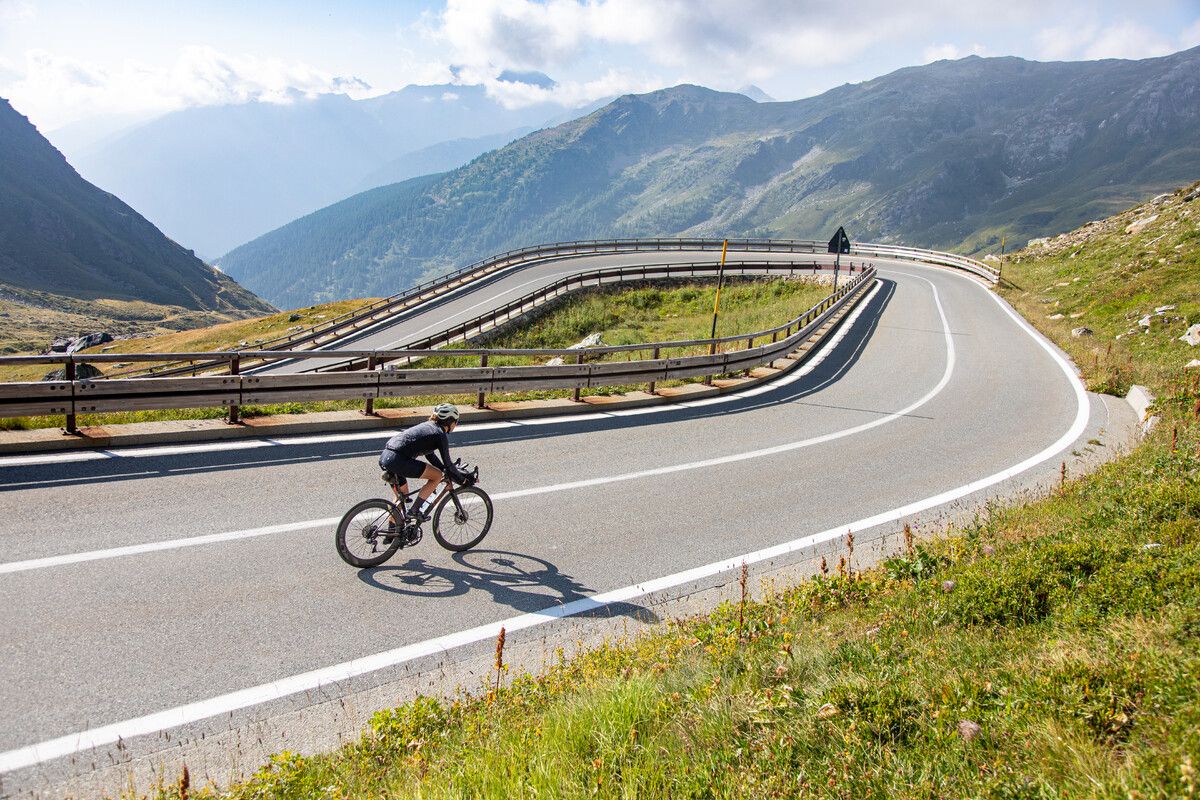
Road cycling in the Aosta Valley – major climbs and alpine routes
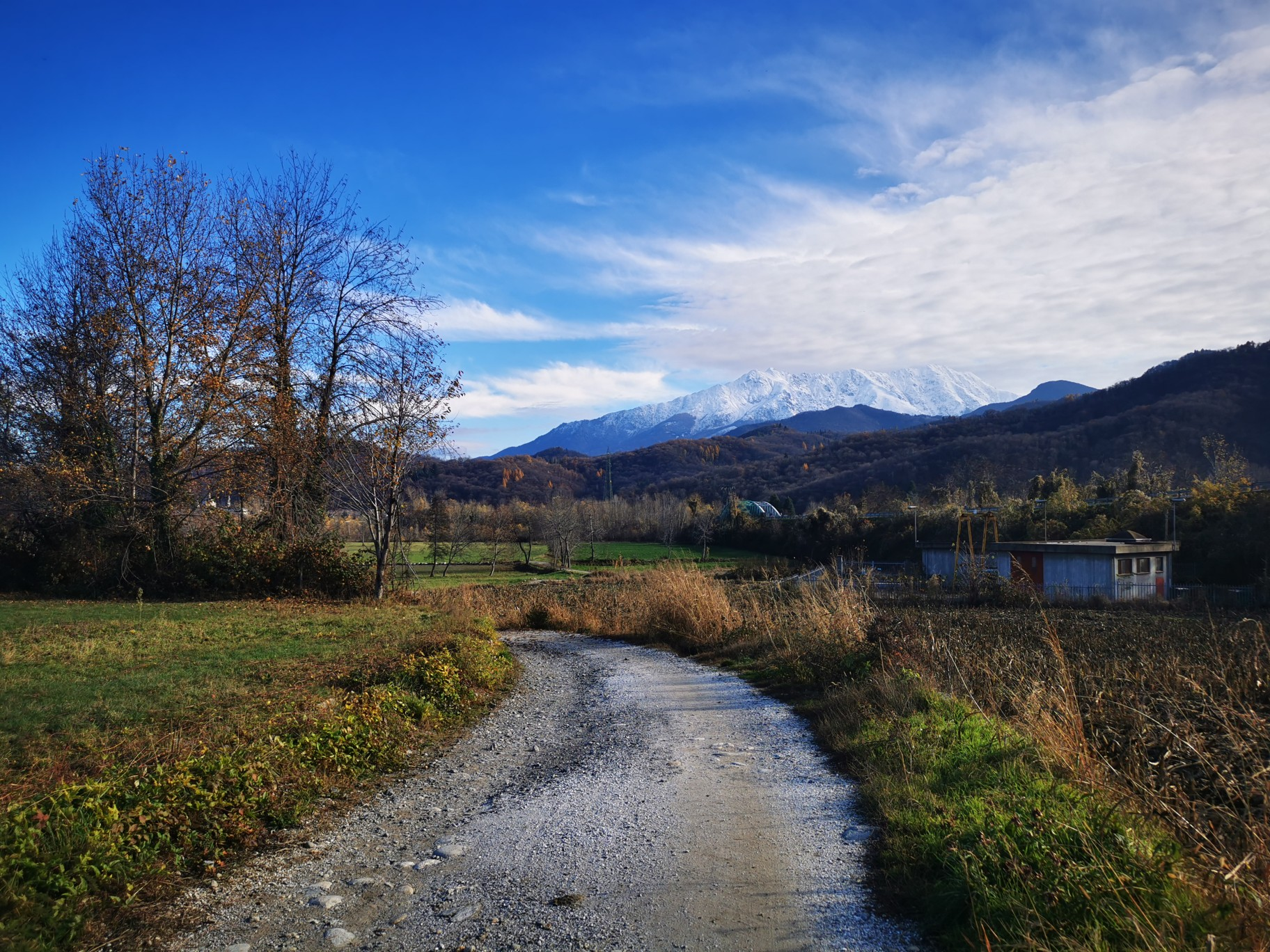
The alpine northwest – mountain gravel between Piedmont and the Aosta Valley
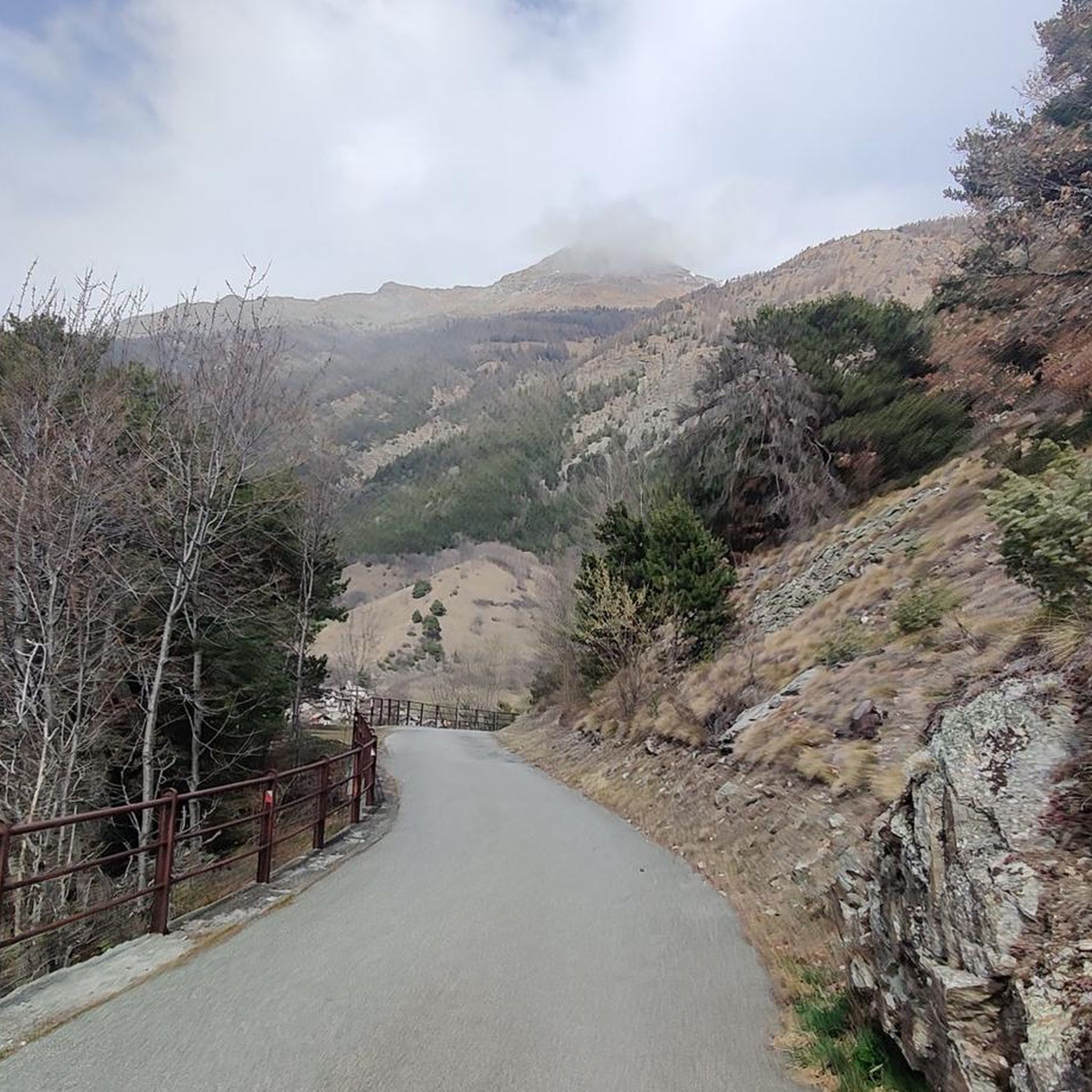
Road Cycling Routes around Saint-Christophe
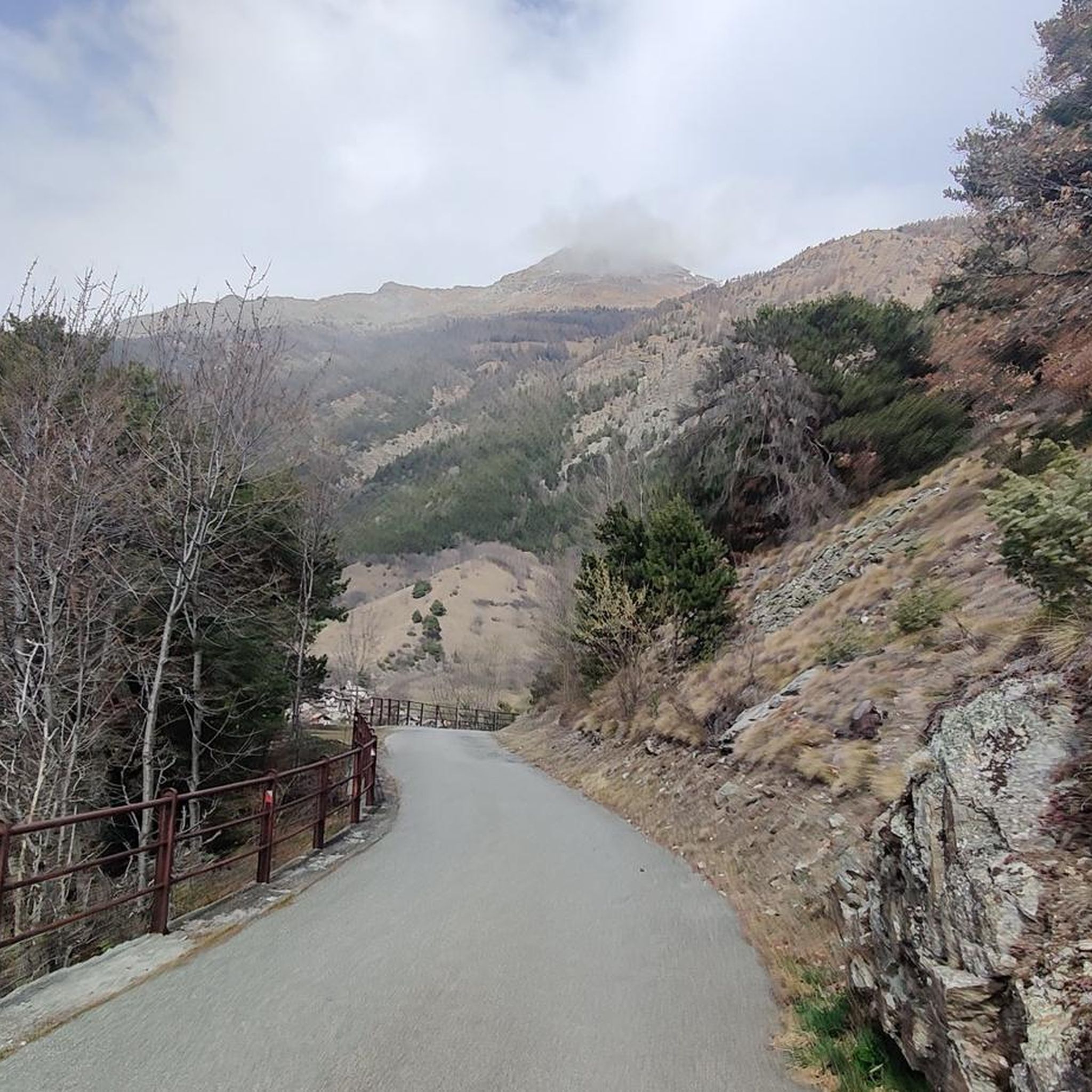
Hiking around Saint-Christophe
Running Trails around Saint-Christophe
Cycling around Saint-Christophe

Gravel biking around Saint-Christophe
MTB Trails around Saint-Christophe
Mountain Hikes around Saint-Christophe


Tips from the Community

Very panoramic hill, reachable only with bike on your shoulder
0
0

https://youtu.be/Pxndx9TNM5U?si=mH5XT38nxmCVjLSr Push, lift, and drag until you're over it, then you have a beautiful descent to Cogne.
0
0

The Col de Brison, located at an altitude of 2,480 metres, is located between Mount Faceballa and the Punte d'Ollomont. The view from here is stunning. The terrain leading to the summit on both sides is not very technical, but it is quite steep.
2
0

A very beautiful viewpoint, which is followed by an even more beautiful ridge hiking route. A stopover is definitely worth it.
26
0
The Col de Champillon, located at an altitude of 2,709 meters, offers a breathtaking panoramic view. From the top of the pass it is possible to admire many legendary peaks, such as Mont Blanc, the southern face of the Grand Combin and, to the south, the Gran Paradiso massif. The terrain gets steep in some sections on both sides, but the trail is easy and non-technical, so you can definitely sprint on the way down.
4
0
Col de Vessonaz, or Col Vessona, is located at 2,794 meters above sea level and can be reached from Closé, from the west, and Valtournenche, from the east. The gaze is lost among the peaks on the horizon: a breathtaking view! The western side is much steeper than the eastern side, but both can be done by running. From here you can also climb to the top of Mount Faroma, but the terrain becomes very technical as you go up.
4
0

There are many important peaks to see, such as Mont Blanc, the Grand Combin and to the south the Grand Paradiso massif
0
0
Easy hiking trail to this beautiful vantage point, overlooking Mont Blanc, the south face of the Grand Combin and the Grand Paradiso massif, among others
0
0
Frequently Asked Questions
What are some of the most popular mountain passes around Saint-Christophe?
Around Saint-Christophe, you'll find several highly-regarded mountain passes. Col de Champillon is popular for its panoramic views of peaks like Mont Blanc and Gran Paradiso. Another favorite is Col de Vessonaz, offering breathtaking vistas from its 2,794-meter elevation. Visitors also enjoy Colle Tsa Seche, an intermediate pass that serves as a scenic stop on various routes.
What kind of views can I expect from the mountain passes in the Aosta Valley?
The mountain passes in the Aosta Valley, including those near Saint-Christophe, offer spectacular alpine panoramas. From passes like Col de Champillon, you can admire iconic peaks such as Mont Blanc, the Grand Combin, and the Gran Paradiso massif. Other passes like Col de Vessonaz provide expansive views across the horizon, showcasing the rugged beauty of the western Alps.
Are there challenging mountain passes for experienced hikers or cyclists?
Yes, the region around Saint-Christophe offers several challenging mountain passes. Col de Vessonaz, at 2,794 meters, is known for its challenging ascent, especially from the western side. Similarly, Col de Brison, while not overly technical, features quite steep sections. These passes are ideal for those seeking a demanding outdoor experience.
What historical significance do the mountain passes in the Aosta Valley hold?
The Aosta Valley is rich in history, and its mountain passes have been strategic routes for millennia. The Great Saint Bernard Pass, for instance, has been used for over 5,000 years by Roman legions, emperors, and even Napoleon. It was a key part of the Via Francigena pilgrim's way. The Little Saint Bernard Pass also has ancient roots, believed to have been used by Hannibal and featuring a prehistoric stone circle at its summit.
What are the best times of year to visit the mountain passes near Saint-Christophe?
The mountain passes in the Aosta Valley are generally best visited from June to October. During these months, the passes are typically free of snow and accessible, making them ideal for hiking, cycling, and scenic drives. Outside of this period, especially in winter, many high-altitude passes may be closed due to snow and challenging conditions.
Are there opportunities for mountain biking near these passes?
Yes, the Aosta Valley offers excellent opportunities for mountain biking. The Little Saint Bernard Pass, for example, is popular for mountain biking on historic trails. While some passes may have technical sections requiring carrying your bike, the region provides a variety of routes for different skill levels, often with spectacular views.
What kind of outdoor activities can I do near the mountain passes around Saint-Christophe?
Beyond exploring the passes themselves, the area around Saint-Christophe offers a range of outdoor activities. You can find numerous mountain hikes, including challenging routes like the Punta della Valletta loop. There are also running trails and road cycling routes, such as the challenging ascent to the Great St Bernard Pass from Aosta.
Are there any unique natural features or botanical gardens near the passes?
Yes, the region boasts unique natural features. Near the Little Saint Bernard Pass, you can visit La Chanousia, an alpine botanical garden created by Abbé Chanoux, which houses nearly 1,000 varieties of mountain plants. The passes themselves often feature small alpine lakes and stunning rock formations, adding to their natural beauty.
What do visitors appreciate most about the mountain passes in this region?
Visitors consistently praise the breathtaking panoramic views offered by these passes, with many highlighting the sight of iconic peaks like Mont Blanc. The non-technical nature of some trails, like parts of Col de Champillon, allows for varied paces and enjoyable experiences. The sense of achievement after reaching a high-altitude pass and the stunning natural scenery are frequently mentioned as highlights.
Can I find any hospices or historical shelters at these mountain passes?
Yes, the Aosta Valley's historical passes are known for their ancient hospices. The Great St. Bernard Hospice, founded around 1050, still offers shelter to travelers and houses a museum. Similarly, the Hospice of Saint Bernard at the Little Saint Bernard Pass, though rebuilt multiple times, now serves as a museum and visitor center, preserving medieval frescoes and statues.
Are there any intermediate mountain passes suitable for a moderate hike?
Absolutely. Colle Tsa Seche is an intermediate mountain pass that can be reached from Gimillan. While the pass itself is a stop on the way, the surrounding points offer excellent views and the route provides a rewarding experience without being overly strenuous. Plan Fenêtre Pass also offers an intermediate trail with a beautiful viewpoint and ridge hiking.
Most popular routes around Saint-Christophe
Most popular attractions around Saint-Christophe

Get inspired with the komoot mobile app


Explore more
See even more epic mountain passes by checking out these guides around Saint-Christophe:
