The 14 Most Amazing Peaks around Saint-Christophe
Best mountain peaks around Saint-Christophe are found within the Aosta Valley, a region characterized by its alpine terrain and extensive hiking opportunities. This area offers a variety of mountain experiences, from accessible viewpoints to challenging summits, providing some of the best mountain peaks for views Saint-Christophe. The region's geography provides extensive views of prominent peaks like Mont Blanc and Gran Paradiso, making it a notable destination for Aosta Valley hiking.
Best mountain peaks around Saint-Christophe
- The most popular mountain peaks is Punta Replan, a viewpoint that offers a fantastic view of numerous 4,000-meter peaks on the horizon from Col Replan. This lookout point is built in a circular shape with ceramic orientation boards to identify surrounding mountains.
- Another must-see spot is Col de Champillon, a mountain pass. From this pass at 2,709 meters, visitors can admire legendary peaks such as Mont Blanc, the Grand Combin, and the Gran Paradiso massif.
- Visitors also love Bivacco Regondi (2,590 m), a hut. This bivouac is spacious and comfortable, offering 14 beds, benches, tables, and light powered by a photovoltaic panel, with spectacular views from its location.
- Saint-Christophe is known for its summits, mountain passes, and viewpoints. The area offers a variety of mountain peaks to see and explore, catering to different interests and skill levels.
- The mountain peaks around Saint-Christophe are appreciated by the komoot community, with 57 upvotes and 54 photos shared by visitors.
Last updated: June 24, 2026
Punta Replan
Highlight • Viewpoint
The lookout point is built in a circular shape and the low masonry is covered with ceramic orientation boards, which can be used to assign the names of all the mountains in the area. This also applies to the most famous 4000m peaks, such as Mont Blanc (4807 m) and Monte Rosa (4637 m).
Translated by Google •
Tip by

Monte Emilius Summit and Statue
Highlight • Summit
Translated by Google •
Tip by

Sign up now to discover places like this
Get recommendations on the best single tracks, peaks, & plenty of other exciting outdoor places.
Sign up for free
Col de Champillon
Highlight • Mountain Pass
The terrain gets steep in some sections on both sides, but the trail is easy and non-technical, so you can definitely sprint on the way down.
Translated by Google •
Tip by

Colle Tsa Seche
Highlight • Mountain Pass
Translated by Google •
Tip by

Bivacco Regondi (2,590 m)
Highlight • Mountain Hut
Translated by Google •
Tip by

Sign up for free to discover even more peaks around Saint-Christophe.
Sign up for free
Already have an account?
Start today with a free account
Your next adventure awaits.
Login or Signup
Popular around Saint-Christophe
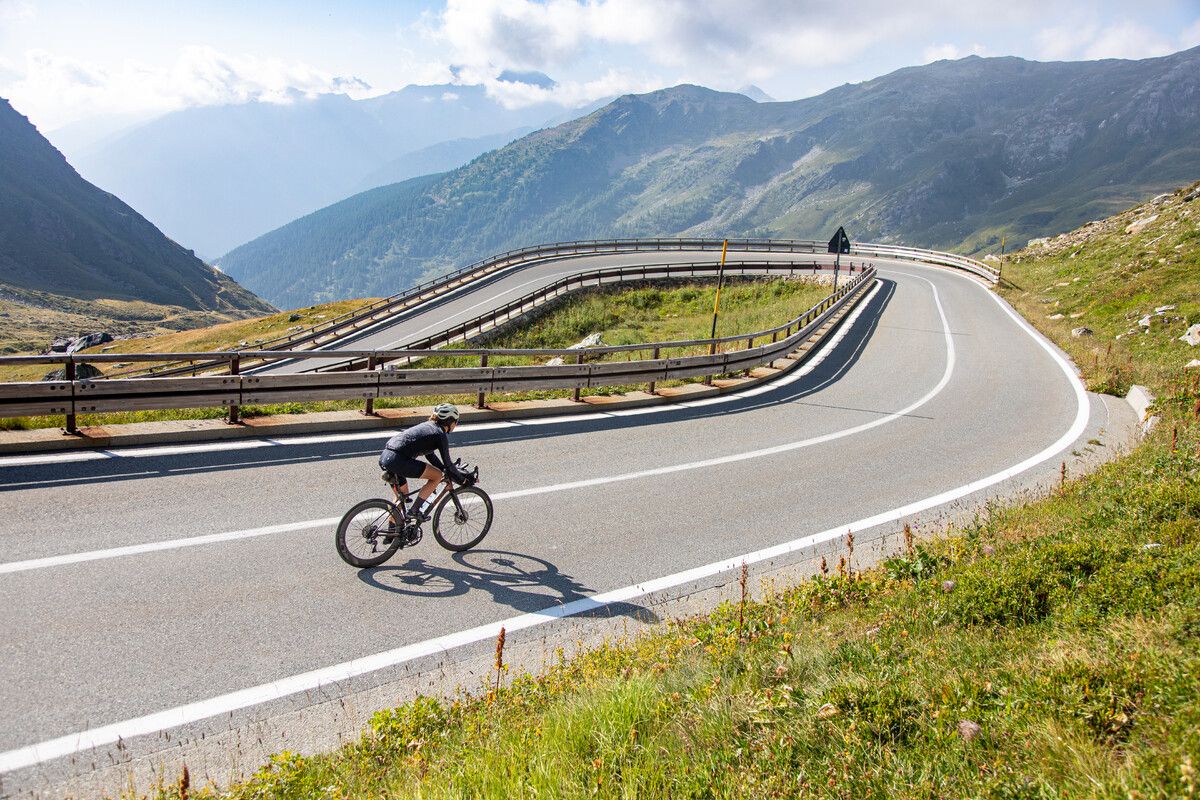
Road cycling in the Aosta Valley – major climbs and alpine routes
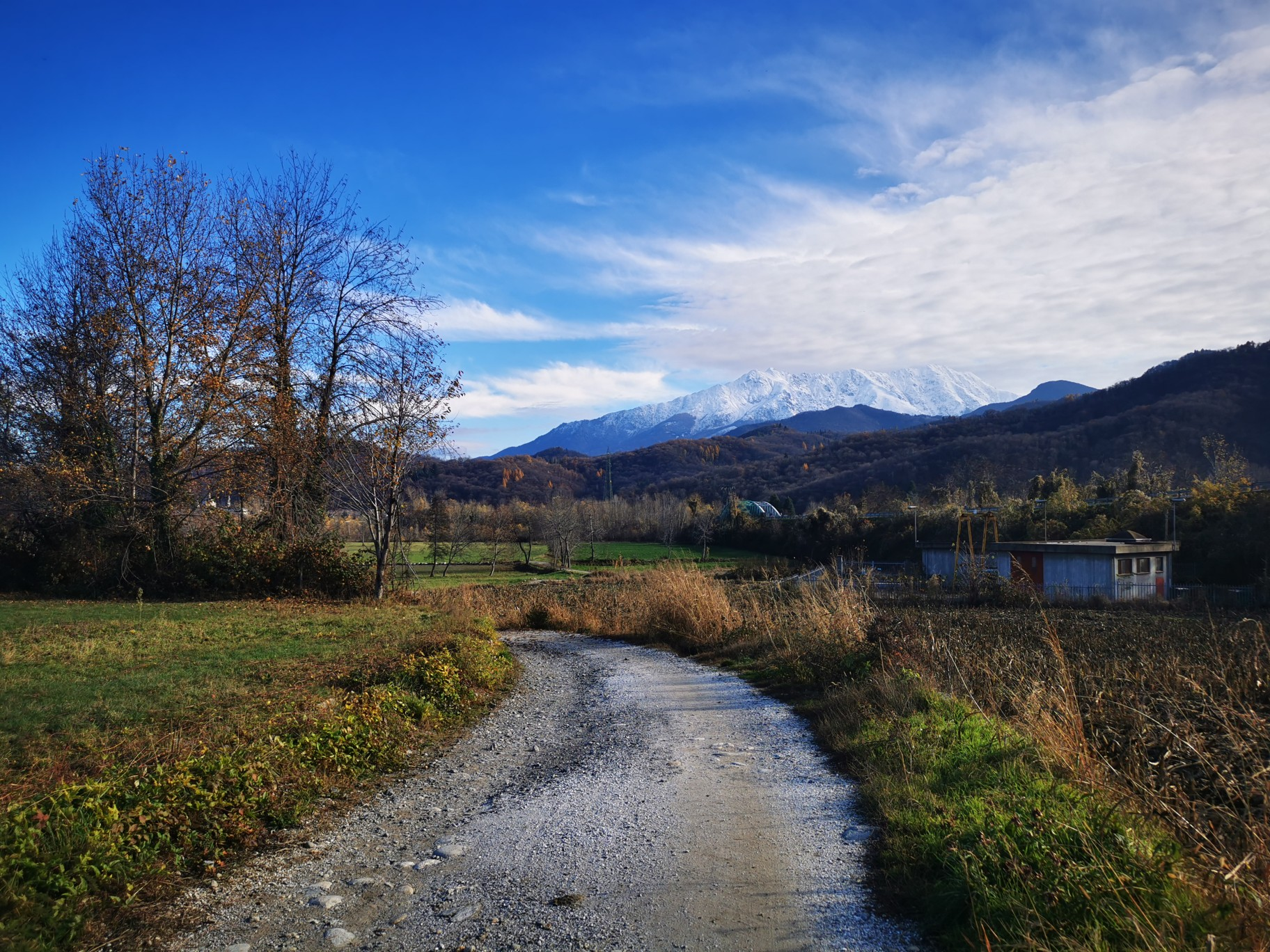
The alpine northwest – mountain gravel between Piedmont and the Aosta Valley
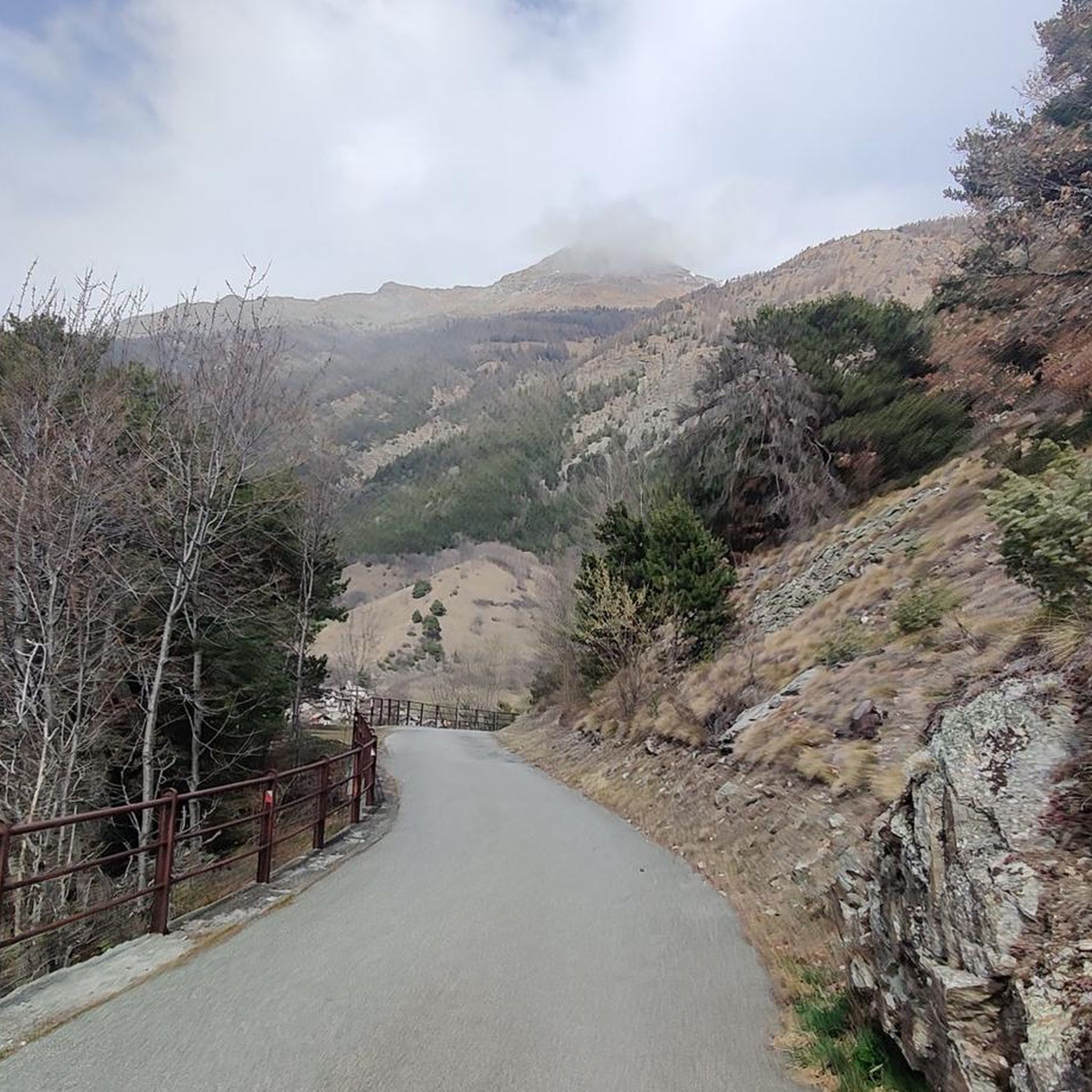
Road Cycling Routes around Saint-Christophe
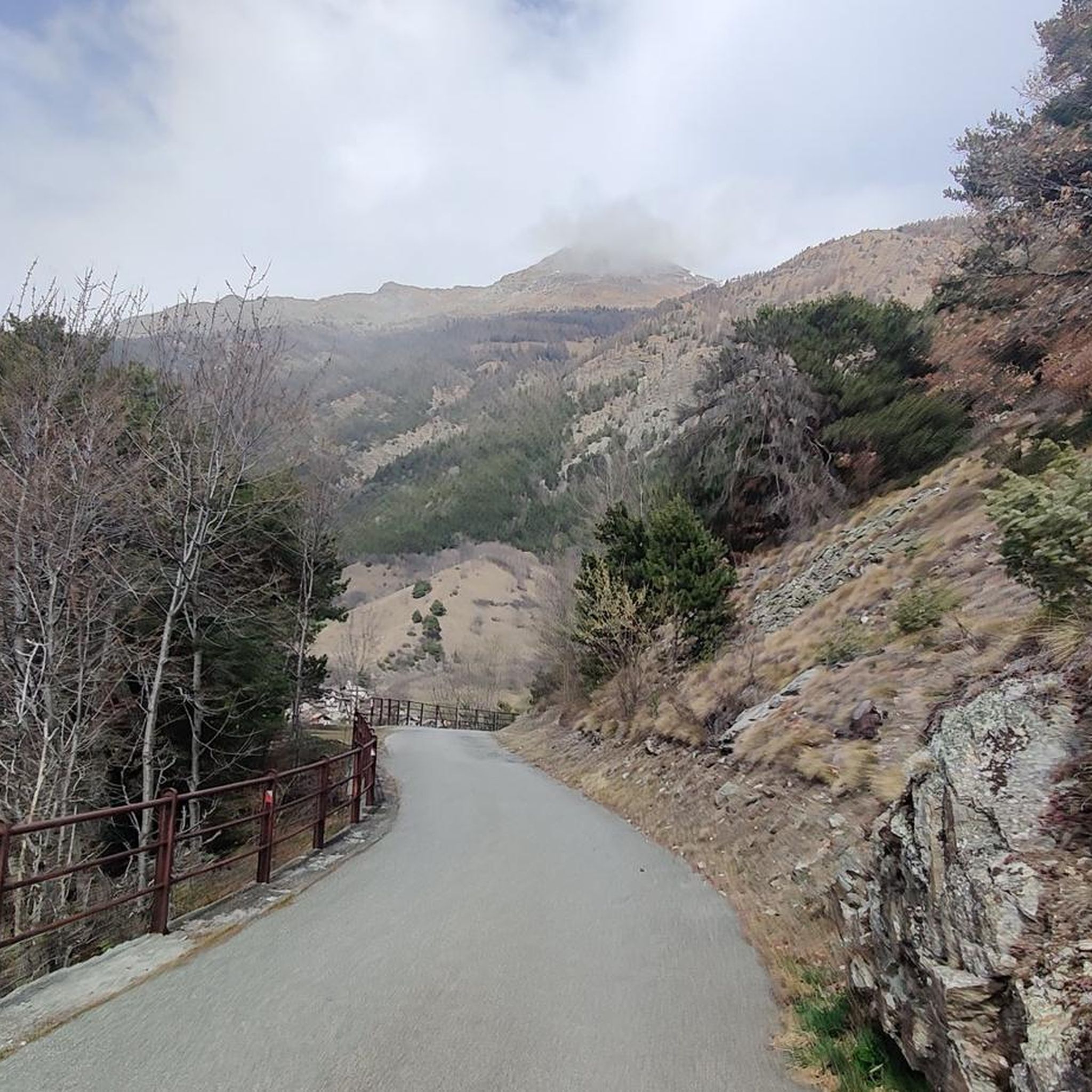
Hiking around Saint-Christophe
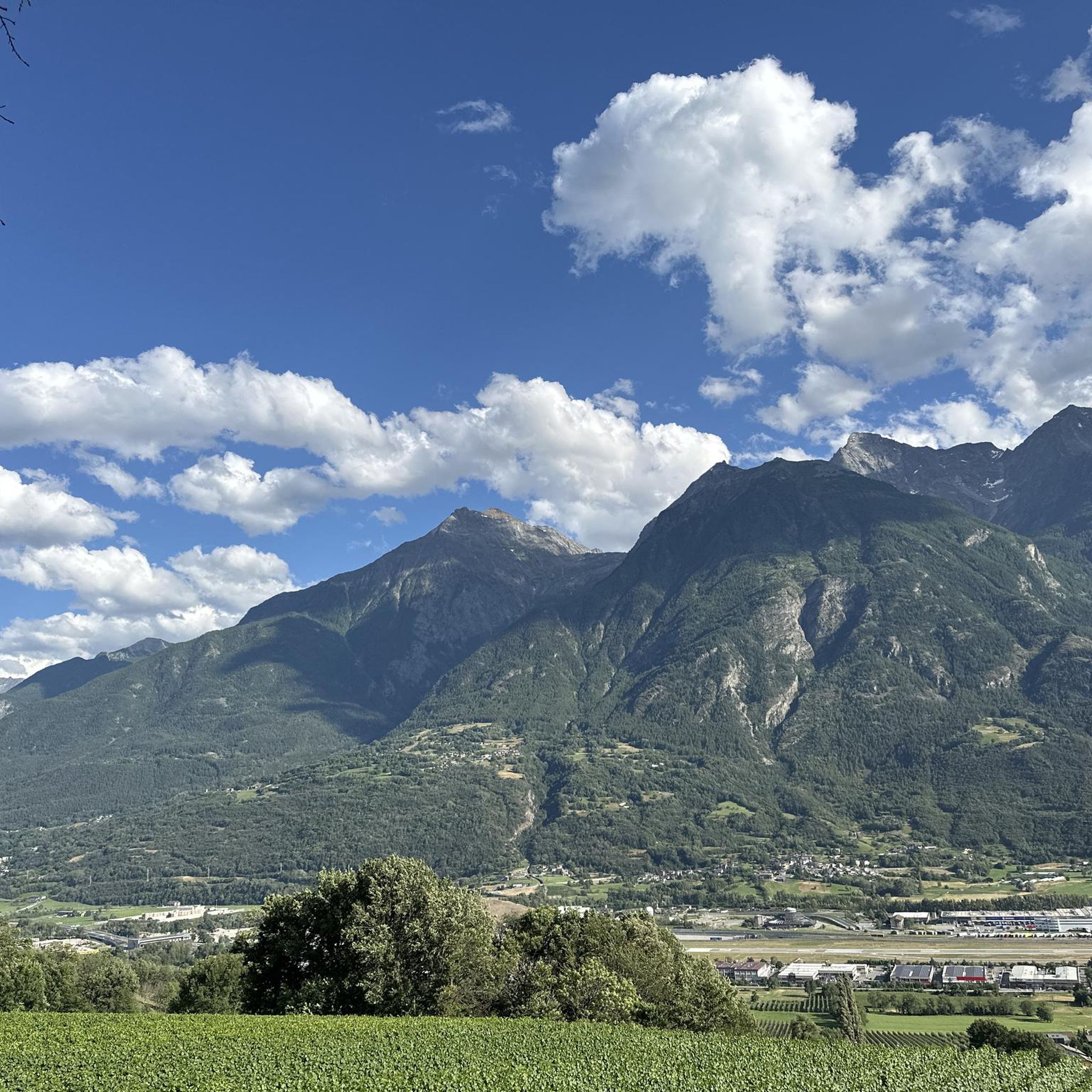
Running Trails around Saint-Christophe
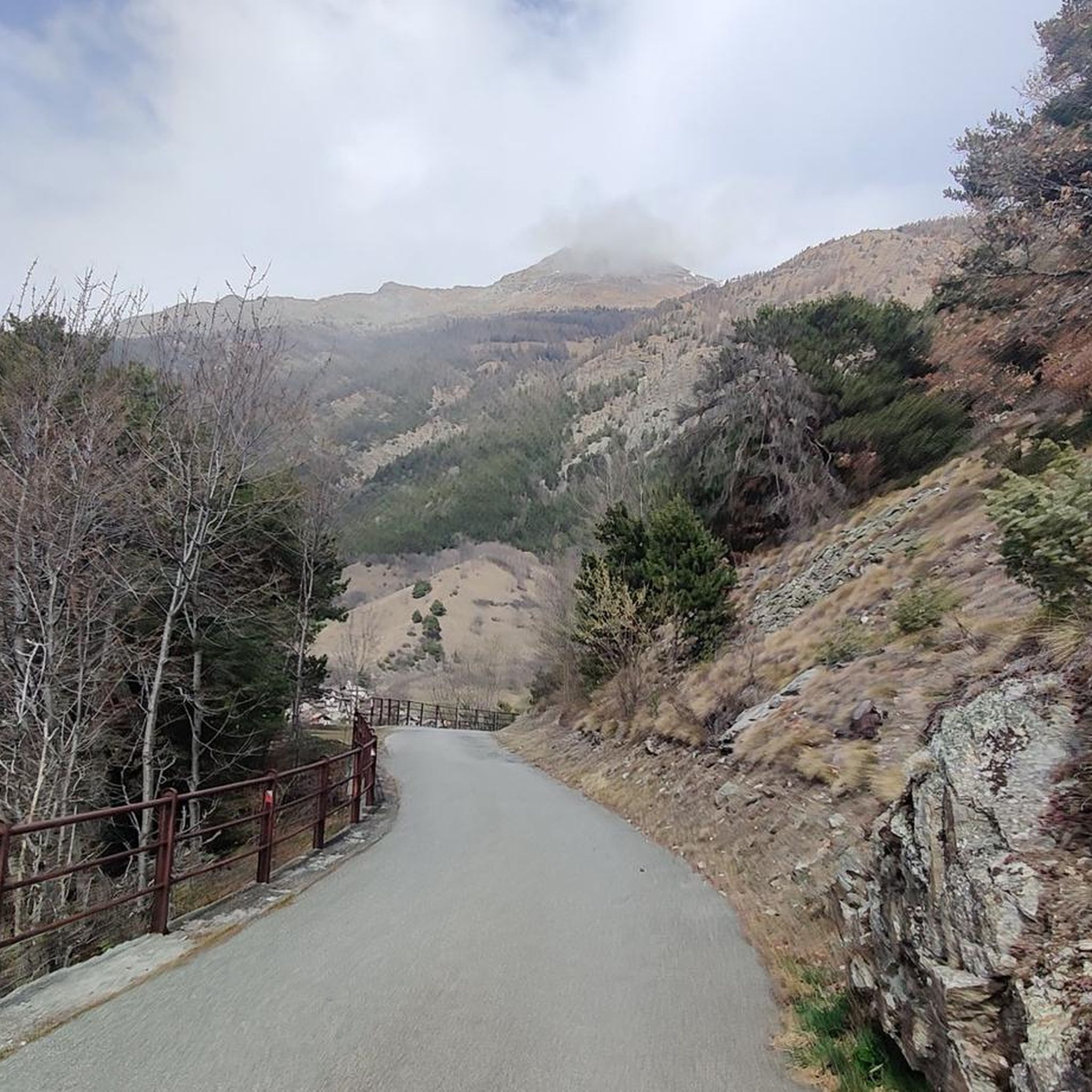
Cycling around Saint-Christophe

Gravel biking around Saint-Christophe
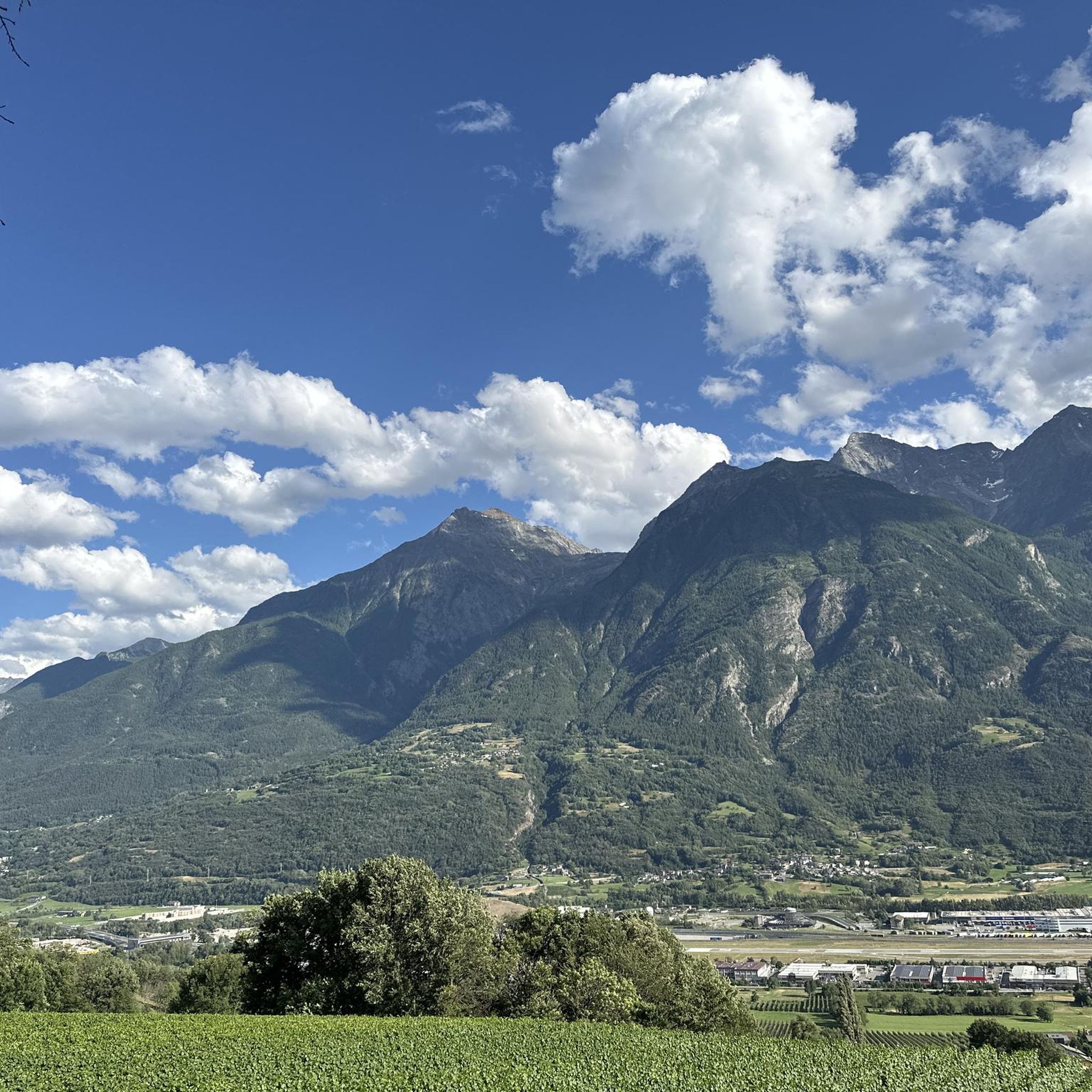
MTB Trails around Saint-Christophe
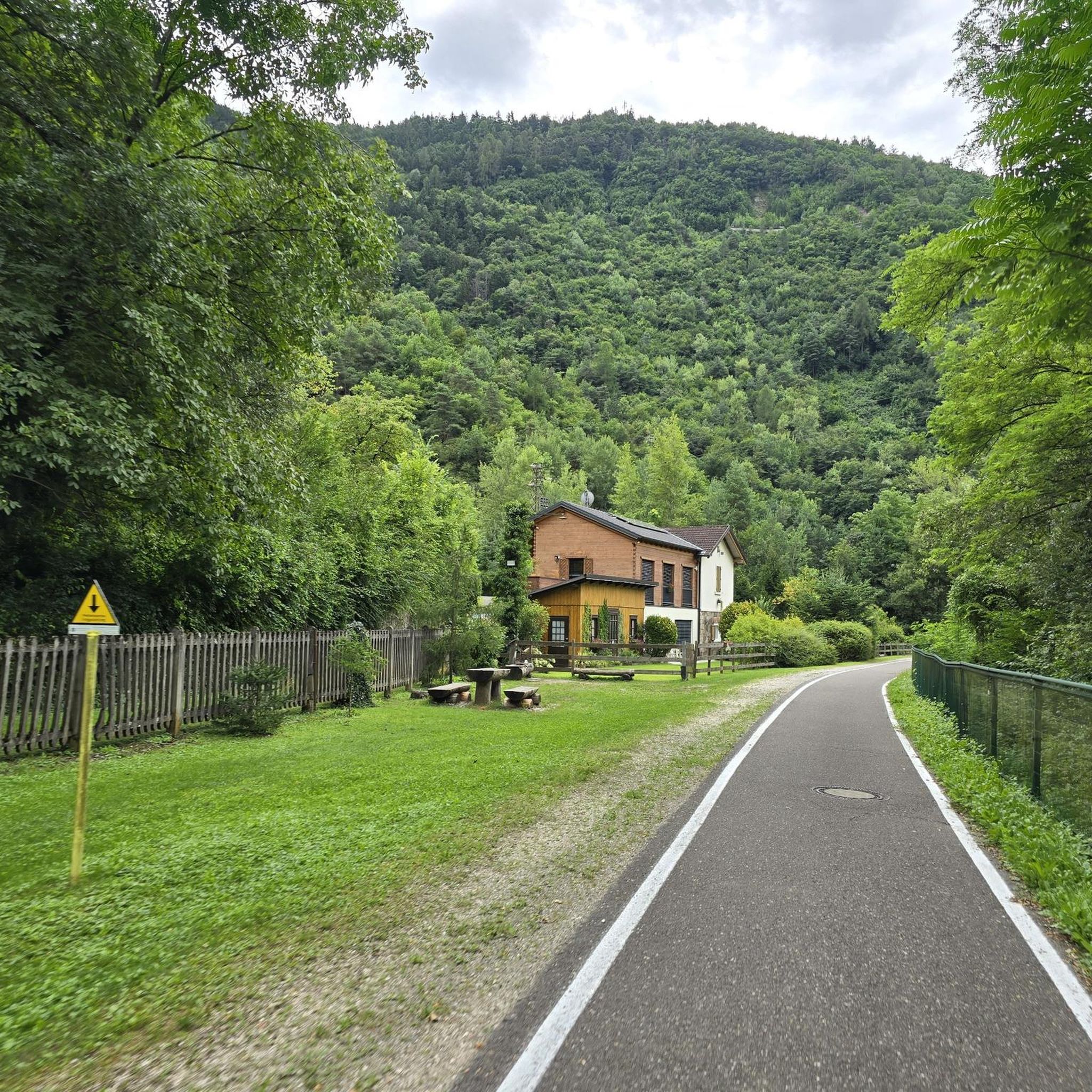
Mountain Hikes around Saint-Christophe


Tips from the Community

Very panoramic hill, reachable only with bike on your shoulder
0
0

https://youtu.be/Pxndx9TNM5U?si=mH5XT38nxmCVjLSr Push, lift, and drag until you're over it, then you have a beautiful descent to Cogne.
0
0

A fantastic view, weather permitting: Mont Blanc, Grandes Jorasses, Matterhorn, Punta Rosa. The overview board tells you where each peak is located.
0
0

Col Cornet seen from the Regondi Bivouac
0
0

Beautiful bivouac🤩 comfortable, many beds, equipped with electricity for light (solar panel). The view from here at the top is spectacular!🤩
0
0

Mount Emilius, m. 3,559 s.l.m., is a mountain of the Graian Alps located in the Aosta Valley. Before 1839, it was known as Pic de dix heures, Pic Chamosser or Pic Chamoisier, later the peak was therefore named in honor of the fourteen-year-old Émilie Argentier who climbed it that year.
4
0

From the Federigo camp, follow the green signs and start climbing up along a stony ground, keep to the left at the beginning (north side) and then reach the ridge where the via ferrata starts. The track starts amid some rocks on the left side of the ridge and reaches the top, where there is a protruding rocky turret, linked to the following peak by a spectacular Tibetan bridge. The via ferrata continues along a vertical rock track and reaches Mont Ross de Comboé (3,285 m), located at the western side of Monte Emilius. At the beginning, you will be fascinated by the imposing and dark north side of Monte Emilius, while now you will have the whole of Aosta Valley and its mountains in full view, in the pleasant sunlight: the Gran Paradiso chain and Grivola to the south, Rutor and the whole Mont Blanc massif to the west, Gran Combin and the Alpine ridge of Valpelline to the north and Matterhorn, the Swiss Alps and Monte Rosa to the east. This gorgeous landscape will follow you until you reach the top. The via ferrata continues along the ridge, going from west to east following a long, almost horizontal trail, up to a sign indicating a possible downslope to the right (south side). This downslope follows a trail, which is not always visible, and reaches Lago Gelato (2,955 m), along a comfortable track going down to the Arbolle refuge (normal route of Emilius). Such a downslope represents an alternative for anyone wishing to abandon the via ferrata which reaches Piccolo Monte Emilius (3,342 m) and goes up the rugged and steep ridge, which you can overcome on the right, by following some huge red and compact rocky steps. If you keep to the south side, you reach a gap where the rock is lighter in colour and slightly more friable. You will have to take some careful steps and continue up a rocky slope until you come to the side where the equipped route ends. From there, you will reach the top (3,559 m) in about ten minutes. On the way down, follow the clearly indicated path along the normal route (south ridge) leading to Colle dei tre Cappuccini (3,222 m), where you need to be careful along a short exposed track. Follow the signs and keep to the right, going down the Arbolle deep valley, past Lago Gelato, up to the Arbolle refuge and, from there, you will reach the arrival station of the Chamolé chair-lift, after walking up the small Col Chamolé (2,641 m) along a comfortable path. (https://pila.it/en/track/the-via-ferrata-of-monte-emilius/)
3
0

When you reach the Col Replan viewing point at an altitude of 2,458 m, you have a fantastic view of, among other things, numerous 4,000-meter peaks on the horizon. A wonderful place to take a break. The lookout point is built in a circular shape and the low masonry is covered with ceramic orientation boards, which can be used to assign the names of all the mountains in the area. This also applies to the most famous 4000m peaks, such as Mont Blanc (4807 m) and Monte Rosa (4637 m).
23
0
Frequently Asked Questions
What are some accessible mountain peaks or viewpoints around Saint-Christophe?
For an accessible experience, consider visiting Punta Replan. This viewpoint at 2,458 meters offers fantastic views of numerous 4,000-meter peaks like Mont Blanc and Monte Rosa, and is easily reachable with about an hour's walk from a chairlift arrival point. The lookout point features ceramic orientation boards to help identify the surrounding mountains.
Are there any mountain passes with exceptional panoramic views near Saint-Christophe?
Yes, Col de Champillon, located at 2,709 meters, provides a breathtaking panoramic view. From this pass, you can admire legendary peaks such as Mont Blanc, the Grand Combin, and the Gran Paradiso massif. The trail to the pass is considered easy and non-technical, despite some steep sections.
What kind of accommodation or shelter is available at higher altitudes around Saint-Christophe?
You can find mountain shelters like Bivacco Regondi (2,590 m). This bivouac is noted for being spacious and comfortable, offering 14 beds, benches, tables, and light powered by a photovoltaic panel, along with USB sockets. It provides spectacular views from its location.
What are the options for challenging climbs or via ferratas in the area?
For a challenging experience, consider the ascent to Monte Emilius Summit and Statue. This 3,559-meter peak in the Graian Alps can be reached via a via ferrata that offers incredible panoramas of the entire Aosta Valley, including the Mont Blanc massif, Gran Paradiso, Gran Combin, Matterhorn, and Monte Rosa.
What is the best time of year to visit the mountain peaks around Saint-Christophe?
The best time to visit the mountain peaks in the Aosta Valley, including those around Saint-Christophe, is typically from late spring (June) through early autumn (September). During these months, the weather is generally more stable, trails are clear of snow, and temperatures are pleasant for hiking and climbing. Always check local weather forecasts before heading out.
Are there family-friendly hiking options near Saint-Christophe?
While many peaks offer challenging routes, the Aosta Valley also has trails suitable for families. For easier walks with rewarding views, look for trails leading to viewpoints or lower mountain passes. Always check the difficulty rating of a specific trail to ensure it matches your family's experience level. The walk to Punta Replan from the chairlift is a good example of a more accessible option.
What outdoor activities can I do near these mountain peaks?
The region around Saint-Christophe offers a variety of outdoor activities. You can find numerous hiking trails, such as the Mont Mary Trail or the Historic Ru Pompillard Trail. For cycling enthusiasts, routes like 'Along the Ru Pompillard from Saint-Christophe' are available. More challenging mountain hikes include loops to Punta della Valletta or Lago d'Arbolé. You can explore more options on the Hiking around Saint-Christophe, Cycling around Saint-Christophe, and Mountain Hikes around Saint-Christophe guide pages.
What should I wear for summer hiking in the Aosta Valley mountains?
For summer hiking in the Aosta Valley, it's essential to dress in layers. Opt for moisture-wicking base layers, a mid-layer for warmth (even in summer, temperatures can drop at higher altitudes), and a waterproof and windproof outer shell. Sturdy hiking boots with good ankle support are crucial, along with sun protection (hat, sunglasses, sunscreen) and plenty of water.
Are there any specific permits required for climbing or trekking in the Aosta Valley?
Generally, permits are not required for standard hiking and trekking on marked trails in the Aosta Valley. However, for specific mountaineering routes, technical climbs, or entering certain protected areas like Gran Paradiso National Park, there might be regulations or requirements. It's always advisable to check with local mountain guides or park authorities for the most up-to-date information regarding specific routes or high-altitude expeditions.
Can I spot wildlife while exploring the mountains around Saint-Christophe?
The Aosta Valley is rich in alpine wildlife. While exploring the mountain peaks, especially in quieter areas or during early morning/late evening, you might spot chamois, ibex, marmots, and various bird species, including eagles. Maintaining a respectful distance and observing quietly increases your chances of a sighting.
What do visitors appreciate most about the mountain peaks around Saint-Christophe?
Visitors highly appreciate the spectacular panoramic views offered by the mountain peaks and passes. Highlights like Punta Replan and Col de Champillon are frequently praised for their breathtaking vistas of iconic 4,000-meter peaks. The comfort and strategic location of bivouacs like Bivacco Regondi, offering stunning views, are also highly valued by the komoot community.
Are there any circular walks available in the mountains near Saint-Christophe?
Yes, the region offers several circular routes. For instance, the 'Rifugio Champillon – Col de Champillon (2,709 m) loop from Ollomont' is a challenging mountain hike. Many trails in the Aosta Valley are designed as loops, allowing you to return to your starting point after experiencing diverse landscapes. You can find more details on the Mountain Hikes around Saint-Christophe guide page.
Most popular routes around Saint-Christophe
Most popular attractions around Saint-Christophe

Get inspired with the komoot mobile app


Explore more
See even more amazing summits around Saint-Christophe with these guides:
