Attractions and Places To See around San Donaci - Top 20
Attractions and places to see around San Donaci, a town in Alto Salento, offer a blend of historical, cultural, and natural features. The area is known for its rich historical and artistic heritage, local culture, and natural environment. It is recognized as a land of oil and good wine, providing diverse exploration opportunities.
Best attractions and places to see around San Donaci
- The most popular attractions is Sanctuary of Monteruga, a religious building and historical site. This abandoned village,…
Last updated: July 6, 2026
Sanctuary of Saint Anthony alla Macchia
Highlight • Religious Site
Translated by Google •
Tip by

Sanctuary of Monteruga
Highlight • Religious Site
Translated by Google •
Tip by

Sign up now to discover places like this
Get recommendations on the best single tracks, peaks, & plenty of other exciting outdoor places.
Sign up for free
Archaeological Site of the Valesio Baths on the Via Francigena
Highlight • Historical Site
Translated by Google •
Tip by
XC Sant'Antonio MTB Circuit
Highlight • MTB Park
Translated by Google •
Tip by
Bosco Preti
Highlight • Forest
Translated by Google •
Tip by

Sign up for free to discover even more attractions around San Donaci.
Sign up for free
Already have an account?
Start today with a free account
Your next adventure awaits.
Login or Signup
Tips from the Community

Spectacular place, near the sanctuary of Sant'Antonio alla Macchia there is a very fun XC Mountainbike trail
0
0

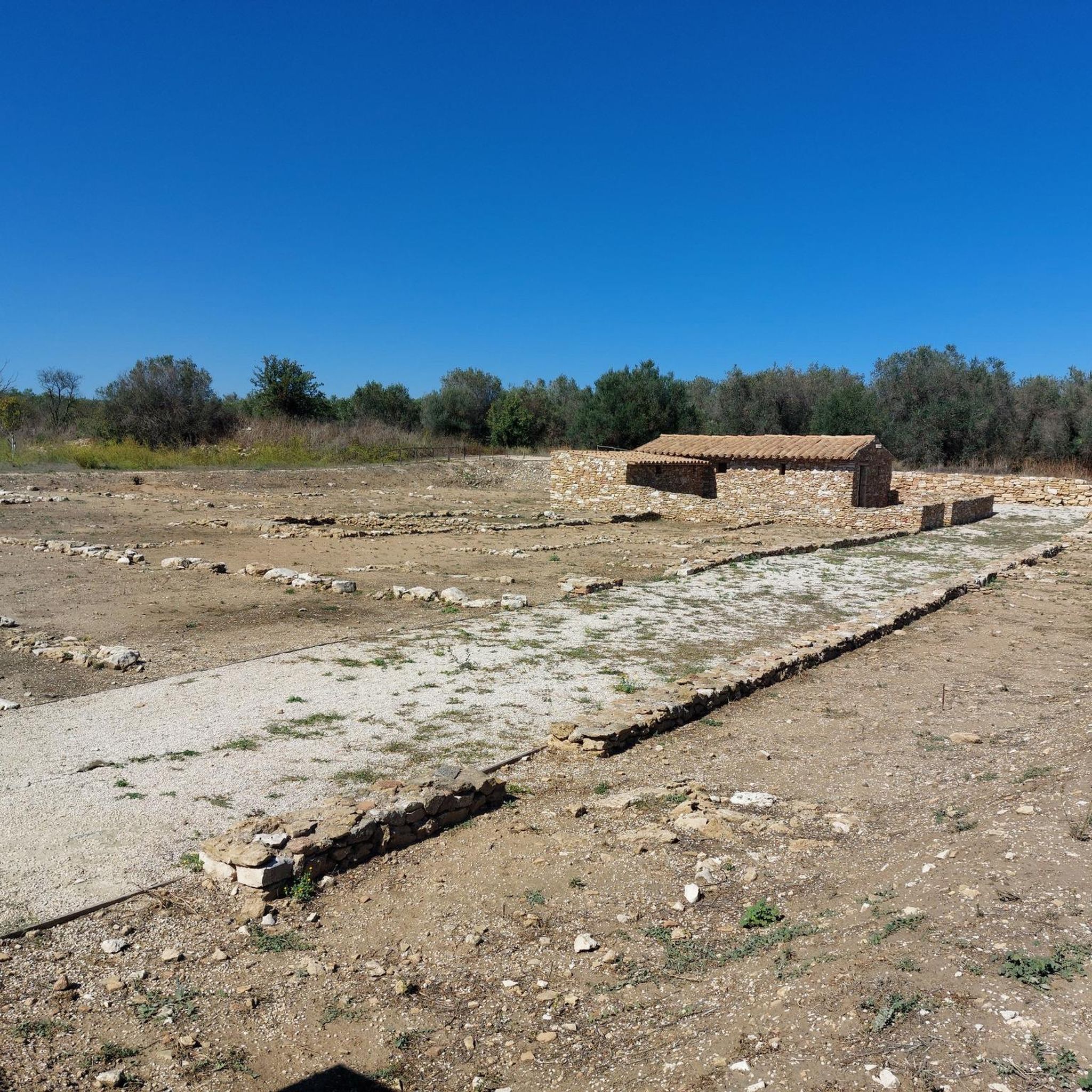
Valesio, a Messapian center, then Greek and subsequently Roman, developed near the "Infocaciucci" navigable canal, which was navigable at the time. The city walls, built between the 6th and 3rd centuries BC, were more than 3 km long and more than 4 m high and enclosed a Messapian urban centre. Currently you can freely visit some structures referable to a Roman thermal plant built at the beginning of the 4th century near the "mutatio" (changing of horses) station located on the Via Traiano-Calabra.
0
0

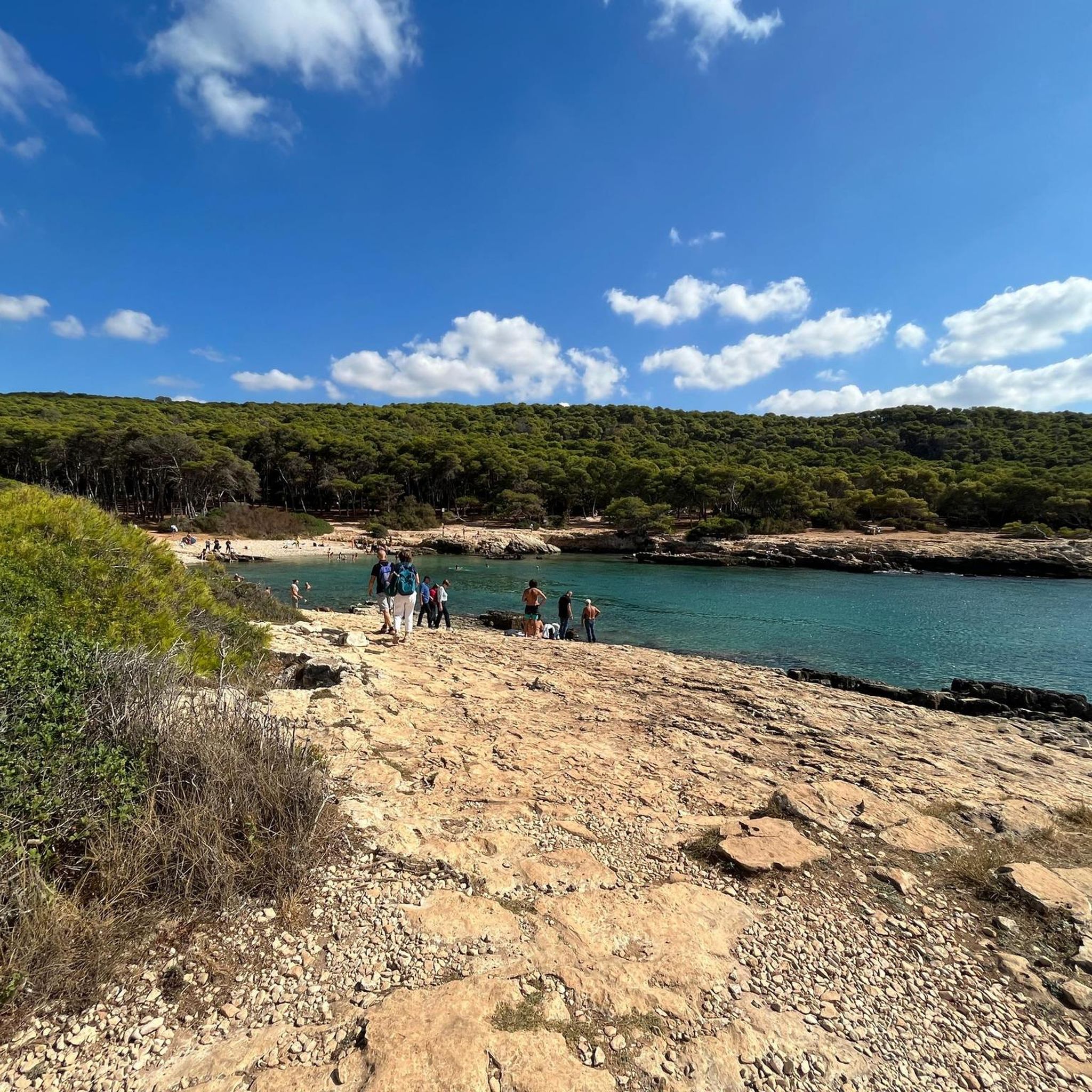
The Bosco Preti is a small woodland of approximately 2 hectares of cork oaks. A 1995 study reports that the forest had an area of 15.69 hectares.
1
0

Monteruga village, a completely abandoned ghost village
0
0

Farm and now abandoned village where you can breathe the past and the peasant life of not many decades ago. To be crossed in strict silence. (maxrampichino)
0
0

Focara lights up because a painting of Sant'Antonio abate was found in the cave under the church, the church was built at the end of the 1800s by a family out of devotion to Sant'Antonio da Padova in memory of their son who died prematurely. the area is full of rock caves of Basilian and then Franciscan friars. In San Pancrazio, focarottes have always been lit in honor of Sant'Antonio Abate.
0
0

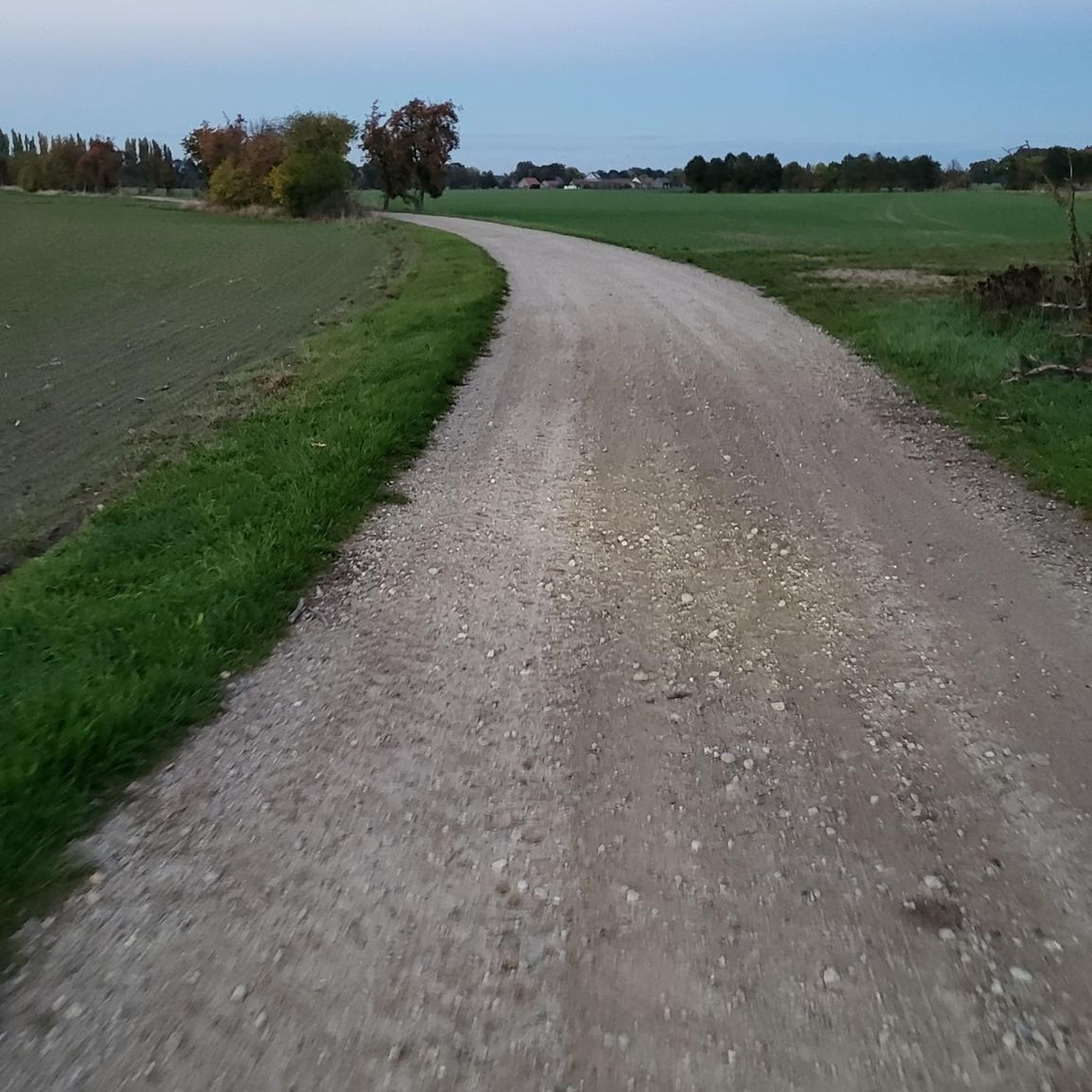
If you go to visit Monteruga I recommend you explore the dirt roads that surround it which being red lands are beautiful and full of descents and climbs
1
0

It is accessible to all
1
0
Frequently Asked Questions
What historical sites can I visit in San Donaci?
San Donaci offers a rich historical heritage. You can explore the ancient Archaeological Site of the Valesio Baths on the Via Francigena, which features structures from a Roman thermal plant built in the 4th century. Other notable historical landmarks include the 16th-century Torre Mattarelle, the Tempietto di San Miserino (an early Christian place of worship), and the ancient Limitone dei Greci.
Are there any natural areas to explore near San Donaci?
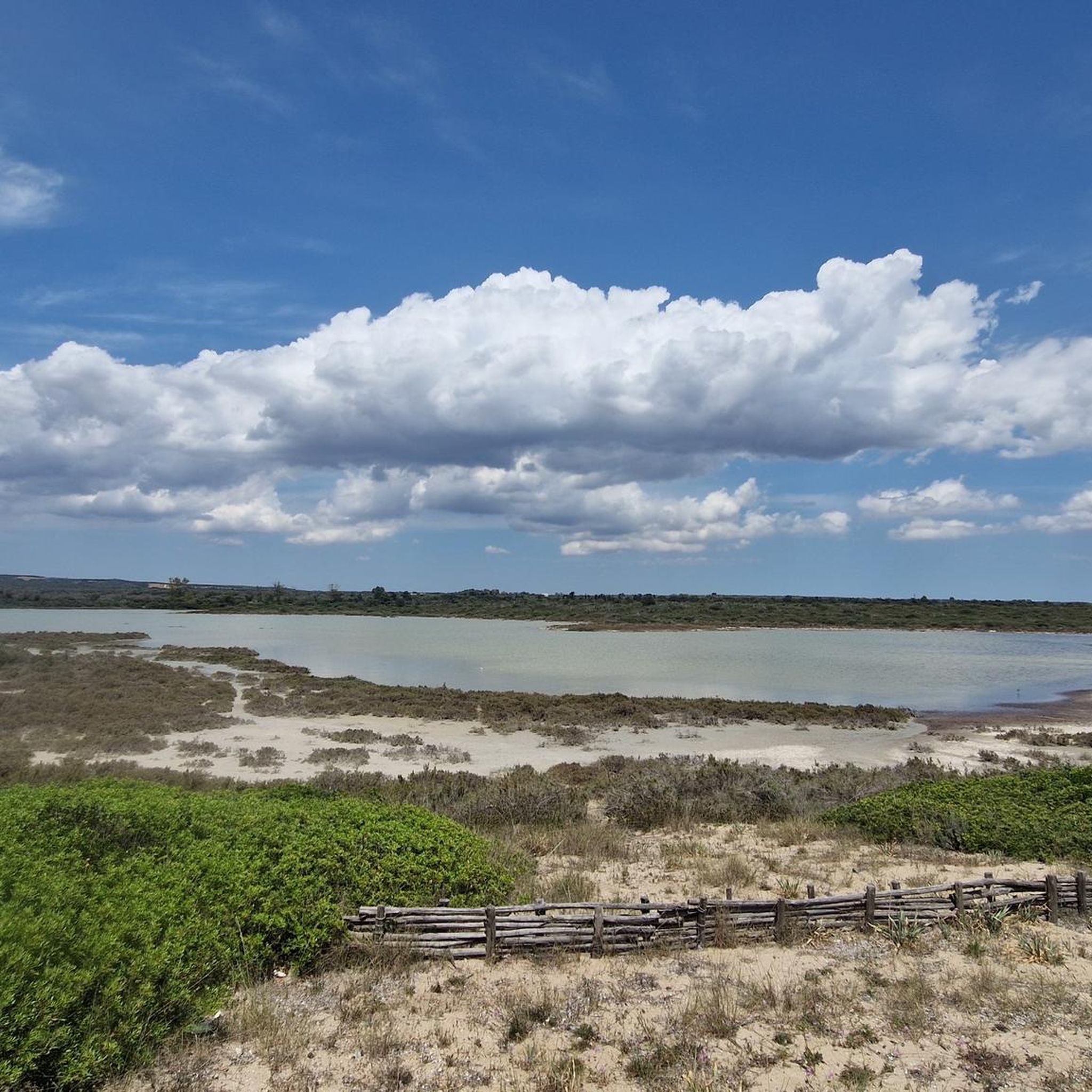
Yes, San Donaci is recognized for its interesting natural landscape. You can visit the Bosco Preti, a small woodland of cork oaks. Additionally, the "Li Paduli" marsh basin is a significant natural feature, providing a valuable habitat for migratory birds.
What kind of outdoor activities can I do around San Donaci?
The area around San Donaci offers various outdoor activities. You can find dedicated routes for mountain biking, road cycling, and running. For instance, there are several MTB Trails around San Donaci, Road Cycling Routes around San Donaci, and Running Trails around San Donaci.
Are there family-friendly attractions in San Donaci?
Yes, the XC Sant'Antonio MTB Circuit is considered family-friendly, offering a short but engaging ride through a small wood. The Bosco Preti is also a nice green lung where families can enjoy some time outdoors.
Where can I find trails for mountain biking near San Donaci?
For mountain biking enthusiasts, the XC Sant'Antonio MTB Circuit is a popular spot. It's a short but demanding circuit with jumps and winding curves. You can find more options and routes in the MTB Trails around San Donaci guide.
What are some unique or less-known places to see?
A unique place to visit is the Sanctuary of Monteruga. This abandoned village, though privately owned and with inaccessible buildings, offers a glimpse into the past and peasant life, making it a notable and atmospheric place to explore from the outside.
What is the best time of year to visit San Donaci attractions?
San Donaci, located in Alto Salento, generally enjoys a Mediterranean climate. Spring (April-May) and Autumn (September-October) are often ideal for exploring historical sites and natural areas, as the weather is pleasant for outdoor activities without the intense summer heat.
Are there any religious sites of interest in the area?
Yes, San Donaci has several religious sites. The Sanctuary of Saint Anthony alla Macchia is a notable religious building with a mystical surrounding area, including rock caves. The Chiesa Madre di Santa Maria Assunta, built in 1899, and the older Church of Madonna delle Grazie (now a cemetery chapel) are also significant.
Can I find places for running near San Donaci?
Absolutely. There are several running trails available, such as the 'The pine forest and the Sanctuary of Sant'Antonio alla Macchia – loop run from San Pancrazio Salentino' and 'Bosco di Sant'Antonio loop from San Pancrazio Salentino'. You can explore more options in the Running Trails around San Donaci guide.
What are the options for road cycling around San Donaci?
Road cyclists can enjoy routes like the 'Sanctuary of Monteruga – Porto Cesareo loop from Salice-Veglie' or the 'Copertino Castle – Sanctuary of Monteruga loop from Salice-Veglie'. These routes offer varying distances and moderate difficulty. Find more details in the Road Cycling Routes around San Donaci guide.
What is the Tempietto di San Miserino?
The Tempietto di San Miserino is considered one of the oldest early Christian places of worship in the province, dating back to between the 6th and 8th centuries. It is believed to have been built on the ruins of a Roman villa and features an octagonal plan with a dome. Traces of red plaster and a mosaic floor can still be seen inside.
What is the Torre Mattarelle?
Torre Mattarelle is a 16th-century tower, constructed in 1567. It is strategically located and offers beautiful panoramic views of the coastline. Its square, pyramidal trunk shape and unique architectural elements make it a notable historical structure in the region.
Are there any ancient defensive structures nearby?
Yes, near the Tempietto di San Miserino, you can find the Limitone dei Greci. This ancient communication road also served as a fortified defense line during the Byzantine era, marking the boundary of Byzantine territories.
Most popular attractions around San Donaci

Get inspired with the komoot mobile app


Explore more
Still not found the Highlight you’re looking for? See guides of the top attractions in other regions:
