The best running trails around Issogne
4.4
(25)
2,085
runners
128
runs
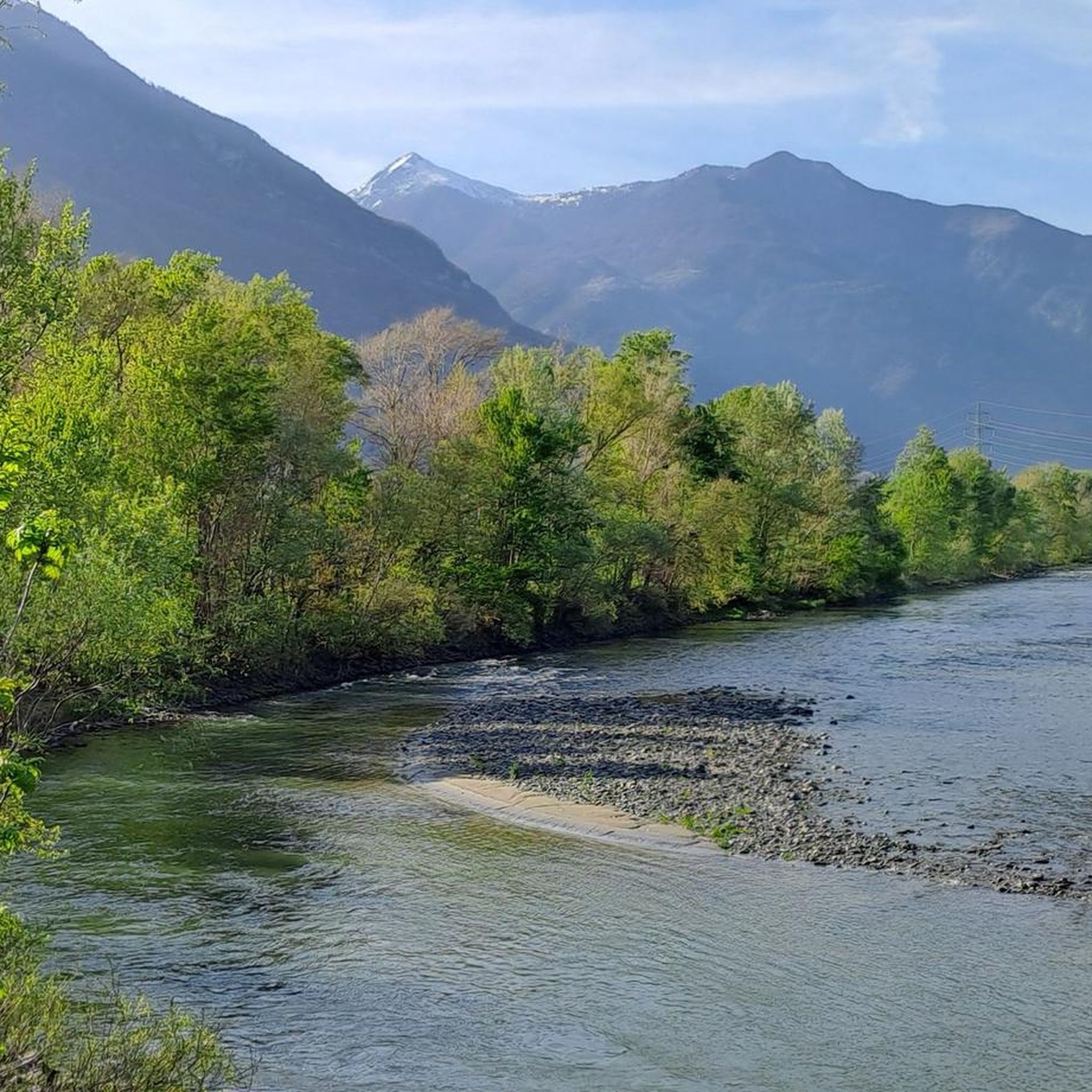
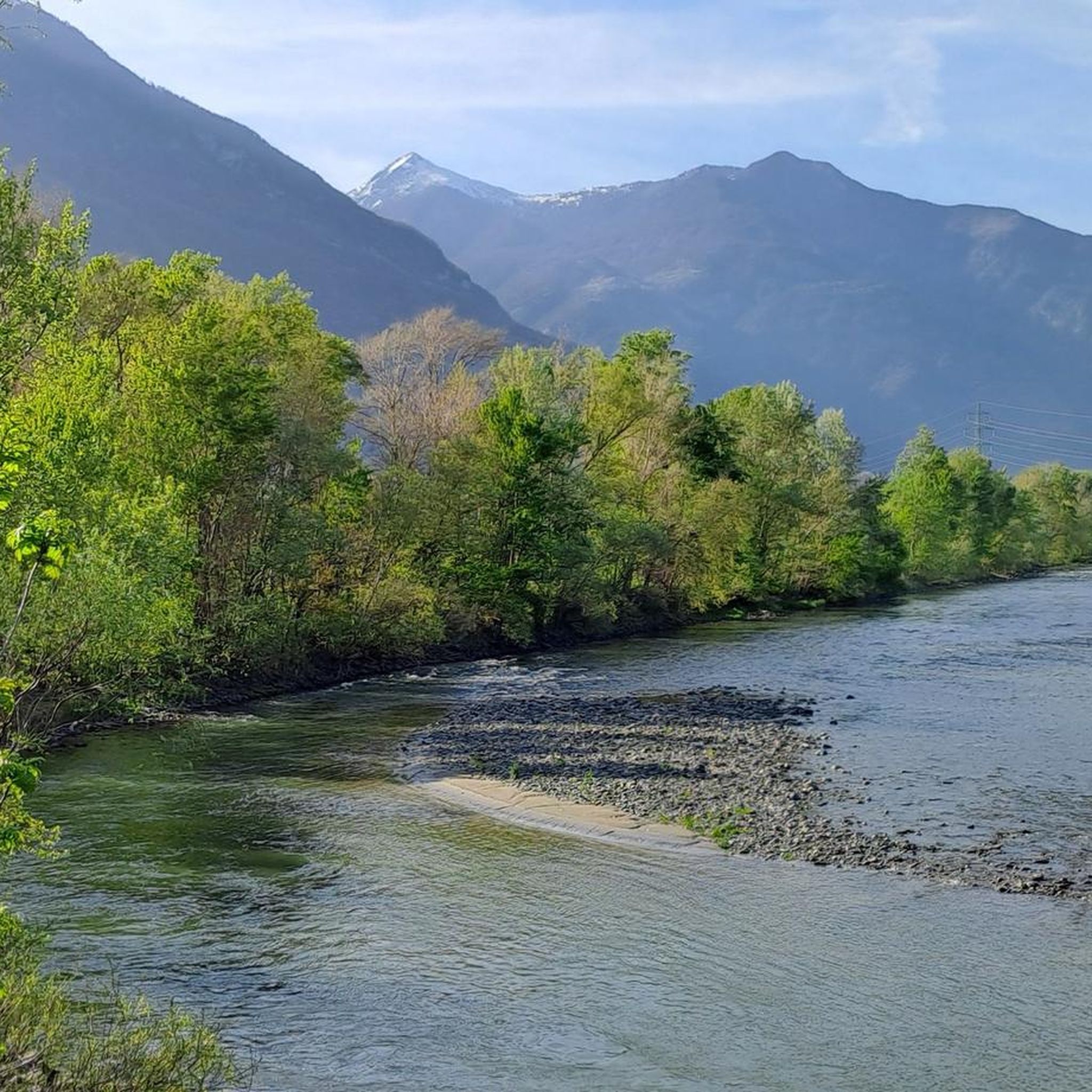
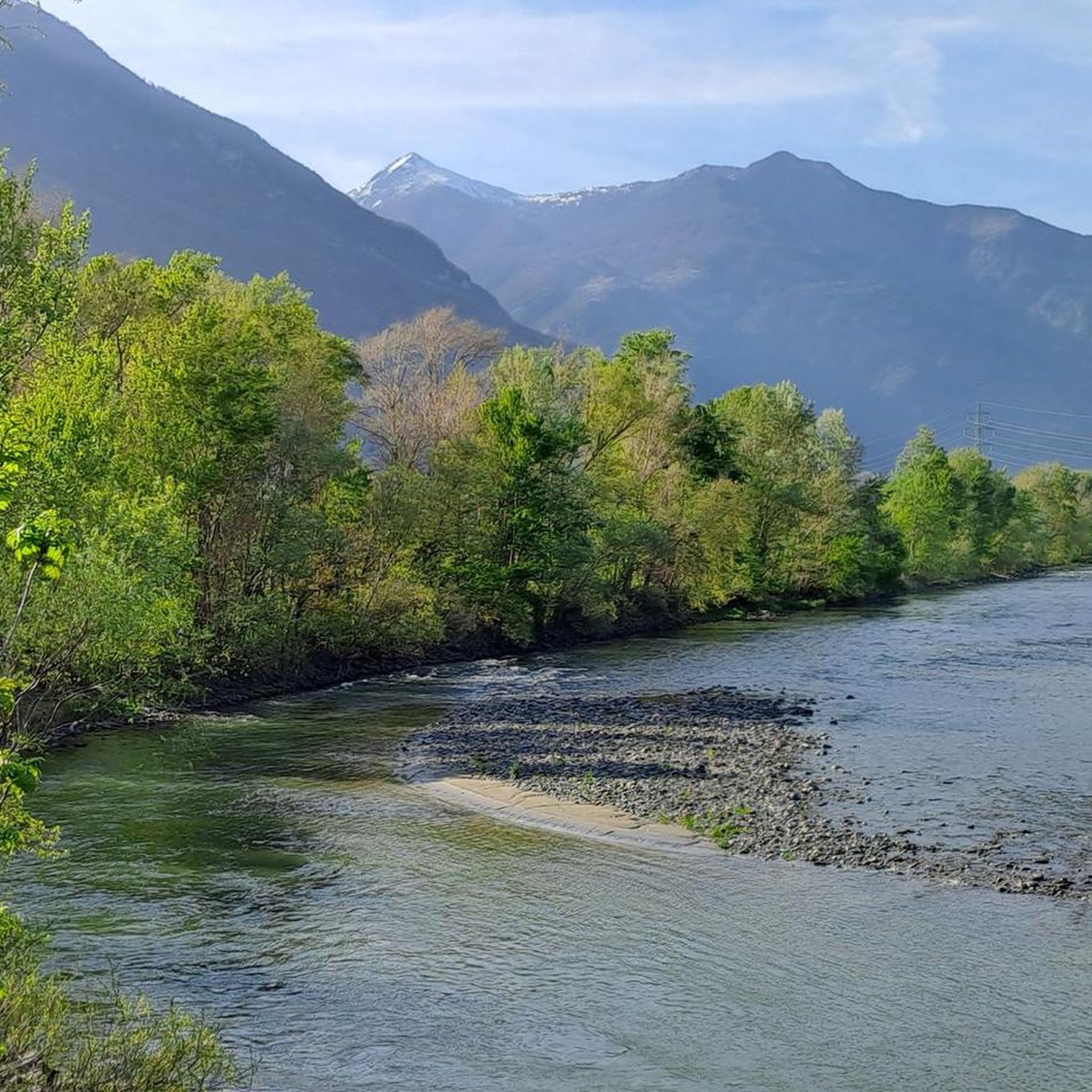
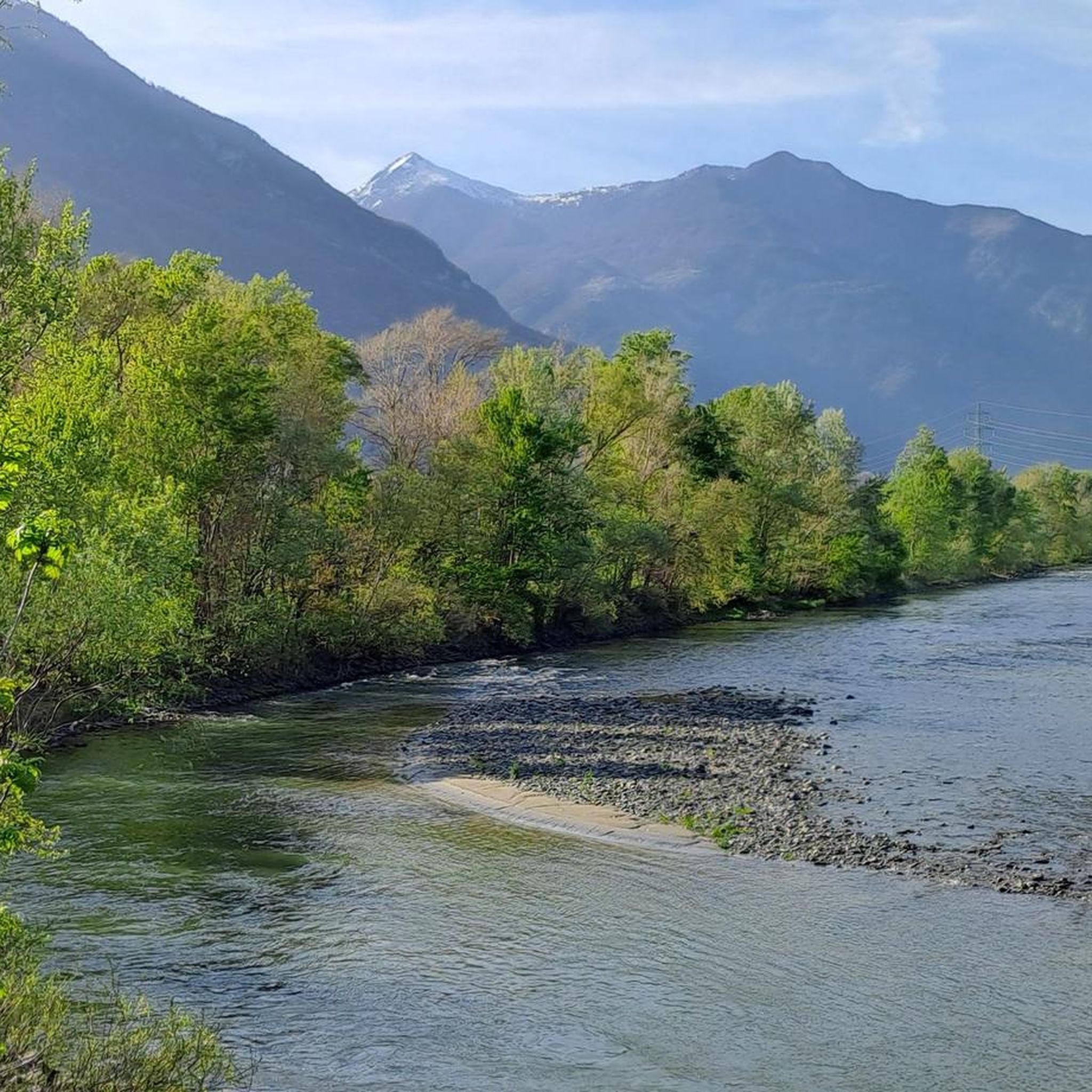
Jogging routes around Issogne traverse the scenic Aosta Valley, characterized by its historic castles, river valleys, and varied elevation changes. The region offers a mix of paths along waterways and routes that climb into the surrounding hills, providing diverse running experiences. Terrain can range from paved sections near villages to more natural trails through woodlands and open areas.
Best jogging routes around Issogne
- The most popular jogging route is Echallod Stone Bridge – Issogne Castle loop from Verrès, an…
Last updated: May 24, 2026
5.0
(1)
98
runners
24.0km
03:34
1,130m
1,130m
Hard run. Very good fitness required. Sure-footedness, sturdy shoes and alpine experience required.
27
runners
16.3km
01:43
160m
160m
Hard run. Very good fitness required. Mostly paved surfaces. Suitable for all skill levels.

Sign up for free
21
runners
13.9km
01:26
60m
60m
Moderate run. Good fitness required. Mostly paved surfaces. Suitable for all skill levels.
19
runners
14.5km
01:31
100m
100m
Moderate run. Good fitness required. Mostly paved surfaces. Suitable for all skill levels.
12
runners
8.47km
00:58
230m
230m
Moderate run. Good fitness required. Mostly paved surfaces. Suitable for all skill levels.
Get access to more routes and recommendations from other explorers.
Sign up for free
Already have an account?
Our route recommendations are based on thousands of hikes, rides, and runs completed by other people on komoot.
Start today with a free account
Your next adventure awaits.
Login or Signup

Tips from the Community

While traveling along the Via Francigena, on the stretch from Arnad to Bard, you cross this characteristic three-arched pedestrian bridge. On the left orogr. area with a bench for rest.
1
0

The Ponte di Echallod is a picturesque pedestrian bridge in the Aosta Valley region. This stone bridge, which has been restored several times over the centuries, connects the upper and lower parts of the village of Echallod with other villages in the municipality of Arnad. The Ponte di Echallod is a classic example of 18th-century architecture. It is built with stone and mortar. The bridge has three arches with buttresses and has a symmetrical shape. It is located along the path of the old Via Francigena, which comes from Verrès and heads towards Bard and Donnas.
6
0
The Castello di Issogne is one of the most famous castles in the Aosta Valley and is known for its Renaissance style that contrasts with the nearby, more austere Castello di Verrès. The castle has a remarkable courtyard with a fountain in the shape of a pomegranate tree and a colorful portico, a rare example of medieval Alpine painting, with frescoes depicting scenes from everyday life in the late Middle Ages. The castle's history dates back to a papal bull in 1151, and it has a rich history that includes its transformation from an episcopal fortress into an elegant princely residence. The castle is open to visitors and offers a unique look at the culture and architecture of the region.
6
0
The Castello di Verrès is an impressive medieval castle in the Aosta Valley, built in the 14th century by Yblet de Challant. The castle is known for its unique monolithic structure, which resembles a solid cube and differs from most other castles of the time which consisted of multiple buildings within a walled enclosure. Dominating the town of Verrès and the entrance to the Val d'Ayas, the castle has a military character that merges with elegant stone details that adorn the windows, doors and monumental mantelpieces. The castle has no corner towers nor a keep.
6
0

The castle of Issogne stands a short distance from the Dora Baltea: a Roman villa, a robust stronghold owned by the bishop, a medieval manor, a refined stately home that testifies to the power and wealth of the Challant family, and a dream castle for Vittorio Avondo. The external appearance, severe and modest, hides centuries of history and magnificent masterpieces inside. From the courtyard with the coats of arms to the lunettes of the atrium, from the lush garden to the pomegranate fountain, it represents a triumph of late Gothic art, in the transition period between the end of the Middle Ages and the beginning of the Renaissance. Here every detail tells the story of Prior George of Challant, refined promoter of the architectural modifications and decorations that give the castle a uniqueness in the medieval figurative culture of the Alpine regions.
0
0

In Turin in the medieval castle there is a copy of the pomegranate from the Issogne castle.
1
0

The Echallod bridge is a stone footbridge, among the most picturesque in the Aosta Valley. Restored several times over the centuries, it connects the hamlets of Echallod superiore and inferiore to the other villages of the municipality of Arnad, located on the left orographic side of the Dora Baltea river. The symmetrical donkey-back structure rests on three arches supported by robust buttresses. On the right abutment, there is a small shrine to protect travelers. It is crossed on foot by following the Cammino Balteo hiking trail (stage 22), which here overlaps with the Via Francigena route.
2
0
The History Initially the domain of the Bishops of Aosta, ownership later passed into the hands of the Challant family. Over time, the existing buildings were enlarged and joined together, leading to the radical transformation that took place between around 1490 and 1510 by Giorgio di Challant, prior of Sant’Orso, who made it a sumptuous residence for his cousin Margherita de La Chambre and her son Filiberto. It was then that the castle took on its current appearance, becoming a single horseshoe-shaped palace, overlooking a large courtyard and an Italian garden, on whose high boundary wall important figures and heroes were painted; the ground floor portico was adorned with a series of frescoed lunettes depicting scenes of daily life and representations of workshops, while in the center of the courtyard rose the famous wrought-iron fountain known as the Pomegranate Fountain, a symbol of prosperity. Also during that period, many interior rooms were decorated with frescoes, both in the reception areas, such as the Hall of Justice or the Chapel, and in the more private rooms, including the oratories of Margherita de La Chambre or Giorgio di Challant. After the splendors of the 16th century, the residence began a progressive decline and in 1872 was sold at public auction: purchased by the Turin painter Vittorio Avondo, it became the subject of a careful restoration campaign that restored its ancient splendor. Donated to the State in 1907, today the castle belongs to the Autonomous Region of Valle d’Aosta and presents some elements of the original furniture and other furnishings redone at the end of the 19th century, which, together with numerous domestic objects, recreate the late 15th-century setting desired by Avondo. The Visit Upon entering the palace, one finds oneself in the courtyard, surrounded by buildings on whose walls are depicted the coats of arms of the Challant family and those related to it. Passing the pomegranate fountain, one proceeds towards the entrance hall: the frescoes in the lunettes of the portico realistically depict the daily life of the village, showing the guardhouse, the butcher's and baker's shops, the fruit and vegetable market, the tailor, the apothecary, and the grocer. Subsequently, the visit proceeds to the interior of the castle: on the ground floor, the dining room, the kitchen, and the baronial hall, where one can admire a beautiful stone fireplace bearing the Challant coat of arms flanked by a lion and a griffin on its hood, paintings on the wooden ceiling beams, and walls frescoed with landscapes, hunting scenes, and the Judgment of Paris; on the first floor, the chapel, with finely decorated ogival vaults, with frescoes on the walls and with the Gothic carved and gilded wooden altar adorned with a Flemish triptych, and the Countess's chamber, with the oratory decorated with paintings; on the second floor, the room known as the "King of France's room", with a coffered ceiling decorated with fleurs-de-lis and a fireplace bearing the shield of the French Valois dynasty on its hood, and the one known as the "Knights of Saint Maurice" with a beautiful coffered ceiling on which the cross of this order is painted. At a short distance from the castle, the ruins of the dovecote still stand. The Avondo Apartment Since 2018, an emotional exhibition dedicated to Vittorio Avondo, the illustrious owner of the castle of Issogne, enhances and enriches the castle's offering by highlighting its late 19th-century history with a series of panels, multimedia solutions, and elements of poetic suggestion. Born in Turin in 1836 and dedicated to painting from a young age, Avondo is considered one of the best representatives of 19th-century Piedmontese landscape painting. After a period spent in Rome, where he painted mainly landscapes of the Roman countryside with a naturalistic inspiration, he dedicated himself to the study of ancient art and in 1865 oversaw the reorganization of the Bargello Museum in Florence. He subsequently returned to Turin, where from 1891 he held the position of director of the Civic Museum. The purchase and restoration, together with Alfredo D’Andrade, of the castle of Issogne allowed him to expand his skills and collections of medieval art, which led him to collaborate with D’Andrade himself on the construction of the Borgo medieval in Turin (1884).
2
0
Frequently Asked Questions
How many running routes are available around Issogne?
Issogne offers a wide selection of running routes, with over 100 trails available for exploration. These routes cater to various fitness levels, ranging from easy strolls to challenging runs through the Aosta Valley.
Are there easy running routes suitable for beginners in Issogne?
Yes, Issogne has several easy running routes perfect for beginners or those looking for a relaxed jog. While many routes involve varied elevation, there are options that stick to flatter sections, particularly along river valleys. You can find 5 routes specifically classified as easy.
What are the typical distances of running routes in Issogne?
Running routes in Issogne vary significantly in length. You'll find shorter loops, such as the Running loop from Arnad at about 4.5 miles (7.3 km), as well as longer, more challenging trails like the Fort Bard – Roman Arch and Road in Donnas loop from Verres, which spans nearly 19.6 miles (31.6 km).
Are there family-friendly running paths in Issogne?
Many of the less strenuous routes along the valley floor or near villages can be suitable for families. These often feature relatively flat terrain and offer opportunities to enjoy the scenery without significant climbs. Look for routes with lower elevation gain for a more family-friendly experience.
Can I bring my dog on the running trails around Issogne?
Generally, dogs are welcome on many trails in the Aosta Valley, provided they are kept on a leash, especially in populated areas or near livestock. It's always best to check local regulations for specific routes or protected areas, but most natural trails are dog-friendly.
When is the best time of year to go running in Issogne?
The spring and autumn months are ideal for running in Issogne, offering pleasant temperatures and vibrant scenery. Summer can be warm, especially at lower elevations, so early mornings or late evenings are recommended. Winter running is possible, particularly on cleared paths, but higher elevation routes may be snow-covered.
Are there circular running routes in Issogne?
Yes, many of the popular running routes in Issogne are designed as loops, allowing you to start and finish at the same point. Examples include the Echallod Stone Bridge – Issogne Castle loop from Verrès and the Issogne Castle – Verrès Castle loop from Verres, which offer convenient circular options.
What can I see along the jogging routes in Issogne?
Issogne's running routes are rich in historical and natural sights. You can expect to see impressive castles like Issogne Castle and Verrès Castle, ancient Roman roads, and scenic river valleys. For natural beauty, explore nearby waterfalls such as Arlaz Waterfall, or enjoy views of the surrounding mountain peaks.
Are there any viewpoints or scenic spots on the running trails?
Absolutely. The varied terrain of Issogne means many routes offer stunning vistas of the Aosta Valley, its historic architecture, and the towering Alps. While specific viewpoints depend on the route, trails climbing into the hills often provide panoramic views. For example, the View from Colle du Lac Blanc is a notable highlight in the broader region.
What do other runners enjoy most about jogging in Issogne?
The running trails around Issogne are highly rated by the komoot community, with an average score of 4.2 stars from over 20 reviews. Runners often praise the unique combination of historical landmarks, such as the castles and ancient roads, with the beautiful natural landscapes of the Aosta Valley. The diverse terrain, offering both riverside paths and challenging climbs, is also a frequently mentioned highlight.
Are there running routes that pass by historical sites?
Yes, Issogne is renowned for its historical significance, and many running routes incorporate ancient landmarks. For instance, the Echallod Stone Bridge – Issogne Castle loop from Verrès connects historical castles, while the Fort Bard – Roman Arch and Road in Donnas loop from Verres takes you past Fort Bard and along ancient Roman roads.
What is the difficulty level of running routes in Issogne?
The running routes in Issogne offer a good mix of difficulty levels. You'll find 5 easy routes, 22 moderate routes, and 74 difficult routes. This variety ensures that both casual joggers and experienced trail runners can find suitable challenges, from flat valley paths to more demanding ascents into the hills.
Most popular attractions around Issogne

Get inspired with the komoot mobile app


Explore more
Browse the best Running Trails & Routes in other regions.
