The best cycling routes around Issogne
4.4
(179)
3,137
riders
99
rides
Touring cycling routes around Issogne are situated within Italy's Aosta Valley, characterized by a blend of historical sites and natural landscapes. The region features routes along the Dora Baltea river, through vineyards, and past castles, with options extending to more challenging climbs towards alpine passes. Terrain varies from accessible valley floors to routes with significant elevation changes, offering diverse experiences for cyclists.
Best touring cycling routes around Issogne
- The most popular touring cycling route is Dora Baltea Cycle Path: Verrès…
Last updated: July 4, 2026
3.0
(1)
1
riders
10.9km
00:47
100m
100m
This easy 6.8-mile touring cycling route along the Dora Baltea river offers scenic views, charming villages, and historical landmarks.
3.5
(4)
133
riders
78.5km
06:42
2,710m
2,710m
Hard bike ride. Very good fitness required. Mostly paved surfaces. Suitable for all skill levels.

Sign up for free
4.7
(3)
46
riders
61.0km
04:14
990m
990m
Hard bike ride. Very good fitness required. Mostly paved surfaces. Suitable for all skill levels.
54
riders
46.8km
03:44
1,270m
1,270m
Hard bike ride. Very good fitness required. Mostly paved surfaces. Suitable for all skill levels.
22
riders
129km
09:13
2,380m
2,380m
Hard bike ride. Very good fitness required. Mostly paved surfaces. Suitable for all skill levels.
Get access to more routes and recommendations from other explorers.
Sign up for free
Already have an account?
Our route recommendations are based on thousands of hikes, rides, and runs completed by other people on komoot.
Start today with a free account
Your next adventure awaits.
Login or Signup

Tips from the Community

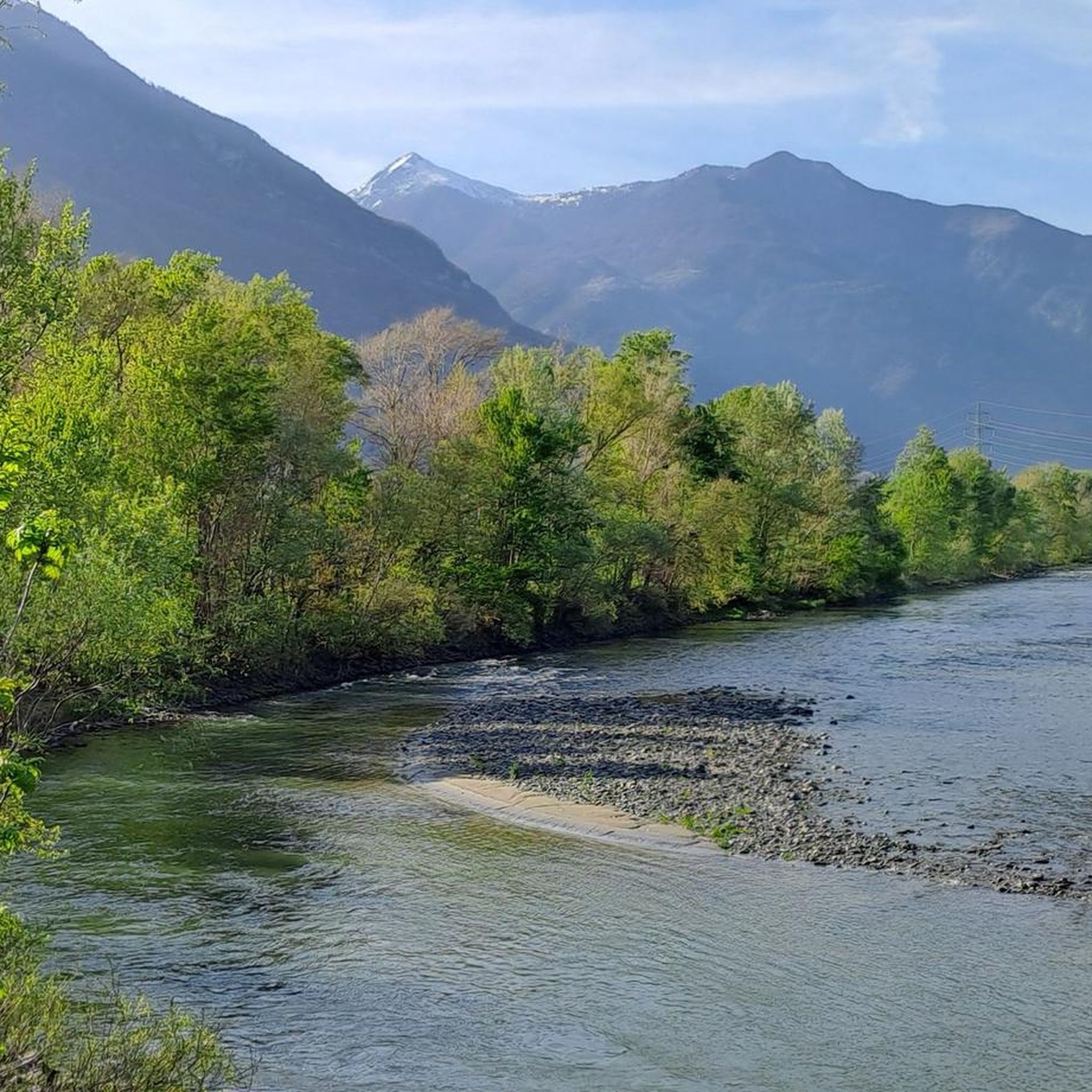
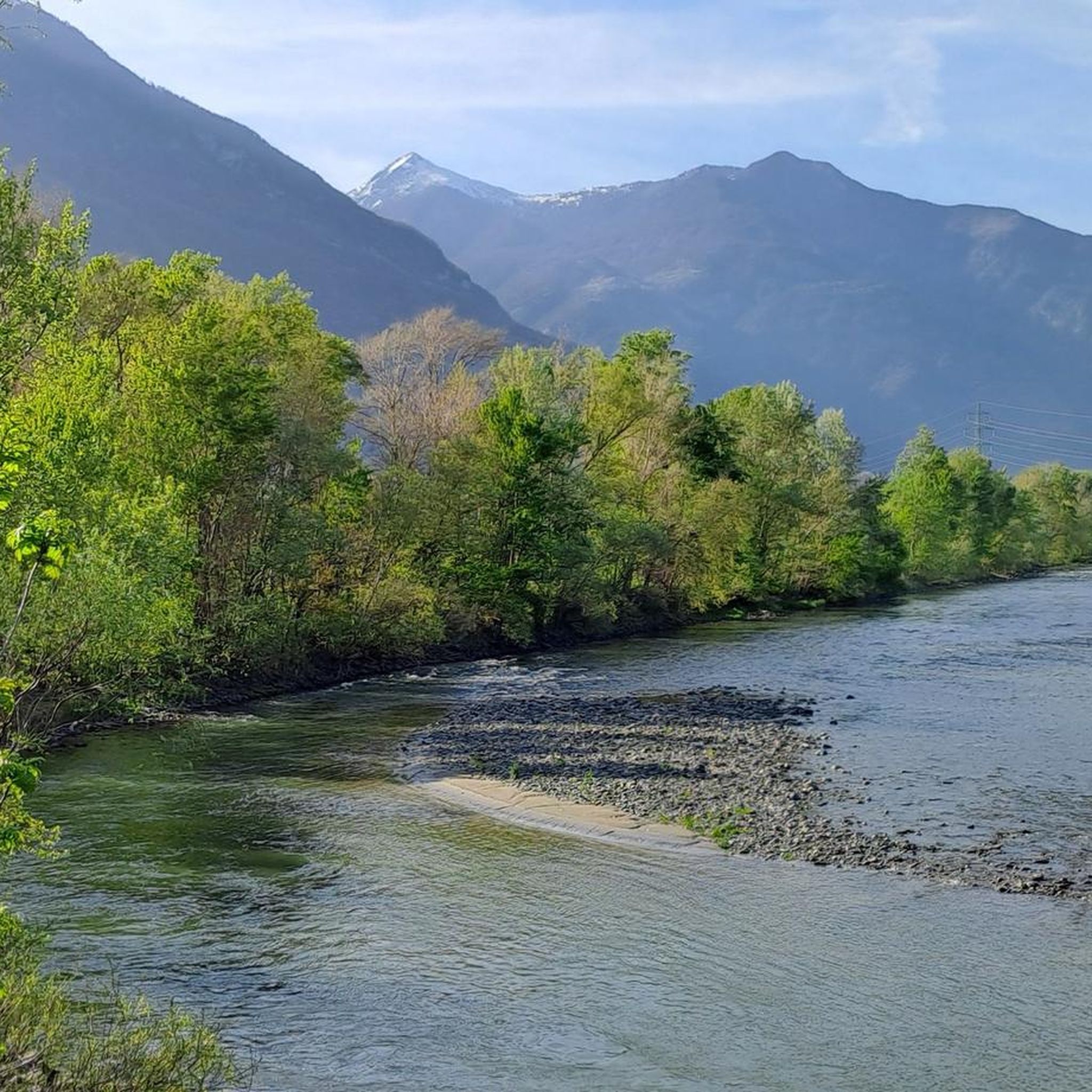
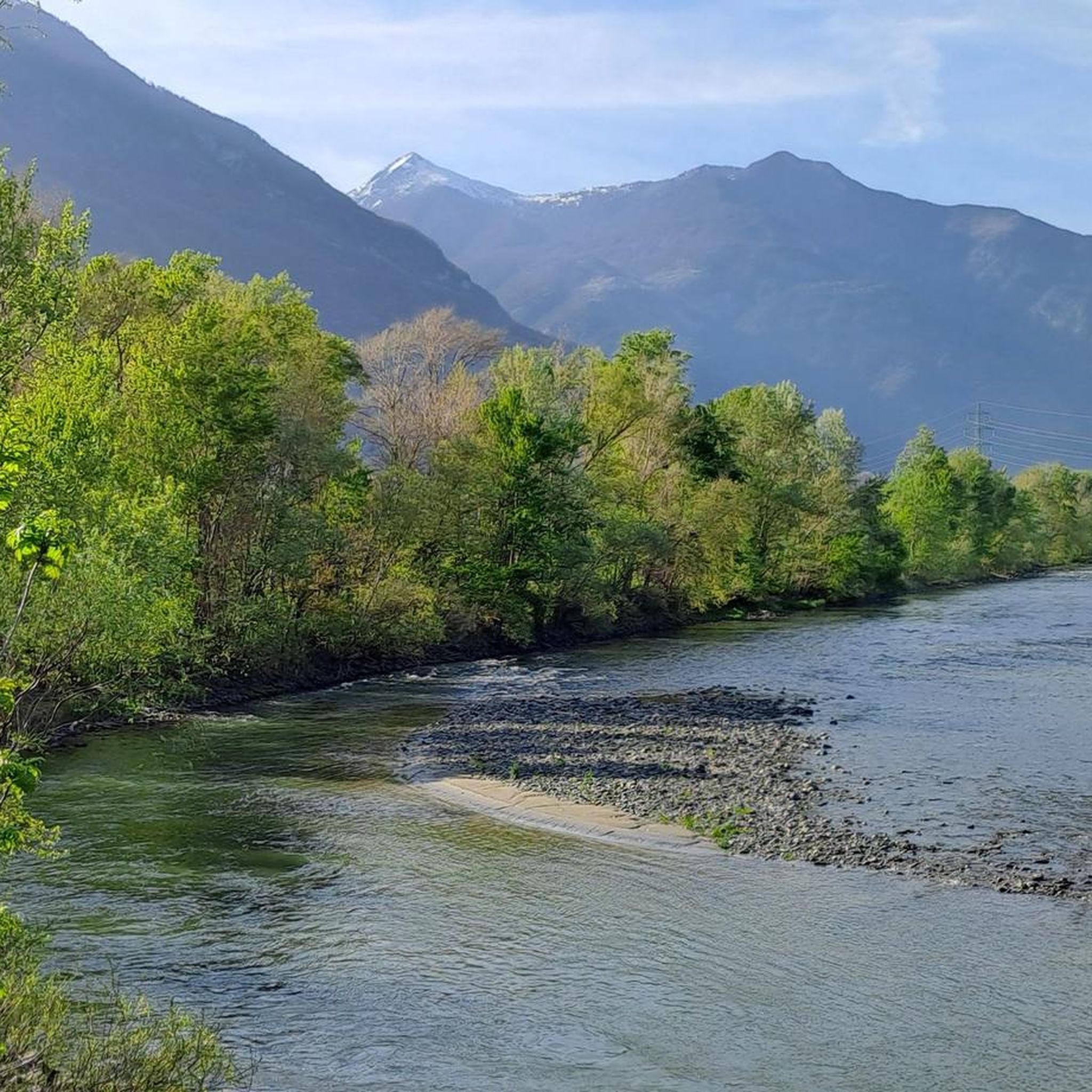
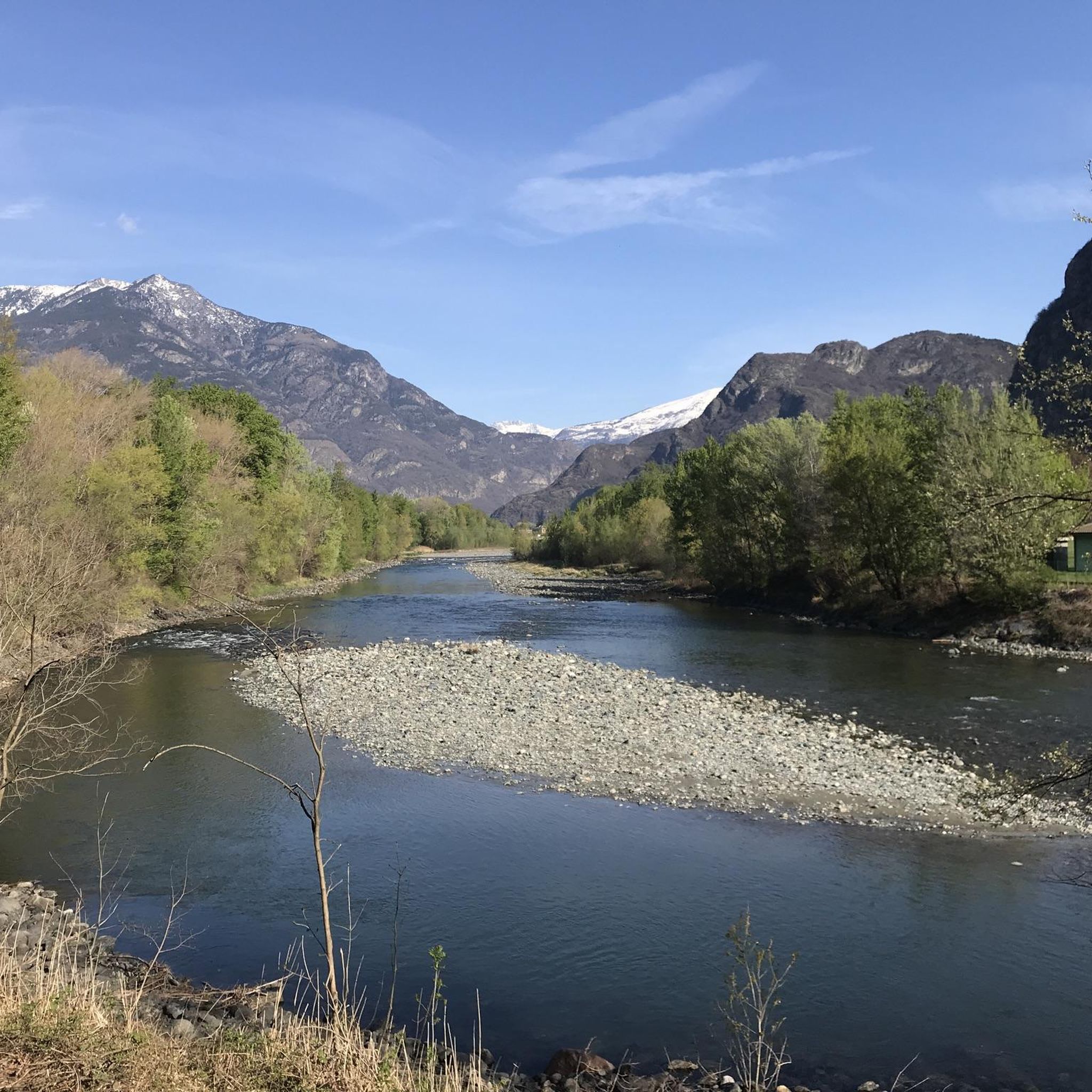
The Forte di Bard seen from the bridge over the Dora Baltea river offers one of the most iconic and photographed views in the Aosta Valley. This spectacular perspective captures the imposing, craggy fortress that dominates the village below and the river waters.
0
0

Brusson is a renowned mountain resort, renowned for its tranquil atmosphere and Alpine landscapes. Its heart is the lake, an easily accessible body of water perfect for relaxing walks, picnics, and outdoor activities. In winter, the town becomes a hub for cross-country skiing.
1
0

The first few kilometres starting from Andrate are on a dirt road that is not very smooth in some sections.
1
0
very beautiful hill with slopes around 10%
0
0


Beautiful bridge connecting Hone to Bard. Magnificent view of the fort.
2
0

Always interesting glimpses😜
0
0

The castle of Saint-Germain was built between the 11th and 12th centuries by the De Mongioveto family, probably to control the road below and to convince travellers to pay them a toll. The central keep and a first circle of walls date back to this period, perhaps on a pre-existing structure. In particular, Feidino De Mongioveto seems to have been particularly tenacious and oppressive in demanding the toll, to the point that the Duke of Savoy had the pretext to take over the fortress. The castle did not remain in the Savoy family for long. The fief of Montjovet, and therefore the castle, witnessed the rise of the Challants when in 1295 it became the property of the family. Francesco di Challant, advisor to Duke Amedeo VIII of Savoy, brought the castle back into Savoyard hands in 1438, ceding the castellany of Montjovet with the castle, the lands and the village. Amadeus VIII and his successors contributed to making the castle increasingly efficient by updating it to new military techniques. The new city walls, battery positions, turrets and cannon positions date back to this period. In 1661 the castle was abandoned and artfully demolished to prevent foreign troops from stationing there, at the behest of Charles Emmanuel II of Savoy, while the garrison was transferred to the fort of Bard. At the beginning of the 18th century it finally fell into ruin. Today the castle of Saint-Germain is owned by the Aosta Valley Region.
0
0
Frequently Asked Questions
How many touring cycling routes are available around Issogne?
There are over 80 touring cycling routes in and around Issogne, offering a wide range of experiences. These routes cater to various preferences, from easy rides along the valley floor to more challenging ascents into the alpine passes.
What are the different difficulty levels for touring cycling routes in Issogne?
Issogne offers a diverse range of routes to suit all skill levels. You'll find 10 easy routes, 14 moderate routes, and 59 difficult routes. This variety ensures that both beginners and experienced touring cyclists can find suitable options.
Are there any family-friendly touring cycling routes in Issogne?
Yes, there are several easy routes suitable for families. The region features accessible paths along the Dora Baltea river, often passing through vineyards and past historical sites. These routes typically have less elevation gain, making them enjoyable for all ages.
What natural features and landmarks can I see along the touring cycling routes?
The routes around Issogne offer a blend of historical grandeur and natural beauty. You can cycle past the elegant Issogne Castle, explore paths along the scenic Dora Baltea river, and discover stunning natural lakes like Lake Muffé and Lake Miserin. The Lake Ville Nature Reserve, less than four kilometers from Issogne, is also a beautiful spot to visit, especially when white water lilies bloom between June and July.
Are there any circular touring cycling routes around Issogne?
Yes, many routes are designed as loops, allowing you to start and end in the same location. For example, the Dora Baltea Cycle Path: Verrès - Issogne Loop is an easy option, while the Fort Bard – Echallod Stone Bridge loop from Issogne offers a moderate challenge through historical landmarks.
When is the best time of year to go touring cycling in Issogne?
The best time for touring cycling in Issogne is generally from spring to autumn. Between May and June, you might catch the wild peonies blooming in La Borney Hamlet. The summer months offer pleasant weather for exploring, and the Villa Lake Nature Reserve is particularly beautiful when white water lilies bloom between June and July.
What do other touring cyclists enjoy most about cycling in Issogne?
The touring cycling routes around Issogne are highly rated by the komoot community, with an average score of 4.5 stars from over 120 reviews. Cyclists frequently praise the region's blend of historical sites, such as castles, and the serene natural landscapes, including the Dora Baltea river and picturesque lakes. The variety of terrain, from easy valley rides to challenging alpine ascents, is also a highlight.
Are there any challenging touring cycling routes for experienced cyclists?
Absolutely. For experienced cyclists seeking a challenge, routes like the Issogne Castle – Brusson loop from Verres offer significant elevation gain and panoramic views through wooded passes. Another demanding option is the Andrate – Oropa Sanctuary loop from Verres, which features substantial climbs and descents.
Where can I park my car when starting a touring cycling route in Issogne?
Parking availability varies depending on the specific starting point of your chosen route. Many routes begin in or near towns like Issogne or Verrès, where public parking areas are typically available. For routes accessing higher alpine areas, designated car parks, such as the Dondena car park for Lake Miserin, are often provided.
Can I reach the cycling routes using public transport?
Issogne and the surrounding Aosta Valley region have public transport options that can help you access various starting points for cycling routes. Local bus services connect towns and villages, and some routes may be accessible from train stations in larger nearby centers. It's advisable to check local transport schedules and bike carriage policies in advance.
Are there any easy touring cycling routes suitable for beginners?
Yes, beginners can enjoy several easy touring cycling routes around Issogne. The Dora Baltea Cycle Path: Verrès - Issogne Loop is an excellent choice, covering about 10.9 km with minimal elevation changes, making it perfect for a relaxed ride along the river.
Are there any bike-friendly cafes or accommodation near the touring cycling routes?
The Aosta Valley region, including Issogne, is generally welcoming to cyclists. You'll find various cafes and restaurants in the towns and villages along the routes where you can refuel. Many accommodations in the area are also accustomed to hosting cyclists, often providing secure bike storage or other amenities. It's recommended to check with specific establishments beforehand.
Most popular attractions around Issogne

Get inspired with the komoot mobile app


Explore more
Browse the best Cycling routes in other regions.
