Attractions and Places To See around Alà/Alà Dei Sardi - Top 20
Best attractions and places to see around Alà/Alà Dei Sardi, a village in central-northern Sardinia, offers a blend of ancient history and natural landscapes. Situated on a plateau at nearly 700 meters, it provides views of the Gulf of Olbia and the mountains of Barbagia. The region is characterized by rugged granite elevations, extensive forests, and numerous Nuragic archaeological sites. It is also part of the UNESCO-recognized Tepilora, Rio Posada, and Montalbo Biosphere Reserve.
Best attractions and places to see…
Last updated: July 7, 2026
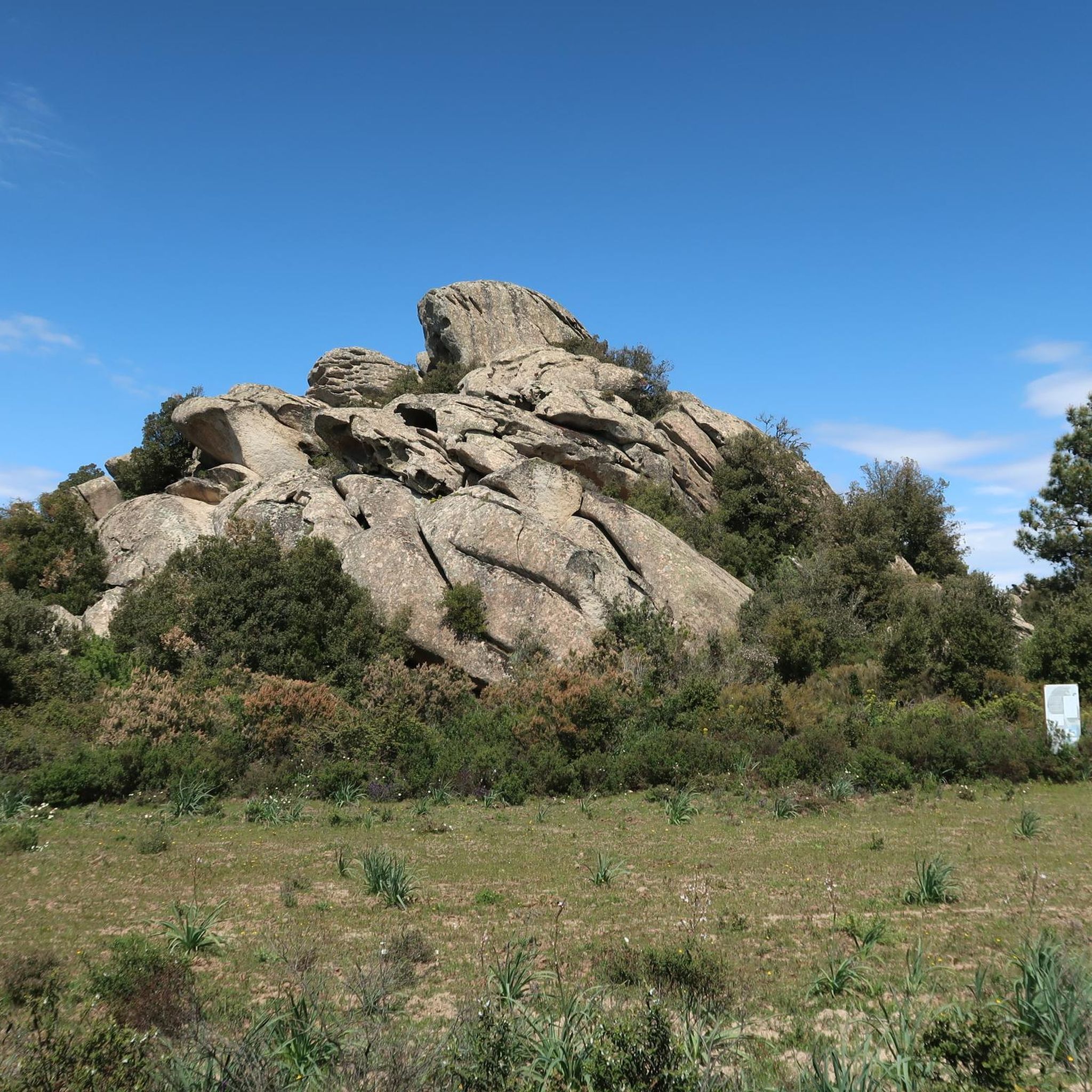
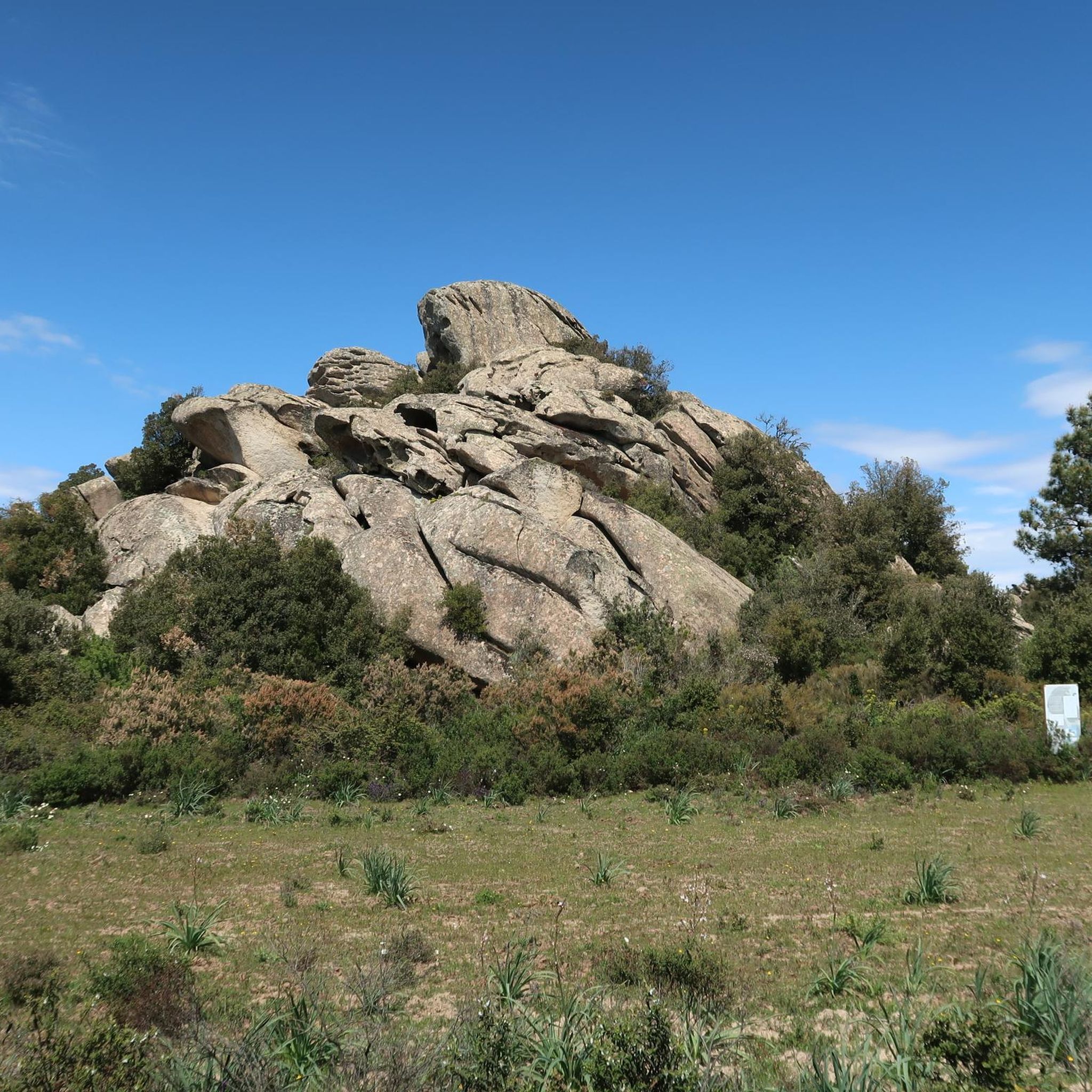
Climb to Pedra Bianca (Alà dei Sardi)
Highlight (Segment) • Climb
Translated by Google •
Tip by

Padru
Highlight • Settlement
Translated by Google •
Tip by

Sign up now to discover places like this
Get recommendations on the best single tracks, peaks, & plenty of other exciting outdoor places.
Sign up for free
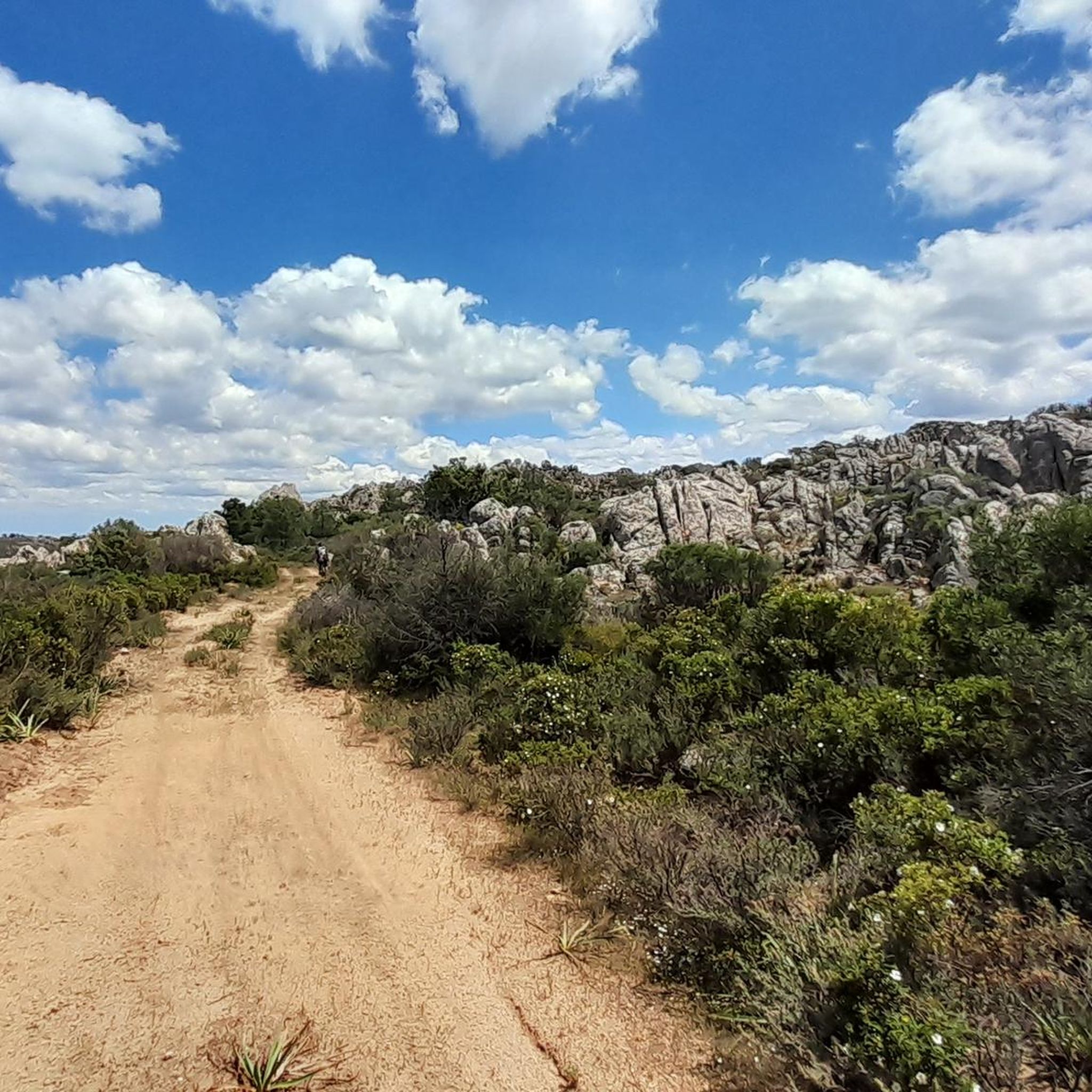
Scenic country road through forest and hills
Highlight (Segment) • Cycleway
Translated by Google •
Tip by

Alà dei Sardi Road – Concas and View of Lake Maccheronis
Highlight (Segment) • Cycleway
Translated by Google •
Tip by

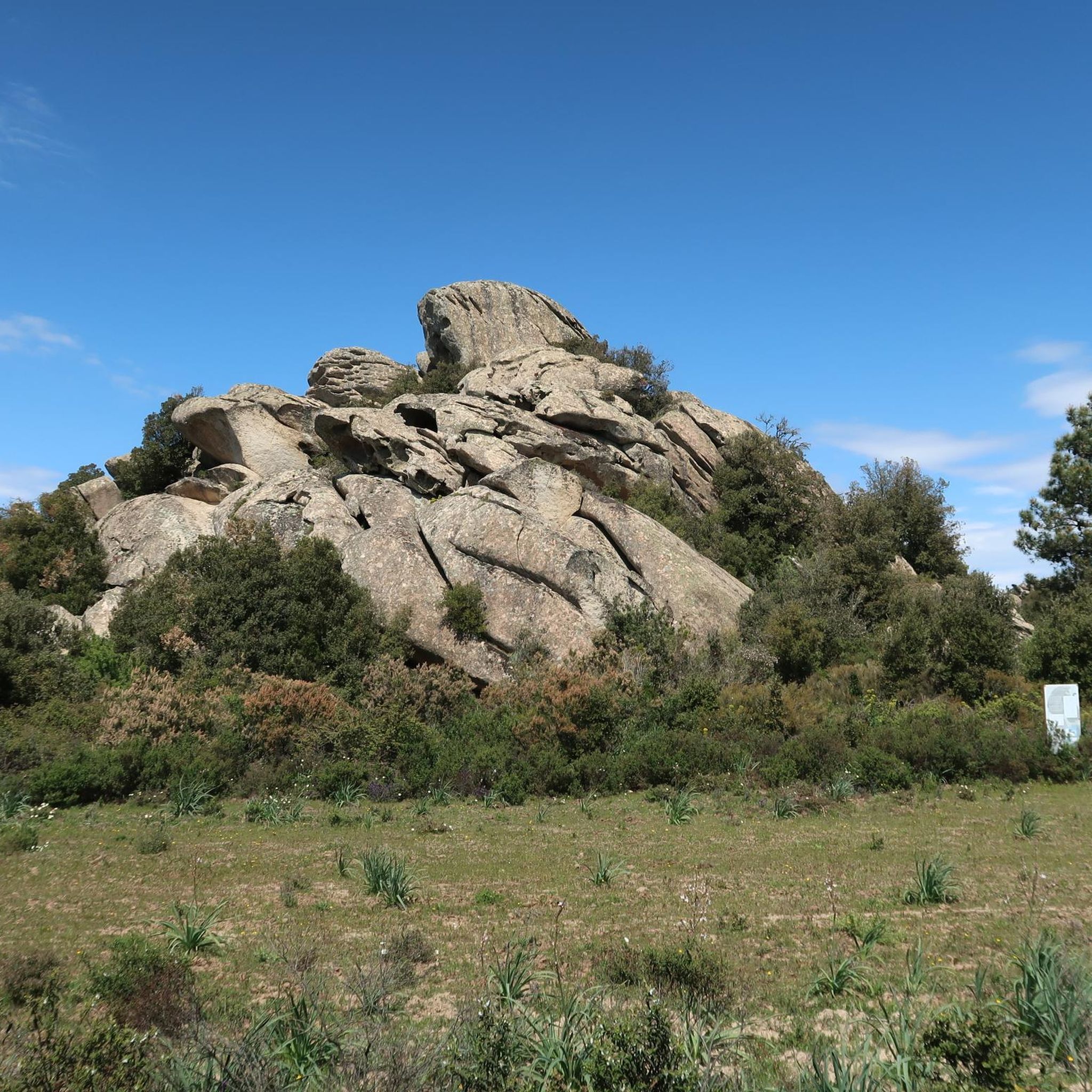
Nuraghe Loelle
Highlight • Historical Site
Translated by Google •
Tip by

Sign up for free to discover even more attractions around Alà/Alà Dei Sardi.
Sign up for free
Already have an account?
Start today with a free account
Your next adventure awaits.
Login or Signup
Tips from the Community

Absolutely great route, highly recommended
0
0
It's obviously a real challenge...
0
0
Simply a super beautiful island, perfect for cycling
0
0

This beautiful nuraghe is located in a suggestive position: on top of a hill, surrounded by cork trees, holm oaks and Mediterranean scrub. It can be seen from the street and can be accessed for free.
0
0

The Nuraghe Loelle, hidden among cork oaks and holm oaks, gradually reveals its fascinating and mysterious characteristics, perched on a granite outcrop, the main rock of the region, and dominating the plateau and the houses of Buddusò. Its structure consists of a central tower leaning on a trefoil bastion and is considered a “mixed” type as it has features of both a “corridor” and a tholos nuraghe. In fact, it is believed to be a protonuraghe, rebuilt in later phases to meet new architectural and cultural needs. All around you will notice the traces of the hut village with a circular floor plan. Upon entering, you will be surprised that the entrance does not open onto a courtyard or a corridor leading to a central room, as was common in these Bronze Age buildings. In the Loelle, however, a staircase leads clockwise around the tower and directly to the second level. Here begins another corridor, which, if you walk all the way through it, leads to the "ground floor", while about halfway there is another ramp that leads to the third level, where the final and main room opens. Before you enter the room, you will notice an apse-shaped niche on the right. In front of the keep, a bastion crossed by corridors was built with circular walls that have a concave-convex line. Outside the bastion, on the east side, there is another special feature of the Loelle: by exploiting a natural gorge, a separate room was created with a tholos vault that opens about one meter below the surface of the earth. Source: https://www.sardegnaturismo.it/en/explore/nuraghe-loelle
0
0

Beautiful road that runs along Punta Tepilora and Lake Maccheronis. Bring enough supplies to drink, you won't find any springs here!
1
0


Very tight bends and now and then sand and loose gravel
0
0
Frequently Asked Questions
What natural features can I explore around Alà dei Sardi?
The area around Alà dei Sardi is rich in natural beauty. You can discover rugged granite landscapes with unique wind-sculpted formations, extensive forests of holm oaks and oak trees like the Forest of Lithos, and waterways that form small lakes and waterfalls such as Su Fossu Malu. The village is also situated near the lush slopes of Mount Acuto and offers views of the Gulf of Olbia and Tavolara. A beautiful road runs along Punta Tepilora and Lake Maccheronis, and the region is part of the UNESCO-recognized Tepilora, Rio Posada, and Montalbo Biosphere Reserve.
What historical and archaeological sites can I visit in Alà dei Sardi?
Alà dei Sardi is particularly rich in ancient Nuragic and pre-Nuragic sites. Notable examples include the significant complex of Santuario di Sos Nurattolos, the well-preserved Nuraghe Boddò, and the Villaggio di Su Pedrighinosu. You can also visit Nuraghe Loelle, hidden among cork and holm oaks, which is considered a 'mixed' type of nuraghe. Other sites include the Necropoli di Ludurru, Nuraghe Malcheddine, Nuraghe Intro 'e Serra, the Menhir of Pedra de Lughia Rajosa, and two dolmens in Dolifichima, representing some of the oldest human presence in the area.
Are there any unique cultural traditions or events in Alà dei Sardi?
Yes, Alà dei Sardi maintains strong cultural traditions. The village itself features unique granite architecture, including the old town hall and Palazzo Corda with its mural commemorating the last 'bardana' (looting) of 1870. The S. Francesco Festival, held on October 4th and 5th at the Santuario di San Francesco d'Assisi, is a significant event combining religious celebrations with traditional feasting. The area is also known for traditional crafts like cork and granite processing, and local products such as virgin honey and high-quality cork.
What kind of outdoor activities are available in the Alà dei Sardi area?
The excellent climate and diverse landscape make Alà dei Sardi ideal for various outdoor activities. You can enjoy trekking and cycling, with numerous tracks suitable for mountain biking. The flat dirt roads and Mediterranean scrub are even used for trials of the Rally d'Italia Sardegna. For specific routes, you can explore options like those found in the Hiking around Alà/Alà Dei Sardi guide or the Cycling around Alà/Alà Dei Sardi guide.
What do visitors particularly enjoy about the attractions near Alà dei Sardi?
Visitors frequently praise the unspoiled natural environment and the sense of solitude. For instance, the Scenic country road through forest and hills is loved for its good pavement, lack of traffic, and the chance to see more wildlife than people. The Climb to Pedra Bianca (Alà dei Sardi) is described as a challenging but rewarding experience, offering expansive views and a sense of peace. The historical sites, like Nuraghe Loelle, are appreciated for their suggestive positions and historical significance.
Are there family-friendly attractions or activities in Alà dei Sardi?
Yes, the natural environment around Alà dei Sardi offers several family-friendly options. The Scenic country road through forest and hills is suitable for families, offering a safe and pleasant environment for cycling or walking. Exploring the extensive forests and natural landscapes, which are home to mouflons and eagles, can also be an engaging activity for families. The historical sites, while perhaps more engaging for older children, offer educational opportunities.
Where can I find scenic viewpoints around Alà dei Sardi?
Alà dei Sardi, situated on a plateau at nearly 700 meters, naturally offers many scenic viewpoints. From the village, you can enjoy views of the Gulf of Olbia and the majestic outline of Tavolara, as well as the mountains of Barbagia from the forest of Lithos. The Climb to Pedra Bianca (Alà dei Sardi) provides expansive and rewarding vistas. Additionally, the Alà dei Sardi Road – Concas and View of Lake Maccheronis offers beautiful views along Punta Tepilora and Lake Maccheronis.
Are there opportunities for cycling or mountain biking near Alà dei Sardi?
Absolutely. The area around Alà dei Sardi is excellent for cycling and mountain biking. There are various tracks suitable for mountain biking, and roads like the Scenic country road through forest and hills are known for good pavement and minimal traffic, making them ideal for road cycling. You can find numerous routes in the Cycling around Alà/Alà Dei Sardi and Road Cycling Routes around Alà/Alà Dei Sardi guides, including routes around Nuraghe Loelle and along Lake Maccheronis.
Can I find hiking trails suitable for different skill levels?
Yes, the Alà dei Sardi region offers hiking trails for various skill levels. You can find easy loops like the 'Hiking loop from Agriturismo Ertila' or the 'Tomb of the Giants of Loelle – Nuraghe Loelle loop'. For moderate challenges, consider the 'Parco Naturale di Tepilora loop from Sozza'. While specific advanced hiking highlights are not listed, the rugged granite landscapes and mountainous terrain suggest opportunities for more challenging treks. Explore the Hiking around Alà/Alà Dei Sardi guide for detailed route information.
What is the best time of year to visit Alà dei Sardi for outdoor activities?
The excellent climate in Alà dei Sardi makes it suitable for outdoor activities for much of the year. Spring (March-May) and Autumn (September-November) generally offer pleasant temperatures for trekking, cycling, and exploring historical sites, avoiding the peak heat of summer. The international cross-country race, Alasport event, takes place each March, indicating favorable conditions for outdoor sports during that time.
Are there any hidden gems or less-known spots worth visiting?
Beyond the main Nuragic sites, consider exploring the smaller, less-frequented archaeological remains like Nuraghe Malcheddine and Nuraghe Intro 'e Serra for a more secluded experience. The dolmens in the locality of Dolifichima offer a glimpse into the area's earliest human presence. For a unique natural experience, seek out the waterfalls of Su Fossu Malu within the staggering valleys, or explore the quiet beauty of the Rio di Posada, known for its trout.
Is there a place to rest or resupply when exploring the area?
Yes, the settlement of Padru, located below Punta lu Casteddácciu, serves as a convenient rest stop. It offers shops where you can resupply before continuing your exploration, especially if you're heading towards climbs in the Monte Nieddu area.

Get inspired with the komoot mobile app


Explore more
Still not found the Highlight you’re looking for? See guides of the top attractions in other regions:
