The best walks and hikes around Stams
4.6
(8590)
47,400
hikers
29
hikes
Hiking trails around Stams are situated in the Tyrolean Oberland at an elevation of 672 meters, offering diverse natural features. The region is characterized by its proximity to the Mieminger Plateau, the Inn River, and the surrounding Alpine landscape. Hikers can explore lush forests, vibrant meadows, and trails leading to natural attractions like the Stamser Waterfall.
Best hiking trails around Stams
- The most popular hiking route is Kreuzjochkogel – Rietzer Grießkogel Summit loop from Kühtai, a 7.0 miles (11.3…
Last updated: July 1, 2026
5.0
(4)
61
hikers
11.3km
05:59
1,000m
1,000m
Hard hike. Very good fitness required. Sure-footedness, sturdy shoes and alpine experience required.
4.8
(5)
32
hikers
8.72km
02:42
260m
260m
Moderate hike. Good fitness required. Mostly accessible paths. Sure-footedness required.

Sign up for free
8
hikers
2.68km
00:57
90m
90m
Moderate hike. Great for any fitness level. Mostly accessible paths. Sure-footedness required.
5.0
(2)
12
hikers
1.01km
00:16
0m
0m
Easy hike. Great for any fitness level. Easily-accessible paths. Suitable for all skill levels.
3.0
(2)
16
hikers
3.60km
00:58
50m
50m
Easy hike. Great for any fitness level. Easily-accessible paths. Suitable for all skill levels.
Get access to more routes and recommendations from other explorers.
Sign up for free
Already have an account?
Our route recommendations are based on thousands of hikes, rides, and runs completed by other people on komoot.
Start today with a free account
Your next adventure awaits.
Login or Signup
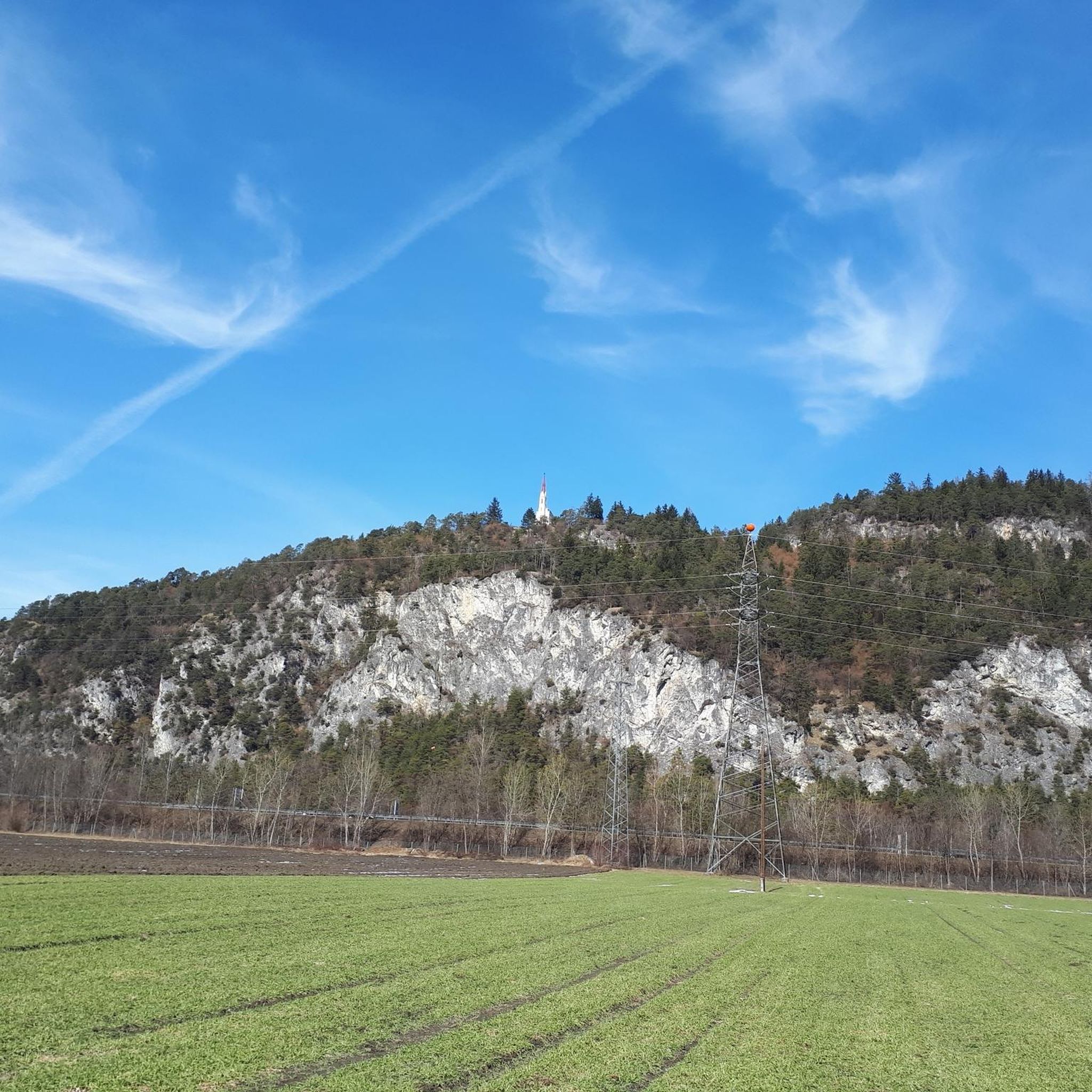
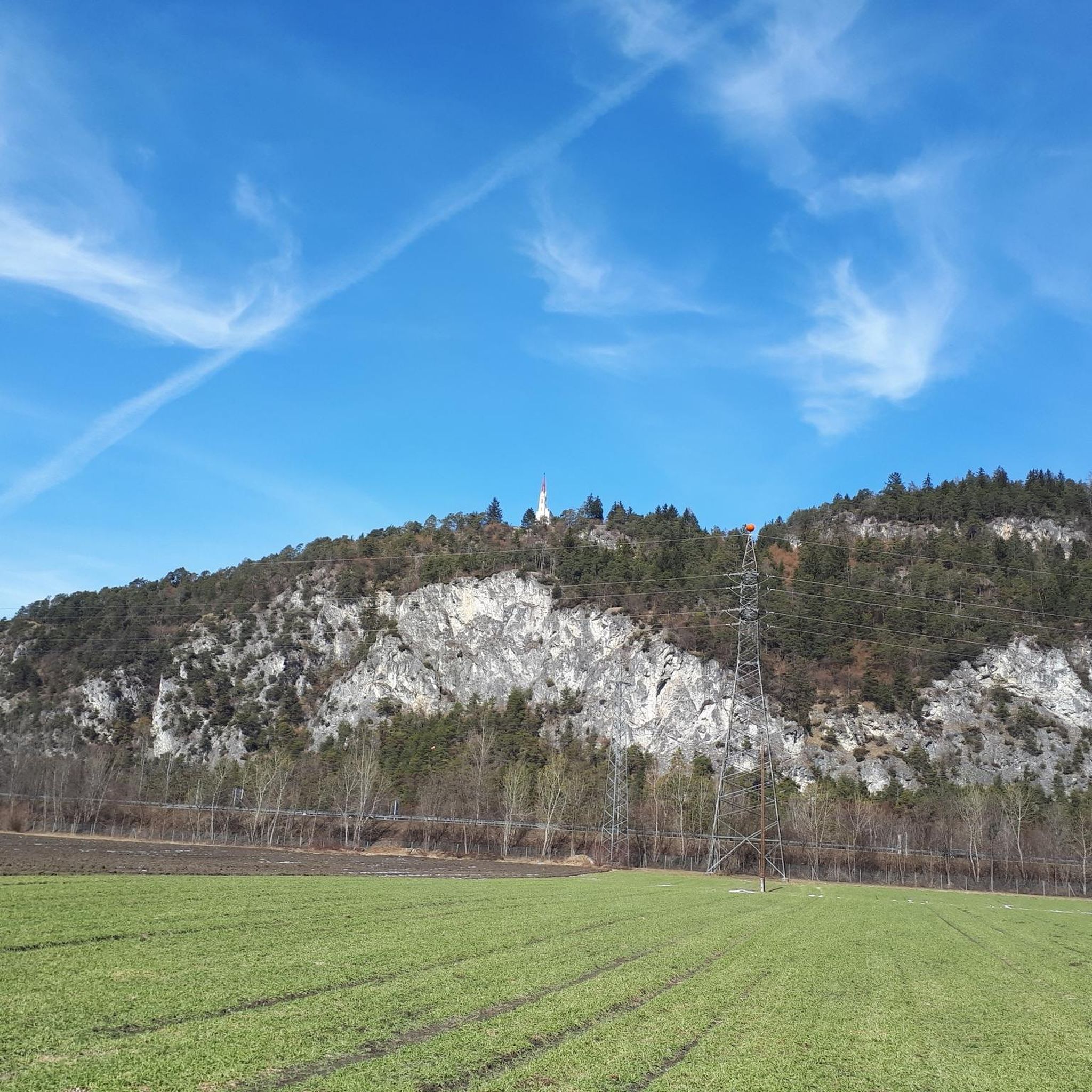


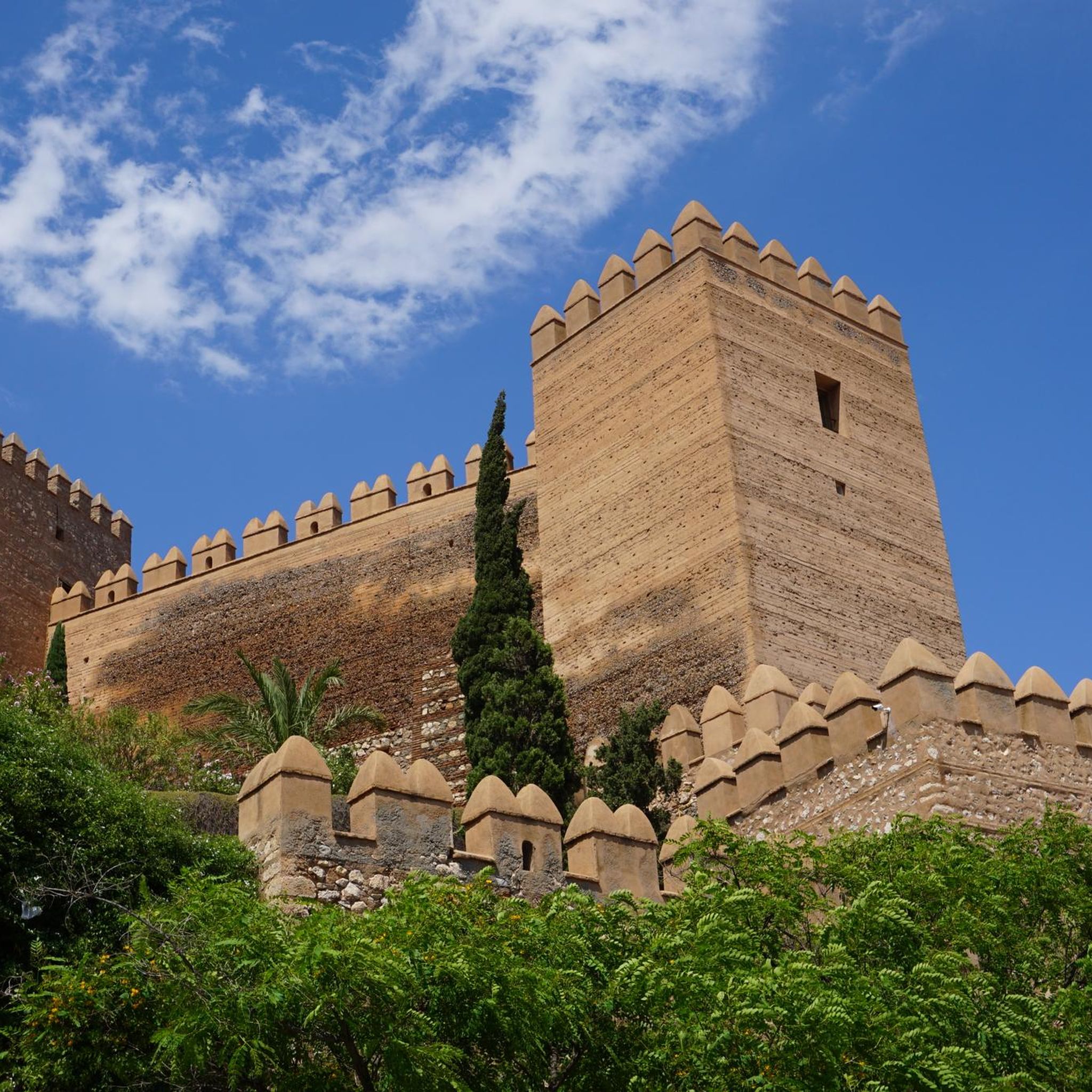

Tips from the Community

The bridge is currently closed.
1
0
The bridge is closed indefinitely due to defects.
0
0
Unfortunately, the bridge is closed indefinitely. 😕
0
0

Picture taken, 15.10.25
0
0

The History of Stams Abbey The first documented mention of "Stambs" dates back to 1065, when a document describes a fiefdom of the noble family of Wangen in the central Inn Valley, with a settlement and a much-visited pilgrimage church dedicated to St. John the Baptist. Stams Abbey was founded in 1273, when the founding convent, led by the first abbot, Heinrich von Honstetten, arrived in Stams. Count Meinhard II of Gorizia-Tyrol had intended to establish a monastery here some time before, which would henceforth serve as the burial place of the Counts of Gorizia-Tyrol. The popular legend surrounding the founding of the monastery is now considered historically refuted, but it clearly demonstrates the connections of the Counts of Tyrol and their class consciousness: It states that the founding of the monastery was due to the gruesome death of the last Hohenstaufen, Conradin (beheaded in Naples in 1268). Conradin's mother, Elisabeth of Wittelsbach (d. 1273, her first marriage to the Hohenstaufen King Conrad IV), is said to have asked her husband, Count Meinhard II, to establish a memorial for her unfortunate son ("Mors Conradini – Vita Stamsii"). The mother monastery, the Cistercian monastery of Kaisheim (north of Donauwörth in Bavaria), was closed at the beginning of the 19th century as part of the secularization process. Text / Source: Association of Tyrolean Rifle Companies, Brixner Straße 1 / 6th floor, A-6020 Innsbruck https://www.tiroler-schuetzen.at/tirol_lexikon/stift-stams/
14
0
History of the Cistercian Monastery of Stams The Cistercian Monastery of Stams was founded in 1272 by Count Meinhard II of Gorizia-Tyrol as a burial place for the Tyrolean princes in memory of the last Hohenstaufen dynasty, Conradin, and settled a year later. The monastery's Baroque and Rococo furnishings date from between 1650 and 1750. A monastery school has been documented since the 17th century. The monastery was dissolved in 1807 and re-established in 1816 under Emperor Franz I. In 1938, the foundation was again dissolved by the Nazi regime. A new beginning was made in 1945. Monks from the Cistercian monastery of Stična (Parakeet) in Slovenia made a significant contribution to the abbey's revival. Text / Source: MEDIA OFFICE OF THE RELIGIOUS ORDER ORDERS OF AUSTRIA, Vienna https://www.ordensgemeinschaften.at/portal/ordensgemeinschaften/ordenswiki/address/589.html#:~:text=The%20Cistercian%20Monastery%20of%20Stams%20was%20founded%20in%201272%20by%20Count%20Meinhard
14
0
Parish Church of St. John the Baptist, Stams Step into our parish church of St. John the Baptist. The church's current appearance dates back to the 18th century. Abbot Rogerius Sailer had the church remodeled in the Baroque style from 1754 to 1759. The ceiling paintings are by Franz Anton Zeiller (+1794) from Reutte, which he completed in 1755. The altars are by Johann Reindl (+1792), on which he worked from 1756 to 1759. History of the Church The First Church (around 700) The oldest church in Stams was a post-and-beam structure. Ten post holes of this church are still preserved. The strangeness of the original building, purely Bavarian in both technology and floor plan, is particularly striking. It is explained by its proximity to Pfaffenhofen and the Telfer Basin, where Bavarians who had migrated via Leutasch or Seefeld had settled around the year 600. The church was probably built as a private church by a local landowner. The Second Church (8th century) This church was built of stone, and its nave was approximately eight meters long and six meters wide. With its unequal, irregularly spaced sides, without mortar, it fits well with other early medieval buildings in Tyrol. The Third Church (11th century) This new building is likely related to the rise of pilgrimages to St. John the Baptist. The monks found this church upon their arrival in Stams on March 12, 1273, and it served as their first monastic church. The Gothic Church (1313-1316) The new church is considered the first example of mature Gothic architecture in Tyrol. It dates back to a donation by the founder's youngest son, Meinhard, King Henry of Bohemia, and his first wife, Anne. The church's masonry is still completely intact. The tower also likely dates from that period. Later repairs can be explained by the fire of 1593. After the fire, for example, the Gothic floor was removed. Text / Source: Diocese of Innsbruck https://www.dibk.at/Media/Pfarren/stams-dekanat-silz/Pfarrkirche
16
0
Frequently Asked Questions
What types of hiking trails can I find around Stams?
Stams, located in the Tyrolean Oberland, offers a diverse range of hiking trails. You'll find everything from leisurely walks through the ancient Oak Forest of Stams and along the Inn River, to more challenging mountain tours on the Mieminger Plateau. The region is known for its stunning Alpine scenery, lush forests, vibrant meadows, and trails leading to natural attractions like the Stamser Waterfall.
Are there any easy or family-friendly hiking options in Stams?
Yes, Stams provides several easy and family-friendly hiking options. The region has 8 easy routes suitable for a relaxed outing. Many trails wind through the Oak Forest of Stams or offer gentle paths along the Inn River. For a scenic and accessible walk, consider exploring the area around Lake Piburg, which is one of Tyrol's oldest nature reserves and features an easy circular route.
Can I find circular hiking routes around Stams?
Absolutely. Many of the trails around Stams are designed as circular routes, allowing you to start and end in the same location. For example, the View of the Mieminger Chain – Stams Abbey loop from Stams is a moderate 8.7-mile path offering panoramic views. Another popular option is the Stamser Waterfall – View of the Mieminger Chain loop from Stams, which takes you through varied terrain to the waterfall.
Are there any waterfalls to see on hikes near Stams?
Yes, the Stamser Waterfall is a notable natural attraction in the area and is incorporated into several hiking loops. You can experience it on the Locherboden Pilgrimage Church – Stamser Waterfall loop from Stams, which also includes views of the Mieminger Chain. Additionally, the broader region features other beautiful cascades like the Leithenbach Waterfall and Piburger Waterfall.
What are some interesting landmarks or points of interest to explore while hiking in Stams?
Stams offers several cultural and natural landmarks. The Stams Abbey is a significant historical site often passed on hiking routes. The idyllic Maria Locherboden pilgrimage church is another popular destination, accessible via trails that include crossing the Inn River. For natural beauty, you can visit stunning lakes like Lake Seebensee with its magnificent mountain backdrop, or the serene Lake Piburg.
What do other hikers enjoy most about the trails in Stams?
The hiking trails in Stams are highly rated by the komoot community, with an average score of 4.5 stars from over 1,400 reviews. Hikers frequently praise the diverse Alpine scenery, the well-maintained paths, and the variety of routes that cater to different fitness levels. The panoramic views of the Mieminger Chain and the peaceful atmosphere of the forests and meadows are often highlighted as favorite aspects.
Are there any challenging hikes for experienced hikers near Stams?
Yes, for experienced hikers seeking a challenge, Stams offers several difficult routes. One such option is the Kreuzjochkogel – Rietzer Grießkogel Summit loop from Kühtai. This 7.0-mile trail involves significant elevation gain to reach impressive summit views and typically takes around 6 hours to complete.
What is the best time of year to go hiking in Stams?
The region around Stams is ideal for hiking from spring through autumn. During these seasons, the weather is generally pleasant, and the landscapes are vibrant with lush greenery or autumn colors. While some trails may be accessible in winter, many higher-altitude routes could be covered in snow, requiring specialized equipment and experience. Always check local weather and trail conditions before heading out.
Are dogs allowed on the hiking trails in Stams?
Generally, dogs are welcome on hiking trails in the Stams region. However, it's always recommended to keep your dog on a leash, especially in nature reserves, near livestock, or in areas with wildlife. Be sure to carry water for your pet and clean up after them to maintain the pristine natural environment for everyone.
How many hiking routes are available in the Stams area?
There are over 29 hiking routes available in the Stams area, catering to a wide range of abilities. This includes 8 easy routes for leisurely strolls, 17 moderate paths for those seeking a bit more challenge, and 4 difficult trails for experienced hikers looking for demanding ascents and panoramic views.
Can I reach hiking trailheads in Stams using public transport?
Stams is well-connected within the Tyrolean Oberland, and many trailheads are accessible via public transport. Local bus services often connect the village center to various starting points for hikes. It's advisable to check the current bus schedules and routes for specific trailheads to plan your journey effectively.
Are there any accommodations or places to eat near the hiking trails in Stams?
Stams and its surrounding villages offer various accommodations, from guesthouses to hotels, catering to hikers. You'll also find traditional Tyrolean restaurants and cafes where you can enjoy local cuisine and refreshments after your hike. Some mountain huts, like the Coburger Hut, are also accessible via trails and provide food and lodging.
Most popular routes around Stams
Most popular attractions around Stams

Get inspired with the komoot mobile app


Explore more
Browse the best Hikes in other regions.
