Attractions and Places To See around Bànari/Banari - Top 20
Attractions and places to see around Bànari/Banari are primarily located in Sardinia, Italy, a region rich in historical and cultural sites. This area is characterized by its ancient Nuragic complexes and significant archaeological findings, offering insights into Sardinia's Bronze Age civilization and pre-Nuragic burial practices. The landscape features plains and imposing rock formations, some with natural caves inhabited over millennia, providing a blend of natural beauty and historical depth.
Best attractions and places to see around Bànari/Banari
- The most popular…
Last updated: July 6, 2026
Nuraghe Santu Antine di Torralba
Highlight • Historical Site
Translated by Google •
Tip by

Domus de Janas di S’Ena de Cannuja
Highlight • Cave
Translated by Google •
Tip by

Sign up now to discover places like this
Get recommendations on the best single tracks, peaks, & plenty of other exciting outdoor places.
Sign up for free
Rock Formations and Caves of the Sardinian Highlands
Highlight (Segment) • Cave
Translated by Google •
Tip by

Noeddale Necropolis, Ossi
Highlight • Historical Site
Tip by
Santissima Trinità di Saccargia
Highlight • Religious Site
Translated by Google •
Tip by
Sign up for free to discover even more attractions around Bànari/Banari.
Sign up for free
Already have an account?
Start today with a free account
Your next adventure awaits.
Login or Signup

Tips from the Community

An adventurous approach, barking dogs, thorny undergrowth. The dolmens were great, but unfortunately the hiking trail was not well maintained, so we turned back with our son.
0
0

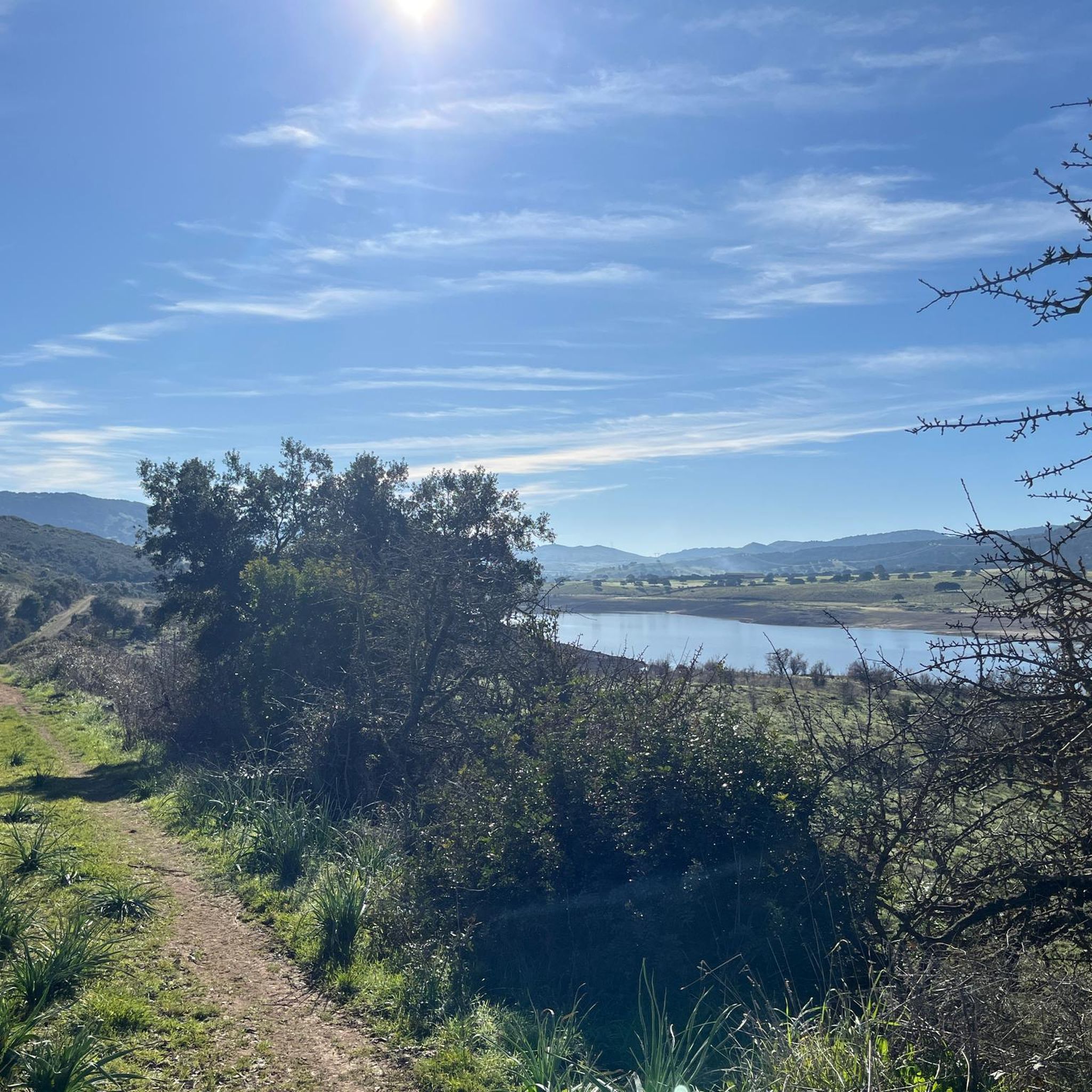
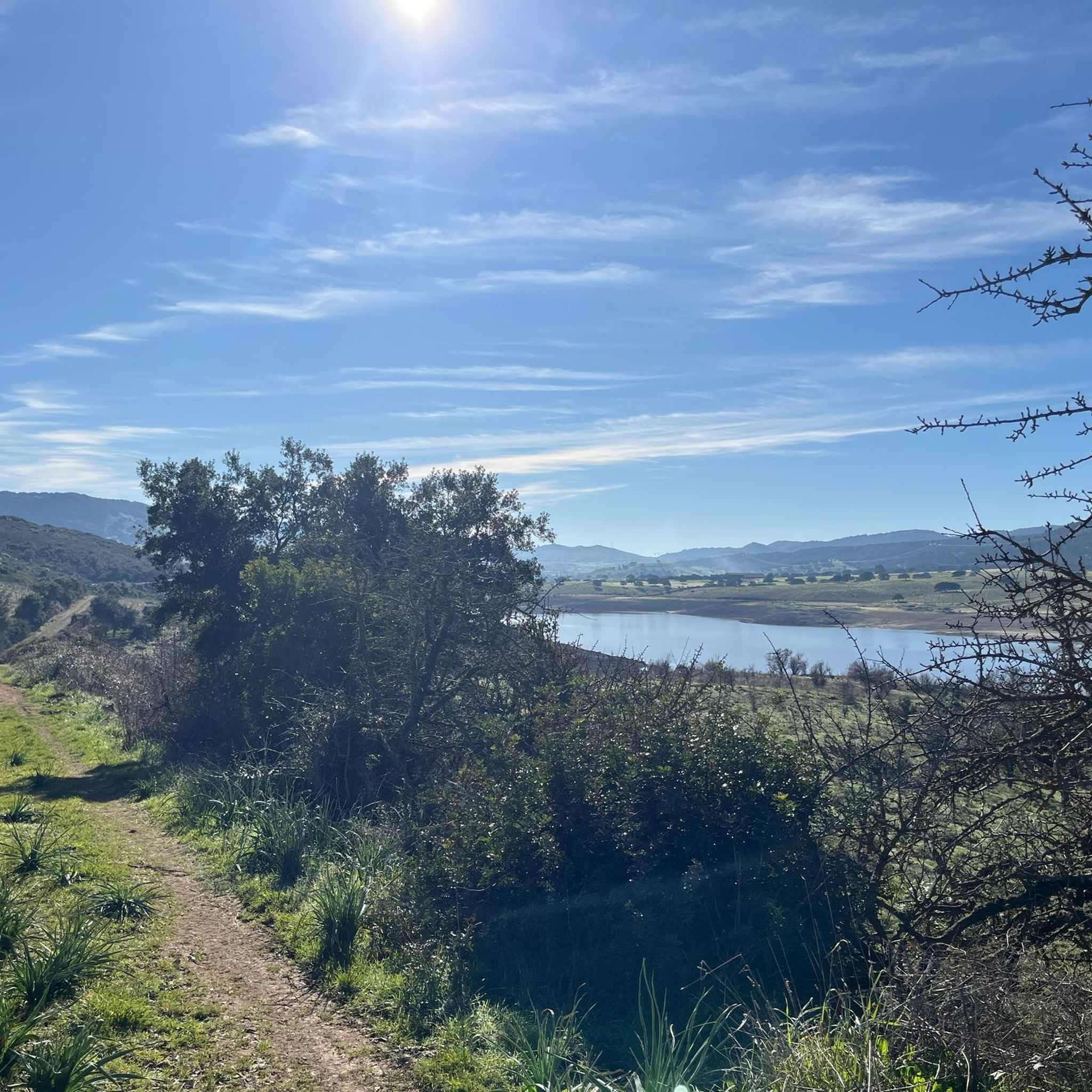
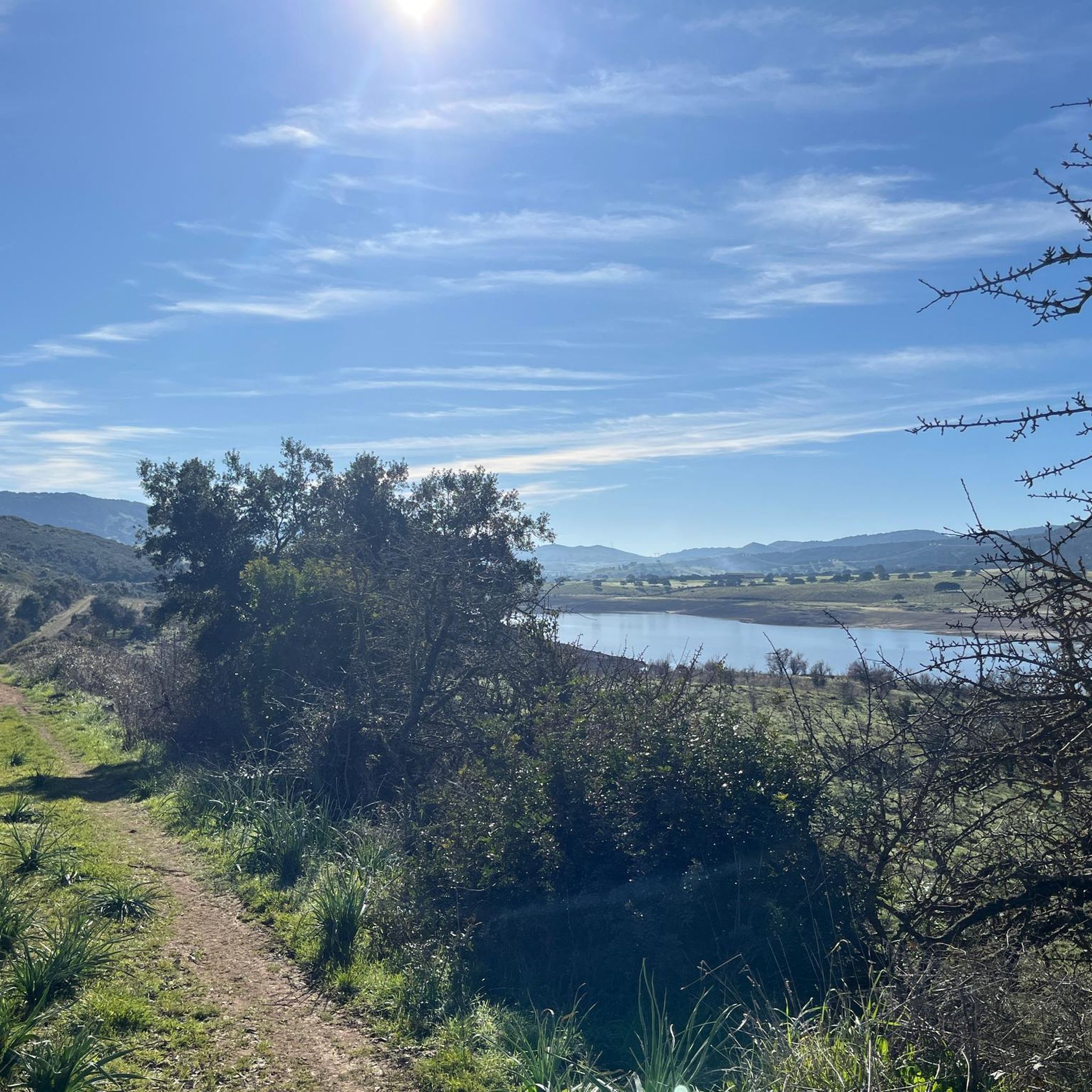
Plains with a primordial appearance, large green spaces bordered by imposing rock formations, isolated or in rows, with caves dug by nature and inhabited by man over the millennia
0
0

The caves are accessible from the road across a meadow. However, there are no paths, despite other claims to the contrary. We didn't find one, and the thistles and thorns make hiking less enjoyable. The area and the view are, of course, wonderful.
0
0

A place of great historical value. Well worth a visit!
0
0

The path passes through the Domus de Janas of S'Ena de Cannuja, ancient pre-Nuragic tombs carved into the rock, dating back to the 3rd millennium BC. This necropolis includes six tombs dug into a trachytic ridge. The tombs were presumably reached using carvings dug into the rock face similar to those still preserved in the Domus de Janas Sos Furrighesos necropolis in Anela.
1
0

One of the most beautiful nuraghi on the island.
1
0

Santissima Trinità di Saccargia is undoubtedly the most famous and spectacular of the island's medieval churches. Its tall bell tower stands out against the surrounding landscape as you approach the site, surrounded by greenery but easily accessible from the state road. The importance of the monument lies not only in the important dimensions, but also in the frescoes that decorate the apse, among the few Romanesque paintings preserved in Sardinia. Since 1112 the Abbey of Saccargia has been one of the Sardinian possessions of the Camaldolese monks. AS of the building you can see the few surviving structures of the cloister and monastery that are currently being excavated. The church (21 x 7 m, approx. 14 m high) has a "commissa" cross plan with a three-apsed transept in the northeast. The walls are made of limestone and volcanic stone blocks. A portico is in front of the facade. AS bell tower and sacristy lean against each other. Two construction phases can be distinguished in relation to different masonry techniques. The floor plan included a three-apse transept with cross vaults and a shorter hall than the current one. The use of rough-hewn calcareous and volcanic cornerstones is typical of the workers who worked in the Giudicato di Torres between the late 20th and 20th centuries Later the hall was raised and extended to the west, with a new facade in three orders. The portico with cross vaults, the bell tower and the sacristy date from this second phase. The regular two-tone work is characteristic of the workers trained in Pisa and Pistoia in the second half of the 12th century. The restoration interventions at the beginning of the last century have spoiled the original physiognomy of the church. The porch was demolished and rebuilt, the raised bell tower fully compensating for the ornamentation of the facade. Source and information on opening hours: http://www.sardegnacultura.it/j/v/253?v=2&c=2488&t=1&s=17842
0
0
The nuraghe of the monumental complex of Santu Antine di Torralba (15th century BC), cornerstone of the entire settlement system of the Valle dei Nuraghi, represents the synthesis and culmination of the architecture of the Nuragic period. At the foot of the nuraghe lies the nuragic village, only partially brought to light by the excavations. The huts were built in Roman times as early as the 2nd century BC. and after a short period of neglect (middle of the 1st century BC) a rustic villa was built on the southern village structures. The virtual reconstruction of the Nuraghe Santu Antine represents an equilateral triangle centered on the central tower – or mastio – whose original height exceeded 25 meters. At the corners are three side towers that are almost identically spaced from each other, about 42 meters. The exterior brickwork follows a curvilinear pattern, with rows arranged in horizontal courses. Inside, there are long corridors, simple and spiral staircases to reach the upper rooms, silos for storing food, and a fountain system. The constant regularity of dimensions and symmetries suggest a unified project in which the desire to create large voids within the walls is clearly felt. The main entrance overlooks the courtyard in which stands the mastio, of which only the first and second chambers are complete; On the wall there are 7 monumental entrances, arranged symmetrically, from which you can reach the different rooms also on the first and second floor. At the two ends of the courtyard are the entrances to the west and east towers: in each of these chambers another passageway connects them to the north tower through monumental corridors. From the ground floor of the mastio, going up the spiral staircase, you reach the room on the first floor, which, like the lower one, has a tholos roof. The geometric lines of the planimetric scheme of the basement are also proposed on the upper floor: only the central tower had an additional level, now reduced to a few lines. Source: https://www.nuraghesantuantine.it/nuraghe.html
1
0
Frequently Asked Questions
What historical and archaeological sites can I visit near Bànari/Banari?
The region is rich in ancient history. You can explore the monumental Nuraghe Santu Antine di Torralba, a significant Bronze Age complex. Also, discover the pre-Nuragic burial practices at the Domus de Janas di S’Ena de Cannuja, an archaeological site with six ancient tombs carved into a trachytic ridge. Further sites include the Noeddale Necropolis, Ossi, known for its hypogean architecture, and the Necropolis of Mesu ‘e Montes, featuring 18 multicellular domus de janas.
Are there natural attractions or viewpoints to explore around Bànari/Banari?
Yes, the area offers captivating natural landscapes. The Rock Formations and Caves of the Sardinian Highlands present plains, vast green spaces, and impressive rock formations, many containing caves inhabited for millennia. These provide excellent opportunities for scenic views and exploration.
What kind of outdoor activities can I do near Bànari/Banari?
The area around Bànari/Banari is excellent for cycling. You can find various routes for mountain biking, road cycling, and touring. For MTB, consider routes like the 'Lake Bidighinzu Loop' or the 'Bidighinzu Lake Valley – Santu Pedru Singletrack loop'. Road cyclists might enjoy the 'Poets of Thiesi – View over Borutta loop'. For more options, explore the MTB Trails around Bànari/Banari, Road Cycling Routes around Bànari/Banari, and Cycling around Bànari/Banari guides.
What is the best time of year to visit Bànari/Banari for outdoor activities?
Sardinia generally enjoys a Mediterranean climate. Spring (April-May) and autumn (September-October) are often considered the best seasons for outdoor activities like hiking and cycling, as the weather is pleasant and temperatures are milder than the peak summer months. This avoids the intense summer heat, making exploration of archaeological sites and natural landscapes more comfortable.
Are there any family-friendly activities or walks in the Bànari/Banari area?
While specific family-friendly activities are not detailed, exploring the natural rock formations and caves can be an adventurous outing for families. Many archaeological sites like the Nuraghe Santu Antine offer fascinating insights into ancient history that can engage older children. When planning walks, look for routes described as 'easy' or 'moderate' in the cycling guides, as some may be suitable for family walks.
Can I visit ancient burial sites near Bànari/Banari?
Yes, the region is home to several significant ancient burial sites. You can visit the Domus de Janas di S’Ena de Cannuja, a necropolis with six pre-Nuragic tombs. Additionally, the Noeddale Necropolis, Ossi, and the Necropolis of Mesu ‘e Montes offer further opportunities to explore hypogean architecture and ancient burial practices, with some tombs featuring intricate carvings.
What do visitors enjoy most about the attractions around Bànari/Banari?
Visitors particularly appreciate the historical depth and natural beauty. The monumental architecture of sites like Nuraghe Santu Antine di Torralba is highly regarded, with its illuminated corridors giving an impression of its grand scale. The ancient pre-Nuragic tombs, such as those at Domus de Janas di S’Ena de Cannuja, are seen as great historical finds, despite some paths being adventurous. The primordial plains and imposing rock formations also captivate those seeking natural wonders.
Are there any notable churches or religious sites near Bànari/Banari?
While not directly in the guide data, regional research indicates that the Church of the Holy Trinity Saccargia, an impressive Romanesque church known for its distinct black and white striped masonry and frescoes, is located near Banari. The Basilica di Santa Maria del Regno in Ardara and the Cattedrale di San Nicola in Sassari are also significant religious and architectural sites in the broader area.
What are the terrain and elevation like for outdoor activities around Bànari/Banari?
The landscape around Bànari/Banari features plains and imposing rock formations. For cycling, routes can range from moderate to difficult, indicating varied terrain with potential elevation changes. For example, the 'Bidighinzu Lake Valley – Santu Pedru Singletrack loop' for MTB is rated as difficult, suggesting significant elevation or technical sections. Always check the specific route details for elevation gain and difficulty before heading out.
Are there any museums related to the history of the Bànari/Banari region?
Yes, the Museo della Valle dei Nuraghi del Logudoro-Meilogu is dedicated to the Nuragic civilization in the Logudoro-Meilogu valley. This museum provides valuable insights into the ancient history and culture of the region, complementing a visit to the archaeological sites.
Are permits required for hiking or visiting attractions in Bànari/Banari?
For many of the archaeological sites like the Noeddale Necropolis, Ossi and the Necropolis of Mesu ‘e Montes, access is free. However, for some sites, especially those with guided tours or specific opening hours, it's advisable to check in advance. Generally, permits are not required for casual hiking on established trails, but always respect private property and local regulations.
Is it possible to find dog-friendly trails or outdoor activities near Bànari/Banari?
While specific dog-friendly trails are not explicitly listed, many natural areas and less-trafficked paths around Bànari/Banari are suitable for walks with dogs, provided they are kept on a leash and owners clean up after them. When exploring archaeological sites, it's best to check individual site rules regarding pets. Always ensure your dog is comfortable with the terrain and weather conditions.
Most popular attractions around Bànari/Banari

Get inspired with the komoot mobile app


Explore more
Still not found the Highlight you’re looking for? See guides of the top attractions in other regions:
