Attractions and Places To See around Orune - Top 20
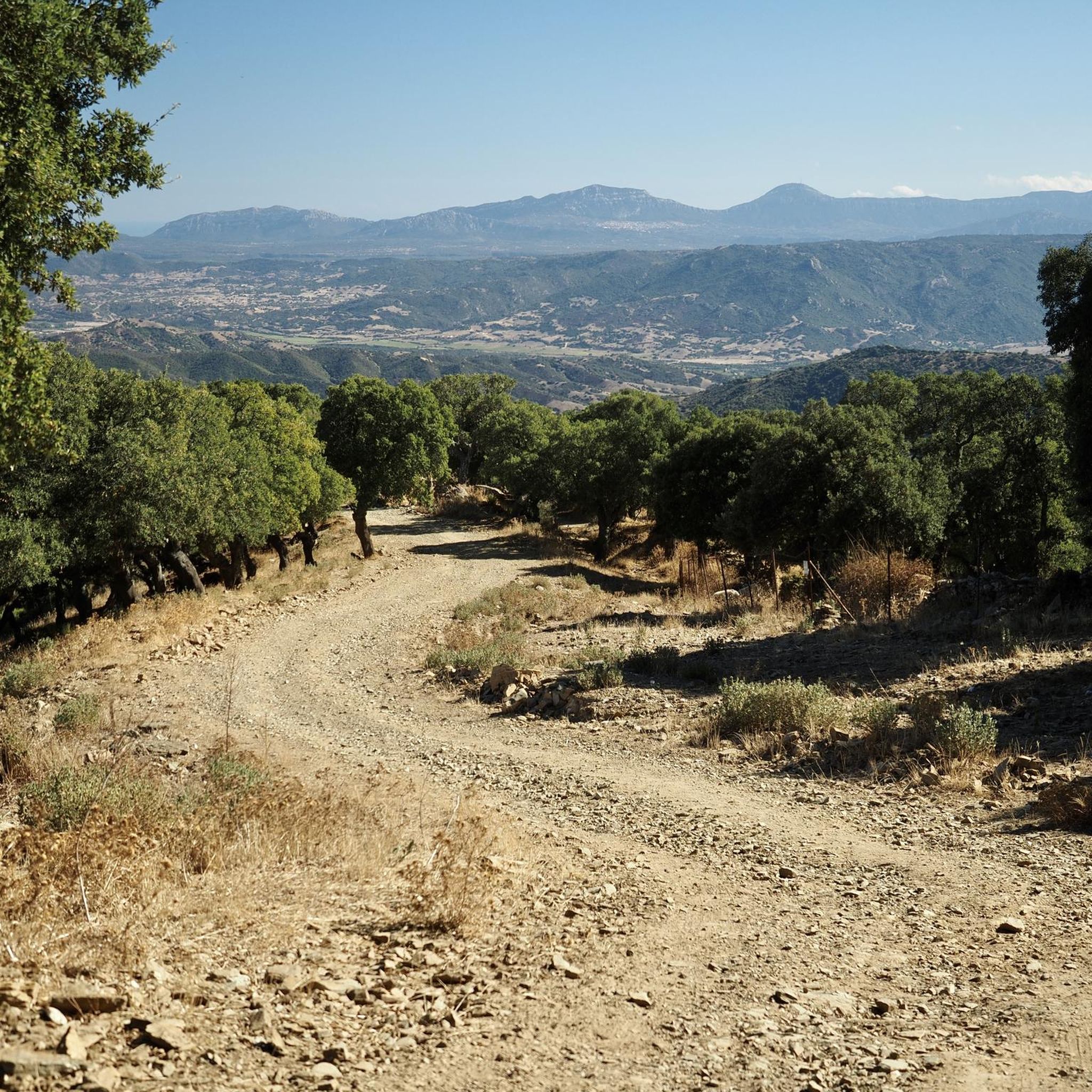
Best attractions and places to see around Orune, a town in the mountainous hinterland of Sardinia, offer a mix of historical, cultural, and natural sites. Situated at 800 meters above sea level, the area provides views of surrounding valleys and oak forests. Orune is known for its ancient Nuragic heritage and archaeological sites, providing insights into the region's past. The landscape features granite plateaus, deep valleys, and dense oak forests.
Best attractions and places to see around Orune
- The most…
Last updated: October 9, 2026
Christ the Redeemer statue on Monte Ortobene
Highlight • Monument
Source: it.wikipedia.org/wiki/Monte_Ortobene
Translated by Google •
Tip by

Sacred Well of Su Tempiesu
Highlight • Historical Site
Translated by Google •
Tip by

Sign up now to discover places like this
Get recommendations on the best single tracks, peaks, & plenty of other exciting outdoor places.
Sanctuary of Our Lady of Grace
Highlight • Religious Site
Translated by Google •
Tip by
Giants' Tomb S'Ena e Thomes
Highlight • Historical Site
Translated by Google •
Tip by

Mount Ortobene (Nuoro - Sardinia)
Highlight • Summit
There are two main parks: "Sedda Ortai" and "Il Redentore". At the feet of the …
Tip by

Sign up for free to discover even more attractions around Orune.
Already have an account?
Start today with a free account
Your next adventure awaits.
Tips from the Community

Work from the Bronze Age (18th to 16th century BC) is part of the Nuragic Sardinia, restored in 1977
0
0

Incredibly beautiful to bike here
0
0

Feels like 100 curves to the top
0
0

The tomb dates from the Bronze Age and has a dolmen structure with a central stele. The large exedra is made up of slabs stuck into the ground and arranged in descending order of size from the stele. The burial hall, rectangular and about 11 m long, is covered with large stone slabs arranged in a jack arch.
2
0
The Giant's Tomb of S'Ena'e Thomes is an archaeological site from the Nuragic period in the municipality of Dorgali in the province of Nuoro, Sardinia.
2
0

The statue of the Redeemer is a bronze work placed on a peak of Mount Ortobene near Nuoro, at a height of 925 metres above sea level.
0
0

At the top of Monte ORTOBENE, hikers will not find a classic summit cross, as is the case with many mountain ridges. Instead, there is a statue of the "Christo Redentore". Jesus Christ, the Savior and Redeemer, appears to be floating above the mountain as the resurrected one, as his feet no longer touch the ground. The cross held in one hand is therefore no longer a sign of death, but has become a symbol of the overcoming of sin and death. The artist of the statue has succeeded in portraying this Christian belief in a relaxed elegance.
3
0

One of the most important and complete testimonies that the Nuragic culture has left us. Su Tempiesu is a fountain temple dedicated to the worship of water deities and was built using the Opus Isodomum technique with perfectly crafted trachyte and basalt blocks. The origin dates back to the Late Bronze Age (13th century BC) and was frequented until the beginning of the Iron Age (4th century BC). Discovered in 1953, the site is located on a rock face where spring water flows and supplies the holy well with water. Su Tempiesu is the only remaining original evidence of a covered, hilltop sacred well structure. The temple is about seven meters high and consists of a vestibule, a staircase and a chamber that protects the source of the spring water. The vestibule is square with a slightly sloping floor and projecting walls and is made of panels that form a narrow pointed arch. There are two counter seats at the base of the side walls, while the small offering cabinets are positioned in the brickwork. The back wall leads to an outward-facing, curved staircase. Four steps lead to a small room with a tholos (false dome) and paved floor and a decantation pit in the middle. The roof is exceptional: it is a double-pitched roof with double-shaped eaves. It culminates in a triangular tympanum. On top of it rested an acroterion (ashlar stone in the shape of a truncated pyramid), which carried twenty bronze swords decorated with votive motifs and with holes carved into them. In addition, numerous ex-voto bronzes were found: daggers, hatpins, pendants, bracelets, rings, necklace beads, pins and, above all, small statues of offerings, warriors, characters with capes and commander's staff. Other offerings were stored in chambers created from depressions in the rock. During flood periods, the overflowing water flows through a small canal dug into the floor of the vestibule and is channeled into a second small fountain, a smaller replica of the first. The small fountain is built at the foot of an outer curved enclosure and has a small channel with a finely crafted stalactite. There is a small arch above it, while at the bottom there is a small pit for decanting. Source: https://www.sardegnaturismo.it/en/explore/su-tempiesu
0
0
Frequently Asked Questions
What historical and archaeological sites can I explore near Orune?
The region around Orune is rich in ancient history. You can visit the Sacred Well of Su Tempiesu, a unique Nuragic fountain sanctuary from the Late Bronze Age dedicated to water deities. Another significant site is the Giants' Tomb S'Ena e Thomes, an archaeological site from the Nuragic period featuring a dolmen structure. Additionally, the Village of Sant'Efis offers a glimpse into both ancient Nuragic and Roman settlements.
Where can I find panoramic views and natural landmarks around Orune?
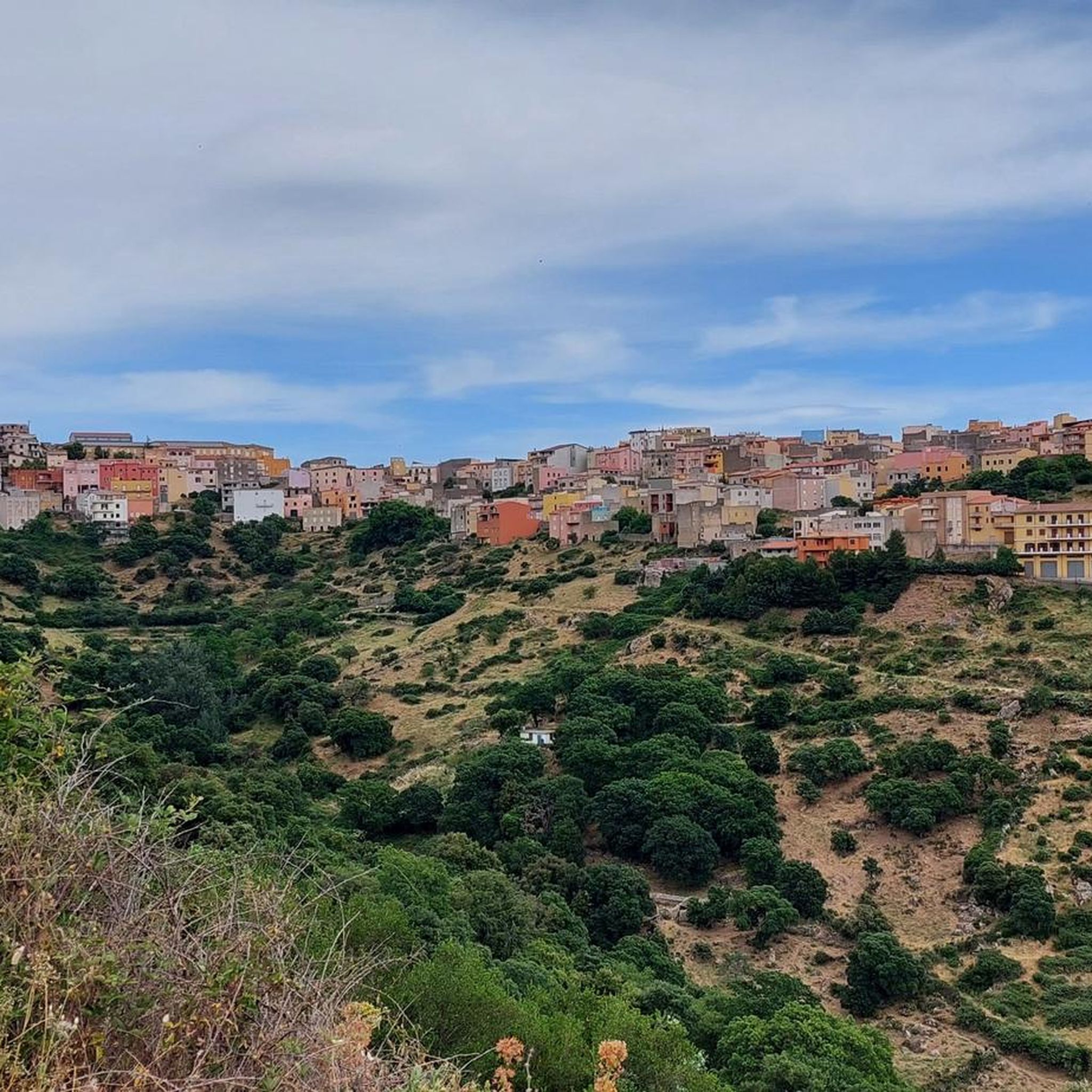
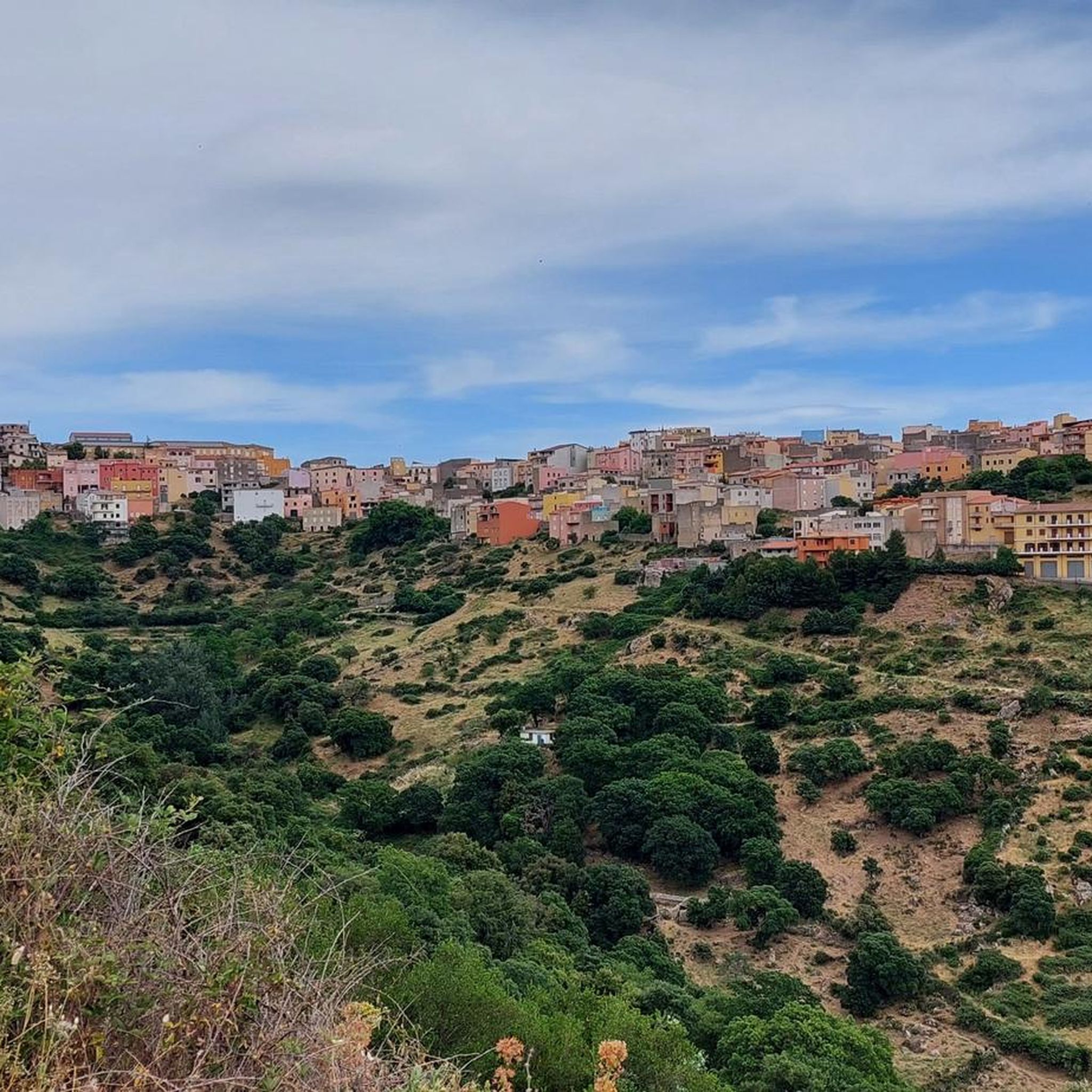
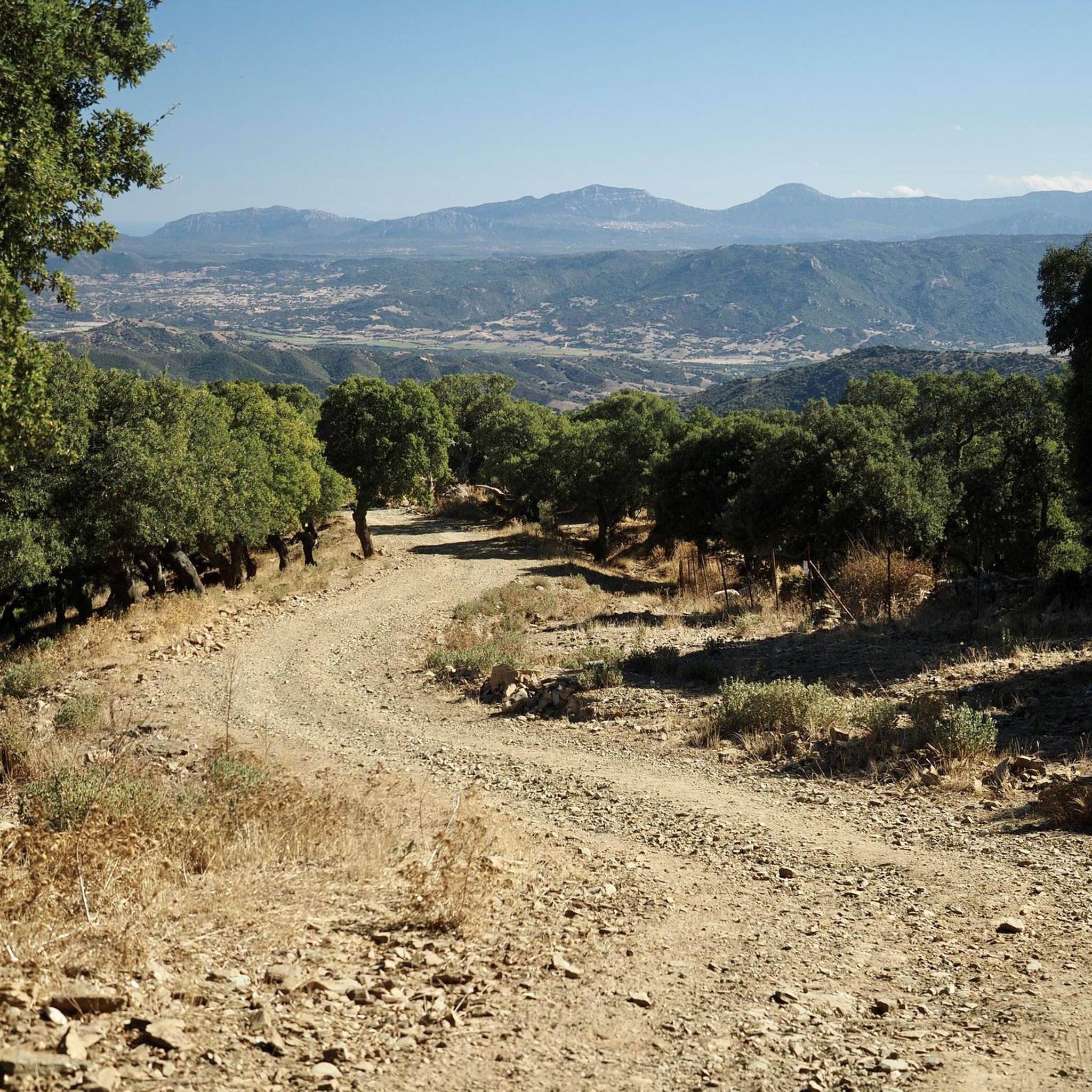
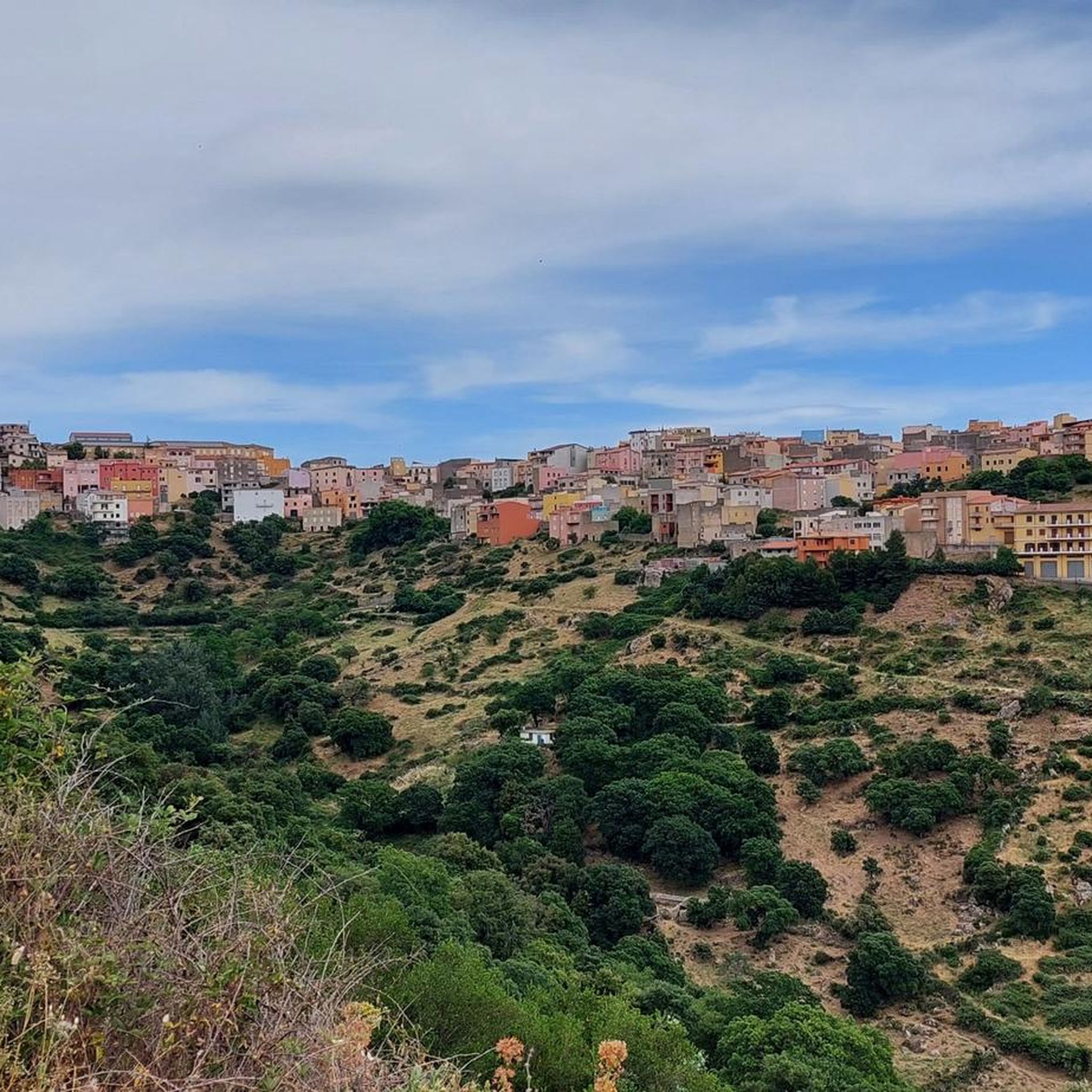
Orune itself is known as a 'natural balcony,' offering sweeping vistas of the Rio Isalle valley, the Barbagia Mountains, and extending towards Gallura. For a prominent natural landmark, visit Mount Ortobene, an ancient granite hill near Nuoro, which also features the Christ the Redeemer statue at its summit. The surrounding landscape is characterized by valleys, oak forests, and unique granite rock formations.
Are there any religious or cultural sites worth visiting in Orune?
Yes, Orune offers several cultural and religious sites. The Sanctuary of Our Lady of Grace is a notable religious building with historical significance. In the heart of Orune, the Church of Santa Maria della Neve, often called 'The Sistine Chapel of Barbagia,' is renowned for its beautifully restored 19th-century frescoes. You can also explore Casa Murgia, an elegant example of local 20th-century architecture.
What outdoor activities can I do near Orune?
The mountainous terrain around Orune is ideal for various outdoor activities. You can find numerous trails for running, road cycling, and mountain biking. For specific routes and difficulty levels, explore the dedicated guides for Running Trails around Orune, Road Cycling Routes around Orune, and MTB Trails around Orune.
Are there family-friendly attractions or activities in the area?
Yes, the Sanctuary of Our Lady of Grace is listed as a family-friendly attraction. The picturesque countryside around Orune also provides opportunities for leisurely strolls and enjoying nature, which can be suitable for families. Exploring the ancient sites like the Sacred Well of Su Tempiesu can also be an educational and engaging experience for older children.
What is the best time of year to visit Orune for attractions and outdoor activities?
Orune is a year-round destination, but the best time to visit for outdoor activities and exploring attractions is typically during the spring (April-June) and autumn (September-October). During these seasons, the weather is milder and more pleasant for hiking and sightseeing. Summers can be hot, while winters are cooler but still offer opportunities for exploration, especially for cultural sites.
Can I find hiking trails near Orune, and what are their difficulty levels?
Yes, there are many hiking opportunities around Orune, particularly on Mount Ortobene. Trails range from moderate to difficult, offering diverse experiences. For detailed information on specific routes, including difficulty and distance, you can consult the Running Trails around Orune guide, which includes hiking-suitable paths.
What are some unique natural features or 'hidden gems' near Orune?
Beyond the well-known landmarks, the region boasts unique natural features. The Gorge of Gorroppu, one of Europe's deepest canyons, offers thrilling hiking opportunities nearby. S'Abba Frisca Natural Park, with its lush forests, waterfalls, and hidden pools, provides a serene setting for relaxation and immersion in nature. The granite elevations with unique rock formations throughout the countryside also offer picturesque discoveries.
What is the significance of the Nuragic civilization in Orune?
Orune is deeply connected to the ancient Nuragic civilization, with its history dating back to pre-Nuragic and Nuragic times. The area is abundant with Nuragic structures, including numerous nuraghes, sacred springs, and wells like Su Lidone, Su Pradu, and Lorana, all dedicated to the ancient water cult. The Sacred Well of Su Tempiesu and the Giants' Tomb S'Ena e Thomes are prime examples of this rich heritage.
What kind of wildlife can be spotted around Orune?
The diverse natural environment around Orune, particularly in areas like Mount Ortobene, supports a variety of wildlife. You might spot Sardinian wild boar, weasels, martens, Sardinian foxes, and European hares. Birdwatchers can look for Barbary partridges, woodpeckers, Eurasian jays, blue rock-thrushes, and various birds of prey like goshawks and golden eagles.
Are there any local traditions or festivals in Orune?
Orune is known for its vibrant religious and folkloric traditions. The town is associated with Cantu a Tenore, a traditional polyphonic folk singing style. Festivals and processions are held throughout the year, offering an authentic glimpse into Sardinian culture. The Sant'Antonio Abate celebrations, held annually on January 16th, are particularly heartfelt, featuring a large bonfire and marking the beginning of the Carnival season.
Most popular attractions around Orune

Get inspired with the komoot mobile app


Explore more
Still not found the Highlight you’re looking for? See guides of the top attractions in other regions:
