The best walks and hikes around Orune
4.1
(212)
927
hikers
41
hikes
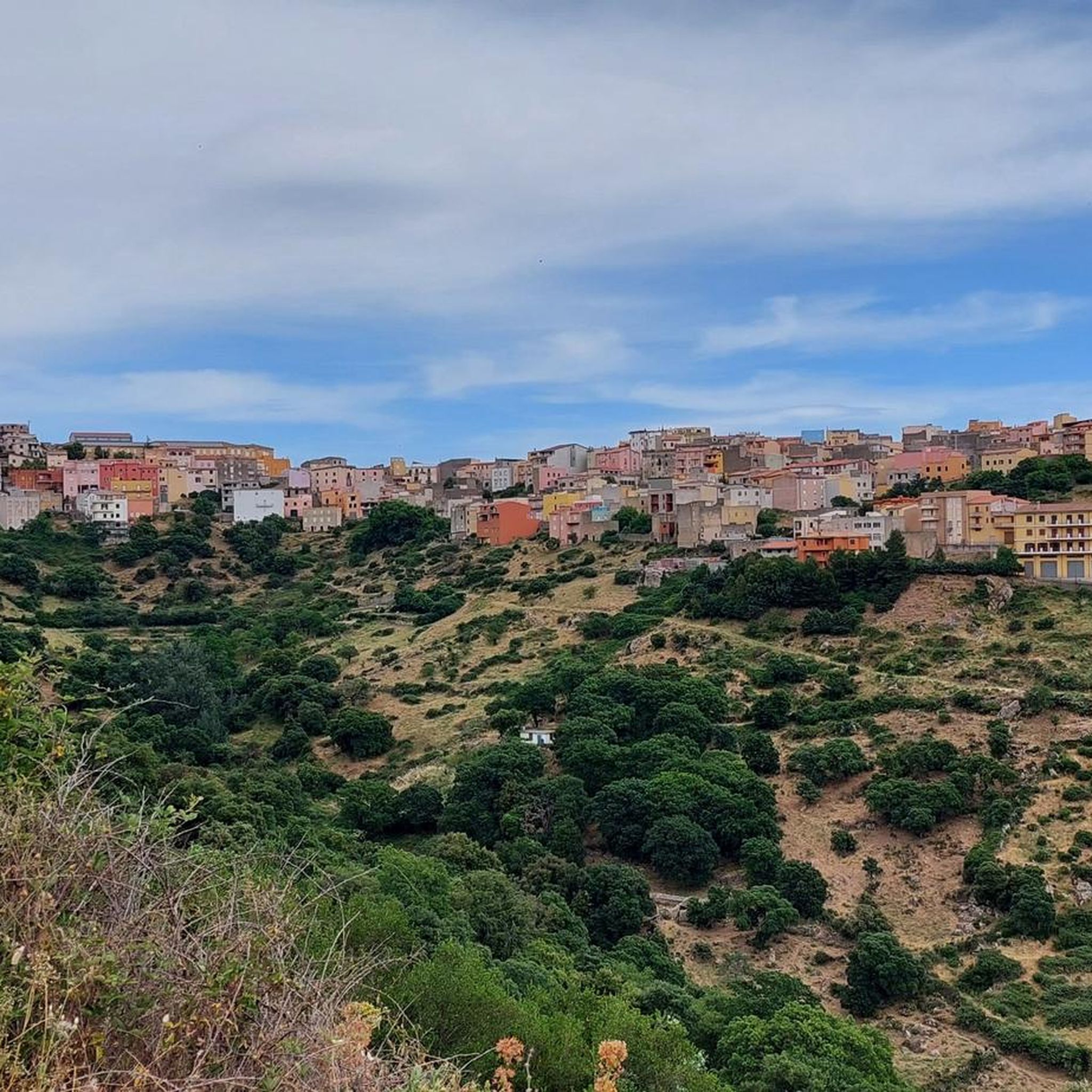
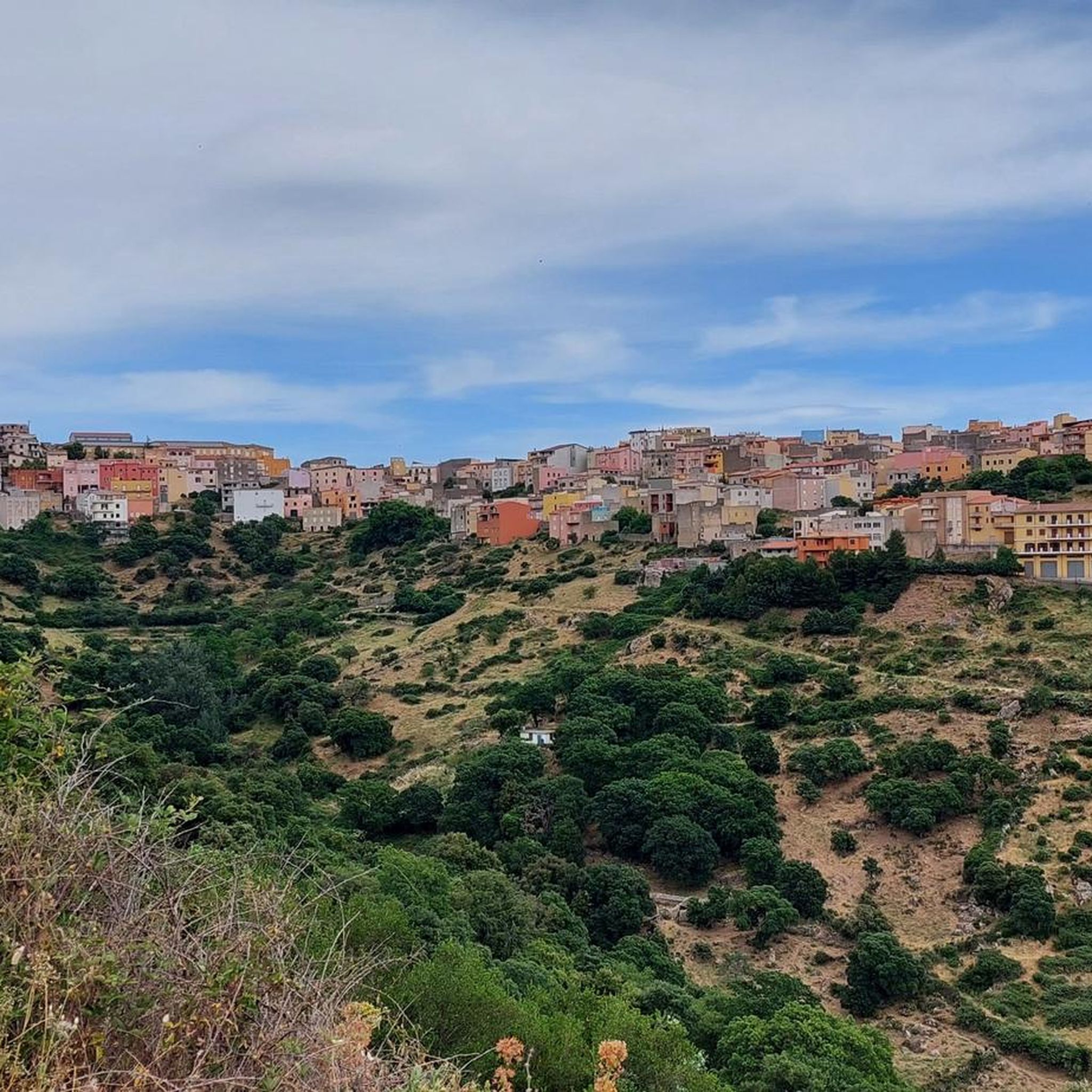
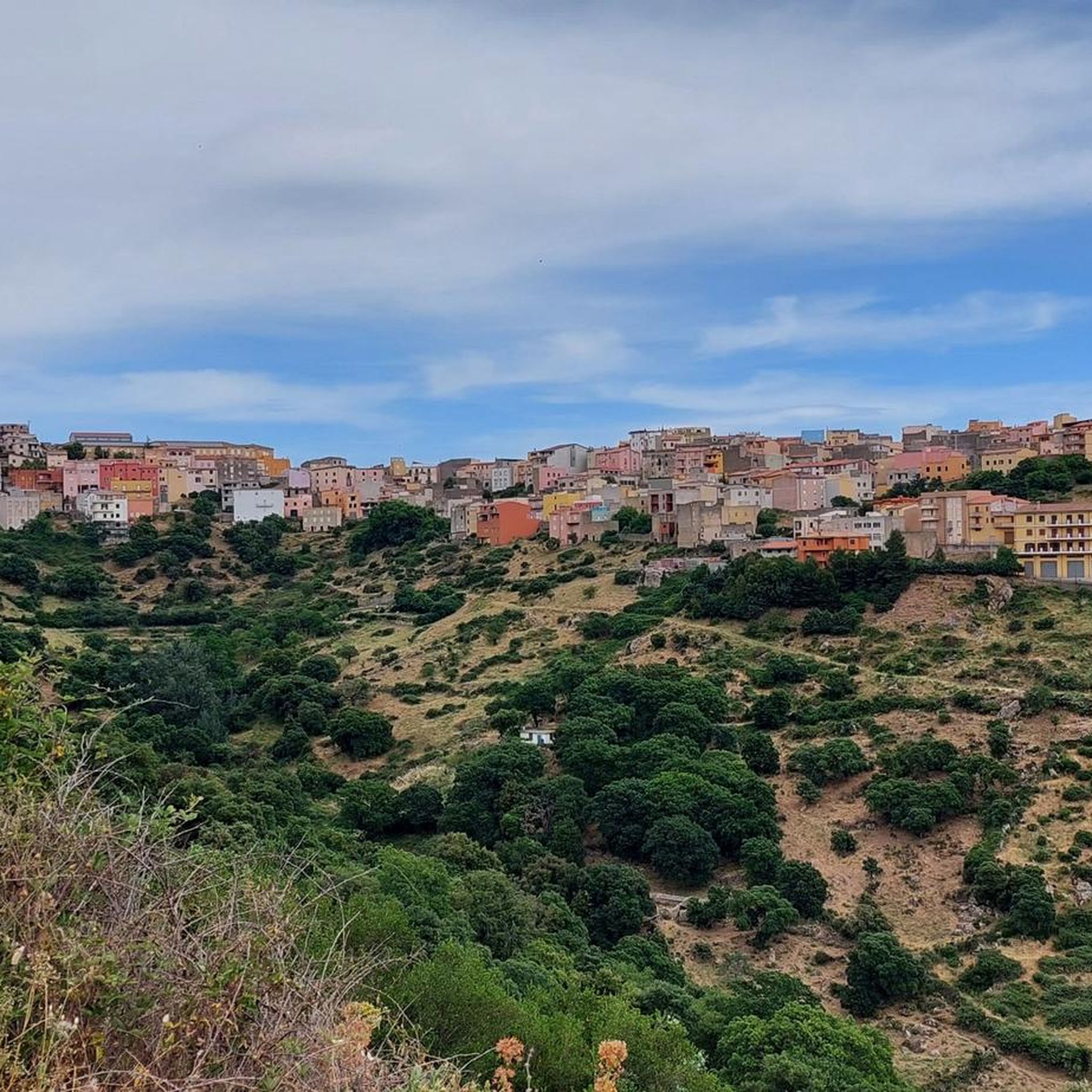
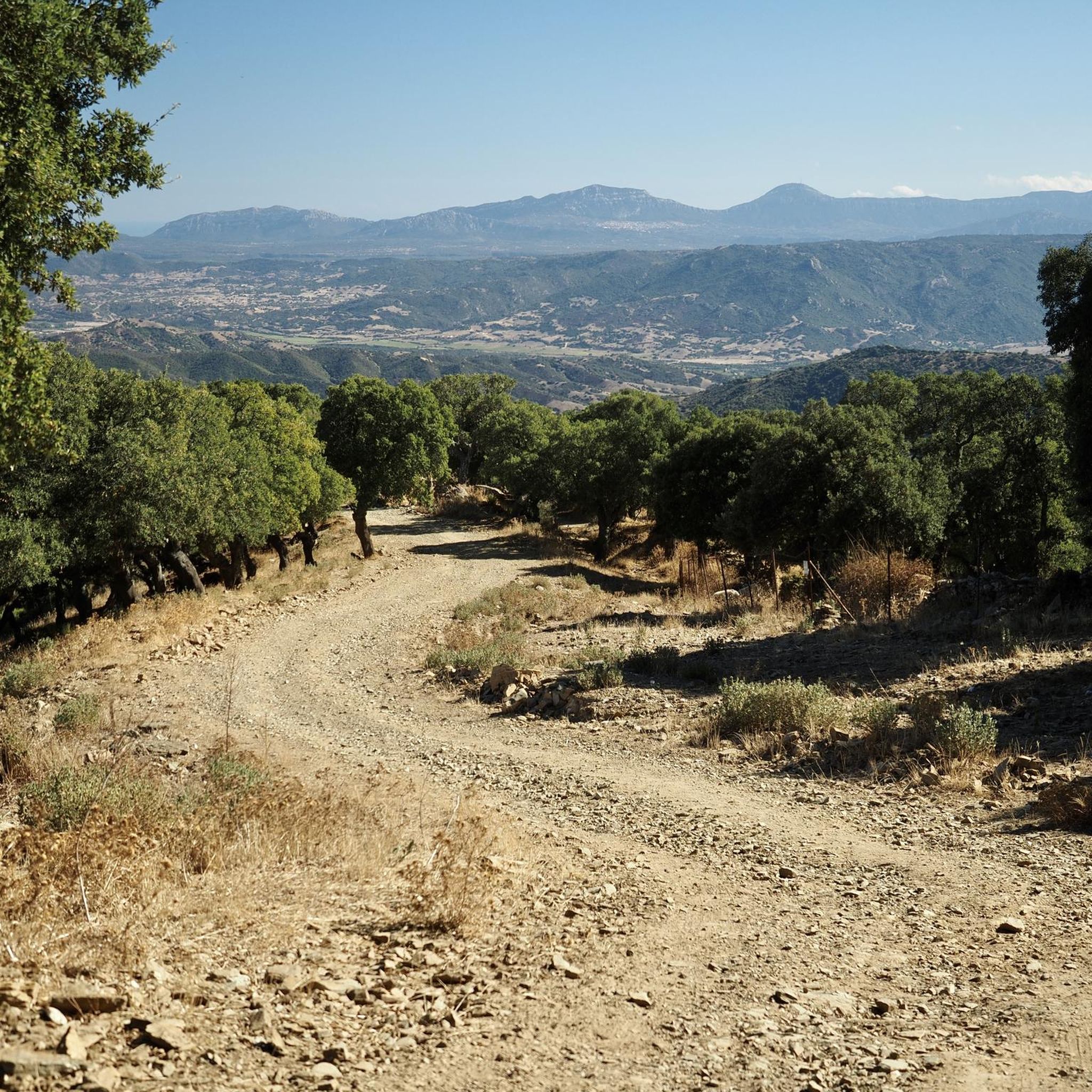
Hiking around Orune offers exploration of a mountainous hinterland, situated at an elevation of 800 meters above sea level. The region is characterized by diverse landscapes, including granite plateaus, deep valleys, and extensive oak forests, providing panoramic vistas. Prominent features include Mount Ortobene, an ancient granite hill rising to 955 meters, and significant archaeological sites such as the Sacred Well of Su Tempiesu. This terrain provides varied opportunities for outdoor activities.
Best hiking trails around Orune
- The most popular hiking…
Last updated: September 28, 2026
4.0
(13)
39
hikers
5.69km
01:50
230m
230m
Moderate hike. Great for any fitness level. Mostly accessible paths. Sure-footedness required.
4.2
(10)
32
hikers
Easy hike. Great for any fitness level. Easily-accessible paths. Suitable for all skill levels.

4.7
(18)
70
hikers
Moderate hike. Good fitness required. Mostly accessible paths. Sure-footedness required.
4.8
(13)
68
hikers
Easy hike. Great for any fitness level. Easily-accessible paths. Suitable for all skill levels.
4.0
(2)
4
hikers
5.97km
01:45
160m
170m
Easy hike. Great for any fitness level. Easily-accessible paths. Suitable for all skill levels.
Get access to more routes and recommendations from other explorers.
Already have an account?
Our route recommendations are based on thousands of hikes, rides, and runs completed by other people on komoot.
Start today with a free account
Your next adventure awaits.
Tips from the Community

100 different trails on one mountain! Unbelievable!!!
1
0

Installation by the artist Maria Laus from Nuoro
0
0

Very beautiful mountain road 🚴♂️
0
0
Incredibly beautiful to bike here
0
0

Feels like 100 curves to the top
0
0

The statue of the Redeemer is a bronze work placed on a peak of Mount Ortobene near Nuoro, at a height of 925 metres above sea level.
0
0

Frequently Asked Questions
How many hiking trails are available around Orune?
Orune offers a diverse range of hiking opportunities, with over 30 trails available. These routes cater to various skill levels, including 17 easy, 16 moderate, and 1 difficult trail.
What kind of landscapes can I expect to see while hiking in Orune?
Hiking in Orune takes you through a mountainous hinterland, characterized by granite plateaus, deep valleys, and extensive oak forests. You'll experience panoramic vistas stretching from the Barbagia Mountains to Gallura, with prominent features like Mount Ortobene.
Are there any family-friendly hiking options in Orune?
Yes, Orune has several easy trails suitable for families. For instance, the Forest Trail in Monte Ortobene loop is an easy 3.9 km path winding through forested slopes, offering accessible natural scenery. Another gentle option is the Old Shepherd's Hut – Sacred Well of Su Tempiesu loop, which is only 1.9 km and leads to a unique archaeological site.
What historical or archaeological sites can I visit on a hike?
Orune is rich in history. You can hike to the remarkably preserved Sacred Well of Su Tempiesu, a unique Nuragic fountain sanctuary. Other significant sites include the Giants' Tomb S'Ena e Thomes and the well-preserved Roman settlement of Sant'Efis, nestled within an oak forest.
Are there any circular hiking routes in the Orune area?
Yes, many trails in Orune are designed as loops. A popular moderate option is the Monte Ortobene — Ring tour, a 5.7 km route traversing granite formations and forests. For an easier circular walk, consider the Forest Trail in Monte Ortobene loop.
What is the best time of year to go hiking in Orune?
Orune, being at an elevation of 800 meters, offers pleasant hiking conditions for much of the year. Spring and autumn are ideal, with mild temperatures and vibrant natural colors. Summer mornings are also suitable, though it can get warm in the afternoon. Winter hiking is possible, but checking local weather conditions is advisable due to the mountainous terrain.
What do other hikers enjoy most about the trails in Orune?
The trails around Orune are highly rated by the komoot community, with an average score of 3.9 stars from over 80 reviews. Hikers often praise the diverse landscapes, the combination of natural beauty with significant archaeological sites, and the panoramic views from elevated points like Mount Ortobene.
Are there any challenging hikes for experienced trekkers?
While most trails are easy to moderate, Orune does offer at least one difficult route for experienced trekkers seeking a greater challenge. These routes typically involve more significant elevation changes and rugged terrain, providing a rewarding experience amidst the region's dramatic landscapes.
Can I combine hiking with exploring local landmarks?
Absolutely. Many hiking routes in Orune lead directly to or pass by significant landmarks. For example, the area around Mount Ortobene features the Christ the Redeemer statue at its summit, offering both a scenic viewpoint and a cultural attraction. The Sacred Well of Su Tempiesu is also accessible via an easy hiking trail.
What is the longest moderate hike available near Orune?
One of the longer moderate hikes in the area is the Hiking loop from Nuoro. This route spans approximately 8.2 km and typically takes around 2 hours and 46 minutes to complete, offering a good workout with varied terrain.
Are there any specific natural features to look out for?
Beyond the extensive oak forests and granite formations, keep an eye out for the unique geological characteristics of the region. The landscape is shaped by ancient granite hills and deep valleys, providing dramatic vistas and varied ecosystems. Mount Ortobene itself is a prominent natural landmark, offering stunning views.
Most popular attractions around Orune

Get inspired with the komoot mobile app


Explore more
Browse the best Hikes in other regions.
