Attractions and Places To See around Fabro - Top 20
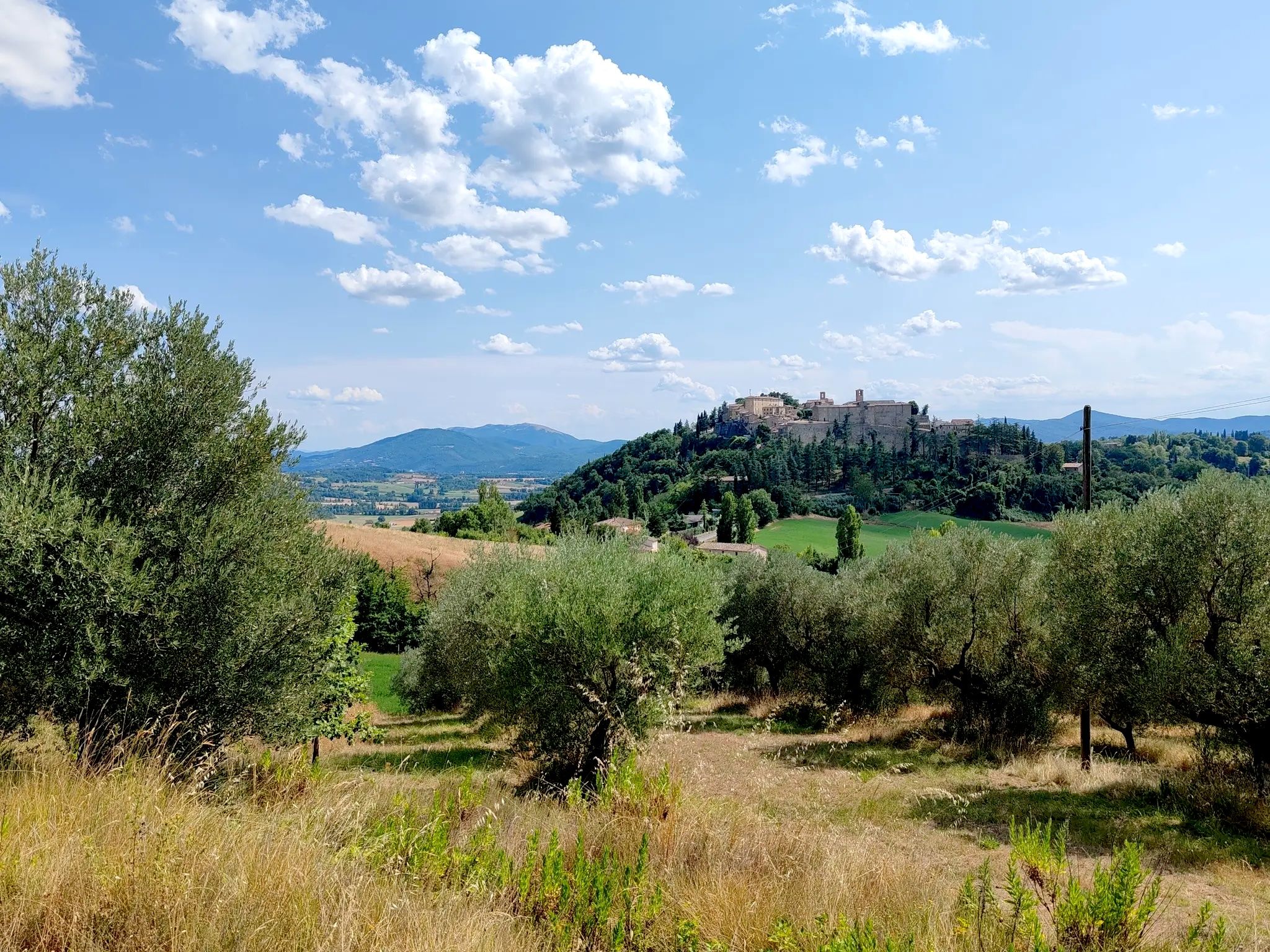
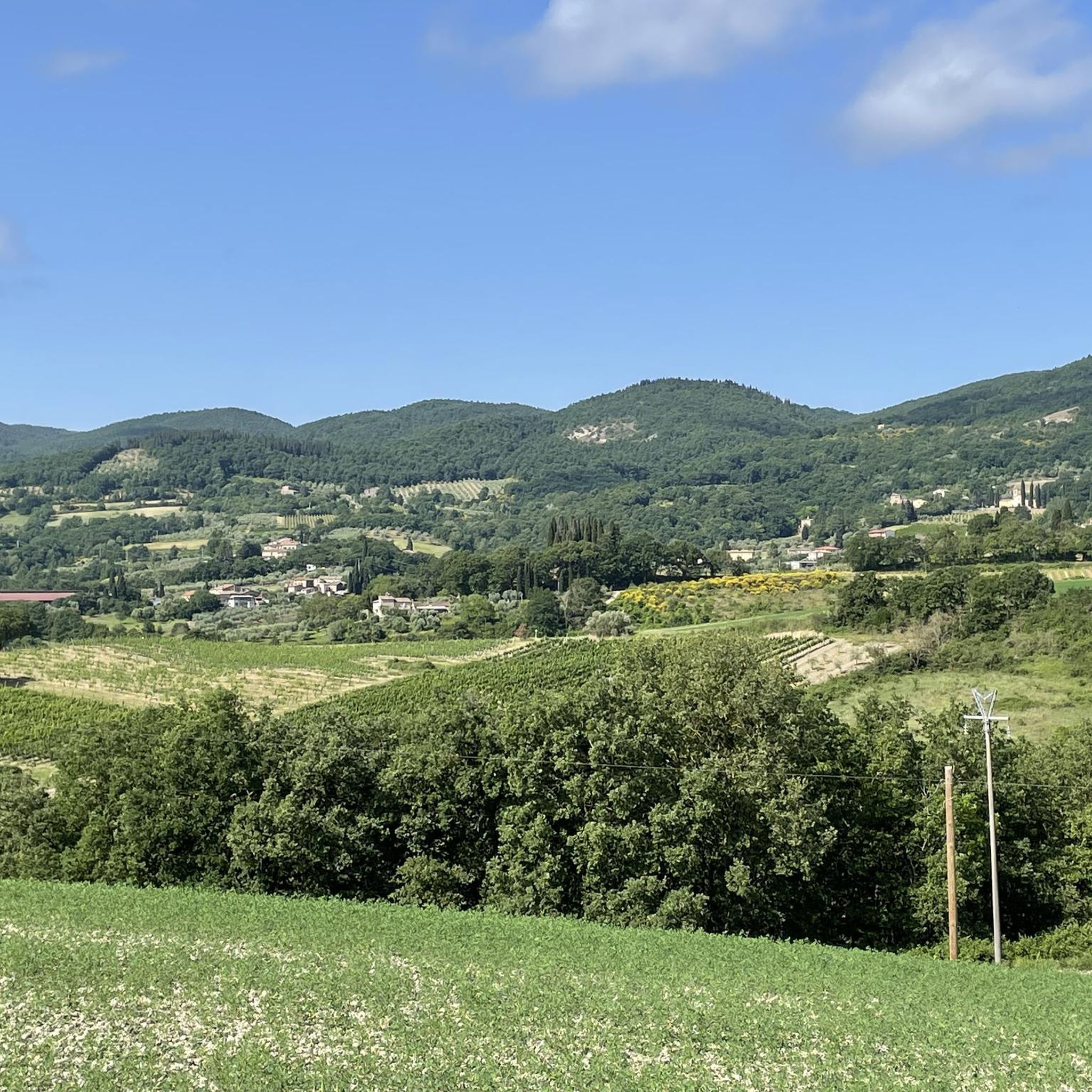
Best attractions and places to see around Fabro, a comune in Umbria, Italy, offers a blend of historical landmarks, cultural insights, and natural beauty. Situated on a panoramic hill at 364 meters above sea level, it provides expansive views of the surrounding Umbrian landscape. The region is characterized by rolling hills, olive groves, and vineyards, serving as a base for exploring central Italy. Fabro is conveniently located between Rome and Florence, making it accessible for visitors.
Best attractions and places…
Last updated: August 17, 2026
Baciadonne Alley
Highlight • Structure
Translated by Google •
Tip by

San Casciano dei Bagni
Highlight • Settlement
Translated by Google •
Tip by

Sign up now to discover places like this
Get recommendations on the best single tracks, peaks, & plenty of other exciting outdoor places.
Sign up for free
Belverde Archaeological Natural Park and Archeodrom
Highlight • Historical Site
Showing Translation
Tip by

Callone Pontificio del Campo alla Volta
Highlight • Monument
Translated by Google •
Tip by

Village of Fonte Vetriana
Highlight • Settlement
Showing Translation
Tip by
Sign up for free to discover even more attractions around Fabro.
Sign up for free
Already have an account?
Start today with a free account
Your next adventure awaits.
Login or Signup
Other adventures around Fabro

Tips from the Community

Fonte Vetriana, a hamlet of Sarteano located on the slopes of Monte Cetona, is a small village ideal for a relaxing stop. From here it is possible to reach the summit of Monte Cetona, either on foot or by bike, via a scenic trail. From the top, a breathtaking landscape opens up, perfect for taking unforgettable photographs.
0
0
The Belverde Archaeological Natural Park, at the foot of Monte Cetona, is a place where nature and history intertwine in a suggestive way. Immersed in the woods, the park preserves a system of caves that were inhabited by humans since prehistoric times. Next to the Archaeological Park, the Archeodromo of Monte Cetona offers a faithful reconstruction of a prehistoric village, allowing for a direct understanding of the life of the ancient communities that inhabited these lands.
0
0

The village stands on these hills, embellished with bright red terracotta bricks. Once in the narrow streets of the old town, the atmosphere changes: it seems to go through a time portal to the Middle Ages, an era of knights and battles, in which the village was a faithful ally of Siena. However, the fact that cars can circulate in the historic center is a negative underline, as it does not allow its authentic splendor to emerge. In Città della Pieve there is the "vicolo Baciadonne", considered the narrowest alley in Italy due to its narrow width.
2
0

You visit caves that were used in primeval times for burial rituals and for cult purposes. An archaeological educational trail was also created. Part of a Bronze Age village has been reconstructed, with life-size huts and areas for craft activities. The two sectors are connected by a route in the woods and along the rocky outcrop above the Belverde Caves, from where you can enjoy a wide panorama of the Valdichiana. A room for simulating archaeological excavations has been set up in a special area.
0
0

Small village at the foot of Monte Cetona (4 km from the summit) with B&B and restaurant (on weekends),
1
0

Located in the valley floor, between Chiusi Stazione and Ponticelli, it is one of the most notable examples of hydraulic engineering, consisting of a bridge on which the elegant brick building built in the 18th century as a regulator of the waters of the Chianetta canal rests, in the period of the reclamation of the Chiana Romana, erroneously attributed to the great architect Andrea Vici, who instead designed the large plaque placed in the main front. The project of the complex is due to Egidio Maria Bordoni in collaboration with Antonio Felice Facci. The construction of the Callone was a consequence of the agreements signed in the church of San Agostino in Città della Pieve between the Papal State and the Grand Duchy of Tuscany for the reclamation of the Valdichiana.
2
0

Beautiful village located on a panoramic hill on the slopes of Mount Cetona, at 582 meters above sea level, in the southernmost point of the province of Siena, where the last offshoots of the Tuscan hills and the engravings of the gullies connect with the landscape of Umbria and Lazio , close to the Cetona and Amiata mountains, and in view of the Trasimeno lakes, to the east, and Bolsena, to the south. Scenographic position, and also very favorable from a geographical point of view, having been for centuries a resting place for those moving between Rome and Florence (San Casciano is more or less halfway).
2
0

very nice village, it seems to go back in time
1
0
Frequently Asked Questions
What historical landmarks can I explore in and around Fabro?
Fabro and its surroundings are rich in history. You can visit the Castle of Fabro, an 11th-century fortress with a 16th-century restoration, or the Castle of Carnaiola, which controlled a Chiani River ford and features 16th and 17th-century frescoes. The parish Church of San Martino is also a notable historical site. Additionally, the nearby Callone Pontificio del Campo alla Volta is an 18th-century hydraulic engineering marvel.
Are there any unique cultural or architectural sites near Fabro?
Yes, a truly unique site is La Scarzuola, an 'ideal city' created by architect Tomaso Buzzi, known for its surreal architecture and historical connection to Saint Francis of Assisi. For a glimpse into medieval life, visit Baciadonne Alley in Città della Pieve, considered the narrowest alley in Italy.
What natural features and scenic views can I find around Fabro?
Fabro itself is situated on a panoramic hill, offering expansive views of the Umbrian landscape, characterized by rolling hills, olive groves, and vineyards. You can also explore the areas around the Streams Argento and Formella. For cyclists, the Umbrian section of the 'Sole' Bike Lane provides opportunities to enjoy the region's natural beauty.
What outdoor activities are available near Fabro's attractions?
The area around Fabro is excellent for outdoor enthusiasts. You can find various routes for gravel biking, running, and cycling. For example, there are numerous cycling tours like the 'Five Municipalities Loop' or routes that take you through scenic countryside. You can explore more options on the Cycling around Fabro guide.
Are there family-friendly attractions or activities in the Fabro area?
Yes, several attractions are suitable for families. Baciadonne Alley in Città della Pieve offers a fun historical experience. The charming settlement of San Casciano dei Bagni, with its scenic position, is also family-friendly. Additionally, the Panoramic road between Città della Pieve and Monteleone d'Orvieto is a pleasant, family-friendly route for cycling with beautiful views.
What local culinary experiences or events does Fabro offer?
Fabro is renowned for its truffle production. You can experience local culinary traditions, including pecorino cheese flavored with truffles and truffle sauce on handmade pasta, especially during the annual National Truffle Fair held on the second weekend of November. This coincides with the feast day of San Martino, the town's patron saint.
What is the best time of year to visit Fabro for outdoor activities?
The Umbrian region, including Fabro, generally enjoys pleasant weather for outdoor activities from spring through early autumn. The rolling hills, sunflower fields, olive groves, and vineyards are particularly vibrant during these seasons. The National Truffle Fair in November offers a unique cultural experience, though it's outside the peak season for many outdoor sports.
Can I find cycling routes with scenic views near Fabro?
Absolutely. The Panoramic road between Città della Pieve and Monteleone d'Orvieto is highly recommended for its stunning views of the Val di Chiana and gentle slopes, making it very pleasant to cycle. The Umbrian section of the 'Sole' Bike Lane also offers beautiful routes through the region's natural landscapes. Discover more routes in the Cycling around Fabro guide.
Are there any abandoned or ancient villages to explore near Fabro?
Yes, the ancient Salci village, though currently uninhabited, offers a fascinating glimpse into historical rural life. While some structures are undergoing maintenance, you can still access the main street and square for a quick visit. The road to get there is a hard and smooth dirt track suitable for mountain biking and gravel cycling.
What is Fabro Scalo and what does it offer?
Fabro Scalo is the most populous subdivision of the municipality of Fabro. It developed around the railway station and serves as a hub for commercial, artisanal, and service activities, providing amenities and local life for residents and visitors alike.
What do visitors enjoy most about the attractions around Fabro?
Visitors particularly appreciate the blend of historical depth and natural beauty. The medieval atmosphere of places like Baciadonne Alley and the scenic positions of villages like San Casciano dei Bagni are often highlighted. The unique hydraulic engineering of the Callone Pontificio del Campo alla Volta also captures interest, along with the overall charm of the Umbrian countryside.
Most popular attractions around Fabro

Get inspired with the komoot mobile app


Explore more
Still not found the Highlight you’re looking for? See guides of the top attractions in other regions:
