The best road cycling routes around Montieri
4.6
(173)
3,882
riders
76
rides
Road cycling around Montieri features a landscape characterized by rolling hills, dense woodlands, and historic villages. The region's terrain includes varied elevations, offering both challenging climbs and scenic descents. Road cyclists can expect routes that traverse through the Tuscan countryside, connecting points of interest with winding roads. The area provides a network of paths suitable for exploring the natural environment and cultural heritage by bike.
Best road cycling routes around Montieri
- The most popular road cycling route is Monteriggioni Castle…
Last updated: May 28, 2026
4.7
(20)
439
riders
65.1km
03:13
1,000m
1,000m
Hard road ride. Very good fitness required. Mostly well-paved surfaces and easy to ride.
4.7
(7)
209
riders
70.8km
03:55
1,490m
1,490m
Hard road ride. Very good fitness required. Mostly well-paved surfaces and easy to ride.

Sign up for free
4.7
(7)
173
riders
79.6km
03:47
1,080m
1,080m
Hard road ride. Very good fitness required. Mostly well-paved surfaces and easy to ride.
5.0
(1)
103
riders
75.5km
03:44
1,180m
1,180m
Hard road ride. Very good fitness required. Some segments of this route may be unpaved and difficult to ride.
4.0
(3)
71
riders
69.7km
03:18
880m
880m
Moderate road ride. Good fitness required. Some segments of this route may be unpaved and difficult to ride.
Get access to more routes and recommendations from other explorers.
Sign up for free
Already have an account?
Our route recommendations are based on thousands of hikes, rides, and runs completed by other people on komoot.
Start today with a free account
Your next adventure awaits.
Login or Signup
Tips from the Community

The Archaeological Museum is housed in the ancient Palazzo del Podestà (1225), which overlooks the Piazza del Duomo of Massa Marittima. The collection is organized into sections, ordered chronologically from the lower paleolithic to the etruscan age; the main piece of the prehistoric collection is the eneolithic statue-stele of Vado all’Arancio, the only find of its type in Maremma; the etruscan finds come mainly from excavations carried out at the village of Lago dell’Accesa, they are mainly kitchenware, loom weights, fishing weights and bricks; also present are the funerary trousseaux found in the necropolises, especially pottery (figulina clay and bucchero), bronze fibulae, iron pot stands, iron and bronze weapons. On the ground floor, an educational section is set up with a life-size reconstruction of typical caves: a paleolithic and an eneolithic one. Guided tours and educational activities, organization of cultural events and film screenings are available.
1
0
The Palazzo Comunale of Massa Marittima, located in Piazza Garibaldi, is an imposing 13th-14th century travertine building, the hub of medieval Tuscan power. The complex, characterized by three floors of mullioned windows and 19th-century battlements, combines the 14th-century Torre del Bargello (formerly Biserno) with the Sienese Gothic central body. The facade features the Medici coat of arms and a 15th-century bas-relief. Travertine structure composed of several blocks, with the Torre del Bargello (13th century) and the Gothic central body (14th century). It features the Medici coat of arms (1555), a bas-relief by Urbano da Cortona (15th century), and commemorative plaques of Giuseppe Garibaldi. It houses the Cappella dei Priori (frescoed in 1525, now the Mayor's office) and Igor Mitoraj's sculpture "Icarus" in the atrium.
0
0

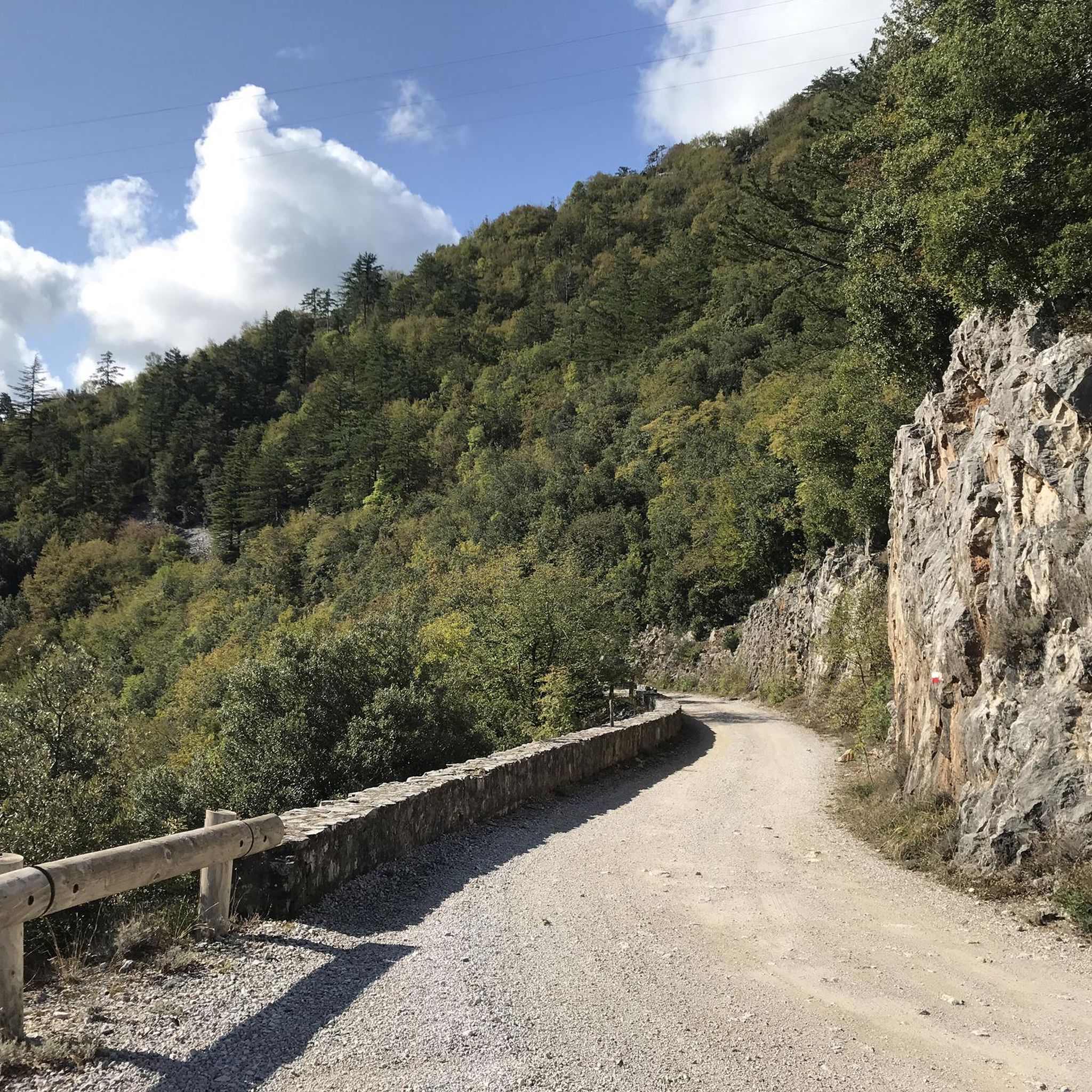
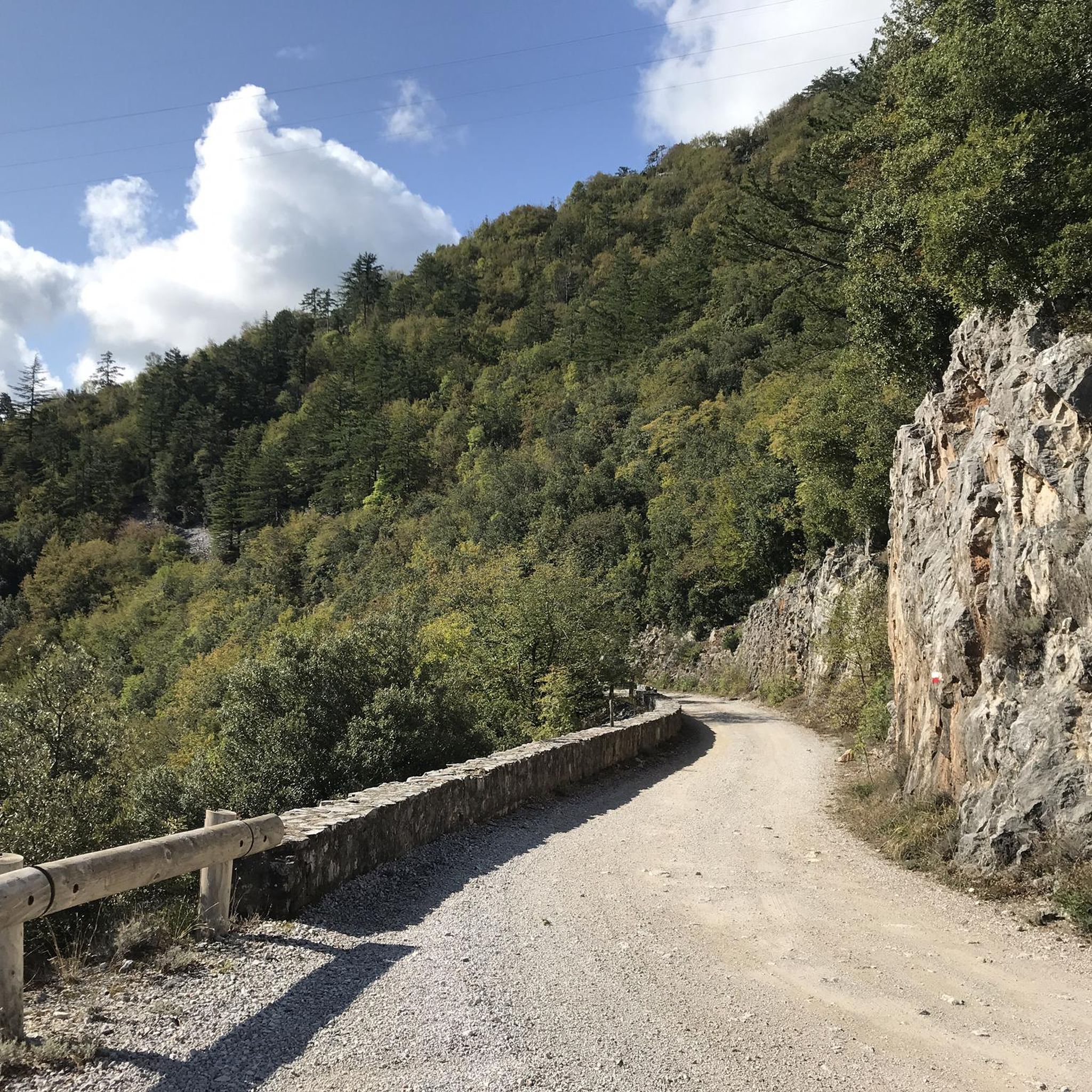
The Cippo is located at the entrance of the Strada Bianca on the SP99 side
0
0
Massa Marittima stands proudly enclosed within a well-preserved city wall. It is a town that has received the Orange Flag from the Touring Club and is rich in medieval artistic testimonies, even though its origins are probably Etruscan. The small streets that cross the hill lead to a magical place where the harmony of the lines amazes, surprises, and invites contemplation. The history of Massa Marittima is closely linked to the silver, copper, and pyrite mines of the Colline Metallifere, exploited since the early metal ages and then especially in the Etruscan and medieval periods.
2
0
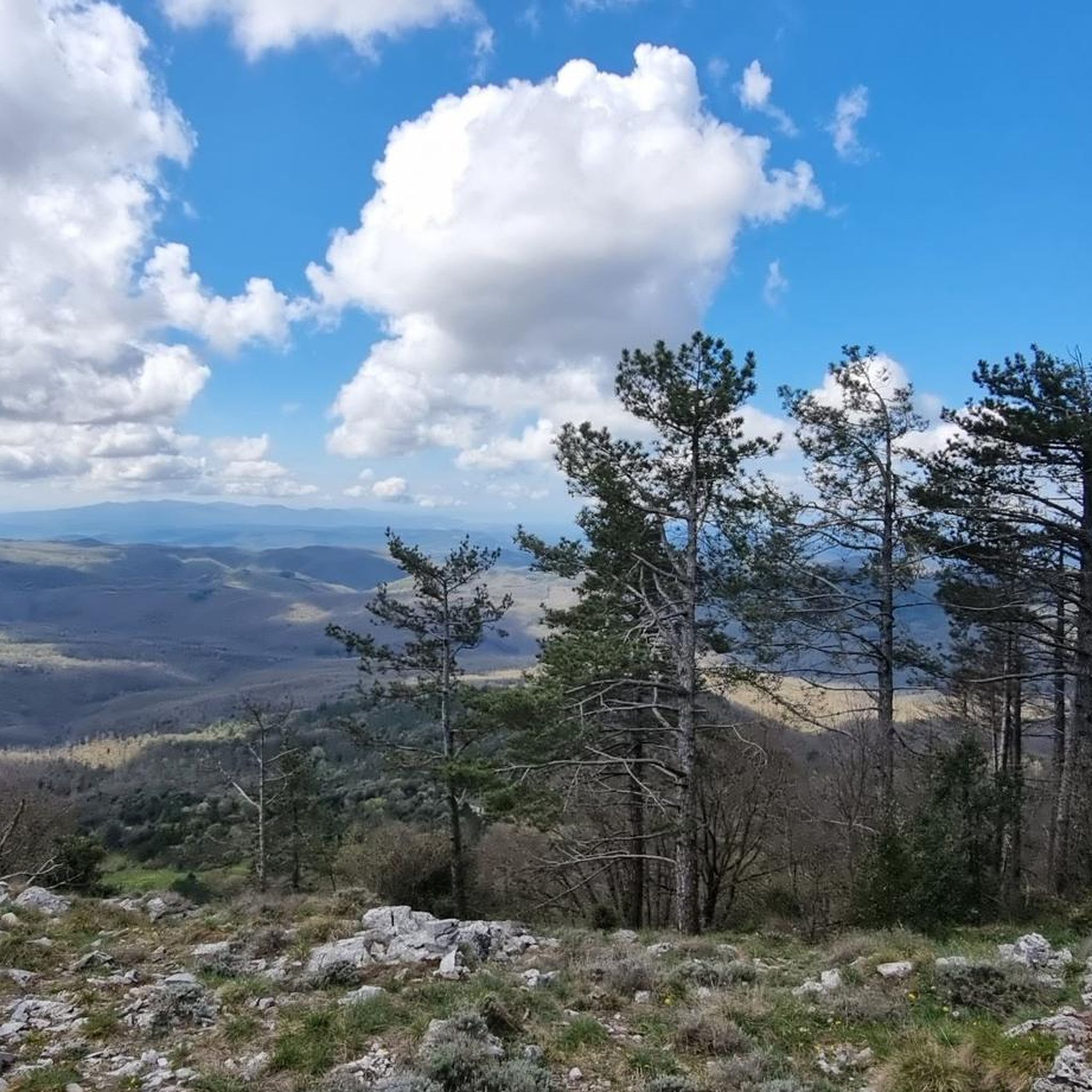
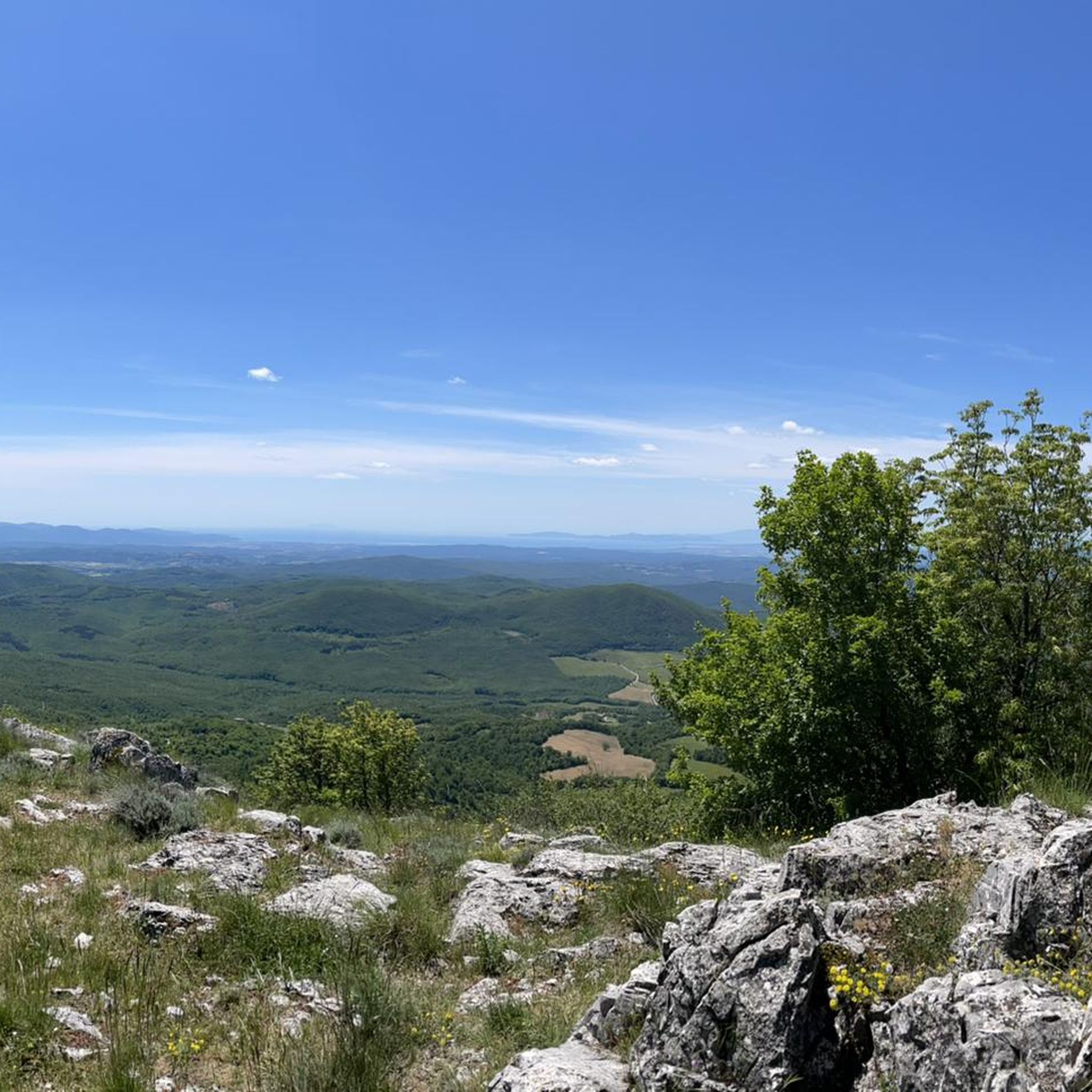
And after the effort, a lovely stop at the Barrino di Tatti. A snack just outside the medieval village, with views from the terrace and dining room spanning the Maremma all the way to the sea.
0
0
We are in one of the most beautiful squares in Tuscany! This stunning and unusual star-shaped medieval square is Piazza Garibaldi, a sort of open-air theater bordered by the city's most important historic buildings: the majestic Cathedral of San Cerbone, the Palazzo del Podestà, home to the Archaeological Museum, the Palazzina dei Conti di Biserno, the Palazzo dei Priori, now the town hall, Palazzo Malfatti with its loggia, and the more secluded Palazzo delle Fonti dell'Abbondanza.
3
0
Massa Marittima is a fortified medieval village located on a hill, known for its beauty and wealth of artistic and architectural heritage. Key attractions include the magnificent Piazza Garibaldi, with the Cathedral of San Cerbone, the Palazzo del Podestà, and the Palazzo Comunale. Other points of interest include the Fonti dell'Abbondanza with its famous fresco of the Tree of Fertility and, in the upper town, the Torre del Candeliere and the Cassero Senese within the medieval walls.
1
0
Opposite the Town Hall, this imposing structure, dominated by its large loggia, stands at the end of the square. The building dates back to the 13th century and has also undergone numerous renovations and restorations. The loggias themselves were demolished because they were unsafe and rebuilt between the late 19th and early 20th centuries. In a niche within the loggia, you can see a fresco of the Madonna depicted between Saint Joseph and Saint Andrew.
2
0
Frequently Asked Questions
What is the general terrain like for road cycling around Montieri?
Road cycling around Montieri is characterized by a landscape of rolling hills, dense woodlands, and historic villages. You can expect varied elevations, offering both challenging climbs and scenic descents through the Tuscan countryside.
Are there road cycling routes suitable for beginners or those looking for a moderate challenge?
While many routes in Montieri are challenging, there are 3 moderate road cycling routes available. These offer a less strenuous experience while still allowing you to explore the region's beauty. For example, the Chiusdino – Ciciano Fountain loop from Podere Pozzolone is a moderate option.
Where can I find challenging road cycling routes with significant climbs in Montieri?
Montieri is known for its challenging terrain, with 9 difficult routes featuring substantial climbs. Routes like the Monteriggioni Castle – Monteriggioni Medieval Village loop from Montieri and the Ponte della Pia – Abbey of San Galgano loop from Boccheggiano offer significant elevation gains and descents.
Are there circular road cycling routes around Montieri?
Yes, many of the road cycling routes around Montieri are designed as loops, allowing you to start and end in the same location. This includes popular options like the Passo dell'Incrociati (505 m) – Ponte della Pia loop from Podere Pozzolone.
What are some scenic highlights or viewpoints I can expect along the road cycling routes?
The routes often pass through picturesque Tuscan landscapes and historic sites. You might encounter medieval villages, ancient abbeys, and natural wonders. Notable attractions include the historic center of Massa Marittima, the ruins of Montemassi Castle, or the unique geothermal features of Biancane Nature Park.
What is the best time of year for road biking in Montieri?
The spring (April-May) and autumn (September-October) months generally offer the most pleasant conditions for road cycling in Montieri, with milder temperatures and beautiful scenery. Summers can be hot, especially in July and August, while winters can be cooler and wetter.
Are there any long-distance road cycling routes near Montieri?
Yes, Montieri offers several long-distance routes for experienced cyclists. The Monteriggioni Castle – Monteriggioni Medieval Village loop from Montieri is one of the longest, covering over 75 miles (121 km) and taking nearly 6 hours to complete.
What do other road cyclists enjoy most about the routes in Montieri?
The road cycling routes in Montieri are highly rated by the komoot community, with an average score of 4.6 stars from over 100 reviews. Cyclists often praise the challenging climbs, scenic descents, and the opportunity to explore historic towns and natural beauty.
Where can I find parking for road cycling routes in Montieri?
Many routes start from or pass through villages like Montieri, Boccheggiano, or Podere Pozzolone, where you can typically find public parking areas. It's advisable to check specific starting points for available parking options before your ride.
Are there any less crowded road cycling options in the Montieri area?
While popular routes can see more traffic, exploring some of the less-trafficked local roads or planning your rides during off-peak hours (early mornings or weekdays) can help you find a quieter experience. The region's extensive network allows for varied exploration beyond the most well-known paths.
What kind of historical sites can I visit along the road cycling routes?
The Montieri area is rich in history. Along your rides, you can discover medieval settlements like Tatti Village, ancient fortifications such as Candeliere Tower, and even mining castle ruins like Rocchette Pannocchieschi.
Most popular attractions around Montieri

Get inspired with the komoot mobile app


Explore more
Browse the best Road cycling routes in other regions.
