Attractions and Places To See around Caprese Michelangelo - Top 20
Best attractions and places to see around Caprese Michelangelo include significant cultural sites, historical landmarks, and diverse natural features. This village, located in the green heart of Tuscany's Valtiberina, is renowned as the birthplace of Michelangelo Buonarroti. Situated on the slopes of the Alpe di Catenaia, the area offers extensive forests of oak, chestnut, and beech trees. Visitors can explore a blend of historical heritage and unspoiled landscapes.
Best attractions and places to see around Caprese Michelangelo
- The most popular attractions is La Verna Sanctuary, a religious building that is the place where Saint Francis received the stigmata. The complex includes the small church of Santa Maria degli Angeli and the Basilica dedicated to Santa Maria Assunta, surrounded by the monumental forest of La Verna.
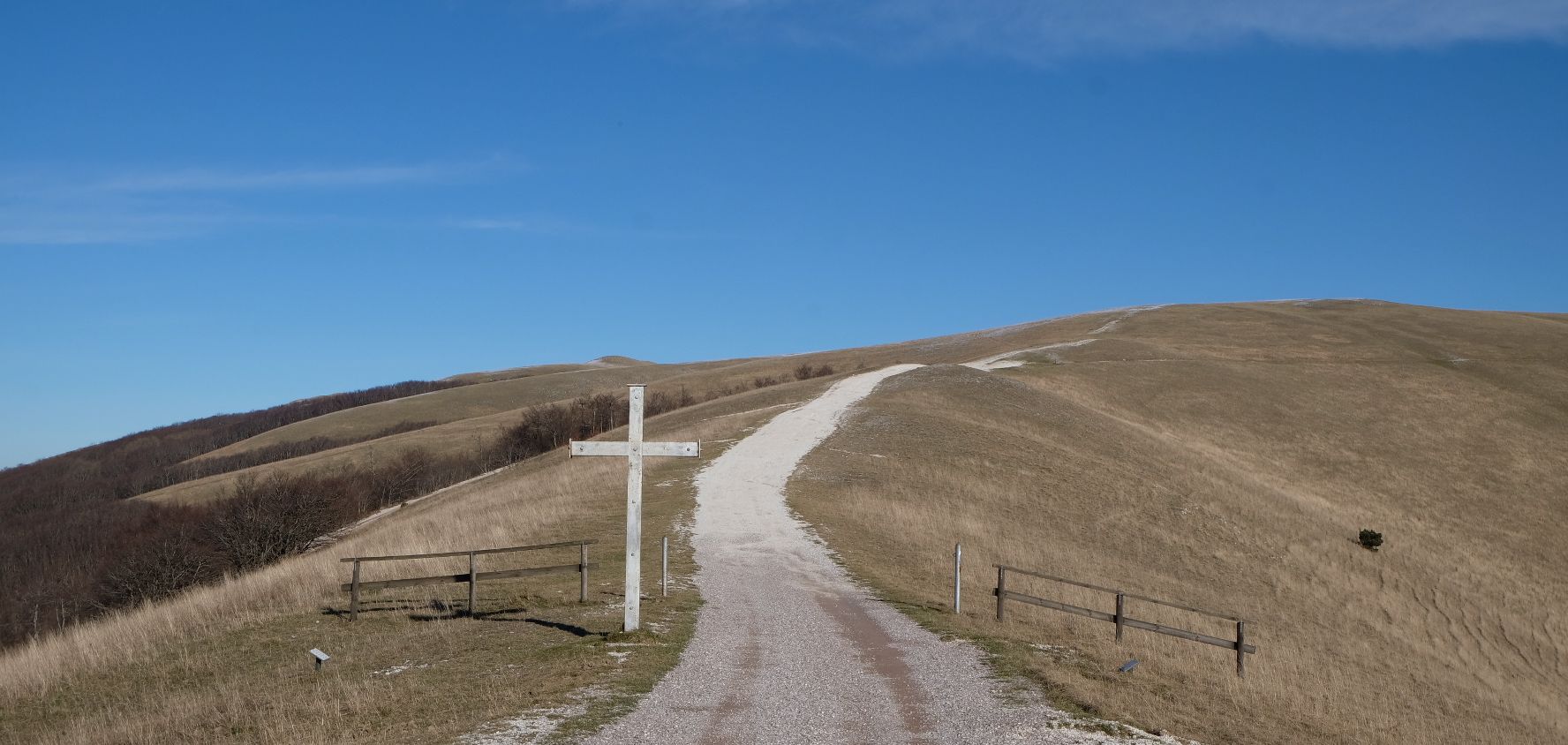
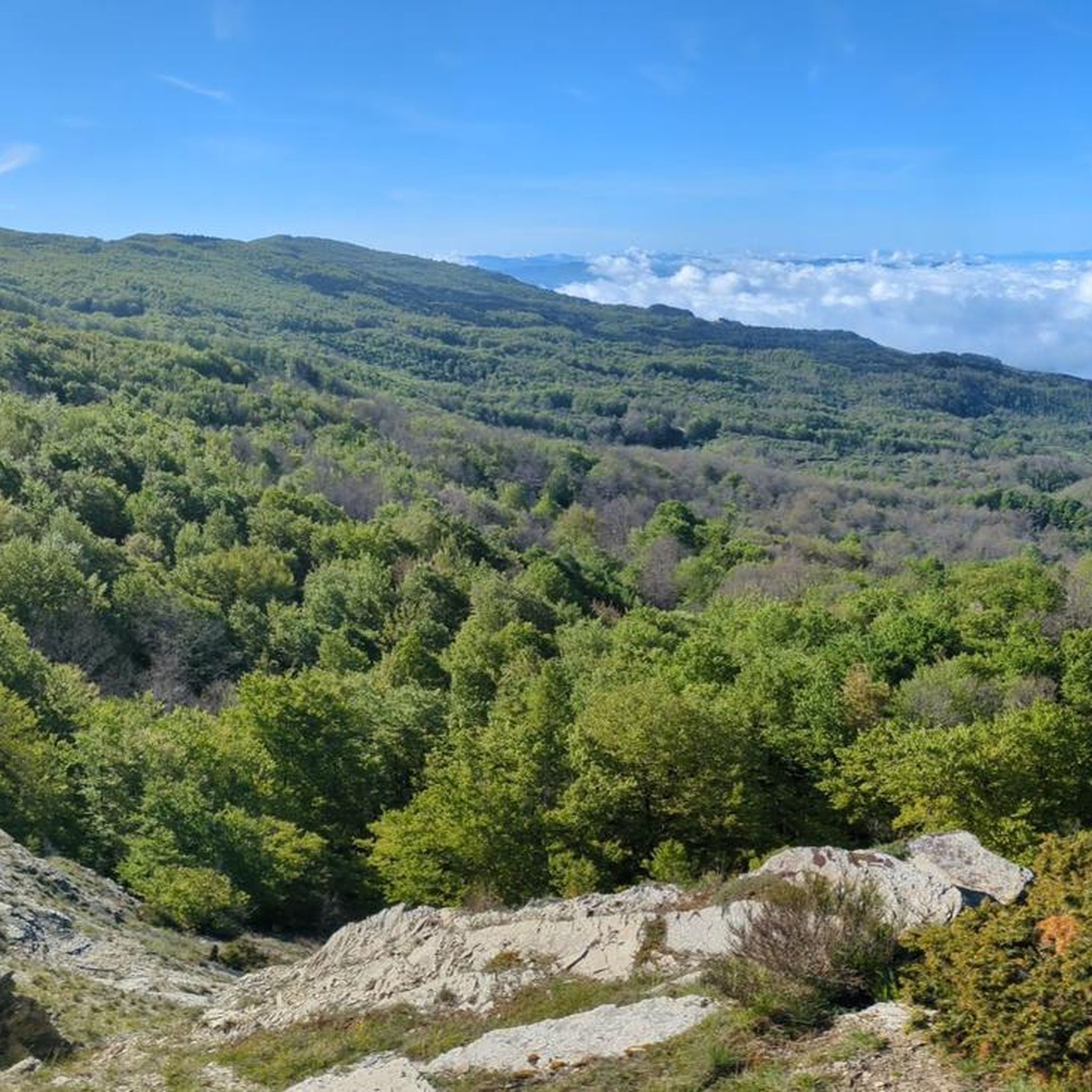
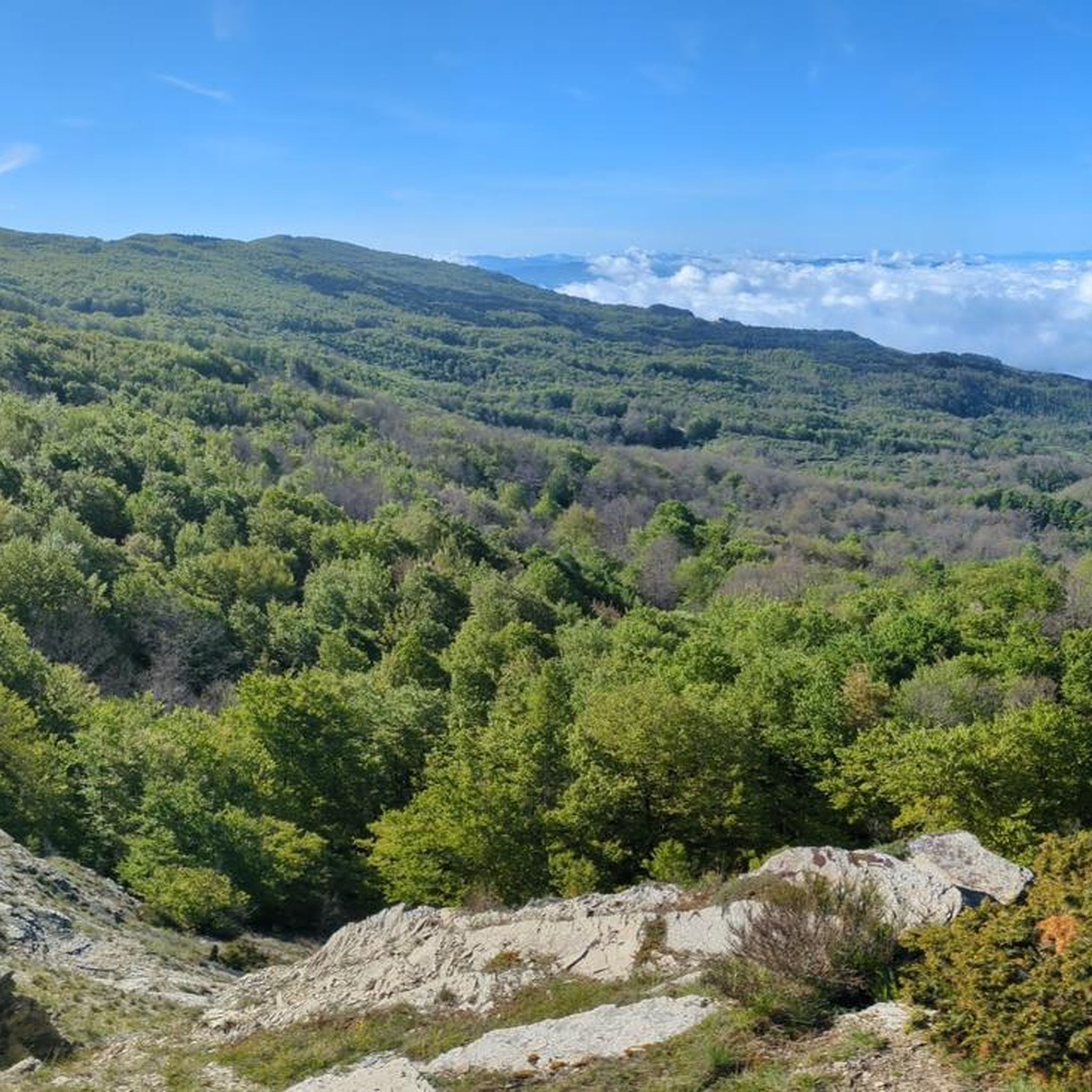
- Another must-see spot is Monte Calvano Summit, a summit located at 1,254 meters above sea level. This peak is characterized by an immense meadow between Casentino and Valtiberina, offering views and forming part of the multi-day European long-distance hiking trail E1.
- Visitors also love Cerbaiolo Hermitage, a religious building with Benedictine origins dating back to the 8th century. It has a rich history, including being handed over to Francis of Assisi in 1217 and sanctified by Saint Anthony of Padua.
- Caprese Michelangelo is known for its historical sites, religious buildings, and natural monuments. The region offers a variety of attractions to see and explore, from ancient churches to mountain summits.
- The attractions around Caprese Michelangelo are appreciated by the komoot community, with more than 460 upvotes and over 480 photos shared by visitors.
Last updated: July 6, 2026
La Verna Sanctuary
Highlight • Religious Site
Translated by Google •
Tip by

Monte Calvano Summit
Highlight • Summit
Translated by Google •
Tip by

Sign up now to discover places like this
Get recommendations on the best single tracks, peaks, & plenty of other exciting outdoor places.
Sign up for free
Fra' Lupo Rock
Highlight • Natural Monument
The rock is so called because Saint Francis met the wild robber Lupo here and converted him to the Christian faith. From that moment on, the robber's name was Fra' Lupo, according to Brother Agnello. The boulder itself is nothing special. However, the story of Lupo's transformation makes it a place of particular historical and religious interest.
Translated by Google •
Tip by

The Icehouse of Cattiglio
Highlight • Cave
Translated by Google •
Tip by
Cerbaiolo Hermitage
Highlight • Religious Site
Translated by Google •
Tip by

Sign up for free to discover even more attractions around Caprese Michelangelo.
Sign up for free
Already have an account?
Start today with a free account
Your next adventure awaits.
Login or Signup
Popular around Caprese Michelangelo

Other adventures around Caprese Michelangelo

Tips from the Community

Here you will find a particularly impressive section of the false wall of La Penna.
0
0

The Cerbaiolo hermitage, located in the municipality of Pieve Santo Stefano, has a fascinating history dating back several centuries. Here are some highlights: 8th century: A first small monastery was built by Tedaldo, lord of Tiferno (Città di Castello), as a gift to his daughter. His daughter's request was to build it on bare rock, "like Golgotha." 12th-13th century: After a period of growth, the few remaining Benedictine monks abandoned Cerbaiolo to move to two other monasteries in the area, leaving the hermitage uninhabited. 17th century: A chapel was built in the woods in honor of Saint Anthony, where his hut was said to have been. This gesture also served to preserve the memory of a previous small oratory. 18th century: The friars left Cerbaiolo and moved to Pieve Santo Stefano. The hermitage became a parish with the title of "St. Anthony of Padua" and was governed by a priest. Thus, the small hamlet of the municipality was born. 19th century: In 1867, the poet Giosuè Carducci was a guest in Cerbaiolo and described his experience in the ode "To the Friends of the Tiber Valley." 20th century: During the two world wars, 39 people lived in Cerbaiolo, in addition to those living in the surrounding farmhouses.
0
0

The name of this place is linked to the local tradition of using caves for food preservation. The rocks and the shade of the forest help to isolate the cavities from the outside, maintaining a constant low temperature. It was also common to fill the caves with snow during the winter to increase their cooling power during the warmer months. Even today it is possible to appreciate the difference in temperature between the outside and the inside, especially during the summer.
2
0
The place where the sanctuary is located today was donated to Saint Francis by Count Orlando Cattani of Chiusi in 1213. First a hermitage was founded which became a recurring destination for Francis and his disciples for periods of meditation and prayer. Francis stayed here for the last time in 1224. It was precisely on the occasion of that last visit that the Saint received the stigmata. The complex includes the small church of Santa Maria degli Angeli built by Francis himself, the corridor and the Chapel of the Sacred Stigmata and the Basilica dedicated to Santa Maria Assunta where you can admire the Annunciation by the sculptor Andrea della Robbia. The sanctuary is surrounded by the monumental forest of La Verna, a forest of fir and beech trees cared for over the centuries by the Franciscan friars.
4
0

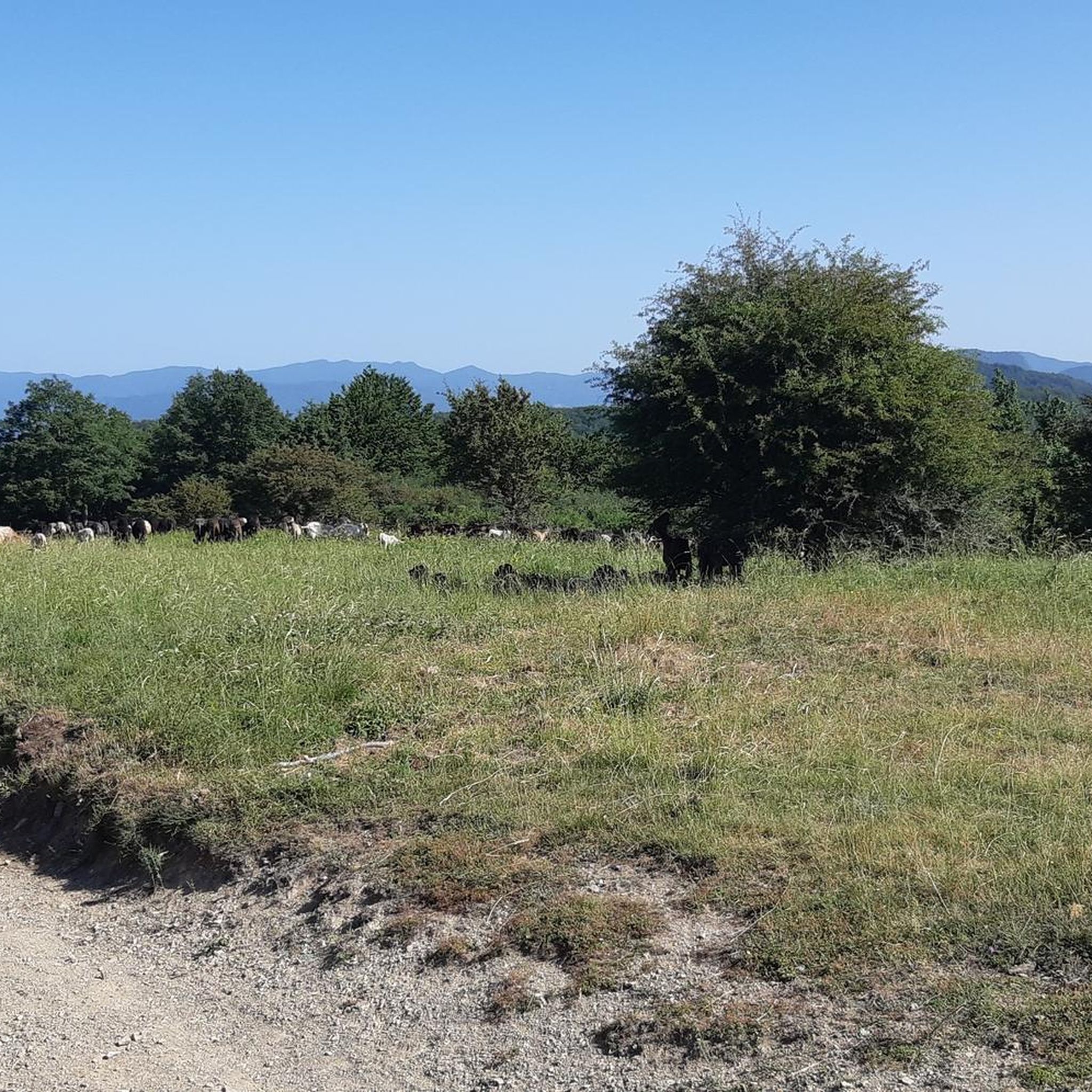
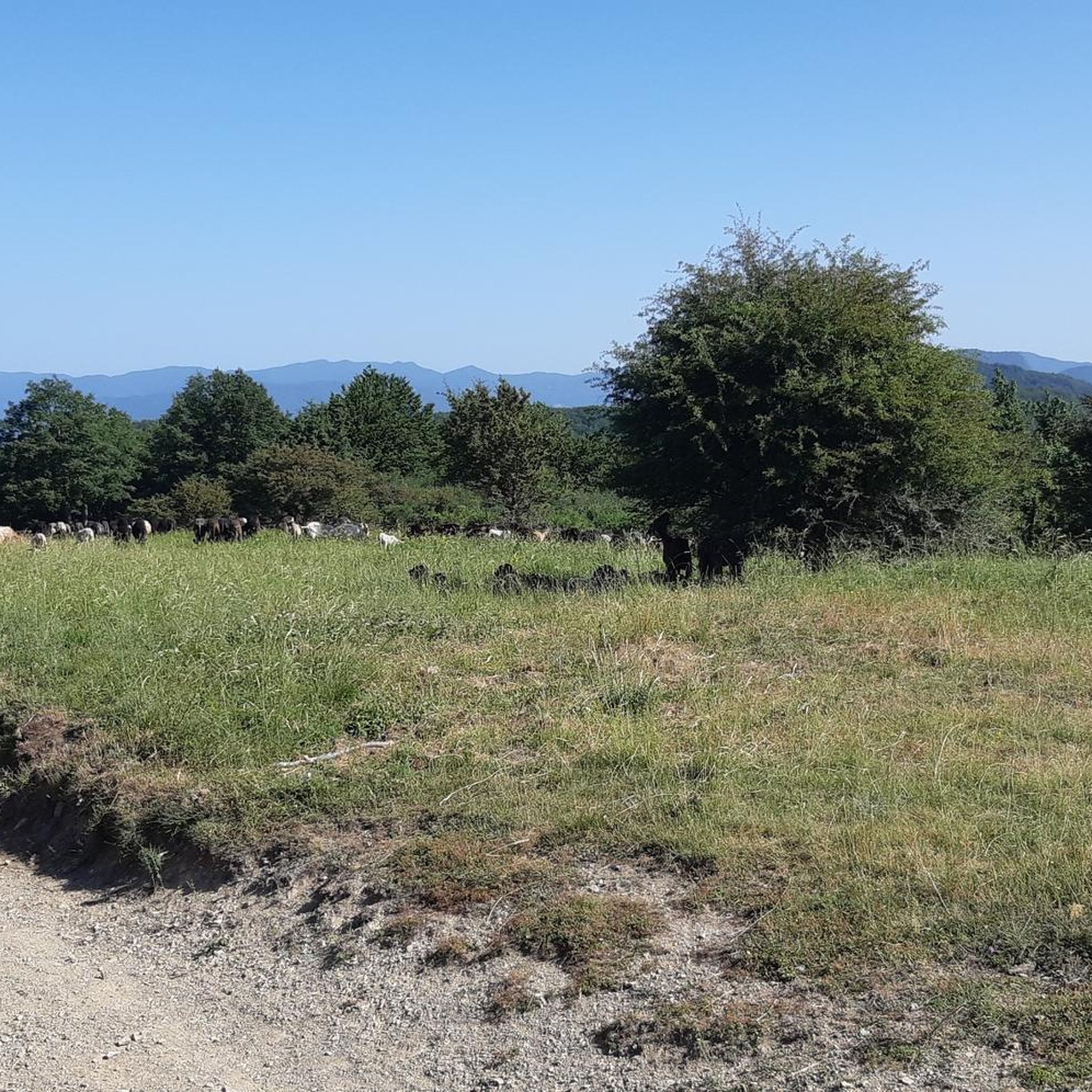
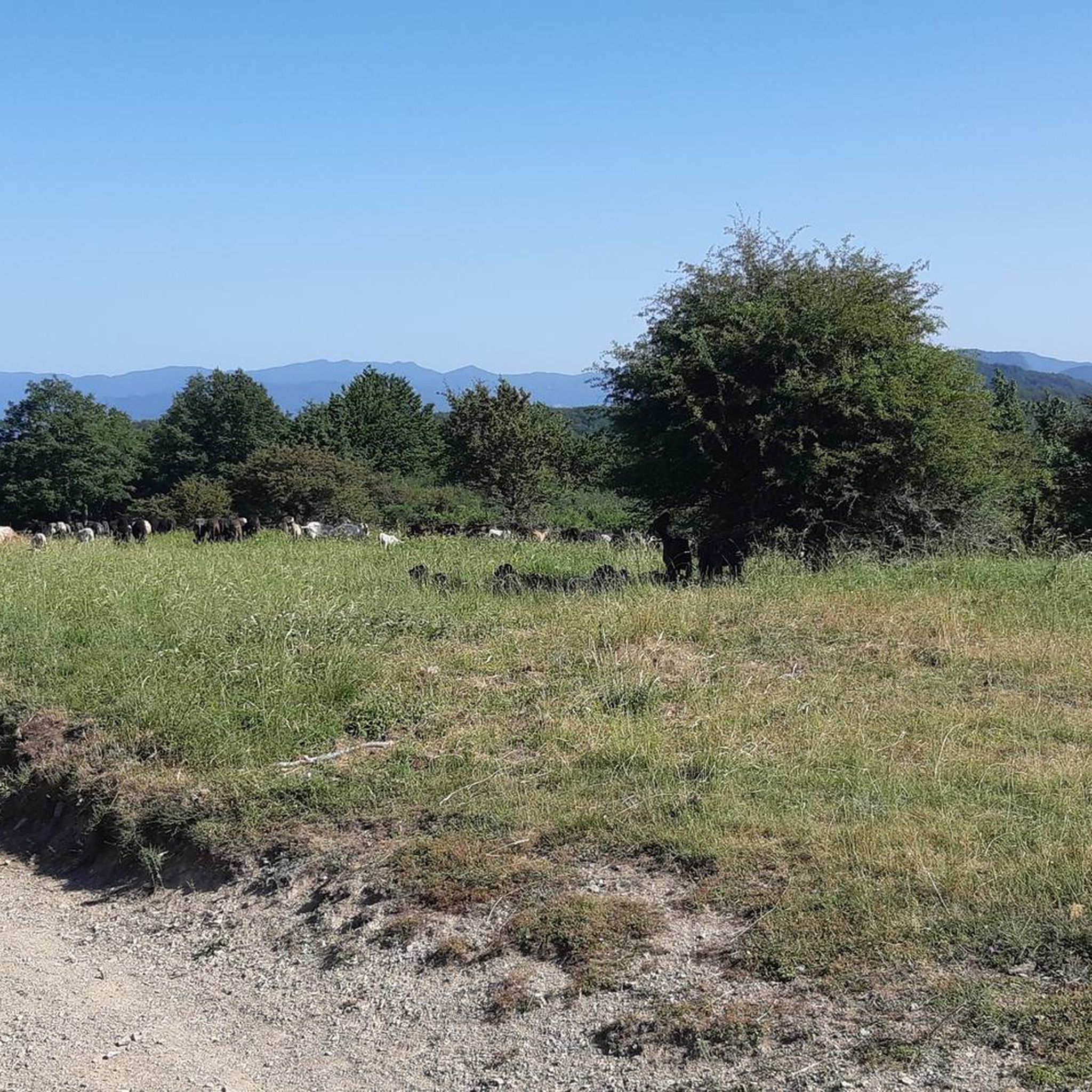
Located at 1,254 meters above sea level, the top of Mount Calvano is characterized by an immense meadow between Casentino and Valtiberina. It is not far from the Verna sanctuary and it is not uncommon for you to come across grazing animals.
1
0

Monte Calvano (1254 m above sea level) is a mountain in the Apennines in Italy. There is a path that leads to the summit. Monte Calvano is one of the 307 peaks along the multi-day European long-distance hiking trail E1.
3
0
The exact translation of the rock cave is: “The Ice Box” and that’s exactly how it feels when you get closer. In the past, people used such caves to store food.
4
2
The Holy Mountain of La Verna, as “the raw rock between the Tiber and the Arno…” is called, is the place where the “stigmatized” Francis wanted to relive the same torments that Christ suffered on Calvary. The monastery is located on the Alverna elevation on the southwest slope of Monte Penna north of Chiusi della Verna at 1,128 meters. Places worth seeing in this place of pilgrimage are the Basilica of St. Mary, Queen of Angels (S. Maria degli Angeli) and the chapel of the same name, the so-called “Outstanding Rock” (Sasso Spicco), the Corridor of the Stigmata and the Chapel of the Stigmata (Cappella delle Sacrestimmate).
4
1
Frequently Asked Questions
What historical and cultural sites can I explore in Caprese Michelangelo?
Caprese Michelangelo is rich in history, particularly as the birthplace of Michelangelo Buonarroti. You can visit the Michelangelo Buonarroti Birthplace Museum within the historic Caprese Michelangelo Castle complex, which includes Palazzo del Podestà and Palazzo Clusini where he was born. Other significant sites include the 13th-century Church of St. John the Baptist, where Michelangelo was baptized, and the ancient Camaldolese Abbey of Tifi. Nearby, the Cerbaiolo Hermitage offers a glimpse into Benedictine origins dating back to the 8th century.
What natural attractions and scenic viewpoints are there around Caprese Michelangelo?
The region boasts beautiful natural landscapes. You can explore the extensive forests of oak, chestnut, and beech trees on the slopes of the Alpe di Catenaia. The Monte Calvano Summit, at 1,254 meters, offers an immense meadow with panoramic views between Casentino and Valtiberina. Don't miss the Monumental Forest of La Verna, cared for by Franciscan friars for centuries, or the picturesque Montedoglio Lake, Tuscany's largest lake, perfect for countryside strolls.
What outdoor activities, like hiking or cycling, are available near these attractions?
The area around Caprese Michelangelo is ideal for outdoor enthusiasts. You can find numerous trails for hiking and walking, especially in the Alpe di Catenaia. For running, explore routes like "Around the Monte Santo" or "Fra' Lupo Rock – Monte Calvano Summit loop." Mountain biking options include "View of Lake Montedoglio – Lake Montedoglio loop" and "Sasso della Regina Viewpoint – Hermitage of Casella loop." Road cyclists can enjoy routes such as "Anghiari Medieval Town – Lake Montedoglio loop." You can find more details on these activities on the running trails, MTB trails, and road cycling routes guides.
Are there any family-friendly attractions or activities in the area?
Many of the natural areas and historical sites can be enjoyed by families. Gentle walks through the forests of Alpe di Catenaia or around Montedoglio Lake are suitable. The Michelangelo Buonarroti Birthplace Museum offers an engaging historical experience. While specific 'family-friendly' categories aren't listed for all highlights, the general appeal of exploring historical castles and beautiful natural landscapes makes the region enjoyable for all ages.
What is the best time of year to visit Caprese Michelangelo?
The best time to visit Caprese Michelangelo is generally during the spring (April-June) and autumn (September-October) months. During these periods, the weather is pleasant for outdoor activities like hiking and cycling, and the natural landscapes are particularly vibrant with spring blooms or autumn foliage. The famous Chestnut Festival takes place in October, celebrating the local 'marrone' chestnuts.
Where can I learn more about Michelangelo Buonarroti's connection to the town?
To delve into Michelangelo's origins, visit the Michelangelo Buonarroti Birthplace Museum, located within the Caprese Michelangelo Castle complex. This museum spans three buildings, including Palazzo Clusini, his actual birthplace. Additionally, the Church of St. John the Baptist is historically significant as the site of his baptism.
Are there any unique natural features or 'hidden gems' to explore?
Beyond the well-known sites, you can discover unique natural features like the Icehouse of Cattiglio, a cave historically used for food preservation due to its naturally cool temperatures. Another intriguing spot is the Fra' Lupo Rock, a notable natural monument near the La Verna monastery, associated with a historical tale involving Saint Francis.
What local products or culinary specialties is Caprese Michelangelo known for?
Caprese Michelangelo is particularly famous for its prized "marrone" chestnuts, which are celebrated annually at the Chestnut Festival in October. The area is also renowned for delicious wild mushrooms and truffles, reflecting the rich natural bounty of the surrounding forests.
What religious sites of significance are in the vicinity of Caprese Michelangelo?
Beyond the Church of St. John the Baptist and the Camaldolese Abbey of Tifi, the most prominent religious site is the La Verna Sanctuary, where St. Francis of Assisi received the stigmata. Other notable churches include the Parish Church of Santi Ippolito and Cassiano, the romantic Church of San Cristoforo in Monna, and the Sanctuary of the Madonna della Selva, built after an apparition in 1635.
What do visitors enjoy most about the attractions around Caprese Michelangelo?
Visitors frequently appreciate the blend of historical significance and unspoiled natural beauty. Many are moved by the spiritual atmosphere of sites like the La Verna Sanctuary, noting its unique emotional charge. The stunning views from places like Monte Calvano Summit and the tranquility of the forests are also highly praised. The rich history, especially related to Michelangelo and St. Francis, provides a deep cultural experience.
Are there any specific trails or routes recommended for beginners or easy walks?
While specific 'beginner' routes aren't detailed for every highlight, many of the forest paths and lakeside strolls, particularly around Montedoglio Lake, offer easier walking options. The area around the La Verna Sanctuary also has accessible paths within the monumental forest. For more detailed, easy walking routes, it's best to consult local trail maps or the komoot running trails guide, which includes some moderate options.
Can I find any wild swimming spots or water activities in the area?
While the region is rich in waterways, the primary spot for water activities is Montedoglio Lake. As the largest lake in Tuscany, it offers opportunities for relaxing countryside strolls along its shores and activities like canoeing and windsurfing. Specific designated wild swimming spots are not widely publicized, but the lake provides a refreshing natural environment.
Most popular routes around Caprese Michelangelo
Most popular attractions around Caprese Michelangelo

Get inspired with the komoot mobile app


Explore more
Still not found the Highlight you’re looking for? See guides of the top attractions in other regions:
